

Quick answer
To get smoke smell out of a house, remove or launder every soft item holding odour, wash walls and ceilings top-to-bottom with a TSP-PF solution, rinse, then seal any surface that still smells with a shellac-based odour-blocking primer before repainting. Air fresheners and baking soda only mask it; the odour returns until the residue is stripped or sealed out.

Key Takeaways
- 1Smoke smell comes back because thirdhand residue bonds to porous drywall, paint, and fabric and off-gasses for months, even after surfaces are washed, per research summarised by IQAir Canada.
- 2The order is fixed: strip soft reservoirs, wash walls and ceilings with TSP-PF top-to-bottom, rinse, seal with a shellac-based primer such as Zinsser B-I-N, then repaint.
- 3Repainting alone does not work: fresh latex over an unsealed nicotine film lets odour and yellow staining bleed straight back through.
- 4In Metro Vancouver's wet season, high indoor humidity keeps re-releasing off-gassed residue, so a unit that airs out clean in July can smell again once the windows close in November.
- 5In BC, smoke odour beyond normal wear and tear is a chargeable move-out cost. Once you give a written forwarding address, the landlord has 15 days to return your deposit or apply to the Residential Tenancy Branch.
- 6A tenant cannot be forced to paint as a condition of tenancy; interior repainting at reasonable intervals is the landlord's responsibility under BC Residential Tenancy Policy Guideline 1.
Why Smoke Smell Comes Back After You Clean
The reason DIY fails is chemical: smoke residue bonds into surfaces and keeps releasing odour long after the air smells fine.
The smell you notice is not really in the air; it is coming out of the surfaces around you. When something burns indoors, tar and nicotine and fine particles settle onto every surface and soak into the porous ones: painted drywall, ceilings, bare wood, carpet, and soft furnishings. That settled layer is what specialists call thirdhand smoke, and it does not sit still. It slowly off-gasses back into the room, which is exactly why a house can smell clean for an afternoon and sour again by evening.
This is also why the usual advice disappoints. Research summarised by IQAir Canada notes that nicotine and other tobacco compounds can remain on walls, furniture, and dust for months after smoking stops, even after surfaces are washed, and that more than two months out the residue reacts with ozone and nitrous acid in the air to form new pollutants. The same reviewers point out the residue can become more toxic over time, not less. Spraying the air treats the symptom while the source keeps working.
Metro Vancouver adds its own twist. From October to April our indoor air runs humid, and moisture is what coaxes trapped residue back out of porous surfaces. A rental that airs out fine in July, with the windows open and a breeze moving through, can turn smoky again in November once everything is shut against the rain. If the smell seems to return with the wet season, that is the residue re-releasing, not a new source.
Where the Smell Actually Lives
Before you clean anything, find the reservoirs holding the odour, because treating the air while ignoring them is why the smell keeps winning.
Odour hides in the porous and the forgotten. Painted drywall and ceilings are the biggest surface by far, and they hold residue across the whole room, which is why a light wipe of the visible spots never quite does it. Soft furnishings come next. Curtains, upholstered furniture, mattresses, and carpet act like sponges, and they will re-scent a room you just cleaned. On a move-out, the fastest progress usually comes from removing or laundering these first.
Then there is the path nobody looks at. A forced-air furnace pulls room air across a return-air filter and pushes it back out through every register, so a smoky house recirculates its own odour on a loop. The filter, the grilles, and the first stretch of duct behind them hold residue. Kitchen and bathroom exhaust fans do the same on a smaller scale. Cabinet interiors, the tops of trim and door frames, and the inside faces of closet doors all collect a film you only notice once the obvious surfaces are clean.
Working room by room with this map in hand is the difference between a clean that lasts and one that fades by the weekend. This surface-by-surface pass is the backbone of a professional odour clean, where the goal is to leave nothing holding the smell rather than to make the air pleasant for the walkthrough.
- Walls and ceilings: the largest reservoir; residue is in the paint, not on it
- Soft furnishings: curtains, cushions, mattresses, carpet - remove or launder first
- HVAC path: return-air filter, registers, and the first run of duct recirculate odour house-wide
- Hidden films: cabinet interiors, tops of trim and door frames, inside faces of closet doors
- Exhaust fans: kitchen and bathroom fan housings hold a greasy odour film
Pro Tip
Do your smell check two minutes after coming in from half an hour outdoors. Your nose fatigues to an odour within minutes of living in it, so the first breath back inside tells you more about where the smell is strongest than an hour of standing in it will.
The Sequence That Removes It: Wash, Rinse, Seal
Order matters. Cleaning out of sequence, or skipping the seal on a heavy job, is why smoke odour survives an honest weekend of effort.
Start soft, because it pays back fastest. Launder curtains, cushion covers, and bedding on a hot cycle with a cup of white vinegar, and rewash anything that still smells rather than assuming one pass did it. Anything you cannot launder and cannot get clean, such as a saturated old rug, is often cheaper to replace than to chase.
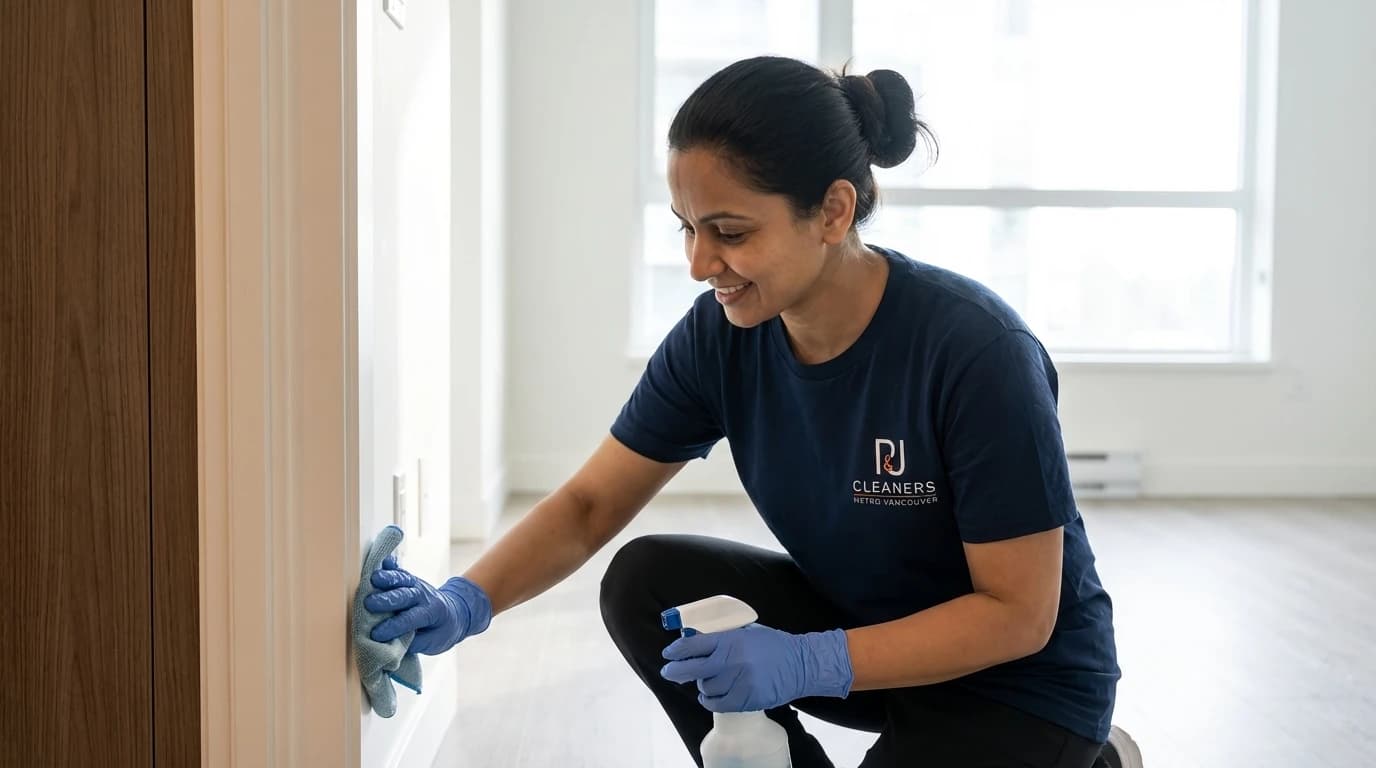
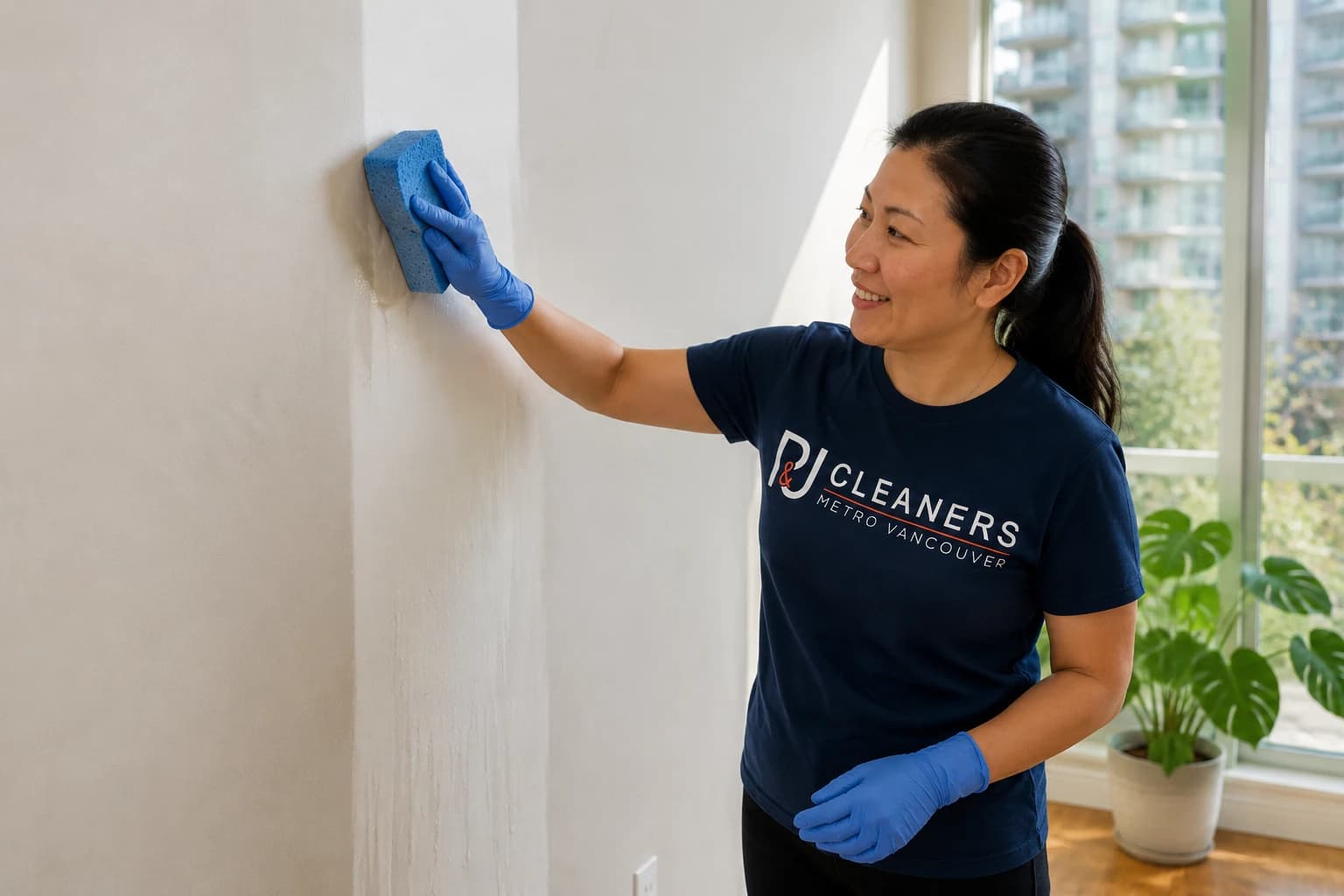
Then the walls and ceilings, and here the product matters. The tar-and-nicotine film is greasy, and ordinary spray cleaners smear it rather than lift it. A trisodium phosphate solution cuts it; because straight TSP is restricted in some areas, the phosphate-free version, TSP-PF, is the common substitute and works the same way for this job. Wear gloves and eye protection, wipe from the top down so streaks run onto dirty surface rather than clean, and do not scrub hard. Then rinse with clean warm water, or the leftover cleaner film will keep primer and paint from gripping the wall.
Now the decision that separates a light job from a heavy one. If the surface comes up clean and stays odour-free once dry, you are done. If a sticky film or a yellow stain remains, cleaning alone will not hold, and the fix is to seal. A shellac-based odour-blocking primer such as Zinsser B-I-N is made for exactly this; the manufacturer lists it for permanently sealing smoke and nicotine stains and odours, and it dries to the touch in about twenty minutes. One coat locks the residue in so it can no longer off-gas, and only then does fresh paint go on. Skipping the seal is the single most common reason a freshly painted smoker's room smells again within weeks.
Do not forget the mechanical loop. Replace the furnace return-air filter, wipe the registers and grilles, and run the system afterward so you are not pushing old odour back through clean rooms. The same principle applied to wildfire soot is covered in our wildfire smoke cleanup guide, which shares this house-recirculates-its-own-air logic.
- Fabrics first: hot wash with white vinegar; rewash until the smell is gone
- Walls and ceilings: TSP-PF solution, gloves and eye protection, wipe top-to-bottom, no hard scrubbing
- Rinse with clean warm water so primer and paint can bond
- Seal stubborn film: one coat of shellac-based primer (Zinsser B-I-N) before repaint
- HVAC: new return-air filter, wipe registers, run the system to clear the ducts
Pro Tip
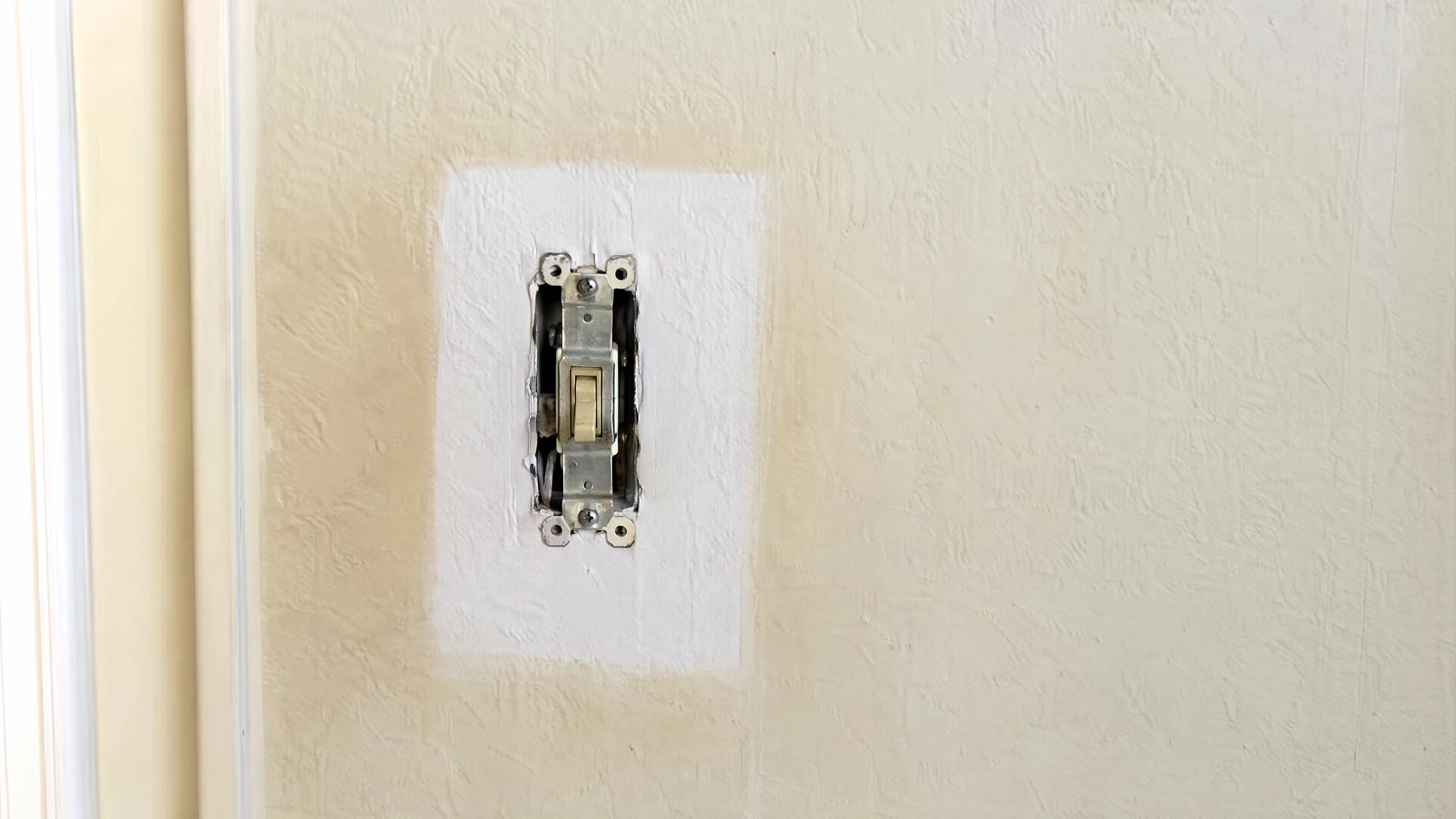
Run the switch-plate test before you commit to a plan. Unscrew a light switch cover from a smoked-in room: if the wall behind it is noticeably lighter than the exposed wall, that colour gap is nicotine film, and that room will need sealing, not just washing.
Move-In: You Inherited a Smoker's Unit
Taking over a unit that smells of the last tenant is common on Vancouver turnover dates, and your options depend on what you can and cannot ask the landlord to fix.
Late August is the busiest moving window in Metro Vancouver, with most leases turning over around September 1 and student housing near UBC and SFU churning at the same time. That compresses everything: units get vacated, cleaned, and re-let on a tight schedule, and smoke odour is one of the problems that most often slips through in the rush. If you are moving into a place that smells, the first move is to document it, with dated photos and a note to the landlord, before you unpack over the problem.
As an incoming tenant, the wash-and-launder steps are fair game and worth doing: a TSP-PF wipe of the walls, laundering anything soft that came with the place, new HVAC filter, and a good airing on dry days. What you should not take on yourself is sealing and repainting an entire unit. Interior painting at reasonable intervals is the landlord's responsibility, and a heavy smoke job that needs full sealing is a turnover cost the owner should be covering before you move in, not one you absorb on your own time and money.
If the odour is severe enough that ordinary cleaning will not touch it, that is a conversation to have in writing with the landlord early, ideally before or right at move-in. Our move-out cleaning checklist doubles as a move-in inspection list: the same surfaces a departing tenant is judged on are the ones you want documented as already problem-areas on your arrival. In older rental stock around East Vancouver and New Westminster, where single-pane windows and limited mechanical ventilation trap odour, that paper trail matters even more.
- Document odour with dated photos and a written note to the landlord before unpacking
- Fair for a tenant to do: TSP-PF wall wipe, launder soft items, new HVAC filter, air out
- Not your job: full-unit sealing and repaint on a heavy smoke turnover
- Raise severe odour in writing early, before you have moved in over it
Move-Out: Smoke Odour and Your BC Damage Deposit
If you smoked indoors, smoke odour is one of the few cleaning issues that can legitimately cost you part of your deposit, so it is worth handling properly before you hand back the keys.
BC tenancy rules draw a line at normal wear and tear. A tenant is responsible for leaving the unit reasonably clean, and is not on the hook for the natural deterioration that comes from ordinary living. Smoke odour beyond that line, the kind that needs extraordinary cleaning or sealing, falls on the tenant who caused it, and the Residential Tenancy Branch treats lingering smoke damage as a chargeable item rather than fair wear.
Two rules are worth knowing before move-out. First, a landlord cannot require you to repaint as a condition of tenancy; interior painting at reasonable intervals is their responsibility under BC Residential Tenancy Policy Guideline 1, so a demand that you repaint the whole unit is not automatically valid. Second, on timing: once the landlord has your forwarding address in writing, they have 15 days to either return your deposit or apply to the Residential Tenancy Branch to keep some of it. If they do neither, you have grounds to dispute.
The practical takeaway is to clean the smoke odour down as far as reasonable cleaning goes, keep your own dated photos of the result, and provide your forwarding address in writing so the clock starts. If the residue is heavy enough that only sealing and repaint will fix it, that is where the disagreement usually lands, and good documentation of the unit's condition, plus a professional move-out cleaning with a receipt, is the strongest position you can be in. For the broader picture on what is and is not deductible, our guide to BC tenant cleaning and deposit rights walks through the details.
Pro Tip
Give your forwarding address in writing, not just verbally, on the day you hand back the keys. That written notice is what starts the landlord's 15-day clock, and a dated copy of it is often the deciding evidence if the deposit ends up in dispute.
When DIY Is Enough and When to Call a Crew
The honest dividing line is the smoke load, not your effort, and knowing which side you are on saves both money and a repainted-then-still-smelly room.
Light exposure is a genuine DIY job. One smoker over a short stay, or cooking and candle smoke, usually clears with a weekend of ventilating, laundering the fabrics, and a TSP-PF wipe of the walls, and no repaint is needed. If the switch-plate test shows only a slight difference and the walls come up clean and stay odour-free, trust that and stop there.
Heavy exposure is where DIY quietly fails. A long-term indoor smoking history leaves a sticky, uniform nicotine film across the walls and ceilings. That film has to be washed, rinsed, sealed, and repainted in that exact order, on top of a full clean of every hard surface and the HVAC path. It is slow, the shellac primer is unpleasant to work with, and getting the sequence wrong means doing it twice. That is the point where a crew earns its keep: this is the kind of turnover our deep cleaning teams run regularly, and where a whole-home house cleaning pass makes sure the odour is not just moved from the walls to somewhere you forgot to check.
Two situations are never DIY. Fire and wildfire soot residue needs specialist handling before any odour work, because soot is corrosive and spreads, and cleaning it wrong drives it deeper. And any smoke smell you cannot trace, that seems to come from behind a wall or through the floor, deserves a look for a hidden source rather than another coat of primer. When the smell traces cleanly to surfaces you can reach, it is beatable; when it does not, get eyes on the source first.
Step-by-Step
The Smoke-Odour Removal Protocol, In Order
Six steps in this sequence. Doing them out of order, or skipping the seal on a heavy job, is why smoke smell survives a weekend of honest work.
Cross-ventilate and pull the source
Open windows on opposing sides for a real cross-breeze, and remove the obvious reservoirs first: ashtrays, saturated drapes, and any soft item that is clearly holding smoke.
- Open two sides of the home, not just one window
- Bag and remove or set aside anything visibly saturated
Strip and launder the soft reservoirs
Curtains, cushion covers, and bedding on a hot wash with a cup of white vinegar. Fabric releases odour fastest, so this is where the room improves first.
- Rewash anything that still smells rather than assuming one pass did it
- Replace soft items that will not come clean rather than chasing them
Wash walls and ceilings with TSP-PF
Gloves and eye protection on. Wipe top to bottom with a TSP-PF solution so streaks run onto dirty surface, without hard scrubbing, then rinse with clean warm water.
- Do the switch-plate test first to gauge the film
- Rinse fully so primer and paint can bond later
Clean the HVAC path
Replace the furnace return-air filter and wipe the registers and grilles. A forced-air system recirculates odour through the whole house, so an untouched filter re-scents clean rooms.
- Fit a fresh filter, not just a shaken-out old one
- Run the system afterward to clear the first run of duct
Seal what still smells, then repaint
Any surface that stays sticky or stained after washing gets one coat of a shellac-based odour-blocking primer such as Zinsser B-I-N, then a topcoat. Sealing is what stops the residue off-gassing for good.
- Prime only after surfaces are washed and fully rinsed
- Do not skip the seal on a heavy film, or the odour bleeds back
Control humidity so it stays gone
Hold indoor humidity in the 30 to 50 percent range that health agencies recommend for limiting mould, keeping the air through the wet season. Damp air re-releases any residue you missed, so this is what keeps the result from unravelling in November.
- A basic hygrometer in the worst room tells you where you stand
- Run exhaust fans and a dehumidifier when the windows stay shut
| Smoke load | What it needs | Repaint? | Realistic timeline |
|---|---|---|---|
| Light: one smoker short stay, or cooking and candle smoke | Ventilate, launder fabrics, TSP-PF wipe of walls | Usually no | A weekend |
| Moderate: film on switch plates, yellow tinge near ceilings | Full TSP-PF wash of walls and ceilings, new HVAC filter, spot-seal | Spot-prime the worst areas | Two to three days |
| Heavy: long-term indoor smoking, sticky nicotine film | Wash, rinse, full shellac-primer seal, repaint; deep clean throughout | Yes, after sealing | Several days, often with a crew |
| Fire or wildfire soot residue | Specialist soot handling before any odour work | After remediation | Depends on damage |
Services mentioned in this article
Ready for help?
4.9 · 850+ Google reviewsSmoke Smell You Cannot Clear on Your Own?
P&J Cleaners' deep cleaning crews handle smoke-odour turnovers across Metro Vancouver rentals, condos, and homes for sale, running the full wash-rinse-and-treat sequence on walls, ceilings, and every hard surface that holds the smell. If the odour is cleanable, this is the visit that ends it; if it needs sealing and repaint, we tell you plainly.
778-720-2224Smoke Smell Questions, Answered
How do I get smoke smell out of a house fast?
Cross-ventilate first, then strip and launder every soft item that holds odour: curtains, cushion covers, bedding, and any washable fabric, using hot water and a cup of white vinegar. Those are the fast wins because fabric releases odour quickly once it is out of the room. The walls and ceilings take longer because the residue is bonded into them, so treat the fabric and air for a quick improvement and plan the surface wash as the real fix.
Does airing out the house remove smoke smell?
It helps for a few hours but does not remove it. Opening windows clears the odour molecules currently floating in the air, which is why a place smells better mid-afternoon with a breeze through it. The moment you close up, the surfaces holding smoke residue start off-gassing again and the smell returns. Airing out is a useful first step, not the solution.
Will cigarette smoke smell eventually go away on its own?
Not on any timescale worth waiting for. Surface nicotine keeps off-gassing for months. Research summarised by IQAir Canada notes that thirdhand smoke residue can linger well past two months and even grow more toxic as it reacts with the air. It needs to be cleaned or sealed out; patience alone does not clear it.
What absorbs the smell of smoke?
Activated charcoal and baking soda both absorb airborne odour and are worth using to make a room liveable while you work. Bowls of charcoal or a generous layer of baking soda left overnight on soft surfaces pull odour out of the air. What they cannot do is reach the residue bonded into drywall, paint, and fabric, so treat them as helpers rather than the cure.
Do I have to repaint, or is cleaning enough?
For light smoke exposure, a thorough TSP-PF wash of the walls and ceilings is usually enough and no repaint is needed. For a heavy nicotine film, cleaning alone will not hold; the surface has to be sealed with a shellac-based odour-blocking primer, then repainted, or the smell and yellow staining bleed straight back through fresh latex. The switch-plate test in this guide tells you which situation you are in.
Who pays for smoke odour removal in a BC rental?
If a tenant smoked indoors and left odour beyond normal wear and tear, that extraordinary cleaning is a chargeable move-out cost under BC tenancy rules and can be deducted from the deposit. Odour that predates the tenancy, or that comes from the building, is the landlord's responsibility. A landlord has 15 days after receiving your forwarding address to return the deposit or apply to the Residential Tenancy Branch to keep it.
Sources & References
The facts in this guide come from the primary sources below. Links open in a new tab.
- 1Thirdhand smoke: danger remains months after smokers leaveIQAir Canada
- 2Moving out of rental unitsProvince of British Columbia
- 3Residential Tenancy Policy Guideline 1: Landlord & Tenant ResponsibilitiesBC Residential Tenancy Branch
- 4B-I-N Shellac-Base Primer technical dataRust-Oleum / Zinsser
Meet the Author
Pamela
Co-Founder
Pamela leads residential quality standards at P&J Cleaners, refining safe, detail-driven cleaning systems for Vancouver homes, condos, and move-out projects.
Keep Exploring