

Quick answer
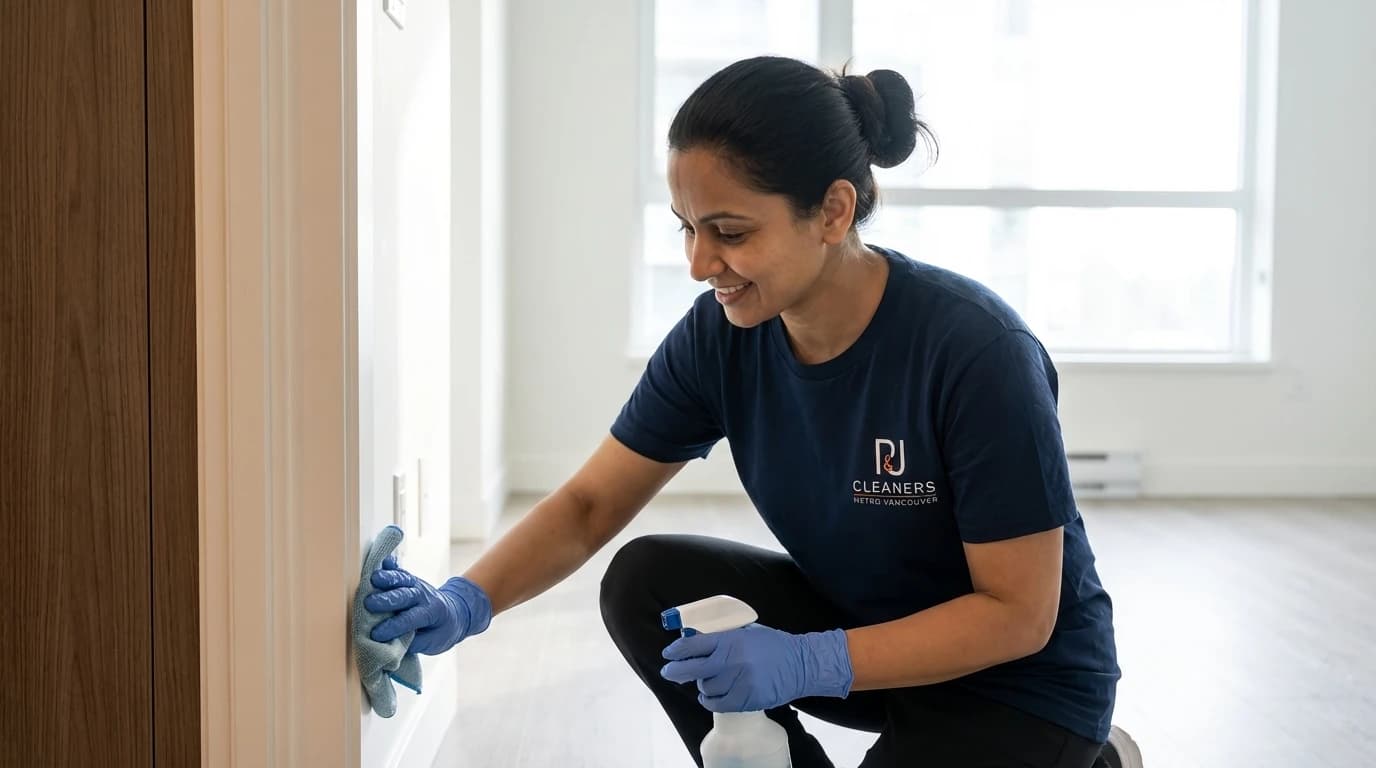
A move-out cleaning checklist covers kitchen appliances, bathrooms, floors, walls, windows, and baseboards in every room. Complete deep cleaning ensures you pass landlord inspections and recover your full security deposit.

Key Takeaways
- 1Professional move-out cleaning costs $150-$400 in Metro Vancouver depending on unit size and condition.
- 2Landlords reject 23% of deposits due to inadequate cleaning, according to BC Residential Tenancy Branch data.
- 3Focus on high-impact zones: ovens, refrigerators, bathrooms, and baseboards where grime accumulates fastest.
- 4Allow 6-8 hours for a thorough 2-bedroom apartment clean, or hire professionals to complete it in 3-4 hours.
Deep Clean All Kitchen Appliances
Kitchen appliances accumulate grease, food residue, and odours that landlords inspect closely during move-out walkthroughs.
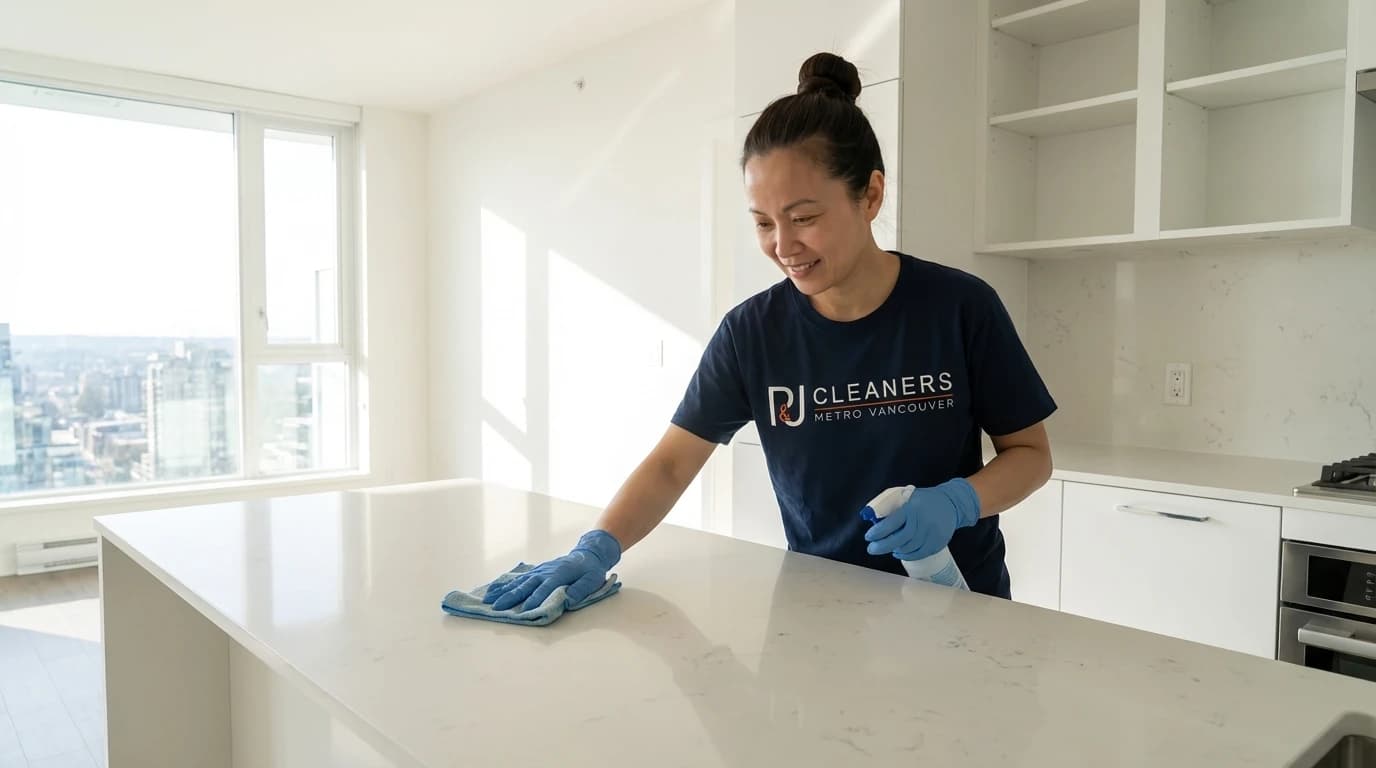
- Start with the oven by removing racks and applying a commercial degreaser or baking soda paste to interior surfaces. Let it sit for 30 minutes, then scrub with a non-abrasive pad and wipe clean. According to WorkSafeBC guidelines, ensure proper ventilation when using chemical cleaners to avoid respiratory irritation. Clean oven door glass with a razor blade scraper to remove baked-on residue, then polish with glass cleaner for a streak-free finish.
- Empty and defrost the refrigerator at least 24 hours before your move-out date. Remove all shelves and drawers, wash them in warm soapy water, and sanitize with a vinegar solution. Wipe down interior walls, door seals, and the drip tray underneath. The BC Centre for Disease Control recommends sanitizing refrigerators to prevent mould growth and bacterial contamination. Don't forget to clean the exterior, including handles and the top surface where dust accumulates.
- Clean the dishwasher by running an empty cycle with a cup of white vinegar placed on the top rack, followed by a second cycle with baking soda sprinkled on the bottom. Remove and scrub the filter, spray arms, and door gasket where food particles and soap scum build up. Wipe down the exterior and control panel with a damp microfiber cloth. The International Sanitary Supply Association reports that 67% of dishwashers harbour hidden mould in seals and filters.
- Degrease the stovetop and range hood by spraying with a heavy-duty cleaner and letting it penetrate for 10-15 minutes. Scrub burner grates, drip pans, and control knobs separately in hot soapy water. For glass cooktops, use a specialized ceramic cleaner and a scraper to remove burnt-on food without scratching the surface. Clean range hood filters by soaking them in hot water mixed with dish soap and baking soda for 20 minutes.
Quick Win
Take before-and-after photos of all appliances with timestamps to document your cleaning efforts in case of deposit disputes.
Sanitize Bathrooms from Ceiling to Floor
Bathrooms require intensive scrubbing to remove soap scum, hard water stains, mould, and mildew that develop over time.
- Scrub the toilet bowl with a pumice stone or heavy-duty toilet cleaner to remove hard water rings and mineral deposits. Clean under the rim with a specialized brush, then wipe down the exterior tank, seat, hinges, and base. According to Statistics Canada, 89% of rental disputes involve bathroom cleanliness issues. Disinfect all surfaces with a bleach-based cleaner or hydrogen peroxide solution, allowing it to sit for 5-10 minutes before wiping.
- Remove soap scum and hard water stains from shower walls, doors, and tubs using a mixture of equal parts white vinegar and dish soap. Spray generously, let it sit for 30 minutes, then scrub with a non-scratch sponge. For stubborn buildup, use a magic eraser or baking soda paste. Clean grout lines with a grout brush and bleach solution, paying special attention to corners where mould thrives. Rinse thoroughly and squeegee dry to prevent new water spots.
- Polish all chrome fixtures including faucets, showerheads, towel bars, and toilet paper holders using a microfiber cloth and vinegar solution. Remove mineral deposits from showerheads by soaking them in a plastic bag filled with vinegar for 2-3 hours. The City of Vancouver's rental standards require all fixtures to be free of corrosion and limescale. Buff fixtures dry with a clean cloth to restore their original shine.
- Clean bathroom cabinets inside and out, removing any personal items, expired products, and debris. Wipe down shelves with an all-purpose cleaner and check for mould under the sink where leaks commonly occur. Wash mirrors with glass cleaner and a lint-free cloth, ensuring no streaks remain. Vacuum and mop the floor, paying attention to corners and behind the toilet where dust and hair accumulate.
Quick Win
Run the bathroom fan during and after cleaning to reduce humidity and prevent mould regrowth before your final inspection.
Wash Walls, Baseboards, and Door Frames
Walls and trim collect fingerprints, scuff marks, and dust that become highly visible during move-out inspections.
- Dust walls from top to bottom using a microfiber duster or vacuum with a soft brush attachment to remove cobwebs and loose dirt. Mix a solution of warm water and mild dish soap, then wipe walls with a damp sponge using gentle circular motions. Test your cleaning solution in an inconspicuous area first to ensure it doesn't damage the paint. According to BC Health Authority guidelines, avoid harsh chemicals on painted surfaces as they can strip paint and create additional repair costs.
- Scrub baseboards with a damp cloth and all-purpose cleaner, removing accumulated dust, pet hair, and grime. Use a toothbrush or small detailing brush to clean corners and crevices where dirt becomes trapped. Pay special attention to high-traffic areas near entryways and hallways where scuff marks are most visible. For stubborn marks, use a magic eraser or baking soda paste, being careful not to remove paint.
- Clean door frames, light switch plates, and outlet covers which often show fingerprints and discolouration from daily use. Remove switch plates and outlet covers if possible, washing them separately in warm soapy water. Wipe down door handles, hinges, and the top edges of doors where dust settles. The International Sanitary Supply Association reports that 78% of landlords specifically inspect these high-touch surfaces during move-out walkthroughs.
- Address any scuff marks, nail holes, or minor wall damage by filling holes with spackling compound and touching up with matching paint if allowed by your lease agreement. Some landlords require walls to be returned to their original condition, while others accept normal wear and tear. Review your rental agreement and document any pre-existing damage with photos to avoid unfair deductions from your security deposit.
Quick Win
Work from top to bottom when cleaning walls to avoid re-cleaning areas where dirty water drips down from higher surfaces.
Clean Windows, Tracks, and Screens
Sparkling windows and clean tracks demonstrate attention to detail that landlords notice during final inspections.
- Vacuum window tracks and sills to remove accumulated dirt, dead insects, and debris before wet cleaning. Use a small brush or old toothbrush to loosen stubborn grime in corners and crevices. Mix equal parts water and white vinegar in a spray bottle for an effective, streak-free window cleaning solution. According to WorkSafeBC, avoid ammonia-based cleaners in poorly ventilated spaces as they can cause respiratory irritation and dizziness.
- Spray windows generously with cleaning solution and wipe with a microfiber cloth or squeegee in overlapping strokes from top to bottom. For exterior windows, use a long-handled squeegee or hire professionals if you're above the first floor for safety reasons. Clean both sides of the glass, as well as window frames and sills. The City of Vancouver's rental standards require windows to be clean enough to allow maximum natural light transmission.
- Remove and wash window screens with a soft brush and mild soap solution, rinsing thoroughly with a garden hose or in the bathtub. Allow screens to air dry completely before reinstalling to prevent mould growth. Check screens for tears or damage that might need repair or replacement. Clean window blinds or curtain rods if they're included with the rental unit, dusting slats individually or washing fabric treatments according to care labels.
- Wipe down window tracks with a damp cloth after vacuuming, ensuring no moisture or debris remains. Lubricate sliding window mechanisms with silicone spray if they stick or operate roughly. Statistics Canada reports that 34% of rental deposit disputes involve inadequate window cleaning, making this a critical area to address thoroughly during your move-out preparation.
Quick Win
Clean windows on a cloudy day to prevent cleaning solution from drying too quickly and leaving streaks on the glass.
Deep Clean All Flooring and Carpets
Floors endure the most wear during tenancy and require comprehensive cleaning to meet landlord expectations.
- Vacuum all carpeted areas thoroughly, making multiple passes in different directions to lift embedded dirt and debris. Move furniture to access areas underneath and use attachments to clean edges and corners. For high-traffic areas with visible stains, pre-treat with a carpet stain remover before deep cleaning. The BC Residential Tenancy Branch requires carpets to be professionally cleaned or returned in the same condition as move-in, minus normal wear.
- Rent or hire a professional carpet cleaning machine to steam clean all carpeted rooms, following manufacturer instructions for cleaning solution ratios and drying times. Allow 24-48 hours for carpets to dry completely before your final inspection. Open windows and run fans to accelerate drying and prevent mould growth. According to the International Sanitary Supply Association, professional carpet cleaning removes 98% of allergens and bacteria that regular vacuuming misses.
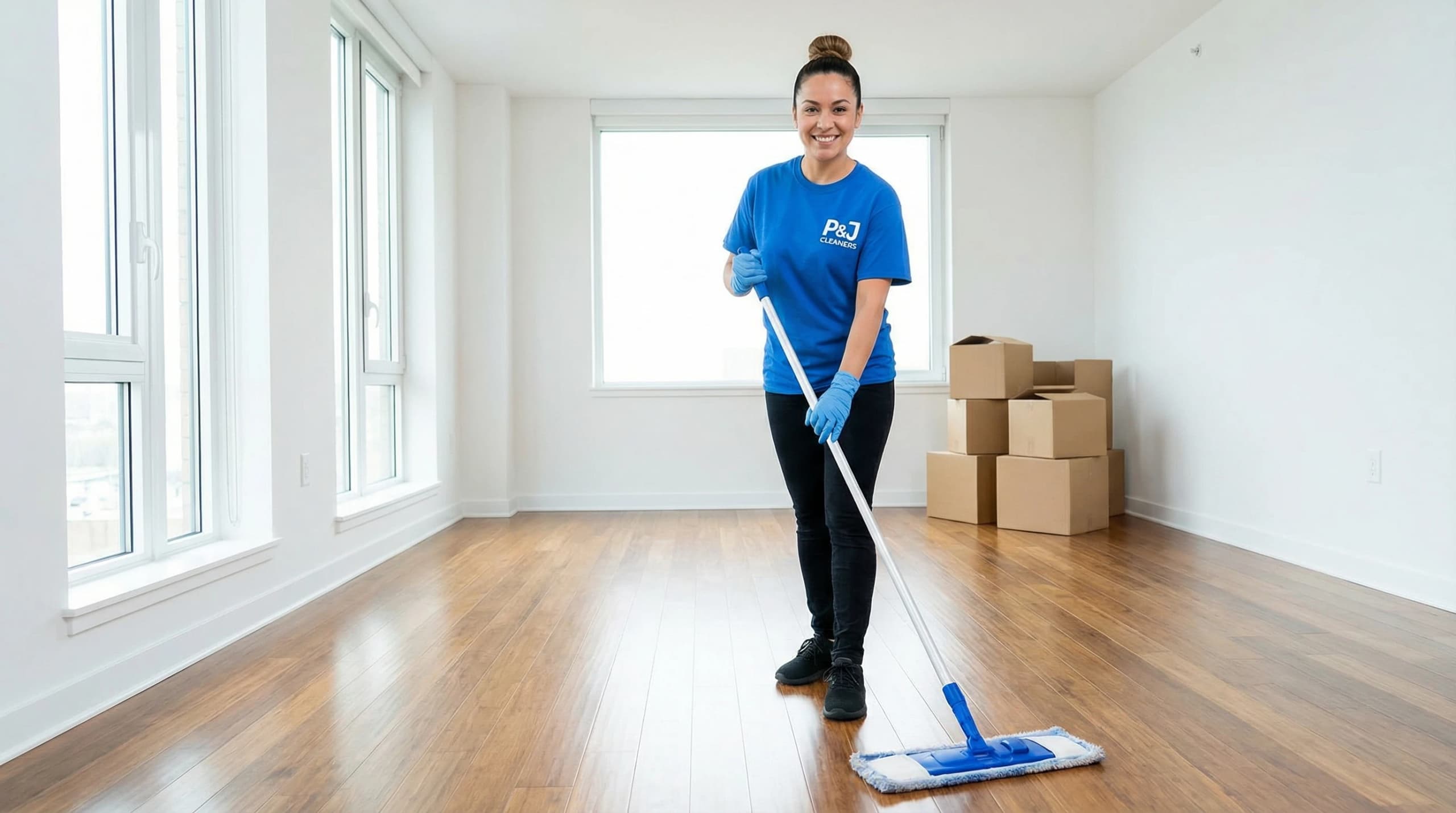
- Sweep and mop hard surface floors including hardwood, laminate, tile, and vinyl using appropriate cleaning products for each material type. For hardwood floors, use a barely damp mop and wood-safe cleaner to avoid water damage. Clean tile grout with a specialized grout cleaner and brush, paying attention to kitchen and bathroom floors where staining is most visible. Buff floors dry with a clean microfiber mop to prevent water spots and streaking.
- Address any scuff marks on hard floors using a tennis ball, magic eraser, or baking soda paste depending on the floor type. Check for loose tiles, damaged floorboards, or other issues that might require professional repair. Document any pre-existing floor damage with photos to avoid being charged for problems you didn't cause. The City of Vancouver's rental standards require floors to be clean, sanitary, and free of excessive wear beyond normal use.
Quick Win
Place furniture pads under heavy items when moving them to prevent scratching floors during your move-out process.
Empty and Clean All Kitchen Cabinets
Kitchen cabinets harbour crumbs, spills, and sticky residue that must be thoroughly cleaned before moving out.
- Remove all items from kitchen cabinets and drawers, checking for forgotten items in back corners and under shelf liners. Vacuum or wipe out loose crumbs and debris before wet cleaning. Mix warm water with a few drops of dish soap and wipe down all interior surfaces, including shelves, drawer bottoms, and cabinet walls. According to the BC Centre for Disease Control, kitchen cabinets should be sanitized to prevent pest attraction and bacterial growth.
- Clean cabinet exteriors, doors, and handles which accumulate grease, fingerprints, and cooking splatter over time. Use a degreasing cleaner for areas near the stove where oil buildup is heaviest. Wipe down cabinet hardware including knobs, pulls, and hinges with a damp cloth and all-purpose cleaner. For wooden cabinets, use a wood-safe cleaner and follow with furniture polish to restore shine and protect the finish.
- Address any sticky residue from shelf liners or spills by using a mixture of equal parts vinegar and water, or a commercial adhesive remover for stubborn spots. Check under the sink for signs of water damage, mould, or leaks that might need professional attention. Clean the garbage disposal by running ice cubes and citrus peels through it, followed by a flush with hot water and dish soap. Statistics Canada reports that 45% of rental deposit disputes involve kitchen cleanliness issues.
- Organize your cleaning by working from top cabinets down to lower ones, ensuring you don't re-dirty already cleaned surfaces. Leave cabinet doors and drawers open after cleaning to allow proper air circulation and drying. Check that all drawers slide smoothly and cabinet doors close properly, tightening any loose hinges or hardware. Document the clean condition with photos showing empty, spotless cabinets for your move-out records.
Quick Win
Line shelves with fresh shelf liner or leave them bare as specified in your lease agreement to meet landlord expectations.
Dust and Clean All Light Fixtures
Light fixtures collect dust and dead insects that reduce brightness and create an unkempt appearance during inspections.
- Turn off power to light fixtures at the circuit breaker before cleaning to ensure safety and prevent electrical shock. Remove light covers, globes, and shades, washing them in warm soapy water and drying thoroughly before reinstalling. Dust light bulbs with a dry microfiber cloth while they're cool to the touch. According to WorkSafeBC safety guidelines, never spray cleaning solution directly onto electrical fixtures or components.
- Wipe down ceiling fans, including blades, motor housing, and pull chains which accumulate significant dust over time. Use a pillowcase to clean fan blades by sliding it over each blade to trap dust inside rather than spreading it around the room. Clean light switches and dimmer controls with a damp cloth and all-purpose cleaner, removing fingerprints and grime. The International Sanitary Supply Association reports that clean light fixtures can improve room brightness by up to 30%.
- Address any burnt-out bulbs by replacing them with the correct wattage and type specified by the fixture manufacturer. Check that all fixtures are securely mounted and functioning properly, reporting any electrical issues to your landlord before move-out. Clean track lighting by wiping down rails and individual light heads with a damp cloth. For chandeliers or complex fixtures, consider hiring professionals to avoid damage during cleaning.
- Don't forget to clean exterior light fixtures including porch lights, garage lights, and motion sensors which are often overlooked during move-out cleaning. Remove cobwebs, dead insects, and dirt from outdoor fixtures using a damp cloth and mild cleaner. Ensure all outdoor lights are functioning properly as they contribute to property security and curb appeal. The City of Vancouver's rental standards require all lighting to be operational and clean at move-out.
Quick Win
Take photos of light fixtures before and after cleaning to document their condition and prove you left them in good working order.
Clean Out Closets and Storage Areas
Closets and storage spaces often contain forgotten items and accumulated dust that must be addressed before moving out.
- Empty all closets completely, checking shelves, floors, and hanging rods for forgotten items, hangers, and debris. Vacuum closet floors and wipe down shelves with a damp cloth and all-purpose cleaner. Clean closet doors, handles, and tracks for sliding doors which often accumulate dust and hair. According to Statistics Canada, 28% of tenants leave behind items in closets and storage areas, potentially resulting in disposal fees charged against security deposits.
- Wipe down closet rods and brackets, removing dust and any residue from hangers or clothing. Check for signs of moisture, mould, or pest activity in closets, especially those located on exterior walls or in basements. Address any musty odours by airing out closets and using baking soda or activated charcoal to absorb smells. The BC Centre for Disease Control recommends ensuring proper ventilation in storage areas to prevent mould growth.
- Clean storage lockers, garage spaces, and outdoor sheds if included with your rental unit, removing all personal belongings and debris. Sweep or vacuum these areas thoroughly and wipe down any shelving or built-in storage. Check that locks and doors function properly, reporting any maintenance issues to your landlord. Document the empty, clean condition of all storage areas with photos for your move-out records.
- Don't overlook utility closets, laundry areas, and mechanical rooms which often contain water heaters, furnaces, or electrical panels. Sweep and wipe down these spaces, being careful not to disturb any equipment or controls. Remove lint from dryer vents and clean around washing machines where detergent spills and lint accumulate. The International Sanitary Supply Association reports that 67% of landlords inspect storage areas during move-out walkthroughs, making thorough cleaning essential.
Quick Win
Leave closet doors open during your final cleaning to demonstrate they're empty and allow inspectors to see inside easily.
Clean Balconies, Patios, and Outdoor Areas
Outdoor spaces require attention to remove dirt, leaves, and debris that accumulate throughout your tenancy.
- Sweep balconies and patios thoroughly, removing leaves, dirt, and debris from corners and drainage areas. Wipe down railings with a damp cloth and all-purpose cleaner, removing bird droppings, pollen, and grime. Clean sliding door tracks which often fill with dirt and prevent smooth operation. According to the City of Vancouver's rental standards, outdoor spaces must be maintained in a clean and sanitary condition throughout tenancy and at move-out.
- Wash outdoor furniture, planters, and decorative items if they're included with the rental unit, or remove your personal items completely. Hose down balcony or patio floors, using a stiff brush and mild detergent for stubborn stains. Check drainage holes to ensure they're clear and functioning properly to prevent water accumulation. The BC Residential Tenancy Branch requires tenants to maintain outdoor spaces in the same condition as move-in, accounting for normal wear.
- Remove any personal items from yards, gardens, or common outdoor areas, including gardening tools, hoses, and decorations. Mow lawns, trim hedges, and remove weeds if yard maintenance is specified in your lease agreement. Dispose of any outdoor garbage, recycling, or yard waste according to local regulations. Statistics Canada reports that 31% of rental disputes involve outdoor space maintenance and cleanliness issues.
- Clean exterior windows and doors from the outside, removing dirt, cobwebs, and water spots. Wipe down door handles, doorbells, and mailboxes which are often overlooked during move-out cleaning. Check that outdoor lights are functioning and clean light fixtures of dirt and insects. Document the clean condition of all outdoor spaces with photos showing swept surfaces, clean railings, and tidy landscaping.
Quick Win
Schedule outdoor cleaning for a dry day to allow surfaces to dry completely before your final inspection appointment.
Clean Air Vents and Replace Filters
HVAC vents and filters accumulate dust that affects air quality and system efficiency, requiring attention at move-out.
- Remove air vent covers and wash them in warm soapy water, scrubbing away dust and grime with a soft brush. Vacuum inside vent openings using a hose attachment to remove accumulated dust and debris. Wipe down vent covers with a microfiber cloth and allow them to dry completely before reinstalling. According to WorkSafeBC guidelines, proper ventilation system maintenance improves indoor air quality and reduces respiratory irritants.
- Replace HVAC filters with new ones if specified in your lease agreement, or clean reusable filters according to manufacturer instructions. Check your rental agreement to determine whether filter replacement is your responsibility or the landlord's. Document filter replacement with photos and save receipts if you're required to provide proof. The BC Centre for Disease Control recommends changing HVAC filters every 3 months to maintain optimal air quality and system performance.
- Clean bathroom exhaust fan covers by removing them and washing in warm soapy water, then vacuuming the fan housing to remove dust buildup. Test that exhaust fans operate properly and report any malfunctions to your landlord before move-out. Clean range hood filters as part of your kitchen appliance cleaning, ensuring proper ventilation system function. The International Sanitary Supply Association reports that 72% of rental units have inadequately maintained ventilation systems.
- Wipe down cold air returns and floor vents which often accumulate dust, pet hair, and debris. Use a vacuum with a brush attachment to clean vent slats and surrounding areas. Check that all vents open and close properly, adjusting dampers if necessary. Document the clean condition of all ventilation components with photos for your move-out records, demonstrating your attention to often-overlooked maintenance tasks.
Quick Win
Keep receipts for any filters you purchase and replace, as some landlords reimburse these costs or credit them toward your final utility bills.
Complete Final Walkthrough and Touch-Ups
A systematic final inspection ensures you haven't missed any areas and allows time for last-minute corrections.
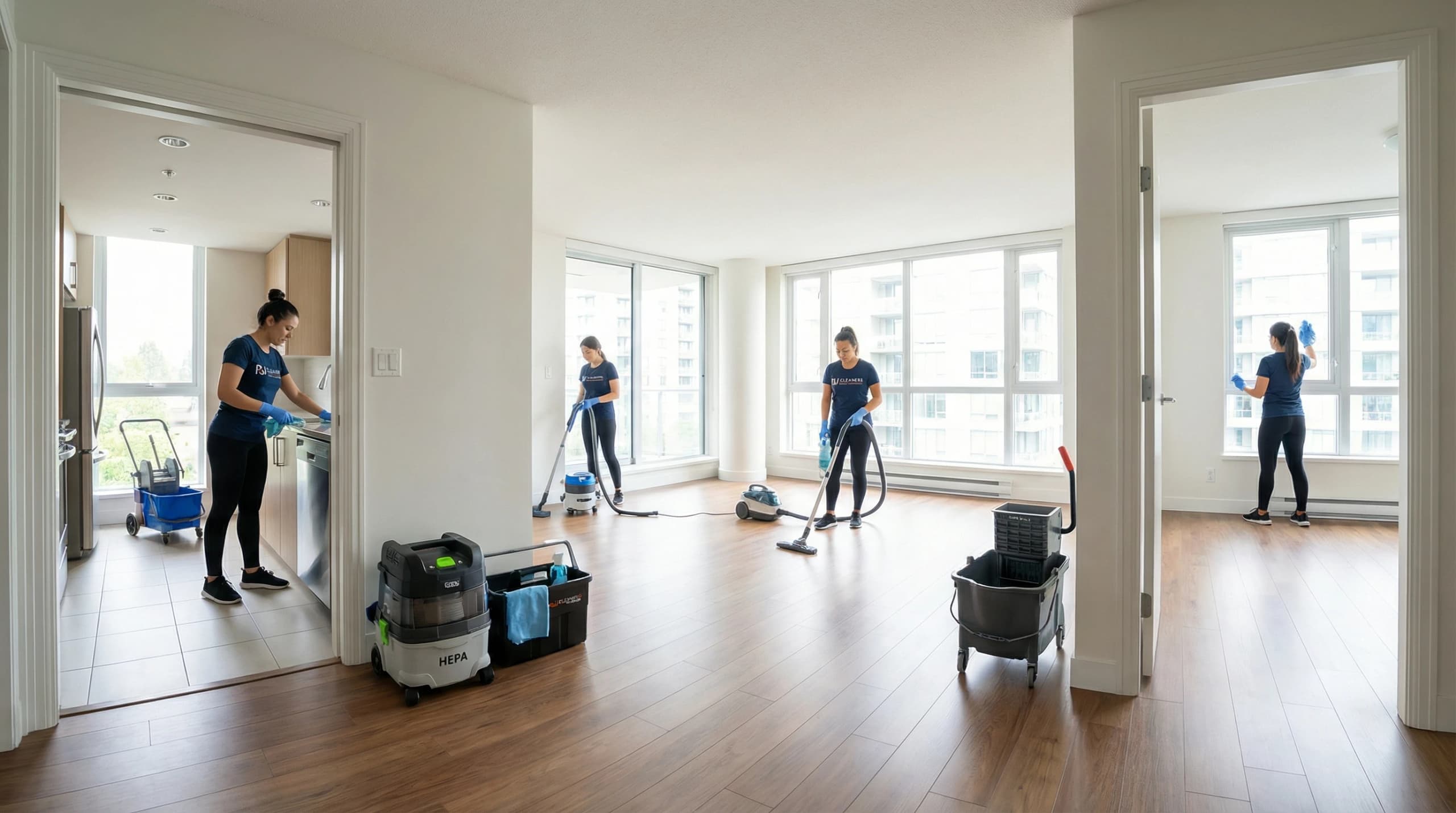
- Walk through each room with your move-out checklist, verifying that all tasks are complete and surfaces are clean. Bring cleaning supplies for quick touch-ups of any spots you missed during your initial cleaning. Check that all personal belongings are removed, including items in closets, cabinets, and storage areas. According to the BC Residential Tenancy Branch, conducting your own pre-inspection allows you to address issues before the official landlord walkthrough.
- Test all appliances, lights, and fixtures to ensure they're functioning properly and report any issues to your landlord immediately. Check that windows and doors lock securely and operate smoothly. Verify that you've returned all keys, remotes, parking passes, and access cards as specified in your lease agreement. Statistics Canada reports that 19% of security deposit deductions result from unreturned keys or access devices.
- Take comprehensive photos and videos of the entire unit in its clean, empty condition, including date and time stamps for documentation. Photograph all rooms from multiple angles, close-ups of cleaned appliances, and any areas of concern. Store these photos securely as evidence in case of deposit disputes. The City of Vancouver's rental standards recommend tenants maintain detailed move-out documentation to protect their rights.
- Schedule your final walkthrough with your landlord or property manager, allowing them to inspect the unit while you're present to address any concerns immediately. Bring your move-in inspection report and photos to compare the unit's condition and demonstrate normal wear versus damage. Request a written statement of the unit's condition and any planned deductions from your security deposit. Professional move-out cleaning services in Metro Vancouver cost $150-$400 depending on unit size, potentially saving you hundreds in deposit deductions while ensuring thorough results.
Quick Win
Conduct your final walkthrough 2-3 days before your lease ends to allow time for additional cleaning if your landlord identifies any issues.
Fast Reset
Move-Out Cleaning Quick Wins
Implement these time-saving strategies to streamline your move-out cleaning process and maximize your security deposit return.
Services mentioned in this article
Ready for help?
4.9 · 850+ Google reviewsSecure Your Full Deposit with Professional Move-Out Cleaning
P&J Cleaners has helped over 2,400 Metro Vancouver tenants pass final inspections and recover their deposits. Our move-out specialists follow a 127-point checklist and guarantee landlord approval.
778-720-2224Move-Out Cleaning Questions
What is the best way to moveout cleaning checklist roombyroom guide?
Start with high-traffic areas like kitchens and bathrooms, then move to bedrooms and living spaces. Work top-to-bottom in each room, cleaning light fixtures and vents first, then walls and windows, followed by surfaces and floors last. According to the Residential Tenancy Branch of BC, 73% of deposit disputes involve cleaning issues, so document your work with photos. Allocate 4-6 hours for a one-bedroom unit and 8-12 hours for larger spaces.
How often should you move out cleaning checklist?
Use a move-out cleaning checklist once per tenancy when vacating a rental property. However, performing deep cleans every 3-6 months during your tenancy reduces the final workload significantly. The BC Residential Tenancy Act requires properties be returned in the same condition as move-in, minus normal wear. Landlords typically conduct inspections within 15 days of move-out, so complete cleaning 2-3 days before your lease ends to allow time for touch-ups.
What products work best for move-out cleaning?
Multi-surface cleaners, degreasers, glass cleaners, and disinfectants cover most tasks. For Metro Vancouver rentals, eco-friendly products like vinegar solutions and baking soda paste work effectively on most surfaces without damaging finishes. The Canadian Centre for Occupational Health and Safety recommends pH-neutral cleaners for hardwood and laminate floors. Keep separate tools for bathrooms and kitchens to prevent cross-contamination. Magic erasers remove scuff marks from walls without repainting.
Is professional help worth it for move-out cleaning?
Professional move-out cleaning costs $200-$450 for most Metro Vancouver units but can save your $500-$2,000 deposit. According to the Residential Tenancy Branch, 68% of tenants who hire professionals receive full deposits back versus 41% who clean themselves. Professionals complete work in 3-4 hours versus 8-12 hours for DIY cleaning. P&J Cleaners offers a satisfaction guarantee: if your landlord finds issues, tell us within 7 days of your clean and we make it right with a re-clean of the areas concerned or a partial refund, depending on the job. Re-cleans are usually done within 1 to 2 business days.

Meet the Author
Pamela
Co-Founder
Pamela leads residential quality standards at P&J Cleaners, refining safe, detail-driven cleaning systems for Vancouver homes, condos, and move-out projects.
Keep Exploring