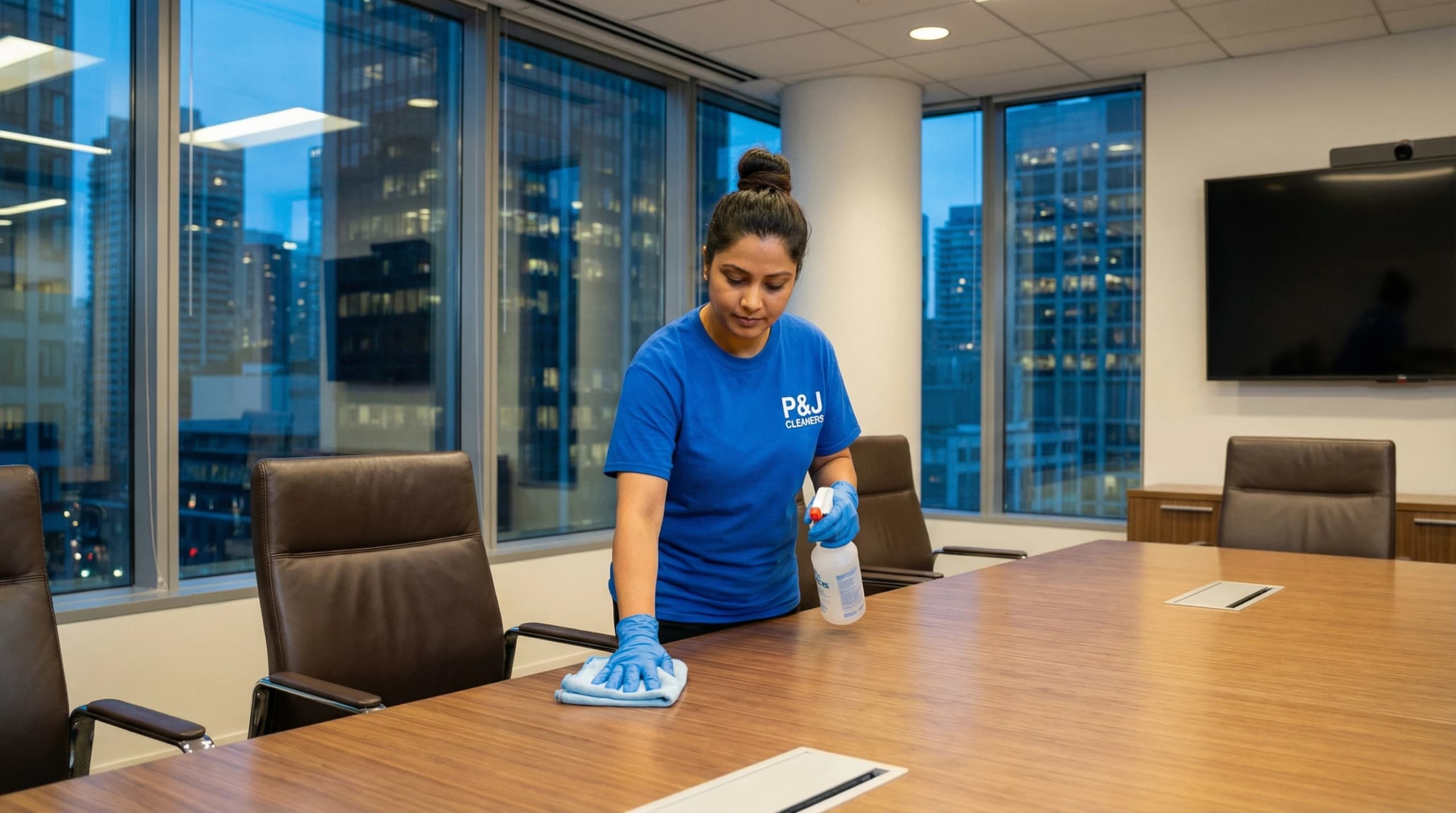


Quick answer
WorkSafeBC requires cleaning companies to implement WHMIS training, provide appropriate PPE, maintain safety data sheets, conduct regular hazard assessments, document incident reports, ensure proper ventilation protocols, and establish emergency response procedures for all staff members.

Key Takeaways
- 1WorkSafeBC mandates annual WHMIS training for all cleaning staff handling chemical products, with documented certification records maintained for minimum three years.
- 2Employers must provide compliant PPE including nitrile gloves, safety goggles, and respiratory protection at no cost to workers handling hazardous cleaning agents.
- 3Cleaning companies face penalties ranging from $500 to $50,000 per violation for non-compliance with WorkSafeBC occupational health and safety regulations.
- 4Regular workplace inspections reduce injury claims by 47% according to WorkSafeBC data, significantly lowering insurance premiums for compliant cleaning operations.
- 5Safety data sheets must be accessible within 30 seconds for every chemical product used on-site, with bilingual versions available where required.
- 6Documentation of safety meetings, training sessions, and incident investigations must be retained for minimum seven years under BC regulatory requirements.
WHMIS Training Requirements for Cleaning Staff
Workplace Hazardous Materials Information System training is mandatory for all cleaning personnel who handle chemical products in British Columbia workplaces.
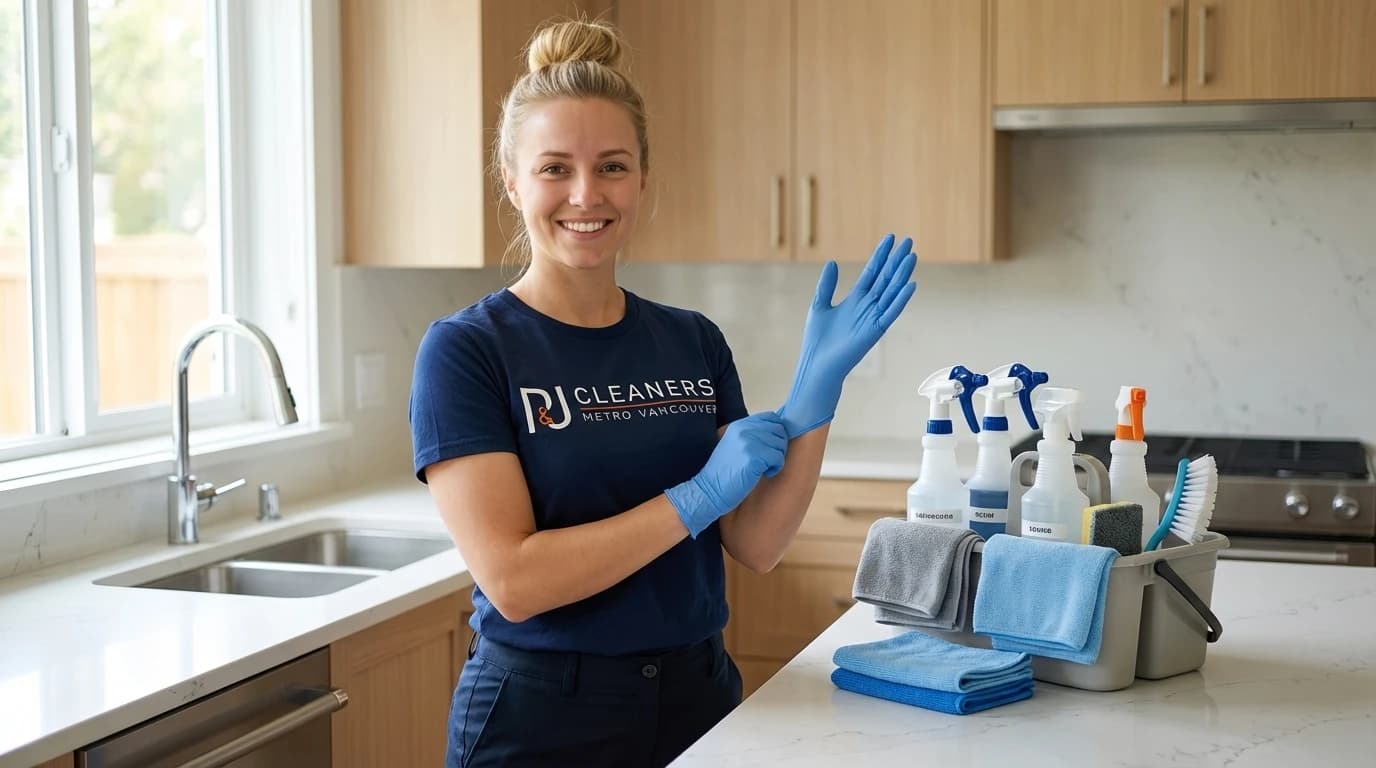
WorkSafeBC requires all cleaning staff to complete comprehensive WHMIS 2015 training before handling any hazardous cleaning products. This training covers pictogram recognition, safety data sheet interpretation, and proper chemical handling procedures. Employers must provide initial training within the first week of employment and refresher courses annually. Training records must include employee names, dates completed, course content covered, and instructor credentials. According to WorkSafeBC statistics, companies with documented WHMIS training programs experience 62% fewer chemical-related incidents compared to non-compliant operations. The training investment typically costs $75-150 per employee but prevents costly workplace injuries and regulatory penalties.
WHMIS training must address specific hazards present in cleaning operations including corrosive substances, respiratory irritants, and skin sensitizers. Employees learn to identify the nine WHMIS pictograms including flame, skull and crossbones, exclamation mark, and health hazard symbols. Training sessions cover proper dilution ratios, ventilation requirements, and emergency response procedures for chemical spills or exposures. WorkSafeBC inspectors verify training completion during workplace audits and can issue stop-work orders for non-compliant operations. Companies must maintain training certificates for minimum three years and provide copies to employees upon request. Digital training platforms now offer convenient online WHMIS certification with automatic record-keeping and renewal reminders.
Specialized training is required for staff handling high-risk products like oven cleaners, drain openers, and industrial degreasers. These concentrated chemicals require additional safety protocols including secondary containment, dedicated storage areas, and enhanced PPE requirements. WorkSafeBC mandates that supervisors complete advanced WHMIS training covering hazard assessment, exposure monitoring, and emergency response coordination. Training documentation must be available in multiple languages to accommodate diverse workforces common in Metro Vancouver cleaning companies. Regular competency assessments ensure employees retain critical safety knowledge and follow proper handling procedures. Companies that integrate WHMIS training into onboarding programs report 73% better compliance rates according to BC Safety Authority data.
- Initial WHMIS training must be completed within first week of employment before handling any chemical products
- Annual refresher training required for all staff with documented attendance records maintained minimum three years
- Training must cover all nine WHMIS pictograms, safety data sheet interpretation, and emergency response procedures
- Supervisors require advanced WHMIS certification covering hazard assessment and exposure monitoring protocols
- Multilingual training materials must be provided to accommodate diverse workforces in Metro Vancouver operations
- Digital training platforms offer convenient online certification with automatic record-keeping and renewal tracking
Pro Tip
Schedule WHMIS training during slower business periods and use online platforms to minimize operational disruption while maintaining full compliance with WorkSafeBC requirements.
Related resources
Personal Protective Equipment Standards
WorkSafeBC mandates specific PPE requirements for cleaning staff based on hazard assessments and chemical exposure risks in workplace environments.
Employers must provide appropriate personal protective equipment at no cost to workers handling cleaning chemicals or performing high-risk tasks. Minimum PPE requirements include chemical-resistant nitrile gloves rated for specific cleaning products, safety goggles with side shields for splash protection, and slip-resistant footwear with closed toes. WorkSafeBC regulations specify that PPE must be properly fitted, regularly inspected, and replaced when damaged or worn. According to BC Workers' Compensation Board data, proper PPE usage reduces injury claims by 58% and significantly lowers insurance premiums for compliant cleaning operations. Companies must conduct hazard assessments to determine appropriate PPE levels for different cleaning tasks and chemical exposures.
Respiratory protection is required when using products with strong fumes, working in poorly ventilated spaces, or handling concentrated chemicals. Half-face respirators with organic vapour cartridges are standard for most cleaning applications, while full-face respirators may be necessary for industrial cleaning or mould remediation projects. WorkSafeBC requires annual fit testing for all respirator users and medical evaluations to ensure workers can safely wear respiratory protection. Disposable N95 masks do not provide adequate protection for chemical vapours and should only be used for dust and particulate matter. Companies must establish written respiratory protection programs documenting fit testing, cartridge replacement schedules, and maintenance procedures. Proper respirator selection prevents chronic respiratory conditions that account for 23% of cleaning industry disability claims.
Additional PPE requirements include waterproof aprons for tasks involving liquid chemicals, knee pads for floor cleaning work, and hearing protection when operating loud equipment like floor buffers or carpet extractors. WorkSafeBC mandates that employers train workers on proper PPE donning and doffing procedures to prevent cross-contamination. PPE must be stored in clean, dry locations separate from contaminated work areas and personal belongings. Disposable gloves must be changed between tasks and never reused after chemical exposure. Companies should maintain adequate PPE inventory to ensure immediate replacement of damaged equipment. Regular PPE audits verify compliance and identify opportunities to upgrade protection levels based on new products or changing work conditions.
- Chemical-resistant nitrile gloves rated for specific cleaning products must be provided at no cost to all workers
- Safety goggles with side shields required for splash protection when handling liquid cleaning chemicals
- Respiratory protection with organic vapour cartridges mandatory for strong fumes or poorly ventilated spaces
- Annual fit testing and medical evaluations required for all workers using respirator equipment
- Slip-resistant footwear with closed toes prevents slips, trips, and chemical exposure to feet
- PPE must be properly fitted, regularly inspected, and immediately replaced when damaged or worn
Pro Tip
Invest in high-quality PPE that exceeds minimum standards to improve worker comfort and compliance while reducing replacement costs over time.
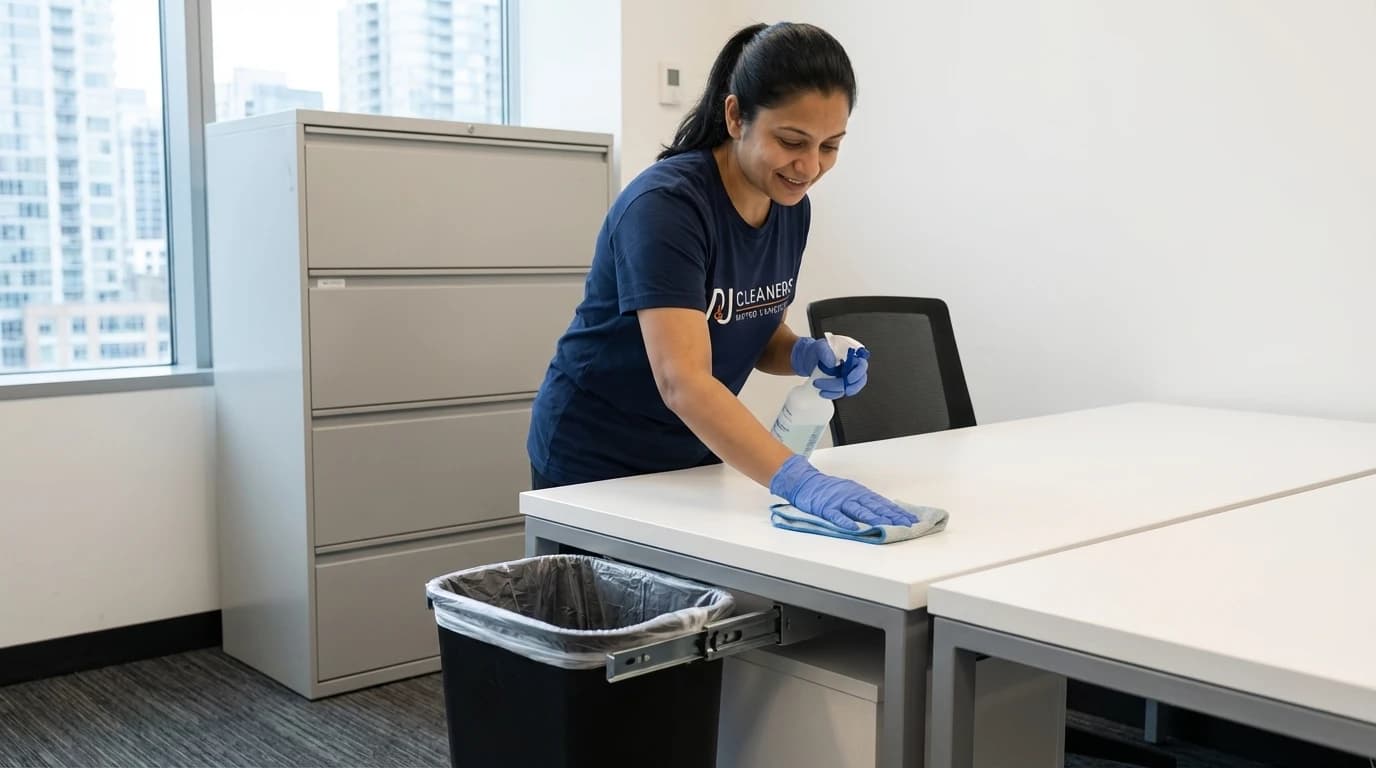
Safety Data Sheet Management Systems
WorkSafeBC requires immediate access to current safety data sheets for every chemical product used in cleaning operations with proper storage and retrieval systems.
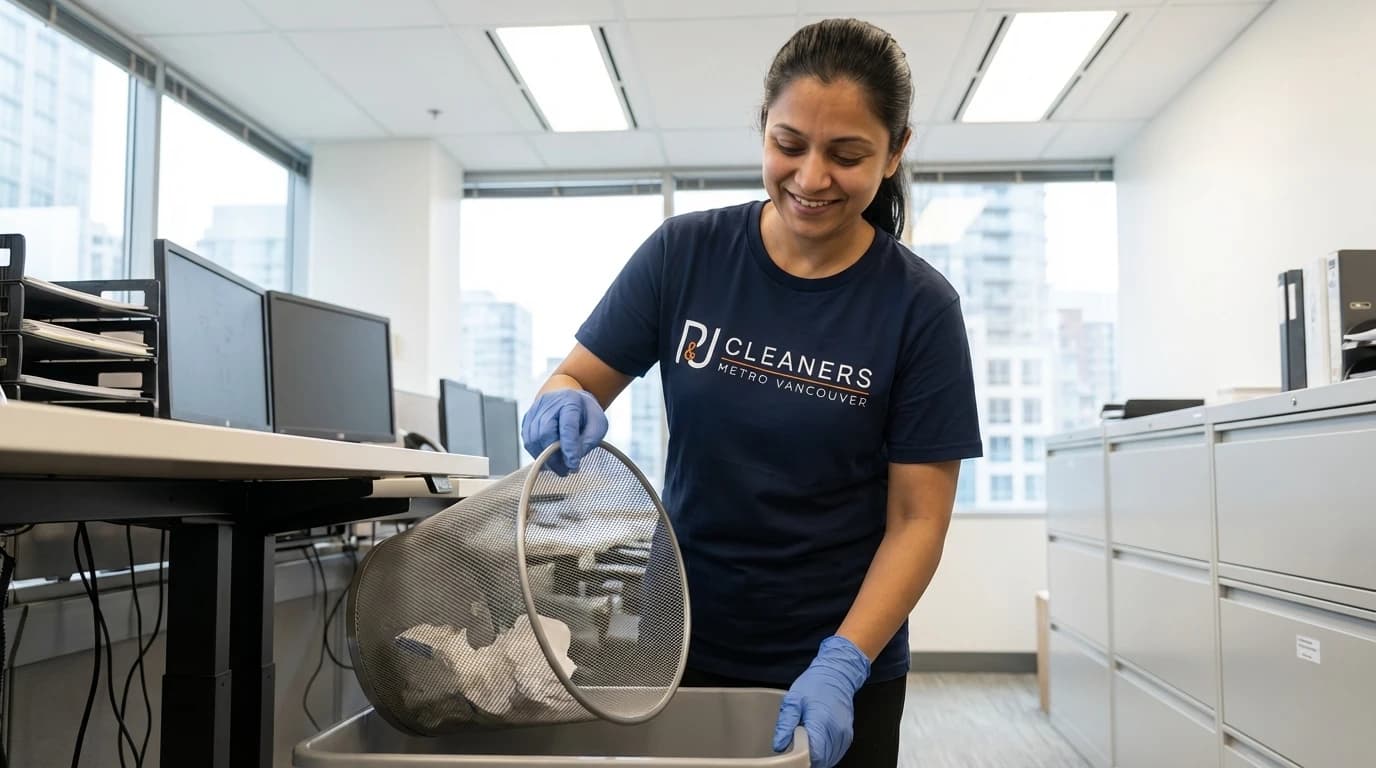
Safety data sheets must be accessible within 30 seconds for every chemical product used on-site, whether in physical binders or digital management systems. WorkSafeBC regulations specify that SDS documents must be current versions obtained directly from manufacturers or suppliers within the past three years. Each SDS contains 16 standardized sections covering product identification, hazard information, first aid measures, firefighting procedures, and disposal considerations. Cleaning companies must maintain SDS collections at every work location including mobile cleaning vehicles and satellite offices. According to WorkSafeBC inspection data, inadequate SDS management accounts for 34% of compliance violations in the cleaning industry. Digital SDS management systems offer searchable databases, automatic update notifications, and mobile access for field staff.
Employers must train workers on how to read and interpret safety data sheets before handling any chemical products. Key SDS sections include Section 2 hazard identification, Section 4 first aid measures, Section 7 handling and storage, and Section 8 exposure controls and PPE requirements. Workers should know how to quickly locate critical information during emergencies including symptoms of exposure, recommended first aid procedures, and emergency contact numbers. WorkSafeBC requires bilingual SDS availability in workplaces with non-English speaking employees. Companies must establish procedures for obtaining SDS documents for new products before first use. Regular SDS audits verify that collections are complete, current, and properly organized for emergency access.
SDS management systems must include procedures for updating documents when manufacturers release new versions or reformulate products. WorkSafeBC inspectors verify that SDS collections match actual products in use and contain no outdated or obsolete documents. Companies should designate a safety coordinator responsible for maintaining SDS collections, processing update requests, and training new employees on document access procedures. Cloud-based SDS management platforms automatically track document versions, send expiration alerts, and provide audit trails for compliance verification. Proper SDS management prevents confusion during emergencies and ensures workers have accurate information for safe chemical handling. Companies with comprehensive SDS systems report 41% faster emergency response times according to BC Safety Authority research.
- SDS documents must be accessible within 30 seconds at every work location including mobile cleaning vehicles
- Current versions obtained from manufacturers within past three years required for all chemical products in use
- Bilingual SDS availability mandatory in workplaces with non-English speaking employees under WorkSafeBC rules
- Digital SDS management systems offer searchable databases, automatic updates, and mobile access for field staff
- Regular SDS audits verify collections are complete, current, and properly organized for emergency access
- Safety coordinators must be designated to maintain SDS collections and train employees on document access
Pro Tip
Implement a cloud-based SDS management system that automatically updates documents and provides mobile access for cleaning staff working at multiple client locations.
Related resources
Workplace Hazard Assessment Protocols
Regular hazard assessments identify potential risks in cleaning operations and establish control measures to prevent workplace injuries and chemical exposures.
WorkSafeBC requires formal hazard assessments before starting work at new locations, when introducing new cleaning products or equipment, or after workplace incidents. Hazard assessments must identify physical hazards like slippery floors, chemical hazards from cleaning products, biological hazards including mould or bodily fluids, and ergonomic hazards from repetitive motions or awkward postures. Assessments follow a hierarchy of controls prioritizing elimination, substitution, engineering controls, administrative controls, and PPE as the last line of defense. According to WorkSafeBC statistics, companies conducting quarterly hazard assessments experience 47% fewer injury claims compared to those performing annual assessments only. Documentation must include identified hazards, risk ratings, control measures implemented, and reassessment schedules.
Formal hazard assessment procedures involve workplace inspections, worker consultations, incident review, and chemical product evaluations. Assessors examine work areas for slip and trip hazards, inadequate lighting, poor ventilation, and unsafe storage conditions. Chemical hazard assessments review SDS documents, evaluate exposure risks, and determine appropriate PPE and ventilation requirements. Biological hazard assessments identify potential exposure to bloodborne pathogens, mould, or infectious materials requiring specialized cleaning protocols. Ergonomic assessments analyze repetitive tasks, lifting requirements, and awkward postures that contribute to musculoskeletal injuries. WorkSafeBC requires written hazard assessment reports signed by qualified assessors and reviewed by joint health and safety committees. Companies must communicate assessment findings to affected workers and implement recommended control measures within specified timeframes.
Ongoing hazard monitoring ensures control measures remain effective and identifies emerging risks requiring additional interventions. WorkSafeBC mandates reassessment when workplace conditions change, new hazards are identified, or incidents occur despite existing controls. Companies should establish hazard reporting systems encouraging workers to identify unsafe conditions without fear of reprisal. Regular safety meetings provide forums for discussing hazard assessment findings and soliciting worker input on control measure effectiveness. Digital hazard assessment tools streamline documentation, track corrective actions, and generate compliance reports for WorkSafeBC inspections. Proactive hazard management reduces workers' compensation costs by preventing injuries before they occur. Companies with comprehensive hazard assessment programs report 56% lower insurance premiums according to BC Workers' Compensation Board data.
- Formal hazard assessments required before starting work at new locations or introducing new products and equipment
- Assessments must identify physical, chemical, biological, and ergonomic hazards using hierarchy of controls framework
- Quarterly hazard assessments reduce injury claims by 47% compared to annual assessments according to WorkSafeBC data
- Written assessment reports must be signed by qualified assessors and reviewed by joint health and safety committees
- Hazard reporting systems must encourage workers to identify unsafe conditions without fear of reprisal or discipline
- Digital assessment tools streamline documentation, track corrective actions, and generate compliance reports for inspections
Pro Tip
Conduct hazard assessments during actual work hours to observe real conditions and involve frontline cleaning staff who understand day-to-day risks.
Incident Reporting and Documentation Requirements
WorkSafeBC mandates immediate reporting of workplace injuries, near misses, and hazardous conditions with detailed documentation and investigation procedures.
Employers must report serious injuries, fatalities, and major incidents to WorkSafeBC within specified timeframes ranging from immediate notification to 48 hours depending on severity. Serious injuries requiring medical treatment beyond first aid, incidents causing worker hospitalization, or fatalities must be reported immediately by telephone before submitting written reports. WorkSafeBC defines reportable incidents as those causing serious injury, involving dangerous goods, or creating imminent danger to workers. Companies must preserve incident scenes until WorkSafeBC officers complete investigations and authorize cleanup activities. According to BC Workers' Compensation Board statistics, timely incident reporting reduces claim processing times by 35% and improves return-to-work outcomes. Failure to report incidents can result in administrative penalties ranging from $500 to $50,000 per violation.
Incident investigation procedures must identify root causes, contributing factors, and corrective actions to prevent recurrence. WorkSafeBC requires written investigation reports for all incidents causing injury, property damage, or near-miss situations with potential for serious harm. Investigation teams should include supervisors, worker representatives, and safety committee members with appropriate training in root cause analysis techniques. Reports must document incident circumstances, witness statements, physical evidence, and timeline of events leading to the occurrence. Corrective action plans must specify responsible parties, implementation deadlines, and verification methods to ensure effectiveness. Companies must communicate investigation findings to affected workers and implement recommended controls within reasonable timeframes. Comprehensive incident investigations demonstrate due diligence and may reduce liability in workers' compensation claims.
Near-miss reporting systems encourage workers to report hazardous conditions and close calls before injuries occur. WorkSafeBC recognizes that near-miss incidents outnumber actual injuries by ratios of 10:1 or higher, providing valuable opportunities for proactive hazard control. Companies should establish non-punitive reporting systems that protect worker confidentiality and focus on system improvements rather than individual blame. Regular analysis of near-miss trends identifies recurring hazards requiring systematic interventions. Digital incident management systems streamline reporting, track corrective actions, and generate analytics for safety performance monitoring. Companies with active near-miss reporting programs experience 68% fewer lost-time injuries according to BC Safety Authority research. Incident documentation must be retained for minimum seven years and made available during WorkSafeBC audits or claim investigations.
- Serious injuries requiring medical treatment must be reported to WorkSafeBC within 48 hours of occurrence
- Incident scenes must be preserved until WorkSafeBC officers complete investigations and authorize cleanup activities
- Written investigation reports required for all incidents causing injury, property damage, or near-miss situations
- Corrective action plans must specify responsible parties, implementation deadlines, and verification methods for effectiveness
- Near-miss reporting systems encourage workers to report hazardous conditions before injuries occur without fear of discipline
- Incident documentation must be retained minimum seven years and made available during WorkSafeBC audits or investigations
Pro Tip
Implement a mobile incident reporting app that allows workers to submit reports with photos and voice notes immediately after incidents occur.
Emergency Response and Preparedness Procedures
WorkSafeBC requires written emergency response plans covering chemical spills, medical emergencies, evacuations, and communication protocols for cleaning operations.
Emergency response plans must address chemical spills, medical emergencies, fire evacuations, and natural disasters specific to cleaning operations. Plans must identify emergency exits, assembly points, first aid stations, eyewash stations, and emergency equipment locations at every work site. WorkSafeBC requires designated emergency coordinators with authority to initiate response procedures and communicate with emergency services. Emergency contact lists must include poison control centres, WorkSafeBC offices, client emergency contacts, and company management personnel. According to BC Safety Authority data, companies with documented emergency response plans resolve incidents 73% faster with significantly better outcomes. Plans must be reviewed annually and updated when workplace conditions change or new hazards are identified.
Chemical spill response procedures must specify containment methods, cleanup materials, disposal requirements, and notification protocols for different product types. Small spills under one litre may be cleaned by trained workers using spill kits containing absorbent materials, neutralizing agents, and disposal bags. Large spills exceeding one litre or involving highly hazardous materials require professional hazmat response and WorkSafeBC notification. Workers must know how to access spill kits, don appropriate PPE, and establish perimeter controls to prevent exposure to other building occupants. Emergency eyewash stations must be available within 10 seconds travel time from areas where corrosive chemicals are used. Spill response training must be provided annually with hands-on practice using actual spill kit materials and simulated scenarios.
Medical emergency procedures must address chemical exposures, slips and falls, cuts and lacerations, and other common cleaning industry injuries. First aid attendants must be designated based on workplace size, hazard levels, and proximity to medical facilities as specified in WorkSafeBC regulations. First aid kits must be stocked according to WorkSafeBC standards and inspected monthly to ensure adequate supplies. Emergency communication systems must enable workers to quickly summon help including two-way radios, mobile phones, or panic buttons in isolated work areas. Companies must conduct emergency drills quarterly to verify response procedures and identify improvement opportunities. Digital emergency management systems provide mobile access to response procedures, emergency contacts, and SDS documents during critical incidents. Effective emergency preparedness minimizes injury severity and demonstrates regulatory compliance during WorkSafeBC investigations.
- Written emergency response plans must address chemical spills, medical emergencies, evacuations, and natural disasters
- Emergency coordinators must be designated with authority to initiate response procedures and communicate with services
- Chemical spill kits must be accessible with absorbent materials, neutralizing agents, and disposal bags for containment
- Emergency eyewash stations required within 10 seconds travel time from areas using corrosive chemical products
- First aid attendants must be designated based on workplace size, hazard levels, and proximity to medical facilities
- Quarterly emergency drills verify response procedures and identify improvement opportunities for better preparedness
Pro Tip
Create laminated emergency response cards that workers can carry with quick reference information for common incidents and emergency contact numbers.
Related resources
| Requirement | Small Operations (1-5 staff) | Medium Operations (6-19 staff) | Large Operations (20+ staff) |
|---|---|---|---|
| WHMIS Training Frequency | Annual refresher required | Annual refresher required | Annual refresher plus quarterly updates |
| First Aid Attendant | Level 1 attendant required | Level 2 attendant required | Level 3 attendant plus backup |
| Safety Committee | Worker representative optional | Joint committee required | Joint committee with monthly meetings |
| Hazard Assessment Frequency | Annual minimum | Quarterly recommended | Quarterly plus task-specific assessments |
| Emergency Response Plan | Basic written plan | Detailed plan with drills | Comprehensive plan with quarterly drills |
| Incident Investigation | Supervisor investigation | Committee investigation | Formal investigation team with training |
| PPE Inventory | Basic stock on-site | Full stock plus backup | Full stock at multiple locations |
| SDS Management | Physical binder acceptable | Digital system recommended | Digital system with mobile access required |
| Training Documentation | Paper records acceptable | Digital tracking recommended | Digital LMS with automatic renewals |
| WorkSafeBC Inspection Frequency | Every 3-5 years typical | Every 2-3 years typical | Annual inspections typical |
Services mentioned in this article
Ready for help?
4.9 · 850+ Google reviewsFully Compliant Commercial Cleaning Services
P&J Cleaners maintains complete WorkSafeBC compliance with certified staff, comprehensive safety protocols, and full insurance coverage. Our team follows all regulatory requirements to protect your workplace.
778-720-2224WorkSafeBC Compliance Questions
What WorkSafeBC rules apply to cleaners?
Cleaning companies must comply with the Occupational Health and Safety Regulation, including hazard assessments, WHMIS training, PPE provision, incident reporting within 24 hours, and maintaining safety documentation. WorkSafeBC requires employers to provide orientation training before workers start and ongoing safety education. Companies must also register with WorkSafeBC, maintain active coverage, and post safety information at worksites.
WHMIS requirements for cleaning?
WHMIS 2015 training is mandatory for all cleaning staff who handle chemical products. Workers must understand Safety Data Sheets, recognize pictograms on labels, and follow safe handling procedures. Employers must maintain current SDS files for all cleaning chemicals, ensure proper labelling on secondary containers, and provide refresher training every three years. WHMIS compliance reduces chemical exposure incidents by 67% according to WorkSafeBC data.
PPE requirements for cleaning staff?
WorkSafeBC mandates appropriate PPE based on task hazards. Minimum requirements include nitrile gloves for chemical handling, safety glasses for splash protection, and non-slip footwear. High-risk tasks require respirators for aerosol exposure, face shields for disinfectant application, and cut-resistant gloves for glass handling. Employers must provide PPE at no cost, ensure proper fit, and train workers on correct usage and maintenance.
Safety training for cleaners?
New cleaning staff require orientation covering workplace hazards, emergency procedures, and safe work practices before starting. Ongoing training includes WHMIS certification, ladder safety, ergonomic lifting techniques, and bloodborne pathogen protocols. WorkSafeBC recommends annual refresher training and task-specific instruction when introducing new equipment or chemicals. Documentation must include training dates, topics covered, and worker signatures for compliance verification.
Meet the Author
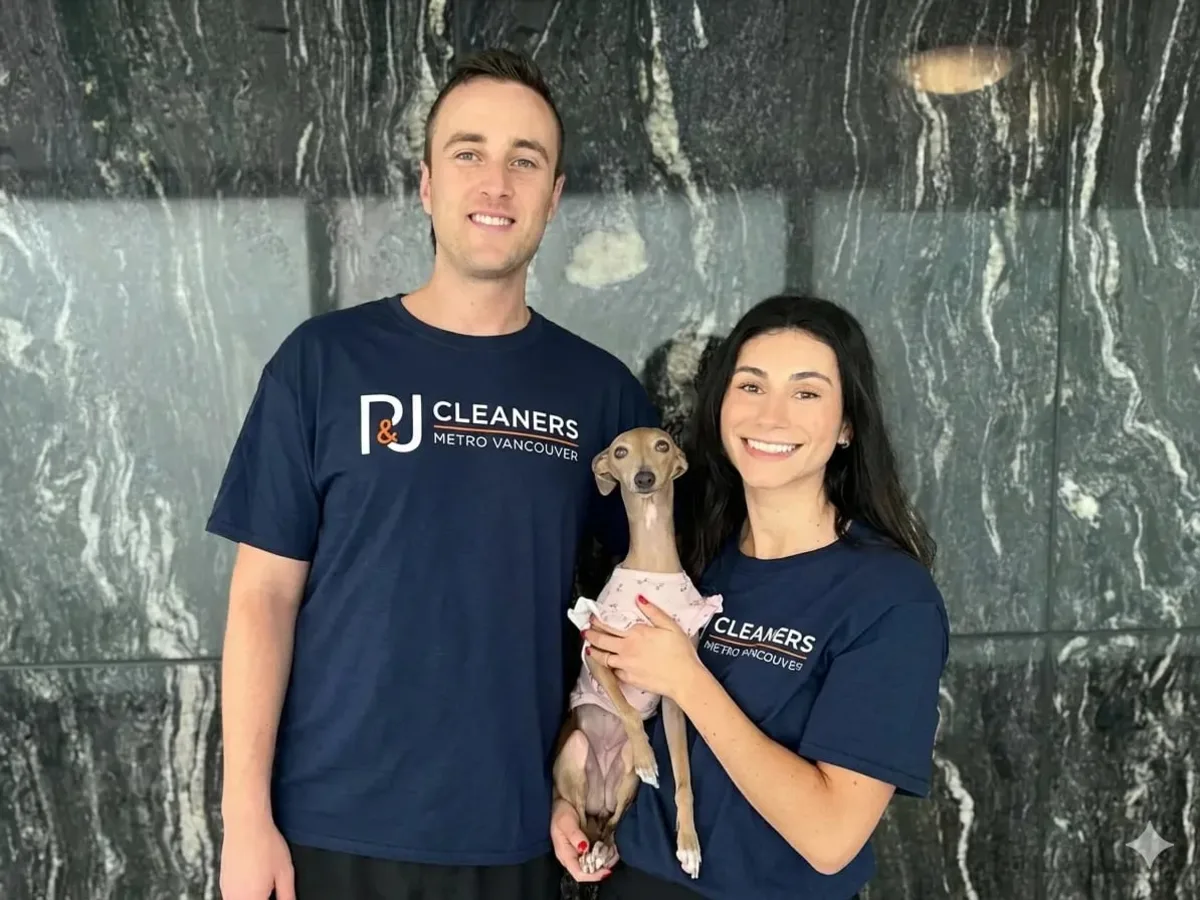
Jason
Co-Founder
Jason oversees commercial operations, workflow design, and quality control for office, restaurant, and specialty cleaning programs across Metro Vancouver.
Keep Exploring