

Quick answer
Allergen and cigarette smoke odor removal combines HEPA vacuuming, 60°C bedding and textile washing, damp microfibre dusting, vinegar and hydrogen peroxide wipe-downs on walls, hypoallergenic product use, and MERV 11-13 HVAC filtration to strip dust mites, pet dander, mould, pollen, and third-hand tobacco smoke residue out of a Vancouver home.

Key Takeaways
- 1HEPA-filtered vacuums capture 99.97% of particles as small as 0.3 microns, removing allergens that standard vacuums recirculate into the air.
- 2Washing bedding weekly at 60°C kills dust mites, which thrive in mattresses and pillows and affect 20 million Canadians with allergic rhinitis.
- 3Damp dusting with microfibre cloths traps allergens instead of spreading them, reducing airborne particles by up to 80% compared to dry dusting.
- 4Cigarette smoke odor removal requires cleaning every surface smoke touched - walls, ceilings, HVAC, textiles - because third-hand smoke residue settles into porous materials and bleeds back into the air for months.
- 5Professional deep cleaning every 3-6 months addresses hidden allergen reservoirs and tobacco residue in carpets, upholstery, and ventilation systems that routine cleaning misses.
Understanding Indoor Allergens and Smoke Residue in Vancouver Homes
Indoor allergens and stale cigarette smoke residue accumulate year-round in Metro Vancouver homes, with dust mites, pet dander, mould spores, pollen, and third-hand tobacco smoke creating respiratory challenges for sensitive residents.
Vancouver's mild, humid climate creates ideal conditions for indoor allergens to thrive throughout the year. Dust mites flourish in bedding, upholstered furniture, and carpets where humidity levels exceed 50%. Pet dander from cats and dogs becomes airborne and settles on surfaces, remaining allergenic for months. Mould spores develop in bathrooms, basements, and poorly ventilated areas, particularly during Vancouver's rainy season from October through April. Pollen enters homes through open windows, on clothing, and via pets, accumulating on floors and furniture. Stale cigarette smoke residue (third-hand smoke) layers onto walls, ceilings, HVAC components, and fabrics long after anyone stopped smoking in the space.
According to Health Canada, indoor air can be two to five times more polluted than outdoor air, with allergens and tobacco residue being primary contributors. The Asthma Society of Canada reports that 20-25% of Canadians suffer from allergic rhinitis, with indoor allergens triggering symptoms year-round. Dust mites alone affect approximately 20 million Canadians, making them the most common indoor allergen. Vancouver's housing stock, which includes many older buildings with carpeting and fabric furnishings, provides numerous surfaces where allergens and nicotine residue accumulate and become difficult to remove without proper cleaning techniques.
- Dust mites thrive in humidity above 50% and feed on dead skin cells shed by humans and pets
- Pet dander particles are 2.5 microns or smaller, allowing them to remain airborne for extended periods
- Mould spores release continuously in damp environments, with concentrations highest in bathrooms and basements
- Pollen particles track indoors on shoes, clothing, and pet fur, settling on horizontal surfaces
- Cockroach droppings and body fragments trigger allergies in urban apartments and older buildings
Pro Tip
Use a hygrometer to monitor indoor humidity levels, keeping them between 30-50% to inhibit dust mite reproduction and mould growth.
Related resources
HEPA Vacuum Techniques for Maximum Allergen Removal
HEPA-filtered vacuums remove 99.97% of particles 0.3 microns or larger, making them essential for allergen reduction and smoke-particulate capture when used with proper technique and frequency.
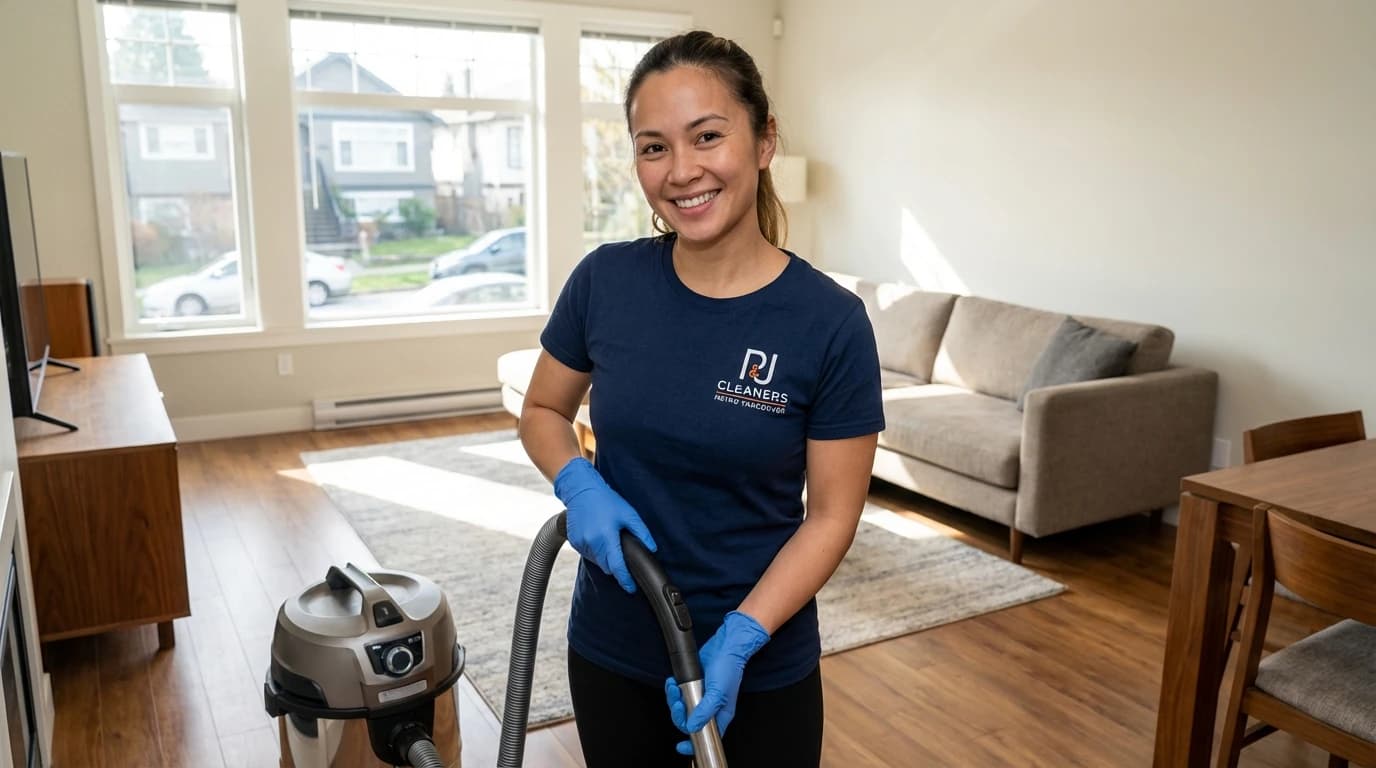
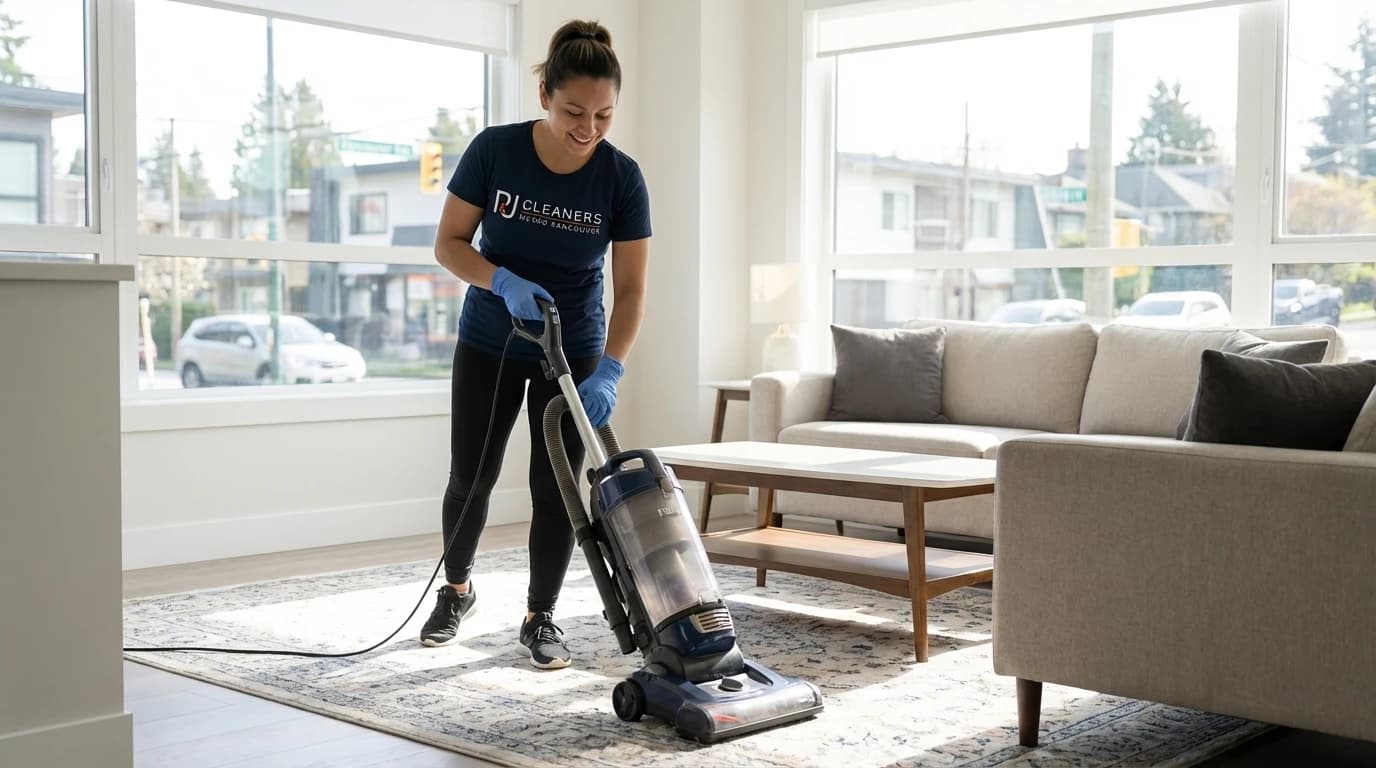
HEPA (High-Efficiency Particulate Air) filtration represents the gold standard for allergen removal in residential cleaning. These vacuums trap particles as small as 0.3 microns, including dust mite faeces, pollen, pet dander, mould spores, and fine tobacco smoke particulates that standard vacuums simply recirculate into the air. The Asthma and Allergy Foundation of America recommends HEPA vacuums for all allergy sufferers, noting that conventional vacuums can actually worsen symptoms by dispersing fine particles. Vacuum carpets, rugs, and upholstered furniture twice weekly in high-traffic areas and weekly in bedrooms to maintain low allergen levels.
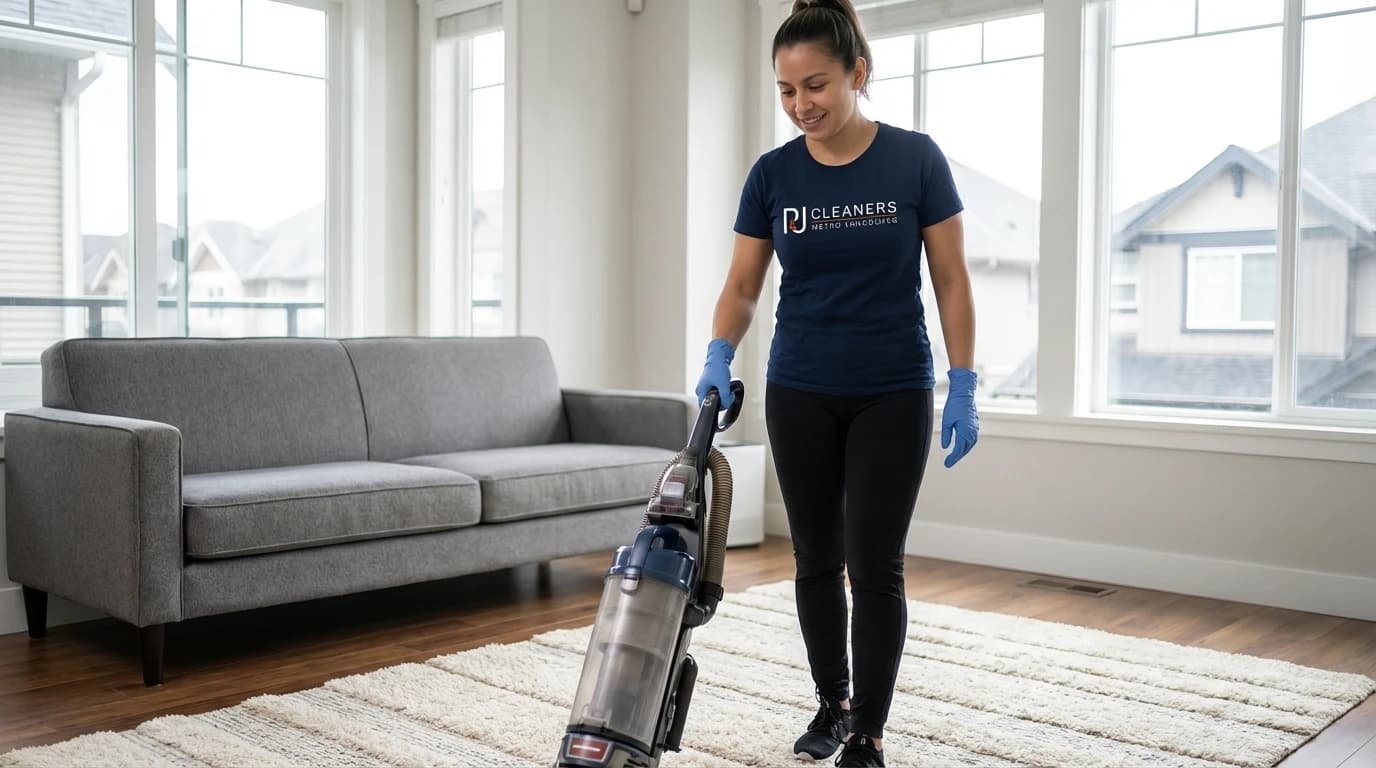
Proper vacuuming technique matters as much as equipment quality. Move slowly across surfaces, making multiple passes in different directions to lift embedded allergens from carpet fibres and fabric weaves. Use appropriate attachments for different surfaces: the upholstery tool for furniture and curtains, the crevice tool for baseboards and corners, and the dusting brush for hard surfaces. Empty vacuum canisters or replace bags outdoors to prevent allergen re-entry, and clean or replace HEPA filters according to manufacturer specifications. For severe allergies, consider wearing a dust mask during vacuuming and allow dust to settle for 30 minutes before re-entering the room.
Professional-grade HEPA vacuums used by P&J Cleaners feature sealed systems that prevent air leakage, ensuring all exhaust passes through the HEPA filter. Commercial units typically offer stronger suction and larger capacity than residential models, extracting more allergens per pass. Our technicians vacuum in overlapping patterns, spending extra time on allergen hotspots like bedroom carpets, living room upholstery, and areas where pets rest. We also vacuum hard floors, as allergens settle in grout lines, floor seams, and textured surfaces that sweeping and mopping miss.
- Vacuum carpets and rugs twice weekly, moving slowly with overlapping passes in multiple directions
- Use upholstery attachments on furniture, curtains, and fabric lampshades where allergens accumulate
- Empty canisters or replace bags outdoors, and wash reusable filters monthly in hot water
- Vacuum mattresses monthly using the upholstery tool to remove dust mites and dead skin cells
- Clean hard floors with HEPA vacuums before mopping to capture fine particles that wet cleaning misses
Pro Tip
Vacuum slowly at a rate of one foot per second to allow the HEPA filter adequate time to capture embedded allergens from carpet fibres.
Bedroom Allergen Control Strategies
Bedrooms harbour the highest concentrations of dust mites and allergens due to bedding, carpets, and the eight hours humans spend shedding skin cells nightly.
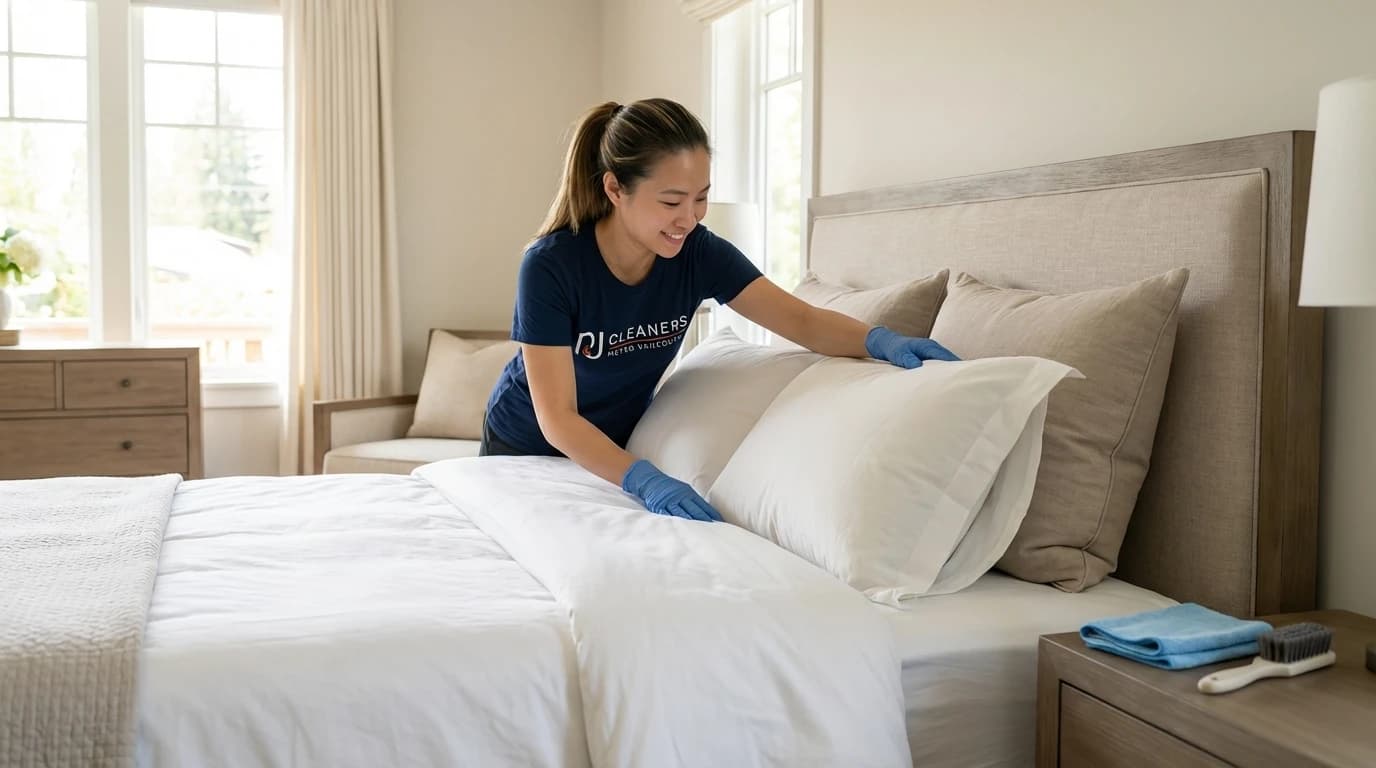
The bedroom presents the greatest allergen challenge in most homes because humans spend one-third of their lives there, shedding approximately 1.5 grams of skin cells daily that feed dust mite populations. Mattresses, pillows, duvets, and carpets create ideal dust mite habitats with warmth, humidity, and abundant food sources. Research published in the Journal of Allergy and Clinical Immunology found that mattresses can contain 100,000 to 10 million dust mites, with their faeces and body fragments triggering allergic reactions. Bedroom allergen control requires weekly bedding maintenance, monthly deep cleaning, and strategic use of allergen-barrier products.
Wash all bedding including sheets, pillowcases, duvet covers, and blankets weekly in hot water at 60°C (140°F) or higher to kill dust mites. Lower temperatures may clean fabrics but won't eliminate mites, which survive temperatures below 55°C. Use allergen-proof encasements on mattresses, box springs, and pillows to create a barrier between dust mites and sleepers. These tightly woven covers prevent mites from penetrating while allowing moisture vapour to escape, maintaining comfort. Vacuum mattresses monthly using the upholstery attachment, paying special attention to seams and tufts where allergens concentrate.
Remove or minimize allergen-collecting items from bedrooms to reduce cleaning burden and allergen reservoirs. Replace heavy curtains with washable blinds or simple window treatments that can be wiped down weekly. Eliminate upholstered headboards, decorative pillows, and stuffed animals that collect dust and require frequent cleaning. Choose hard-surface flooring over carpeting when possible, or use small, washable area rugs instead of wall-to-wall carpeting. Keep bedroom doors closed during the day to prevent pet dander from entering, and use HEPA air purifiers to continuously filter airborne allergens while sleeping.
- Wash bedding weekly at 60°C minimum to kill dust mites and remove allergen accumulation
- Encase mattresses, box springs, and pillows in allergen-proof covers with pore sizes under 10 microns
- Vacuum mattresses monthly, focusing on seams, tufts, and edges where dust mites concentrate
- Remove carpeting or use washable area rugs that can be cleaned weekly to reduce allergen reservoirs
- Run HEPA air purifiers continuously in bedrooms to filter airborne allergens during sleep hours
Pro Tip
Place allergen-proof encasements on pillows and mattresses before adding regular bedding to create an effective barrier against dust mites.
Related resources
Damp Dusting Methods That Trap Allergens
Damp dusting with microfibre cloths captures and removes allergens rather than dispersing them into the air like dry dusting and feather dusters.
Damp dusting represents one of the most effective allergen reduction techniques because it captures particles rather than redistributing them throughout the room. Dry dusting, feather dusters, and treated dust cloths lift allergens temporarily but allow them to resettle on other surfaces or become airborne where they're inhaled. Studies show that damp dusting reduces airborne particle counts by up to 80% compared to dry methods. Use clean microfibre cloths slightly dampened with water or hypoallergenic cleaning solution, wringing out excess moisture to prevent water damage to wood surfaces and electronics.
Microfibre cloths feature split fibres that create millions of tiny hooks and pockets that trap dust, allergens, and bacteria at the microscopic level. These cloths can hold up to seven times their weight in particles and require only water to be effective, eliminating the need for chemical cleaners that may trigger sensitivities. Fold cloths into quarters to create eight clean surfaces, refolding to expose fresh sections as each side becomes soiled. This technique prevents cross-contamination and maximizes cleaning efficiency. Wash microfibre cloths after each use in hot water without fabric softener, which clogs the fibres and reduces their effectiveness.
Dust from top to bottom to prevent cleaned surfaces from being re-contaminated by falling particles. Start with ceiling fans, light fixtures, and the tops of tall furniture, working downward to baseboards and floor-level surfaces. Pay special attention to horizontal surfaces where allergens settle: shelves, picture frames, window sills, and electronics. Don't forget often-overlooked areas like door frames, light switches, and the tops of doors where dust accumulates undisturbed. Finish by vacuuming floors with a HEPA-filtered vacuum to capture allergens that fell during dusting.
- Use microfibre cloths dampened with water or hypoallergenic solution, wringing out excess moisture
- Fold cloths into quarters for eight clean surfaces, refolding as each side becomes soiled
- Dust from ceiling to floor to prevent re-contamination of cleaned surfaces by falling particles
- Wash microfibre cloths after each use in hot water without fabric softener to maintain effectiveness
- Focus on horizontal surfaces where allergens settle: shelves, window sills, and electronics
Pro Tip
Keep separate colour-coded microfibre cloths for different areas (blue for general surfaces, yellow for bathrooms) to prevent cross-contamination.
Hypoallergenic Cleaning Products and Solutions
Hypoallergenic cleaning products eliminate allergen triggers while avoiding harsh chemicals, fragrances, and irritants that worsen respiratory symptoms.
Many conventional cleaning products contain fragrances, volatile organic compounds (VOCs), and harsh chemicals that trigger allergic reactions and asthma symptoms in sensitive individuals. The American Lung Association warns that cleaning product fumes can irritate airways, cause breathing difficulties, and exacerbate existing respiratory conditions. Hypoallergenic products formulated without these triggers provide effective cleaning while minimizing health risks. Look for products certified by third-party organizations like Green Seal, EcoLogo, or the EPA's Safer Choice program, which verify low VOC content and reduced allergen potential.
Simple, natural cleaning solutions often work as effectively as commercial products without the allergen risks. White vinegar diluted with water (1:1 ratio) cleans glass, countertops, and bathroom surfaces while naturally inhibiting mould growth. Baking soda serves as a gentle abrasive for scrubbing sinks, tubs, and stovetops without scratching surfaces or releasing fumes. Hydrogen peroxide (3% solution) disinfects surfaces and removes mould stains without the harsh fumes of bleach. These ingredients cost less than commercial cleaners, reduce packaging waste, and eliminate exposure to synthetic fragrances and preservatives.
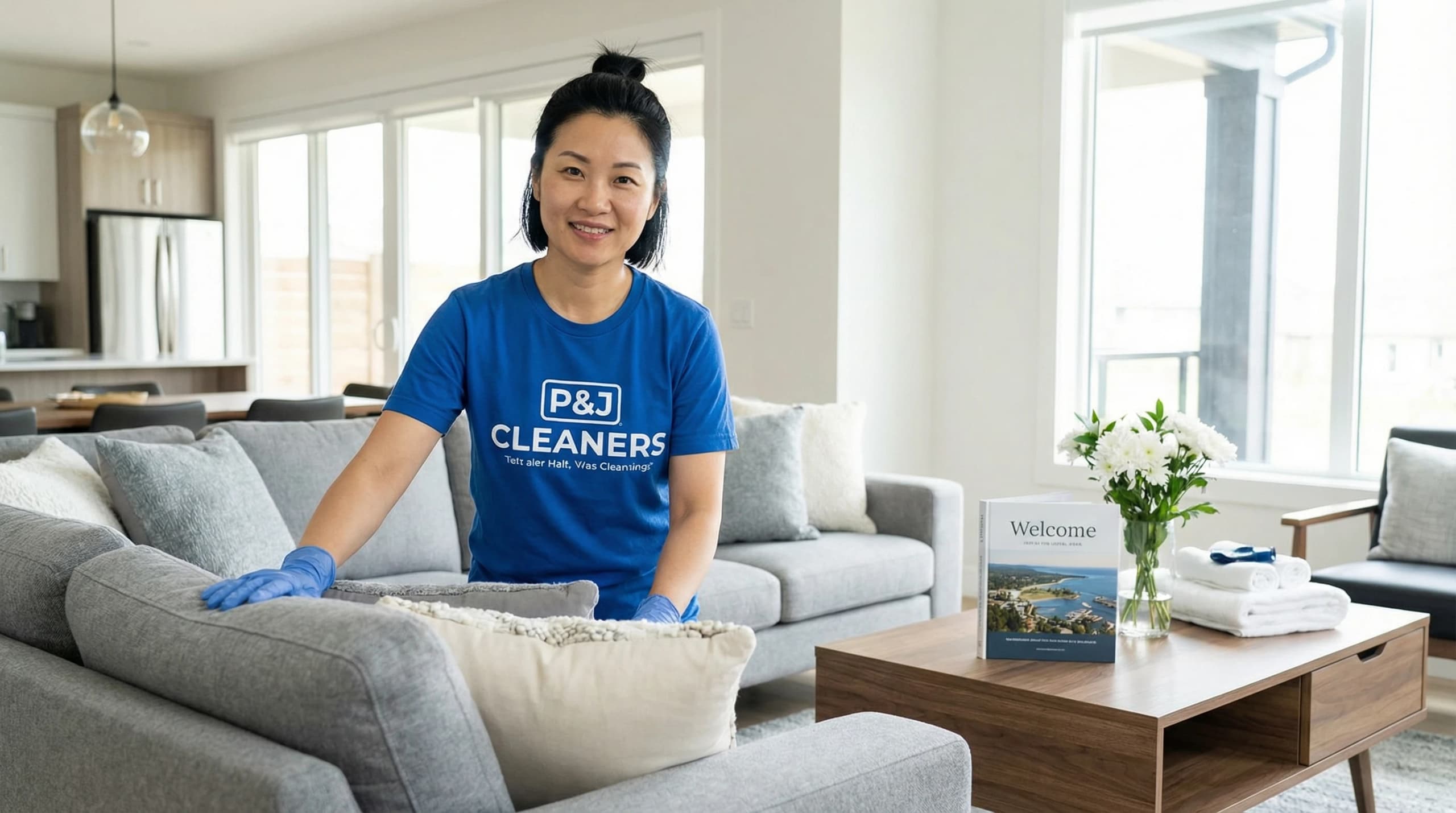
When commercial products are necessary, choose fragrance-free, dye-free formulations specifically labelled hypoallergenic or designed for sensitive individuals. Avoid products containing ammonia, chlorine bleach, and synthetic fragrances, which are common allergen triggers. Read ingredient labels carefully, as terms like "natural" and "green" aren't regulated and don't guarantee hypoallergenic properties. P&J Cleaners uses eco-friendly, hypoallergenic products certified safe for allergy sufferers, including plant-based surfactants and enzyme cleaners that break down organic matter without harsh chemicals. Our product selection prioritizes client health while delivering professional cleaning results.
- Choose products certified by Green Seal, EcoLogo, or EPA Safer Choice for verified low allergen potential
- Use white vinegar and water (1:1) for glass, countertops, and bathroom surfaces without harsh fumes
- Apply baking soda as a gentle abrasive for scrubbing without scratching or releasing irritants
- Select fragrance-free, dye-free formulations to avoid synthetic chemicals that trigger sensitivities
- Avoid ammonia, chlorine bleach, and synthetic fragrances that commonly exacerbate respiratory symptoms
Pro Tip
Test new cleaning products in a small, well-ventilated area first to ensure they don't trigger allergic reactions before using throughout your home.
Related resources
Carpet and Upholstery Deep Cleaning for Allergens and Smoke Residue
Professional deep cleaning of carpets and upholstery removes embedded allergens and stale cigarette smoke residue that routine vacuuming cannot reach, significantly improving indoor air quality.
Carpets and upholstered furniture act as allergen reservoirs, trapping dust mites, pet dander, pollen, mould spores, and stale tobacco smoke residue deep within fibres where regular vacuuming cannot reach them. The Carpet and Rug Institute estimates that carpets can hold up to four times their weight in dirt and allergens before appearing visibly soiled. Even with weekly HEPA vacuuming, allergens accumulate in carpet backing, padding, and the base of upholstery cushions. Professional hot water extraction (steam cleaning) penetrates deep into fibres, using heated cleaning solution and powerful suction to extract embedded allergens and cigarette smoke contaminants.
Schedule professional carpet and upholstery cleaning every 3-6 months for allergy sufferers, or more frequently in homes with pets, smokers, or high traffic. Hot water extraction heats cleaning solution to 60-90°C, killing dust mites, neutralising stale cigarette smoke odor, and loosening allergen particles for removal. Professional equipment generates significantly more suction than rental machines, extracting more moisture and allergens while reducing drying time. Faster drying prevents mould growth, which can occur when carpets remain damp for more than 24 hours. Request hypoallergenic, fragrance-free cleaning solutions to avoid introducing new irritants during the cleaning process.
Between professional cleanings, maintain carpets and upholstery with regular HEPA vacuuming and prompt spot treatment of spills to prevent mould growth. Consider replacing old carpeting with hard-surface flooring in bedrooms and high-traffic areas to reduce allergen reservoirs. If carpeting is necessary, choose low-pile options that trap fewer allergens than plush, high-pile varieties. For upholstered furniture, select leather or vinyl alternatives that can be wiped clean, or use washable slipcovers that can be laundered weekly. These modifications reduce allergen accumulation and simplify maintenance for allergy sufferers.
- Schedule professional hot water extraction every 3-6 months to remove embedded allergens from carpets
- Request hypoallergenic, fragrance-free cleaning solutions to avoid introducing new irritants
- Ensure carpets dry within 24 hours to prevent mould growth in damp fibres and padding
- Replace high-pile carpeting with low-pile options or hard-surface flooring to reduce allergen reservoirs
- Use washable slipcovers on upholstered furniture for easy weekly laundering and allergen removal
Pro Tip
Run fans and open windows after professional carpet cleaning to accelerate drying and prevent mould growth in humid Vancouver conditions.
Related resources
Ventilation and Air Quality Management
Proper ventilation and air filtration reduce indoor allergen concentrations and stale cigarette smoke odor by exchanging stale air and continuously filtering airborne particles.
Indoor air quality depends on adequate ventilation to dilute and remove airborne allergens and lingering cigarette smoke odor while introducing fresh outdoor air. However, Vancouver's seasonal pollen counts require strategic ventilation timing to avoid introducing outdoor allergens. Open windows during low-pollen periods, typically early morning or after rain, when pollen counts drop. Check local pollen forecasts from Weather Network or pollen.com before ventilating. Use window screens to filter larger particles, and close windows during high-pollen days, relying instead on mechanical ventilation systems with proper filtration. Fresh air does help get rid of surface-level cigarette smell, but it rarely eliminates residue embedded in textiles, drywall, and ducts on its own.
HVAC systems circulate air throughout homes, making filter quality critical for allergen and smoke-particulate control. Replace standard fibreglass filters with MERV 11-13 rated filters that capture particles as small as 1 micron, including pollen, mould spores, pet dander, and fine smoke residue. Higher MERV ratings (14-16) offer even better filtration but may restrict airflow in systems not designed for them, potentially damaging equipment. Change filters every 1-3 months depending on usage, pets, and outdoor air quality. Dirty filters reduce airflow efficiency and allow allergens and cigarette smoke particulates to bypass filtration, recirculating them throughout the home.
Portable HEPA air purifiers with activated-carbon pre-filters provide additional allergen reduction and act as an indoor cigarette smoke eliminator in bedrooms and high-traffic areas where people spend the most time. Size purifiers appropriately for room square footage, checking the Clean Air Delivery Rate (CADR) to ensure adequate air exchanges per hour. Run purifiers continuously on medium or high settings for maximum effectiveness, positioning them away from walls and furniture to allow proper air circulation. Clean or replace HEPA filters according to manufacturer schedules, typically every 6-12 months. Combine air purification with source control measures like regular cleaning and humidity management for comprehensive allergen reduction.
- Open windows during low-pollen periods, typically early morning or after rain, checking local forecasts first
- Install MERV 11-13 rated HVAC filters to capture particles as small as 1 micron including pollen and dander
- Replace HVAC filters every 1-3 months to maintain airflow efficiency and filtration effectiveness
- Run HEPA air purifiers continuously in bedrooms and living areas, sizing them appropriately for room square footage
- Clean bathroom and kitchen exhaust fans quarterly to maintain proper ventilation and prevent moisture buildup
Pro Tip
Set calendar reminders for filter changes and schedule them to coincide with seasonal transitions when allergen types and concentrations shift.
Step-by-Step
7-Step Allergen Reduction Cleaning Process
Follow this systematic approach weekly to maintain low allergen levels throughout your home, focusing on high-impact areas where allergens accumulate most heavily.
Prepare Your Cleaning Environment
Begin by opening windows in low-pollen conditions to ventilate the space, or close them during high-pollen days and rely on HVAC filtration. Remove clutter from surfaces to expose allergen-collecting areas. Put on a dust mask if you have severe allergies to prevent inhaling disturbed particles during cleaning. Gather all necessary supplies including HEPA vacuum, microfibre cloths, hypoallergenic cleaning solutions, and fresh bedding. Turn on HEPA air purifiers to capture airborne particles released during cleaning activities.
- Check local pollen forecasts and ventilate accordingly
- Clear surfaces of decorative items and clutter
- Put on dust mask and gather cleaning supplies
- Turn on HEPA air purifiers in rooms being cleaned
- Remove pets from cleaning areas to prevent dander disturbance
Strip and Wash All Bedding
Remove all bedding including sheets, pillowcases, duvet covers, blankets, and mattress pads from bedrooms. Wash everything in hot water at 60°C or higher to kill dust mites and remove accumulated allergens. Use hypoallergenic, fragrance-free detergent to avoid introducing new irritants. Dry bedding on high heat or in direct sunlight, both of which kill remaining mites. While bedding washes, vacuum mattresses thoroughly using the upholstery attachment, paying special attention to seams, tufts, and edges where dust mites concentrate most heavily.
- Strip all bedding from mattresses and pillows
- Wash in hot water at 60°C minimum with hypoallergenic detergent
- Dry on high heat or in direct sunlight
- Vacuum mattresses thoroughly with upholstery attachment
- Remake beds with allergen-proof encasements if using
HEPA Vacuum All Surfaces
Vacuum all carpets, rugs, and upholstered furniture using a HEPA-filtered vacuum, moving slowly at approximately one foot per second to allow adequate particle capture. Make multiple passes in different directions to lift embedded allergens from carpet fibres and fabric weaves. Use appropriate attachments for different surfaces: upholstery tool for furniture and curtains, crevice tool for baseboards and corners, dusting brush for hard surfaces. Don't forget often-overlooked areas like under furniture, behind doors, and inside closets where allergens accumulate undisturbed.
- Vacuum carpets and rugs with slow, overlapping passes
- Use upholstery attachment on furniture, curtains, and fabric items
- Vacuum hard floors to capture settled allergens before mopping
- Clean baseboards, corners, and crevices with appropriate tools
- Empty vacuum canister or replace bag outdoors
Damp Dust from Top to Bottom
Using clean, slightly damp microfibre cloths, dust all surfaces starting from the highest points and working downward to prevent re-contamination. Begin with ceiling fans, light fixtures, and tops of tall furniture, progressing to shelves, picture frames, window sills, and electronics. Fold cloths into quarters to create eight clean surfaces, refolding to expose fresh sections as each side becomes soiled. Pay special attention to horizontal surfaces where allergens settle most heavily. Finish with baseboards and floor-level surfaces before vacuuming floors again to capture fallen particles.
- Start with ceiling fans, light fixtures, and high surfaces
- Dust shelves, picture frames, and window sills thoroughly
- Clean electronics, light switches, and door frames
- Wipe baseboards and floor-level surfaces last
- Wash microfibre cloths immediately after use
Clean Bathrooms and Kitchen
Focus on moisture-prone areas where mould spores thrive, using hypoallergenic cleaning products to avoid introducing chemical irritants. Clean bathroom surfaces including sinks, toilets, tubs, and showers with vinegar solution or hypoallergenic cleaners. Scrub grout lines and tile surfaces where mould develops. Wash bathroom rugs and shower curtains weekly. In the kitchen, clean countertops, sinks, and appliances, paying special attention to areas where food particles and moisture accumulate. Run exhaust fans during and after cleaning to remove moisture and cleaning product fumes.
- Clean bathroom surfaces with hypoallergenic products
- Scrub grout lines and tile to remove mould
- Wash bathroom rugs and shower curtains
- Clean kitchen countertops, sinks, and appliances
- Run exhaust fans to remove moisture and fumes
Mop Hard Floors
After vacuuming to remove dry particles, mop hard floors using a damp mop with hypoallergenic cleaning solution or plain water. Avoid excessive water that can seep into seams and promote mould growth. Use microfibre mop heads that trap particles rather than spreading them. Pay attention to corners, edges, and areas under furniture where allergens accumulate. Change mop water frequently to avoid redistributing dirt and allergens. Allow floors to dry completely before replacing furniture or allowing foot traffic to prevent moisture-related issues.
- Vacuum hard floors before mopping to remove dry particles
- Mop with damp microfibre mop and hypoallergenic solution
- Focus on corners, edges, and under-furniture areas
- Change mop water frequently to avoid spreading allergens
- Allow floors to dry completely before foot traffic
Final Air Quality Check
After cleaning, allow dust to settle for 30 minutes before re-entering rooms if you have severe allergies. Run HEPA air purifiers on high for several hours to capture airborne particles disturbed during cleaning. Check and adjust indoor humidity levels to 30-50% using dehumidifiers or humidifiers as needed. Replace HVAC filters if they appear dirty or if it's been more than three months since the last change. Schedule your next cleaning session and note any areas requiring special attention or professional deep cleaning services.
- Allow 30 minutes for dust to settle after cleaning
- Run HEPA air purifiers on high for several hours
- Check and adjust humidity levels to 30-50%
- Replace HVAC filters if needed
- Schedule next cleaning session and note problem areas
| Method | Effectiveness | Frequency | Cost |
|---|---|---|---|
| HEPA Vacuuming | Removes 99.97% of particles ≥0.3 microns | 2x weekly (high-traffic), weekly (bedrooms) | $200-400 vacuum investment |
| Hot Water Bedding Wash (60°C) | Kills 100% of dust mites | Weekly | $2-5 per load (energy/water) |
| Damp Microfibre Dusting | Reduces airborne particles by 80% | Weekly | $10-20 for cloth set |
| Professional Deep Cleaning | Removes embedded allergens from carpets/upholstery | Every 3-6 months | $150-400 per session |
| HEPA Air Purifiers | Continuous airborne allergen filtration | Run continuously | $100-500 unit + $50-100/year filters |
| MERV 11-13 HVAC Filters | Captures particles ≥1 micron system-wide | Replace every 1-3 months | $15-30 per filter |
Services mentioned in this article
Ready for help?
4.9 · 850+ Google reviewsCigarette Smoke Odor Removal and Allergen Deep Cleaning in Metro Vancouver
P&J Cleaners pairs HEPA filtration, hypoallergenic products, and proven tobacco-residue methods to strip stale smoke, nicotine stains, and indoor allergens from any Vancouver home. 4.9-star rated, 850+ reviews, $2M insured, bonded, and background-checked. Call 778-720-2224 for same-week booking.
778-720-2224Cigarette Smoke Odor and Allergen Cleaning Questions
How to remove cigarette smell from room instantly?
For a fast cigarette smoke odor removal pass, open two windows for cross-ventilation, set bowls of white vinegar or activated charcoal around the room, wipe every hard surface with a 1:1 vinegar and water solution, and run a HEPA air purifier on high for at least an hour. These steps pull stale cigarette smoke odor out of the air in 30 to 60 minutes, but fabrics, drywall, and HVAC systems still hold residue. For a lasting fix, wash all textiles at 60°C and book a P&J Cleaners deep clean at 778-720-2224. Yes, fresh air helps get rid of cigarette smell, but it rarely eliminates third-hand smoke on its own.
How do you do tobacco odor removal cleaning on walls and ceilings?
Tobacco odor removal cleaning on walls and ceilings starts with dry-wiping loose soot, then washing surfaces top-to-bottom with a warm solution of TSP substitute or a 1:1 white-vinegar mix. For removing nicotine stains from walls and ceilings, follow with a hydrogen peroxide pass, then rinse with clean water and dry. Once fully dry, seal with a shellac-based primer like Zinsser B-I-N before repainting, otherwise the yellow nicotine stain and the cigarette smoke smell from the house will bleed right through new paint. P&J Cleaners handles this wall-and-ceiling tobacco scrub as part of our post-tenant smoke cleanup service across Metro Vancouver.
How to get rid of cigarette smell in a house for good?
To get rid of cigarette smell in a house permanently you have to clean every surface smoke touched, not just the air. Launder curtains, rugs, cushion covers, and bedding at 60°C, shampoo carpets and upholstery with hot-water extraction, wipe ceilings and walls with vinegar, replace HVAC filters with MERV 11-13, and have ducts professionally cleaned. Hard surfaces like cabinets, baseboards, and light fixtures need a degreaser pass, since nicotine bonds to grease. Most Vancouver homes need one deep clean plus one follow-up to fully remove stale cigarette smoke odor.
How to get cigarette smell out of clothes in the washing machine?
To get cigarette smell out of clothes in the washing machine, soak garments in a basin of warm water and one cup of white vinegar for 30 minutes, then run a normal wash at the hottest temperature the fabric allows with half a cup of baking soda added to the drum and your regular hypoallergenic detergent. For heavy cigarette smoke odor, add a second rinse cycle and line-dry in sunlight, which breaks down residual tobacco smoke odor. Repeat once if the smoke smell lingers; never put smoke-contaminated clothes in the dryer before the smell is gone because heat sets the odor.
How to remove cigarette smell from a car?
To remove cigarette smell from a car, pull floor mats and vacuum every surface with a HEPA vacuum, wipe down the dashboard, doors, headliner, and steering wheel with a vinegar-water mix, shampoo the upholstery and carpets, and leave an open container of activated charcoal or baking soda inside overnight. Replace the cabin air filter, because it traps smoke particulates. For stubborn indoor cigarette smoke eliminator results, an ozone treatment from a detailer neutralises molecules embedded in foam and plastics. P&J Cleaners does not clean vehicles, but the same principles apply indoors.
How to get smoke smell out of hair and skin?
To get smoke smell out of hair, mist hair with a 50/50 witch-hazel-and-water spray or dry shampoo and brush through, then wash with a clarifying shampoo and conditioner. A quick lemon-juice rinse neutralises lingering cigarette smoke odor. For skin, washing with unscented soap and applying a dab of baking soda paste on exposed areas lifts tobacco residue. This question comes up a lot from our post-tenant smoke cleanup clients; they want to know how to deal with the smell on themselves after sorting through a smoker's belongings.
What allergens does professional allergen reduction cleaning remove?
Our allergen reduction cleaning service targets dust mites, pet dander, pollen, mould spores, cockroach debris, and third-hand cigarette smoke residue. P&J Cleaners uses sealed HEPA vacuums that capture 99.97% of particles down to 0.3 microns, hypoallergenic cleaning products certified by Green Seal and EcoLogo, and 60°C hot-water extraction on carpets and upholstery. The Asthma Society of Canada links indoor allergens to symptoms in roughly 20-25% of Canadians, and we pair these methods with ventilation advice tailored to Vancouver's damp, pollen-heavy climate.
How do you clean for dust mites and pet dander in a Vancouver home?
Wash all bedding weekly at 60°C, encase mattresses and pillows in allergen-proof covers with pore sizes under 10 microns, HEPA-vacuum carpets twice a week, and keep indoor humidity between 30 and 50 percent with a dehumidifier. Health Canada notes dust mites cannot survive below 45% humidity. Vacuum upholstered furniture weekly, wash pet beds at 60°C every seven days, and run HEPA air purifiers continuously in bedrooms. For embedded dander and mites, book a P&J Cleaners deep clean every three to six months at 778-720-2224.
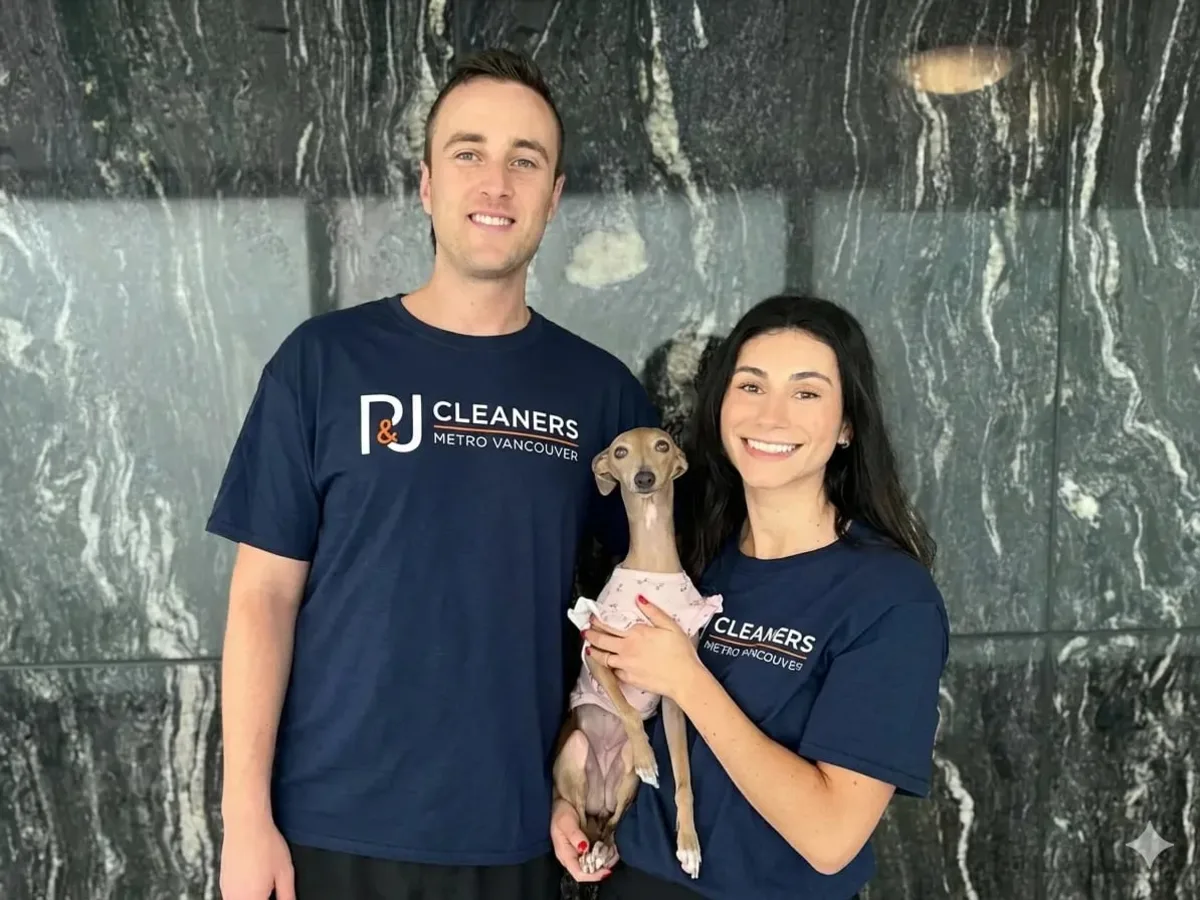
Meet the Author
Pamela
Co-Founder
Pamela leads residential quality standards at P&J Cleaners, refining safe, detail-driven cleaning systems for Vancouver homes, condos, and move-out projects.
Keep Exploring