

Quick answer
BC Airbnb hosts must obtain a business licence, maintain guest registries, follow municipal zoning rules, and ensure properties meet health and safety standards including proper cleaning protocols between guest stays.

Key Takeaways
- 1Vancouver requires short-term rental operators to hold a valid business licence and only rent their principal residence for up to 180 days annually.
- 2Professional Airbnb cleaning costs range from $80-$150 per turnover depending on property size, with 2-4 hour turnaround times standard across Metro Vancouver.
- 3BC health regulations mandate sanitization of high-touch surfaces, fresh linens, and documented cleaning logs to protect guest safety and maintain compliance.
- 4Hosts face fines up to $1,000 per day for operating without proper licensing, making compliance verification essential before listing properties on rental platforms.
Understanding BC's Short-Term Rental Framework
British Columbia introduced province-wide short-term rental regulations in 2024 to address housing availability while supporting legitimate tourism accommodation.
The BC government implemented the Short-Term Rental Accommodations Act to create consistent rules across municipalities. This legislation requires all platforms like Airbnb and VRBO to verify that hosts hold valid business licences before accepting bookings. Properties must be the operator's principal residence in most municipalities, with exceptions for specific resort communities. The City of Vancouver reports that over 4,200 short-term rental licences were active as of January 2026, representing a 12% decrease from pre-regulation levels as non-compliant operators exited the market.
Municipal governments retain authority to set additional local requirements beyond provincial minimums. Vancouver limits short-term rentals to principal residences only, capping annual rental days at 180 for entire-home listings. Other Metro Vancouver cities like Burnaby and Richmond have adopted similar frameworks, while resort municipalities like Whistler permit secondary suites and investment properties under different criteria. Hosts must verify their specific municipal bylaws since regulations vary significantly across the region, and non-compliance can result in immediate licence suspension and substantial financial penalties.
Cleaning standards form a critical component of regulatory compliance, though specific protocols aren't explicitly detailed in provincial legislation. Health authorities expect operators to maintain sanitary conditions that protect guest wellbeing, which includes proper disinfection between stays, adequate ventilation, and pest control measures. The BC Centre for Disease Control recommends following hospitality industry cleaning guidelines, particularly for high-touch surfaces and shared spaces. Professional cleaning services familiar with short-term rental requirements help hosts maintain consistent standards while documenting their compliance efforts through detailed cleaning logs and photographic evidence.
- Provincial regulations require business licence verification before platforms accept new listings
- Vancouver restricts short-term rentals to principal residences with 180-day annual caps
- Municipal bylaws vary across Metro Vancouver, requiring hosts to verify local requirements
- Health authority guidelines mandate sanitary conditions and proper disinfection protocols
- Non-compliance penalties include licence suspension and fines up to $1,000 daily
Pro Tip
Keep digital copies of your business licence, insurance certificates, and cleaning logs in a shared folder accessible to your cleaning team and property manager.
Related resources
Licensing and Business Registration Requirements
Obtaining proper business licensing represents the first mandatory step for operating a legal short-term rental in British Columbia.
Vancouver's short-term rental business licence costs $54 annually and requires proof of principal residence, property ownership or landlord consent, and liability insurance coverage of at least $2 million. Applications undergo review by multiple city departments including planning, building inspection, and fire services to verify zoning compliance and safety standards. The approval process typically takes 4-6 weeks, though incomplete applications or properties requiring safety upgrades may face longer timelines. Hosts must display their licence number prominently in all online listings, and platforms verify this information before activating bookings.
Insurance requirements extend beyond standard homeowner policies since most carriers exclude short-term rental activity from basic coverage. Specialized short-term rental insurance policies cost approximately $800-$1,500 annually depending on property value and coverage limits. These policies protect against guest injuries, property damage, and liability claims that standard policies wouldn't cover. Many insurers now offer hybrid policies that combine homeowner and short-term rental coverage, simplifying the insurance process while ensuring comprehensive protection. Hosts should review their policies annually and notify insurers of any changes to rental frequency or property modifications.
Tax obligations include collecting and remitting the Municipal and Regional District Tax (MRDT) and Provincial Sales Tax (PST) on accommodation charges. The combined rate totals 10% in most BC municipalities, with Airbnb automatically collecting and remitting these taxes for qualifying listings. Hosts must also report rental income on their annual tax returns, claiming eligible expenses like cleaning costs, utilities, and property maintenance. The Canada Revenue Agency scrutinizes short-term rental income closely, making accurate record-keeping essential. Professional bookkeeping services specializing in short-term rentals typically charge $100-$200 monthly and help maximize deductions while ensuring tax compliance.
- Vancouver business licences cost $54 annually and require principal residence verification
- Liability insurance coverage of $2 million minimum is mandatory for all operators
- Specialized short-term rental insurance policies range from $800-$1,500 per year
- Combined accommodation taxes total 10% and are automatically collected by major platforms
- Rental income must be reported on tax returns with proper expense documentation
Pro Tip
Set up a dedicated business bank account for your short-term rental to simplify expense tracking and tax preparation.
Related resources
Health, Safety, and Cleaning Standards
BC health regulations establish minimum sanitation requirements that short-term rental operators must maintain between guest stays.
The BC Centre for Disease Control recommends following enhanced cleaning protocols developed during the COVID-19 pandemic, which remain best practice for short-term rentals. These guidelines emphasize high-touch surface disinfection including door handles, light switches, remote controls, and kitchen appliances. Professional cleaning services use hospital-grade disinfectants approved by Health Canada, typically requiring 10-minute contact times for effective pathogen elimination. A standard 2-bedroom Airbnb turnover cleaning takes 2-3 hours when following comprehensive protocols, compared to 60-90 minutes for basic tidying that doesn't meet health authority standards.
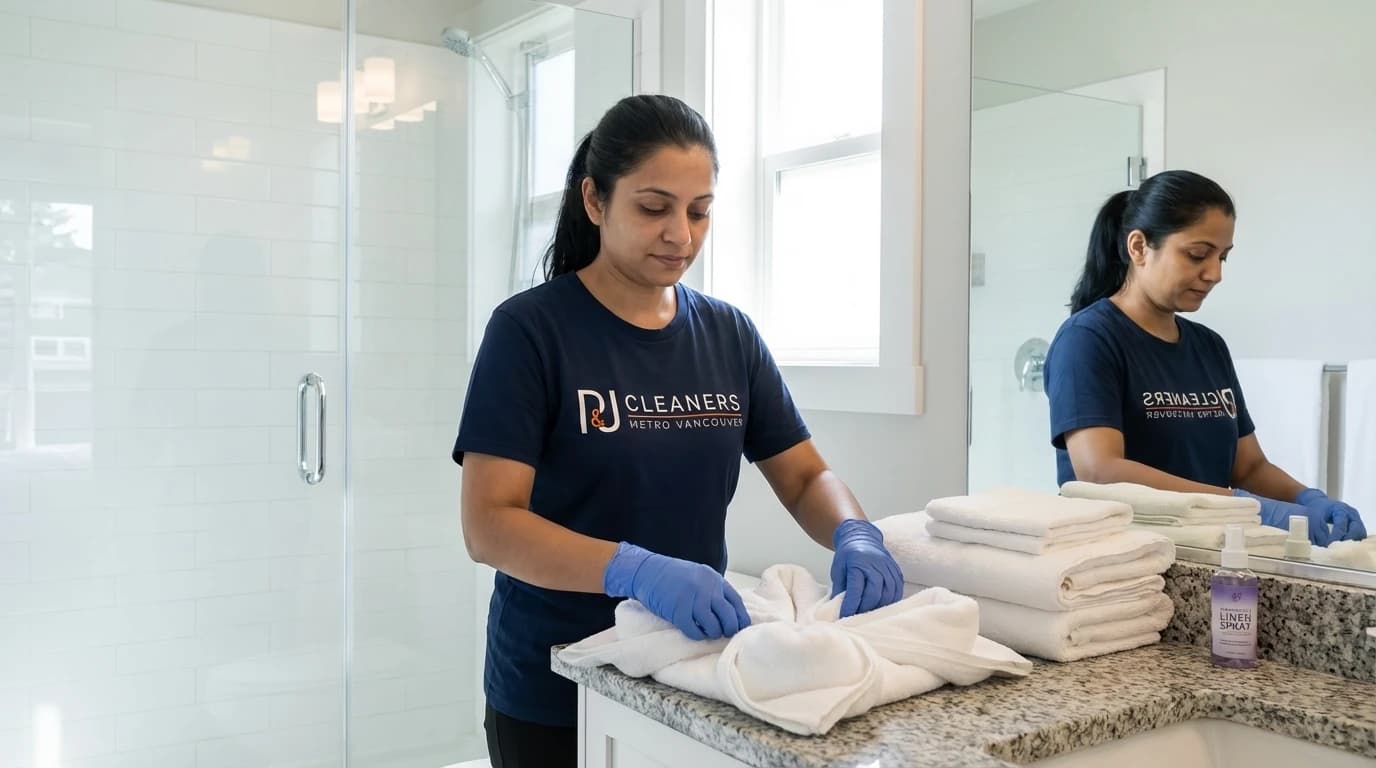
Linen management represents a critical hygiene component that many hosts underestimate. All bedding, towels, and fabric items must be laundered in hot water (minimum 60°C) with appropriate detergent between each guest stay. Professional laundry services charge $3-$5 per kilogram, with a typical 2-bedroom unit generating 8-12 kilograms of laundry per turnover. Some hosts invest in commercial-grade washers and dryers to manage laundry in-house, though this requires dedicated space and increases utility costs. Regardless of approach, maintaining sufficient linen inventory to support back-to-back bookings without laundry delays is essential for operational efficiency.
Air quality and ventilation standards have gained increased attention following pandemic-related health concerns. Properties should be thoroughly ventilated between guests, with windows opened for at least 30 minutes during cleaning. HVAC filters require monthly inspection and replacement every 3 months minimum, with higher-quality MERV 13 filters recommended for improved air filtration. Some hosts have installed HEPA air purifiers in bedrooms and common areas, which cost $200-$400 per unit but provide measurable air quality improvements. WorkSafeBC guidelines also require proper ventilation when using cleaning chemicals to protect both guests and cleaning staff from harmful fumes.
- High-touch surfaces require hospital-grade disinfectants with 10-minute contact times
- All linens must be laundered at minimum 60°C between guest stays
- Professional turnover cleaning for 2-bedroom units takes 2-3 hours following proper protocols
- HVAC filters need monthly inspection and quarterly replacement minimum
- Properties should be ventilated for 30+ minutes during cleaning processes
Pro Tip
Create a laminated cleaning checklist specific to your property and keep it on-site so any cleaning team member can maintain consistent standards.
Professional Cleaning Costs and Scheduling
Understanding cleaning costs and scheduling logistics helps hosts budget accurately and maintain consistent property standards.
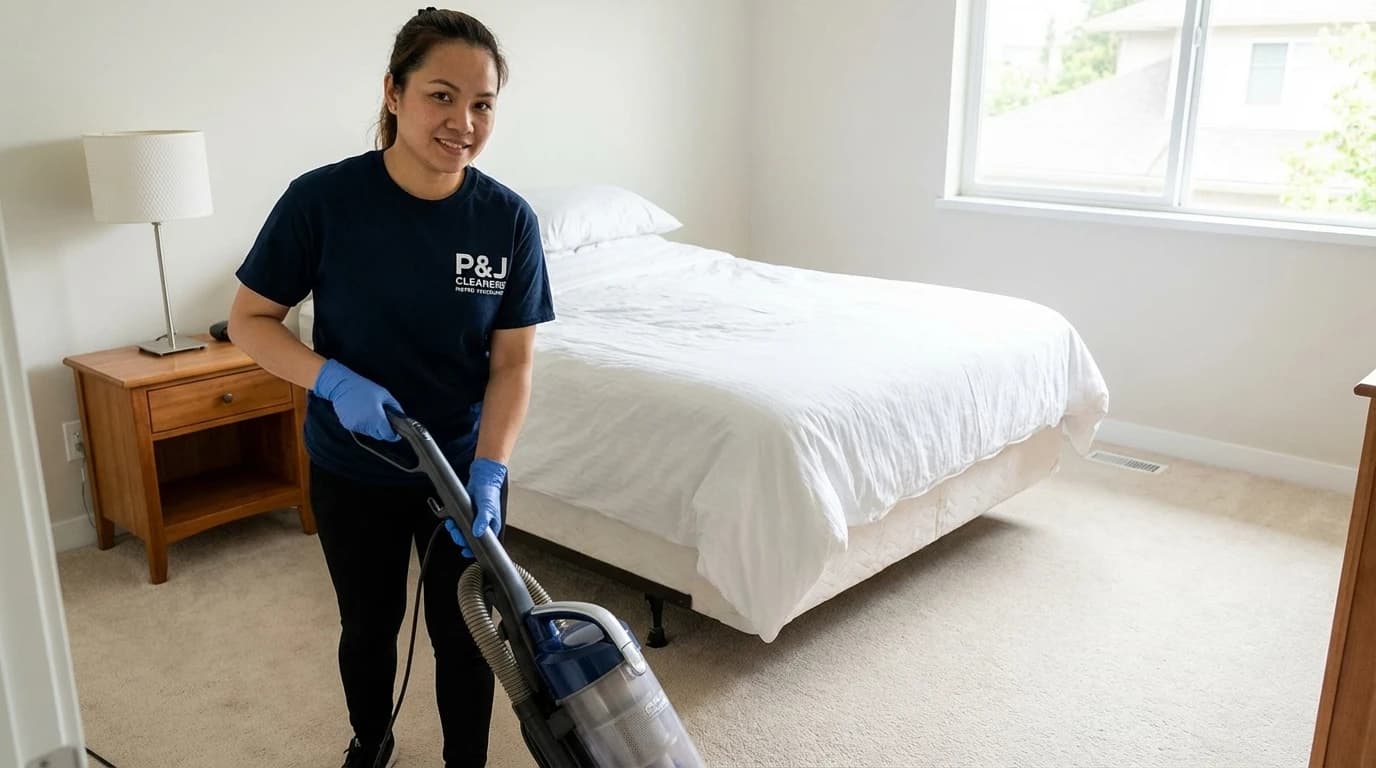
Professional Airbnb cleaning services in Metro Vancouver charge $80-$150 per turnover depending on property size and service scope. A 1-bedroom condo typically costs $80-$100, while 3-bedroom houses range from $120-$150 for comprehensive cleaning including laundry. These rates include all cleaning supplies, equipment, and labour, with most services completing turnovers within 2-4 hours. Some companies offer discounted rates for hosts booking multiple cleanings monthly, with volume discounts of 10-15% common for properties with consistent booking schedules. Hosts should compare at least three service providers, verifying their insurance coverage, staff training, and familiarity with short-term rental requirements.
Scheduling coordination becomes critical for properties with back-to-back bookings and tight turnaround windows. Most professional services require 24-48 hours advance notice for scheduling, though some offer same-day emergency cleaning at premium rates of 25-50% above standard pricing. Smart lock systems and lockbox access eliminate the need for key exchanges, allowing cleaning teams to access properties independently while maintaining security. Many hosts use property management software that automatically notifies cleaning services of upcoming checkouts, creating seamless scheduling workflows. This automation reduces missed cleanings and ensures properties are guest-ready before check-in times.
Quality assurance processes separate professional services from casual cleaners. Reputable companies conduct post-cleaning inspections, provide photographic documentation, and maintain detailed cleaning logs for each property. These records prove invaluable if guests raise cleanliness concerns or if municipal inspectors request compliance documentation. Some services offer satisfaction guarantees, making it right with a re-clean or a partial refund, depending on the job, if you tell them within 7 days of the clean. Re-cleans are usually done within 1 to 2 business days. Hosts should establish clear communication channels with their cleaning teams, providing property-specific instructions and promptly addressing any concerns. Building strong relationships with reliable cleaning professionals protects your reputation and ensures consistent guest experiences.
- Turnover cleaning costs range from $80-$150 based on property size and scope
- Professional services complete most turnovers within 2-4 hour timeframes
- Volume discounts of 10-15% are available for hosts with consistent booking schedules
- Same-day emergency cleaning carries premium rates of 25-50% above standard pricing
- Quality services provide photographic documentation and detailed cleaning logs
Pro Tip
Build a 30-minute buffer into your check-in times to accommodate unexpected cleaning delays or last-minute guest requests.
Related resources
Documentation and Compliance Records
Maintaining comprehensive records protects hosts from regulatory penalties and provides evidence of compliance during inspections.
Municipal bylaws require hosts to maintain guest registries documenting each booking's dates, guest names, and contact information. Vancouver mandates retaining these records for minimum 2 years, with inspectors authorized to request documentation during compliance audits. Digital property management systems automatically capture this information, though hosts using manual booking methods must create their own tracking systems. Guest registries also prove valuable for insurance claims and dispute resolution, providing clear records of who occupied the property during specific timeframes. Failure to maintain adequate records can result in licence suspension even if no other violations occurred.
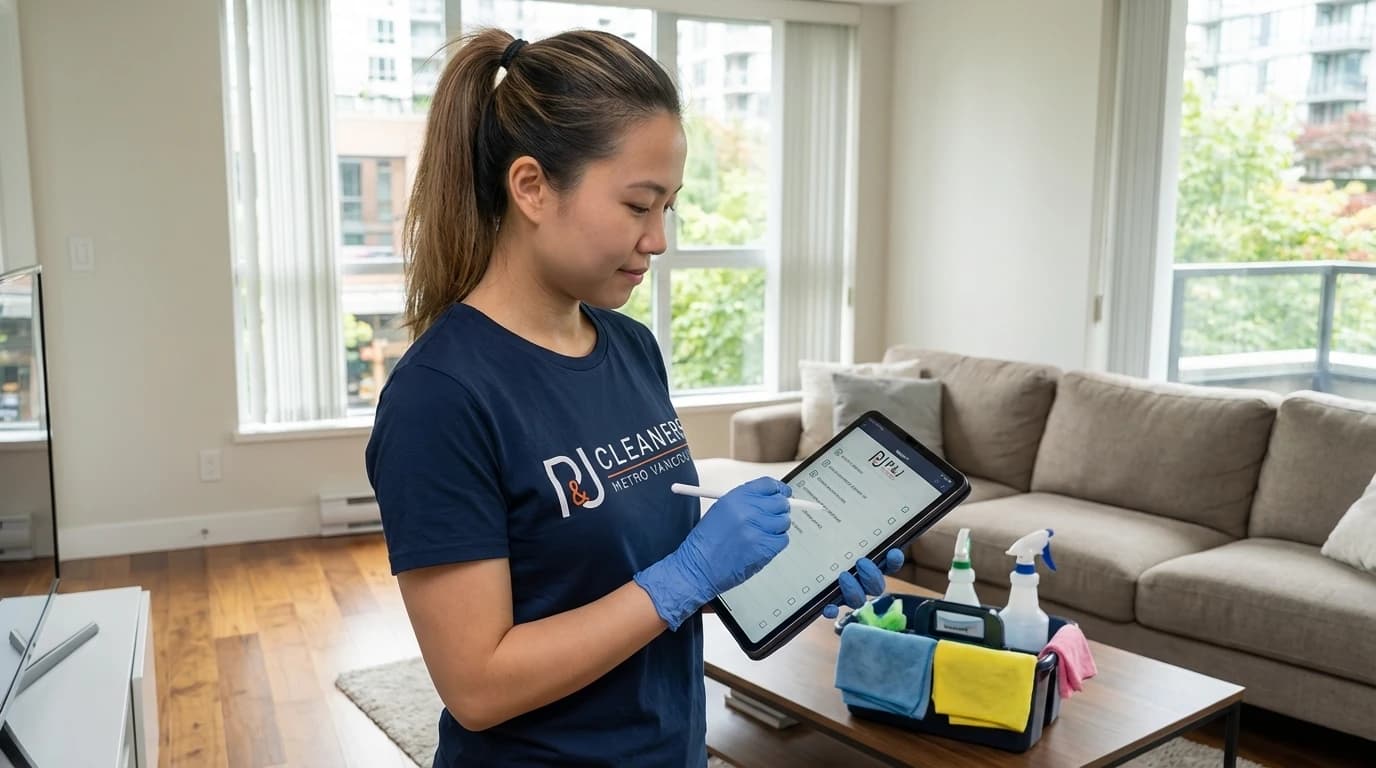
Cleaning logs document sanitation efforts between guest stays, creating accountability and demonstrating compliance with health standards. Professional cleaning services typically provide digital logs noting completion times, tasks performed, and any maintenance issues discovered. These records should include photographs of the property in guest-ready condition, protecting hosts from false cleanliness complaints. Some hosts use time-stamped photo apps that automatically organize images by date and location, simplifying record organization. Maintaining 6-12 months of cleaning documentation provides sufficient evidence for most regulatory or insurance purposes.
Financial records require careful organization for tax compliance and business analysis. Hosts should track all rental income, cleaning expenses, maintenance costs, and platform fees using accounting software or spreadsheets. The Canada Revenue Agency recommends retaining financial records for minimum 6 years, though keeping permanent digital copies costs nothing and provides long-term business insights. Detailed expense tracking maximizes tax deductions while demonstrating professional operation standards. Many hosts discover that cleaning costs represent 15-20% of gross rental income, making this expense category particularly important for profitability analysis and pricing decisions.
- Guest registries must be maintained for minimum 2 years per Vancouver bylaws
- Cleaning logs with photographic documentation protect against false complaints
- Financial records should be retained for 6 years minimum per CRA requirements
- Professional cleaning services provide digital logs noting tasks and completion times
- Cleaning costs typically represent 15-20% of gross short-term rental income
Pro Tip
Use cloud storage for all compliance documents so they're accessible from anywhere and protected against device failure or loss.
Common Violations and Enforcement Actions
Understanding frequent compliance failures helps hosts avoid costly penalties and maintain their operating licences.
Operating without a valid business licence represents the most common and serious violation, carrying fines up to $1,000 per day in Vancouver. The city actively monitors rental platforms and cross-references listings against licensed properties, issuing violation notices to unlicensed operators. Platforms must remove non-compliant listings within 5 business days of receiving municipal notification, effectively shutting down illegal operations. Some hosts attempt to circumvent regulations by listing properties under different names or addresses, but municipal enforcement teams use sophisticated data analysis to identify these schemes. First-time violators may receive warnings, though repeat offenders face immediate licence denial and potential legal action.
Exceeding the 180-day annual rental limit for principal residences triggers automatic licence suspension in Vancouver. The city receives booking data directly from platforms and flags properties surpassing this threshold. Hosts cannot simply stop accepting bookings mid-year to avoid penalties; the violation stands and results in licence revocation for the following year. Some operators mistakenly believe the 180-day limit applies per platform rather than total across all platforms, leading to unintentional violations. Careful tracking of rental days across all booking channels is essential, with many hosts stopping at 170 days to maintain a safety buffer.
Cleanliness complaints from guests can trigger health inspections and potential licence suspension if serious violations are discovered. While isolated complaints rarely result in enforcement action, patterns of multiple complaints within 6-month periods prompt regulatory scrutiny. Health inspectors assess overall sanitation standards, pest control measures, and cleaning protocols during investigations. Properties failing inspections receive correction orders with specific timelines for remediation, typically 30-60 days depending on violation severity. Hosts who demonstrate good-faith efforts to address issues usually avoid licence suspension, though egregious violations like pest infestations or mould growth may result in immediate operating prohibitions until conditions are corrected.
- Operating without a licence carries fines up to $1,000 daily in Vancouver
- Exceeding 180-day annual limits results in automatic licence suspension
- Platforms must remove non-compliant listings within 5 business days of notification
- Multiple cleanliness complaints within 6 months trigger health inspections
- Serious violations like pest infestations can result in immediate operating prohibitions
Pro Tip
Set calendar reminders at 150 rental days to review your annual booking count and avoid accidentally exceeding the 180-day limit.

Eco-Friendly Cleaning Practices for Airbnb Properties
Sustainable cleaning methods appeal to environmentally conscious guests while meeting health standards and reducing environmental impact.

Green cleaning products certified by EcoLogo or Green Seal provide effective sanitation without harsh chemicals that harm indoor air quality or aquatic ecosystems. These products cost 10-20% more than conventional cleaners but appeal to the growing segment of eco-conscious travellers who specifically seek sustainable accommodations. Many professional cleaning services now offer green cleaning options, using plant-based disinfectants and biodegradable formulations. Statistics Canada reports that 68% of Canadian consumers consider environmental impact when making purchasing decisions, suggesting that promoting eco-friendly cleaning practices can enhance booking appeal and justify premium pricing.
Microfibre cleaning cloths reduce chemical usage and waste compared to disposable paper products. A single microfibre cloth replaces hundreds of paper towels over its 200-300 wash lifespan, significantly reducing operational costs and landfill waste. These cloths effectively remove bacteria and dirt using only water for many applications, though disinfectants remain necessary for high-touch surfaces and bathroom fixtures. Professional services typically maintain colour-coded microfibre systems, using specific colours for bathrooms, kitchens, and general surfaces to prevent cross-contamination. This approach combines sustainability with rigorous hygiene standards that protect guest health.
Water conservation measures include low-flow showerheads, dual-flush toilets, and efficient washing machines that reduce utility costs while supporting environmental goals. A typical short-term rental uses 150-200 litres of water per guest night, with laundry representing 30-40% of total consumption. High-efficiency washing machines reduce water usage by 40-50% compared to standard models, paying for themselves within 2-3 years through utility savings. Hosts should also fix leaks promptly, as a dripping tap wastes up to 20 litres daily. Promoting these features in listing descriptions attracts environmentally conscious guests and demonstrates commitment to sustainable tourism practices.
- Green cleaning products cost 10-20% more but appeal to eco-conscious travellers
- Microfibre cloths replace hundreds of paper towels over their 200-300 wash lifespan
- 68% of Canadian consumers consider environmental impact in purchasing decisions
- High-efficiency washing machines reduce water usage by 40-50% compared to standard models
- Short-term rentals typically use 150-200 litres of water per guest night
Pro Tip
Highlight your eco-friendly cleaning practices in your listing description and house manual to attract sustainability-focused guests willing to pay premium rates.
Related resources
| Service Type | Cost Range | Turnaround Time | Best For |
|---|---|---|---|
| Professional Cleaning Company | $80-$150 per turnover | 2-4 hours | Hosts with consistent bookings needing reliable service |
| Independent Cleaner | $60-$100 per turnover | 2-5 hours | Budget-conscious hosts with flexible scheduling |
| Self-Cleaning | $20-$40 in supplies | 3-6 hours | Hosts with time availability and nearby properties |
| Property Management Company | 25-30% of rental income | Same-day | Hands-off hosts managing multiple properties |
| Hybrid Approach | $40-$80 per turnover | Variable | Hosts doing basic cleaning with periodic deep cleans |
Services mentioned in this article
Ready for help?
4.9 · 850+ Google reviewsStay Compliant with Professional Airbnb Cleaning
P&J Cleaners provides BC regulation-compliant turnover cleaning for Metro Vancouver Airbnb hosts. Our insured team follows health authority protocols, documents every service, and guarantees guest-ready results with our satisfaction guarantee.
778-720-2224Frequently Asked Questions About BC Airbnb Cleaning Regulati...
What are BC Airbnb regulations?
BC Airbnb regulations require hosts to obtain a business licence, maintain primary residence status for most municipalities, follow zoning bylaws, and meet health and safety standards including proper cleaning protocols. Vancouver limits short-term rentals to principal residences only, with hosts required to register through the city's STR system. Penalties for non-compliance range from $1,000 to $10,000 per violation. The Province of BC mandates that all platforms collect accommodation tax on bookings.
Cleaning requirements for Airbnb BC?
BC Airbnb cleaning requirements include thorough sanitization of high-touch surfaces, laundering all linens between guests, disinfecting bathrooms and kitchens to health authority standards, and maintaining documentation of cleaning protocols. Vancouver Coastal Health recommends EPA-registered disinfectants with minimum 60-second contact time. Professional turnover cleaning typically takes 3-4 hours for a two-bedroom unit. Hosts must provide cleaning supply inventories and maintain records for municipal inspection upon request.
Do Airbnb hosts need business licence?
Yes, all BC Airbnb hosts require a business licence from their municipality. Vancouver charges $54 annually for STR licences, while Burnaby fees are $150 per year. Hosts must display licence numbers on all listings and renew annually. Operating without a licence results in fines starting at $1,000 for first offences. Business licences require proof of primary residence, strata approval if applicable, and compliance with zoning regulations. Some municipalities limit the total number of licences issued.
Vancouver short term rental rules?
Vancouver short-term rental rules restrict STRs to principal residences only, prohibit secondary suites and laneway houses from STR use, require annual business licence registration, and mandate hosts to respond to neighbour complaints within 24 hours. Maximum occupancy is two guests per bedroom plus two additional guests. Hosts face $1,000 daily fines for unlicensed operation. The city conducts random inspections and requires hosts to maintain guest registries for two years. Strata buildings may impose additional restrictions through bylaws.
Meet the Author
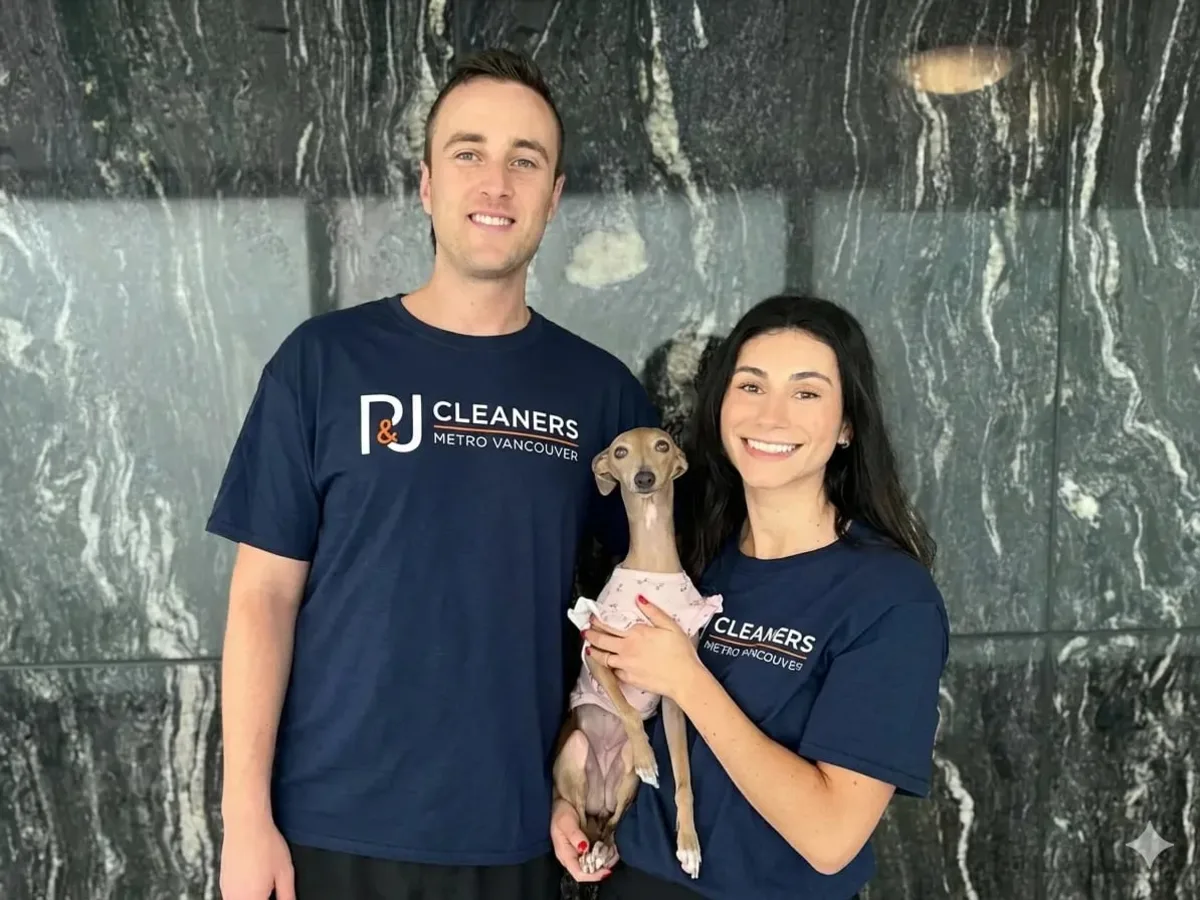
Pamela
Co-Founder
Pamela leads residential quality standards at P&J Cleaners, refining safe, detail-driven cleaning systems for Vancouver homes, condos, and move-out projects.
Keep Exploring