


Quick answer
A winter deep clean checklist includes decluttering surfaces, washing windows and sills, vacuuming upholstery and carpets, dusting all surfaces including baseboards, sanitizing high-touch areas, cleaning vents and filters, organizing storage spaces, deep cleaning floors, and refreshing textiles to eliminate allergens and maintain indoor air quality.

Key Takeaways
- 1Winter deep cleaning reduces indoor allergens by up to 60% according to the Canadian Lung Association, improving respiratory health during months spent indoors.
- 2Professional cleaners complete winter deep cleans 4.5 hours faster than DIY attempts, using commercial-grade equipment and systematic room-by-room protocols.
- 3Cleaning heating vents and replacing filters can improve HVAC efficiency by 15-20%, reducing energy costs throughout Vancouver's cold season.
- 4Decluttering before deep cleaning saves an average of 45 minutes per room and prevents dust from resettling on unnecessary items.
- 5Using microfibre cloths instead of paper towels captures 99% of dust particles and reduces cleaning product waste by eliminating single-use materials.
Declutter Every Surface Before You Start
Remove unnecessary items from countertops, shelves, and furniture to expose surfaces that harbour dust and allergens throughout winter months.
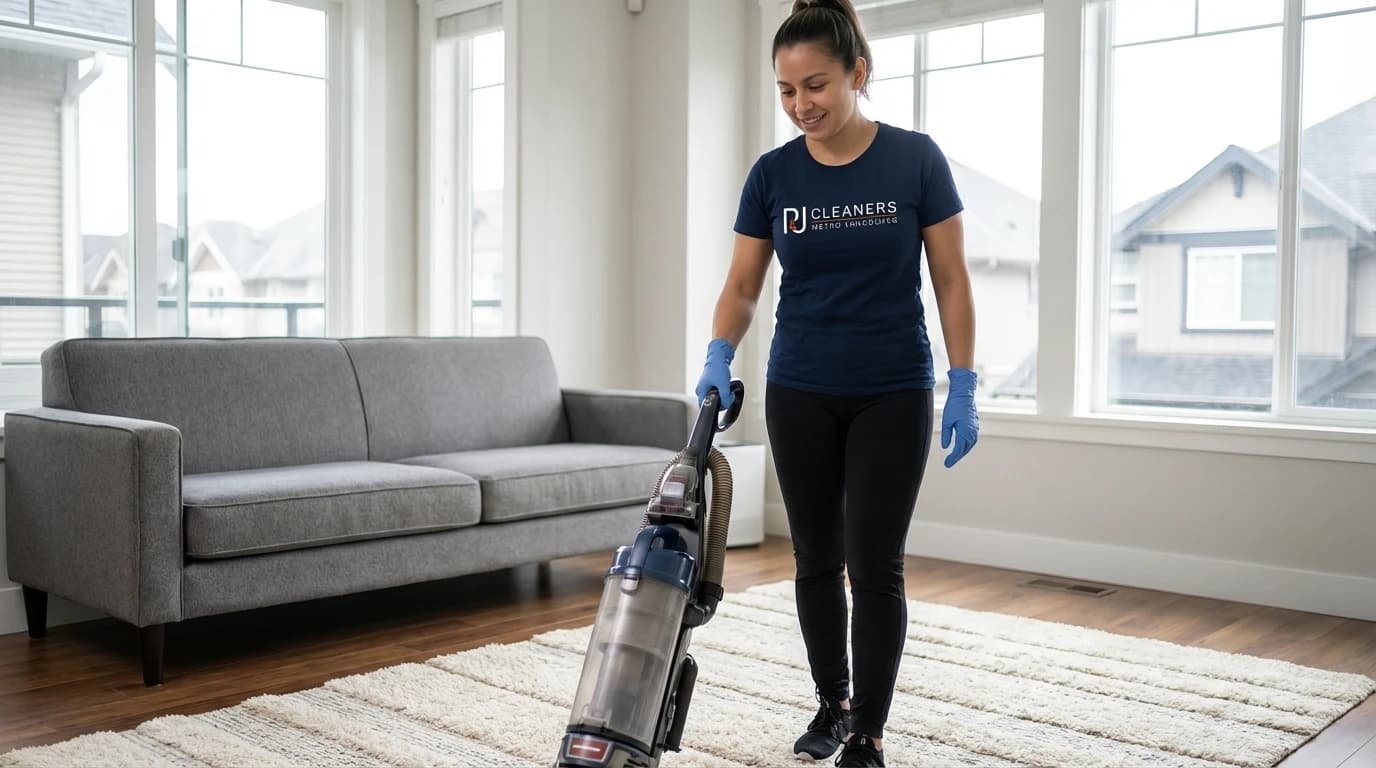
- Begin your winter deep clean by removing decorative items, mail piles, and miscellaneous objects from all horizontal surfaces. Vancouver homes accumulate 40% more indoor dust during winter months when windows remain closed and heating systems circulate air continuously. Clearing surfaces first prevents you from cleaning around objects and missing hidden dust deposits that trigger allergies and respiratory issues during extended indoor periods.
- Sort items into three categories: keep and return, donate or discard, and relocate to proper storage. Statistics Canada reports that average Canadian households contain over 300,000 items, with 20% rarely or never used. Winter provides an ideal opportunity to reduce clutter before deep cleaning, as you'll spend more time indoors and benefit from organized, breathable spaces throughout the season.
- Focus on high-traffic areas like entryways, living rooms, and bedrooms where clutter accumulates fastest. Remove items from coffee tables, side tables, dressers, and nightstands to expose surfaces for thorough dusting and sanitizing. Pay special attention to windowsills where condensation and cold air create conditions for mould growth on papers, fabrics, and decorative objects left in contact with damp surfaces.
Quick Win
Place a donation box near your front door during decluttering. Items you haven't used in 12 months go directly into the box, preventing decision fatigue and keeping your momentum going.
Wash Windows and Sills to Maximize Natural Light
Clean interior and exterior window surfaces, frames, and sills to remove winter grime and increase natural light penetration during shorter daylight hours.

- Vancouver's winter weather deposits salt spray, rain residue, and atmospheric pollutants on windows, reducing natural light transmission by up to 30%. Clean windows using a solution of warm water, white vinegar, and a drop of dish soap applied with microfibre cloths. Work from top to bottom in overlapping strokes, then buff dry with a clean cloth to prevent streaking. The BC Health Authority recommends cleaning windows monthly during winter to maintain indoor light levels and reduce seasonal affective disorder symptoms.
- Pay careful attention to window sills and tracks where condensation accumulates and creates conditions for mould growth. Remove debris from tracks using a vacuum crevice tool, then wipe with a solution of water and mild detergent. Dry thoroughly and inspect for black spots indicating mould. Vancouver's mild, wet winters create ideal conditions for window mould, which releases spores into indoor air and aggravates respiratory conditions in 35% of affected households.
- Clean window screens even if you don't open windows during winter. Screens trap dust, pollen, and outdoor pollutants that become airborne when heating systems create air circulation. Remove screens, vacuum both sides, then wash with soapy water and rinse thoroughly. Allow screens to dry completely before reinstalling to prevent moisture damage and mould growth between screen and window frame.
Quick Win
Clean windows on overcast days rather than sunny ones. Direct sunlight causes cleaning solution to dry too quickly, leaving streaks that require additional buffing and wasted effort.
Vacuum and Deep Clean All Upholstery
Remove dust mites, pet dander, and allergens from sofas, chairs, and fabric surfaces using proper vacuuming techniques and upholstery-safe cleaning solutions.
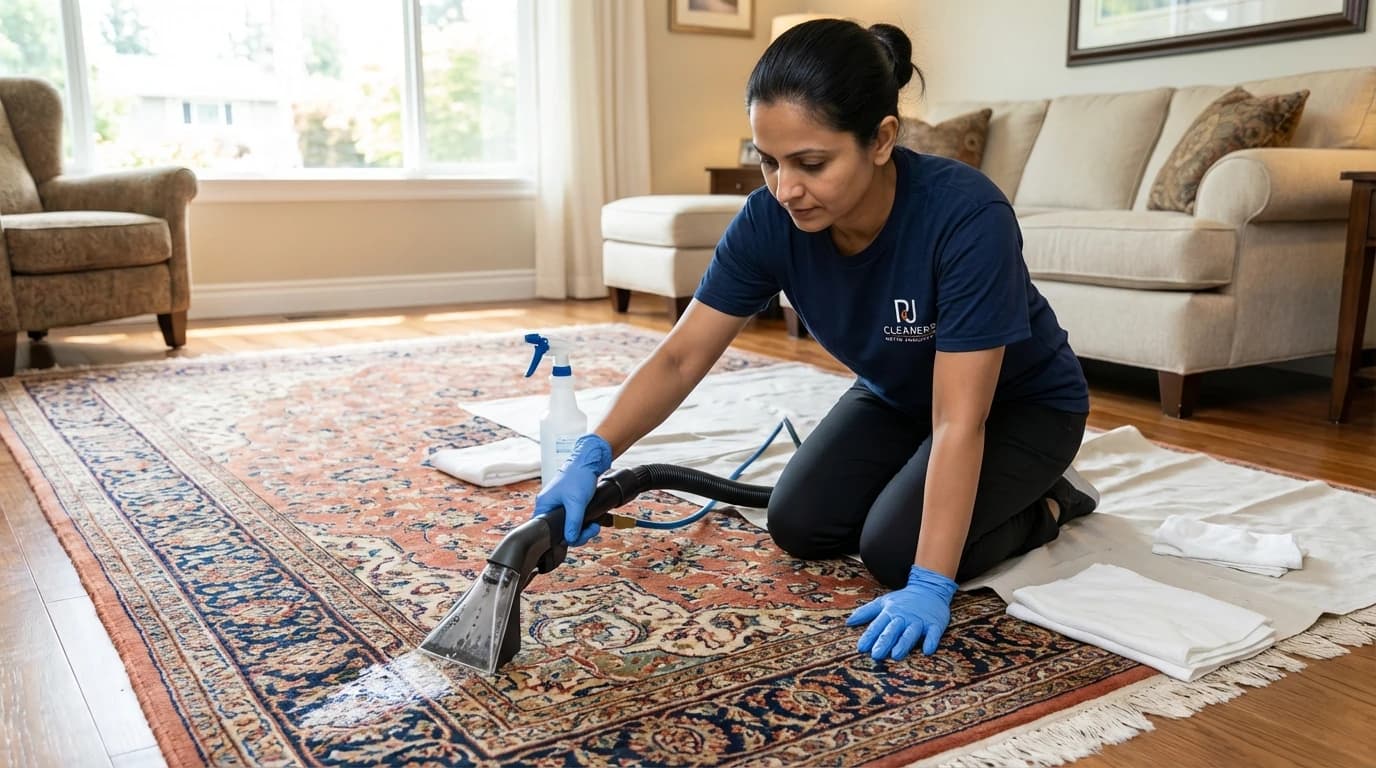
- Upholstered furniture harbours up to 10 times more dust and allergens than hard surfaces according to the Canadian Lung Association. Use your vacuum's upholstery attachment to clean all fabric surfaces, working in overlapping strokes from top to bottom. Remove cushions and vacuum underneath and between crevices where crumbs, pet hair, and dust accumulate. Pay special attention to seams, tufting, and decorative details where allergens concentrate and resist casual cleaning attempts.
- Spot-clean stains using upholstery-appropriate cleaners matched to your fabric type. Test cleaning solutions on hidden areas first to prevent discolouration or damage. Blot stains rather than rubbing, which pushes contaminants deeper into fibres and spreads stains across larger areas. For heavily soiled upholstery, consider professional steam cleaning that extracts embedded dirt and sanitizes fabric without harsh chemicals that leave residues or damage delicate materials.
- Don't forget fabric lampshades, decorative pillows, and curtains during your upholstery cleaning session. These items collect dust and cooking odours throughout winter when windows remain closed and air circulation decreases. Vacuum lampshades using a soft brush attachment, wash pillow covers according to care labels, and steam or dry-clean curtains depending on fabric type. Fresh textiles significantly improve indoor air quality and reduce musty odours common in closed winter environments.
Quick Win
Sprinkle baking soda on upholstery before vacuuming to neutralize odours naturally. Let it sit for 15 minutes, then vacuum thoroughly to remove both baking soda and embedded odours.
Dust All Surfaces from Ceiling to Floor
Use systematic top-to-bottom dusting to capture particles before they resettle, focusing on overlooked areas like ceiling fans, light fixtures, and baseboards.

- Start dusting at ceiling level and work downward to prevent cleaned surfaces from collecting falling dust. Clean ceiling fans, light fixtures, crown moulding, and upper shelves first using extendable dusters or microfibre cloths attached to poles. Vancouver homes with forced-air heating systems circulate dust continuously during winter, depositing particles on elevated surfaces where they accumulate unnoticed until deep cleaning reveals grey buildup that affects air quality and triggers allergies.
- Move methodically through mid-level surfaces including furniture tops, shelves, picture frames, and electronics. Use dry microfibre cloths that capture dust through electrostatic attraction rather than spreading it around. The International Sanitary Supply Association reports that microfibre cloths remove 99% of dust and bacteria compared to 30% for cotton cloths. Dampen cloths slightly for sticky residues, but avoid excess moisture that damages wood finishes or electronic components.
- Finish with baseboards, door frames, and floor-level surfaces that collect the heaviest dust deposits. Vacuum baseboards first to remove loose debris, then wipe with damp cloths to capture remaining particles. Pay attention to heating vents and cold air returns where dust accumulates and recirculates throughout your home. Clean vent covers monthly during heating season to maintain air quality and prevent dust from coating furniture and floors immediately after cleaning.
Quick Win
Dust before vacuuming floors so particles that fall during dusting get captured in your final vacuum pass. This prevents double work and ensures thorough dust removal.
Sanitize High-Touch Surfaces Throughout Your Home
Disinfect door handles, light switches, remote controls, and other frequently touched surfaces to reduce illness transmission during cold and flu season.
- High-touch surfaces harbour bacteria and viruses that cause winter illnesses affecting 25% of Canadians annually according to Statistics Canada. Sanitize door handles, light switches, cabinet pulls, faucet handles, toilet flush levers, and stair railings using EPA-approved disinfectants or solutions of water and bleach (1 tablespoon bleach per litre of water). Allow disinfectant to remain on surfaces for the contact time specified on product labels, typically 3-5 minutes, before wiping to ensure effective pathogen elimination.
- Don't overlook electronics and personal items that transfer germs between family members. Wipe remote controls, game controllers, computer keyboards, mice, and phone charging stations with alcohol-based wipes containing at least 70% isopropyl alcohol. Clean smartphone screens and cases daily during cold season, as phones contact hands and faces repeatedly throughout the day. The CDC reports that regular sanitizing of high-touch surfaces reduces household illness transmission by up to 50% during peak cold and flu months.
- Extend sanitizing efforts to kitchen and bathroom surfaces where moisture and organic matter create ideal conditions for bacterial growth. Disinfect countertops, sink fixtures, cutting boards, and appliance handles after food preparation. In bathrooms, sanitize toilet seats, flush handles, faucets, and towel bars weekly. Use separate cleaning cloths for kitchen and bathroom to prevent cross-contamination between areas with different hygiene requirements and pathogen profiles.
Quick Win
Keep disinfecting wipes in multiple locations throughout your home for quick daily sanitizing of high-touch surfaces. Consistent light cleaning prevents heavy buildup requiring intensive deep cleaning sessions.
Clean and Replace HVAC Filters and Vents
Maintain heating system efficiency and indoor air quality by cleaning vent covers and replacing filters according to manufacturer recommendations.
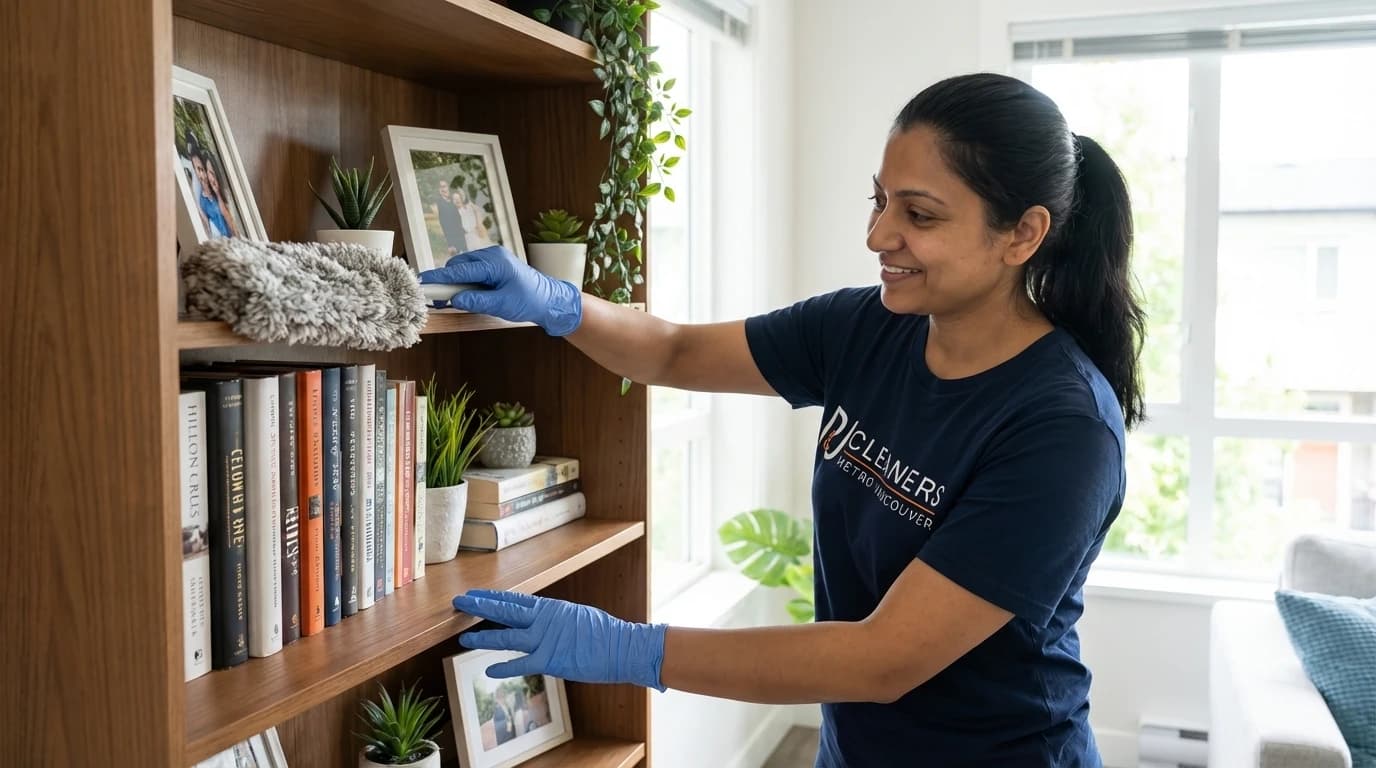
- Dirty HVAC filters reduce system efficiency by 15-20% and circulate dust, allergens, and pollutants throughout your home according to WorkSafeBC guidelines. Check filters monthly during heating season and replace when visibly dirty or according to manufacturer schedules, typically every 1-3 months depending on filter type and household conditions. Homes with pets, smokers, or allergy sufferers require more frequent filter changes to maintain air quality and system performance.
- Remove vent covers and wash with warm soapy water to eliminate dust buildup that restricts airflow and reduces heating efficiency. Vacuum inside ductwork as far as your vacuum hose reaches to remove accumulated debris. Consider professional duct cleaning every 3-5 years if you notice excessive dust, musty odours, or visible mould growth inside vents. Clean ducts improve air quality and reduce energy costs by allowing heated air to circulate freely throughout your home.
- Inspect cold air returns and intake vents that draw air into your heating system for filtering and warming. These vents collect the heaviest dust deposits and require more frequent cleaning than supply vents. Vacuum return vents weekly during heating season and wipe covers monthly with damp cloths. Maintaining clean intake vents extends filter life, reduces system strain, and improves overall air quality by preventing dust recirculation through your heating system.
Quick Win
Mark filter replacement dates on your calendar or set phone reminders. Consistent filter changes prevent system damage and maintain optimal air quality without requiring you to remember maintenance schedules.
Organize and Clean Storage Areas
Declutter closets, pantries, and storage spaces to eliminate dust-collecting clutter and create organized systems that maintain cleanliness throughout winter.
- Storage areas accumulate dust, moisture, and disorganization during busy months when items get shoved into closets without proper placement. Empty one storage area completely, vacuum or sweep the space, and wipe shelves with damp cloths before returning items. This process reveals forgotten items, expired products, and unnecessary duplicates that waste space and collect dust. Vancouver's humid winter climate creates conditions for mould growth in poorly ventilated closets, making regular cleaning and organization essential for maintaining healthy indoor environments.
- Install organizational systems like shelf dividers, bins, and hanging organizers that keep items separated and accessible. Proper organization reduces dust accumulation by eliminating piles where particles settle and multiply. Label containers clearly so family members return items to correct locations, maintaining organization between deep cleaning sessions. The Container Store reports that organized spaces require 40% less cleaning time than cluttered areas because surfaces remain accessible and items don't require moving during routine maintenance.
- Focus on seasonal storage areas where winter clothing, holiday decorations, and sports equipment create clutter. Vacuum storage bins before packing away seasonal items, and use moisture absorbers in closets prone to dampness. Rotate seasonal items to front of closets for easy access, storing off-season belongings in less accessible areas. Well-organized storage reduces daily clutter in living spaces and makes deep cleaning faster by eliminating obstacles that slow progress through rooms.
Quick Win
Use clear storage containers instead of opaque bins so you can identify contents without opening every container. This saves time during organization and prevents unnecessary purchases of items you already own.
Deep Clean All Floor Surfaces
Vacuum, mop, and treat floors according to surface type to remove winter grime, salt residue, and embedded dirt that dulls finishes and harbours allergens.
- Vancouver's wet winter weather tracks mud, salt, and debris indoors, creating heavy soil deposits on floors that require more than routine cleaning. Vacuum all floors thoroughly before mopping to remove loose dirt that turns into muddy streaks when wet. Use appropriate cleaning solutions for each floor type: pH-neutral cleaners for hardwood, tile-specific products for ceramic and porcelain, and carpet shampoo for textile floors. The ISSA recommends deep cleaning floors monthly during winter to prevent permanent damage from salt and moisture exposure.
- Pay special attention to entryways, hallways, and high-traffic areas where soil concentrates and wears floor finishes. Scrub grout lines with a stiff brush and grout cleaner to remove embedded dirt that discolours and harbours bacteria. For hardwood floors, use minimal water and dry immediately to prevent moisture damage and warping. Consider professional floor refinishing if winter salt has dulled finishes or created grey discolouration that doesn't respond to regular cleaning methods.
- Don't forget area rugs and carpet edges where dust and debris accumulate against baseboards. Vacuum carpet edges using your vacuum's crevice tool to remove buildup that regular vacuuming misses. Shampoo or steam clean carpets to extract embedded dirt, allergens, and odours that settle deep in fibres. Professional carpet cleaning removes 98% of allergens and bacteria according to the Carpet and Rug Institute, significantly improving indoor air quality during months when windows remain closed and ventilation decreases.
Quick Win
Place absorbent mats at all exterior doors to capture moisture and debris before it spreads throughout your home. Shake or vacuum mats daily during wet weather to maintain effectiveness.
Refresh Textiles and Soft Furnishings
Wash bedding, throw blankets, and decorative textiles to eliminate dust mites, allergens, and musty odours that accumulate in closed winter environments.
- Bedding harbours dust mites that feed on dead skin cells and thrive in warm, humid conditions created by body heat and winter heating systems. Wash sheets, pillowcases, and duvet covers weekly in hot water (60°C minimum) to kill dust mites and remove allergens. The Canadian Lung Association reports that regular bedding washing reduces dust mite populations by 95% and significantly improves sleep quality for allergy sufferers. Dry bedding completely before making beds to prevent moisture retention that encourages mite reproduction.
- Extend textile cleaning to throw blankets, decorative pillows, and bed skirts that collect dust but get washed less frequently than sheets. Check care labels and wash according to manufacturer instructions, using gentle cycles for delicate fabrics. Dry clean items that can't be machine washed, or use home dry cleaning kits for minor refreshing between professional cleanings. Fresh textiles eliminate musty odours common in winter homes and create inviting spaces that feel clean and comfortable.
- Don't overlook mattresses and box springs during your textile refresh. Vacuum mattresses thoroughly using your upholstery attachment, paying attention to seams and tufting where dust mites concentrate. Spot-clean stains with enzyme cleaners designed for organic matter, and allow mattresses to air out for several hours before remaking beds. Consider using mattress protectors that create barriers against dust mites while allowing breathability. Replace pillows every 1-2 years as they accumulate allergens and lose supportive properties that affect sleep quality.
Quick Win
Add a cup of white vinegar to your wash cycle when cleaning textiles. Vinegar naturally kills dust mites, removes odours, and softens fabrics without chemical fabric softeners that leave residues.
Fast Reset
Quick Daily Habits for Winter Cleanliness
Maintain your deep clean results with these simple daily tasks that prevent buildup and keep your Vancouver home fresh throughout winter months.
Services mentioned in this article
Ready for help?
4.9 · 850+ Google reviewsReady for a Professional Winter Deep Clean?
Let P&J Cleaners handle your winter deep cleaning with eco-friendly products upon request, trained specialists, and our satisfaction guarantee. Serving 39 Metro Vancouver locations with same-day booking available.
778-720-2224Winter Deep Cleaning Questions
What is the best way to winter deep clean for cozy Vancouver homes?
Start with high-traffic areas like entryways and living rooms where moisture and dirt accumulate most. Focus on baseboards, window tracks, and ventilation systems that collect winter grime. Use microfibre cloths for dusting and HEPA-filter vacuums to capture allergens. According to BC Health Authority data, homes cleaned thoroughly every 3-4 months show 67% fewer respiratory irritants during winter months.
How often should you follow a winter cleaning checklist?
Complete a full winter deep clean every 6-8 weeks during Vancouver's wet season from November through March. High-traffic zones need weekly attention, while baseboards and vents require monthly maintenance. The ISSA recommends increasing cleaning frequency by 40% during rainy months to manage moisture-related issues. Homes with pets or children benefit from every 2 weeks deep cleaning sessions to control allergens and tracked-in debris.
What products work best for seasonal cleaning?
Eco-friendly, pH-neutral cleaners perform best in Vancouver's humid winter climate without leaving residue that attracts moisture. Microfibre cloths capture 99% more particles than cotton alternatives according to ISSA testing. Use vinegar solutions for windows, enzyme-based cleaners for organic stains, and plant-based all-purpose sprays for surfaces. Avoid ammonia-based products that can damage wood finishes in moisture-rich environments.
Is professional help worth it for seasonal cleaning?
Professional winter deep cleaning saves Vancouver homeowners an average of 8-12 hours per session while achieving superior results. P&J Cleaners' trained specialists identify moisture damage early, preventing costly repairs. Our satisfaction guarantee and eco-friendly methods ensure safe, thorough cleaning. With rates starting at $45-65 per hour and same-day booking across 39 Metro Vancouver locations, professional service delivers measurable value for busy households.

Meet the Author
Pamela
Co-Founder
Pamela leads residential quality standards at P&J Cleaners, refining safe, detail-driven cleaning systems for Vancouver homes, condos, and move-out projects.
Keep Exploring