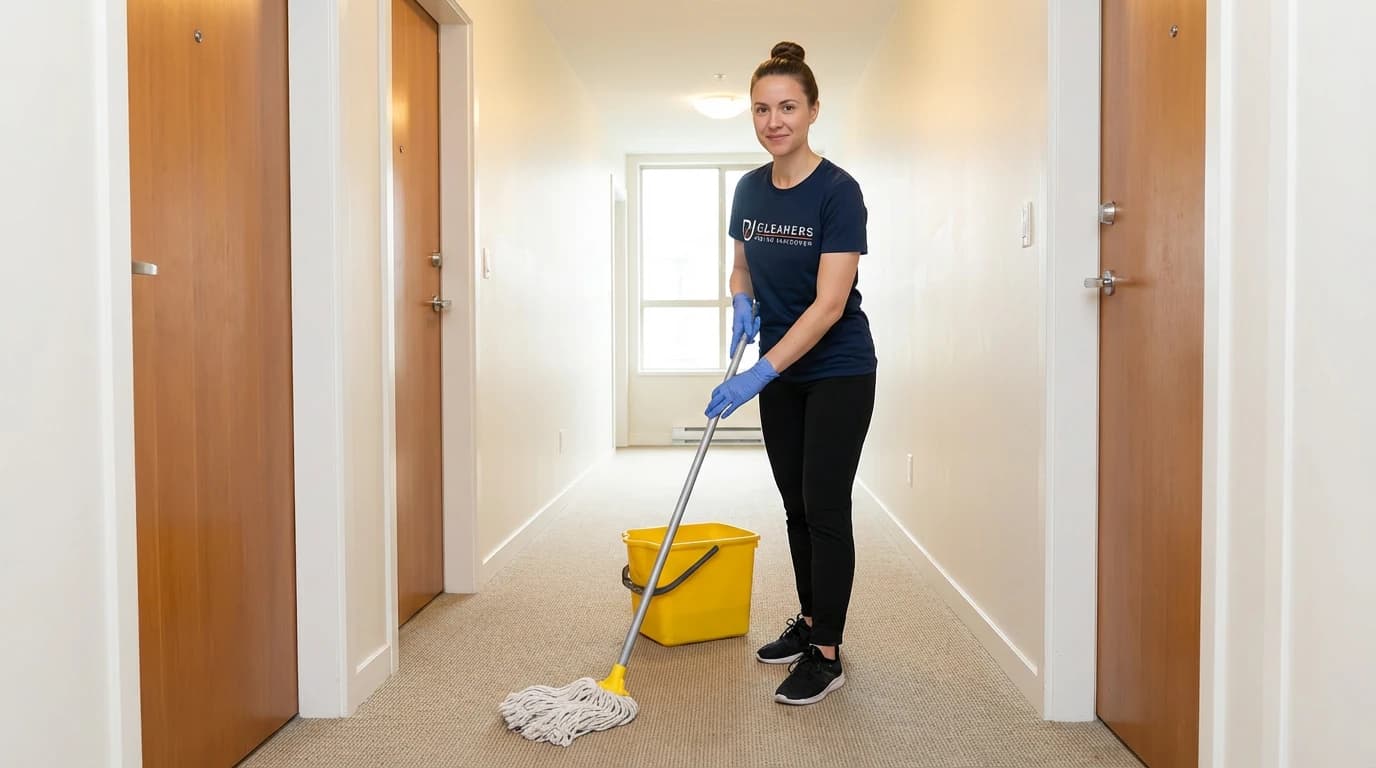


Industry Overview
Understanding Warehouse Cleaning Standards
Warehouse cleaning standards encompass comprehensive protocols designed to maintain safe, compliant, and efficient distribution facilities. These standards address floor maintenance, dust control, chemical storage, waste management, and sanitation procedures specific to industrial environments. WorkSafeBC mandates that warehouse operators maintain clean facilities to prevent workplace injuries, with violations resulting in fines up to $500,000. The Occupational Health and Safety Regulation requires documented cleaning schedules, trained personnel, and proper equipment maintenance. Facilities handling food products must also comply with Canadian Food Inspection Agency guidelines. Modern warehouses face unique challenges including high-traffic wear patterns, forklift residue, seasonal dust accumulation, and contamination risks from diverse product storage. Professional cleaning programs address these issues while minimizing operational disruption.
Statistics Canada reports that warehouse employment grew 23% between 2020-2025, increasing demand for professional cleaning services. The industrial cleaning sector now represents $2.8 billion annually in Canada, with Metro Vancouver accounting for 18% of national activity. Warehouses averaging 50,000 square feet require 15-20 hours weekly for basic maintenance, with costs ranging from $4,000-$7,500 monthly depending on facility complexity. ISSA research indicates that proper cleaning reduces workplace injuries by 40%, decreases sick days by 35%, and extends flooring life by five years. Insurance providers offer premium reductions up to 15% for facilities maintaining documented cleaning programs. The shift toward e-commerce fulfillment has intensified cleaning requirements, with same-day shipping facilities requiring twice-daily sanitation of high-touch surfaces.
Compliance requirements vary by warehouse type, with food-grade facilities facing stricter protocols than general storage operations. Temperature-controlled warehouses require specialized cleaning methods to prevent condensation and mould growth. Hazardous material storage facilities must follow additional protocols outlined in the Transportation of Dangerous Goods Act. Third-party logistics providers often mandate cleaning standards exceeding regulatory minimums to protect client inventory. The rise of automated warehouses introduces new challenges, requiring dust-free environments to protect robotics and conveyor systems. Professional cleaning services provide expertise in navigating these complex requirements while maintaining operational efficiency. Facilities achieving ISO 9001 certification demonstrate commitment to quality management, including cleanliness standards that enhance client confidence and competitive positioning.
40%
Injury Reduction
Source: WorkSafeBC
85%
Air Quality Improvement
Source: ISSA
30%
Equipment Life Extension
Source: Statistics Canada
15%
Insurance Premium Reduction
Source: Insurance Bureau of Canada
35%
Sick Day Decrease
Source: CDC
Compliance priorities
Maintain documented cleaning schedules with task completion verification and supervisor sign-off for WorkSafeBC audits • Provide safety data sheets for all cleaning chemicals in accessible locations with multilingual labelling where required • Train staff on proper chemical handling, spill response, and personal protective equipment use with annual recertification • Implement colour-coded cleaning systems to prevent cross-contamination between food-grade and non-food storage areas • Conduct quarterly air quality testing in enclosed warehouses to monitor particulate levels and ventilation effectiveness • Establish hazardous waste disposal protocols compliant with provincial environmental regulations and municipal bylaws
Zone-Specific Cleaning Protocols
Effective warehouse cleaning requires zone-based approaches that address unique contamination risks and traffic patterns in each area. High-traffic zones demand daily attention while storage areas follow weekly schedules. Loading docks face outdoor contamination requiring specialized protocols. Office spaces within warehouses need commercial cleaning standards. Refrigerated zones require temperature-appropriate methods and equipment. Implementing zone-specific protocols ensures comprehensive coverage while optimizing labour allocation and chemical usage.
Receiving and Loading Dock Areas
Loading docks serve as primary contamination entry points, requiring aggressive daily cleaning to prevent debris migration into storage areas and maintain safety standards.
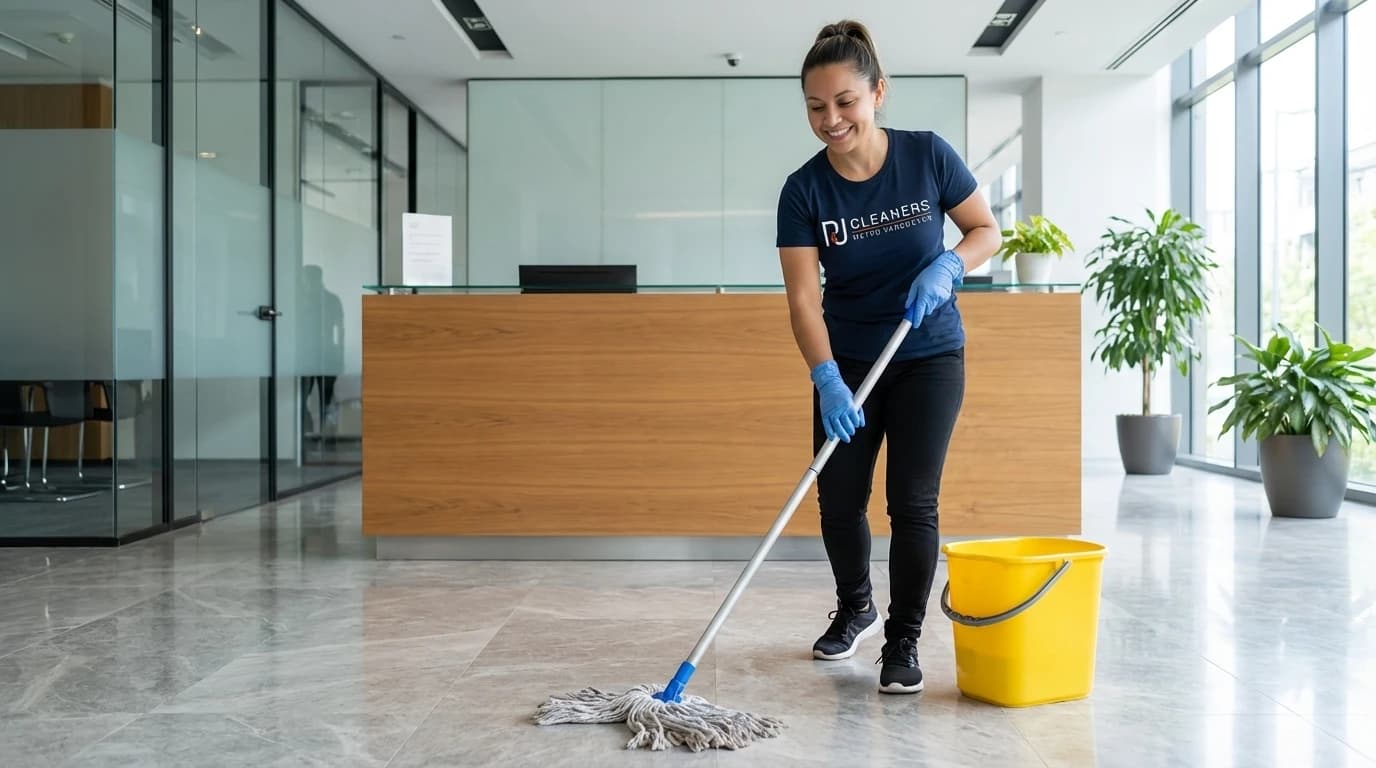
Loading dock cleaning focuses on removing outdoor contaminants before they enter the facility. Daily sweeping eliminates leaves, dirt, and packaging debris that accumulate from truck traffic. Pressure washing removes oil stains, tire marks, and embedded grime that create slip hazards. Dock plates and levellers require weekly degreasing to maintain safe operation. Door seals need monthly inspection and cleaning to prevent pest entry and maintain temperature control. Trailer staging areas demand attention to prevent waste accumulation that attracts rodents. Professional services use industrial sweepers and pressure washers that complete dock cleaning in 30-45 minutes, minimizing disruption to receiving operations.
Weather protection measures include applying anti-slip coatings that maintain traction during rain and snow. Drainage systems require quarterly cleaning to prevent water pooling that creates ice hazards in winter. Overhead door tracks accumulate dust and debris that cause mechanical failures, requiring monthly vacuuming. Lighting fixtures in dock areas collect insects and dust, reducing visibility and creating safety risks. Signage and safety markings need regular cleaning to maintain visibility for forklift operators. Implementing daily dock cleaning reduces tracked-in contamination by 70%, protecting inventory and reducing interior cleaning requirements. Metro Vancouver facilities face additional challenges from coastal moisture, requiring more frequent attention to prevent mould growth on dock equipment.
- Sweep and remove debris from dock plates, ramps, and staging areas twice daily during peak receiving hours
- Pressure wash dock surfaces weekly using degreasing agents rated for outdoor use in temperatures above 5°C
- Clean and inspect dock seals monthly, replacing damaged sections to maintain pest barriers and temperature control
- Apply anti-slip treatments quarterly to prevent accidents during wet weather, with additional applications before winter
- Clear drainage systems and catch basins quarterly to prevent water accumulation and ice formation in cold months
- Sanitize high-touch surfaces including door controls, light switches, and communication equipment daily
Recommended Frequency
Daily sweeping, weekly pressure washing, monthly deep cleaning
Main Warehouse Floor Operations
Warehouse floors endure constant forklift traffic, pallet movement, and product handling, requiring systematic cleaning to maintain safety and prevent inventory contamination.
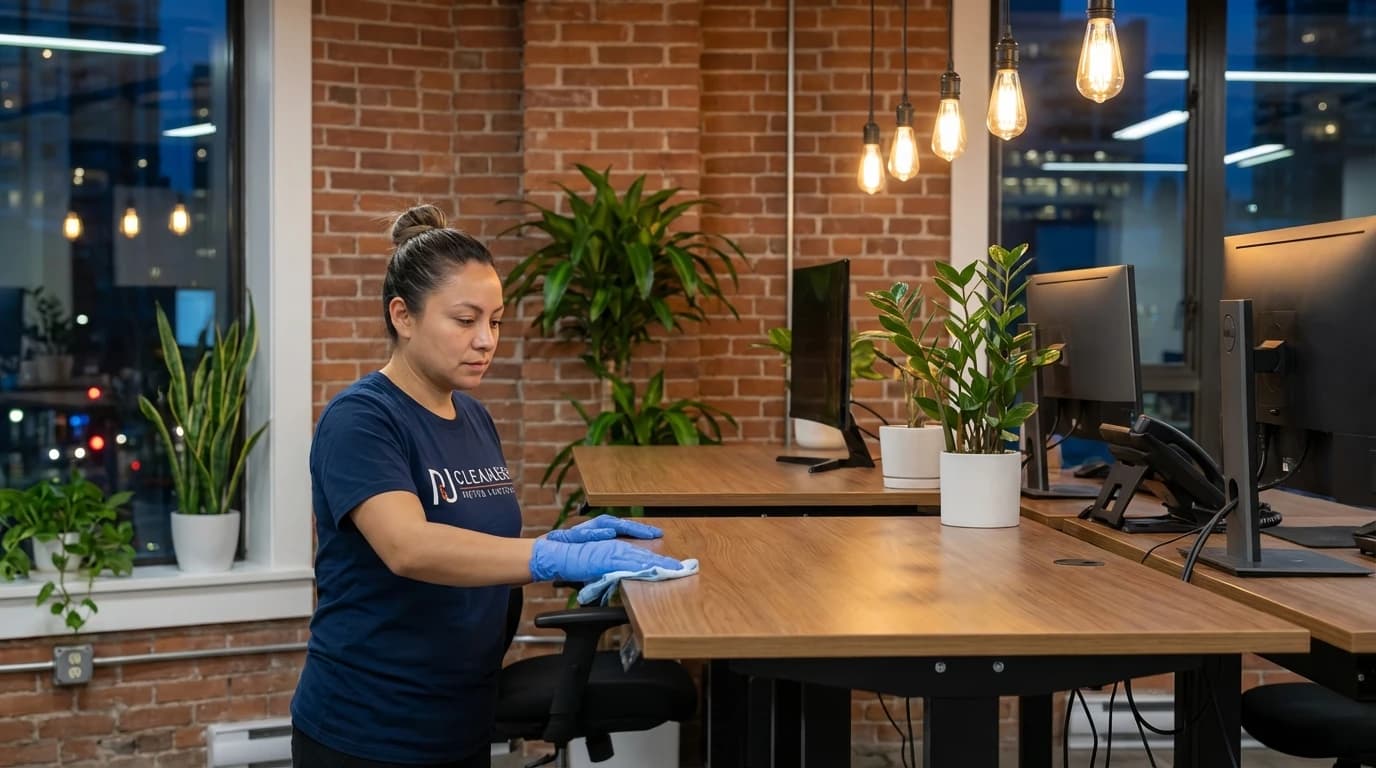
Floor maintenance represents the foundation of warehouse cleaning programs. Concrete floors accumulate dust, pallet debris, and forklift residue that create respiratory hazards and damage inventory. Daily sweeping with industrial equipment removes loose debris before it becomes embedded. Weekly scrubbing with auto-scrubbers eliminates built-up grime and restores slip resistance. High-traffic aisles require twice-weekly attention while low-traffic storage areas follow monthly schedules. Epoxy-coated floors need pH-neutral cleaners to prevent coating degradation. Expansion joints collect debris that causes cracking, requiring quarterly cleaning and sealing. Professional floor maintenance extends concrete life by preventing surface deterioration that leads to costly repairs.
Forklift traffic creates unique challenges including tire marks, hydraulic fluid drips, and battery acid spills. Immediate spill response prevents staining and chemical damage to flooring. Aisle marking paint requires protection during cleaning to maintain visibility for operators. Floor-mounted equipment and rack bases accumulate debris that harbours pests, requiring monthly attention. Seasonal challenges include winter salt tracking that damages concrete and summer dust from increased ventilation. ISSA research shows proper floor maintenance reduces slip-and-fall incidents by 45% and extends flooring life by five years. Facilities using ride-on scrubbers complete 50,000 square feet in two hours, making professional equipment essential for large warehouses.
- Sweep main aisles and high-traffic zones daily using industrial walk-behind or ride-on sweepers with HEPA filtration
- Auto-scrub floors weekly in active areas and monthly in storage zones using appropriate cleaning solutions for floor type
- Address spills immediately with absorbent materials and proper disposal following safety data sheet protocols
- Clean expansion joints quarterly to prevent debris accumulation that causes cracking and pest harbourage
- Strip and recoat sealed floors annually to maintain protective barriers and restore appearance in customer-facing areas
- Inspect and clean floor drains monthly to prevent backups and odours, with additional attention during seasonal changes
Recommended Frequency
Daily sweeping, weekly scrubbing, monthly deep cleaning
Racking and Storage Systems
Vertical storage systems accumulate dust and debris that contaminate inventory and create fire hazards, requiring systematic cleaning protocols and safety procedures.

Rack cleaning addresses dust accumulation on beams, uprights, and stored products. High-level dust creates respiratory hazards and fire risks in warehouses with combustible materials. Weekly dusting of accessible levels prevents buildup while quarterly high-dusting reaches upper beams. Telescoping poles and lift equipment enable safe cleaning without disrupting inventory. Rack inspections during cleaning identify damage requiring repair before safety incidents occur. Product rotation during cleaning removes expired or damaged items that attract pests. Professional services coordinate cleaning with inventory cycles to minimize operational impact while ensuring comprehensive coverage of all storage areas.
Pallet racking systems require specific attention to cross-beams where dust accumulates and obscures safety labels. Wire decking collects small debris that falls onto lower levels, requiring vacuuming rather than sweeping. Cantilever racks storing long materials need monthly cleaning to prevent dust from transferring to products. Drive-in racking systems with limited access require specialized equipment and procedures. Automated storage and retrieval systems demand dust-free environments to prevent mechanical failures. Statistics Canada reports that proper rack maintenance reduces product damage claims by 25% and extends racking life by preventing corrosion. Facilities storing food products must follow CFIA guidelines requiring monthly rack sanitation with approved disinfectants.
- Dust accessible rack levels weekly using microfibre cloths and extension poles to prevent particle redistribution
- Perform quarterly high-dusting of upper beams and uprights using lift equipment with proper fall protection
- Vacuum wire decking monthly to remove small debris that falls through to lower levels and contaminates products
- Inspect rack components during cleaning for damage, corrosion, or loose connections requiring immediate repair
- Clean and verify legibility of rack safety labels, load capacity signs, and aisle markers during maintenance
- Sanitize food-grade storage racks monthly using CFIA-approved disinfectants with proper contact time and rinsing
Recommended Frequency
Weekly accessible dusting, quarterly high-dusting, monthly deep cleaning
Office and Break Room Spaces
Administrative areas within warehouses require commercial cleaning standards to maintain professional environments and prevent cross-contamination from industrial zones.
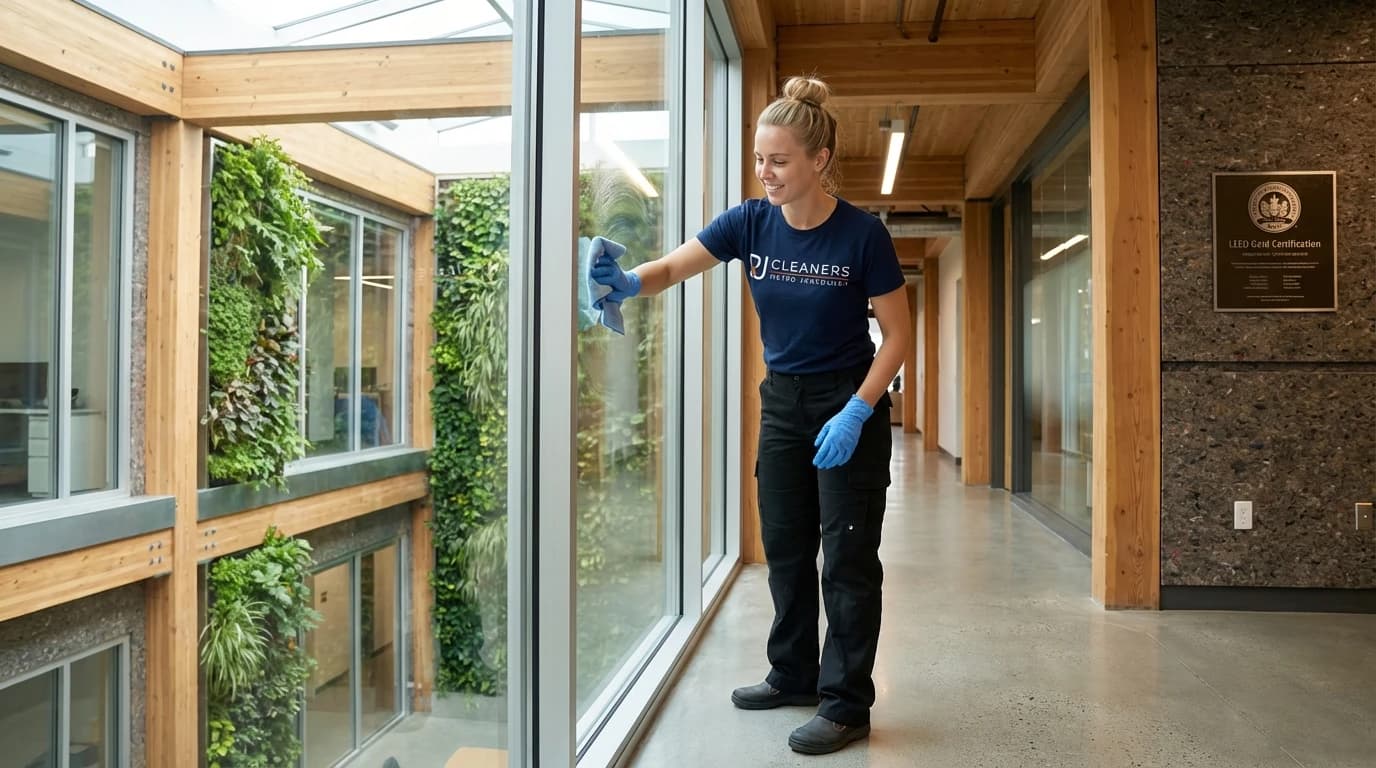
Office spaces in warehouse facilities need daily cleaning to maintain professional standards for staff and visitors. Desks, keyboards, and phones harbour bacteria requiring daily disinfection. Break rooms demand multiple daily cleanings during shift changes to prevent food waste accumulation. Restrooms require commercial-grade sanitation with hourly checks during peak periods. Reception areas create first impressions for clients, requiring spotless maintenance. Conference rooms need pre-meeting preparation and post-meeting cleanup. Professional office cleaning within warehouses prevents dust migration from industrial areas while maintaining separate protocols for food preparation spaces. Implementing proper office cleaning reduces sick days by 30% according to CDC research.
Transition zones between offices and warehouse floors require special attention to prevent contamination transfer. Entryway mats capture 80% of tracked debris when properly maintained with weekly deep cleaning. Air quality in office spaces benefits from HEPA filtration and regular HVAC maintenance. Window cleaning improves natural light and creates positive work environments. Carpet cleaning in office areas requires quarterly extraction to remove embedded dust from warehouse operations. Furniture and upholstery harbour allergens requiring monthly vacuuming with HEPA equipment. Facilities with customer-facing offices must maintain higher standards than back-office areas. Metro Vancouver warehouses benefit from professional office cleaning that addresses coastal humidity and prevents mould growth in enclosed spaces.
- Disinfect high-touch office surfaces including desks, phones, keyboards, and door handles daily using approved products
- Clean break rooms after each shift change, including appliance exteriors, countertops, tables, and waste removal
- Sanitize restrooms twice daily minimum with hourly checks to maintain supplies and address immediate cleaning needs
- Vacuum office carpets daily in high-traffic areas and weekly in private offices, with quarterly deep extraction
- Clean windows and glass partitions weekly to maintain visibility and professional appearance for staff and visitors
- Empty office waste and recycling daily, with separate handling for confidential document disposal and food waste
Recommended Frequency
Daily cleaning, twice-daily restroom service, weekly deep tasks
Specialized Storage Environments
Temperature-controlled, hazardous material, and clean room environments require specialized cleaning protocols, equipment, and trained personnel to maintain compliance.
Refrigerated and frozen storage areas demand temperature-appropriate cleaning methods and equipment. Standard cleaning solutions freeze below 0°C, requiring specialized formulations. Condensation in temperature transition zones creates slip hazards and mould growth requiring daily attention. Evaporator coils and cooling units accumulate dust that reduces efficiency and increases energy costs. Door seals and gaskets require weekly cleaning to maintain temperature integrity. Flooring in cold storage develops ice buildup from moisture, requiring specialized removal techniques. Professional cold storage cleaning uses equipment rated for low temperatures and personnel trained in cold environment safety. Proper maintenance reduces energy costs by 15% according to refrigeration industry studies.
Hazardous material storage areas follow strict protocols outlined in WHMIS regulations and the Transportation of Dangerous Goods Act. Secondary containment areas require monthly inspection and cleaning to ensure spill readiness. Chemical storage cabinets need quarterly cleaning with compatible products that won't react with stored materials. Eyewash stations and safety showers require weekly testing and cleaning to ensure emergency readiness. Ventilation systems in hazmat areas need quarterly filter changes and duct cleaning. Spill response equipment must remain accessible and clean for immediate use. Clean room environments for electronics or pharmaceutical storage require ISO-certified cleaning protocols with HEPA filtration and controlled access. These specialized environments require professional services with specific training, equipment, and insurance coverage for hazardous material handling.
- Use temperature-rated cleaning solutions and equipment designed for operation in refrigerated environments below 0°C
- Clean condensation-prone areas daily including door frames, transition zones, and floor surfaces near temperature barriers
- Inspect and clean secondary containment systems monthly to ensure spill readiness and regulatory compliance
- Test and clean emergency equipment weekly including eyewash stations, safety showers, and spill response kits
- Change HEPA filters quarterly in clean room environments and conduct particle count testing to verify air quality
- Document all specialized zone cleaning with photographic evidence and supervisor verification for compliance audits
Recommended Frequency
Daily attention to critical areas, weekly safety equipment checks, monthly compliance tasks
Exterior and Grounds Maintenance
Warehouse exteriors and surrounding grounds create first impressions while preventing pest entry and contamination, requiring regular maintenance and seasonal adjustments.
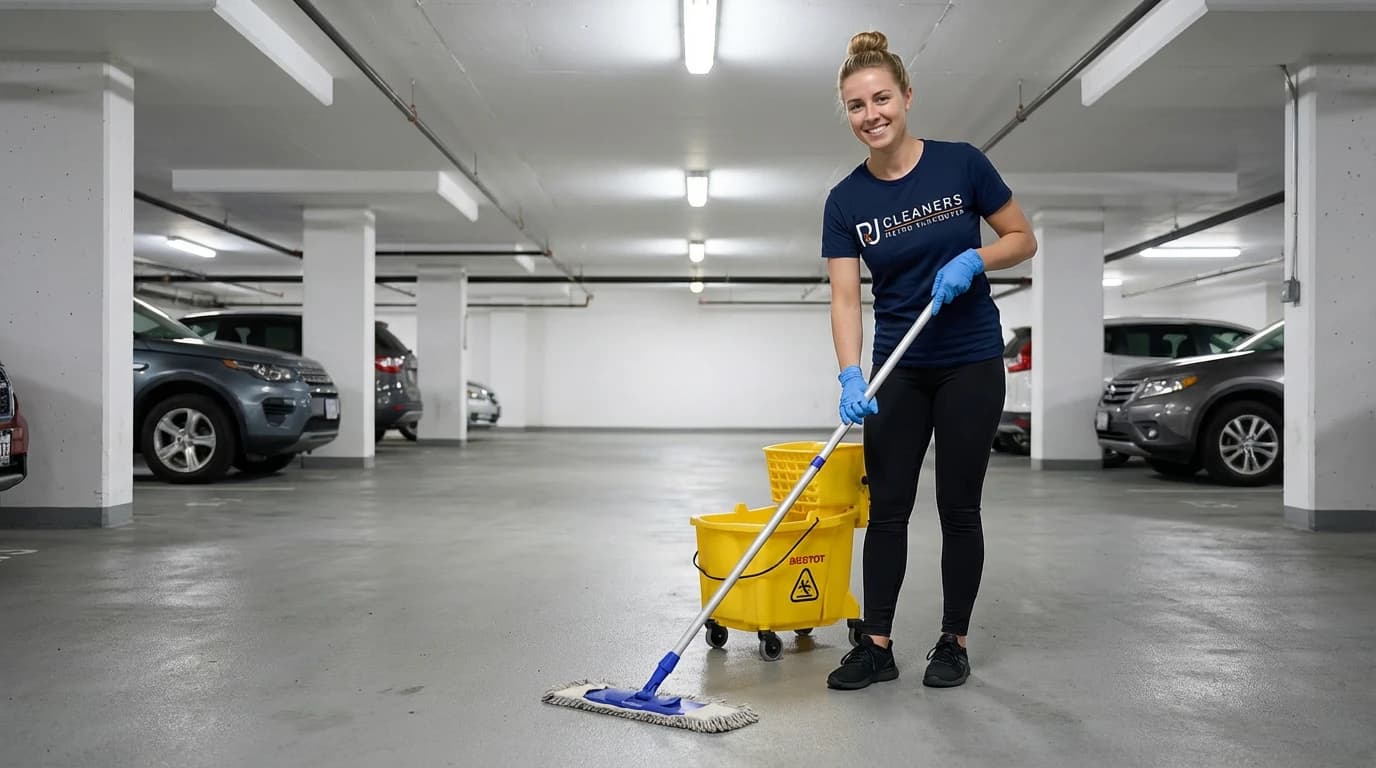
Exterior maintenance prevents outdoor contaminants from entering the facility while maintaining professional appearance. Parking lots require weekly sweeping to remove debris that gets tracked indoors. Landscaping areas need regular maintenance to prevent vegetation from contacting building exteriors where pests nest. Dumpster areas demand daily attention to prevent odours and pest attraction. Exterior lighting requires quarterly cleaning to maintain security visibility. Building exteriors accumulate dirt, bird droppings, and pollution requiring annual pressure washing. Roof and gutter cleaning prevents water damage and pest entry through compromised building envelopes. Professional grounds maintenance reduces interior cleaning requirements by preventing contamination at entry points.
Seasonal challenges in Metro Vancouver include fall leaf accumulation, winter salt application, spring pollen, and summer dust. Parking lot striping requires annual repainting to maintain traffic flow and safety. Exterior doors and frames need monthly cleaning to prevent weather-related deterioration. Window cleaning on warehouse exteriors improves natural light and building appearance. Perimeter fencing and gates require quarterly inspection and cleaning. Drainage systems around buildings prevent water intrusion that causes interior damage. Pest prevention includes maintaining vegetation clearance of 30 centimetres from building exteriors. Facilities with outdoor storage areas need weekly cleaning to prevent debris accumulation. Proper exterior maintenance reduces pest control costs by 40% and extends building envelope life according to facility management studies.
- Sweep parking lots and drive aisles weekly to remove debris before it gets tracked into the facility
- Maintain landscaping with 30-centimetre clearance from building exteriors to prevent pest harbourage and entry
- Clean dumpster areas daily including pad washing and deodorizing to prevent pest attraction and odour complaints
- Pressure wash building exteriors annually to remove accumulated dirt, pollution, and biological growth
- Clean gutters and roof drains quarterly to prevent water damage and ice dam formation in winter months
- Inspect and clean exterior lighting quarterly to maintain security visibility and prevent insect accumulation
Recommended Frequency
Weekly parking lot maintenance, daily waste area cleaning, quarterly building tasks
Cost Analysis and Return on Investment
Professional warehouse cleaning delivers measurable returns through reduced insurance claims, extended equipment life, improved employee health, and enhanced operational efficiency.
Warehouse cleaning costs vary based on facility size, complexity, and service frequency. Basic maintenance for 50,000 square feet ranges from $4,000-$7,500 monthly, translating to $0.08-$0.15 per square foot. Facilities requiring specialized services including cold storage, hazmat areas, or food-grade compliance see costs increase 25-40%. Labour represents 60% of cleaning costs, with equipment and supplies comprising the remainder. In-house cleaning programs require staff wages, benefits, equipment purchases, and supervision overhead. Professional services eliminate these fixed costs while providing expertise, insurance coverage, and quality assurance. Metro Vancouver wage rates for cleaning staff average $22-$28 hourly, with professional services offering economies of scale through efficient routing and specialized equipment.
Return on investment manifests through multiple channels. Insurance premium reductions of 10-15% for facilities with documented cleaning programs save $5,000-$15,000 annually on typical warehouse policies. Reduced workplace injuries decrease WorkSafeBC premiums and eliminate lost-time costs averaging $45,000 per incident. Extended equipment life from proper maintenance saves $20,000-$50,000 annually on forklift and material handling equipment. Improved employee health reduces sick days by 35%, saving $800-$1,200 per employee annually. Enhanced inventory protection prevents damage claims that average $25,000 per incident in distribution facilities. Energy savings from clean HVAC systems and lighting reduce utility costs by 12-18%. Facilities achieving ROI within 8-12 months demonstrate the financial benefits of professional cleaning programs.
Competitive advantages include improved client confidence during facility tours, enhanced employee recruitment and retention, and faster inventory turnover from better organization. Third-party logistics providers report that clean facilities attract premium clients willing to pay 15-20% higher storage rates. E-commerce fulfillment centres with same-day shipping requirements cannot afford downtime from cleaning-related incidents. Food-grade warehouses maintain CFIA compliance that enables premium product storage contracts. Automated warehouses protect expensive robotics investments through dust control and preventive maintenance. The shift toward sustainable operations includes green cleaning programs that reduce chemical usage by 60% while maintaining effectiveness. Professional cleaning services provide expertise in implementing these programs while documenting environmental benefits for corporate sustainability reporting.
In-House Cleaning Program
- Staff wages and benefits: $65,000-$85,000 annually per cleaner
- Equipment purchases: $25,000-$40,000 initial investment
- Supplies and chemicals: $500-$800 monthly ongoing costs
- Supervision and training: $15,000-$25,000 annually
- Insurance and liability: $8,000-$12,000 annually
- Equipment maintenance: $3,000-$5,000 annually
- Total annual cost: $95,000-$145,000 for 50,000 sq ft facility
Professional Cleaning Service
- Monthly service fee: $4,000-$7,500 based on scope
- No equipment investment required
- Supplies included in service fee
- No supervision overhead needed
- Liability coverage included
- Equipment provided and maintained
- Total annual cost: $48,000-$90,000 for 50,000 sq ft facility
Hybrid Approach
- In-house daily maintenance: $35,000-$45,000 annually
- Professional deep cleaning: $1,500-$2,500 monthly
- Shared equipment costs: $10,000-$15,000 annually
- Reduced supervision needs: $8,000-$12,000 annually
- Split insurance coverage: $5,000-$8,000 annually
- Flexible scaling for peak periods
- Total annual cost: $70,000-$105,000 for 50,000 sq ft facility
$5,000-$15,000 annually
Insurance Premium Reduction
$45,000 per prevented incident
Injury Cost Avoidance
$20,000-$50,000 annually
Equipment Life Extension
$800-$1,200 per employee annually
Reduced Sick Days
12-18% reduction in utilities
Energy Cost Savings
$25,000 average per incident avoided
Inventory Damage Prevention
- Reduced workplace injury rates by 40% through systematic floor maintenance and hazard elimination
- Extended flooring life by five years through proper cleaning and preventive maintenance protocols
- Improved air quality with 85% reduction in airborne particulates protecting employee respiratory health
- Enhanced client confidence during facility tours leading to 15-20% premium rate opportunities
- Decreased pest control costs by 40% through proper sanitation and exterior maintenance
- Lower insurance premiums with 10-15% reductions for documented cleaning and safety programs
- Increased equipment reliability with 30% longer service life for forklifts and material handling systems
- Better employee retention through improved working conditions and reduced health-related absences
Warehouse Cleaning Compliance Checklist
Use this comprehensive checklist to ensure your warehouse cleaning program meets all regulatory requirements and industry best practices for safety, health, and operational excellence.
Services mentioned in this article
Ready for help?
4.9 · 850+ Google reviewsNeed Professional Warehouse Cleaning?
Our industrial cleaning team delivers OSHA-compliant warehouse maintenance with certified safety protocols. Serving 39 Metro Vancouver locations with same-day availability.
778-720-2224Warehouse Cleaning Standards FAQ
What are office cleaning standards?
Office cleaning standards define protocols for maintaining hygienic, safe workspaces through scheduled cleaning tasks. Standards cover surface disinfection frequency, restroom sanitation, floor maintenance, and waste removal. WorkSafeBC requires employers to maintain clean facilities that prevent health hazards. Professional standards include daily high-touch surface cleaning, weekly deep cleaning, and monthly equipment maintenance. Compliance reduces absenteeism by 27% according to ISSA research.
How often should office areas be cleaned?
High-traffic office areas require daily cleaning including restrooms, break rooms, and reception areas. Workstations need cleaning 2-3 times weekly with daily trash removal. Conference rooms require cleaning after each use or daily minimum. Deep cleaning occurs monthly covering carpets, windows, and hard-to-reach areas. BC Health Authority guidelines recommend increased frequency during flu season. Cleaning schedules adjust based on occupancy levels and industry requirements.
What compliance rules apply to office cleaning?
WorkSafeBC mandates employers provide clean, sanitary facilities under Occupational Health and Safety Regulation Part 4. Requirements include proper ventilation, waste disposal, and hazard-free surfaces. Cleaning products must have Safety Data Sheets and proper labelling. Staff need training on chemical handling and PPE use. Food preparation areas follow additional BC Health Authority regulations. Non-compliance results in fines from $500 to $50,000 depending on violation severity.
How much does office cleaning cost?
Office cleaning costs $25-$45 per hour in Metro Vancouver depending on facility size and service frequency. Small offices (under 2,000 sq ft) average $150-$300 monthly for twice-weekly service. Medium offices (2,000-5,000 sq ft) cost $400-$800 monthly. Large facilities exceed $1,000 monthly with daily service. Specialized cleaning like carpet shampooing adds $0.15-$0.30 per square foot. Annual contracts reduce costs by 10-15% compared to one-time bookings.
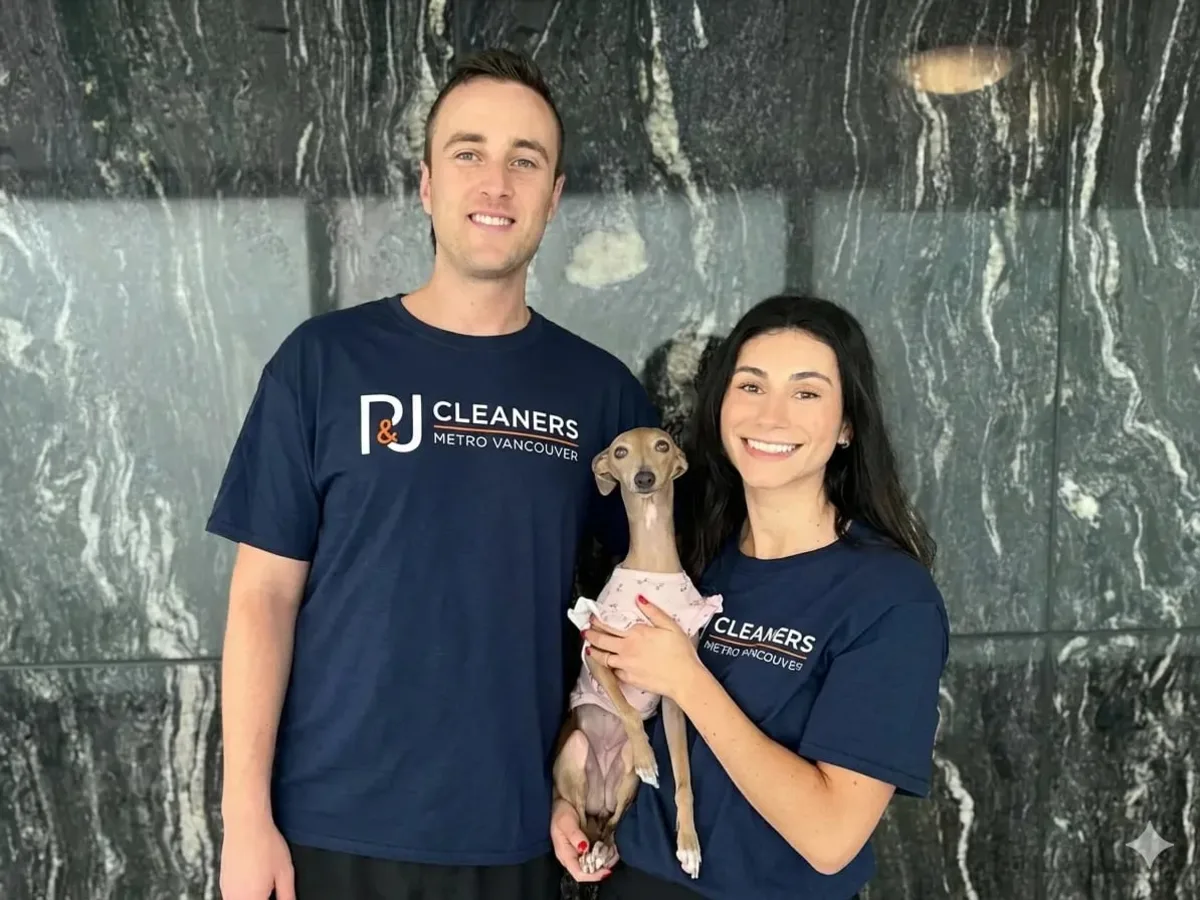
Meet the Author
Jason
Co-Founder
Jason oversees commercial operations, workflow design, and quality control for office, restaurant, and specialty cleaning programs across Metro Vancouver.
Keep Exploring