

Industry Overview
BC Educational Cleaning Standards Framework
British Columbia educational facilities operate under stringent cleaning protocols established by WorkSafeBC, the BC Centre for Disease Control, and local health authorities. These standards address infection control, chemical safety, indoor air quality, and environmental sustainability. Schools serving 500,000+ students across Metro Vancouver must maintain documented cleaning programmes that meet provincial health regulations while creating safe learning environments. The framework applies to K-12 schools, post-secondary institutions, daycare centres, and specialized educational facilities.
Provincial regulations mandate specific cleaning frequencies, approved disinfectant lists, and staff certification requirements. The BC School Act requires districts to provide sanitary facilities and maintain health standards that prevent disease transmission. WorkSafeBC enforces occupational health protocols including WHMIS 2015 training, personal protective equipment standards, and chemical storage requirements. Facilities must balance regulatory compliance with operational efficiency, typically allocating 8-12% of operational budgets to cleaning and maintenance programmes.
Educational cleaning differs significantly from commercial office cleaning due to higher occupancy density, diverse age groups with varying immune systems, and specialized spaces like science labs, art rooms, and gymnasiums. BC facilities average 15-20 students per classroom with 180+ instructional days annually, creating substantial cleaning demands. The COVID-19 pandemic elevated standards permanently, with enhanced protocols now standard practice. Facilities that maintain rigorous cleaning programmes report 15-30% lower absenteeism rates and improved academic performance metrics according to BC Ministry of Education data.
500,000+
Student Population
Source: BC Ministry of Education
8-12% of operations
Average Cleaning Budget
Source: BC School Districts
15-30%
Absenteeism Reduction
Source: BC CDC
24 months
Required Log Retention
Source: BC Health Authority
15-20 students/room
Daily Occupancy Density
Source: Statistics Canada
Compliance priorities
WorkSafeBC WHMIS 2015 certification for all cleaning staff handling chemicals and disinfectants • BC Health Authority approved disinfectant list (DIN-registered products with 99.9% pathogen elimination) • Documented cleaning schedules with task completion verification and supervisor sign-off • Quarterly compliance audits with corrective action plans for deficiencies • Indoor air quality monitoring meeting ASHRAE 62.1 ventilation standards • Bloodborne pathogen protocols following BC CDC guidelines for bodily fluid cleanup
Zone-Specific Cleaning Protocols
Educational facilities require differentiated cleaning approaches based on space function, occupancy patterns, and contamination risk levels. BC standards categorize areas into high-risk zones (washrooms, cafeterias, health rooms), medium-risk zones (classrooms, hallways, offices), and low-risk zones (storage areas, mechanical rooms). Each zone demands specific frequencies, approved products, and verification procedures to maintain health standards while optimizing resource allocation.
Classroom and Learning Spaces
Classrooms require daily cleaning with enhanced attention to high-touch surfaces, proper ventilation, and floor care that accommodates diverse activities from circle time to laboratory work.
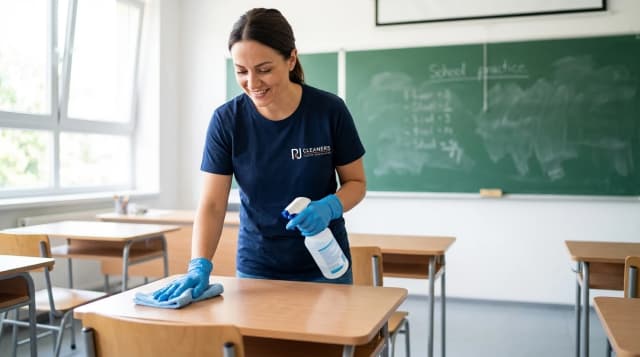
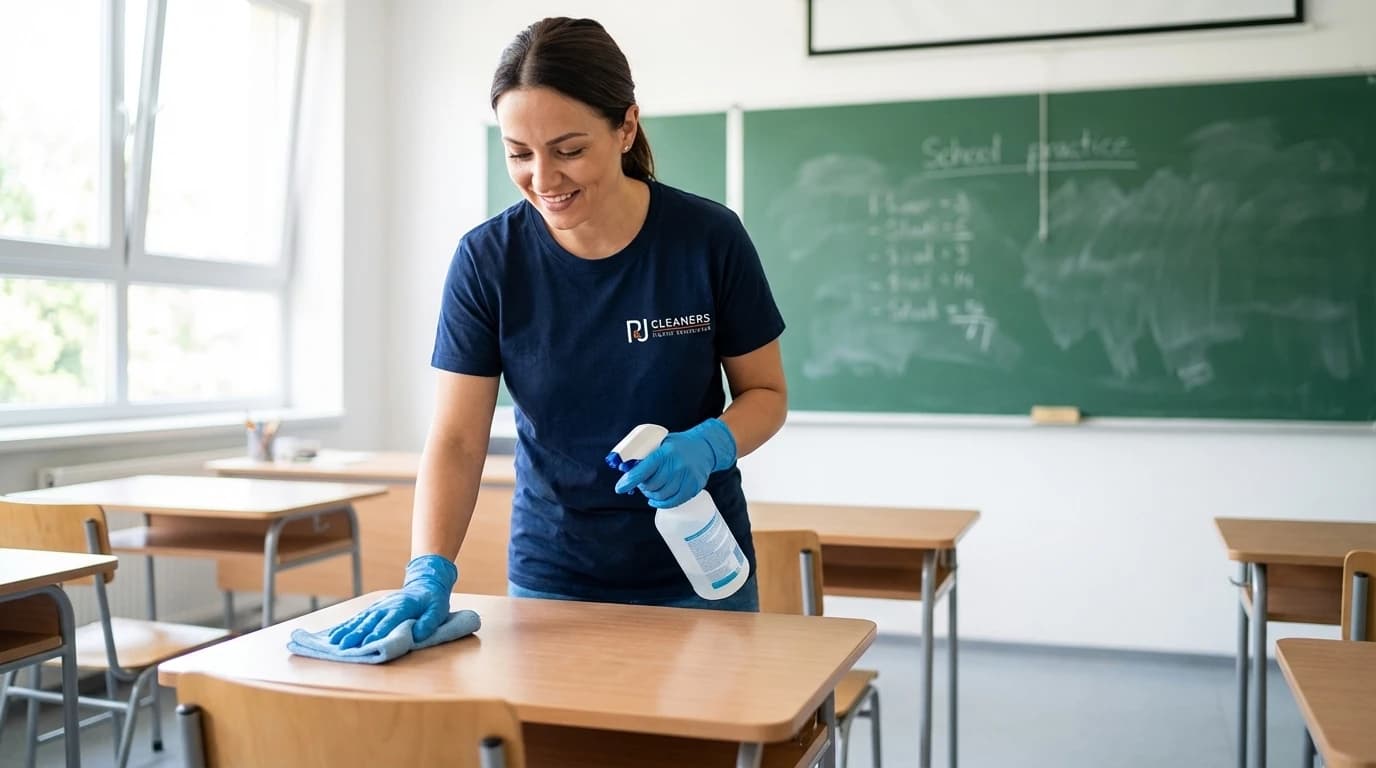
Classroom cleaning begins with high-touch surface disinfection including door handles, light switches, desks, chairs, and shared equipment like computers and tablets. BC standards require hospital-grade disinfectants with minimum 60-second contact time, applied using colour-coded microfibre cloths to prevent cross-contamination. Elementary classrooms with younger students need 2-3 daily disinfection cycles during cold and flu season, while secondary classrooms typically require once-daily treatment. Desks and chairs receive thorough wiping with attention to undersides where gum and debris accumulate.
Floor care varies by surface type and classroom function. Vinyl composite tile (VCT) floors common in BC schools require daily dust mopping, weekly damp mopping with neutral pH cleaner, and quarterly stripping and refinishing to maintain protective coating. Carpet tiles in reading areas need daily vacuuming with HEPA filtration to capture allergens, monthly hot water extraction, and immediate spot treatment for spills. Science labs and art rooms with epoxy or sealed concrete floors demand specialized cleaning protocols that address chemical spills, paint residue, and biological materials following WorkSafeBC hazardous material guidelines.
Air quality management includes emptying recycling and waste bins daily, ensuring proper ventilation system operation, and addressing moisture issues that promote mould growth. Classrooms should maintain 40-60% relative humidity and temperature between 20-24°C per ASHRAE standards. Window cleaning occurs monthly on interior surfaces, quarterly on exteriors, allowing maximum natural light penetration. Whiteboards and chalkboards receive daily cleaning with appropriate solutions that prevent ghosting and maintain surface integrity. Book shelves, storage cubbies, and learning centres need weekly dusting and monthly deep cleaning to control allergen accumulation.
- Disinfect high-touch surfaces 1-3 times daily using DIN-registered products with 60-second contact time
- Vacuum carpeted areas daily with HEPA filtration; extract monthly with hot water and approved detergent
- Damp mop hard floors daily using neutral pH cleaner and colour-coded mops for different zones
- Empty waste and recycling bins daily; sanitize bins weekly to prevent odour and bacterial growth
- Clean whiteboards and teaching surfaces daily; deep clean learning centres and storage weekly
- Maintain indoor air quality through proper ventilation, humidity control, and immediate spill response
Recommended Frequency
Daily with weekly deep cleaning
Washroom and Hygiene Facilities
Washrooms represent the highest contamination risk in educational facilities, requiring multiple daily cleanings, specialized disinfection protocols, and continuous supply monitoring to maintain health standards.
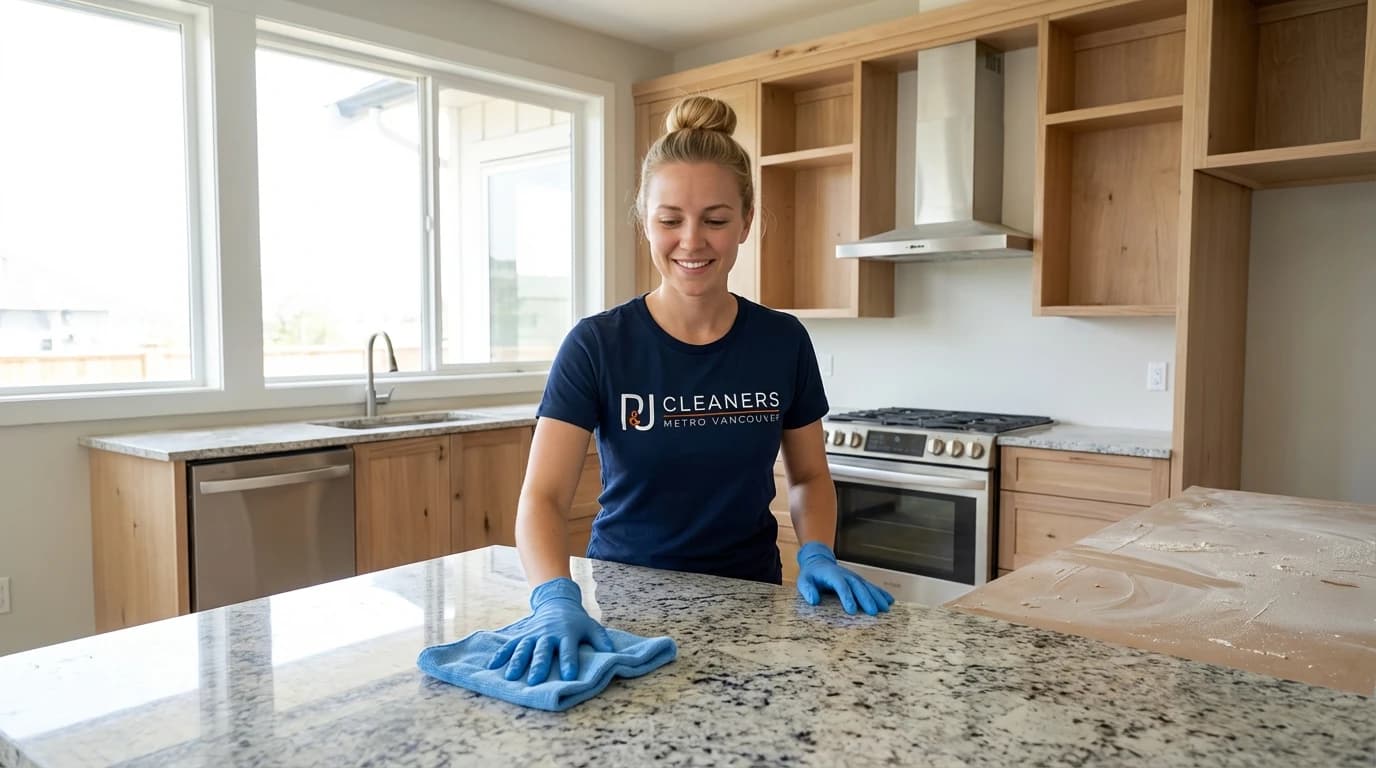
BC educational washrooms require minimum twice-daily cleaning with additional spot checks during high-traffic periods. Morning cleaning occurs before student arrival, midday cleaning addresses lunch-hour usage, and afternoon cleaning prepares facilities for after-school programmes. Each cleaning cycle includes toilet and urinal disinfection, sink and counter sanitization, mirror cleaning, floor mopping, and supply replenishment. Elementary school washrooms serving younger children need more frequent attention due to inconsistent hygiene practices and higher accident rates requiring immediate response.
Disinfection protocols follow BC CDC guidelines using quaternary ammonium or hydrogen peroxide-based products effective against norovirus, influenza, and common cold pathogens. Toilets and urinals receive bowl cleaner application with minimum five-minute dwell time, followed by scrubbing with dedicated brushes and exterior surface disinfection. Sinks, faucets, and counters are sprayed with disinfectant, allowed proper contact time, then wiped with clean microfibre cloths. Partitions, door handles, and dispensers receive thorough disinfection as high-touch surfaces. Floor cleaning uses separate mops and buckets for washrooms, never cross-utilized with other facility areas.
Supply management prevents hygiene lapses that compromise health standards. Soap dispensers, paper towel holders, and toilet paper dispensers require checking and refilling during each cleaning cycle. Hand dryers need weekly cleaning and monthly filter replacement to maintain efficiency and prevent bacterial growth. Sanitary disposal units in female washrooms require daily emptying and disinfection following biohazard protocols. Odour control uses enzymatic cleaners rather than masking fragrances, addressing source issues like drain buildup and inadequate ventilation. Facilities should maintain supply inventory ensuring 72-hour backup stock for uninterrupted service.
- Clean and disinfect washrooms minimum twice daily with spot checks during peak usage periods
- Apply disinfectants with 5-10 minute contact time on toilets, urinals, sinks, and high-touch surfaces
- Use dedicated colour-coded equipment for washrooms; never cross-contaminate with other facility areas
- Check and refill soap, paper towel, and toilet paper dispensers during every cleaning cycle
- Empty sanitary disposal units daily following biohazard protocols with proper PPE and waste handling
- Address odour sources with enzymatic cleaners; maintain drain cleanliness and proper ventilation
Recommended Frequency
Minimum twice daily with spot checks
Cafeteria and Food Service Areas
Food service areas demand rigorous cleaning that meets both educational facility standards and BC food safety regulations, preventing foodborne illness while maintaining efficient meal service operations.
Cafeteria cleaning operates on a continuous cycle throughout meal service periods with comprehensive deep cleaning after final service. Tables and chairs receive disinfection between lunch periods using food-safe sanitizers approved by BC Health Authority. High-traffic areas near serving lines, beverage stations, and waste disposal need constant monitoring and spot cleaning to prevent slip hazards from spills and food debris. Elementary cafeterias serving younger students require more frequent table cleaning due to messier eating habits and higher spill rates. Seating areas should be completely cleared, cleaned, and reset within 15-20 minutes between lunch periods.
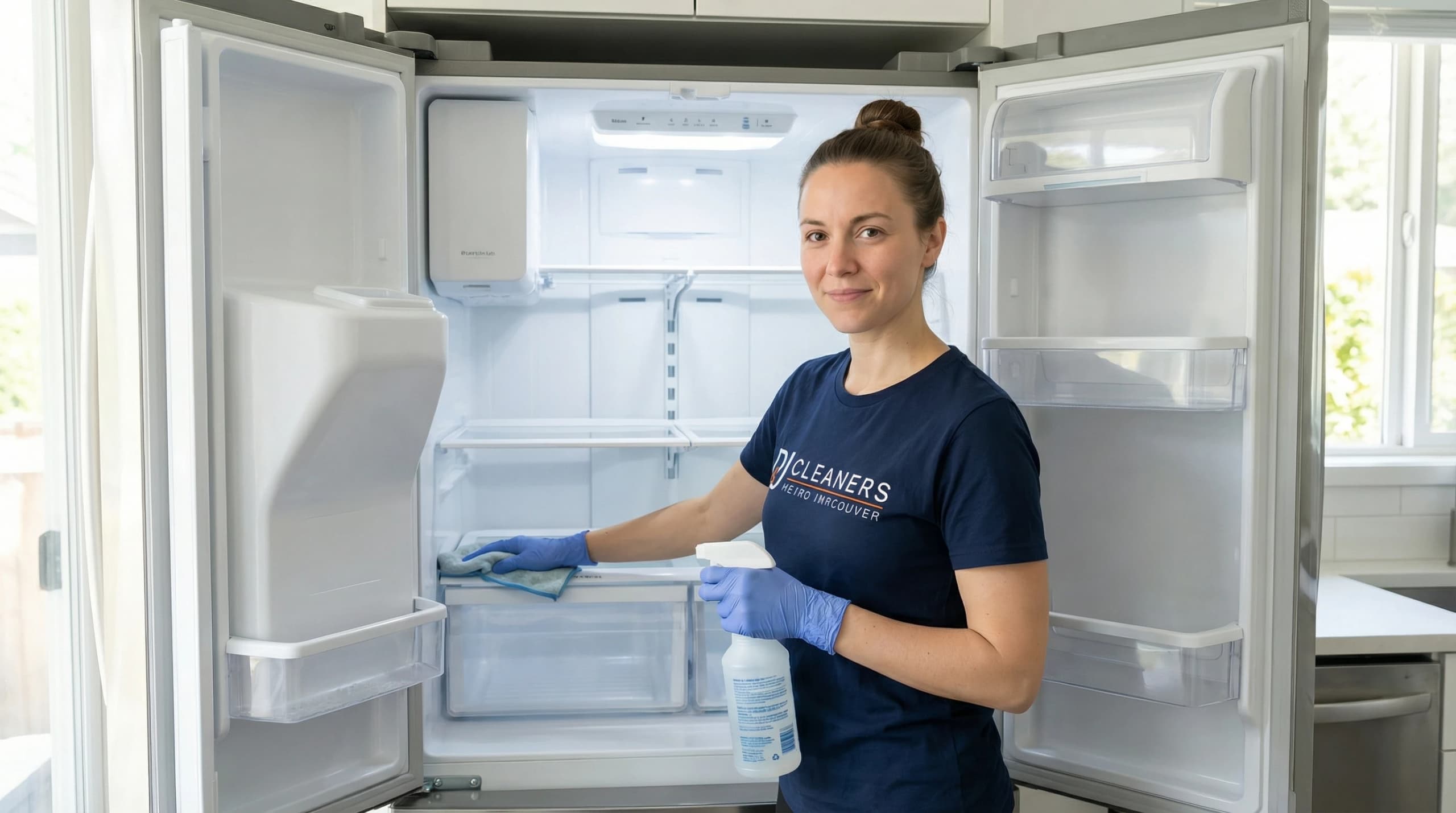
Kitchen and food preparation areas follow BC Food Premises Regulation standards in addition to educational facility requirements. Food contact surfaces receive cleaning and sanitization after each use with three-compartment sink protocols or commercial dishwashing equipment meeting NSF standards. Floors in food prep areas need hourly sweeping during service, immediate spill response, and end-of-day mopping with degreasing agents. Grease traps require weekly cleaning to prevent drainage issues and odour problems. Refrigeration units, ovens, and cooking equipment receive daily exterior cleaning and weekly interior deep cleaning following manufacturer specifications and health authority guidelines.
Waste management in cafeterias demands special attention due to food waste volume and pest attraction risk. Bins require emptying multiple times during lunch service, with liners changed and bins sanitized daily. Composting programmes common in BC schools need dedicated bins with tight-fitting lids, daily emptying, and weekly deep cleaning to prevent odour and fruit fly issues. Recycling stations for bottles, cans, and containers need daily sorting verification and cleaning. Floor drains in dishwashing and food prep areas require weekly enzymatic treatment to prevent grease buildup and maintain proper drainage. Pest control monitoring includes monthly inspections and immediate response to any signs of rodent or insect activity.
- Disinfect tables and chairs between lunch periods using food-safe sanitizers with proper contact time
- Clean food contact surfaces after each use following three-compartment sink or commercial dishwasher protocols
- Sweep kitchen floors hourly during service; mop with degreasing agents after final meal service
- Empty waste and compost bins multiple times during lunch; sanitize bins daily to prevent pest attraction
- Deep clean cooking equipment, refrigeration units, and storage areas weekly following manufacturer specs
- Treat floor drains weekly with enzymatic cleaners; maintain grease trap cleaning schedule per regulations
Recommended Frequency
Continuous during service, daily deep cleaning
Gymnasium and Athletic Facilities
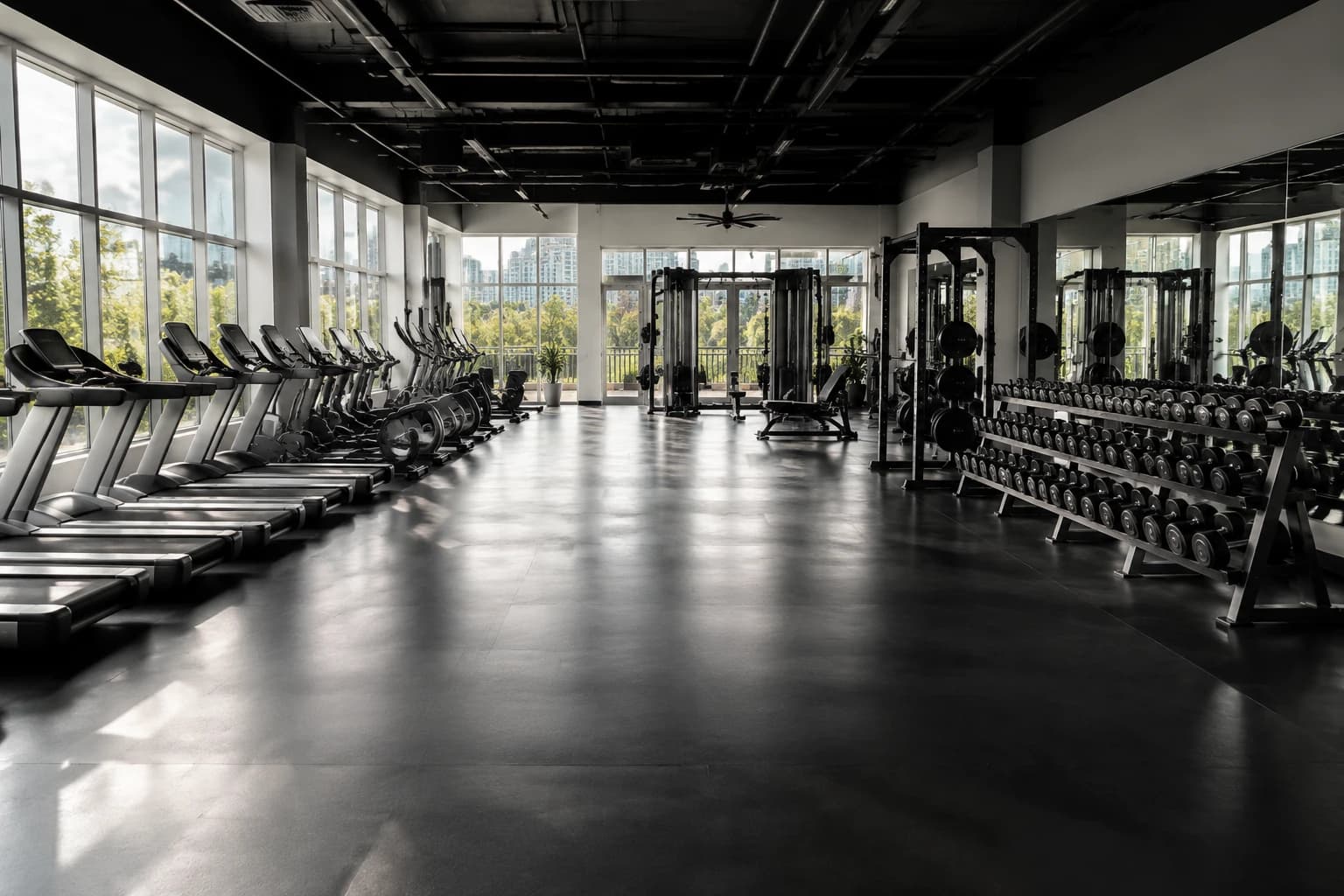
Athletic spaces require specialized cleaning addressing sweat, body contact surfaces, and equipment sanitization while maintaining floor finishes that ensure player safety and performance.
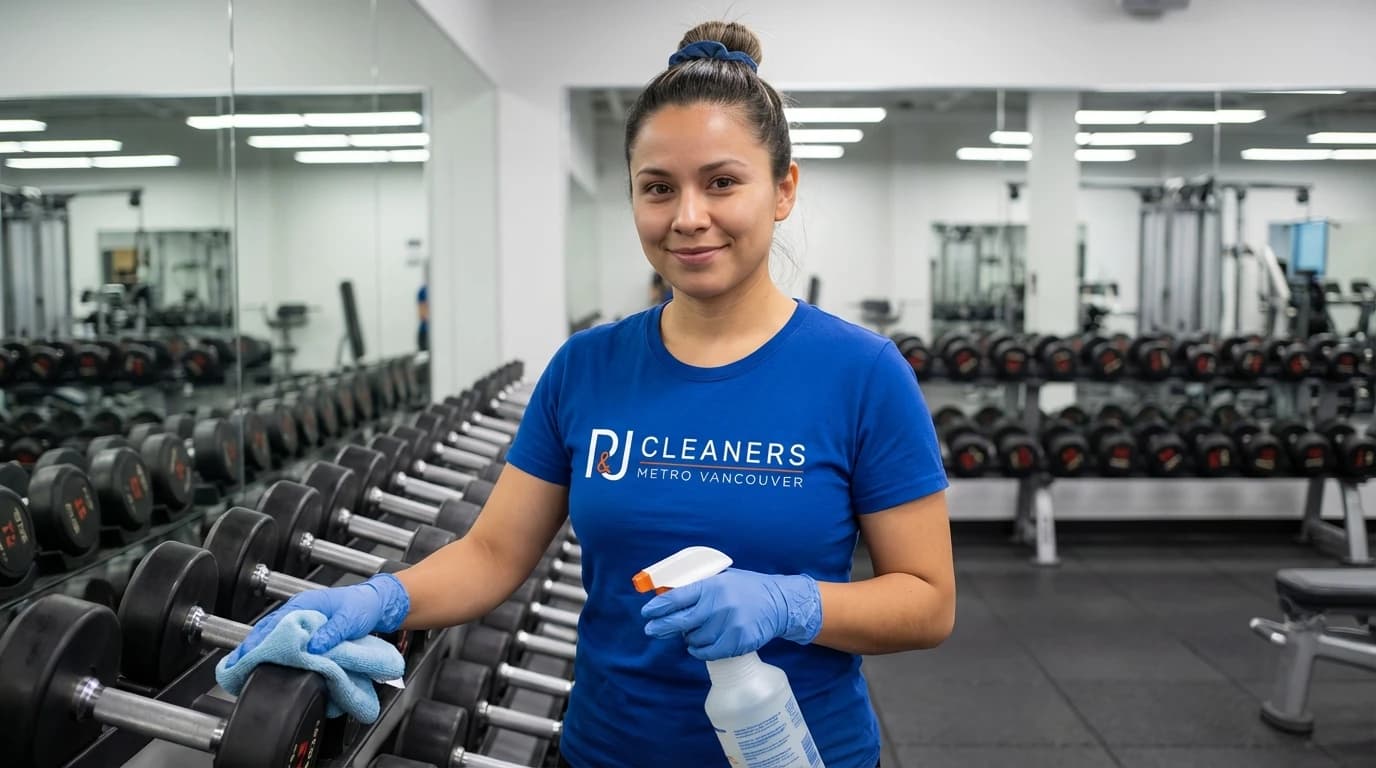
Gymnasium floors demand careful maintenance balancing cleanliness with surface integrity critical for athletic performance and injury prevention. Hardwood basketball courts common in BC schools require daily dust mopping with microfibre mops to remove dirt and debris that damage finish and create slip hazards. Weekly damp mopping uses pH-neutral cleaners specifically formulated for gymnasium floors, applied sparingly to prevent moisture damage. Quarterly screening and recoating maintains the protective finish, while complete refinishing occurs every 3-5 years depending on usage intensity. Rubber gym floors in elementary schools need daily sweeping, weekly mopping with manufacturer-approved cleaners, and immediate attention to scuff marks and spills.
Equipment sanitization prevents disease transmission in high-contact athletic environments. Weight room equipment including barbells, dumbbells, benches, and machines receive disinfection after each class period or athletic team practice. Spray bottles with approved disinfectant and paper towels should be readily available for student and athlete use between sets. Yoga mats, exercise balls, and resistance bands need individual disinfection after each use, with proper drying time before storage to prevent mould growth. Gymnasium equipment like basketball hoops, volleyball nets, and climbing ropes require monthly cleaning and safety inspections. Protective padding on walls and posts needs quarterly deep cleaning to remove accumulated sweat, dirt, and bacteria.
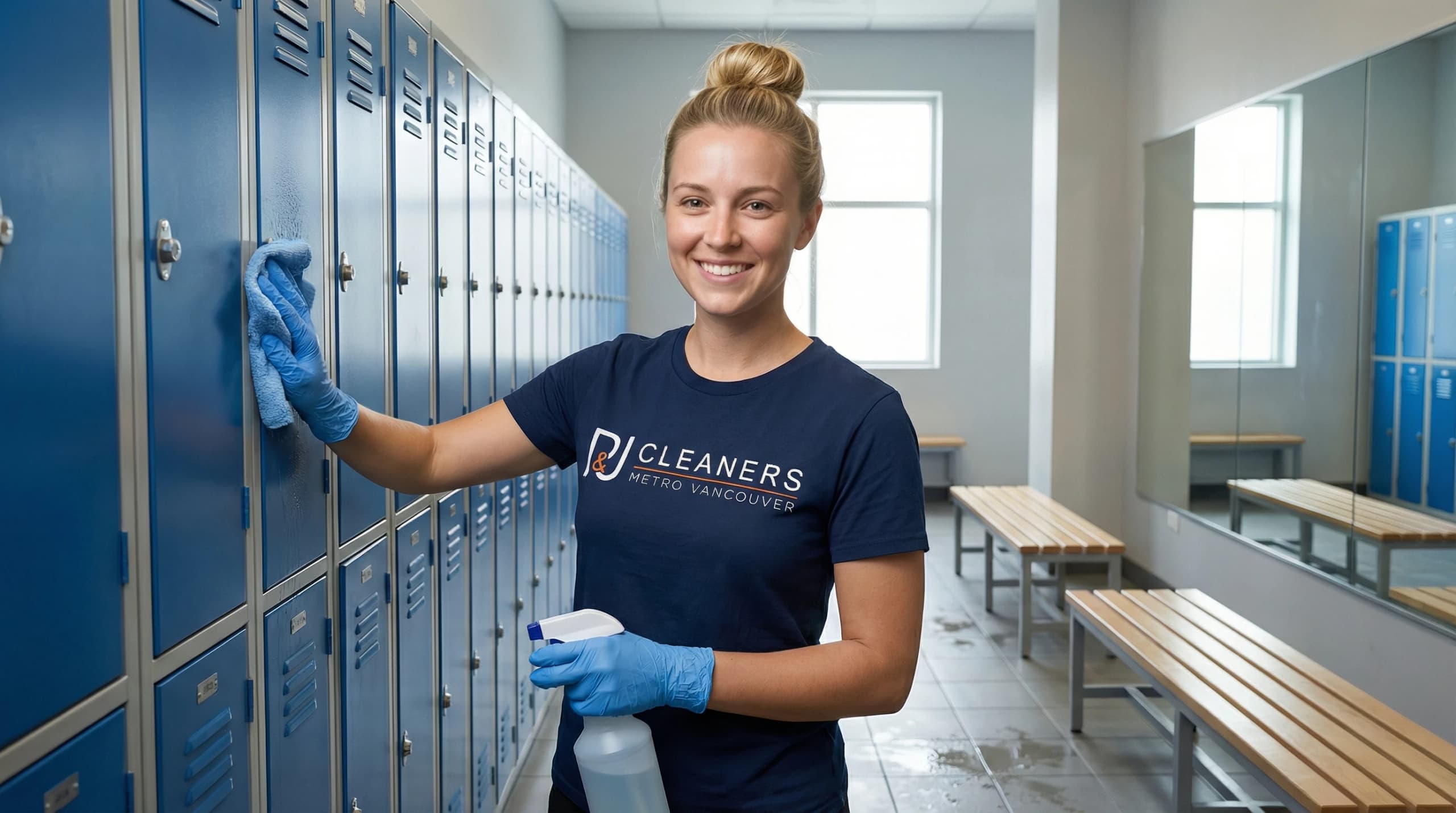
Locker rooms attached to gymnasiums follow washroom protocols with additional considerations for shower areas and athletic equipment storage. Shower stalls require daily cleaning with mildew-resistant cleaners, focusing on grout lines, corners, and drain areas where moisture promotes bacterial and fungal growth. Benches and hooks in changing areas need daily disinfection as high-touch surfaces. Lockers receive weekly interior and exterior cleaning, with monthly deep cleaning addressing accumulated odours and debris. Ventilation systems in locker rooms require monthly filter changes and quarterly duct cleaning to manage humidity and prevent mould issues. Floor drains in shower areas need weekly enzymatic treatment and monthly professional cleaning to maintain proper drainage and prevent odour problems.
- Dust mop gymnasium floors daily with microfibre mops; damp mop weekly with pH-neutral cleaners
- Disinfect weight room equipment and athletic gear after each use or class period
- Clean shower stalls daily with mildew-resistant products; treat grout lines and drains weekly
- Sanitize locker room benches, hooks, and high-touch surfaces daily following washroom protocols
- Screen and recoat hardwood floors quarterly; complete refinishing every 3-5 years based on usage
- Maintain ventilation systems with monthly filter changes and quarterly duct cleaning for humidity control
Recommended Frequency
Daily with weekly deep cleaning
Laboratories and Specialized Learning Spaces
Science labs, art rooms, music rooms, and technical shops require specialized cleaning protocols addressing unique hazards, equipment, and materials while maintaining educational functionality.
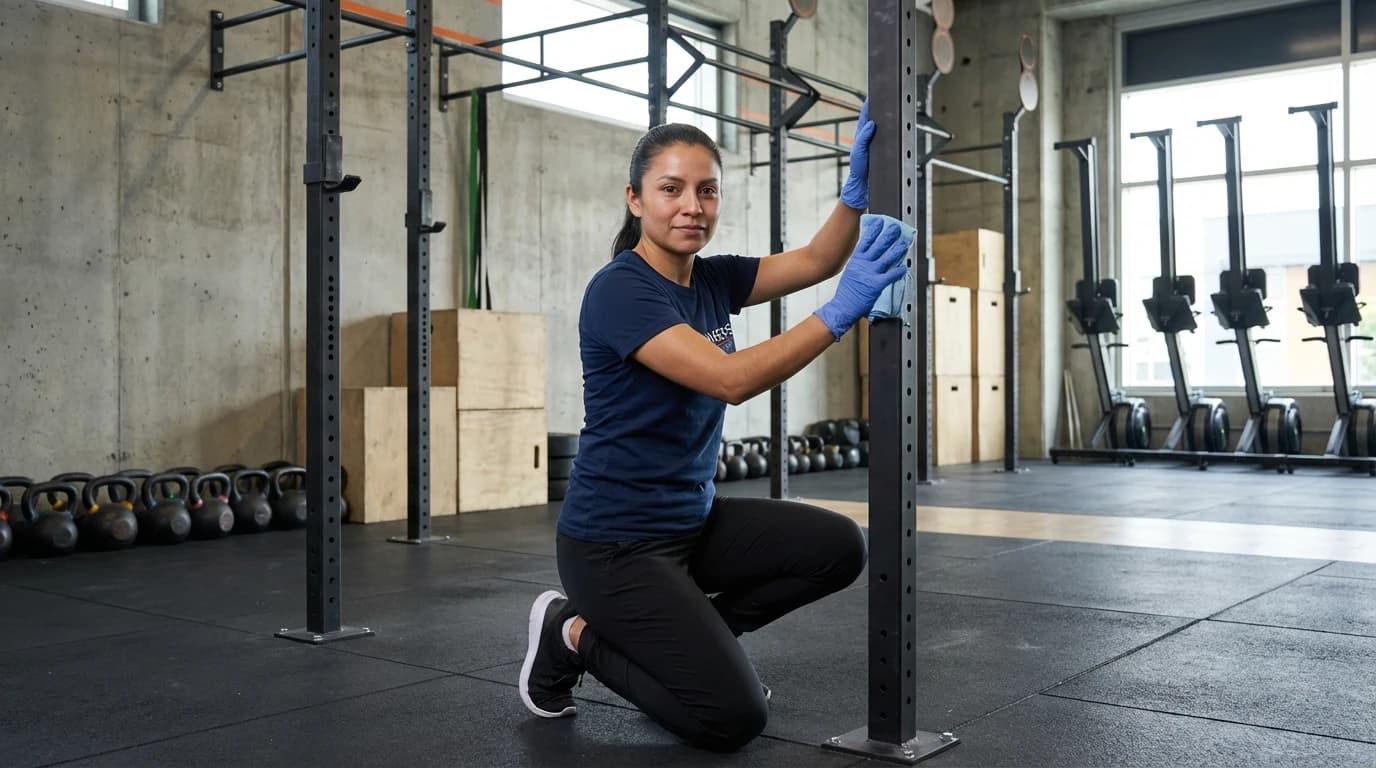
Science laboratories present unique cleaning challenges due to chemical use, biological materials, and specialized equipment requiring careful handling. Lab benches and work surfaces receive cleaning after each class period using appropriate solutions that don't damage epoxy resin or phenolic resin tops. Chemical spills require immediate response following WorkSafeBC protocols with proper personal protective equipment, spill kits, and waste disposal procedures. Fume hoods need monthly interior cleaning and quarterly certification to ensure proper ventilation and student safety. Eyewash stations and safety showers require weekly testing and cleaning to maintain emergency readiness. Glassware, beakers, and lab equipment receive proper washing in dedicated sinks with appropriate detergents, never in general facility sinks.
Art rooms accumulate paint, clay, adhesives, and other creative materials requiring specialized cleaning approaches. Sinks and work tables need daily cleaning with attention to dried paint and adhesive removal using appropriate solvents. Pottery wheels, kilns, and sculpture tools require weekly cleaning following manufacturer guidelines. Paint brushes, palettes, and mixing containers receive proper cleaning and storage to extend tool life and prevent cross-contamination of colours and materials. Floors in art rooms often have paint spills and clay dust requiring daily sweeping and weekly mopping with heavy-duty cleaners. Ventilation systems need monthly filter changes due to dust and fume generation from art materials.
Music rooms and band halls require cleaning that protects expensive instruments while maintaining acoustic properties. Floors receive daily vacuuming or dust mopping to remove debris that could damage instruments. Music stands, chairs, and storage areas need weekly dusting and disinfection. Shared instruments like recorders and mouthpieces require individual disinfection after each use following BC CDC guidelines for preventing disease transmission. Practice rooms need weekly cleaning with attention to soundproofing materials that accumulate dust. Technical shops with woodworking, metalworking, or automotive equipment follow industrial cleaning standards including daily floor sweeping, weekly equipment cleaning, and proper disposal of sawdust, metal shavings, and hazardous materials following WorkSafeBC regulations.
- Clean lab benches after each class using appropriate solutions for epoxy or phenolic surfaces
- Respond to chemical spills immediately following WorkSafeBC protocols with proper PPE and spill kits
- Test eyewash stations and safety showers weekly; clean and certify fume hoods quarterly
- Remove paint, clay, and adhesive residue daily from art room surfaces using appropriate solvents
- Disinfect shared musical instruments and mouthpieces after each use to prevent disease transmission
- Sweep technical shop floors daily; dispose of sawdust, metal shavings, and hazardous waste properly
Recommended Frequency
Daily with specialized weekly protocols
Cost Analysis and Return on Investment
Professional educational facility cleaning delivers measurable returns through reduced absenteeism, extended facility lifespan, regulatory compliance, and improved learning environments that support academic achievement.
Educational facility cleaning costs in Metro Vancouver range from $35-$55 per hour depending on facility size, cleaning frequency, specialized requirements, and service scope. Elementary schools typically pay $0.15-$0.25 per square foot for daily cleaning, while secondary schools with specialized spaces like science labs and technical shops range from $0.20-$0.30 per square foot. A typical 50,000 square foot elementary school investing $7,500-$12,500 monthly in professional cleaning services realizes substantial returns through reduced illness-related costs, deferred maintenance savings, and improved educational outcomes. Schools that reduce cleaning budgets often experience higher long-term costs from increased absenteeism, accelerated facility deterioration, and regulatory compliance issues.
The financial impact of proper cleaning extends beyond direct service costs to encompass reduced absenteeism, lower healthcare expenses, and improved academic performance. BC schools implementing enhanced cleaning protocols report 15-30% reductions in student and staff absenteeism during cold and flu season, translating to significant cost savings. Each absent student day costs school districts approximately $45 in lost provincial funding, while teacher absences requiring substitute coverage cost $250-$350 per day. A 500-student elementary school reducing absenteeism by 20% through improved cleaning saves $90,000-$135,000 annually in funding retention and substitute costs, far exceeding the incremental investment in enhanced cleaning services.
Facility maintenance costs decrease substantially with proper cleaning programmes that prevent premature deterioration of flooring, fixtures, and building systems. Regular floor care extends vinyl composite tile lifespan from 10-15 years to 20-25 years, deferring $150,000-$250,000 in replacement costs for a typical school. Proper HVAC filter maintenance and duct cleaning reduces energy consumption by 10-15% while extending equipment life by 3-5 years, saving $15,000-$25,000 annually in a 50,000 square foot facility. Preventive cleaning of washroom fixtures, cafeteria equipment, and gymnasium floors reduces emergency repair costs and service disruptions that impact educational programming. Schools viewing cleaning as preventive maintenance rather than operational expense achieve superior long-term financial outcomes.
In-House Cleaning Programme
- Staff wages: $28-$35/hour plus benefits (30-40% overhead)
- Equipment purchase and maintenance: $15,000-$25,000 annually
- Cleaning supplies and chemicals: $8,000-$12,000 annually
- Training and certification: $3,000-$5,000 annually
- Supervision and quality control: Additional staff time
- Workers compensation and liability insurance
- Scheduling complexity and coverage gaps
- Total cost: $0.20-$0.35 per square foot
Professional Cleaning Service
- Service rate: $35-$55/hour all-inclusive
- Equipment and supplies included in service rate
- Trained and certified staff provided
- Quality control and supervision included
- Flexible scheduling and consistent coverage
- Insurance and bonding included
- Specialized expertise for compliance requirements
- Total cost: $0.15-$0.30 per square foot
$90,000-$135,000 annually
Absenteeism Reduction
$150,000-$250,000 over 10 years
Floor Replacement Deferral
$15,000-$25,000 annually
Energy Cost Savings
$8,000-$15,000 annually
Emergency Repair Reduction
Avoids $25,000-$50,000 penalty risk
Regulatory Compliance
3-7% improvement in standardized test scores
Academic Performance Impact
- Reduced student and staff absenteeism through effective pathogen control and infection prevention
- Extended facility lifespan and deferred capital replacement costs through preventive maintenance
- Regulatory compliance avoiding WorkSafeBC penalties and health authority violations
- Improved indoor air quality supporting respiratory health and cognitive function
- Enhanced learning environment contributing to academic achievement and student engagement
- Professional expertise addressing specialized cleaning requirements and emerging health threats
- Consistent service delivery eliminating coverage gaps and quality variations
- Risk transfer through comprehensive insurance and bonding protecting district assets
BC Educational Facility Compliance Checklist
Use this comprehensive checklist to verify compliance with BC educational cleaning standards, WorkSafeBC regulations, and health authority requirements. Review quarterly and maintain documentation for regulatory audits.
Services mentioned in this article
Ready for help?
4.9 · 850+ Google reviewsMaintain BC-Compliant Educational Facilities
P&J Cleaners delivers WorkSafeBC-compliant educational cleaning with eco-friendly products upon request, trained staff, and documented protocols. Serving 39 Metro Vancouver locations with same-day booking and 200% satisfaction guarantee.
778-720-2224Common Questions About BC School Cleaning Standards
What are educational cleaning standards?
Educational cleaning standards in BC include WorkSafeBC compliance, daily disinfection of high-touch surfaces, weekly floor care, monthly deep cleaning of classrooms, and quarterly sanitization of HVAC systems. Standards require eco-friendly products upon request, documented cleaning logs, and staff training on bloodborne pathogens. BC Health Authority guidelines mandate specific protocols for washrooms, cafeterias, and shared learning spaces to prevent disease transmission.
How often should educational areas be cleaned?
High-touch surfaces require twice-daily disinfection during school hours. Classrooms need daily vacuuming and weekly mopping. Washrooms require cleaning every 2-4 hours during peak use. Cafeterias need post-meal sanitization within 30 minutes. Gymnasiums require daily dust mopping and weekly wet mopping. Libraries need weekly dusting and monthly deep cleaning. Administrative offices follow standard commercial protocols with daily trash removal and surface wiping.
What compliance rules apply to educational cleaning?
BC educational facilities must comply with WorkSafeBC Occupational Health and Safety Regulation, BC Health Authority infection control guidelines, and municipal health bylaws. Requirements include WHMIS training for cleaning staff, proper chemical storage and labelling, documented cleaning schedules, and emergency response protocols. Schools must maintain Material Safety Data Sheets for all products and conduct annual safety audits to ensure ongoing compliance.
How much does educational cleaning cost?
Educational facility cleaning in Metro Vancouver ranges from $35-$55 per hour depending on facility size and service frequency. Elementary schools average $0.15-$0.25 per square foot monthly. High schools with specialized labs cost $0.20-$0.35 per square foot. Full-service contracts including daily janitorial, quarterly deep cleaning, and summer maintenance typically run $3,500-$8,500 monthly for facilities under 50,000 square feet.
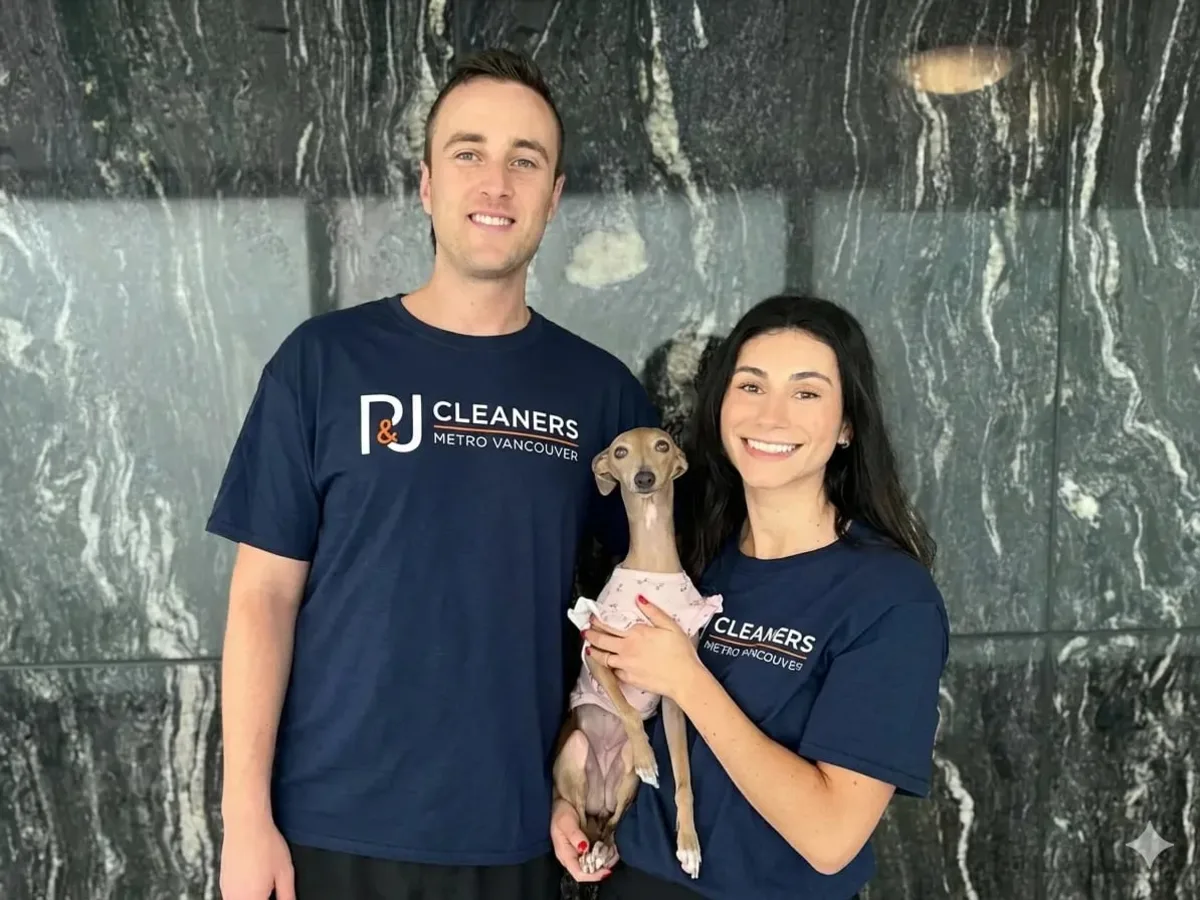
Meet the Author
Jason
Co-Founder
Jason oversees commercial operations, workflow design, and quality control for office, restaurant, and specialty cleaning programs across Metro Vancouver.
Keep Exploring