

Industry Overview
Quality Control Standards in Commercial Cleaning
Commercial cleaning quality control has evolved from subjective visual assessments to data-driven measurement systems that provide objective performance indicators. Facility managers now use standardized metrics to evaluate janitorial services, ensure regulatory compliance, and justify cleaning budgets to stakeholders. The shift toward quantifiable quality standards reflects growing expectations for workplace hygiene, particularly following increased health awareness in commercial environments. Modern quality control frameworks combine inspection protocols, digital tracking systems, and performance benchmarks that align with industry standards from organizations like ISSA and BOMA.
Effective quality metrics serve multiple purposes beyond simple performance evaluation. They identify training needs, optimize resource allocation, support contract negotiations, and demonstrate value to building occupants and ownership groups. Facility managers who implement comprehensive measurement systems report 25-40% improvement in cleaning consistency and 30% reduction in occupant complaints within the first year. These metrics also provide legal protection by documenting compliance with health regulations and contractual obligations. The Canadian commercial cleaning industry increasingly requires documented quality control as building certifications like LEED and BOMA BEST demand verifiable maintenance standards.
Quality control metrics must balance thoroughness with practicality, measuring outcomes that directly impact facility operations without creating excessive administrative burden. The most effective programs focus on seven core metric categories that together provide comprehensive performance visibility. These metrics work synergistically—high inspection scores with poor response times indicate inconsistent service delivery, while excellent task completion paired with excessive supply usage suggests inefficient processes. Facility managers should establish baseline measurements, set realistic improvement targets, and review metrics monthly to identify trends before they become systemic problems.
30-45%
Complaint Reduction
Source: ISSA Cleaning Industry Management Standard
6-12 months
Quality Improvement Timeline
Source: Building Owners and Managers Association
90%+
Inspection Score Target
Source: ISSA 612 Cleaning Times & Tasks
15-25%
Cost Savings from Metrics
Source: Facility Management Journal Canada
Compliance priorities
WorkSafeBC Occupational Health and Safety Regulation compliance for cleaning chemical handling and staff safety protocols • Health Canada guidelines for disinfection procedures in high-touch areas and washroom facilities • WHMIS 2015 requirements for hazardous material labelling, safety data sheets, and worker training documentation • Municipal waste management regulations for proper disposal of cleaning materials and recyclable content separation • Building code requirements for ventilation during cleaning operations and chemical storage in mechanical rooms • Accessibility standards ensuring cleaning schedules do not impede barrier-free access or create safety hazards
Core Quality Metrics and Implementation Guidelines
Implementing quality control metrics requires systematic measurement protocols, clear performance standards, and consistent evaluation processes across all facility areas.
Inspection Scoring Systems
Structured inspection protocols provide objective quality assessments using standardized checklists and weighted scoring criteria.
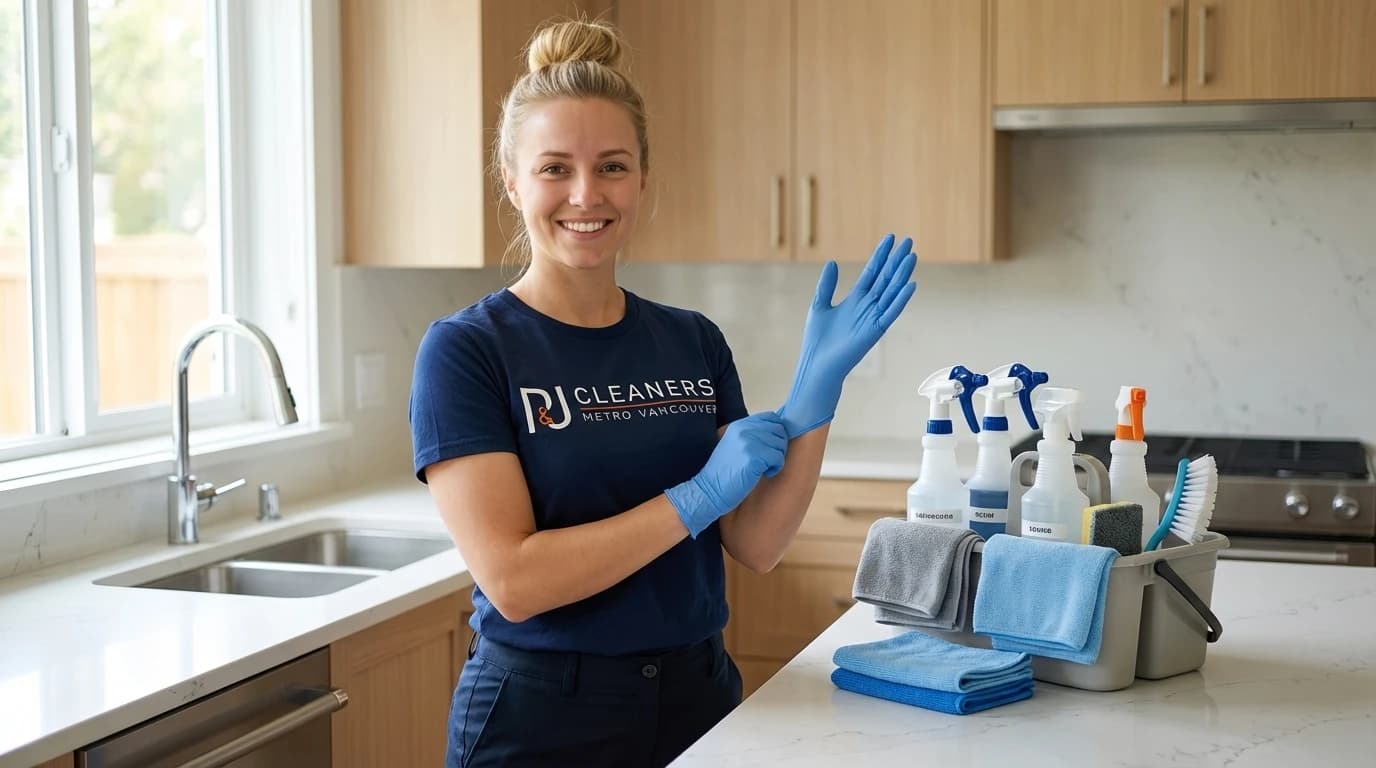
Inspection scoring systems form the foundation of quality control by translating subjective cleanliness observations into quantifiable data. Effective inspection protocols divide facilities into zones, assign point values to specific tasks, and calculate overall scores that reflect cleaning thoroughness. Facility managers typically conduct inspections weekly or bi-weekly, rotating through different areas to ensure comprehensive coverage. Digital inspection tools streamline data collection, automatically calculate scores, and generate trend reports that highlight performance patterns. Scores above 90% indicate excellent quality, 85-89% suggests acceptable performance with minor issues, while scores below 85% require immediate corrective action and additional training.
Inspection criteria should align with facility-specific priorities and occupant expectations. High-traffic areas like lobbies and washrooms warrant more frequent inspection and higher weighting in overall scores. Inspection checklists must include measurable criteria—"floors are clean" becomes "floors show no visible debris, stains, or streaks in 95% of inspected area." This specificity eliminates subjective interpretation and ensures consistent evaluation across different inspectors. Photographic documentation of deficiencies provides training material and creates accountability for correction. Facility managers should share inspection results with cleaning teams within 24 hours, allowing immediate response to identified issues before they compound.
- Conduct zone-based inspections covering 20-25% of facility area weekly to achieve full coverage monthly
- Use weighted scoring that assigns higher point values to critical areas like washrooms, kitchens, and building entrances
- Establish clear pass/fail thresholds with scores below 85% triggering mandatory follow-up inspections within 48 hours
- Document deficiencies with timestamped photos and specific location details for training and accountability purposes
- Rotate inspection schedules to cover different times and days, preventing predictable patterns that allow inconsistent performance
- Share inspection results with cleaning supervisors within 24 hours and require written corrective action plans for failing scores
Recommended Frequency
Weekly zone inspections with monthly comprehensive facility reviews
Task Completion Tracking
Daily task verification ensures all scheduled cleaning activities are completed according to frequency requirements and service specifications.
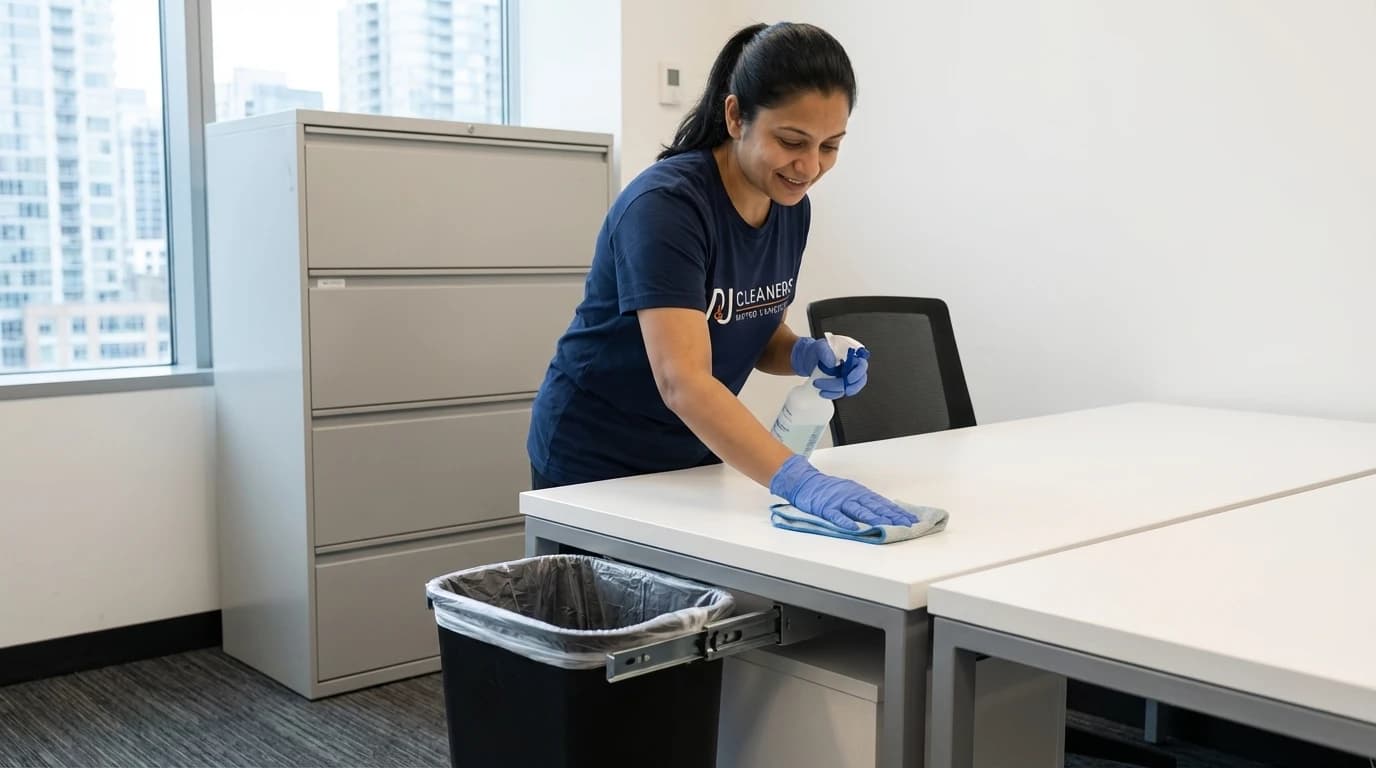
Task completion tracking monitors whether cleaning teams execute all scheduled activities within specified timeframes. This metric prevents service gaps that occur when teams skip tasks due to time pressure, staffing shortages, or unclear priorities. Digital tracking systems allow cleaners to check off completed tasks in real-time, creating timestamped records that facility managers review daily. Completion rates should consistently exceed 95% for daily tasks and 98% for weekly or monthly activities. Patterns of incomplete tasks indicate inadequate staffing, unrealistic work schedules, or insufficient training on task priorities. Facility managers must investigate completion rates below 90% immediately, as these gaps directly impact occupant satisfaction and facility hygiene.
Effective task tracking requires detailed work specifications that define exactly what constitutes task completion. "Clean washrooms" becomes a checklist of 15-20 specific activities including restocking supplies, sanitizing fixtures, mopping floors, and emptying waste receptacles. This granularity ensures consistent service delivery regardless of which team member performs the work. Task tracking also reveals time allocation issues—if teams consistently skip lower-priority tasks to complete critical activities, the work schedule needs adjustment. Facility managers should review completion data weekly, looking for patterns by area, shift, or team member that suggest systemic problems requiring operational changes rather than individual performance management.
- Implement digital task management systems that require real-time check-ins with GPS verification for mobile cleaning teams
- Define completion criteria for each task with specific, measurable outcomes that eliminate subjective interpretation
- Set completion rate targets at 95%+ for daily tasks and 98%+ for weekly/monthly activities across all facility zones
- Generate daily completion reports reviewed by supervisors before end of shift to address gaps immediately
- Track incomplete task patterns by area, time, and team member to identify systemic issues versus individual performance problems
- Adjust work schedules when completion rates fall below targets despite adequate effort, indicating unrealistic time allocations
Recommended Frequency
Daily tracking with weekly pattern analysis and monthly schedule optimization reviews
Response Time Measurement
Response time metrics track how quickly cleaning teams address urgent requests, spills, and unscheduled service needs throughout facilities.
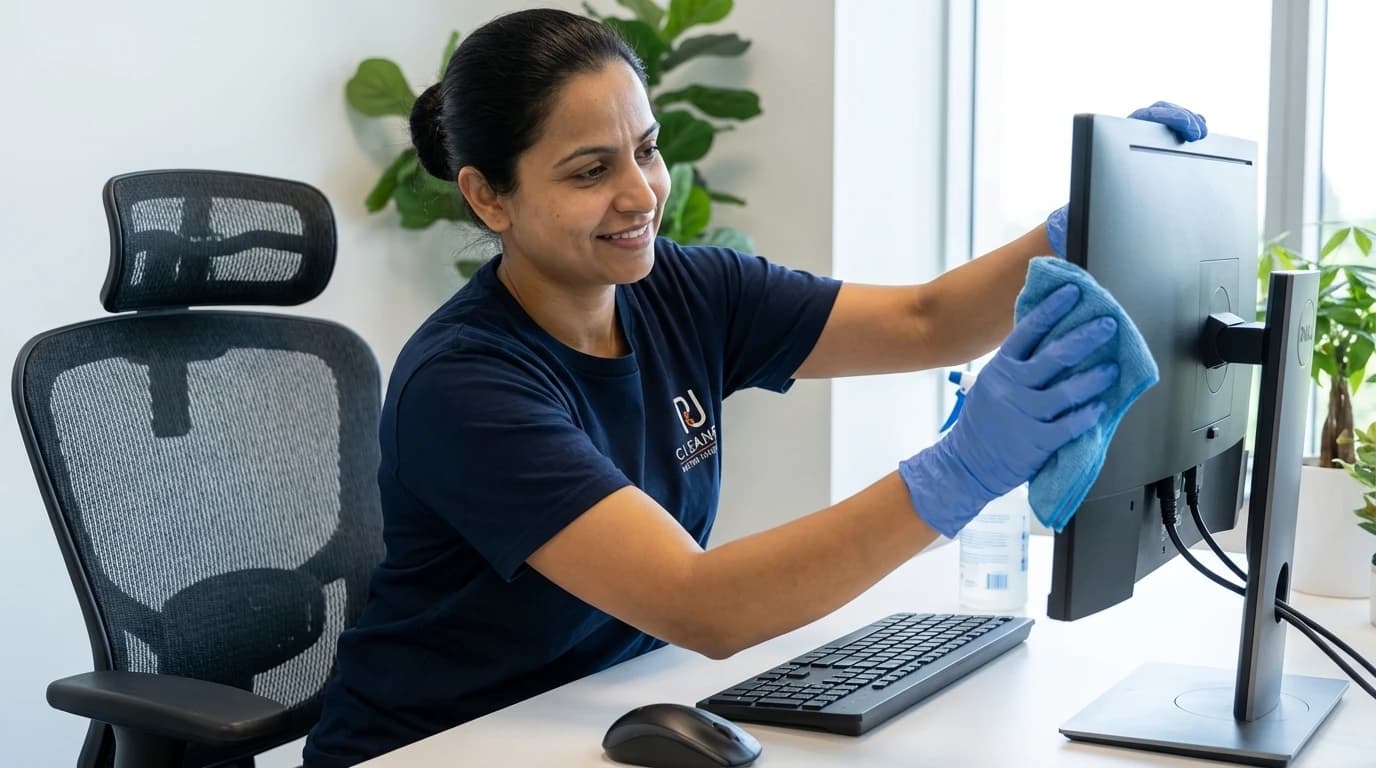
Response time measurement evaluates cleaning team agility in addressing urgent situations that fall outside regular schedules. Facility managers track the elapsed time between request submission and issue resolution, with industry standards requiring response within 2 hours for priority requests and 4 hours for routine issues. Fast response times prevent minor problems from escalating—a small spill addressed within 30 minutes avoids slip hazards and floor damage, while delayed response creates safety risks and potential liability. Digital work order systems automatically timestamp requests and completions, generating response time data without manual tracking. Facilities should maintain average response times under 90 minutes for urgent requests and under 3 hours for standard service calls.
Response time performance depends on adequate staffing, clear communication channels, and empowered cleaning teams authorized to address issues immediately. Facilities with dedicated day porters typically achieve 30-50% faster response times than those relying solely on scheduled cleaning shifts. Response time metrics also reveal communication bottlenecks—if requests sit unacknowledged for extended periods, the problem lies in notification systems rather than cleaning team performance. Facility managers should analyze response time data monthly, identifying patterns by request type, location, and time of day. Consistently slow response in specific areas may indicate insufficient coverage, while slow response to certain request types suggests training gaps or unclear protocols for handling those situations.
- Establish tiered response standards with priority requests requiring resolution within 2 hours and routine requests within 4 hours
- Implement digital work order systems with automatic timestamping and mobile notifications to cleaning team members
- Assign day porter coverage in high-traffic facilities to achieve response times 30-50% faster than shift-based models
- Track response time by request type, location, and time of day to identify coverage gaps and training needs
- Set escalation protocols that notify facility managers when requests remain unacknowledged for 30 minutes or unresolved for 3 hours
- Review response time data monthly with cleaning supervisors to optimize staffing schedules and communication workflows
Recommended Frequency
Real-time tracking with daily performance reviews and monthly trend analysis
Supply Usage Efficiency
Supply consumption metrics identify waste, optimize inventory management, and ensure cleaning teams use products according to manufacturer specifications.
Supply usage efficiency measures the relationship between cleaning product consumption and facility size, tracking whether teams use appropriate quantities of chemicals, paper products, and consumables. Facility managers establish baseline consumption rates per square foot or per occupant, then monitor monthly usage against these benchmarks. Excessive consumption indicates improper dilution ratios, wasteful application methods, or potential theft, while unusually low usage suggests teams are skipping tasks or using inadequate product quantities. Optimal efficiency ratios reduce costs by 15-20% annually compared to unmonitored consumption, while maintaining cleaning effectiveness through proper product application. Digital inventory systems track usage patterns automatically, alerting managers to significant deviations from established benchmarks.
Effective supply management requires training on proper dilution ratios, dispensing equipment that prevents overuse, and regular audits of storage areas. Many facilities waste 25-30% of cleaning chemicals through incorrect dilution—using full-strength products where diluted solutions would suffice, or mixing concentrations that exceed manufacturer recommendations. Automated dispensing systems eliminate dilution errors and reduce chemical waste by 40-50% compared to manual mixing. Supply usage data also reveals training needs—if specific teams consistently use more product than others for similar areas, they require additional instruction on efficient application techniques. Facility managers should review supply consumption monthly, investigating variances exceeding 10% from baseline rates to identify root causes and implement corrective measures.
- Establish baseline consumption rates per square foot for chemicals and per occupant for paper products based on facility type
- Install automated chemical dispensing systems that ensure proper dilution ratios and reduce waste by 40-50%
- Track monthly supply usage against baselines with variances exceeding 10% triggering investigation and corrective action
- Conduct quarterly supply audits comparing inventory records to actual consumption for high-value items and controlled substances
- Provide hands-on training in proper product application, dilution ratios, and equipment use to prevent waste from technique errors
- Analyze usage patterns by team and area to identify efficiency opportunities and training needs across cleaning operations
Recommended Frequency
Monthly consumption tracking with quarterly comprehensive audits and annual baseline reviews
Staff Productivity Metrics
Productivity measurement ensures cleaning teams complete assigned work within allocated time while maintaining quality standards and safety protocols.
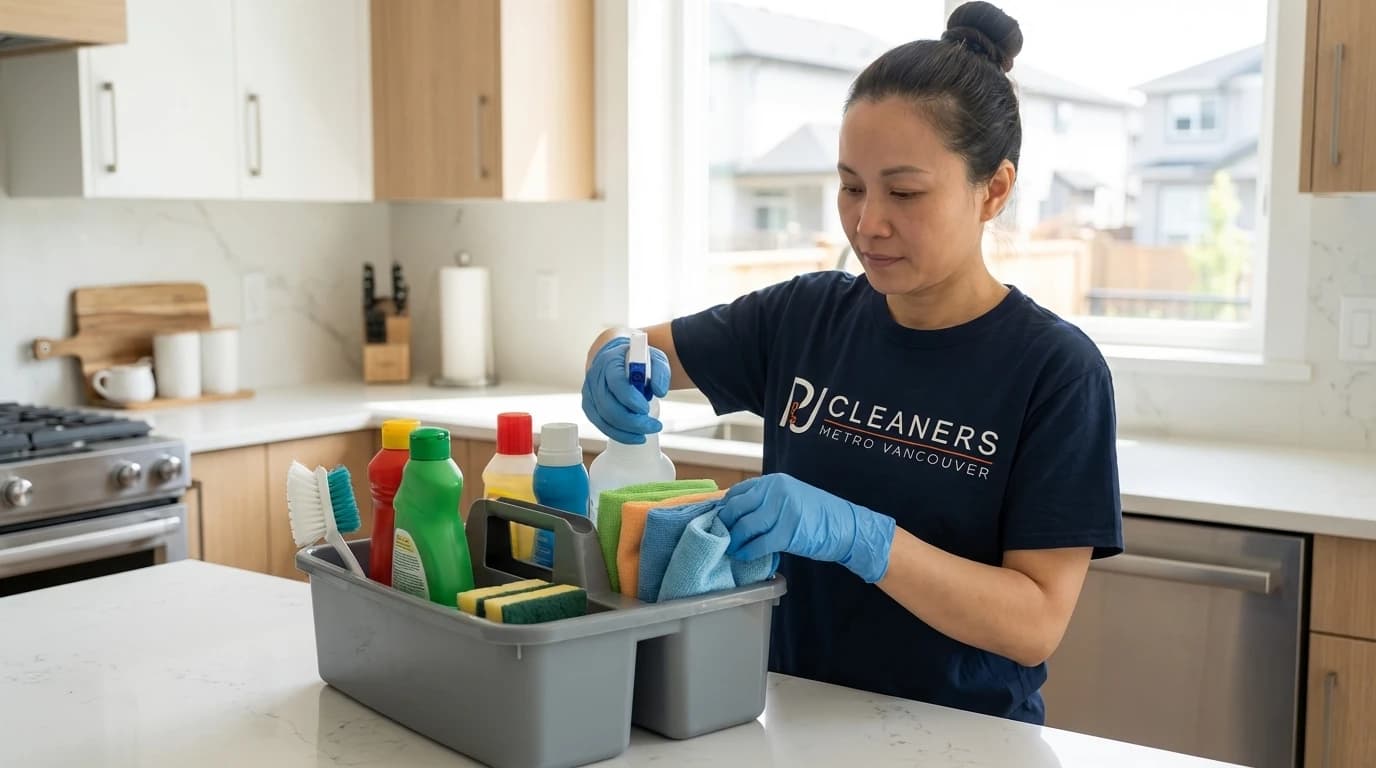
Staff productivity metrics evaluate whether cleaning teams accomplish expected work volumes within scheduled hours, balancing efficiency with quality maintenance. Facility managers use industry-standard cleaning times from ISSA guidelines to establish realistic productivity targets—for example, 3,000-4,000 square feet per hour for routine office cleaning or 600-800 square feet per hour for detailed washroom service. Productivity tracking identifies training needs, reveals scheduling inefficiencies, and ensures labour costs align with facility requirements. However, productivity must never compromise quality—teams that complete work 20% faster than standards while maintaining 90%+ inspection scores demonstrate excellent efficiency, while fast completion paired with declining quality indicates rushed work requiring schedule adjustment.
Productivity measurement requires accurate time tracking and clear work specifications that define expected outcomes. Digital time-tracking systems record actual hours worked in each area, allowing comparison against standard cleaning times for those spaces. Significant productivity variances warrant investigation—teams consistently exceeding standard times may need additional training or face obstacles like inadequate equipment, while teams finishing well under standard times might be skipping tasks or cutting corners. Facility managers should review productivity data monthly alongside quality metrics, looking for correlations between efficiency and inspection scores. The goal is optimized productivity that maintains quality standards, not maximum speed that sacrifices thoroughness. Facilities typically achieve best results when productivity targets allow 10-15% buffer time for unexpected issues and quality assurance.
- Use ISSA 612 Cleaning Times & Tasks standards to establish realistic productivity targets based on facility type and service level
- Implement digital time-tracking systems that record hours worked by area, enabling comparison against standard cleaning times
- Set productivity targets that include 10-15% buffer time for unexpected issues, quality checks, and proper safety protocols
- Review productivity data monthly alongside inspection scores to identify correlations between efficiency and quality outcomes
- Investigate productivity variances exceeding 20% from standards to determine root causes like training needs or equipment issues
- Recognize high-performing teams that maintain 90%+ quality scores while meeting or exceeding productivity targets
Recommended Frequency
Daily time tracking with monthly productivity analysis and quarterly standard time reviews
Customer Satisfaction Measurement
Occupant feedback provides direct quality assessment from facility users, revealing service gaps that inspection scores alone cannot identify.
Customer satisfaction metrics capture occupant perceptions of cleaning quality through surveys, feedback systems, and complaint tracking. While inspection scores measure technical compliance, satisfaction surveys reveal whether cleaning meets user expectations and addresses their priorities. Facility managers should conduct quarterly satisfaction surveys with response rates above 15% to ensure statistical validity. Survey questions should cover specific service aspects—washroom cleanliness, floor appearance, waste removal timeliness, and overall satisfaction—using 5-point scales that generate quantifiable data. Satisfaction scores above 4.0 indicate strong performance, 3.5-3.9 suggests acceptable service with improvement opportunities, while scores below 3.5 require immediate investigation and corrective action to prevent occupant dissatisfaction from escalating.
Effective satisfaction measurement combines quantitative surveys with qualitative feedback channels that capture specific concerns and suggestions. Digital feedback systems allow occupants to report issues immediately via mobile apps or QR codes posted in facility areas, creating real-time quality monitoring that supplements periodic surveys. Complaint tracking metrics include total complaints per month, complaint resolution time, and recurring complaint patterns that indicate systemic problems. Facility managers should analyze satisfaction data quarterly, comparing results across different facility areas and correlating satisfaction scores with inspection results. Discrepancies between high inspection scores and low satisfaction ratings suggest misalignment between cleaning priorities and occupant expectations, requiring service specification adjustments to address user needs more effectively.
- Conduct quarterly satisfaction surveys with targeted distribution to achieve 15%+ response rates for statistical validity
- Use 5-point rating scales for specific service aspects rather than single overall satisfaction questions
- Implement real-time feedback systems via mobile apps or QR codes that allow immediate issue reporting
- Track complaint metrics including total volume, resolution time, and recurring patterns indicating systemic problems
- Analyze satisfaction data quarterly, comparing results across facility areas and correlating with inspection scores
- Address satisfaction scores below 3.5 immediately with root cause analysis and corrective action plans
Recommended Frequency
Quarterly surveys with continuous real-time feedback monitoring and monthly complaint analysis
Return on Investment from Quality Control Systems
Comprehensive quality metrics generate measurable returns through reduced complaints, optimized labour costs, and extended asset lifecycles.
Implementing quality control metrics requires upfront investment in digital systems, training, and management time, but generates substantial returns through operational improvements and cost reductions. Facilities that adopt comprehensive measurement systems typically see 15-25% reduction in overall cleaning costs within 18 months through optimized staffing, reduced waste, and improved efficiency. Quality metrics also extend asset lifecycles by ensuring proper maintenance—floors maintained according to manufacturer specifications last 30-40% longer than those receiving inconsistent care, while properly maintained HVAC systems operate 20% more efficiently. These tangible benefits justify quality control investments, with most facilities achieving positive ROI within 12-15 months of implementation.
Beyond direct cost savings, quality metrics reduce liability risks and support regulatory compliance documentation. Facilities with documented quality control systems experience 40-50% fewer slip-and-fall incidents due to consistent floor maintenance and rapid spill response. Documented inspection records provide legal protection in liability claims, demonstrating reasonable care and systematic maintenance protocols. Quality metrics also support contract negotiations with cleaning service providers, establishing clear performance expectations and objective evaluation criteria that prevent disputes. Facility managers can use quality data to justify budget requests, demonstrating cleaning program value through quantifiable outcomes rather than subjective assessments.
The most significant ROI comes from improved occupant satisfaction and productivity. Research from the International Facility Management Association shows that workplace cleanliness directly impacts employee satisfaction, with clean facilities correlating to 5-8% higher productivity scores and 12-15% lower absenteeism rates. Quality metrics ensure consistent cleanliness that supports occupant wellbeing and organizational performance. Facilities with documented quality control also achieve higher tenant retention rates and can command premium lease rates, as prospective tenants increasingly prioritize building maintenance quality in location decisions. These indirect benefits often exceed direct cost savings, making quality control systems essential investments for competitive facility management.
Without Quality Metrics
- Reactive management responding to complaints after problems escalate
- Inconsistent cleaning quality varying by team, shift, and facility area
- 25-30% higher supply costs from waste and improper product usage
- Frequent occupant complaints requiring management time and relationship repair
- Difficulty justifying cleaning budgets without performance documentation
- Higher liability risks from inconsistent maintenance and delayed issue response
- Shorter asset lifecycles requiring premature replacement of floors and fixtures
- Contract disputes with service providers over subjective quality assessments
With Quality Metrics
- Proactive management identifying and addressing issues before complaints occur
- Consistent quality maintained through objective standards and regular monitoring
- 15-20% supply cost reduction through usage tracking and waste elimination
- Reduced complaints and higher satisfaction from systematic quality assurance
- Data-driven budget justification demonstrating cleaning program value and ROI
- Lower liability exposure through documented maintenance and rapid response protocols
- Extended asset lifecycles saving 30-40% on replacement costs over 10-year periods
- Clear contract performance criteria preventing disputes and supporting negotiations
15-25% within 18 months
Cost Reduction Timeline
12-15 months
Positive ROI Achievement
30-45%
Complaint Volume Decrease
15-20%
Supply Waste Reduction
30-40%
Asset Lifecycle Extension
40-50%
Slip-Fall Incident Reduction
- Objective performance data supporting contract negotiations and service provider evaluations
- Reduced management time spent addressing complaints and quality issues
- Improved occupant satisfaction scores and tenant retention rates
- Enhanced regulatory compliance documentation for health and safety audits
- Optimized staffing levels based on actual productivity data rather than estimates
- Extended equipment lifecycles through proper maintenance tracking and preventive care
- Lower insurance premiums from documented safety protocols and reduced incident rates
- Competitive advantage in tenant acquisition through demonstrable facility quality standards
Quality Control Compliance Checklist
Facility managers must ensure quality control systems meet regulatory requirements and industry standards for documentation, safety, and performance verification.
Services mentioned in this article
Ready for help?
4.9 · 850+ Google reviewsImplement Quality Metrics in Your Facility
P&J Cleaners uses data-driven quality control systems across 39 Metro Vancouver locations. Our inspection protocols and performance tracking ensure consistent results that meet your facility standards.
778-720-2224Common Questions About Cleaning Quality Metrics
What are office cleaning standards?
Office cleaning standards define measurable cleanliness levels across workspaces. ISSA's Cleaning Industry Management Standard (CIMS) establishes five appearance levels from Level 1 (orderly spotlessness) to Level 5 (unkempt neglect). Most Vancouver offices maintain Level 2 standards with 90-95% cleanliness scores. Standards cover surface cleanliness, waste removal frequency, restroom sanitation protocols, and floor maintenance schedules. WorkSafeBC requires employers to maintain sanitary conditions that prevent health hazards.
How often should office areas be cleaned?
High-traffic areas require daily cleaning including restrooms, kitchens, lobbies, and reception desks. Workstations need cleaning 2-3 times weekly depending on occupancy density. Conference rooms should be cleaned after each use or daily minimum. Floors require daily vacuuming in traffic zones and weekly deep cleaning. According to ISSA research, offices with 50+ employees need daily janitorial service to maintain acceptable hygiene standards. Seasonal deep cleaning occurs quarterly for carpets, windows, and hard-to-reach surfaces.
What compliance rules apply to office cleaning?
WorkSafeBC mandates sanitary workplace conditions under the Occupational Health and Safety Regulation. Facilities must provide clean washrooms, proper waste disposal, and hazard-free surfaces. Vancouver Coastal Health requires food preparation areas to meet FoodSafe standards. WHMIS 2015 governs chemical handling and labelling for cleaning products. Buildings over 600 square metres must comply with Vancouver Building Bylaw ventilation requirements. Janitorial staff need WHMIS certification and proper personal protective equipment. Documentation of cleaning schedules proves compliance during inspections.
How much does office cleaning cost?
Commercial office cleaning in Metro Vancouver costs $25-$45 per hour depending on service frequency and facility size. Monthly contracts for 5,000 square foot offices range from $800-$1,400 based on cleaning frequency. Daily service costs more per visit but reduces monthly rates through volume pricing. Specialized services like carpet cleaning add $0.15-$0.30 per square foot. According to ISSA benchmarks, cleaning costs represent 0.8-1.2% of total facility operating budgets. Larger facilities achieve economies of scale with rates dropping to $20-$30 per hour.
Meet the Author
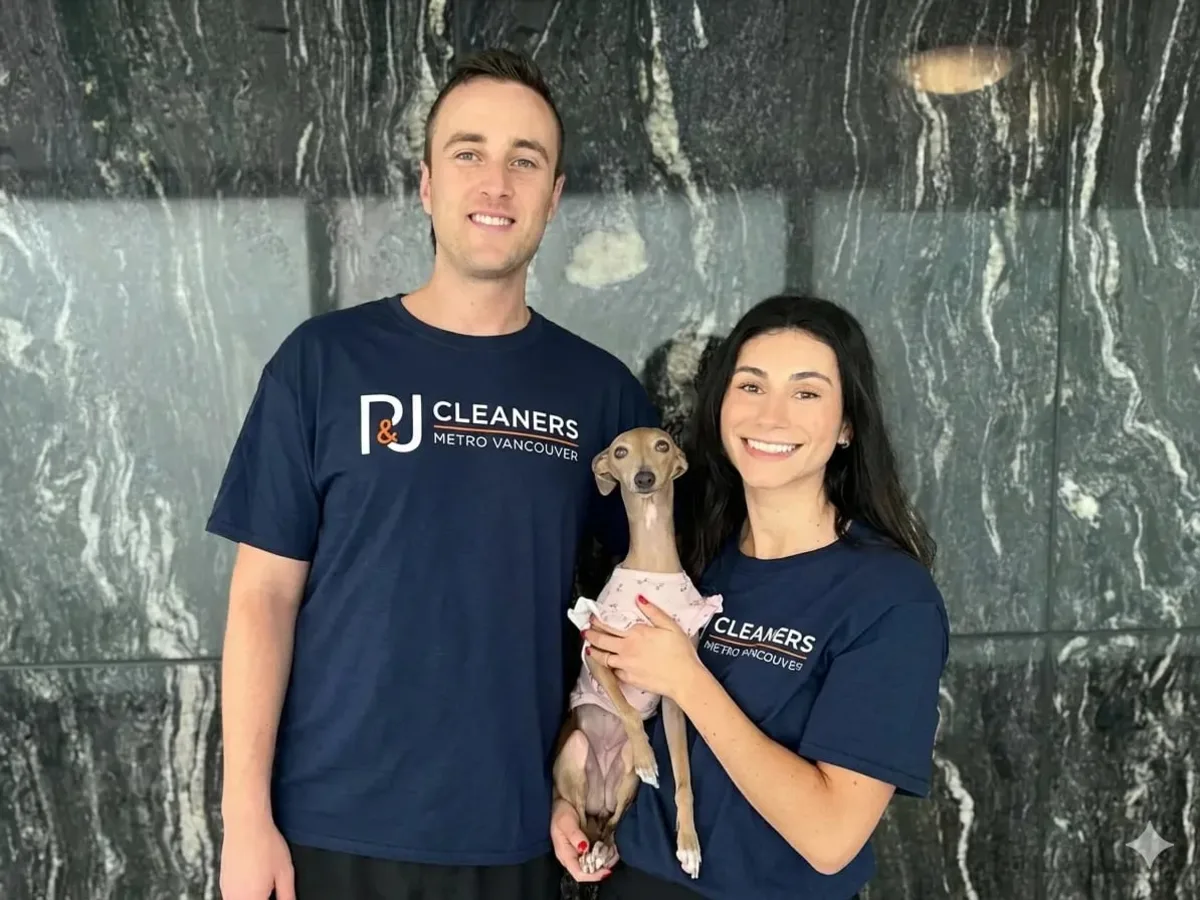
Jason
Co-Founder
Jason oversees commercial operations, workflow design, and quality control for office, restaurant, and specialty cleaning programs across Metro Vancouver.
Keep Exploring