

Industry Overview
BC Healthcare Cleaning Regulatory Framework
British Columbia healthcare facilities operate under stringent cleaning protocols established by WorkSafeBC, provincial health authorities, and Health Canada. These regulations mandate specific disinfection procedures, staff training requirements, and documentation standards that exceed general commercial cleaning expectations. Medical offices, dental clinics, physiotherapy centres, and diagnostic laboratories must maintain infection control protocols that protect both patients and staff from healthcare-associated infections.
The BC Centre for Disease Control reports that proper environmental cleaning reduces healthcare-associated infection rates by 30-40% in outpatient facilities. Metro Vancouver medical offices serving 2.7 million residents must balance patient throughput with rigorous cleaning schedules that address high-touch surfaces, examination rooms, and waiting areas. Compliance failures result in health authority citations, patient safety risks, and potential facility closures during outbreak investigations.
Healthcare cleaning standards in BC integrate federal Health Canada disinfectant approvals, provincial WorkSafeBC safety protocols, and local health authority infection prevention guidelines. Facilities must document cleaning frequencies, product usage, and staff training records for annual inspections. The regulatory framework addresses bloodborne pathogen exposure, aerosol transmission risks, and contaminated waste handling procedures that distinguish medical cleaning from standard commercial services.
30-40%
Healthcare-Associated Infection Reduction
Source: BC Centre for Disease Control
2.7 million
Metro Vancouver Medical Facility Population
Source: Statistics Canada
1,200+
WorkSafeBC Compliance Inspections Annually
Source: WorkSafeBC Annual Report
350+
Health Canada Approved Medical Disinfectants
Source: Health Canada Drug Product Database
Compliance priorities
Daily disinfection of high-touch surfaces using Health Canada DIN-approved products with documented contact times • Quarterly deep cleaning audits with ATP bioluminescence testing to verify surface cleanliness levels below 250 RLU • Staff training in bloodborne pathogen procedures following WorkSafeBC Occupational Health and Safety Regulation Part 5 • Documented cleaning logs maintained for 3 years showing date, time, products used, and staff signatures • Colour-coded microfibre systems preventing cross-contamination between patient care areas and administrative zones • Annual infection control protocol reviews with provincial health authority representatives and updated standard operating procedures
Zone-Specific Healthcare Cleaning Protocols
Medical facilities require differentiated cleaning approaches based on contamination risk levels and patient contact intensity. BC health authorities classify spaces into critical zones requiring enhanced protocols and general areas following standard procedures. Effective healthcare cleaning programmes implement zone-based strategies that allocate resources according to infection transmission risks while maintaining cost efficiency across the entire facility.
Examination and Treatment Rooms
Patient examination rooms demand the highest cleaning standards due to direct bodily fluid contact and invasive procedure risks.
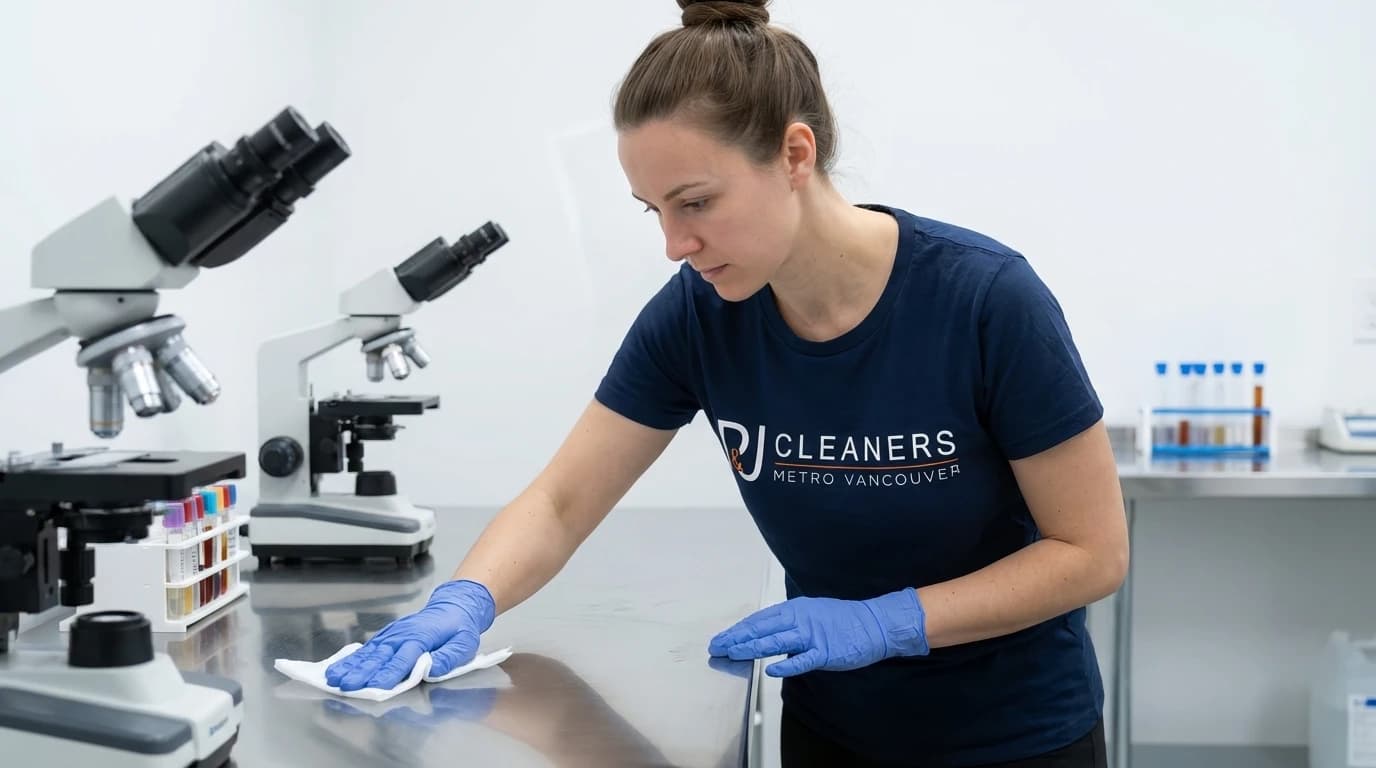
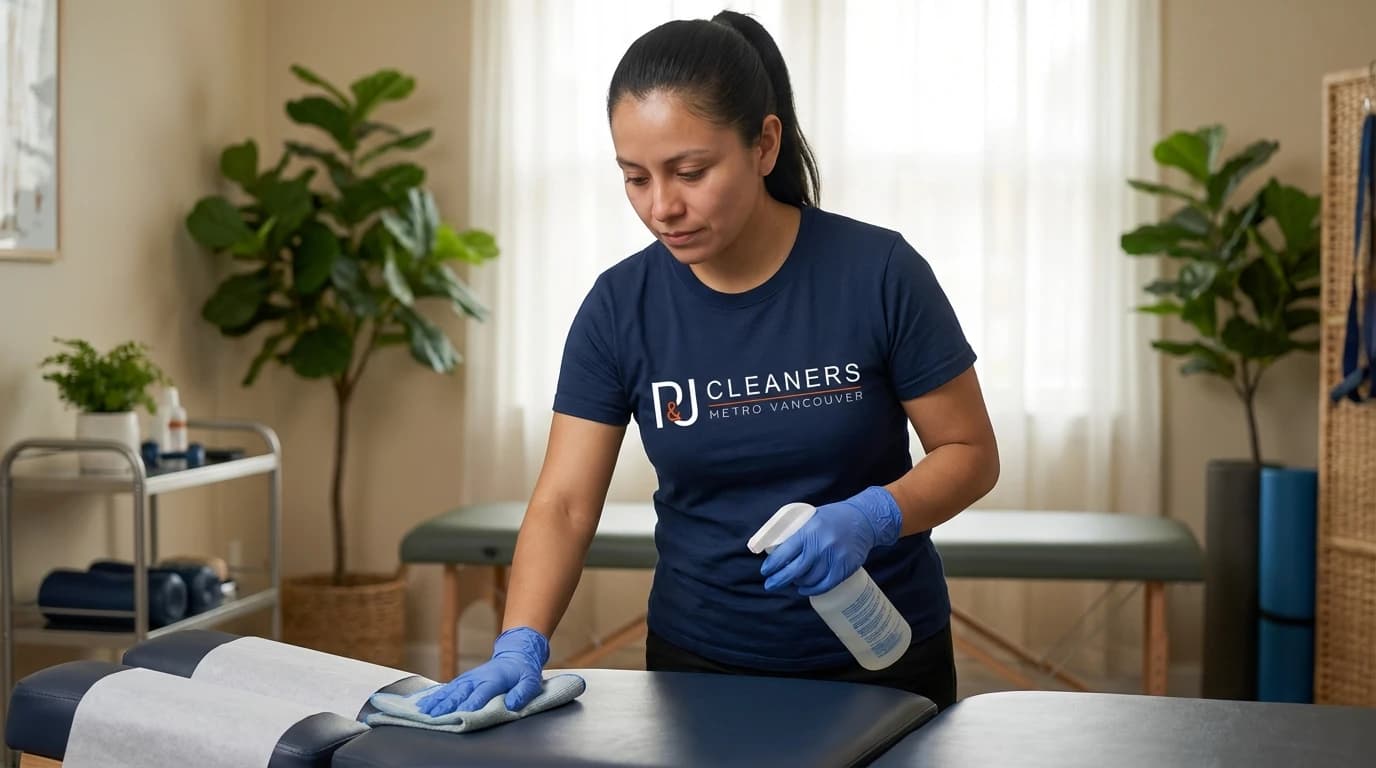
Examination tables, procedure chairs, and medical equipment surfaces require disinfection between every patient using Health Canada approved hospital-grade disinfectants. Staff must follow manufacturer-specified contact times, typically 3-10 minutes, ensuring complete pathogen elimination before surface drying. WorkSafeBC protocols mandate glove usage during all examination room cleaning to prevent bloodborne pathogen exposure from contaminated surfaces.
High-touch surfaces including door handles, light switches, countertops, and sink fixtures need disinfection after each patient appointment. Medical offices averaging 20-30 patients daily require 4-6 examination room cleaning cycles throughout operating hours. Facilities must document each cleaning event with timestamps and staff initials to demonstrate compliance during health authority inspections.
Floor cleaning in examination rooms uses hospital-grade disinfectants applied through microfibre mop systems that capture 99.7% of surface bacteria. Daily damp mopping removes visible contamination while weekly autoscrubbing with quaternary ammonium compounds addresses embedded pathogens in tile grout and floor seams. Carpeting is prohibited in examination rooms under BC health authority guidelines due to fluid absorption and pathogen harbourage risks.
- Disinfect examination tables and procedure chairs between every patient using 3-10 minute contact time products
- Clean high-touch surfaces after each appointment including door handles, light switches, and countertops
- Use colour-coded microfibre cloths (red for examination rooms) to prevent cross-contamination with other facility zones
- Document all cleaning events with timestamps and staff signatures in facility logbooks
- Replace examination table paper after every patient and dispose in designated medical waste containers
- Conduct ATP bioluminescence testing weekly on 5 high-touch surfaces to verify cleaning effectiveness below 250 RLU
Recommended Frequency
Between every patient appointment (4-6 times daily)
Waiting and Reception Areas
Patient waiting areas balance infection control with high-traffic volume and diverse surface materials requiring specialized cleaning approaches.
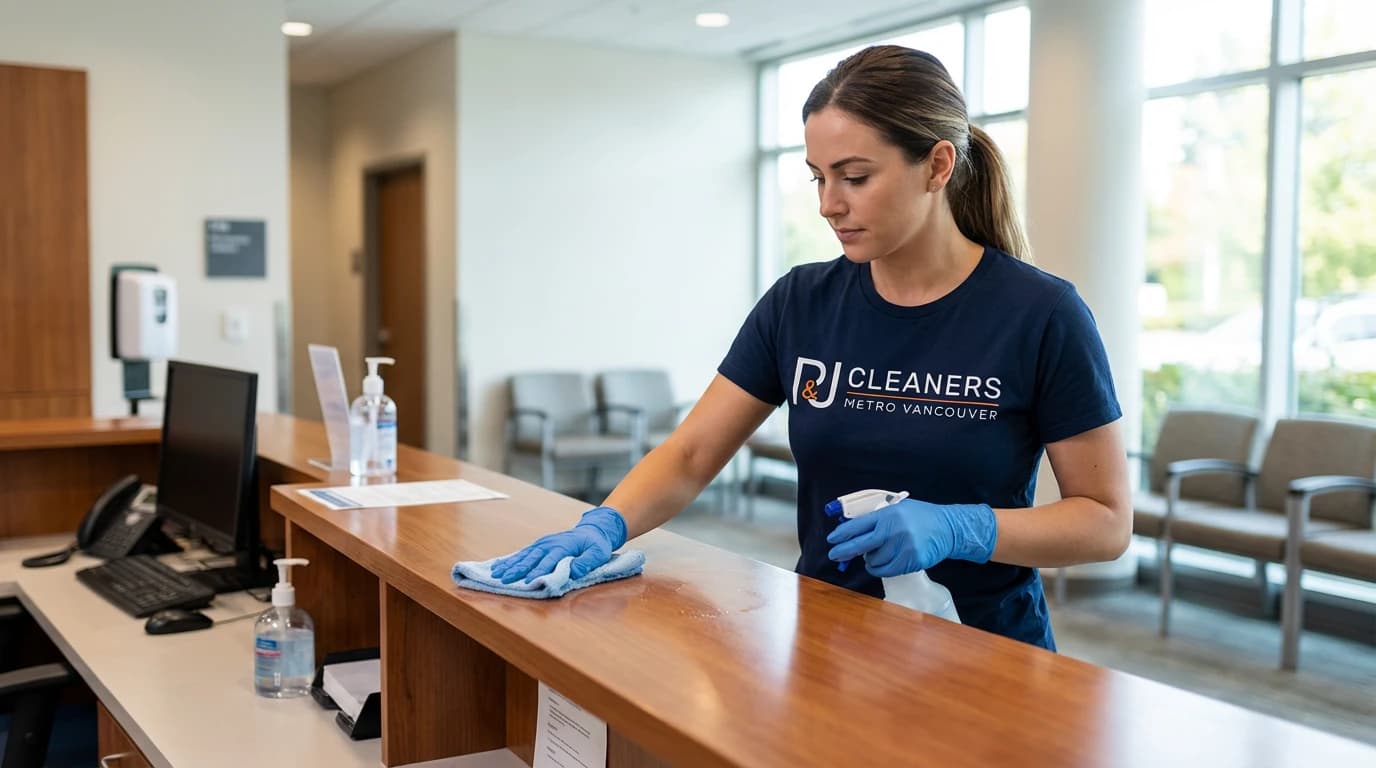
Reception desks, check-in counters, and payment terminals accumulate pathogens from hundreds of daily patient interactions. These surfaces require disinfection every 2-3 hours during operating hours using quaternary ammonium or hydrogen peroxide-based cleaners. Staff must avoid spray application near electronic equipment, instead using pre-moistened disinfectant wipes that prevent liquid damage to computers and card readers.
Waiting room seating, armrests, and side tables need disinfection 3-4 times daily during peak patient hours. Fabric upholstery requires antimicrobial spray treatments that dry within 10-15 minutes to maintain seating availability. Vinyl and leather surfaces tolerate more aggressive disinfectants but require conditioning treatments monthly to prevent cracking and material degradation that creates pathogen harbourage sites.
Magazine racks, children's play areas, and water dispensers present unique contamination challenges in medical waiting rooms. BC health authorities recommend removing shared reading materials and toys during flu season, replacing them with wipeable alternatives. Water cooler touch points need disinfection every 4 hours, while floor cleaning in waiting areas requires twice-daily vacuuming and damp mopping to address tracked-in contaminants from outdoor footwear.
- Disinfect reception desks and check-in counters every 2-3 hours using electronics-safe disinfectant wipes
- Clean waiting room seating and armrests 3-4 times daily with fabric-appropriate antimicrobial treatments
- Remove shared magazines and toys during flu season, replacing with wipeable alternatives
- Vacuum and damp mop waiting area floors twice daily to address high-traffic contamination
- Disinfect door handles, elevator buttons, and stairwell railings every 3 hours during operating hours
- Empty waste receptacles 4-6 times daily to prevent overflow and maintain professional appearance
Recommended Frequency
Every 2-3 hours during operating hours
Restrooms and Hygiene Facilities
Medical facility restrooms demand enhanced protocols beyond commercial standards due to immunocompromised patient populations and bodily fluid exposure risks.
Toilet seats, flush handles, and door locks require disinfection every 2 hours in medical facility restrooms serving patient populations. WorkSafeBC protocols mandate separate cleaning equipment for restrooms, preventing cross-contamination with patient care areas. Staff must use hospital-grade disinfectants with tuberculocidal claims, addressing airborne pathogen risks in enclosed restroom environments with limited ventilation.
Sink fixtures, soap dispensers, and paper towel holders accumulate hand-transferred pathogens from patients with active infections. These surfaces need disinfection every 3 hours using products that maintain effectiveness on wet surfaces. Automatic fixtures reduce contamination risks but require weekly deep cleaning to address mineral buildup and bacterial biofilm formation in sensor housings and dispenser mechanisms.
Floor cleaning in medical restrooms uses phenolic or quaternary ammonium disinfectants applied through dedicated mop systems. Daily cleaning addresses visible contamination while weekly grout scrubbing with enzymatic cleaners removes organic matter that harbours pathogens. Facilities must maintain restroom cleaning logs posted inside each facility, documenting hourly checks and disinfection events to demonstrate compliance during health authority inspections.
- Disinfect toilet seats, flush handles, and door locks every 2 hours using tuberculocidal disinfectants
- Clean sink fixtures and soap dispensers every 3 hours with products effective on wet surfaces
- Use dedicated restroom cleaning equipment with red-coded microfibre systems to prevent cross-contamination
- Scrub floor grout weekly with enzymatic cleaners to remove organic matter and bacterial biofilms
- Post hourly cleaning logs inside each restroom documenting staff checks and disinfection events
- Inspect and refill soap, paper towel, and toilet paper dispensers every 3 hours during operating hours
Recommended Frequency
Every 2-3 hours with deep cleaning daily
Laboratory and Diagnostic Areas
Medical laboratories require specialized cleaning protocols addressing chemical spills, biological hazards, and sensitive diagnostic equipment protection.
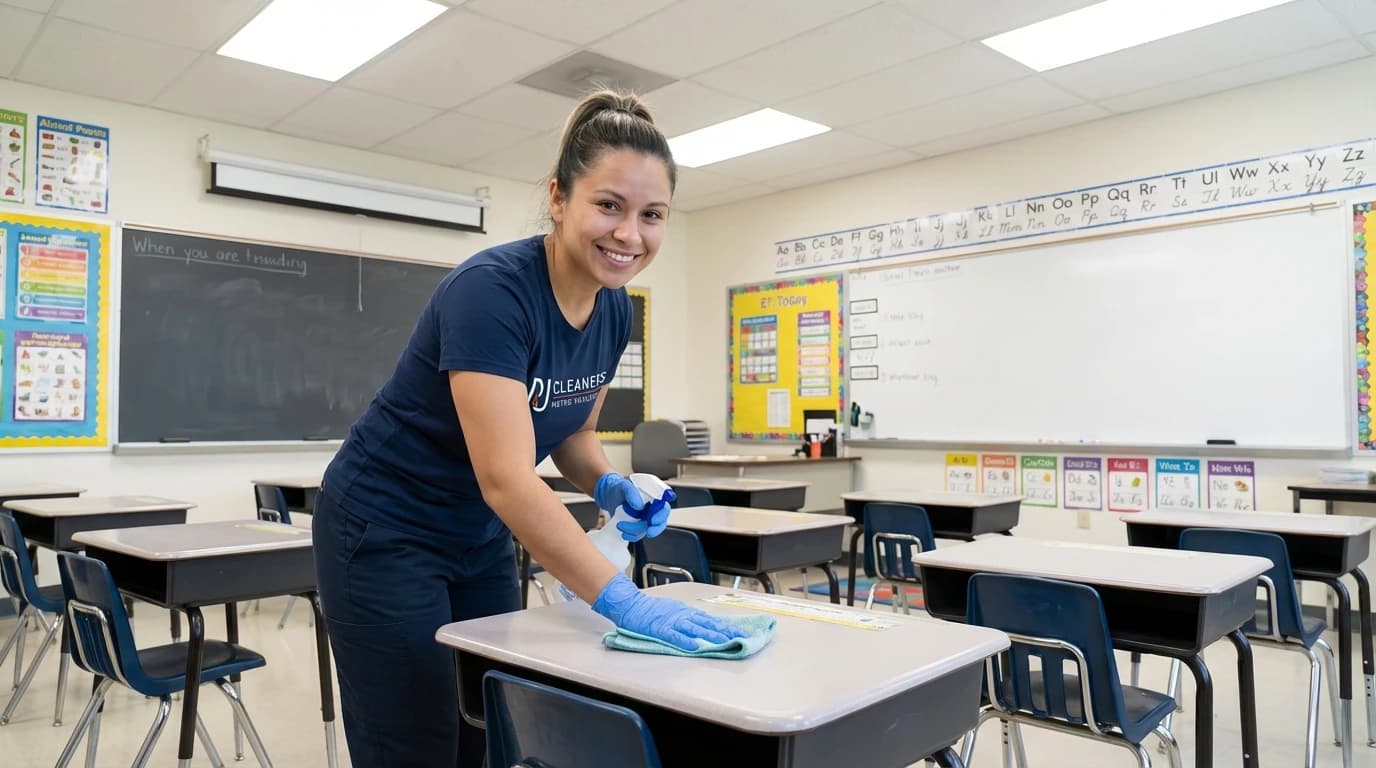
Laboratory countertops and work surfaces need disinfection after each specimen processing session using products compatible with diagnostic equipment. Alcohol-based disinfectants damage certain laboratory instruments, requiring facility-specific product selection based on equipment manufacturer recommendations. Staff must complete WorkSafeBC WHMIS training to safely handle laboratory chemicals and understand material safety data sheet requirements for cleaning product interactions.
Biological safety cabinets, centrifuges, and microscope stages require weekly deep cleaning following manufacturer protocols that maintain equipment warranties. Improper cleaning voids service agreements and creates calibration drift affecting diagnostic accuracy. Laboratory cleaning staff need specialized training in equipment shutdown procedures, ensuring instruments reach safe temperatures before surface contact with liquid disinfectants.
Floor cleaning in laboratory areas addresses chemical spills and biological contamination using pH-neutral disinfectants that prevent tile degradation. Daily damp mopping removes visible contamination while monthly floor stripping and resealing maintains slip-resistant surfaces required under WorkSafeBC fall prevention standards. Facilities must maintain spill response kits in laboratories, including absorbent materials and neutralizing agents for common chemical accidents.
- Disinfect laboratory countertops after each specimen processing session using equipment-compatible products
- Complete WorkSafeBC WHMIS training before handling laboratory chemicals and cleaning products
- Deep clean biological safety cabinets and diagnostic equipment weekly following manufacturer protocols
- Use pH-neutral disinfectants on laboratory floors to prevent tile degradation from chemical exposure
- Maintain spill response kits with absorbent materials and neutralizing agents in all laboratory areas
- Document equipment cleaning events in facility logbooks to maintain manufacturer warranty compliance
Recommended Frequency
After each use with weekly deep cleaning
Administrative and Staff Areas
Medical facility offices and staff rooms require standard commercial cleaning with enhanced protocols during flu season and outbreak situations.
Staff workstations, keyboards, and telephone handsets accumulate pathogens from healthcare workers moving between patient care and administrative duties. These surfaces need daily disinfection using electronics-safe products that prevent equipment damage. Shared office equipment including printers, copiers, and fax machines require disinfection of touch points twice daily during peak usage hours.
Staff break rooms and kitchenettes present cross-contamination risks when healthcare workers consume food after patient contact. Countertops, refrigerator handles, and microwave controls need disinfection 3-4 times daily using food-safe quaternary ammonium products. Facilities must provide separate handwashing sinks in break rooms, preventing staff from washing hands in food preparation sinks that spread pathogens to eating surfaces.
Administrative area floor cleaning uses standard commercial protocols with daily vacuuming and weekly damp mopping. Carpet cleaning in medical facility offices requires quarterly hot water extraction using antimicrobial treatments that prevent mould growth in humid coastal climates. Staff areas maintain lower cleaning frequencies than patient zones but require enhanced protocols during flu season when health authorities issue outbreak advisories.
- Disinfect staff workstations, keyboards, and phones daily using electronics-safe cleaning products
- Clean shared office equipment touch points twice daily including printers, copiers, and fax machines
- Disinfect break room surfaces 3-4 times daily using food-safe quaternary ammonium products
- Provide separate handwashing sinks in staff areas to prevent cross-contamination with food preparation
- Vacuum administrative area carpets daily and perform quarterly hot water extraction with antimicrobial treatments
- Enhance cleaning frequencies during flu season following provincial health authority outbreak advisories
Recommended Frequency
Daily with enhanced protocols during outbreaks
Healthcare Cleaning Investment and Compliance Costs
Professional healthcare cleaning services represent 2-4% of medical facility operating budgets but deliver measurable returns through reduced infection rates, improved patient satisfaction, and avoided regulatory penalties.
Metro Vancouver medical offices pay $45-$75 per hour for compliant healthcare cleaning services depending on facility size, contamination risk level, and documentation requirements. A 2,000 square foot medical clinic with 3 examination rooms typically invests $2,800-$4,200 monthly for daily cleaning and quarterly deep cleaning audits. Facilities requiring evening or weekend cleaning pay 15-25% premium rates to accommodate patient scheduling and minimize operational disruption.
In-house cleaning staff cost medical facilities $38,000-$52,000 annually per full-time employee including wages, benefits, training, and equipment. Professional cleaning services eliminate recruitment challenges, reduce liability exposure, and provide specialized expertise in infection control protocols. Facilities outsourcing cleaning reduce workers' compensation claims by 40-60% by transferring slip-and-fall risks and chemical exposure incidents to insured service providers.
Non-compliance penalties for inadequate healthcare cleaning range from $10,000-$50,000 per violation under provincial health authority enforcement actions. WorkSafeBC citations for improper bloodborne pathogen procedures carry $5,000-$25,000 fines plus mandatory corrective action plans. Professional cleaning services maintain compliance documentation, conduct staff training, and implement quality control systems that prevent costly regulatory violations and protect facility operating licences.
In-House Cleaning Staff
- Annual salary and benefits: $38,000-$52,000 per employee
- Equipment and supplies: $3,000-$5,000 annually
- Training and certification: $1,500-$2,500 per year
- Workers' compensation insurance: $2,000-$4,000 annually
- Recruitment and turnover costs: $5,000-$8,000 per hire
- Supervision and management time: 5-10 hours weekly
- Total annual cost (single employee): $49,500-$71,500
Professional Cleaning Service
- Monthly service fee (2,000 sq ft clinic): $2,800-$4,200
- Quarterly deep cleaning audits: $800-$1,200 per audit
- Annual compliance documentation: Included in service fee
- Staff training and certification: Included in service fee
- Equipment and supplies: Included in service fee
- Liability insurance coverage: Included in service fee
- Total annual cost: $36,800-$55,200
30-40%
Healthcare-Associated Infection Reduction
15-25%
Patient Satisfaction Score Improvement
40-60%
Workers' Compensation Claim Reduction
$10,000-$50,000
Regulatory Compliance Violation Avoidance
5-10 hours weekly
Staff Productivity Gain (reduced cleaning duties)
$12,700-$16,300
Annual Cost Savings vs In-House Staff
- Reduced healthcare-associated infection rates protecting immunocompromised patients and preventing outbreak-related facility closures
- Improved patient satisfaction scores through visible cleanliness standards that enhance facility reputation and referral rates
- Eliminated recruitment challenges and turnover costs associated with in-house cleaning staff in tight labour markets
- Transferred liability exposure for slip-and-fall incidents and chemical exposure claims to insured professional service providers
- Maintained regulatory compliance documentation preventing WorkSafeBC citations and health authority enforcement actions
- Freed medical staff from cleaning supervision duties allowing focus on patient care and revenue-generating clinical activities
- Accessed specialized expertise in infection control protocols and emerging pathogen threats without internal training investments
- Scaled cleaning services flexibly during flu season surges and outbreak situations without permanent staffing increases
BC Healthcare Facility Compliance Verification
Medical facilities must maintain documented evidence of cleaning protocols, staff training, and quality control measures to satisfy WorkSafeBC inspections and provincial health authority audits. This checklist addresses core compliance requirements across infection control, safety, and documentation standards.
Services mentioned in this article
Ready for help?
4.9 · 850+ Google reviewsNeed Compliant Healthcare Cleaning?
Our medical cleaning team is trained in BC health standards, WorkSafeBC protocols, and infection control. We provide documented compliance, hospital-grade disinfection, and 24/7 emergency response across Metro Vancouver.
778-720-2224Healthcare Cleaning Standards FAQ
What are medical cleaning standards?
Medical cleaning standards in BC are protocols set by WorkSafeBC, the BC Health Authority, and Health Canada that govern disinfection, sanitation, and infection control in healthcare facilities. These standards require hospital-grade disinfectants, specific contact times (typically 3-10 minutes), documented cleaning logs, and staff training in bloodborne pathogen handling. Facilities must follow the BC Infection Prevention and Control Manual and maintain compliance records for inspections.
How often should medical areas be cleaned?
High-traffic medical areas require daily cleaning, with examination rooms disinfected between each patient. Waiting rooms need cleaning twice daily during operating hours. Restrooms require cleaning every 2-4 hours in busy clinics. Surgical suites and procedure rooms need terminal cleaning after each use. Administrative areas can be cleaned 3-5 times weekly. The BC Health Authority recommends documenting all cleaning activities with time-stamped logs for compliance verification.
What compliance rules apply to medical cleaning?
BC medical facilities must comply with WorkSafeBC's Occupational Health and Safety Regulation, specifically sections on biohazard handling and infection control. Cleaners need WHMIS certification and bloodborne pathogen training. Facilities must use Health Canada-approved disinfectants with Drug Identification Numbers (DIN). The BC Health Authority requires written cleaning protocols, staff training records, and regular audits. Non-compliance can result in fines from $500 to $50,000 depending on severity.
How much does medical cleaning cost?
Medical office cleaning in Metro Vancouver costs $45-$75 per hour depending on facility size and compliance requirements. A 2,000 sq ft clinic typically pays $800-$1,200 monthly for daily service. Specialized services like terminal cleaning cost $150-$300 per room. Facilities requiring 24/7 availability or emergency response pay 15-25% premiums. Costs include hospital-grade disinfectants, compliance documentation, and trained staff with medical cleaning certifications.
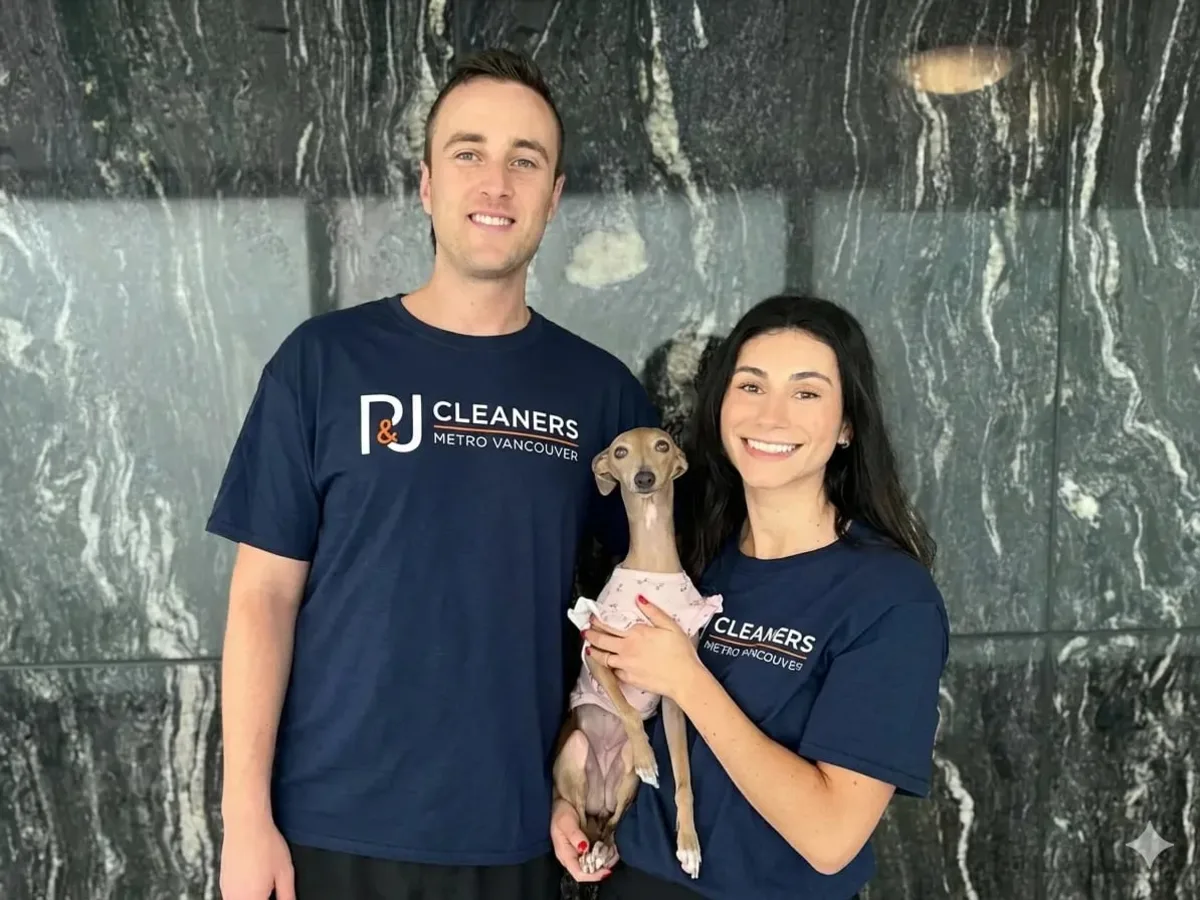
Meet the Author
Jason
Co-Founder
Jason oversees commercial operations, workflow design, and quality control for office, restaurant, and specialty cleaning programs across Metro Vancouver.
Keep Exploring