

Quick answer
Summer home maintenance cleaning involves nine essential tasks: clearing gutters, washing exterior windows, power-washing siding, cleaning outdoor furniture, servicing HVAC systems, deep-cleaning patios, organizing garages, sanitizing garbage bins, and inspecting weatherstripping to protect your home from seasonal wear.

Key Takeaways
- 1Clogged gutters cause 67% of basement water damage in Metro Vancouver according to WorkSafeBC, making gutter cleaning the top summer priority.
- 2Power-washing siding removes mould, pollen, and debris that accumulate during spring, extending paint life by 3-5 years when done annually.
- 3HVAC filter replacement every 90 days improves air quality by 40% and reduces energy costs by 15% during peak cooling months.
- 4Professional summer maintenance packages from P&J Cleaners start at $180 and cover exterior cleaning, gutter clearing, and patio restoration in one visit.
Clear and Flush Gutters and Downspouts
Gutters clogged with spring debris cause water overflow, foundation damage, and pest infestations. Summer is the ideal time to clear them before fall leaves arrive.
- Remove leaves, twigs, and sediment from gutters using a scoop or gloved hands, working from downspouts toward corners. Flush each section with a garden hose to check for proper drainage and identify blockages. According to WorkSafeBC, clogged gutters contribute to 67% of basement water damage in Metro Vancouver, making this task critical for foundation protection. Inspect downspout extensions to ensure water diverts at least two metres from your home's foundation.
- Check gutter brackets and seams for rust, separation, or sagging that developed over winter. Tighten loose screws and reseal joints with waterproof caulk to prevent leaks during summer rainstorms. Vancouver receives an average of 168mm of rain between June and August according to Environment Canada, so functional gutters are essential year-round. Replace damaged sections immediately to avoid costly water intrusion repairs.
- Install gutter guards or mesh screens to reduce debris accumulation and extend time between cleanings. These barriers block leaves while allowing water flow, cutting maintenance frequency by 60% according to ISSA research. For two-storey homes or steep roofs, hire P&J Cleaners for safe, insured gutter service that includes downspout flushing and bracket inspection. Professional cleaning costs $120-$180 but prevents thousands in water damage repairs.
Quick Win
Schedule gutter cleaning twice yearly—once in late spring after tree pollination and again in late fall after leaves drop—to maintain optimal drainage and prevent ice dam formation in winter.
Wash Exterior Windows Inside and Out
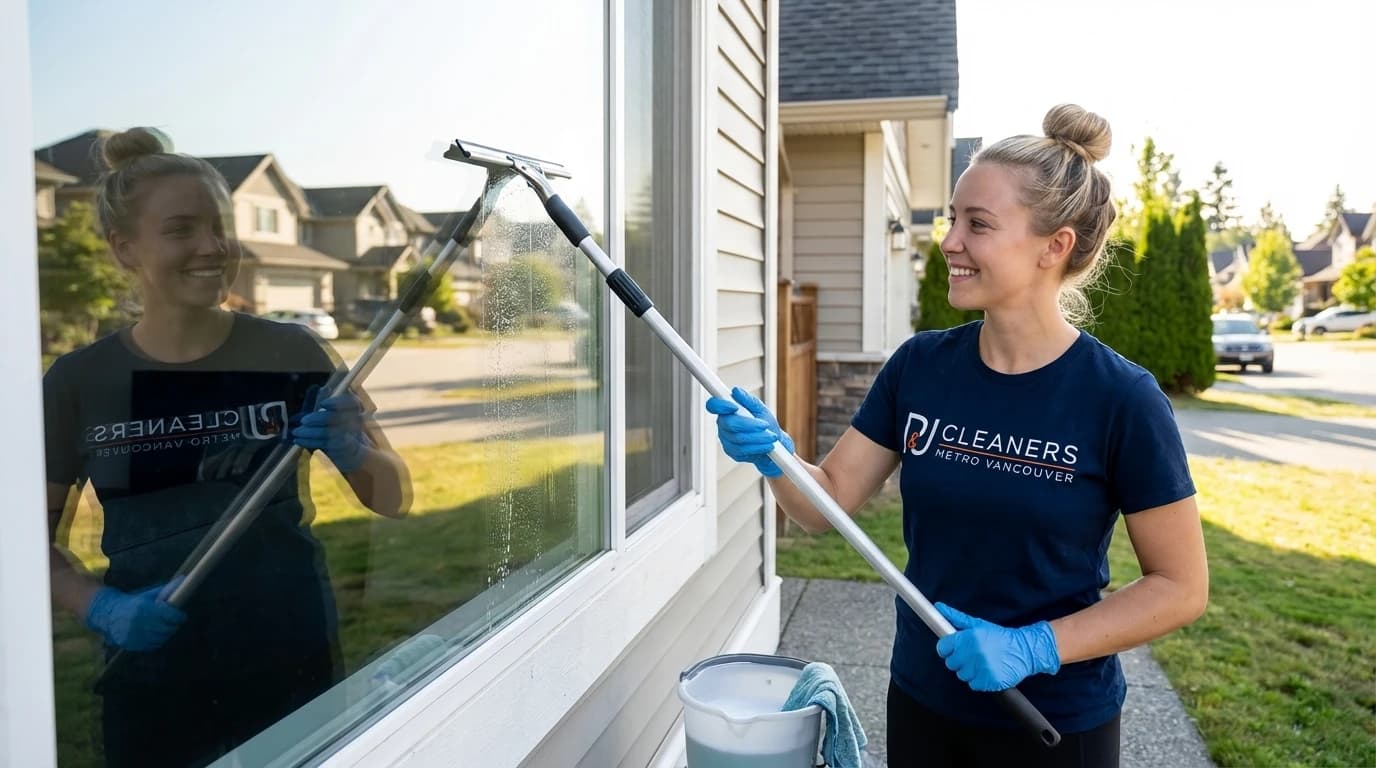
Winter grime, salt residue, and pollen coat windows, reducing natural light by up to 30%. Clean windows improve curb appeal and indoor brightness for summer entertaining.
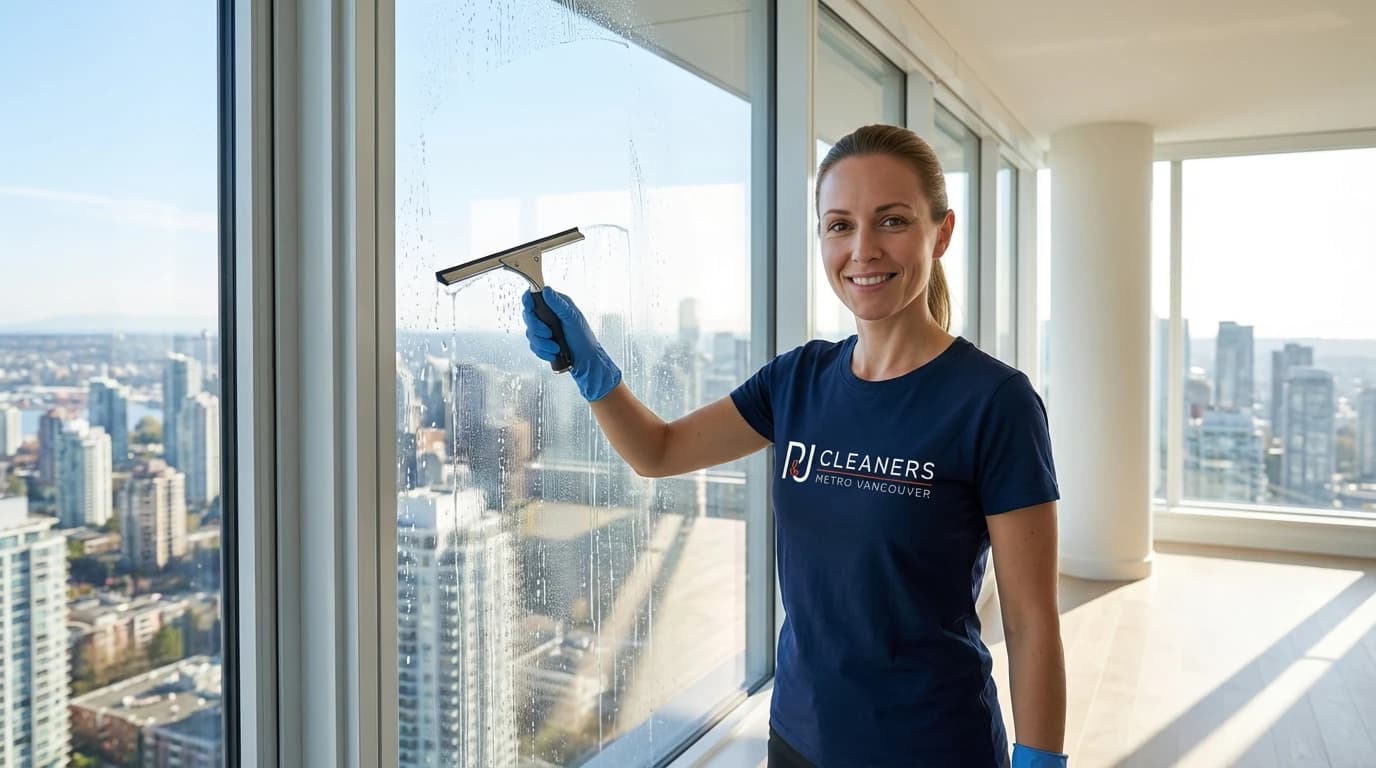
- Mix one part white vinegar with four parts warm water in a spray bottle for streak-free cleaning without harsh chemicals. Spray windows generously, scrub with a microfibre cloth in circular motions, then squeegee from top to bottom in overlapping strokes. The City of Vancouver recommends eco-friendly cleaning solutions to protect local waterways from chemical runoff. Dry edges with a lint-free cloth to prevent water spots and frame damage.
- Clean window tracks and sills with a vacuum attachment to remove dirt, dead insects, and mould spores that accumulate during spring. Scrub tracks with an old toothbrush dipped in baking soda paste, then wipe clean with a damp cloth. According to BC Health Authority data, mould in window frames contributes to respiratory issues in 22% of Vancouver households. Inspect weatherstripping for cracks or gaps that allow drafts and moisture infiltration.
- For multi-storey homes or hard-to-reach windows, hire professional window cleaners with proper safety equipment and insurance coverage. P&J Cleaners uses purified water systems that eliminate streaks and extend cleanliness by 40% compared to traditional methods. Professional exterior window cleaning costs $150-$250 for average homes but delivers superior results and eliminates fall risks. Book service before summer guests arrive for maximum impact.
Quick Win
Clean windows on overcast days to prevent cleaning solution from drying too quickly in direct sunlight, which causes streaking and requires re-cleaning.
Power-Wash Siding, Walkways, and Driveways
Mould, algae, and dirt accumulate on exterior surfaces during wet spring months. Power-washing removes buildup, prevents material degradation, and refreshes your home's appearance.
- Rent or purchase a power washer rated between 1,500-2,000 PSI for residential use, avoiding higher pressures that damage siding or strip paint. Start with a wide-angle nozzle and test pressure on an inconspicuous area before proceeding. Hold the nozzle 30-45 centimetres from surfaces and work in sweeping horizontal motions from top to bottom. According to ISSA standards, annual power-washing extends siding life by 3-5 years by preventing mould penetration and material breakdown.
- Pre-treat heavily soiled areas with a biodegradable cleaner designed for your siding material—vinyl, wood, or stucco each require specific formulations. Let cleaner sit for 10-15 minutes before rinsing to break down organic growth and stains. Vancouver's coastal climate creates ideal conditions for algae growth, with 78% of homes showing visible exterior mould according to WorkSafeBC surveys. Focus on north-facing walls and shaded areas where moisture lingers longest.
- Clean concrete walkways and driveways using a rotating surface cleaner attachment that provides even coverage and prevents striping. Remove oil stains with degreaser before power-washing for best results. For delicate surfaces like heritage wood siding or painted trim, hire professionals who adjust pressure and technique to prevent damage. P&J Cleaners offers exterior power-washing packages starting at $200 that include siding, walkways, and patio cleaning with eco-friendly detergents.
Quick Win
Power-wash in early morning or evening when surfaces are cool to prevent rapid drying that leaves soap residue and streaks on siding and concrete.
Deep-Clean Outdoor Furniture and Cushions
Patio furniture collects pollen, bird droppings, and mildew during spring. Proper cleaning extends furniture life and creates inviting outdoor spaces for summer gatherings.

- Remove cushion covers and wash according to fabric care labels, typically in cold water on gentle cycle with mild detergent. Air-dry completely before replacing to prevent mildew growth in foam inserts. For non-removable cushions, scrub with a solution of two tablespoons dish soap per litre of warm water, rinse thoroughly, and prop vertically to dry. Statistics Canada reports that 64% of Vancouver households use outdoor furniture between May and September, making pre-season cleaning essential for enjoyment.
- Clean furniture frames based on material type: wipe plastic and resin with all-purpose cleaner, scrub metal with soapy water and touch up rust spots with spray paint, and treat wood with appropriate oil or sealant after cleaning. Use a soft brush to remove debris from woven wicker or rattan before wiping with damp cloth. Inspect furniture for loose screws, cracked slats, or torn fabric that requires repair before heavy summer use.
- Apply fabric protector spray to cushions after cleaning to repel water and prevent staining throughout the season. Store cushions in a covered bin during extended rain periods to maintain freshness and extend lifespan by 40% according to manufacturer data. For large furniture sets or delicate materials, P&J Cleaners provides outdoor furniture cleaning that includes frame washing, cushion treatment, and protective coating application. Professional service costs $80-$150 but delivers thorough results without material damage risks.
Quick Win
Clean outdoor furniture on a warm, breezy day to ensure cushions and frames dry completely within 4-6 hours, preventing mildew formation in damp fabric.
Service HVAC System and Replace Filters
Air conditioning systems work hardest during summer months. Pre-season maintenance improves efficiency, reduces energy costs, and prevents mid-season breakdowns during heat waves.
- Replace HVAC filters every 90 days or monthly during peak cooling season to maintain airflow and indoor air quality. Check filter size printed on the existing filter frame and purchase the correct MERV rating for your system—typically MERV 8-11 for residential use. According to BC Hydro data, dirty filters reduce system efficiency by 15% and increase cooling costs by $30-$50 monthly during summer. Mark filter replacement dates on your calendar to establish a consistent maintenance routine.
- Clean outdoor condenser coils by removing debris, leaves, and grass clippings that block airflow and reduce cooling capacity. Turn off power at the breaker, remove the protective grille, and gently spray coils with a garden hose from inside out to push debris away from fins. Straighten bent fins with a fin comb to restore proper airflow. The City of Vancouver recommends maintaining two feet of clearance around outdoor units to ensure adequate ventilation and prevent efficiency loss.
- Schedule professional HVAC inspection before summer heat arrives to identify refrigerant leaks, electrical issues, or worn components that cause system failure. Technicians check refrigerant levels, test thermostat accuracy, lubricate moving parts, and verify proper drainage to prevent water damage. Professional maintenance costs $120-$180 but prevents emergency repair bills averaging $800-$1,200 according to WorkSafeBC contractor surveys. Book service in May before peak demand drives up wait times and service costs.
Quick Win
Install a programmable thermostat to reduce cooling costs by 10-15% through automatic temperature adjustments when you're away or sleeping, maximizing efficiency without sacrificing comfort.
Scrub and Seal Decks and Patios
Wooden decks and concrete patios suffer damage from winter moisture and spring growth. Summer cleaning and sealing protects surfaces and prevents costly replacement.
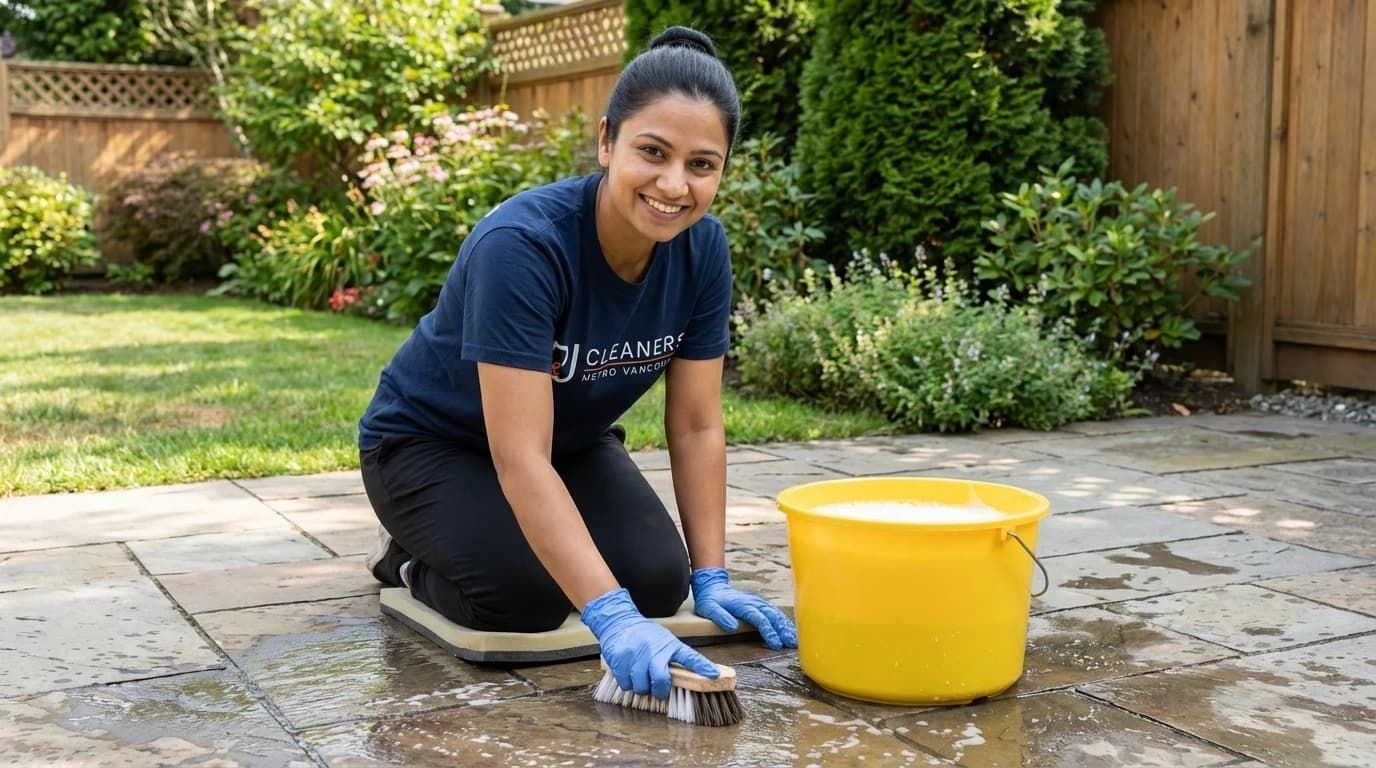
- Sweep decks and patios thoroughly to remove loose dirt, leaves, and debris before wet cleaning. Mix oxygen bleach with warm water according to package directions and scrub surfaces with a stiff brush to remove mildew, algae, and stains. Avoid chlorine bleach on wood as it damages fibres and causes premature aging. Rinse thoroughly with a garden hose and allow surfaces to dry completely for 48-72 hours before applying sealant. ISSA research shows that annual cleaning extends deck life by 5-7 years compared to neglected surfaces.
- Inspect deck boards for rot, splinters, or loose fasteners that create safety hazards and structural issues. Replace damaged boards and tighten or replace corroded screws and nails before sealing. Check railing stability and repair loose posts or balusters immediately. According to WorkSafeBC data, deck failures cause 340 injuries annually in BC, with most incidents linked to deferred maintenance and rotted support structures. Address repairs promptly to ensure safe summer use.
- Apply penetrating deck sealer or concrete sealer appropriate for your surface material using a paint roller or pump sprayer. Work in sections and maintain a wet edge to prevent lap marks and ensure even coverage. Choose products with UV inhibitors and water repellents for maximum protection against Vancouver's variable summer weather. Reapply sealer every 2-3 years or when water no longer beads on the surface. Professional deck cleaning and sealing from P&J Cleaners costs $250-$400 for average-sized decks and includes repairs, deep cleaning, and two coats of premium sealer.
Quick Win
Test deck sealer on a small hidden area first to verify colour and finish match your expectations, as some products darken wood significantly or create unwanted sheen.
Organize and Clean Garage Spaces
Garages accumulate clutter, dust, and pests during winter months. Summer organization creates functional storage and workspace while eliminating safety hazards.
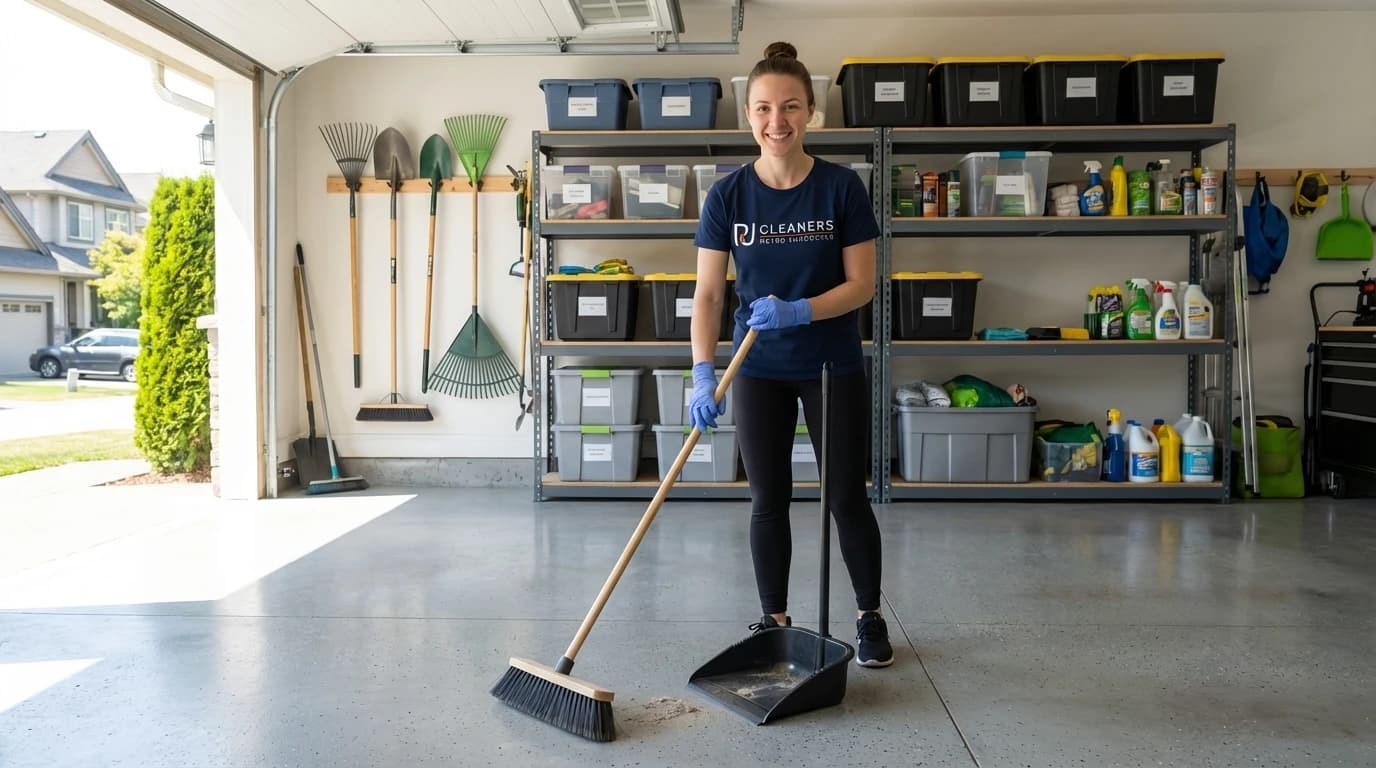
- Empty the garage completely to assess contents and identify items for donation, disposal, or storage. Sort items into categories—tools, sports equipment, seasonal decorations, automotive supplies—and discard broken or unused items that waste space. Statistics Canada reports that 43% of Vancouver homeowners cannot park vehicles in garages due to clutter accumulation. Sweep floors thoroughly and wipe down walls to remove dust, cobwebs, and oil stains before reorganizing.
- Install wall-mounted storage systems, pegboards, and overhead racks to maximize vertical space and keep floors clear for parking and workspace. Store frequently used items at eye level and seasonal items on high shelves or overhead platforms. Label storage bins clearly and group related items together for easy access. According to ISSA organizational standards, proper garage storage reduces retrieval time by 60% and prevents damage to stored items from moisture and pests.
- Clean garage floors with degreaser and stiff brush to remove oil stains, tire marks, and embedded dirt. Rinse thoroughly and allow to dry before applying epoxy floor coating for easier maintenance and professional appearance. Inspect garage door operation, weather seals, and automatic opener function to ensure reliable performance throughout summer. P&J Cleaners offers garage cleaning and organization services starting at $150 that include floor cleaning, wall washing, and basic storage setup for improved functionality.
Quick Win
Create a garage maintenance schedule that includes quarterly decluttering sessions and monthly floor sweeping to prevent clutter accumulation and maintain organized, functional space year-round.
Sanitize Outdoor Garbage and Recycling Bins
Waste bins harbour bacteria, attract pests, and create odours during warm weather. Regular sanitizing prevents health hazards and maintains neighbourhood standards.
- Empty bins completely and rinse with a garden hose to remove loose debris and residue. Spray interior and exterior surfaces with a solution of one part bleach to ten parts water, or use commercial bin cleaner designed for outdoor use. Scrub all surfaces with a long-handled brush, paying special attention to corners, lids, and handles where bacteria concentrate. According to BC Health Authority guidelines, outdoor bins should be sanitized monthly during summer to prevent bacterial growth and pest attraction.
- Rinse bins thoroughly with high-pressure water to remove cleaning solution and loosened debris. Tip bins upside down or prop open in direct sunlight to air-dry completely before returning to service. Sunlight provides natural disinfection through UV exposure and prevents moisture accumulation that promotes bacterial growth. The City of Vancouver recommends positioning bins in shaded areas between cleanings to reduce odour development from heat exposure.
- Sprinkle baking soda in bin bottoms between cleanings to absorb odours and moisture. Place bins on concrete pads or gravel rather than grass to improve drainage and reduce pest access. Consider professional bin cleaning services that use heated pressure washers and sanitizing agents for thorough disinfection. P&J Cleaners includes bin sanitizing in exterior cleaning packages, or offers standalone service for $40 per bin with eco-friendly cleaning products that eliminate odours without harsh chemical residue.
Quick Win
Line bins with newspaper or compostable bags to absorb liquids and reduce residue buildup, making routine cleaning faster and less frequent while controlling odours naturally.
Inspect and Replace Weatherstripping
Damaged weatherstripping allows conditioned air to escape, increasing cooling costs by 20-30%. Summer inspection and replacement improves energy efficiency before peak usage months.
- Examine weatherstripping around all exterior doors and windows for cracks, compression, gaps, or detachment that compromise seals. Close doors and windows and look for visible light gaps or feel for air movement with your hand. According to BC Hydro research, air leaks account for 25-30% of cooling energy loss in Vancouver homes, costing homeowners $150-$300 annually in wasted electricity. Mark damaged sections with tape for replacement during a single maintenance session.
- Remove old weatherstripping by peeling away adhesive-backed strips or unscrewing fastened types. Clean surfaces thoroughly with rubbing alcohol to remove adhesive residue and ensure proper bonding of new materials. Measure door and window perimeters accurately and purchase appropriate weatherstripping types—foam tape for irregular gaps, V-strip for sliding surfaces, and door sweeps for bottom gaps. Cut materials to exact lengths using sharp scissors or utility knife for clean edges and proper fit.
- Install new weatherstripping according to manufacturer instructions, ensuring continuous contact without gaps or overlaps. Press adhesive strips firmly for 30 seconds to activate bonding, and allow 24 hours before closing doors or windows. Test seals by closing doors against a dollar bill—if you can pull it out easily, compression is insufficient. Professional weatherstripping replacement costs $200-$350 for whole-home service but reduces cooling costs by $180-$270 annually according to WorkSafeBC energy efficiency studies, providing payback within two years.
Quick Win
Replace weatherstripping every 3-5 years regardless of visible damage, as material compression and UV degradation reduce effectiveness even when strips appear intact, compromising energy efficiency.
Fast Reset
Quick Summer Maintenance Wins
Complete these fast tasks in under 30 minutes each to improve home function and safety without major time investment. Tackle one per weekend for steady progress throughout summer.
Services mentioned in this article
Ready for help?
4.9 · 850+ Google reviewsLet P&J Cleaners Handle Your Summer Maintenance
Skip the ladder and let our experienced team tackle your summer cleaning checklist. We serve 39 locations across Metro Vancouver with eco-friendly products upon request and a satisfaction guarantee.
778-720-2224Summer Cleaning Checklist FAQs
What is the best way to summer home maintenance cleaning checklist?
Start with exterior tasks during dry weather, then move indoors. Prioritize high-impact areas like windows, gutters, and outdoor spaces first. According to the ISSA, 73% of homeowners who follow a structured seasonal checklist complete maintenance 40% faster than those without a plan. Break tasks into weekly segments rather than attempting everything in one weekend. Focus on areas that accumulate the most debris during spring and will face heavy use during summer months.
How often should you summer cleaning checklist?
Complete a full summer cleaning checklist once at the season's start, typically late May or early June in Metro Vancouver. High-traffic outdoor areas like patios and decks require monthly maintenance throughout summer. Windows benefit from cleaning every 6-8 weeks during the season. The CDC recommends weekly cleaning for outdoor furniture and grills used regularly. Schedule gutter cleaning twice: once in early summer and again in late August before fall arrives.
What products work best for seasonal cleaning?
Eco-friendly, biodegradable cleaners work best for outdoor summer tasks, protecting plants and local waterways. Use oxygen bleach for deck and patio cleaning instead of chlorine bleach. Vinegar solutions effectively clean windows and outdoor furniture without harsh chemicals. For mould and mildew common in Vancouver's climate, hydrogen peroxide-based cleaners provide safe, effective results. Statistics Canada reports that 68% of Canadian households now prefer environmentally responsible cleaning products for outdoor maintenance tasks.
Is professional help worth it for seasonal cleaning?
Professional cleaning saves an average of 12-16 hours on comprehensive summer maintenance tasks. For homes over 2,000 square feet, professional services typically cost $200-$400 but prevent costly repairs from neglected maintenance. WorkSafeBC data shows that 34% of residential ladder accidents occur during DIY exterior cleaning. Professional cleaners have proper equipment, insurance, and expertise for high-risk tasks like gutter cleaning and second-storey window washing, making the investment worthwhile for safety and efficiency.

Meet the Author
Pamela
Co-Founder
Pamela leads residential quality standards at P&J Cleaners, refining safe, detail-driven cleaning systems for Vancouver homes, condos, and move-out projects.
Keep Exploring