

Quick answer
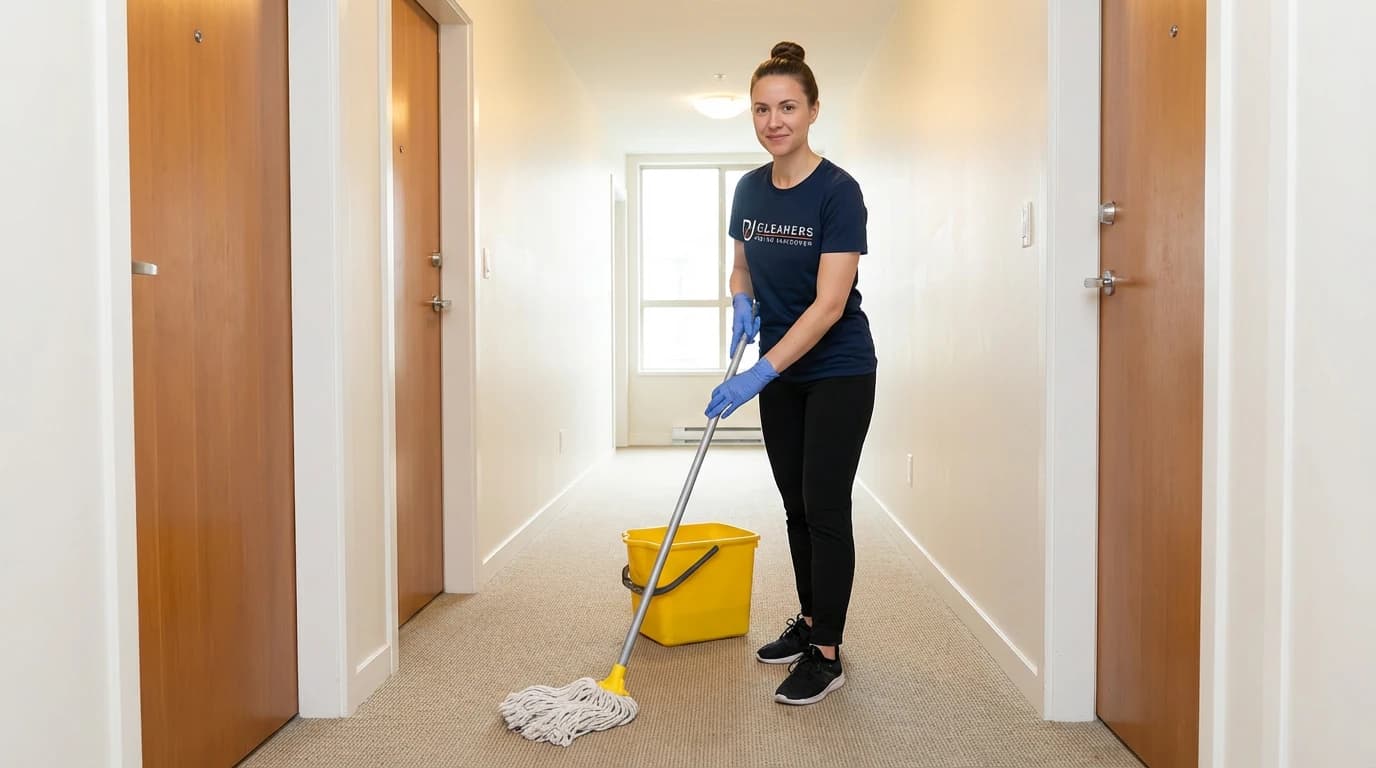
Strata cleaning in Metro Vancouver costs $40-$80 per hour depending on building size, frequency, and scope. Monthly contracts for a 50-unit building typically range from $800-$2,400, while larger complexes with amenities can exceed $4,000 monthly.

Key Takeaways
- 1Strata cleaning rates in Vancouver range from $40-$80/hour, with most buildings paying $1,200-$2,800 monthly for professional service contracts.
- 2Building size, cleaning frequency, and amenity complexity are the three primary factors that determine your total strata cleaning budget.
- 3Weekly cleaning schedules reduce costs by 15-25% compared to on-demand service while maintaining consistent hygiene standards throughout common areas.
- 4Proper budgeting allocates 8-12% of total strata fees toward cleaning and maintenance, according to BC strata management best practices.
Understanding Strata Cleaning Costs in Vancouver
Strata cleaning costs vary significantly based on building characteristics, service frequency, and the scope of work required for common areas.
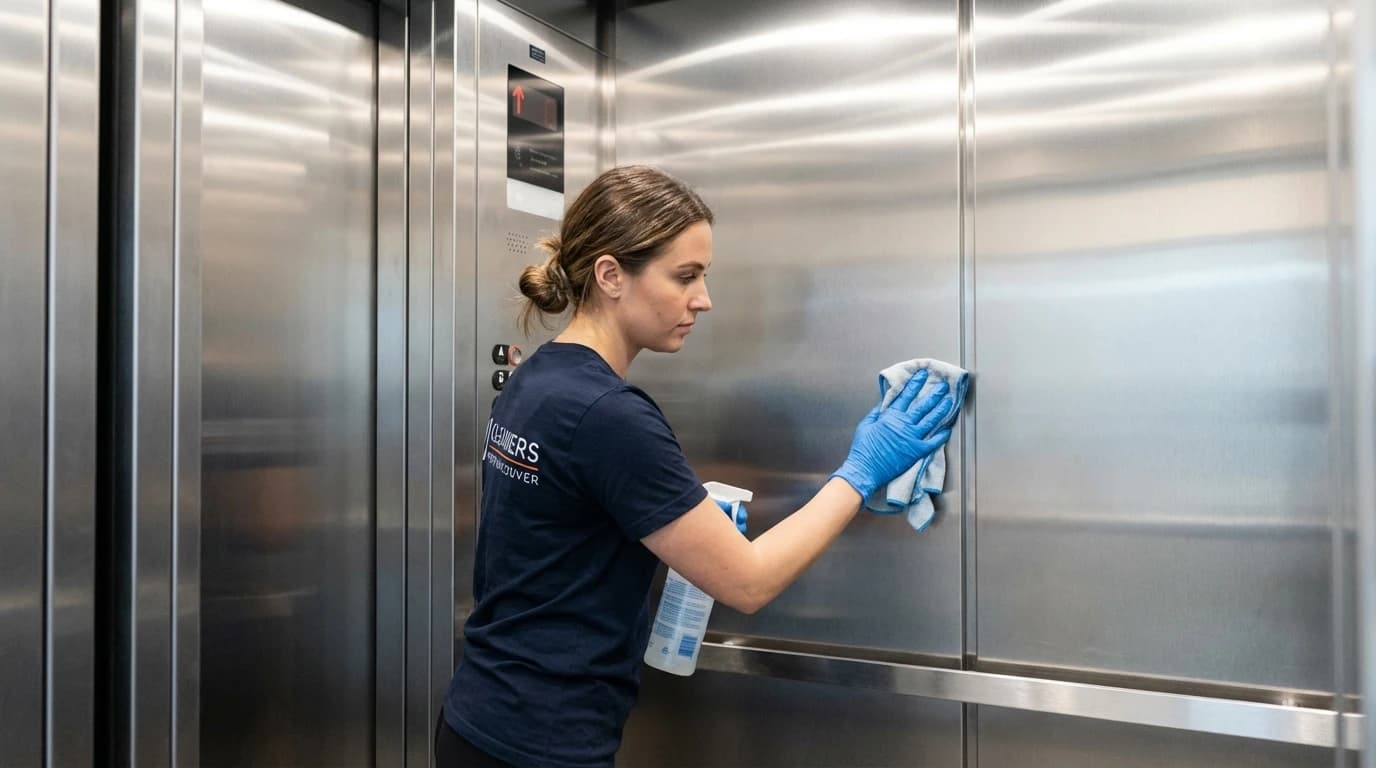
Strata cleaning encompasses all maintenance work performed in shared spaces of multi-unit residential buildings. This includes lobbies, hallways, elevators, parkades, amenity rooms, and exterior entrances. Professional cleaning companies charge based on square footage, frequency, and the complexity of surfaces and fixtures requiring attention. Vancouver's competitive market offers various pricing models to accommodate different building budgets and maintenance standards.
The average 30-50 unit strata building in Metro Vancouver pays between $1,200 and $2,400 monthly for comprehensive cleaning services. Smaller buildings under 20 units typically spend $800-$1,500 monthly, while larger complexes with 100+ units and extensive amenities can exceed $4,000 per month. These figures reflect weekly cleaning schedules with periodic deep cleaning sessions. Buildings requiring daily service or managing high-traffic commercial components face proportionally higher costs.
Hourly rates for professional strata cleaning range from $40-$80 depending on the service provider's experience, insurance coverage, and equipment quality. Entry-level services charge $40-$50 per hour but may lack proper bonding or use substandard cleaning products. Mid-tier providers at $55-$65 per hour offer reliable service with eco-friendly products and proper insurance. Premium services charging $70-$80 per hour typically include specialized equipment, green cleaning certifications, and comprehensive liability coverage that protects strata corporations.
- Small buildings (under 20 units): $800-$1,500 monthly for weekly service
- Medium buildings (30-50 units): $1,200-$2,400 monthly with standard amenities
- Large buildings (100+ units): $3,500-$6,000 monthly with extensive common areas
- Hourly rates: $40-$50 (basic), $55-$65 (standard), $70-$80 (premium service)
- Deep cleaning surcharges: $200-$500 per session for quarterly intensive maintenance
Pro Tip
Request itemized quotes that break down costs by area and task. This transparency helps councils identify where budget adjustments can be made without compromising essential cleaning standards.
Related resources
5 Factors That Affect Strata Cleaning Prices
Multiple variables influence the final cost of strata cleaning services, from building architecture to the frequency of scheduled maintenance visits.
Building size represents the most significant cost factor in strata cleaning contracts. Cleaners calculate square footage for all common areas including hallways, lobbies, stairwells, parkades, and amenity spaces. A building with 15,000 square feet of common area requires substantially more labour hours than one with 5,000 square feet. Complex layouts with multiple levels, wings, or towers increase travel time between zones, reducing efficiency and raising labour costs proportionally.
Cleaning frequency directly impacts monthly expenses and per-visit pricing. Weekly service typically costs 15-25% less per visit than bi-weekly schedules because cleaners maintain consistent conditions rather than addressing accumulated dirt and grime. Daily cleaning, common in luxury buildings or high-traffic commercial stratas, commands premium rates but prevents deep-seated staining and extends the lifespan of flooring and fixtures. According to the International Sanitary Supply Association, consistent weekly maintenance reduces annual deep cleaning costs by up to 40%.
Surface types and finishes throughout common areas significantly affect cleaning complexity and cost. Marble or granite lobbies require specialized pH-neutral products and techniques that prevent etching or dulling. Carpeted hallways need regular vacuuming plus periodic steam cleaning, while hardwood or luxury vinyl demands specific maintenance protocols. Buildings with extensive glass features, such as floor-to-ceiling windows or glass railings, require additional time and streak-free cleaning solutions that increase service costs by 10-20%.
Amenity spaces add substantial complexity to cleaning contracts. Fitness centres require equipment sanitization and specialized floor care. Party rooms need post-event cleaning with flexible scheduling. Swimming pools and hot tubs demand certified technicians familiar with chemical handling and safety protocols. Buildings with multiple amenity types typically pay 30-50% more than those with basic common areas only. Each amenity requires specific products, equipment, and trained personnel, justifying the premium pricing structure.
- Square footage: Larger buildings pay proportionally more, with costs scaling at $0.08-$0.15 per square foot monthly
- Frequency: Weekly service offers 15-25% savings per visit compared to bi-weekly or monthly schedules
- Surface complexity: Specialized materials like marble or hardwood increase costs by 10-20% over standard finishes
- Amenity count: Each additional amenity space adds $150-$400 monthly to base cleaning contracts
- Access challenges: Buildings with limited service elevator access or parking restrictions face 5-10% surcharges
Pro Tip
Consolidate cleaning schedules across all common areas to maximize efficiency. Cleaners can offer volume discounts when servicing multiple zones during single visits rather than making separate trips for different areas.
Typical Strata Cleaning Schedules and Frequency
Establishing appropriate cleaning frequencies balances hygiene standards with budget constraints while meeting resident expectations for common area maintenance.
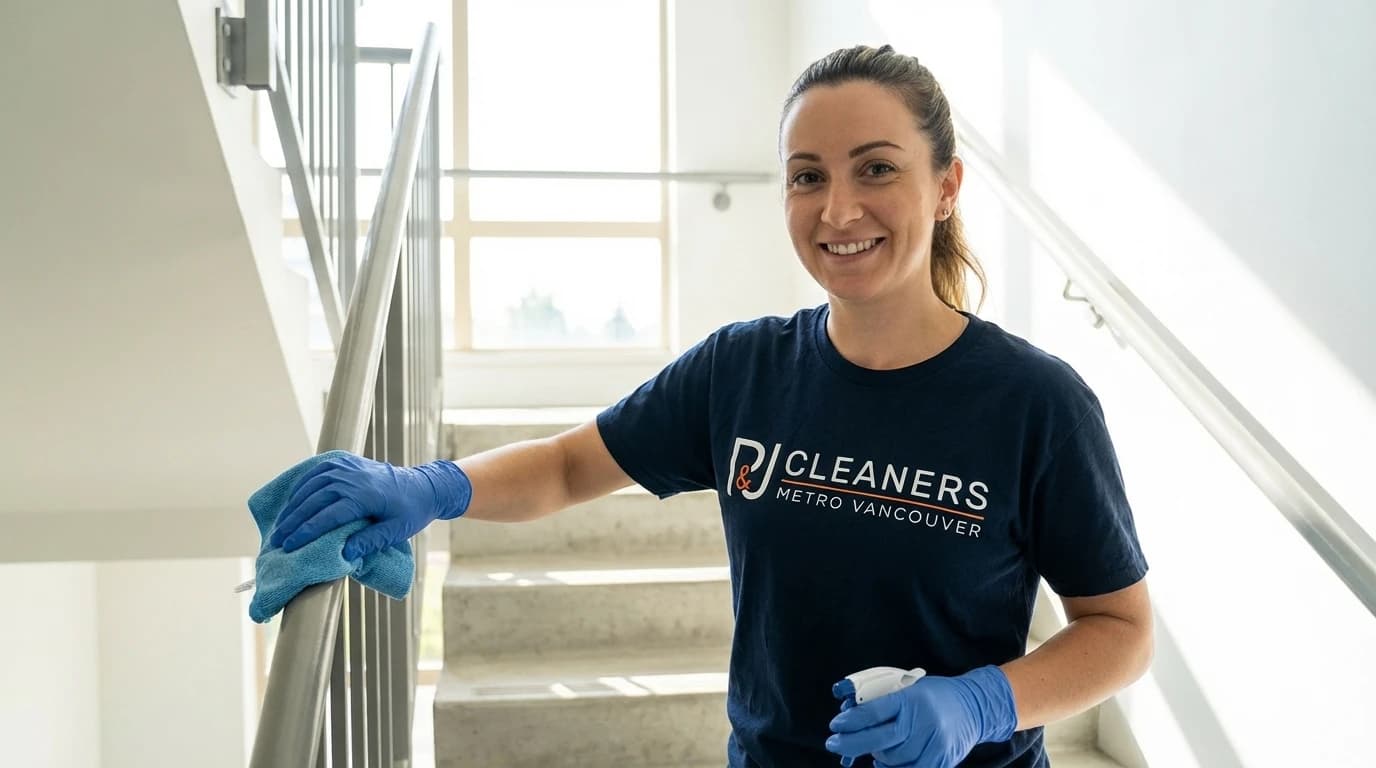
Weekly cleaning schedules represent the industry standard for most residential strata buildings in Metro Vancouver. This frequency maintains acceptable hygiene levels in lobbies, hallways, and elevators without excessive cost. Weekly service includes vacuuming or mopping all hard surfaces, wiping down handrails and door handles, cleaning elevator interiors, and removing visible debris from common areas. Buildings with moderate foot traffic and standard amenities find weekly schedules sufficient to meet resident expectations and maintain property value.
High-traffic buildings or those with extensive amenities often require bi-weekly or daily service for specific zones. Luxury condominiums with concierge services, fitness centres, and party rooms typically schedule daily lobby and elevator cleaning with comprehensive weekly service for other areas. This tiered approach concentrates resources where they deliver maximum impact. According to WorkSafeBC guidelines, high-touch surfaces in multi-unit buildings should receive daily sanitization to reduce pathogen transmission, particularly during flu season or public health concerns.
Quarterly deep cleaning supplements regular maintenance schedules by addressing areas that accumulate grime despite routine care. Deep cleaning includes carpet extraction, hard floor stripping and waxing, window washing, and detailed fixture cleaning. Most strata corporations budget $200-$500 per deep cleaning session, scheduling these intensive services during spring and fall. Buildings that skip quarterly deep cleaning face accelerated wear on flooring and fixtures, ultimately spending more on premature replacements than they save by avoiding preventive maintenance.
Seasonal adjustments to cleaning schedules help manage weather-related challenges specific to Vancouver's climate. Winter months require increased attention to entrance mats, salt residue removal, and moisture management to prevent slip hazards and floor damage. Spring brings pollen and increased outdoor debris that necessitates more frequent exterior entrance cleaning. Summer and fall typically allow standard schedules unless the building hosts frequent events or experiences unusual traffic patterns that warrant temporary frequency increases.
- Weekly service: Standard for most buildings, costs $1,200-$2,400 monthly for 30-50 unit complexes
- Bi-weekly service: Budget option for smaller buildings, saves 20-30% but may compromise appearance standards
- Daily service: Required for luxury buildings or high-traffic areas, typically 2-3x weekly service costs
- Quarterly deep cleaning: Essential maintenance costing $200-$500 per session, prevents long-term damage
- Seasonal adjustments: Winter requires 15-25% more attention to entrance areas and moisture management
Pro Tip
Track resident complaints and maintenance requests to identify whether your current cleaning frequency meets building needs. Increasing frequency in problem areas often costs less than addressing damage from inadequate maintenance.
How to Budget for Strata Cleaning Services
Effective budget planning allocates appropriate resources for cleaning while maintaining financial reserves for unexpected maintenance needs and service adjustments.
Strata councils should allocate 8-12% of total monthly strata fees toward cleaning and janitorial services according to BC strata management best practices. This percentage varies based on building age, amenity count, and resident expectations for maintenance standards. Newer buildings with fewer amenities may operate at the lower end of this range, while older buildings or those with extensive common areas require allocations toward the higher end. Underfunding cleaning budgets leads to deferred maintenance that accelerates wear and reduces property values over time.
Creating a detailed cleaning budget starts with obtaining multiple quotes from licensed, insured cleaning companies. Request itemized proposals that break down costs by area, frequency, and specific tasks. Compare not just total prices but also what services each quote includes. Some companies bundle supplies and equipment in their rates while others charge separately. Understanding these distinctions prevents budget surprises and ensures accurate cost comparisons. Always verify that quotes include WorkSafeBC coverage and commercial general liability insurance of at least $2 million.
Building a contingency reserve within the cleaning budget protects against unexpected needs and service adjustments. Set aside 10-15% of the annual cleaning budget for emergency cleaning after floods, vandalism, or other incidents requiring immediate attention. This reserve also covers seasonal increases during winter months when entrance areas need extra care, or temporary frequency boosts during construction projects that generate additional dust and debris. Councils that maintain adequate reserves avoid emergency special levies when cleaning needs exceed regular budget allocations.
Long-term budget planning should account for annual rate increases and periodic contract renegotiations. Professional cleaning companies typically raise rates 2-4% annually to cover wage increases and inflation. Review contracts every 2-3 years to ensure pricing remains competitive and service quality meets expectations. Buildings that lock into multi-year contracts without rate adjustment clauses may face sudden large increases when agreements expire. Conversely, contracts with reasonable annual escalation clauses provide budget predictability while maintaining fair compensation for service providers.
- Allocate 8-12% of monthly strata fees to cleaning and janitorial services for balanced budgets
- Obtain 3-5 itemized quotes to compare pricing, services included, and insurance coverage
- Maintain 10-15% contingency reserve for emergency cleaning and seasonal service increases
- Plan for 2-4% annual rate increases to account for inflation and wage adjustments
- Review contracts every 2-3 years to ensure competitive pricing and service quality
Pro Tip
Negotiate multi-year contracts with annual rate caps rather than fixed pricing. This approach provides budget stability while ensuring cleaning companies can maintain quality service without absorbing unsustainable cost increases.
Related resources
Choosing the Right Strata Cleaning Provider
Selecting a qualified cleaning company requires evaluating credentials, experience, and service quality beyond just comparing hourly rates or monthly contract prices.
Verify that prospective cleaning companies carry comprehensive insurance coverage including commercial general liability of at least $2 million and WorkSafeBC registration. Request certificates of insurance and confirm coverage directly with insurance providers rather than relying solely on company-provided documents. Inadequate insurance exposes strata corporations to liability if cleaners are injured on property or cause damage during service. The BC Financial Services Authority recommends annual insurance verification for all contracted service providers working in strata buildings.
Evaluate company experience specifically with strata properties rather than general commercial cleaning. Strata buildings present unique challenges including resident interactions, key management, and coordination with property managers. Companies experienced in strata cleaning understand these nuances and maintain protocols that minimize disruption to residents. Request references from similar-sized buildings and contact those strata councils to verify service quality, reliability, and responsiveness to concerns. Companies with 5+ years of strata-specific experience demonstrate stability and expertise worth considering.
Assess the cleaning company's approach to products, equipment, and environmental responsibility. Professional strata cleaners should use eco-friendly, low-VOC products that maintain indoor air quality and reduce chemical exposure for residents. High-quality equipment including HEPA-filtered vacuums and microfiber cleaning systems delivers superior results while reducing water and chemical consumption. Companies certified by Green Seal or EcoLogo demonstrate commitment to environmental standards that align with Vancouver's sustainability values and may qualify buildings for green building certifications.
Review proposed service agreements carefully before signing contracts. Agreements should specify exact services included, frequency, response times for special requests, and procedures for addressing service deficiencies. Clear termination clauses protect both parties if the relationship doesn't meet expectations. Avoid contracts that lock stratas into long terms without performance guarantees or that include automatic renewal clauses without adequate notice periods. Well-drafted agreements prevent disputes and ensure both parties understand their obligations and expectations throughout the contract term.
- Verify $2 million+ liability insurance and active WorkSafeBC coverage before signing contracts
- Prioritize companies with 5+ years of strata-specific experience and verifiable references
- Choose providers using eco-friendly products and professional-grade equipment with HEPA filtration
- Review contracts for clear service specifications, termination clauses, and performance guarantees
- Confirm key management protocols and resident interaction policies align with building needs
Pro Tip
Request a trial period of 1-3 months before committing to long-term contracts. This allows councils to evaluate service quality, reliability, and compatibility with building needs without long-term financial commitment.
Cost-Saving Strategies for Strata Cleaning
Strategic approaches to cleaning contracts and maintenance schedules can reduce costs without compromising hygiene standards or resident satisfaction with common areas.
Consolidating cleaning schedules maximizes efficiency and reduces labour costs by minimizing travel time and setup between visits. Rather than scheduling separate visits for different areas, coordinate comprehensive service days where cleaners address all common areas during single visits. This approach can reduce monthly costs by 10-15% compared to fragmented schedules. Buildings with multiple towers or phases should negotiate volume discounts that recognize the efficiency of servicing multiple locations during single mobilizations.
Implementing resident responsibility programs for minor maintenance reduces professional cleaning frequency in certain areas. Encourage residents to wipe down fitness equipment after use, dispose of garbage properly, and report spills immediately. Buildings that foster a culture of shared responsibility for common areas maintain higher standards between professional cleaning visits. Some stratas successfully reduce cleaning frequency from weekly to bi-weekly in low-traffic areas by engaging residents in basic maintenance practices, saving 20-30% annually on those zones.
Investing in preventive measures reduces cleaning intensity and frequency requirements over time. High-quality entrance mats capture 80% of tracked-in dirt according to the Carpet and Rug Institute, reducing hallway and elevator cleaning needs. Applying protective sealants to hard floors extends time between stripping and refinishing. Installing touchless fixtures in common area washrooms reduces surface contamination and cleaning time. While these investments require upfront capital, they typically pay for themselves within 2-3 years through reduced cleaning costs and extended surface lifespans.
Negotiating performance-based contracts aligns cleaning company incentives with strata goals. Rather than paying solely for hours worked, structure agreements that reward consistent quality and resident satisfaction. Include provisions for periodic inspections and resident feedback surveys that inform service adjustments. Performance-based contracts often include modest base rates with bonuses for exceeding standards, creating partnerships where cleaning companies actively seek efficiency improvements that benefit both parties. This approach typically maintains or improves quality while reducing costs by 5-10% compared to traditional hourly arrangements.
- Consolidate cleaning schedules to reduce travel time and setup costs by 10-15% monthly
- Implement resident responsibility programs to extend time between professional cleaning visits
- Invest in preventive measures like quality entrance mats that reduce cleaning intensity by 20-30%
- Negotiate performance-based contracts that reward quality and efficiency rather than just hours worked
- Schedule deep cleaning during off-peak seasons when companies offer 10-20% discounts
Pro Tip
Review cleaning logs and resident feedback quarterly to identify areas where frequency can be reduced without impacting satisfaction. Reallocating resources from over-serviced areas to those needing more attention optimizes budgets without increasing total costs.
| Building Size | Basic Service (Bi-weekly) | Standard Service (Weekly) | Premium Service (2-3x/week) |
|---|---|---|---|
| Small (10-20 units) | $600-$900/month | $800-$1,500/month | $1,800-$2,500/month |
| Medium (30-50 units) | $900-$1,500/month | $1,200-$2,400/month | $2,800-$4,200/month |
| Large (75-100 units) | $1,800-$2,800/month | $2,500-$4,000/month | $5,500-$8,000/month |
| Extra Large (100+ units) | $2,800-$4,500/month | $3,500-$6,000/month | $8,000-$12,000/month |
| Hourly Rate Range | $40-$50/hour | $55-$65/hour | $70-$80/hour |
| Deep Cleaning (Quarterly) | +$150-$300/session | +$200-$400/session | +$400-$600/session |
Services mentioned in this article
Ready for help?
4.9 · 850+ Google reviewsProfessional Strata Cleaning for Metro Vancouver Buildings
P&J Cleaners serves 39 locations across Metro Vancouver with fully bonded teams, eco-friendly products upon request, and flexible scheduling. Get transparent pricing and same-day booking for your building.
778-720-2224Strata Cleaning Cost Questions
How much does strata cleaning cost?
Strata cleaning in Vancouver costs between $40 and $80 per hour depending on building size, service frequency, and scope of work. Small buildings under 20 units typically pay $200-$400 monthly for weekly service, while larger buildings with 100+ units average $1,200-$2,500 monthly for comprehensive common area maintenance. Rates decrease with higher frequency contracts, and most providers offer 10-15% discounts for buildings booking twice-weekly or daily service.
What is strata cleaning?
Strata cleaning covers all common areas in multi-unit residential buildings including lobbies, hallways, elevators, stairwells, parkade levels, amenity rooms, and exterior entrances. Services include vacuuming carpets, mopping hard floors, wiping high-touch surfaces like handrails and elevator buttons, emptying garbage bins, cleaning glass doors, and maintaining mailroom areas. Commercial-grade equipment and eco-friendly products ensure safe, thorough cleaning that meets WorkSafeBC standards and protects resident health.
How often should common areas be cleaned?
Most Vancouver strata buildings schedule cleaning 1-3 times weekly depending on resident traffic and building age. High-traffic buildings with 50+ units benefit from twice-weekly or daily service to maintain appearance and hygiene standards. Smaller buildings under 30 units typically maintain quality with weekly cleaning. The City of Vancouver recommends daily cleaning for high-touch surfaces in buildings with shared amenities, while BC Health Authority guidelines suggest twice-weekly minimum for elevator interiors and entrance areas.
Who pays for strata cleaning?
Strata cleaning costs are covered through monthly strata fees paid by all unit owners as part of the operating budget. The strata council allocates funds for common area maintenance during annual budget planning, typically setting aside 8-12% of total operating costs for cleaning services. Costs are distributed proportionally based on unit entitlement, meaning larger units contribute more than smaller units. Special assessments may apply if major deep cleaning projects exceed the allocated budget.
Meet the Author
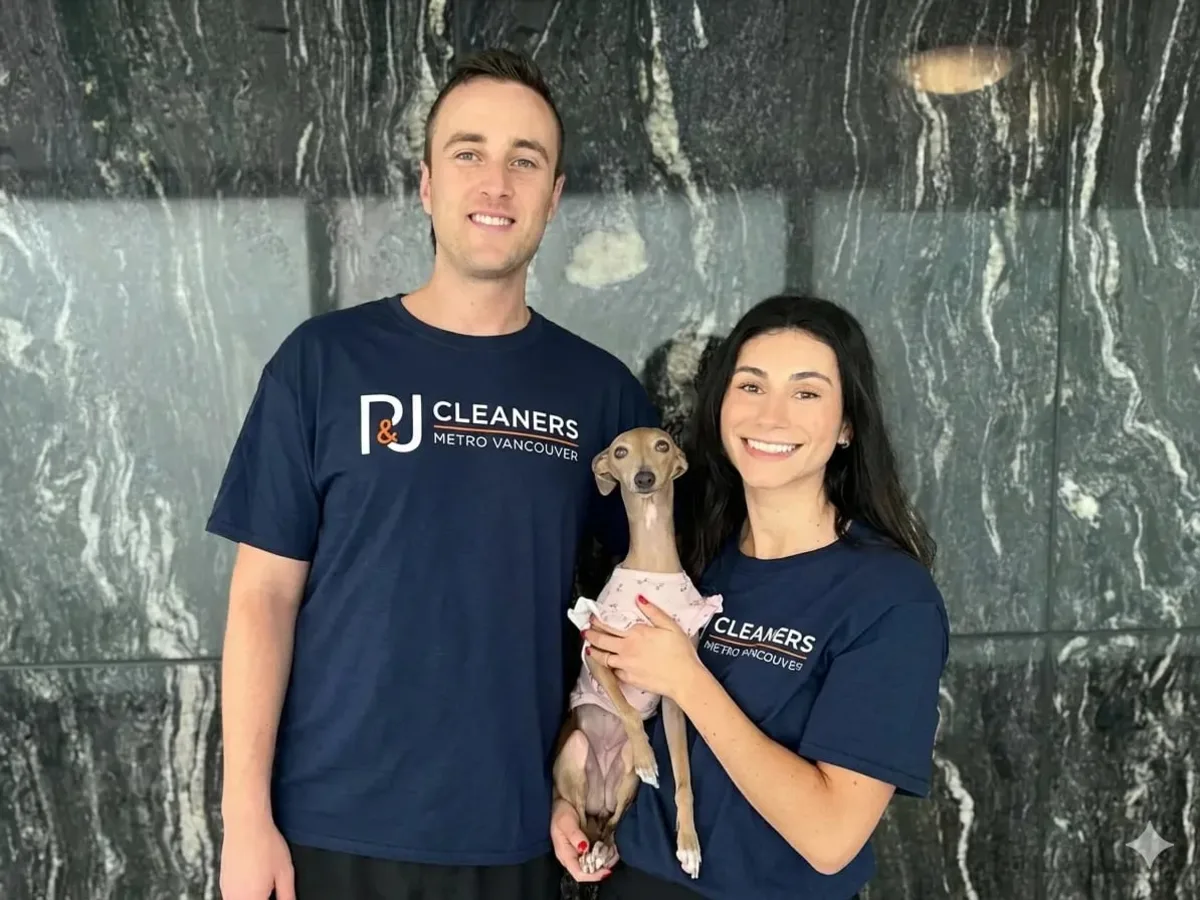
Pamela
Co-Founder
Pamela leads residential quality standards at P&J Cleaners, refining safe, detail-driven cleaning systems for Vancouver homes, condos, and move-out projects.
Keep Exploring