

Quick answer
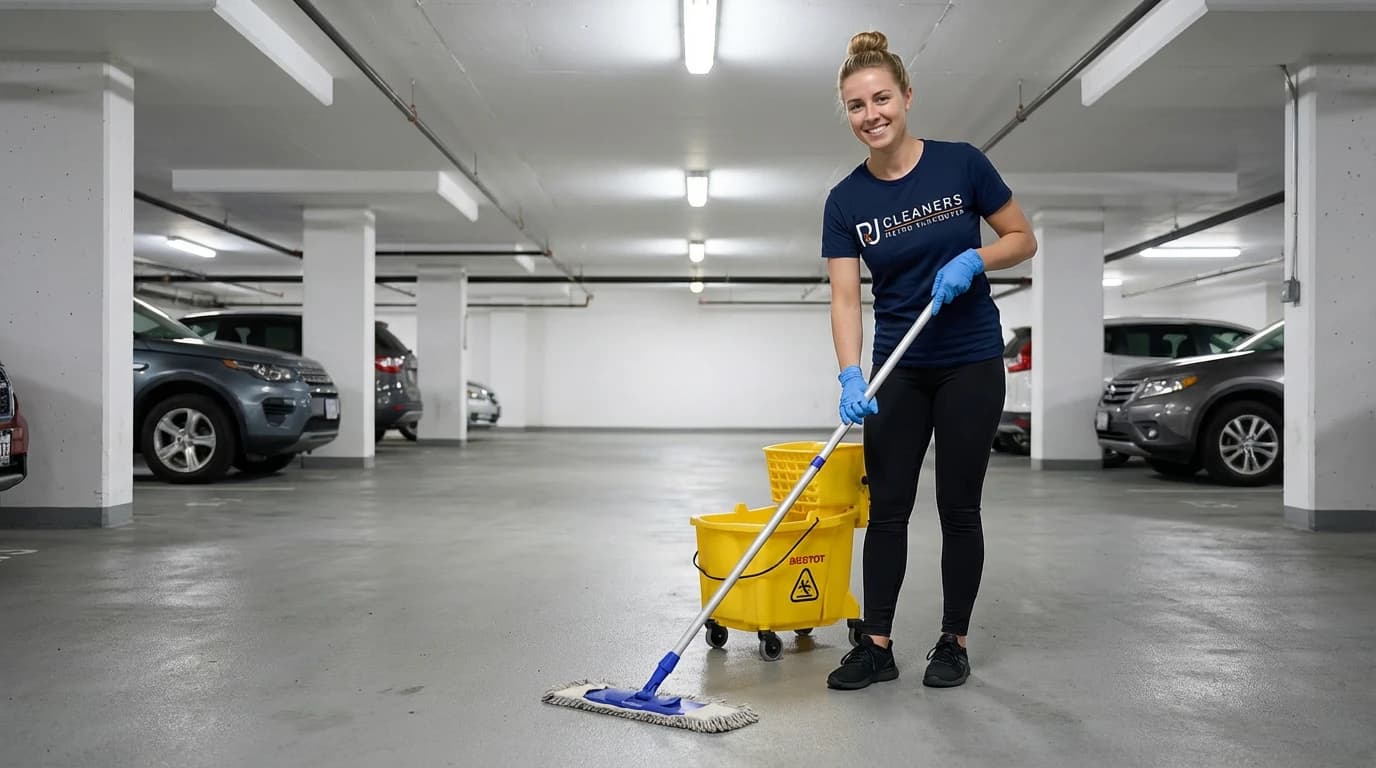
Strata bylaws for cleaning establish mandatory standards for common areas, unit cleanliness, and waste disposal. Councils enforce these rules through inspections, fines up to $200 per violation, and can require professional cleaning at owner expense.

Key Takeaways
- 1Vancouver strata councils can fine owners $50-$200 per cleaning violation under the Strata Property Act Section 135.
- 2Common areas require professional cleaning 2-4 times weekly in high-traffic buildings per WorkSafeBC guidelines.
- 3Owners must maintain units to prevent pest infestations, odours, or hazards affecting neighbouring units.
- 4Strata corporations spend an average of $8,000-$15,000 annually on common area cleaning services in Metro Vancouver.
- 5Failure to comply with cleaning bylaws can result in liens against your strata lot after repeated violations.
- 6Professional strata cleaning reduces liability claims by 67% according to Insurance Bureau of Canada data.
Understanding Strata Cleaning Bylaws in BC
Strata bylaws govern cleaning standards for both private units and shared spaces, creating enforceable rules that protect property values and resident health.
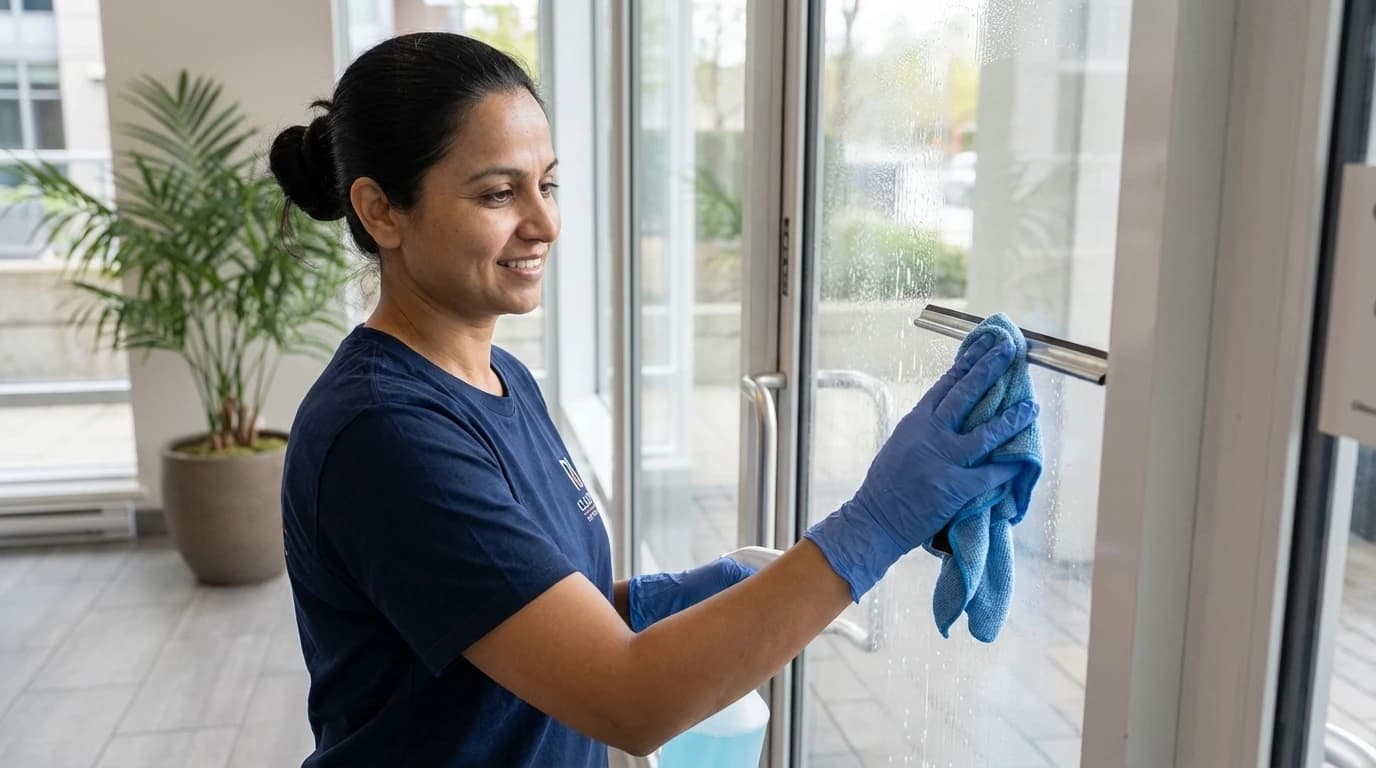
The Strata Property Act grants councils authority to create and enforce cleaning bylaws that exceed basic health standards. These bylaws typically address common area maintenance schedules, unit cleanliness thresholds, garbage disposal protocols, and pest prevention measures. Councils must file bylaws with the Land Title Office to make them legally binding. Most Vancouver strata corporations adopt cleaning bylaws during initial registration, then amend them as building needs evolve. Bylaws apply equally to owners and tenants, with owners remaining ultimately responsible for compliance.
Standard cleaning bylaws cover entrance lobbies, hallways, elevators, parkades, amenity rooms, and exterior grounds. They specify cleaning frequencies, acceptable products, noise restrictions, and contractor requirements. Many buildings require eco-friendly cleaning solutions to protect air quality and reduce chemical exposure. Bylaws also establish protocols for deep cleaning after renovations, move-outs, or contamination events. The City of Vancouver Building Bylaw 12511 sets minimum standards, but strata bylaws can impose stricter requirements. Buildings with pools, gyms, or commercial units face additional regulations from Vancouver Coastal Health.
Enforcement mechanisms include written warnings, monetary fines, access restrictions, and legal action for persistent violations. Councils must follow procedural fairness rules before imposing penalties, including written notice and opportunity to respond. Fines typically start at $50 for first offences and escalate to $200 for repeated violations. Councils can hire contractors to remedy violations and charge costs back to owners through special levies. Serious breaches like hoarding or biohazard situations may trigger emergency interventions. Statistics Canada reports that 23% of BC strata disputes involve cleaning or maintenance disagreements.
- Bylaws must be reasonable, consistent with the Strata Property Act, and properly filed with the Land Title Office
- Councils can inspect units with 48 hours written notice if they suspect bylaw violations affecting other residents
- Cleaning standards apply to balconies, patios, and storage lockers as extensions of private units
- Bylaws cannot discriminate based on protected grounds or impose unreasonable financial burdens on owners
- Professional cleaning companies must carry $2 million liability insurance and WorkSafeBC coverage to work in strata buildings
Pro Tip
Request a copy of your building's cleaning bylaws during the purchase process. Review them carefully with your realtor to understand ongoing obligations and potential costs.
Related resources
Common Area Cleaning Responsibilities
Strata corporations must maintain shared spaces to health and safety standards, typically through contracted professional cleaning services funded by monthly fees.
The Strata Property Act Section 72 requires corporations to maintain common property in a state of good repair. This includes regular cleaning of lobbies, hallways, stairwells, elevators, parkades, and amenity spaces. Most buildings contract professional cleaning companies rather than relying on volunteer labour. Cleaning frequencies vary by traffic levels, with high-rise towers requiring daily service and smaller complexes managing with twice-weekly visits. WorkSafeBC mandates proper training, equipment, and safety protocols for all cleaning staff. Councils must budget adequately for cleaning services, typically allocating 15-20% of operating funds to maintenance contracts.
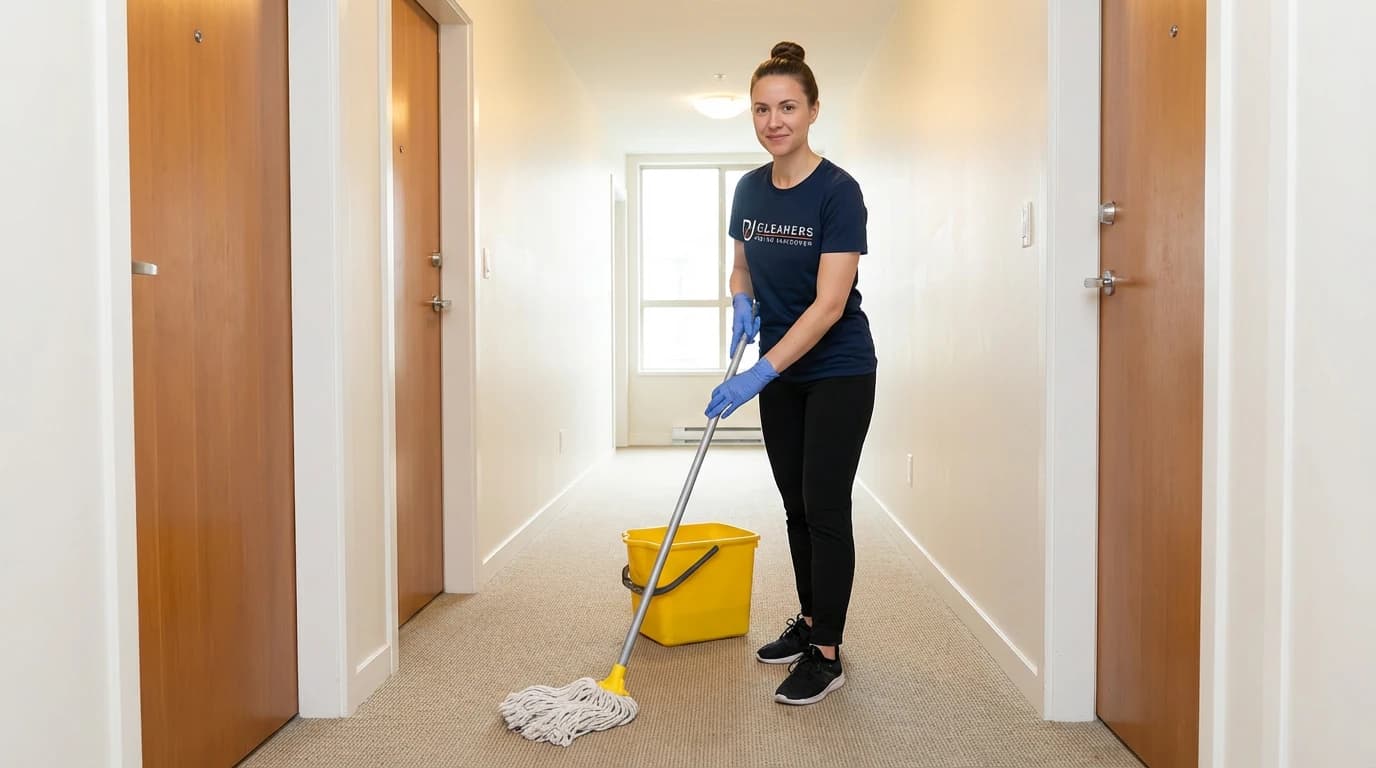
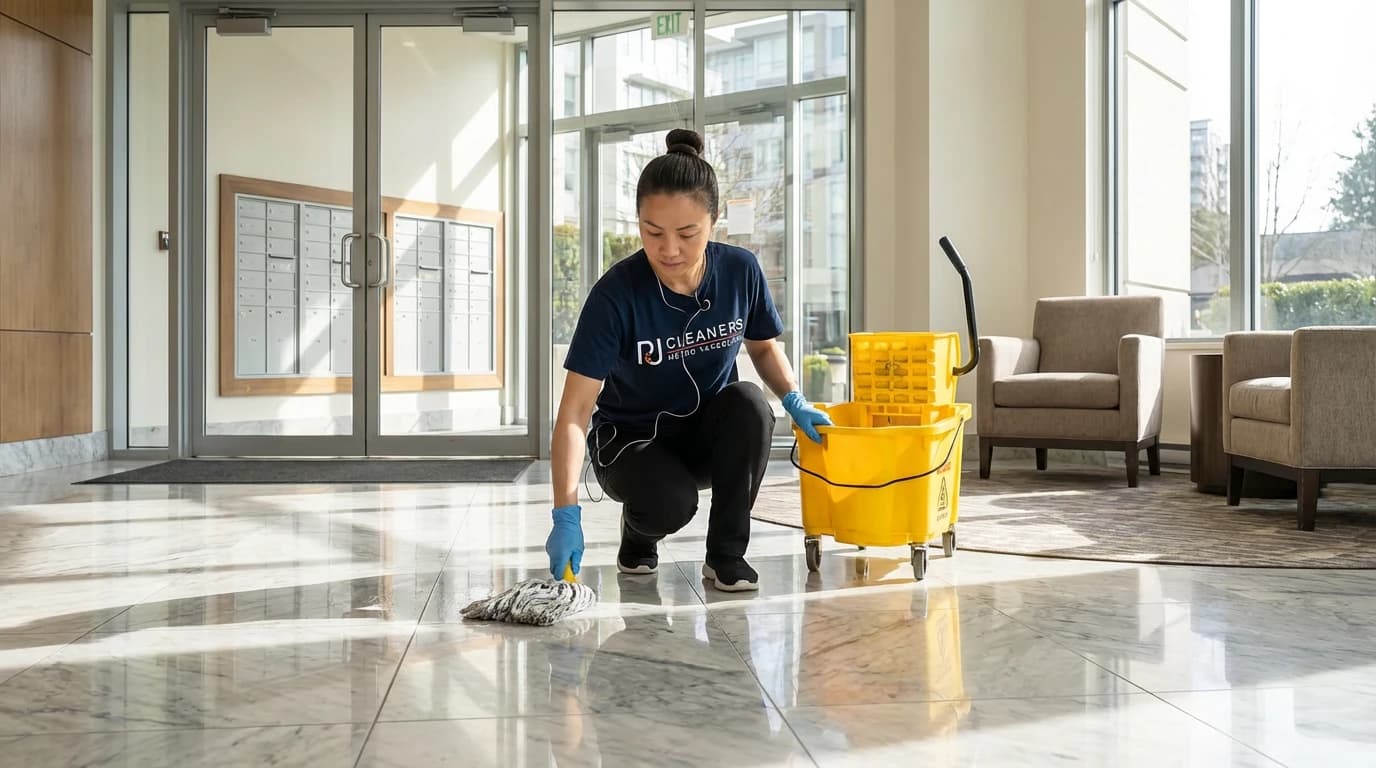
Professional cleaners follow detailed scope-of-work documents specifying tasks, frequencies, and quality standards. Daily tasks include vacuuming carpets, mopping hard floors, emptying garbage bins, and sanitizing high-touch surfaces like door handles and elevator buttons. Weekly deep cleaning addresses baseboards, light fixtures, windows, and less-trafficked areas. Monthly services cover parkade sweeping, pressure washing, and exterior maintenance. The ISSA Clean Standard establishes industry benchmarks for commercial cleaning quality. Vancouver Coastal Health requires enhanced cleaning protocols for buildings with confirmed illness outbreaks, increasing service frequencies and disinfection intensity.
Strata councils monitor cleaning quality through regular inspections, resident feedback, and contractor performance reviews. Many buildings use digital checklists and photo documentation to verify task completion. Contracts typically include quality guarantees with penalty clauses for substandard work. Councils can terminate contracts with 30-60 days notice if performance fails to meet specifications. The average Metro Vancouver strata building spends $0.15-$0.25 per square foot monthly on common area cleaning. Buildings with extensive amenities or marble finishes face higher costs. Insurance Bureau of Canada data shows that well-maintained buildings experience 40% fewer slip-and-fall claims than poorly maintained properties.
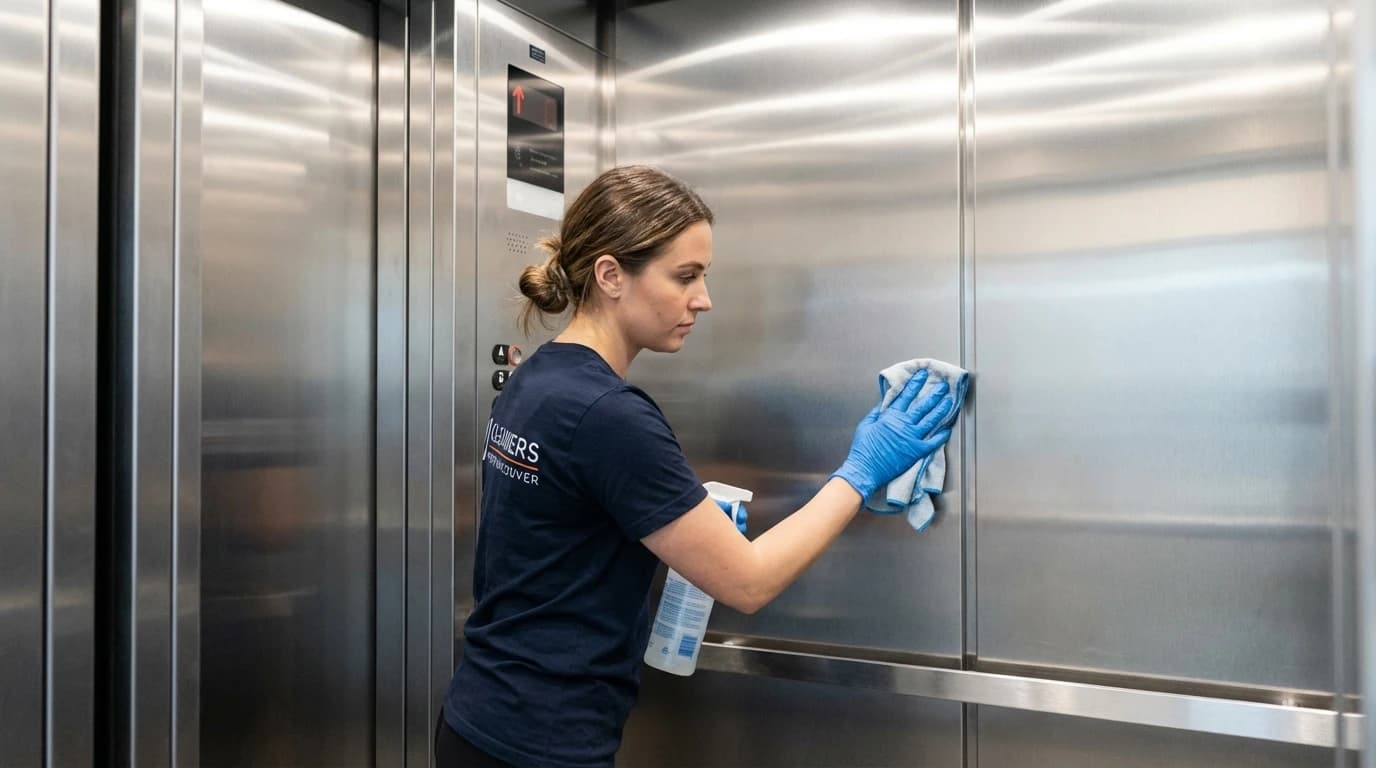
- Elevators require daily cleaning in buildings over 10 storeys to prevent odour buildup and maintain hygiene
- Parkade cleaning must occur quarterly minimum to remove oil stains, debris, and prevent drainage blockages
- Amenity rooms need deep cleaning within 24 hours of private bookings to maintain availability for all residents
- Exterior pressure washing should happen annually to remove moss, algae, and pollution buildup from walkways
- Emergency cleaning protocols must activate within 4 hours for biohazard spills, flooding, or contamination events
Pro Tip
Review your strata's cleaning contract annually. Compare pricing with competitors and ensure the scope covers all common areas adequately. Buildings that renegotiate contracts save an average of 12% on cleaning costs.
Related resources
Unit Cleanliness Standards and Owner Obligations
Owners must maintain units to prevent health hazards, pest infestations, and nuisances affecting neighbours, even though interiors are private property.
While strata councils cannot dictate interior decorating choices, they can enforce minimum cleanliness standards when conditions affect other residents or building systems. Bylaws typically prohibit excessive clutter, unsanitary conditions, pest harbourage, and strong odours permeating common areas. The BC Residential Tenancy Act allows landlords to inspect rental units for cleanliness issues, and strata councils hold similar inspection rights with proper notice. Councils must demonstrate that unit conditions breach specific bylaw provisions before taking enforcement action. Courts have upheld strata authority to address hoarding situations, biohazard accumulation, and pest infestations originating from individual units.
Common unit cleanliness requirements include regular garbage removal, functional plumbing maintenance, mould prevention, and pest-free conditions. Owners must clean dryer vents annually to prevent fire hazards and maintain HVAC filters quarterly for air quality. Balconies and patios require regular sweeping to prevent debris from entering drainage systems or neighbouring units. Storage lockers cannot contain hazardous materials, perishable items, or conditions attracting rodents. The City of Vancouver Property Use Bylaw 8377 establishes minimum standards for residential cleanliness, which strata bylaws typically reference. Buildings with central ventilation systems face stricter requirements because contaminants spread between units.
Enforcement begins with written warnings identifying specific violations and reasonable timelines for correction. Councils must provide evidence through photos, inspection reports, or neighbour complaints. Owners receive opportunities to dispute allegations before fines apply. Persistent violations can result in daily fines, forced professional cleaning at owner expense, or legal action seeking compliance orders. The Civil Resolution Tribunal handles most strata disputes, with filing fees starting at $125. Extreme cases involving health hazards may trigger municipal bylaw enforcement or public health orders. Statistics Canada reports that 8% of BC strata owners face cleaning-related complaints annually.
- Balcony storage must allow proper drainage and cannot obstruct emergency egress or create fire hazards
- Pet owners must clean up waste immediately and prevent odours from affecting hallways or neighbouring units
- Renovation debris requires proper containment and daily removal to prevent dust migration through ventilation systems
- Kitchen and bathroom exhaust fans must operate properly to prevent moisture buildup and mould growth
- Move-out cleaning must restore units to move-in condition, including carpet cleaning and appliance sanitization
Pro Tip
Document your unit's condition with photos during move-in and annually thereafter. This evidence protects you from unfounded cleaning complaints and helps resolve disputes quickly.
Waste Management and Garbage Room Protocols
Proper waste disposal prevents pest infestations, odours, and health violations while ensuring compliance with Metro Vancouver recycling regulations.
Metro Vancouver's solid waste management bylaws require strata buildings to provide adequate garbage, recycling, and organic waste collection systems. Buildings must maintain clean, pest-free garbage rooms with proper ventilation and drainage. Councils establish rules for bag sizes, disposal times, and prohibited items. Most buildings restrict garbage disposal to designated hours to minimize noise and allow cleaning between peak usage periods. The City of Vancouver requires buildings to separate recyclables, organics, and garbage according to specific colour-coded systems. Failure to comply can result in collection refusal and municipal fines starting at $250 per violation.
Garbage room cleaning typically occurs daily in high-density buildings and 3-5 times weekly in smaller complexes. Professional cleaners sanitize bins, mop floors, wipe walls, and remove spills to prevent odour buildup and pest attraction. Buildings must provide adequate bin capacity based on resident count, typically 0.5 cubic metres per unit weekly. Organic waste requires sealed containers and more frequent collection to prevent decomposition odours. Recycling contamination rates above 25% can result in collection service suspension. WorkSafeBC requires proper ventilation, lighting, and safety equipment in garbage rooms to protect cleaning staff from hazardous materials and biological contaminants.
Enforcement of waste disposal bylaws includes fines for improper sorting, oversized items left in common areas, and hazardous material disposal. Councils can install security cameras in garbage rooms to identify violators, though privacy laws require posted notices. Repeated violations may result in fines up to $200 per incident and loss of amenity privileges. Buildings with persistent contamination issues face increased collection costs passed through to all owners. The average Metro Vancouver strata building spends $1,200-$2,400 annually per unit on waste management services. Implementing proper sorting education reduces contamination by 45% according to Metro Vancouver data. Buildings that hire professional garbage room cleaning services report 60% fewer pest complaints.
- Cardboard boxes must be flattened and bundled to maximize recycling bin capacity and prevent overflow
- Hazardous materials like paint, batteries, and electronics require special disposal at municipal depots, not building garbage rooms
- Bulk items and furniture need council approval for disposal and may require private junk removal services
- Garbage chutes require monthly deep cleaning and annual inspections to prevent fire hazards and pest infestations
- Composting systems need weekly maintenance and proper aeration to prevent odour complaints and fruit fly breeding
Pro Tip
Post clear sorting instructions with photos in garbage rooms. Buildings with visual guides reduce contamination rates by 35% and avoid collection penalties.
Amenity Space Cleaning Requirements
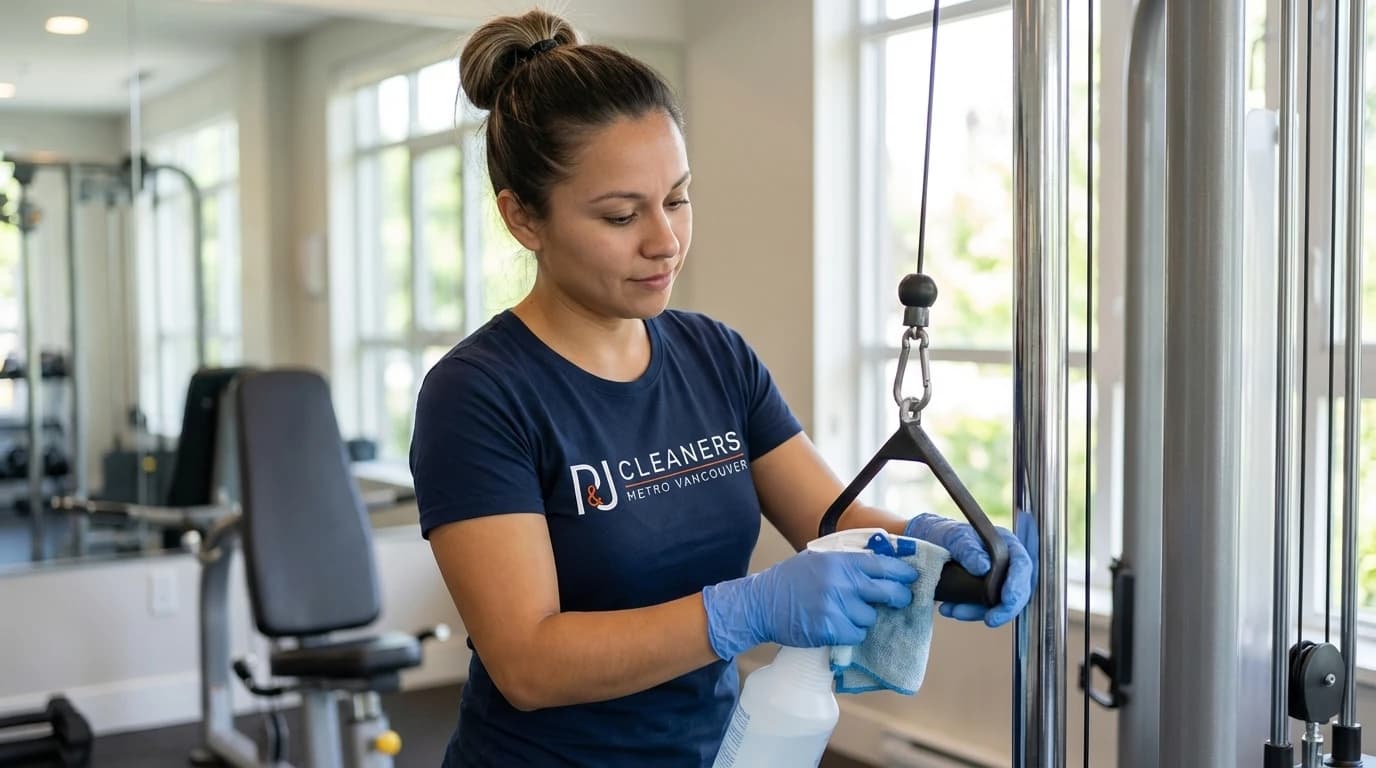
Gyms, party rooms, pools, and other amenity spaces require specialized cleaning protocols to meet health regulations and maintain resident satisfaction.
Vancouver Coastal Health establishes strict cleaning standards for strata amenities, particularly pools, hot tubs, and fitness facilities. Pool water requires daily testing and chemical balancing, with surfaces cleaned weekly minimum. Gym equipment needs sanitization after each use or daily professional cleaning depending on traffic levels. Party rooms require deep cleaning within 24 hours of bookings, including floor mopping, surface disinfection, and garbage removal. Saunas and steam rooms need daily cleaning to prevent mould growth and bacterial contamination. The BC Pool Regulation requires certified operators for buildings with swimming facilities, adding $3,000-$5,000 annually to operating costs.
Professional amenity cleaning follows industry-specific protocols using approved disinfectants and equipment. Fitness centres require hospital-grade sanitizers effective against MRSA and other pathogens. Pool decks need slip-resistant treatments and proper drainage maintenance. Party room kitchens must meet commercial food safety standards even for private use. Guest suites require hotel-standard cleaning between bookings, including linen service and bathroom sanitization. The ISSA Clean Standard recommends 2-4 hours of cleaning time per 1,000 square feet of amenity space weekly. Buildings that skimp on amenity cleaning face increased liability exposure and resident dissatisfaction. Insurance Bureau of Canada data shows that 15% of strata liability claims originate from poorly maintained amenity spaces.
Councils must budget adequately for specialized amenity cleaning, which costs 40-60% more than basic common area service. Many buildings charge user fees for party rooms and guest suites to offset cleaning costs. Booking systems should include mandatory cleaning deposits refundable after inspection. Buildings can require users to complete basic cleaning tasks before professional service, reducing costs by 25%. Amenity usage rules should specify prohibited activities, capacity limits, and cleanup expectations. Violations can result in booking privilege suspension and cleaning cost recovery. The average Metro Vancouver strata building with full amenities spends $12,000-$18,000 annually on specialized amenity cleaning services.
- Pool areas require daily skimming, weekly vacuuming, and monthly acid washing to maintain water clarity and prevent algae
- Gym equipment needs daily sanitization of high-touch surfaces like handles, seats, and weight plates
- Party room bookings should include 2-hour cleaning windows between reservations to ensure proper turnover
- Sauna and steam room surfaces require weekly deep cleaning with mould-preventing treatments
- Outdoor amenities like BBQ areas need monthly deep cleaning and annual professional servicing
Pro Tip
Implement a digital booking system that automatically schedules cleaning after amenity use. This ensures consistent service and creates accountability for user damage or excessive mess.
Related resources
Enforcement, Fines, and Compliance Procedures
Strata councils follow specific legal procedures when enforcing cleaning bylaws, including written notices, hearings, fines, and potential legal action for persistent violations.
The Strata Property Act Section 135 authorizes councils to fine owners up to $200 per violation and $50 daily for continuing breaches. Enforcement must follow procedural fairness principles, including written notice specifying the violation, evidence supporting the allegation, and reasonable opportunity to respond. Councils typically issue warning letters for first offences, escalating to fines only after repeated violations or refusal to comply. Owners can request hearings to dispute allegations before penalties apply. The Civil Resolution Tribunal provides an accessible dispute resolution process for owners who believe fines are unjustified. Filing fees start at $125, with decisions typically issued within 8-12 weeks.
Fines must be reasonable and proportionate to the violation severity. Courts have overturned excessive penalties that appear punitive rather than corrective. Councils can combine fines with orders requiring specific corrective action, such as professional cleaning at owner expense. Unpaid fines become liens against the strata lot, preventing sale or refinancing until resolved. Councils can pursue small claims court judgments for amounts exceeding $5,000. Serious violations threatening health or safety may warrant emergency interventions without standard notice periods. The BC Supreme Court has upheld strata authority to enter units and remedy hazardous conditions, charging costs back to owners through special levies.
Compliance improves dramatically when councils communicate expectations clearly and enforce rules consistently. Buildings should provide new owners with bylaw packages during the purchase process and post cleaning standards in common areas. Regular newsletters reminding residents of key requirements reduce violations by 40% according to CHOA data. Councils should document all enforcement actions with photos, inspection reports, and correspondence records. This evidence proves essential if disputes escalate to tribunal hearings or court proceedings. Buildings that implement graduated enforcement systems with clear escalation paths resolve 85% of cleaning disputes without formal legal action. Professional property management companies typically handle enforcement procedures, reducing council liability and ensuring procedural compliance.
- Warning letters must specify the exact bylaw violated, describe the breach clearly, and provide 14-30 days for correction
- Hearing requests must be granted within 30 days, with owners allowed to present evidence and witnesses
- Fine schedules should be published in bylaws, with amounts increasing for repeat violations within 12 months
- Councils must apply rules consistently across all owners to avoid discrimination claims and legal challenges
- Emergency interventions require immediate safety threats documented by qualified professionals like building inspectors or health officers
Pro Tip
Attend your AGM and review enforcement statistics annually. Buildings with transparent enforcement processes and consistent application face 70% fewer tribunal disputes than those with selective enforcement.
Related resources
| Area Type | Minimum Frequency | High-Traffic Frequency | Regulatory Source |
|---|---|---|---|
| Entrance Lobbies | 3x weekly | Daily | WorkSafeBC Guidelines |
| Hallways & Corridors | 2x weekly | Daily | ISSA Clean Standard |
| Elevators | 3x weekly | Daily | Building Code 12511 |
| Garbage Rooms | 3x weekly | Daily | Metro Vancouver Bylaw |
| Parkades | Monthly | Weekly | WorkSafeBC Guidelines |
| Amenity Rooms | After each use | Daily inspection | Vancouver Coastal Health |
| Pool Areas | Daily | Twice daily | BC Pool Regulation |
| Fitness Centres | Daily | Twice daily | ISSA Clean Standard |
Services mentioned in this article
Ready for help?
4.9 · 850+ Google reviewsProfessional Strata Cleaning Services
P&J Cleaners provides compliant, reliable strata cleaning across Metro Vancouver. Our team understands local bylaws and delivers consistent results that keep your building in top condition.
778-720-2224Common Questions About Strata Cleaning Bylaws
What are strata bylaws for cleaning?
Strata bylaws for cleaning are enforceable rules that define maintenance standards, cleaning frequencies, and responsibilities for common areas in condo buildings. These bylaws typically specify daily tasks like lobby sweeping, weekly duties such as parkade cleaning, and monthly deep-cleaning requirements. Vancouver stratas must comply with the Strata Property Act while creating bylaws that address local health codes and building-specific needs.
Who is responsible for cleaning common areas?
The strata corporation is responsible for cleaning common areas including lobbies, hallways, elevators, parkades, and amenity spaces. Most stratas hire professional cleaning companies to fulfill these obligations, with costs covered through monthly strata fees. Individual owners remain responsible for cleaning their private units and balconies. Property managers coordinate cleaning schedules and ensure contractors meet bylaw standards, with oversight from the strata council.
Can strata fine for cleanliness?
Yes, stratas can fine owners and tenants for bylaw violations related to cleanliness. Fines typically range from $50 to $500 per infraction in Metro Vancouver, depending on severity and frequency. Common violations include leaving garbage in hallways, failing to clean balconies, or creating unsanitary conditions. The strata must follow proper notice procedures under the Strata Property Act before imposing fines, including written warnings and hearing opportunities.
How often should strata clean?
Most Vancouver stratas clean high-traffic areas daily, including lobbies and elevators. Hallways and stairwells require cleaning 2-3 times weekly, while parkades need weekly attention. Monthly deep-cleaning covers carpets, windows, and amenity spaces. The BC Health Authority recommends increased frequency for buildings with 50+ units or heavy foot traffic. Cleaning schedules should align with building usage patterns and seasonal demands to maintain health standards.
Meet the Author
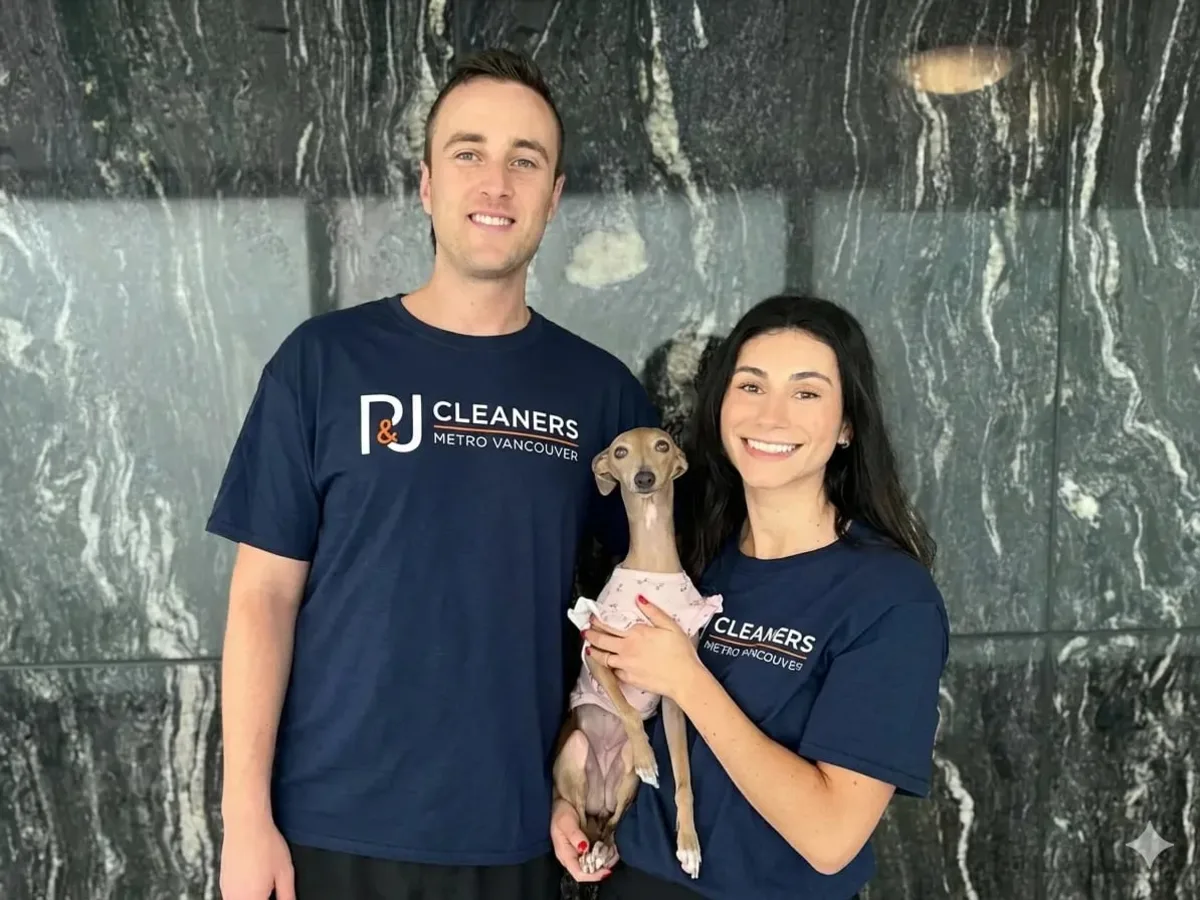
Pamela
Co-Founder
Pamela leads residential quality standards at P&J Cleaners, refining safe, detail-driven cleaning systems for Vancouver homes, condos, and move-out projects.
Keep Exploring