


Quick answer
A complete Vancouver spring cleaning checklist starts with decluttering and indoor deep cleaning, then finishes with practical outdoor cleaning tips for entryways, patios, balconies, outdoor rugs, and concrete touch-ups where they actually apply.

Key Takeaways
- 1Start indoors, not outside. Kitchens, bathrooms, windows, baseboards, and vents make the biggest visual difference first.
- 2Vancouver spring cleaning works best when you plan around moisture, pollen, and the grime that builds up on window tracks, fans, and entry floors over winter.
- 3Save balcony, patio, and entryway work for the final stage so you do not drag outdoor dirt back through a freshly cleaned home.
- 4Use gentle, surface-safe products for outdoor rugs, furniture, and concrete, especially in condos where runoff and strong chemicals can create new problems.
- 5If the list is too large for one weekend, bring in a team for the heavy work and keep up the quick wins between seasons.
Declutter Every Room Before You Clean
Remove unnecessary items first so every other spring cleaning task moves faster, costs less effort, and leaves you with less to wipe around.
- Start decluttering in one room and work systematically through your home. Vancouver's mild spring weather makes this the perfect time to sort through winter gear, holiday decorations, and accumulated items. Statistics Canada reports that the average Canadian household contains over 300,000 items, with 80% rarely used. Create three sorting zones: keep, donate, and discard. Local charities like the Salvation Army and Diabetes Canada accept gently used items and offer free pickup services across Metro Vancouver.
- Focus on high-clutter zones first including closets, storage rooms, garages, and kitchen pantries. Remove expired food products, broken appliances, and duplicate items that waste valuable space. The City of Vancouver offers free large item pickup twice yearly and operates recycling depots at all transfer stations. Decluttering before cleaning reduces cleaning time by 40% according to professional organizers, allowing you to focus on actual dirt and grime rather than moving objects around repeatedly.
- Digital decluttering matters too for home offices and workspaces. Organize paperwork, shred old documents containing personal information, and back up important files to cloud storage. WorkSafeBC recommends maintaining clear walkways and organized spaces to prevent trips and falls, especially important in smaller Vancouver condos and apartments. A decluttered home reduces stress levels and improves mental clarity, creating a foundation for effective spring cleaning throughout your property.
Quick Win
Take before photos of each room to track your progress and stay motivated throughout the decluttering process.
Deep Clean Kitchen Appliances and Surfaces
Tackle grease, food residue, and hidden grime in the room that shows winter buildup fastest, then sanitise the surfaces you touch every day.
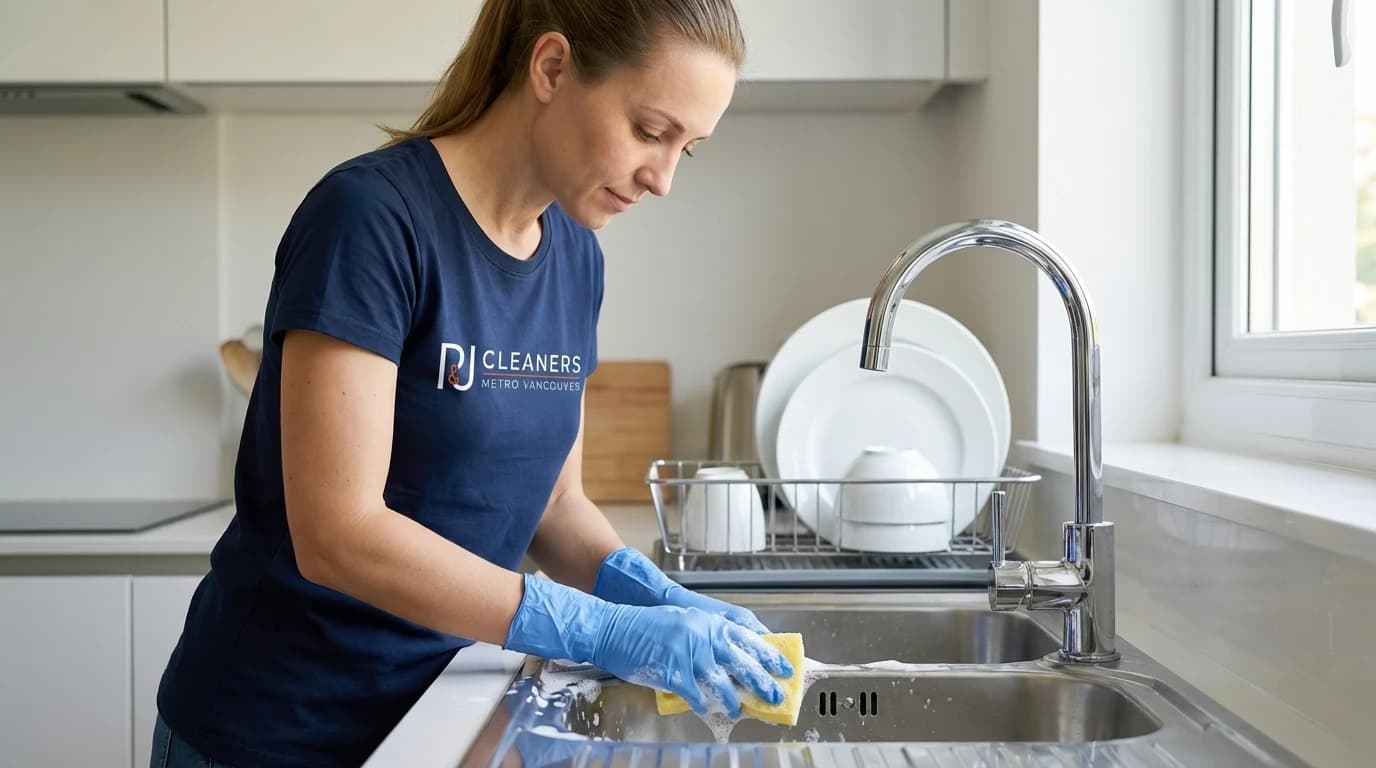
- Begin with your refrigerator by removing all items, checking expiration dates, and wiping down every shelf and drawer with warm soapy water. The BC Centre for Disease Control recommends maintaining refrigerator temperatures at 4°C or below to prevent bacterial growth. Clean the condenser coils on the back or bottom of your fridge to improve energy efficiency by up to 25%. Defrost your freezer if ice buildup exceeds 6mm thickness, which reduces cooling efficiency and increases electricity costs significantly.
- Degrease your oven, stovetop, and range hood using appropriate cleaning solutions for each surface type. Vancouver's hard water contains high mineral content that creates stubborn buildup on stainless steel appliances and fixtures. Use white vinegar solutions to dissolve mineral deposits naturally without harsh chemicals. Clean oven interiors using the self-cleaning function or apply baking soda paste overnight for baked-on grease. Range hoods accumulate grease that poses fire hazards, so remove and wash filters monthly according to fire safety guidelines.
- Sanitize countertops, backsplashes, and sink areas where bacteria multiply rapidly in moist environments. The Canadian Food Inspection Agency reports that kitchen sinks contain more bacteria than toilet seats, with 500,000 bacteria per square inch. Disinfect cutting boards, especially wooden ones that harbour bacteria in knife grooves. Clean small appliances including coffee makers, toasters, and microwaves that accumulate food particles and odours. Descale your kettle and coffee maker using white vinegar to remove mineral buildup from Vancouver's water supply.
Quick Win
Run a cycle with white vinegar through your dishwasher to remove buildup and eliminate odours naturally.
Scrub Bathrooms from Ceiling to Floor
Target mould, mildew, and soap scum early, especially in bathrooms where Vancouver humidity makes stale buildup harder to ignore by spring.
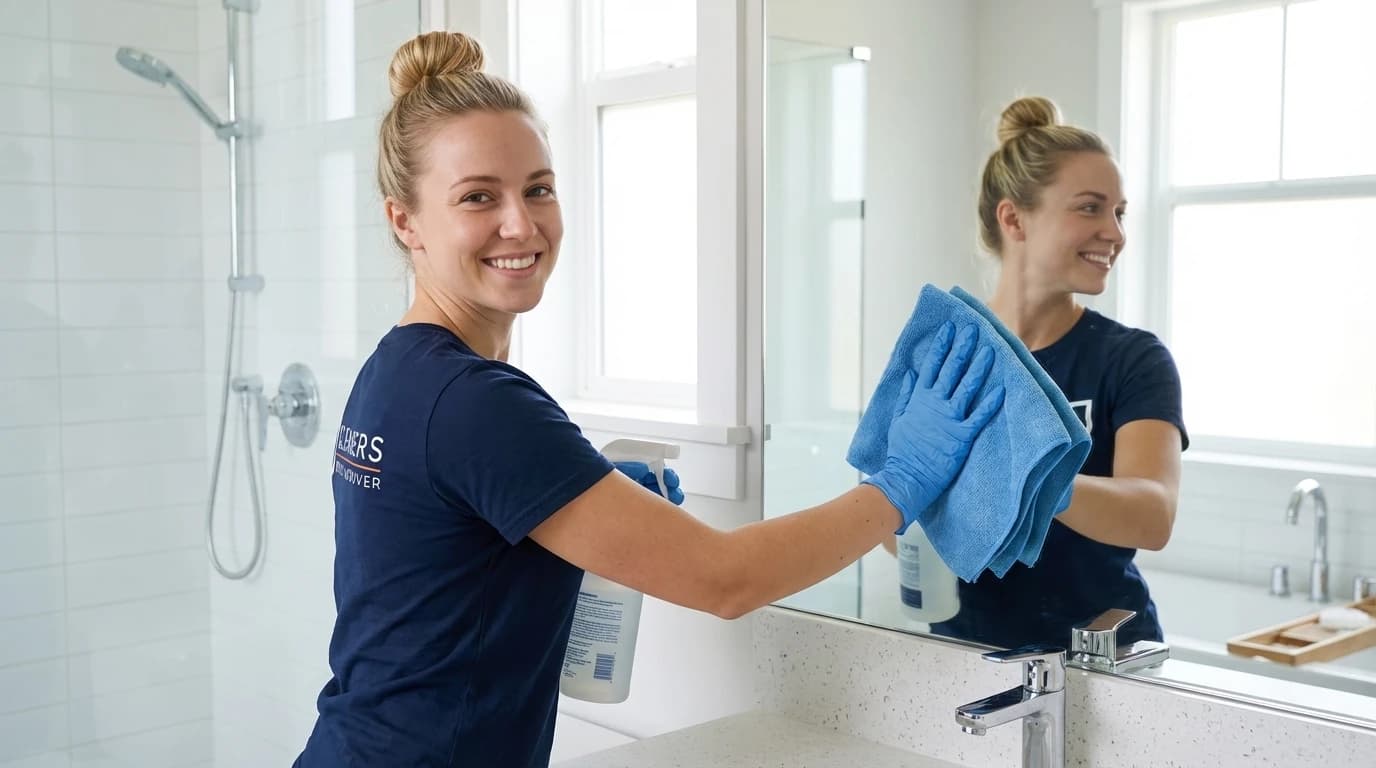
- Start bathroom cleaning from the top down, beginning with exhaust fans and light fixtures that collect dust and reduce air circulation. Vancouver Coastal Health recommends running bathroom fans during showers and for 20 minutes afterward to prevent mould growth in our damp climate. Clean fan covers and vacuum fan blades to restore proper ventilation. Wipe down walls and ceilings, paying special attention to corners where mould spores first appear in humid conditions common to Lower Mainland bathrooms.
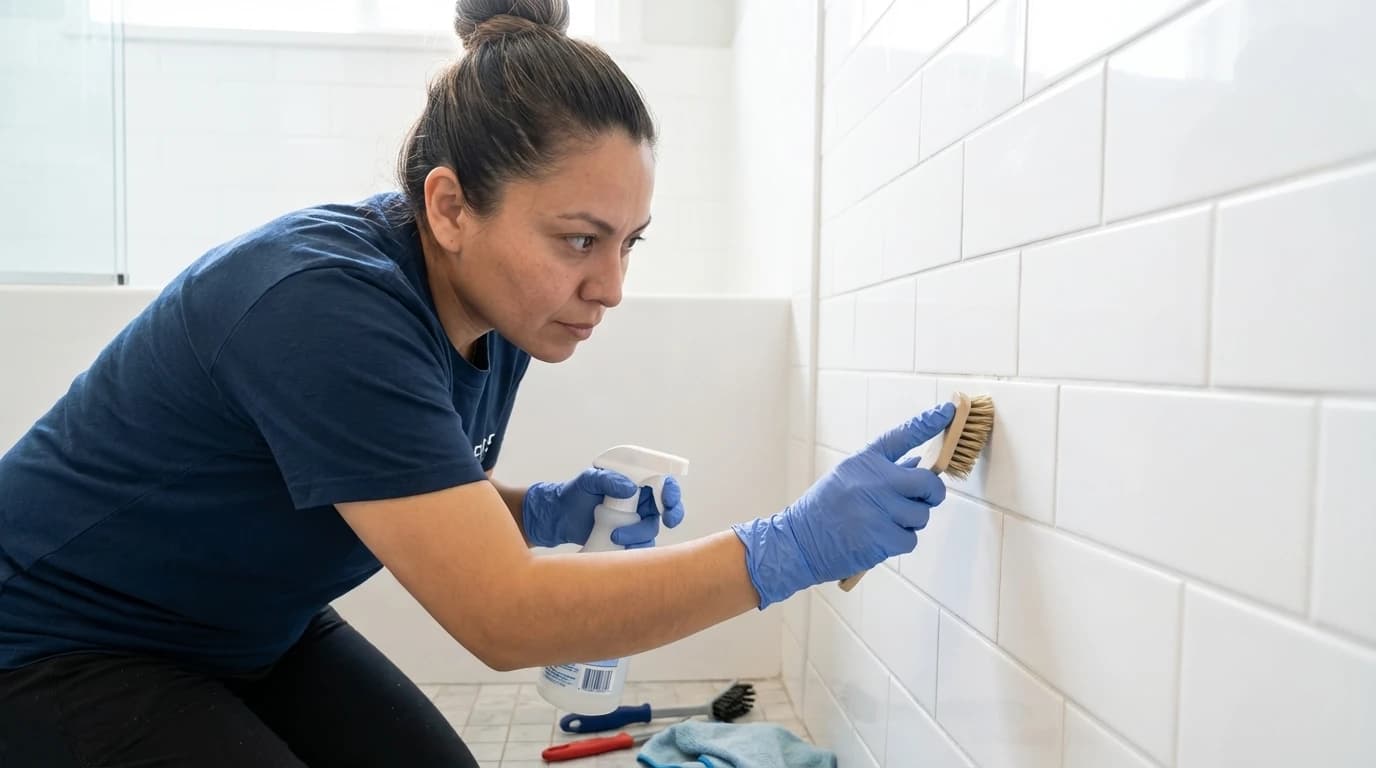
- Attack soap scum and hard water stains on shower doors, tiles, and fixtures using appropriate cleaning solutions for each surface. Grout lines require special attention as they absorb moisture and harbour mildew that spreads quickly. Use a grout brush with oxygen bleach solution to restore original colour without damaging surrounding tiles. Clean showerheads by soaking in white vinegar overnight to dissolve mineral deposits that reduce water pressure. Descale faucets and handles where Vancouver's hard water leaves white calcium buildup that looks unsightly and harbours bacteria.
- Sanitize toilets thoroughly including under the rim, around the base, and behind the tank where dust and grime accumulate unnoticed. Disinfect all high-touch surfaces including door handles, light switches, towel bars, and toilet flush handles that transmit germs between family members. Clean mirrors and glass surfaces using streak-free solutions for crystal-clear results. Wash bath mats, shower curtains, and fabric items that trap moisture and develop musty odours. Replace old caulking around tubs and sinks if black mould has penetrated the sealant, which commonly occurs in Vancouver bathrooms after 3-5 years.
Quick Win
Keep a squeegee in your shower and wipe down glass doors after each use to prevent soap scum buildup.
Wash Windows Inside and Out
Remove winter grime from glass, frames, and tracks so rooms feel brighter and moisture does not linger around the edges.

- Choose a cloudy day for window cleaning to prevent streaking caused by rapid drying in direct sunlight. Vancouver receives an average of 1,189 hours of sunshine annually according to Environment Canada, making spring the ideal time for window maintenance before summer's intense UV exposure. Start with interior windows using a microfiber cloth and streak-free cleaning solution. Wipe in a consistent pattern, either horizontal or vertical, to identify any remaining streaks easily. Clean window sills and frames where dust and dead insects accumulate throughout winter months.
- Exterior window cleaning requires different techniques and safety considerations, especially for multi-storey homes and condos. Use an extension pole with a squeegee attachment for second-storey windows rather than climbing ladders, which cause 164,000 emergency room visits annually in Canada according to the Canadian Institute for Health Information. Remove salt residue and pollution buildup that accumulates on Vancouver windows from vehicle traffic and industrial activity. Clean window screens by removing them and washing with soapy water, then air-drying completely before reinstalling to prevent mould growth.
- Don't forget window tracks and channels where dirt, moisture, and debris create sticky buildup that prevents smooth operation. Use a vacuum attachment to remove loose dirt, then scrub with an old toothbrush and all-purpose cleaner. Dry thoroughly and apply silicone lubricant to metal tracks for smooth sliding action. Check weather stripping around windows for damage or gaps that reduce energy efficiency and increase heating costs. Vancouver's mild but wet climate causes weather stripping to deteriorate faster than in drier regions, requiring replacement every 3-5 years for optimal insulation.
Quick Win
Add a few drops of dish soap to warm water for an effective, streak-free window cleaning solution.
Vacuum and Deep Clean All Upholstery
Lift out pet hair, dust, and stale odours from upholstered furniture before allergy season and open-window weather make them more noticeable.
- Begin upholstery cleaning by vacuuming all fabric surfaces using the upholstery attachment to remove surface dust, crumbs, and pet hair. The Asthma Society of Canada reports that dust mites thrive in upholstered furniture, with each gram of dust containing up to 19,000 mites that trigger allergic reactions. Remove cushions and vacuum underneath where debris accumulates heavily. Use the crevice tool to reach tight spaces between cushions and along seams where dirt hides from regular cleaning efforts.
- Treat stains immediately using appropriate cleaning solutions for your specific fabric type, always testing in an inconspicuous area first. Check manufacturer tags for cleaning codes: W for water-based cleaners, S for solvent-based, WS for either, and X for vacuum only. Steam cleaning provides deep sanitization for most upholstery fabrics, killing dust mites and bacteria while refreshing appearance. Professional steam cleaning reaches temperatures of 93°C that eliminate 99.9% of common household bacteria according to the International Scientific Forum on Home Hygiene.
- Address pet odours and stains using enzyme-based cleaners that break down organic matter rather than masking smells with fragrances. Vancouver households with pets require more frequent upholstery cleaning, typically every 6-12 months versus 12-18 months for pet-free homes. Rotate cushions regularly to ensure even wear and sun exposure. Consider professional upholstery protection treatments that create invisible barriers against spills and stains, extending furniture life by 3-5 years. Allow upholstery to dry completely before use, typically 6-12 hours depending on humidity levels and air circulation in your home.
Quick Win
Sprinkle baking soda on upholstery, let sit for 15 minutes, then vacuum to neutralize odours naturally.
Sanitize High-Touch Surfaces Throughout Your Home
Disinfect the handles, switches, and rails everyone touches so your spring clean feels complete instead of just looking clean from a distance.
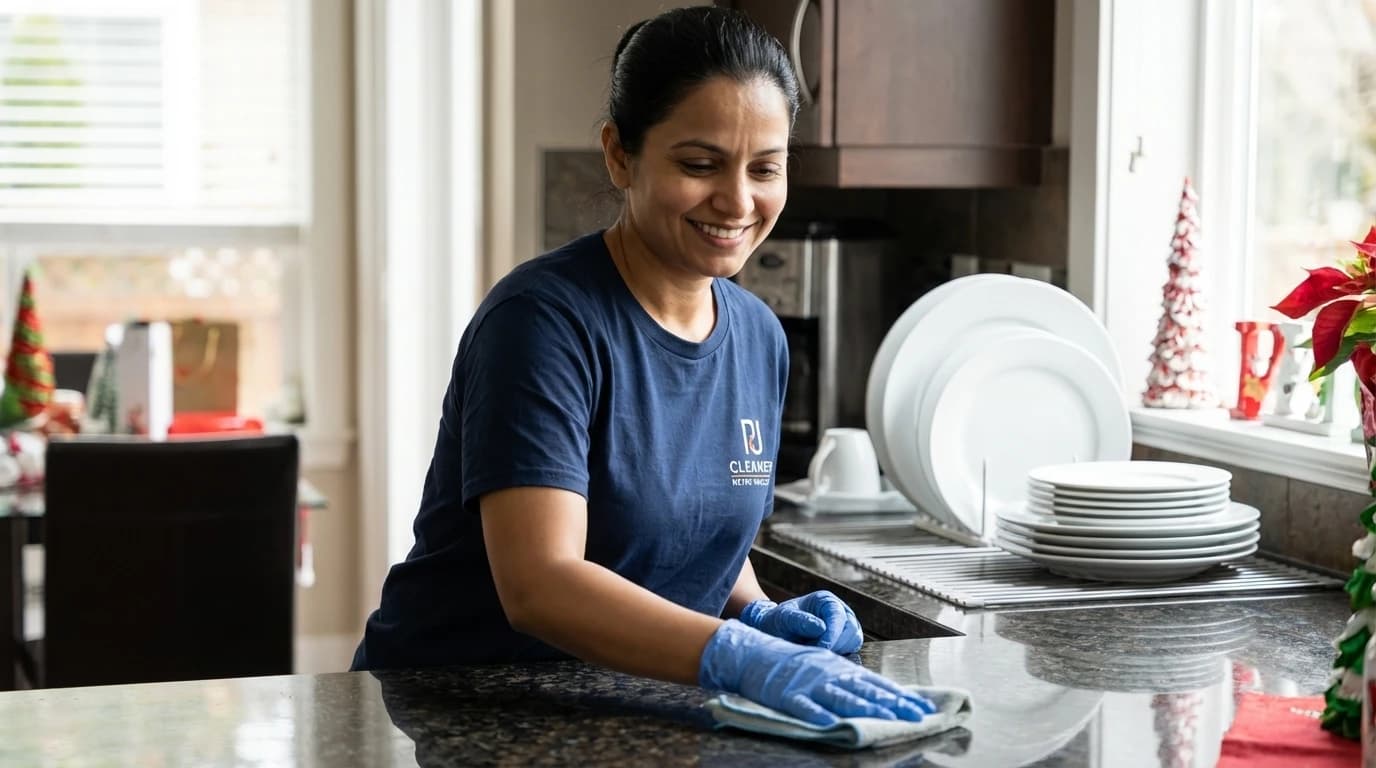
- Identify all high-touch surfaces in your home including door handles, light switches, stair railings, cabinet pulls, and appliance handles. The BC Centre for Disease Control reports that cold and flu viruses survive on hard surfaces for up to 48 hours, making regular disinfection essential for family health. Create a systematic approach by moving room to room with disinfectant wipes or spray and microfiber cloths. Pay special attention to bathroom and kitchen surfaces where bacteria multiply rapidly in moist environments common to Vancouver homes.
- Use Health Canada approved disinfectants with DIN numbers that indicate proven effectiveness against viruses and bacteria. Allow disinfectants to remain wet on surfaces for the contact time specified on product labels, typically 3-10 minutes for complete sanitization. Many people wipe surfaces immediately, reducing disinfectant effectiveness by up to 90%. Focus on electronics including remote controls, keyboards, tablets, and phones that transfer germs directly to hands and faces. Use alcohol-based wipes designed for electronics to avoid moisture damage to sensitive components.
- Don't overlook frequently touched items like coffee pot handles, refrigerator doors, microwave buttons, and thermostat controls that multiple family members contact daily. Sanitize children's toys, especially those shared between siblings or brought to playgrounds and schools. Disinfect pet bowls, leashes, and toys that harbour bacteria from outdoor environments. Replace kitchen sponges weekly as they contain more bacteria than any other household item according to NSF International testing. Establish a regular sanitization schedule, ideally weekly for high-touch surfaces and daily during cold and flu season from October through April in Vancouver.
Quick Win
Keep disinfectant wipes in each bathroom and the kitchen for quick daily sanitization of high-touch surfaces.
Organize and Clean Storage Spaces
Reset closets, pantries, and storage zones now so clutter does not creep back into the rooms you just spent time deep cleaning.
- Empty storage spaces completely to assess contents and clean thoroughly before reorganizing. Vancouver's humid climate creates ideal conditions for mould growth in dark, enclosed spaces like closets and storage rooms. Vacuum or sweep floors, wipe down shelves, and check for signs of moisture damage or pest activity. Install moisture absorbers in closets and storage areas to prevent mildew on clothing and stored items. The City of Vancouver recommends maintaining indoor humidity between 30-50% to prevent mould growth while avoiding excessive dryness that damages wood furniture and flooring.
- Sort clothing seasonally, storing winter items in breathable containers or garment bags to protect from dust and pests. Donate clothing not worn in the past year to local charities that support Vancouver's homeless population and families in need. Install closet organization systems including shelving, hanging rods at multiple heights, and drawer units that maximize vertical space in smaller Vancouver condos and apartments. Use clear storage containers for visibility and label everything clearly to maintain organization long-term. Cedar blocks or lavender sachets naturally repel moths without harsh chemical mothballs that leave strong odours.
- Organize pantries by category and check expiration dates on all food items, discarding anything past its prime. The Canadian Food Inspection Agency recommends the first-in-first-out method, placing newer items behind older ones to ensure proper rotation. Clean pantry shelves thoroughly, removing crumbs and spills that attract pests like ants and pantry moths common in Vancouver homes. Use airtight containers for dry goods including flour, sugar, rice, and pasta to prevent pest infestations and maintain freshness. Install shelf liners for easy cleaning and to prevent spills from damaging wood shelving. Group similar items together and use risers or lazy susans to maximize space and improve accessibility in deep cabinets.
Quick Win
Take inventory of pantry staples before grocery shopping to avoid duplicate purchases and reduce food waste.
Clean Baseboards, Vents, Air Returns, and Cobwebs
Remove dust, cobwebs, and vent buildup from overlooked edges that quietly affect air quality and make a home feel less finished.
- Baseboards accumulate significant dust and grime throughout winter months when homes remain closed and heating systems circulate air continuously. Vacuum baseboards using a brush attachment to remove loose dust before wiping with damp microfiber cloths. Pay special attention to corners and behind furniture where dust bunnies gather undisturbed. White baseboards show dirt easily but darker colours hide grime that still affects indoor air quality. Use magic erasers on scuff marks and stubborn stains that regular cleaning doesn't remove, being careful not to damage paint finishes.
- Clean heating vents and cold air returns that circulate dust, pet dander, and allergens throughout your home. Remove vent covers and wash them in warm soapy water, allowing them to dry completely before reinstalling. Vacuum inside ductwork as far as your vacuum hose reaches to remove accumulated dust and debris. The National Air Duct Cleaners Association recommends professional duct cleaning every 3-5 years for optimal air quality and HVAC efficiency. Dirty ducts reduce heating and cooling efficiency by up to 40%, significantly increasing energy costs for Vancouver homeowners.
- Replace HVAC filters monthly during heating season and every three months during milder weather when systems run less frequently. High-efficiency filters capture smaller particles including pollen, mould spores, and pet dander that trigger allergies and asthma. Check your furnace filter size before purchasing replacements as incorrect sizes allow unfiltered air to bypass the filter entirely. Clean bathroom and kitchen exhaust fan covers that become coated with dust and grease, reducing ventilation effectiveness. Proper ventilation prevents moisture buildup that leads to mould growth, a common problem in Vancouver's damp climate where relative humidity often exceeds 70% during winter and spring months.
Quick Win
Set phone reminders to check HVAC filters monthly so you never forget this important maintenance task.
Refresh Entryways, Patios, and Balcony Areas
Wrap up the checklist with outdoor cleaning that actually belongs in spring, including patios, balconies, outdoor carpet or rug care, and concrete spot cleaning where needed.
- Begin outdoor cleaning by sweeping patios, decks, and walkways to remove leaves, dirt, and debris that accumulated over winter. Vancouver receives an average of 1,189mm of rainfall annually according to Environment Canada, with most precipitation occurring between October and March. This moisture combined with falling leaves creates slippery, stained surfaces that require thorough cleaning. Power wash concrete patios and composite decking using appropriate pressure settings to avoid surface damage. Wood decks require gentler cleaning with specialized deck cleaners followed by resealing every 2-3 years to protect against moisture damage and UV exposure.
- Clean outdoor furniture thoroughly before the patio season begins, washing cushions and wiping down frames to remove mould, mildew, and winter grime. Store cushions indoors or in waterproof containers during Vancouver's rainy season to prevent mould growth and extend their lifespan. Inspect furniture for rust, loose screws, or damaged components that need repair or replacement. Clean and organize garden tools, pots, and outdoor storage areas. Remove dead plants from containers and prepare soil for spring planting. Clean gutters and downspouts to ensure proper drainage during spring rains, preventing water damage to foundations and landscaping.
- Focus on entryways that create first impressions for visitors and set the tone for your entire home. Sweep or vacuum entry mats and shake out area rugs that trap dirt and moisture from shoes. Clean front doors inside and out, including hardware, glass panels, and door frames. Touch up paint on doors and trim where winter weather caused chipping or fading. Organize coat closets and shoe storage areas near entrances, removing winter gear and making room for spring jackets and footwear. Plant colourful flowers in pots or window boxes to create welcoming curb appeal. Clean exterior light fixtures and replace burnt bulbs to improve safety and aesthetics during evening hours.
Quick Win
Apply a protective sealant to wood decks after cleaning to prevent moisture damage during Vancouver's rainy spring season.
Fast Reset
Quick Spring Cleaning Wins You Can Tackle Today
Not ready for a full-home reset? These quick jobs give Vancouver households a visible spring lift in 30 minutes or less without turning the whole weekend into a cleaning project.
Services mentioned in this article
Ready for help?
4.9 · 850+ Google reviewsNeed the Checklist Done Properly?
P&J Cleaners handles full-home spring cleaning across Metro Vancouver with a 4.9-star reputation, 850+ reviews, and a $2M insured, bonded, background-checked team. Call 778-720-2224 to book your spring reset.
778-720-2224Spring Cleaning Checklist FAQs
What should a Vancouver spring cleaning checklist include?
Start with decluttering, then clean top to bottom in each room so dust and debris fall only once. In Vancouver homes, the priority list usually includes kitchens, bathrooms, windows, baseboards, vents, upholstery, and moisture-prone spots around sills and fans. Finish with entryways, balconies, or patios only after the inside of the home is reset.
How do you maintain a clean balcony or patio during spring cleaning?
Treat the balcony or patio as the final zone in your spring reset, not the main event. Sweep first, wipe railings and furniture, shake out mats, and spot-clean grime before it bakes on in warmer weather. If you are trying to maintain a clean balcony in a condo, keep the products low-scent, rinse lightly, and follow your building's water-use rules.
What is the best way to clean outdoor carpet or an outdoor rug in spring?
Vacuum or shake out dry debris first, then test a mild cleaner on one corner before scrubbing the full surface. Outdoor carpet cleaning works best with a soft brush, controlled water use, and enough drying time so mildew does not set in. For small condo setups, a pet safe outdoor cleaner is usually the safest option around balconies, planters, and pets' paws.
How do you get rid of spider webs in house during a spring clean?
Use an extendable duster or vacuum hose to clear ceiling corners, vents, baseboards, and window frames before wiping surfaces. Spider webs tend to collect in quiet areas that are easy to miss during weekly upkeep, so include storage rooms, entry lights, and behind furniture in your spring pass. Once the webs are gone, a quick wipe of the surrounding trim helps keep dust from rebuilding.
How do you remove transmission fluid from concrete as part of spring cleanup?
If winter left a driveway or garage stain behind, absorb fresh residue first, then scrub the concrete with a degreasing cleaner made for oil-based spills. Homeowners searching how to get transmission fluid out of concrete or how to clean transmission fluid off concrete usually need patience, repeat treatment, and a stiff brush rather than aggressive pressure alone. Keep that task separate from indoor spring cleaning so greasy runoff stays outside.
Is professional help worth it for a full Vancouver spring clean?
It is worth it when the checklist has grown beyond what you can finish in a weekend or when you want a deeper reset before listing, hosting, or allergy season. P&J Cleaners brings a 4.9-star team backed by 850+ reviews, plus $2M insured, bonded, background-checked cleaners across Metro Vancouver. If you want the whole home handled in one visit, call 778-720-2224 and book the spring cleaning service that fits your schedule.

Meet the Author
Pamela
Co-Founder
Pamela leads residential quality standards at P&J Cleaners, refining safe, detail-driven cleaning systems for Vancouver homes, condos, and move-out projects.
Keep Exploring