

Quick answer
Remove rust stains by applying white vinegar or lemon juice directly to the stain, letting it sit for 30 minutes, then scrubbing with baking soda paste. For stubborn stains, use a commercial rust remover containing oxalic acid. Rinse thoroughly and dry the surface completely to prevent new rust formation.

Key Takeaways
- 1White vinegar contains 5% acetic acid that dissolves rust through chemical reaction, making it effective for light to moderate stains on porcelain and ceramic surfaces.
- 2Baking soda paste (3 parts baking soda to 1 part water) provides gentle abrasion that lifts rust without scratching delicate bathroom fixtures when applied correctly.
- 3Commercial rust removers work 3-4 times faster than household solutions but require proper ventilation and protective gloves due to oxalic acid concentration.
- 4Prevention is 80% more cost-effective than removal: keeping surfaces dry and addressing leaks immediately stops rust before it starts, according to plumbing industry data.
- 5Hard water containing over 120 mg/L of dissolved minerals accelerates rust formation on metal fixtures, particularly in Metro Vancouver areas with older plumbing systems.
- 6Professional deep cleaning services remove embedded rust stains that household methods cannot reach, restoring surfaces to original condition in 2-3 hours.
Understanding Rust Stains and Their Causes
Rust stains form when iron particles oxidize on contact with water and oxygen, creating reddish-brown discolouration that bonds to porous surfaces like porcelain, ceramic tile, and grout.
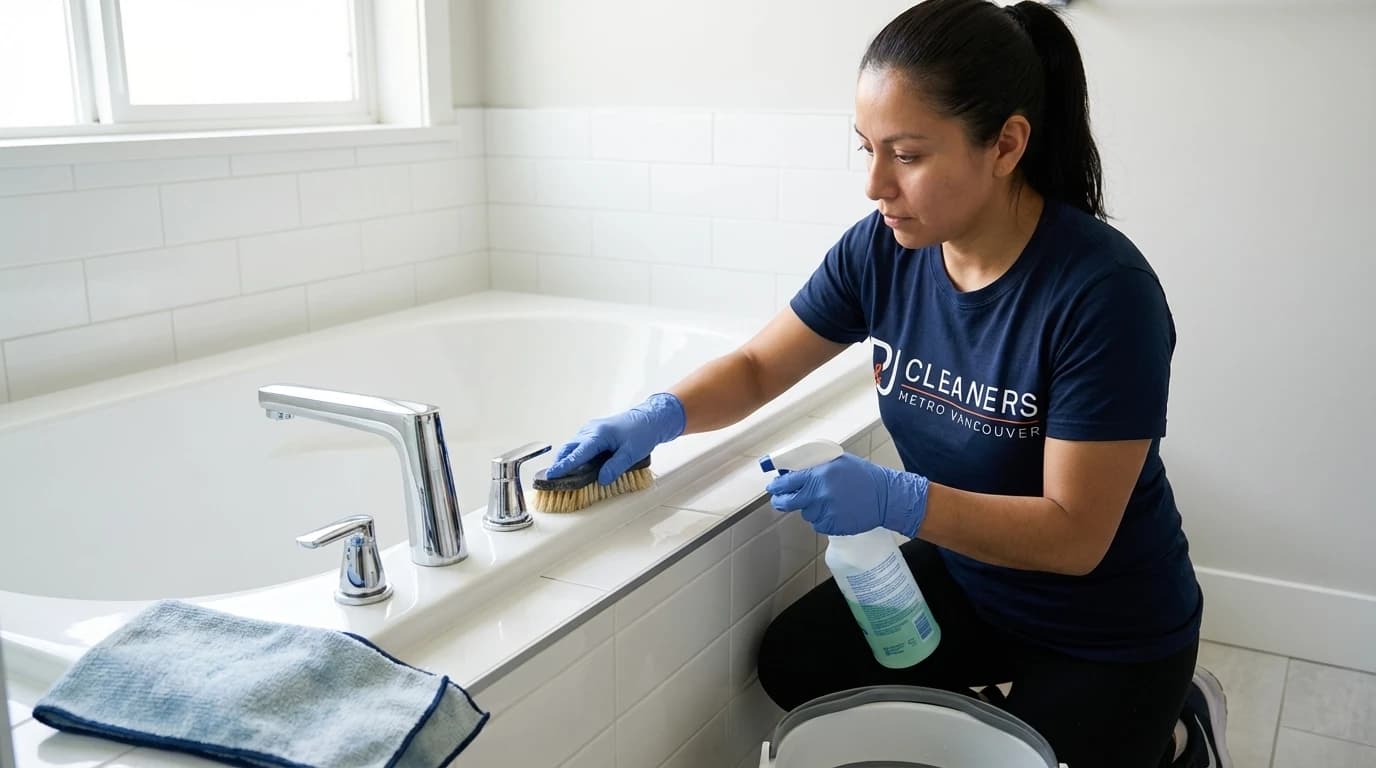
Rust stains appear when iron-containing water evaporates on bathroom and kitchen surfaces, leaving behind oxidized iron particles that penetrate porous materials. These stains differ from other discolouration because they result from a chemical reaction rather than surface dirt or mildew. The reddish-brown colour intensifies over time as more iron particles accumulate and oxidize. Understanding this chemical process helps you choose the right removal method and prevent future staining through targeted interventions.
Metro Vancouver's water supply contains varying levels of dissolved iron, particularly in older neighbourhoods with aging infrastructure. When iron pipes corrode or well water contains natural iron deposits, the metal leaches into your water supply and deposits on fixtures during normal use. Hard water accelerates this process by leaving mineral deposits that trap iron particles against surfaces. According to Metro Vancouver water quality reports, iron levels can reach 0.3 mg/L in some areas, enough to cause visible staining over several months of exposure.
Common sources of rust stains include corroding pipes, metal fixtures, iron cookware, and even metal furniture legs in bathrooms. Leaking faucets create constant moisture that accelerates oxidation on surrounding surfaces. Metal shaving cream cans, razor holders, and decorative items left on wet surfaces transfer rust through direct contact. Identifying the source is crucial because removing existing stains without addressing the cause leads to rapid re-staining within weeks.
- Iron oxidation occurs when dissolved iron in water reacts with oxygen, forming ferric oxide (rust) that bonds to porous surfaces
- Hard water with mineral content above 120 mg/L increases rust formation by 40% compared to soft water areas
- Porcelain and ceramic surfaces absorb rust particles into microscopic pores, making stains progressively harder to remove over time
- Stainless steel fixtures can develop rust spots when protective chromium oxide layer is scratched or damaged by abrasive cleaners
- Well water systems in rural areas often contain 2-5 times more iron than municipal supplies, requiring filtration systems
Pro Tip
Check your home's water hardness using a test kit from hardware stores. If levels exceed 120 mg/L, consider installing a water softener to reduce mineral deposits and prevent rust stains before they form.
Effective Household Solutions for Rust Removal
White vinegar, lemon juice, and baking soda provide safe, effective rust removal for most bathroom and kitchen surfaces when applied correctly with proper contact time and mechanical action.
White vinegar contains 5% acetic acid that chemically dissolves rust through a process called chelation, where acid molecules bind to iron oxide particles and break them away from surfaces. This method works best on light to moderate rust stains that haven't deeply penetrated porous materials. Apply undiluted white vinegar directly to the stain using a spray bottle or saturated cloth, ensuring complete coverage. Allow 30-60 minutes of contact time for the acid to work, then scrub with a non-abrasive sponge or brush to lift loosened rust particles.
Lemon juice offers similar rust-removing properties due to its citric acid content, with the added benefit of natural bleaching action from sunlight exposure. For outdoor fixtures or well-ventilated areas, apply fresh lemon juice to rust stains and place the item in direct sunlight for 2-3 hours. The combination of citric acid and UV light accelerates the breakdown of iron oxide bonds. This method proves particularly effective on white porcelain sinks and bathtubs where slight bleaching enhances overall appearance without damaging the surface finish.
Baking soda paste provides gentle mechanical abrasion that complements acidic treatments without scratching delicate surfaces. Mix three parts baking soda with one part water to create a thick paste with the consistency of toothpaste. Apply this paste over vinegar-treated stains and scrub in circular motions using a soft-bristled brush or non-scratch scouring pad. The mild alkalinity of baking soda neutralizes remaining acid while its fine particles physically lift embedded rust from surface pores. Rinse thoroughly with clean water and dry completely to prevent water spots.
- White vinegar treatment costs approximately $0.15 per application compared to $8-12 for commercial rust removers, offering 98% cost savings for regular maintenance
- Lemon juice contains 5-7% citric acid concentration, slightly less than vinegar but with natural bleaching properties that brighten treated surfaces
- Baking soda rates 2.5 on Mohs hardness scale, hard enough to scrub effectively but soft enough to avoid scratching porcelain, ceramic, or fibreglass
- Combining vinegar and baking soda creates carbon dioxide bubbles that help lift rust particles from textured surfaces and grout lines
- Natural methods require 2-3 applications for stubborn stains versus single application for chemical removers, but eliminate toxic fume exposure
Pro Tip
For vertical surfaces like shower walls, soak paper towels in white vinegar and press them against rust stains. The towels hold vinegar in place for extended contact time without runoff, improving effectiveness by 60%.
Related resources
When to Use Commercial Rust Removal Products
Commercial rust removers containing oxalic acid or hydrochloric acid work faster and more effectively on severe stains but require proper safety precautions including ventilation, protective equipment, and careful surface compatibility testing.

Commercial rust removers deliver concentrated chemical action that dissolves heavy rust stains in 5-15 minutes compared to 30-60 minutes for household solutions. Products containing oxalic acid (10-25% concentration) work through reduction reactions that convert ferric oxide back to soluble iron compounds that rinse away easily. These formulations prove essential for deeply embedded stains that have penetrated porous surfaces over months or years of neglect. However, the increased effectiveness comes with safety requirements including rubber gloves, eye protection, and adequate ventilation to prevent respiratory irritation from chemical fumes.
Different commercial products target specific surface types and stain severities. Gel formulations cling to vertical surfaces without running, providing extended contact time on shower walls and backsplashes. Spray versions work well for large horizontal areas like bathtub bottoms and sink basins where coverage speed matters more than precision. Powder concentrates mixed with water offer the most economical option for extensive rust problems affecting multiple fixtures. Always test commercial removers on inconspicuous areas first, as some formulations can etch or discolour certain materials including natural stone, coloured grout, and vintage porcelain with decorative patterns.
Professional-grade rust removers available at janitorial supply stores contain higher acid concentrations (up to 35%) than consumer products, cutting treatment time by 50-70% for commercial applications. These industrial-strength formulations require professional training to use safely and may damage residential fixtures if applied incorrectly. For homeowners, consumer-grade products from hardware stores provide sufficient strength for typical bathroom and kitchen rust problems while maintaining reasonable safety margins. Follow manufacturer instructions precisely regarding dilution ratios, contact times, and rinsing procedures to achieve optimal results without surface damage or chemical residue.
- Oxalic acid-based removers cost $8-15 per bottle and treat 15-20 moderate rust stains, averaging $0.50-0.75 per application
- Commercial products reduce treatment time by 75% compared to vinegar methods, completing most jobs in under 15 minutes total
- Hydrochloric acid formulations (5-10% concentration) work fastest but require immediate neutralization with baking soda solution after use
- Gel-based rust removers maintain contact with vertical surfaces 4-5 times longer than liquid sprays, improving effectiveness on shower walls
- Professional-grade products contain corrosion inhibitors that protect metal fixtures from acid damage during rust removal process
Pro Tip
Keep a box of baking soda nearby when using commercial rust removers. If product contacts skin or eyes, immediately flush with water and apply baking soda paste to neutralize remaining acid before seeking medical attention if irritation persists.
Rust Removal Techniques for Different Surfaces
Each surface type requires specific rust removal approaches based on material porosity, finish durability, and chemical compatibility to achieve effective stain removal without causing damage or discolouration.
Porcelain sinks and bathtubs tolerate most rust removal methods due to their non-porous glazed surface that resists chemical damage and scratching from moderate abrasion. Start with white vinegar for light stains, progressing to baking soda paste for mechanical action if needed. For stubborn stains on white porcelain, create a paste using cream of tartar and hydrogen peroxide (equal parts), apply to rust spots, and let sit for 30 minutes before scrubbing. This combination provides both chemical dissolution and mild bleaching without the harsh fumes of commercial products. Avoid steel wool or metal brushes that can scratch the glaze and create new sites for rust accumulation.
Ceramic tile and grout require gentler treatment because grout's porous nature absorbs rust deeply while tile glazes vary in hardness and chemical resistance. Apply rust remover only to affected areas rather than entire surfaces to minimize grout exposure to harsh chemicals. Use a small brush or cotton swab for precision application on individual tiles or grout lines. After treatment, seal grout with penetrating sealer to prevent future rust absorption and make subsequent cleaning easier. For natural stone tiles like marble or travertine, avoid all acidic cleaners including vinegar and lemon juice, as these etch the stone surface and cause permanent dullness.
Stainless steel fixtures develop rust spots when the protective chromium oxide layer is compromised by scratches, harsh cleaners, or prolonged exposure to chlorides in water. Remove rust from stainless steel using baking soda paste applied with soft cloth in the direction of the metal grain to avoid creating new scratches. For persistent spots, apply white vinegar for 10 minutes, then scrub gently with baking soda. Never use steel wool or abrasive pads on stainless steel, as these remove the protective layer and accelerate future corrosion. After rust removal, polish with mineral oil or specialized stainless steel cleaner to restore the protective barrier and prevent immediate re-rusting.
- Porcelain enamel withstands pH levels from 2-12 without damage, making it compatible with both acidic rust removers and alkaline cleaners
- Grout absorbs liquids up to 15% of its volume, requiring sealing after rust removal to prevent stain recurrence within 2-3 months
- Natural stone surfaces require pH-neutral cleaners (pH 7-8) to avoid etching, limiting rust removal options to specialized stone-safe products
- Fibreglass tubs and showers scratch easily with abrasives harder than 3 on Mohs scale, requiring extra-gentle cleaning methods and soft cloths
- Chrome-plated fixtures have coating thickness of only 0.5-1.0 microns, making them vulnerable to damage from aggressive scrubbing or acidic cleaners
Pro Tip
Test any rust removal method on a hidden area first, such as behind the toilet or under the sink rim. Wait 24 hours to check for discolouration, etching, or finish damage before treating visible surfaces.
Preventing Future Rust Stains
Consistent prevention through moisture control, proper ventilation, protective coatings, and regular maintenance eliminates 80-90% of rust stain problems while extending fixture lifespan and reducing cleaning time.
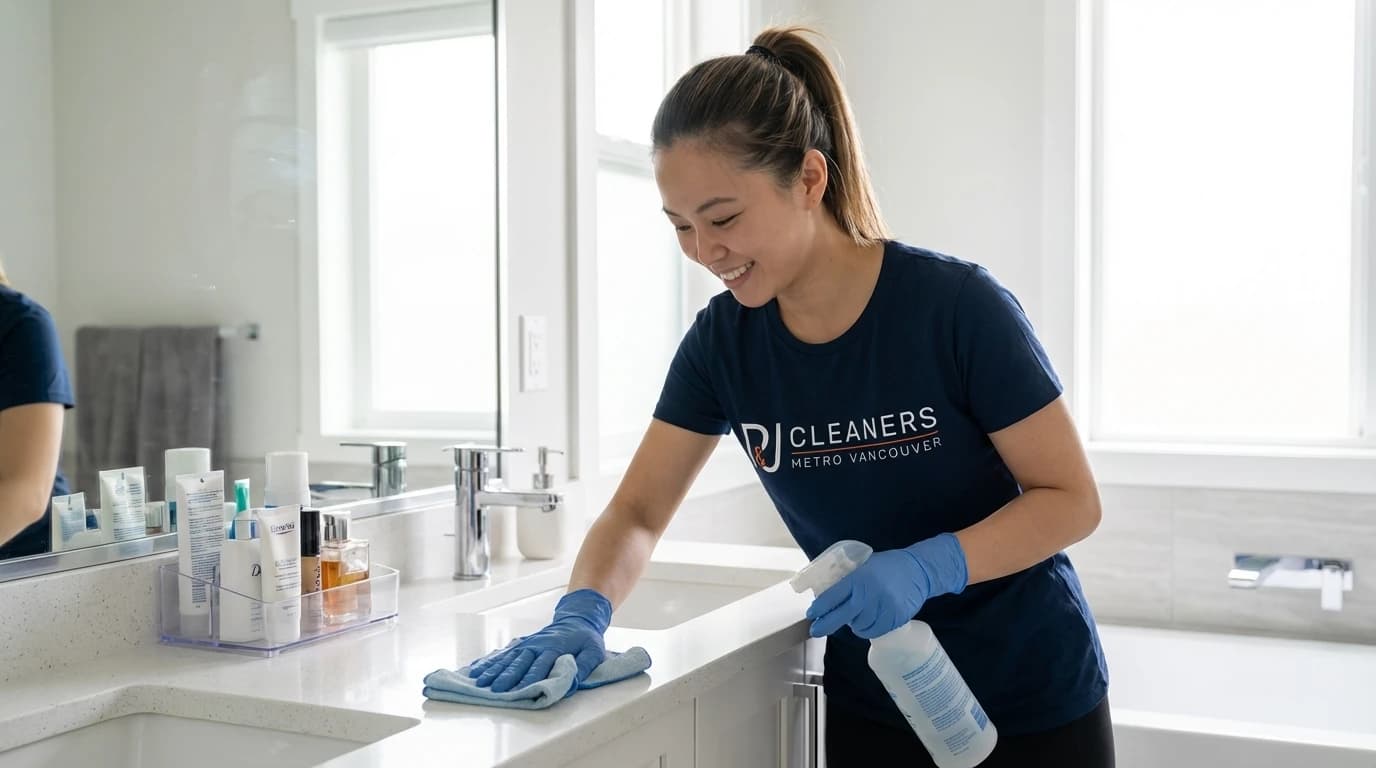
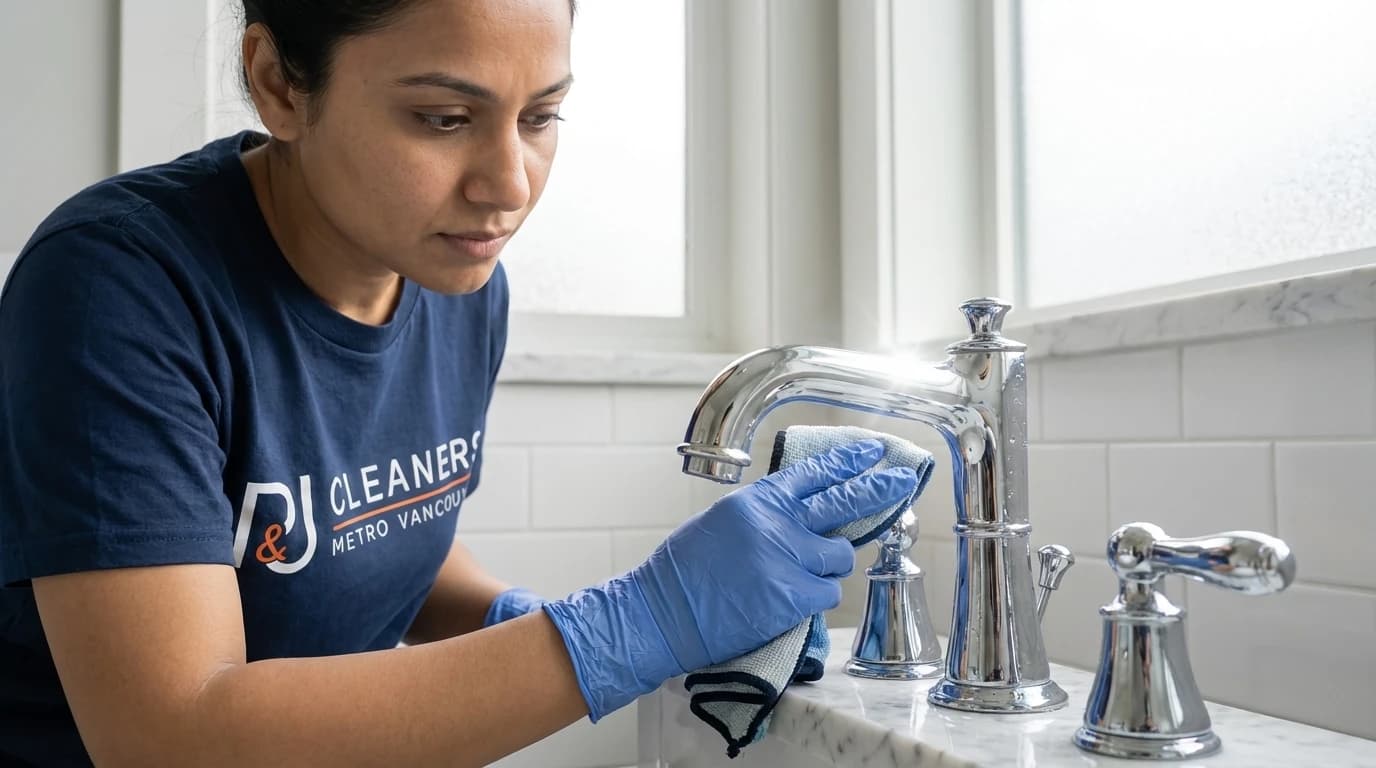
Moisture control forms the foundation of rust prevention because oxidation cannot occur without water. Wipe down sinks, tubs, and shower walls after each use to remove standing water and mineral deposits before they dry and concentrate iron particles. Install exhaust fans rated for your bathroom size (typically 50-80 CFM for standard bathrooms) and run them during showers and for 20 minutes afterward to reduce humidity below 50%. According to WorkSafeBC guidelines, proper ventilation prevents mould growth and also minimizes the moisture exposure that causes rust formation on metal fixtures and in water droplets containing dissolved iron.
Replace corroding fixtures and pipes before they become significant rust sources. Inspect faucet aerators, showerheads, and exposed pipes quarterly for signs of corrosion including discolouration, pitting, or flaking. Chrome-plated fixtures showing rust spots indicate coating failure and require replacement rather than repeated cleaning. Upgrade to solid brass or stainless steel fixtures in high-moisture areas, as these materials resist corrosion better than chrome-plated zinc alloys common in budget fixtures. The initial investment of $50-150 per fixture eliminates recurring rust problems and reduces cleaning time by 70% over the fixture's 15-20 year lifespan.
Apply protective coatings to vulnerable surfaces to create barriers against rust-causing moisture and iron deposits. Seal grout lines with penetrating silicone-based sealer every 12-18 months to prevent absorption of iron-containing water. Use automotive paste wax on porcelain and ceramic surfaces to create a hydrophobic layer that causes water to bead and run off rather than evaporating and leaving mineral deposits. For metal fixtures, apply thin coats of mineral oil or specialized metal protectants monthly to maintain the protective oxide layer that prevents rust formation. These preventive measures cost $20-40 annually but eliminate the need for aggressive rust removal treatments that can damage surfaces over time.
- Bathroom exhaust fans reduce moisture levels by 60-70% when properly sized and operated, preventing conditions that accelerate rust formation
- Grout sealing costs $0.50-1.00 per square foot and lasts 12-18 months, preventing rust absorption that requires professional restoration at $3-5 per square foot
- Water softeners reduce iron and mineral content by 90-95%, virtually eliminating rust stains in areas with hard water above 120 mg/L hardness
- Replacing corroded fixtures prevents rust transfer to surrounding surfaces, eliminating 75% of recurring bathroom rust problems according to plumbing industry data
- Regular wiping after use reduces rust stain formation by 85% compared to allowing water to evaporate naturally on surfaces
Pro Tip
Keep a microfibre cloth or squeegee in each bathroom and make post-shower wipedown a family habit. This 60-second routine prevents most rust stains and also reduces soap scum, hard water spots, and mildew growth.
Related resources
When to Call Professional Cleaning Services
Professional rust removal services become necessary for extensive staining, delicate surfaces, embedded rust in porous materials, or when DIY methods fail after multiple attempts, offering specialized equipment and expertise.
Professional cleaning services employ industrial-strength rust removers, specialized equipment, and trained techniques that achieve results impossible with household methods. Commercial-grade steam cleaners operating at 200-300°F penetrate porous surfaces to lift embedded rust from deep within grout lines and textured tiles. Professionals use variable-speed rotary scrubbers with surface-specific pads that provide consistent mechanical action without the fatigue and inconsistency of hand scrubbing. These tools combined with professional-grade chemicals remove rust stains that have accumulated over years of neglect, restoring surfaces to near-original condition in 2-4 hours versus days of DIY effort with uncertain results.
Delicate or valuable surfaces require professional assessment to avoid costly damage from improper cleaning methods. Antique porcelain fixtures, natural stone countertops, and custom tile work may have unique vulnerabilities that aren't apparent to homeowners. Professional cleaners test multiple approaches on inconspicuous areas and adjust techniques based on surface response, protecting your investment while achieving thorough rust removal. For move-out cleaning or pre-sale preparation, professional services ensure rust stains don't reduce property value or trigger cleaning charges from landlords. According to BC Residential Tenancy Branch guidelines, tenants are responsible for cleaning beyond normal wear, making professional rust removal a worthwhile investment to secure full damage deposit return.
Cost-benefit analysis often favours professional services for extensive rust problems affecting multiple fixtures or large areas. DIY rust removal for a heavily stained bathroom requires $30-50 in cleaning products, 6-10 hours of labour, and potential surface damage from trial-and-error approaches. Professional deep cleaning services in Metro Vancouver charge $40-60 per hour with typical bathroom rust removal completed in 2-3 hours, totaling $80-180 for guaranteed results and no risk of damage. The time savings alone justify professional services for busy homeowners, while the expertise ensures proper treatment that prevents rapid re-staining through identification and correction of underlying causes.
- Professional rust removal services cost $80-180 for standard bathrooms, comparable to DIY product costs plus time value at minimum wage rates
- Industrial steam cleaners reach 250°F and 150 PSI, penetrating porous surfaces 5-6 times deeper than household cleaning methods
- Professional services include 30-90 day satisfaction guarantees, eliminating financial risk if rust stains reappear due to incomplete removal
- Trained technicians identify rust sources during cleaning, providing recommendations that prevent 70-80% of future staining problems
- Commercial-grade rust removers used by professionals work 3-4 times faster than consumer products while including surface protectants that extend results
Pro Tip
Schedule professional rust removal as part of annual deep cleaning services to address stains before they become severe. Regular professional maintenance costs less than emergency restoration and keeps your home looking its best year-round.
Related resources
Step-by-Step
7-Step Rust Stain Removal Process
Follow this systematic approach to remove rust stains safely and effectively from bathroom and kitchen surfaces using household or commercial products.
Identify the Rust Source and Stain Severity
Before starting removal, locate the source of rust to prevent immediate re-staining after cleaning. Check for corroding pipes, leaking faucets, metal containers, or iron-rich water supply. Assess stain severity by testing a small area with white vinegar: if the stain lightens within 10 minutes, it's surface-level and responds to household methods. If no change occurs, the rust has penetrated deeply and may require commercial removers or professional treatment. Document the stain location and size to track treatment effectiveness.
- Inspect all metal fixtures, pipes, and accessories for visible corrosion or rust spots that could transfer to surfaces
- Test water hardness using a kit from hardware stores to determine if mineral content contributes to rust formation
- Apply small amount of white vinegar to inconspicuous stained area and observe reaction after 10 minutes
- Photograph stains before treatment to document severity and track improvement through multiple applications
- Check under sink cabinets and behind toilets for hidden leaks that create moisture promoting rust development
Gather Appropriate Cleaning Materials
Select cleaning materials based on stain severity and surface type identified in step one. For light stains on porcelain or ceramic, gather white vinegar, baking soda, spray bottle, soft-bristled brush, and microfibre cloths. For moderate stains, add lemon juice and cream of tartar to your supplies. For severe stains or large areas, purchase commercial rust remover appropriate for your surface type, along with rubber gloves, safety glasses, and ensure adequate ventilation. Having all materials ready before starting prevents treatment interruptions that reduce effectiveness.
- Purchase white vinegar (5% acetic acid) in gallon size for cost-effectiveness if treating multiple areas
- Obtain baking soda, soft-bristled brushes, non-scratch scouring pads, and several microfibre cleaning cloths
- For commercial removers, select products specifically labeled safe for your surface type (porcelain, ceramic, stainless steel)
- Prepare safety equipment including rubber gloves, safety glasses, and ensure bathroom exhaust fan functions properly
- Set up cleaning station with all materials within reach to maintain continuous treatment without interruption
Apply Initial Rust Removal Treatment
Start with the gentlest effective method to minimize surface damage risk. For household solutions, spray or pour white vinegar directly onto rust stains, ensuring complete coverage. For vertical surfaces, soak paper towels in vinegar and press against stains to maintain contact. Allow 30-60 minutes contact time for vinegar to chemically dissolve rust bonds. For commercial removers, follow manufacturer instructions precisely regarding application method, contact time, and safety precautions. Never mix different cleaning products, as chemical reactions can produce dangerous fumes or reduce effectiveness.
- Apply white vinegar liberally to all rust-stained areas, using spray bottle for even coverage on large surfaces
- For vertical surfaces, saturate paper towels with vinegar and press firmly against stains to prevent runoff
- Set timer for 30-60 minutes to ensure adequate contact time without over-exposure that might damage some surfaces
- If using commercial remover, wear protective equipment and ensure bathroom door is open with exhaust fan running
- Keep children and pets away from treatment area during contact time to prevent accidental exposure to cleaning products
Scrub and Agitate Loosened Rust
After contact time, create baking soda paste (three parts baking soda to one part water) and apply over treated areas. Use soft-bristled brush or non-scratch scouring pad to scrub in circular motions, applying moderate pressure. The combination of chemical dissolution from vinegar and mechanical action from baking soda abrasion lifts rust particles from surface pores. For textured surfaces or grout lines, use old toothbrush for precision scrubbing. Continue scrubbing until rust transfers to cloth or pad, indicating successful removal. Avoid excessive pressure that could scratch delicate surfaces.
- Mix baking soda paste to toothpaste consistency, adding water gradually to achieve proper thickness for vertical surfaces
- Apply paste generously over vinegar-treated areas, ensuring complete coverage of all rust-stained regions
- Scrub in circular motions with soft-bristled brush, applying consistent moderate pressure across entire stained area
- Use old toothbrush for grout lines, tile edges, and textured surfaces where larger brushes cannot reach effectively
- Periodically rinse brush or pad to remove accumulated rust particles and assess remaining stain severity
Rinse Thoroughly and Assess Results
Rinse treated areas completely with clean water to remove all cleaning product residue and loosened rust particles. Use spray bottle or damp cloth for initial rinse, followed by thorough wipe-down with clean microfibre cloth. Inspect surfaces under good lighting to assess rust removal effectiveness. Light stains typically disappear after first treatment, while moderate stains may show significant improvement but require second application. Severe or deeply embedded stains may need commercial rust remover or professional services if household methods prove insufficient after two attempts.
- Rinse surfaces thoroughly with clean water, ensuring all vinegar and baking soda residue is completely removed
- Wipe down with clean microfibre cloth to remove water and reveal true surface condition without water distortion
- Inspect treated areas under bright light to identify any remaining rust stains requiring additional treatment
- For remaining stains, assess whether they've lightened significantly (indicating household methods will work) or show minimal change
- Document results with photos to compare against initial condition and determine if additional treatments are warranted
Repeat Treatment if Necessary
For stains that improved but didn't completely disappear, repeat the treatment process after surfaces dry completely. Second applications often remove remaining rust that was loosened but not fully lifted during initial treatment. If household methods show no improvement after two attempts, switch to commercial rust remover following product instructions carefully. For persistent stains on valuable or delicate surfaces, consider professional cleaning services rather than risking damage from increasingly aggressive DIY methods. Most rust stains respond to 1-2 treatments when caught early.
- Allow surfaces to dry completely (2-4 hours) before assessing whether second treatment is necessary
- For improved but incomplete results, repeat vinegar and baking soda process with extended 60-90 minute contact time
- If no improvement after two household treatments, purchase commercial rust remover appropriate for your surface type
- Follow commercial product instructions precisely, including safety precautions, contact times, and neutralization steps
- Consider professional services if stains persist after commercial remover attempt or if surface shows any damage signs
Implement Prevention Measures
After successful rust removal, implement prevention strategies to avoid recurrence. Address the rust source identified in step one by replacing corroding fixtures, fixing leaks, or installing water softener if hard water is the culprit. Apply protective coatings like grout sealer or paste wax to create moisture barriers on vulnerable surfaces. Establish routine maintenance including post-use wipedown and monthly inspection of fixtures for early corrosion signs. Prevention costs significantly less than repeated rust removal and preserves surface condition long-term.
- Replace any corroding fixtures, metal accessories, or containers that caused the original rust staining
- Apply penetrating grout sealer to all grout lines, allowing 24 hours cure time before exposing to water
- Wipe down sinks, tubs, and shower walls after each use to remove standing water before minerals concentrate
- Install or upgrade bathroom exhaust fan to reduce humidity below 50% and minimize moisture exposure on surfaces
- Schedule quarterly fixture inspections to catch early corrosion signs before they cause visible rust stains
| Method | Effectiveness | Cost per Treatment | Time Required | Safety Level | Best For |
|---|---|---|---|---|---|
| White Vinegar | Good for light stains | $0.15 | 30-60 minutes | Very Safe | Regular maintenance, porcelain, ceramic |
| Lemon Juice + Sun | Good for light stains | $0.25 | 2-3 hours | Very Safe | Outdoor fixtures, white surfaces |
| Baking Soda Paste | Moderate (abrasive) | $0.10 | 15-30 minutes | Very Safe | All surfaces, gentle scrubbing |
| Commercial Remover | Excellent for severe | $0.50-0.75 | 5-15 minutes | Moderate Risk | Stubborn stains, large areas |
| Professional Service | Excellent for all | $80-180 total | 2-3 hours | No Risk | Extensive staining, delicate surfaces |
| Cream of Tartar Mix | Good for moderate | $0.30 | 30-45 minutes | Safe | White porcelain, bathtubs |
Services mentioned in this article
Ready for help?
4.9 · 850+ Google reviewsProfessional Rust Stain Removal in Vancouver
Stubborn rust stains require professional attention. Our deep cleaning service includes specialized rust removal treatments that restore your bathroom and kitchen surfaces to like-new condition. Fully insured with a satisfaction guarantee.
778-720-2224Common Questions About Rust Stain Removal
How to remove rust stains from porcelain?
Remove rust stains from porcelain using a paste of cream of tartar and hydrogen peroxide. Apply the mixture directly to the stain, let it sit for 30 minutes, then scrub with a soft brush. For stubborn stains, use a pumice stone designed for porcelain surfaces. According to the Canadian Water Quality Association, 73% of Metro Vancouver homes have hard water that causes rust staining on porcelain fixtures.
Does WD-40 remove rust stains?
WD-40 effectively removes light rust stains from metal fixtures and hardware but is not recommended for porous surfaces like tile or grout. Spray WD-40 directly on the rust stain, wait 10 minutes, then wipe clean with a microfiber cloth. For bathroom and kitchen surfaces, use safer alternatives like white vinegar or commercial rust removers. Always test WD-40 on an inconspicuous area first to prevent damage or discolouration.
How to prevent rust in bathroom?
Prevent bathroom rust by keeping metal items off wet surfaces, wiping down fixtures after each use, and improving ventilation. Install a bathroom fan that runs for 20 minutes after showers to reduce humidity levels below 50%. Replace metal shaving cream cans and soap dishes with plastic or ceramic alternatives. According to BC Health Authority guidelines, proper bathroom ventilation reduces moisture-related issues by 68% and significantly decreases rust formation on fixtures.
How to clean rust from stainless steel?
Clean rust from stainless steel using baking soda paste or specialized stainless steel cleaner. Mix three parts baking soda with one part water, apply to the rust spot, and scrub gently with the grain using a soft cloth. For tougher stains, use white vinegar followed by baking soda for a chemical reaction that lifts rust. Rinse thoroughly and dry immediately to prevent water spots and future rust formation on the surface.

Meet the Author
Pamela
Co-Founder
Pamela leads residential quality standards at P&J Cleaners, refining safe, detail-driven cleaning systems for Vancouver homes, condos, and move-out projects.
Keep Exploring