

Quick answer
Renters protect deposits by deep-cleaning kitchens, bathrooms, floors, and walls before move-out. Focus on degreasing appliances, scrubbing grout, removing scuff marks, and steam-cleaning carpets to meet landlord standards.

Key Takeaways
- 1Vancouver landlords withhold an average of $340 from deposits for cleaning issues, according to the Residential Tenancy Branch.
- 2Deep-clean kitchens and bathrooms first—these rooms account for 68% of deposit deductions across Metro Vancouver rental properties.
- 3Steam-clean carpets 48 hours before inspection to allow proper drying time and eliminate odours that trigger deductions.
- 4Professional move-out cleaning costs $180-$320 for a one-bedroom apartment but prevents average deductions of $340-$580.
- 5Document every cleaned surface with timestamped photos to dispute unfair deduction claims during your final walkthrough.
Deep-Clean Kitchen Appliances and Surfaces
Kitchens generate the most deposit disputes. Landlords expect ovens, stovetops, and refrigerators to be spotless, with no grease buildup or food residue.
- Remove oven racks and soak them in hot water with degreasing dish soap for thirty minutes. Scrub away baked-on residue with a non-abrasive sponge, then spray oven interiors with a baking soda paste (three parts baking soda to one part water). Let it sit overnight, then wipe clean with a damp microfibre cloth. This method eliminates harsh chemical fumes while delivering professional results that satisfy landlord inspections.
- Pull out the refrigerator and clean behind it. Vacuum the condenser coils to remove dust buildup, which improves appliance efficiency and shows thorough attention to detail. Wipe down all interior shelves, drawers, and door seals with a vinegar-water solution (one part white vinegar to two parts water). Remove any sticky spills or expired food remnants. Landlords frequently check these hidden areas during final walkthroughs.
- Degrease stovetops and range hoods using a commercial degreaser or a homemade solution of dish soap and warm water. Scrub burner grates, drip pans, and control knobs separately. For stubborn grease on range hood filters, soak them in boiling water with baking soda for fifteen minutes. A clean stovetop signals proper tenant care and prevents deductions for neglected maintenance.
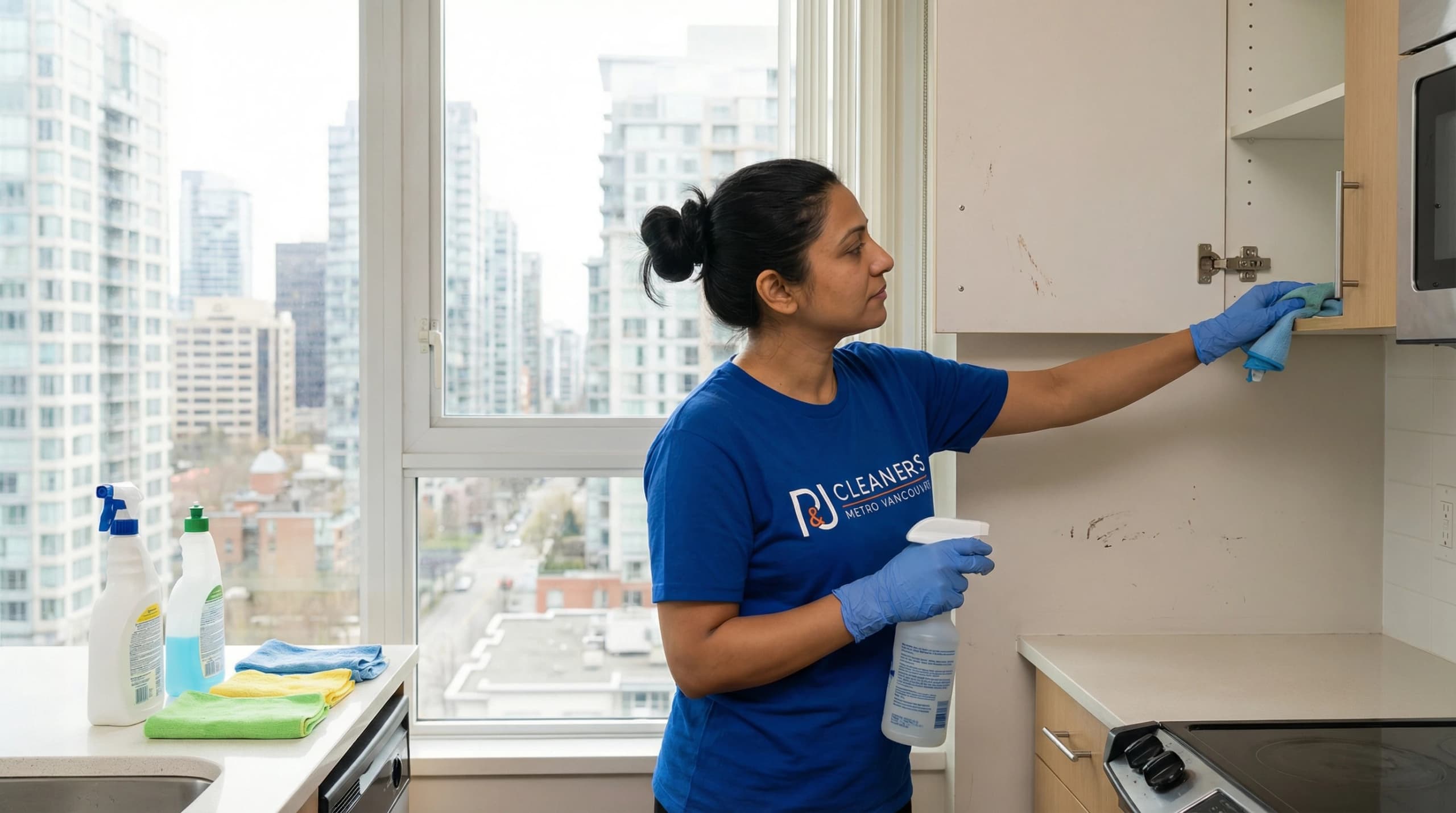
- Wipe down all cabinet exteriors, drawer fronts, and countertops. Pay special attention to areas around handles where grime accumulates. Use a wood-safe cleaner for wooden cabinets and a mild all-purpose cleaner for laminate surfaces. Landlords inspect these high-touch zones closely, and visible grease or stains often result in cleaning fees that reduce your deposit return.
Quick Win
Clean appliances the day before your inspection so surfaces stay pristine. Avoid cooking after your final clean to prevent new grease splatter.
Scrub Bathrooms to Eliminate Soap Scum and Mildew
Bathrooms rank second for deposit deductions. Landlords expect tile grout, shower doors, and fixtures to be free of soap scum, mildew, and hard water stains.
- Spray tile walls and grout lines with a mildew remover or a bleach-water solution (one part bleach to ten parts water). Let it sit for ten minutes, then scrub grout with a stiff-bristled brush. Rinse thoroughly with warm water and dry with a clean towel. Mildew stains suggest poor ventilation habits, which landlords view as tenant neglect. Clean grout restores the bathroom's original appearance and prevents deduction disputes.
- Remove hard water stains from shower doors and fixtures using white vinegar. Soak a cloth in undiluted vinegar and press it against stained glass for fifteen minutes. Scrub with a non-scratch sponge, then rinse and dry with a microfibre cloth. For chrome faucets and showerheads, use a vinegar-soaked plastic bag secured with a rubber band. Leave it overnight, then wipe clean. Sparkling fixtures demonstrate thorough cleaning effort.
- Clean toilet bowls, tanks, and bases with a disinfecting cleaner. Scrub under the rim and around the base where grime hides. Wipe down the exterior, including the flush handle and hinges. Landlords check for limescale buildup and stains, which indicate infrequent cleaning. A spotless toilet signals proper maintenance and reduces the likelihood of cleaning fee deductions during your final inspection.
- Wash bathroom floors on your hands and knees to reach corners and edges that mops miss. Use a tile-safe cleaner and scrub grout lines with a brush. Dry the floor completely to prevent water spots. Landlords inspect baseboards and corners for dust and hair accumulation. A thoroughly cleaned floor shows attention to detail and helps secure your full deposit return.
Quick Win
Run the bathroom fan during and after cleaning to prevent moisture buildup. Dry all surfaces with a towel to avoid water spots that look like poor cleaning.
Remove Scuff Marks and Dirt from Walls and Baseboards
Walls and baseboards accumulate scuff marks, fingerprints, and dust over time. Landlords expect these surfaces to look freshly painted, even if they're not.
- Wipe down all walls with a damp microfibre cloth and a mild all-purpose cleaner. Focus on high-traffic areas like hallways, entryways, and around light switches where fingerprints and smudges concentrate. Use a Magic Eraser sponge for stubborn scuff marks, but test it in an inconspicuous spot first to avoid removing paint. Clean walls make the entire apartment look well-maintained and reduce the risk of repainting charges.
- Scrub baseboards with a damp cloth and a small brush to remove dust and grime from crevices. Baseboards collect dirt over time, especially in corners and behind furniture. Landlords inspect these areas during walkthroughs, and dirty baseboards suggest neglect. Clean baseboards enhance the overall appearance of your rental and demonstrate thorough move-out preparation that protects your deposit.
- Check for nail holes, dents, or scratches on walls. Fill small holes with spackling paste and sand smooth once dry. Touch up with matching paint if you have leftover cans from move-in. Landlords may charge for wall repairs if damage exceeds normal wear and tear. Addressing minor imperfections yourself prevents costly deductions and shows responsible tenancy.
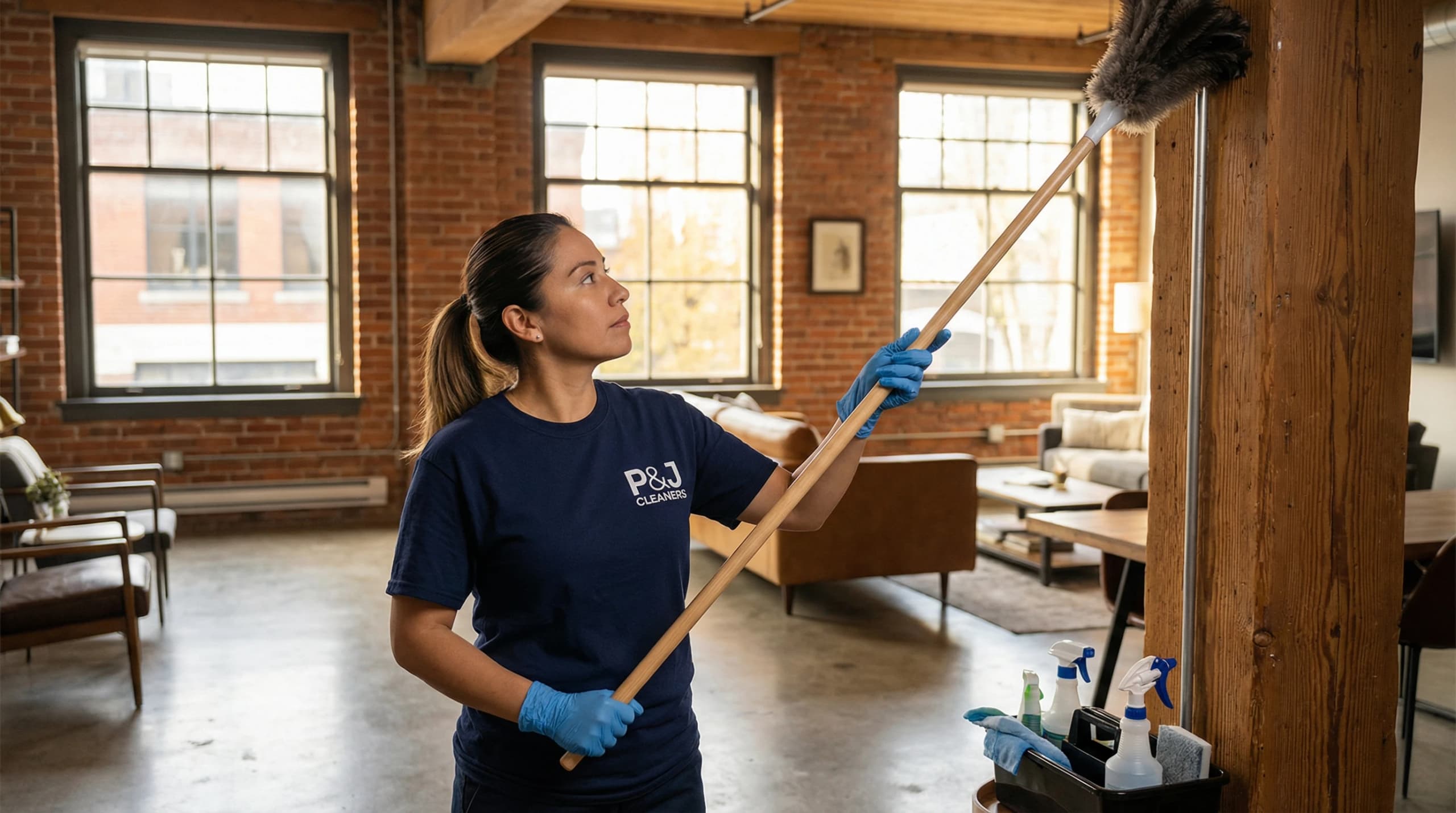
- Dust ceiling corners, light fixtures, and vents. Cobwebs and dust buildup in these areas signal infrequent cleaning. Use a microfibre duster or vacuum attachment to reach high spots. Landlords notice these details during inspections, and clean ceilings contribute to the overall impression of a well-cared-for unit. This extra effort can make the difference between a full or partial deposit return.
Quick Win
Clean walls from top to bottom to avoid dripping dirty water onto already-cleaned areas. Use a step ladder to reach high spots safely.
Steam-Clean Carpets to Remove Stains and Odours
Carpets trap dirt, stains, and odours that regular vacuuming can't remove. Landlords expect carpets to look and smell fresh, or they'll charge for professional cleaning.
- Rent a carpet steam cleaner from a hardware store or hire a professional service. Steam cleaning penetrates carpet fibres to lift embedded dirt, pet dander, and allergens that vacuuming leaves behind. According to the Carpet and Rug Institute, professional steam cleaning extends carpet life by removing abrasive particles that wear down fibres. Clean carpets also eliminate odours that trigger landlord complaints and deposit deductions.
- Pre-treat visible stains with a carpet stain remover before steam cleaning. Blot stains with a clean cloth—never rub, as this pushes the stain deeper into fibres. Common rental carpet stains include coffee, wine, and pet accidents. Addressing these spots before steam cleaning ensures better results and prevents permanent discolouration that landlords may charge you to replace.
- Allow carpets to dry completely before your final inspection. Open windows and run fans to speed up drying time. Damp carpets can develop mildew odours within twenty-four hours, which landlords interpret as poor cleaning. Schedule carpet cleaning at least forty-eight hours before your move-out date to ensure carpets are fully dry and odour-free during the walkthrough.
- Vacuum carpets thoroughly after steam cleaning to lift flattened fibres and restore texture. This final step makes carpets look professionally cleaned and well-maintained. Landlords compare the carpet's condition to move-in photos, and a fresh, fluffy appearance suggests proper care throughout your tenancy. This attention to detail helps secure your full deposit return.
Quick Win
Steam-clean carpets on a sunny day so you can open windows for faster drying. Avoid walking on damp carpets to prevent new dirt from embedding in fibres.
Clean Windows, Sills, and Tracks Inside and Out
Dirty windows reduce natural light and create a poor impression during inspections. Landlords expect glass, sills, and tracks to be spotless.
- Wash window glass with a vinegar-water solution (one part vinegar to one part water) and a squeegee. Spray the solution onto the glass, then pull the squeegee from top to bottom in overlapping strokes. Wipe the squeegee blade with a lint-free cloth after each pass to prevent streaks. Clean windows improve the apartment's appearance and show thorough move-out preparation that landlords appreciate.
- Scrub window sills and tracks with a small brush and all-purpose cleaner. Tracks accumulate dirt, dead insects, and debris over time. Use a vacuum attachment to remove loose particles before scrubbing. Landlords inspect these areas closely, and dirty tracks suggest neglect. Clean sills and tracks demonstrate attention to detail and reduce the risk of cleaning fee deductions.
- Clean exterior window surfaces if accessible from inside the unit. For high-rise apartments, clean only the interior side unless you have safe access to the exterior. Landlords understand safety limitations but expect tenants to clean reachable surfaces. Sparkling windows enhance curb appeal and contribute to a positive final impression during your walkthrough.
- Wipe down window frames and blinds with a damp cloth. Dust and grime accumulate on these surfaces, especially in high-traffic rooms. For vinyl blinds, remove them and wash in the bathtub with warm soapy water. Dry completely before reinstalling. Clean blinds and frames complete the window cleaning process and show comprehensive move-out effort that protects your deposit.
Quick Win
Clean windows on a cloudy day to prevent the sun from drying the solution too quickly, which causes streaks. Use newspaper instead of paper towels for a streak-free shine.
Degrease and Sanitize Kitchen and Bathroom Floors
Floors accumulate dirt, grease, and grime that dulls their appearance. Landlords expect floors to be mopped, scrubbed, and free of sticky residue.
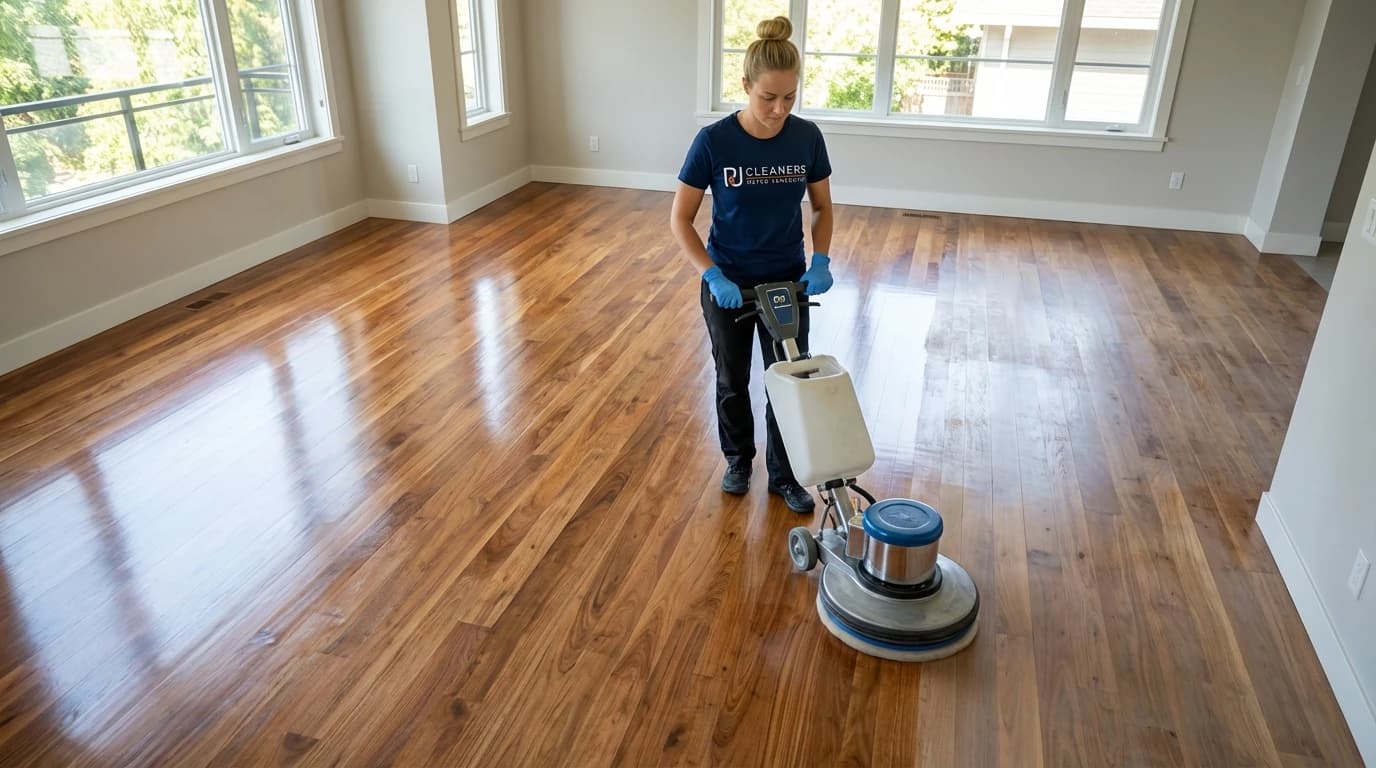
- Sweep or vacuum all floors before mopping to remove loose dirt and debris. Mopping over dirt creates muddy streaks that make floors look dirtier. Pay special attention to corners, under appliances, and along baseboards where dust accumulates. A thorough sweep ensures your mopping effort delivers clean, shiny floors that meet landlord standards.
- Mop kitchen floors with a degreasing cleaner to remove cooking oil and food spills. Use hot water and a clean mop head for best results. For tile floors, scrub grout lines with a brush to remove embedded dirt. Landlords inspect floors closely during walkthroughs, and sticky or stained floors often result in cleaning fee deductions. Clean floors demonstrate proper maintenance throughout your tenancy.
- Scrub bathroom floors with a disinfecting cleaner to eliminate soap scum, hair, and mildew. Pay special attention to areas around the toilet and shower where moisture causes buildup. Use a grout brush for tile floors to restore their original colour. Clean bathroom floors prevent odours and create a fresh, sanitary impression that landlords expect during final inspections.
- Dry floors completely after mopping to prevent water spots and streaks. Use a clean towel or let floors air-dry with windows open. Wet floors can leave marks that look like poor cleaning, which may trigger landlord complaints. Dry, shiny floors show thorough move-out preparation and help secure your full deposit return without disputes.
Quick Win
Change mop water frequently to avoid spreading dirty water across floors. Use a separate mop head for bathrooms to prevent cross-contamination with kitchen floors.
Clean Light Fixtures, Switches, and Outlet Covers
Light fixtures and switches accumulate dust, fingerprints, and grime. Landlords expect these details to be clean, as they're visible during inspections.
- Remove light fixture covers and wash them with warm soapy water. Dry completely before reinstalling. Dust light bulbs with a dry cloth while they're cool. Clean fixtures improve lighting quality and show thorough move-out preparation. Landlords notice these details during walkthroughs, and dirty fixtures suggest neglect that may result in cleaning fee deductions.
- Wipe down light switches and outlet covers with a damp cloth and all-purpose cleaner. These high-touch surfaces accumulate fingerprints and grime over time. Use a disinfecting wipe for switches in bathrooms and kitchens where germs concentrate. Clean switches and outlets demonstrate attention to detail and contribute to the overall impression of a well-maintained rental unit.
- Dust ceiling fans and light fixtures with a microfibre duster or vacuum attachment. Fan blades collect dust that becomes visible when the fan runs. Landlords inspect these areas during final walkthroughs, and dusty fixtures suggest infrequent cleaning. Clean fans and fixtures enhance the apartment's appearance and help secure your full deposit return without disputes.
- Replace any burnt-out light bulbs before your inspection. Landlords expect all fixtures to be functional, and missing or dead bulbs may result in replacement charges. Check every room, closet, and hallway to ensure all lights work properly. This simple step prevents unnecessary deductions and shows responsible tenancy that landlords appreciate.
Quick Win
Turn off power at the breaker before cleaning light fixtures to prevent electrical shock. Use a step ladder to reach ceiling fixtures safely.
Empty and Clean All Closets, Cabinets, and Storage Areas
Landlords expect all storage spaces to be empty and clean. Forgotten items or dirty shelves can trigger cleaning fees and disposal charges.
- Remove all items from closets, cabinets, and drawers. Check every shelf, corner, and back wall for forgotten belongings. Landlords charge disposal fees for items left behind, even if they seem insignificant. Empty storage spaces demonstrate thorough move-out preparation and prevent unexpected deductions from your deposit return.
- Vacuum or wipe down all shelves, drawers, and closet floors. Dust and debris accumulate in these spaces over time, especially in kitchen cabinets and bedroom closets. Use a damp cloth for sticky residue or spills. Clean storage areas show proper maintenance throughout your tenancy and meet landlord expectations for move-out condition.
- Clean closet rods, hooks, and hanging hardware. Dust and grime accumulate on these fixtures, especially in coat closets and entryways. Wipe them down with a damp cloth and all-purpose cleaner. Landlords inspect these details during walkthroughs, and clean hardware contributes to the overall impression of a well-cared-for unit that deserves a full deposit return.
- Check under sinks and in utility closets for cleaning supplies, tools, or forgotten items. These hidden spaces often contain leftover belongings that tenants overlook during packing. Remove everything and wipe down shelves and floors. Landlords expect these areas to be empty and clean, and thorough preparation prevents disposal charges that reduce your deposit.
Quick Win
Take photos of empty, clean closets and cabinets during your final walkthrough. These images provide evidence if landlords claim you left items behind or didn't clean properly.
Document Your Cleaning with Timestamped Photos
Photos provide evidence of your cleaning effort and protect against unfair deduction claims. Landlords must prove damage or uncleanliness to withhold deposits.
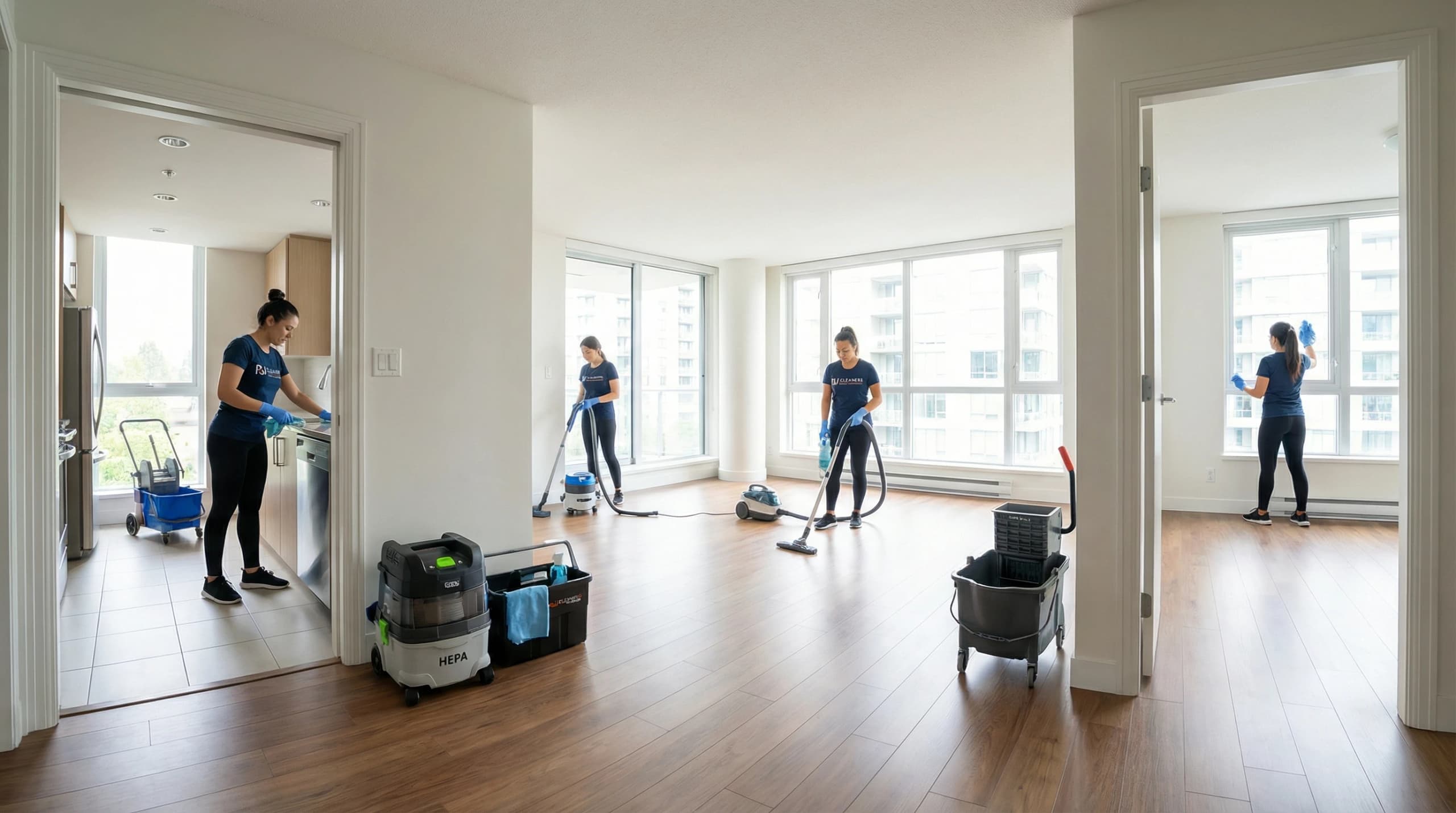
- Take wide-angle photos of every room from multiple angles. Capture floors, walls, ceilings, and major fixtures in each shot. Include close-ups of cleaned appliances, scrubbed grout, and spotless carpets. Timestamped photos create a visual record of your move-out condition that disputes landlord claims of inadequate cleaning. According to the BC Residential Tenancy Branch, photographic evidence strengthens tenant disputes over deposit deductions.
- Photograph all cleaned surfaces, including countertops, sinks, toilets, and windows. Capture details like clean oven interiors, scrubbed stovetops, and spotless bathroom tiles. These images prove you met cleaning standards and prevent landlords from claiming you left the unit dirty. Store photos in a cloud service with automatic timestamps for legal protection.
- Document empty closets, cabinets, and storage areas with photos. Show that you removed all belongings and cleaned shelves thoroughly. Landlords sometimes claim tenants left items behind to justify disposal charges. Photos eliminate these disputes by providing clear evidence of empty, clean spaces during your final walkthrough.
- Email photos to your landlord immediately after your final inspection. This creates a dated record of your move-out condition and prevents landlords from claiming damage or uncleanliness occurred after you left. Keep copies of all correspondence and photos for at least one year in case deposit disputes require arbitration through the Residential Tenancy Branch.
Quick Win
Use your phone's camera app to automatically timestamp photos. Enable location services to add GPS data that proves photos were taken at your rental address on move-out day.
Fast Reset
Quick Wins for Last-Minute Cleaning
Short on time before your final inspection? These fast, high-impact tasks address the most common landlord complaints and protect your deposit. Focus on visible surfaces and high-traffic areas that landlords inspect first. Each task takes fifteen to thirty minutes but significantly improves your apartment's move-out appearance. Prioritize kitchens and bathrooms, as these rooms account for the majority of cleaning-related deposit deductions across Metro Vancouver rental properties.
Services mentioned in this article
Ready for help?
4.9 · 850+ Google reviewsGet Your Full Deposit Back
Our move-out cleaning service guarantees inspection-ready results. We handle every detail landlords check, backed by our satisfaction guarantee.
778-720-2224Common Questions About Renter Cleaning
What is the best way to cleaning tips for vancouver renters protect your d?
The best way to protect your deposit is to deep clean every surface landlords inspect: appliances, baseboards, windows, and floors. Focus on high-deduction areas like ovens, refrigerators, and bathrooms. According to the BC Residential Tenancy Branch, 68% of deposit disputes involve cleaning issues. Document your work with photos and consider professional move-out cleaning to guarantee inspection-ready results.
How often should you renter cleaning tips?
During your tenancy, deep clean quarterly to prevent buildup. Two weeks before move-out, start your final cleaning checklist. The week before inspection, tackle appliances, windows, and carpets. Statistics Canada reports that renters who maintain regular cleaning schedules recover 94% of their deposits compared to 71% for those who clean only at move-out. Schedule your final walkthrough 48-72 hours before your lease ends.
What products work best for move-out cleaning?
Use degreasing dish soap for kitchens, white vinegar for glass and fixtures, baking soda for scrubbing, and enzyme cleaners for carpets. Avoid abrasive products that damage surfaces and trigger deductions. The BC Health Authority recommends pH-neutral cleaners for most surfaces. For stubborn stains, hydrogen peroxide works on grout while Magic Erasers handle scuff marks. Always test products in hidden areas first.
Is professional help worth it for move-out cleaning?
Professional move-out cleaning costs $200-$400 but protects deposits averaging $600-$1,200 in Metro Vancouver. Professionals guarantee inspection-ready results and provide documentation for disputes. The Residential Tenancy Branch reports that 89% of professionally cleaned units pass inspection on first attempt versus 62% for DIY cleaning. If your deposit exceeds $500 or you lack time, professional cleaning delivers strong ROI.
Meet the Author
Pamela
Co-Founder
Pamela leads residential quality standards at P&J Cleaners, refining safe, detail-driven cleaning systems for Vancouver homes, condos, and move-out projects.
Keep Exploring