Industry Overview
Understanding Property Manager Cleaning Requirements
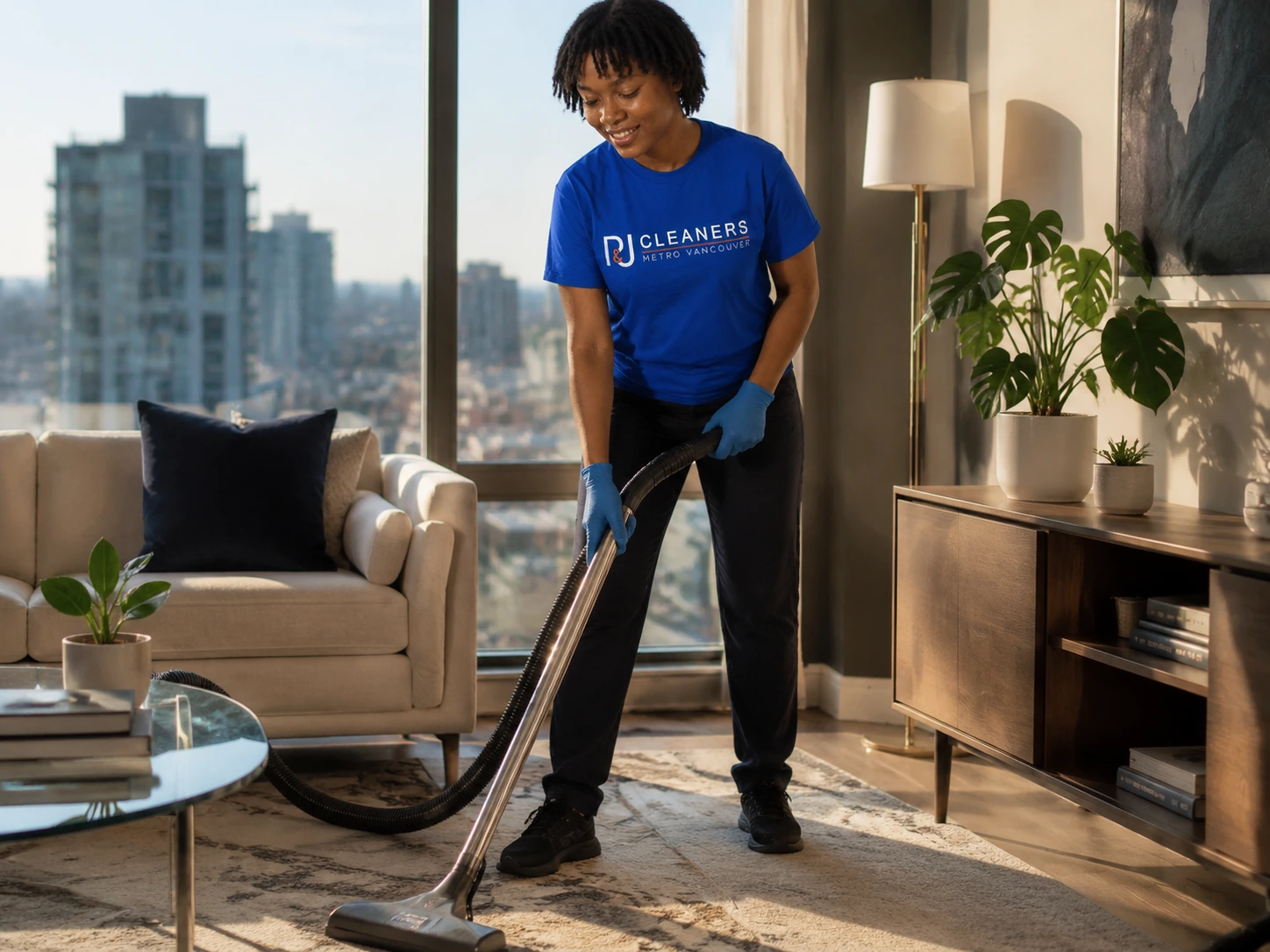
Property managers in Metro Vancouver oversee cleaning operations for residential strata buildings, commercial office complexes, and mixed-use developments. The BC Strata Property Act requires councils to maintain common property in a state of good repair, making professional cleaning contracts essential rather than optional. With 763,000 strata units across British Columbia and 45% concentrated in Metro Vancouver, the property management cleaning sector represents a $340 million annual market. Effective cleaning programs directly impact property values, tenant satisfaction scores, and insurance premiums.
Professional cleaning contracts protect property managers from liability while ensuring consistent service delivery. WorkSafeBC regulations mandate proper training, equipment maintenance, and chemical handling procedures for all commercial cleaning operations. The BC Ministry of Health enforces sanitation standards for common areas, particularly in buildings with shared ventilation systems. Property managers face potential fines up to $50,000 for non-compliance with health and safety regulations. Documented cleaning schedules and quality control systems provide legal protection during tenant disputes or insurance claims.
Modern property management requires data-driven cleaning programs that balance cost efficiency with quality outcomes. The average Metro Vancouver strata building spends 8-12% of operating budgets on cleaning and maintenance services. Buildings with professional cleaning contracts report 34% fewer maintenance emergencies and 28% higher tenant retention rates compared to those using ad-hoc cleaning arrangements. Digital tracking systems, photo documentation, and performance metrics have become industry standards for contract management and accountability.
342,000+
Metro Vancouver Strata Units
Source: Statistics Canada 2024
8-12% of operating costs
Average Cleaning Budget
Source: CHOA BC 2025
$2 million+
Liability Coverage to Ask For
Source: P&J Cleaners
67% with quality systems
Complaint Reduction
Source: ISSA Canada 2025
Compliance priorities
WorkSafeBC registration and active account in good standing with no outstanding violations or safety orders • WHMIS 2015 certification for all cleaning staff handling chemical products, with annual refresher training documentation • Cleaning companies should carry at least $2 million in commercial general liability insurance, naming the strata corporation as an additional insured party • Bonding coverage for theft and property damage, typically $100,000-$500,000 depending on building size and access levels • Criminal record checks for all staff with building access, renewed every 5 years per BC Strata Property Act requirements • Proof of proper waste disposal procedures compliant with Metro Vancouver solid waste management bylaws and recycling regulations
Essential Contract Components for Building Cleaning
Comprehensive cleaning contracts specify service areas, frequencies, quality standards, and performance metrics. Well-structured agreements prevent disputes, ensure regulatory compliance, and establish clear expectations for both property managers and cleaning contractors. The following sections outline critical contract elements for different building zones.
Lobby and Entrance Areas
High-traffic entrance zones require daily attention to maintain professional appearance and prevent slip hazards. These areas create first impressions for residents, visitors, and prospective tenants.
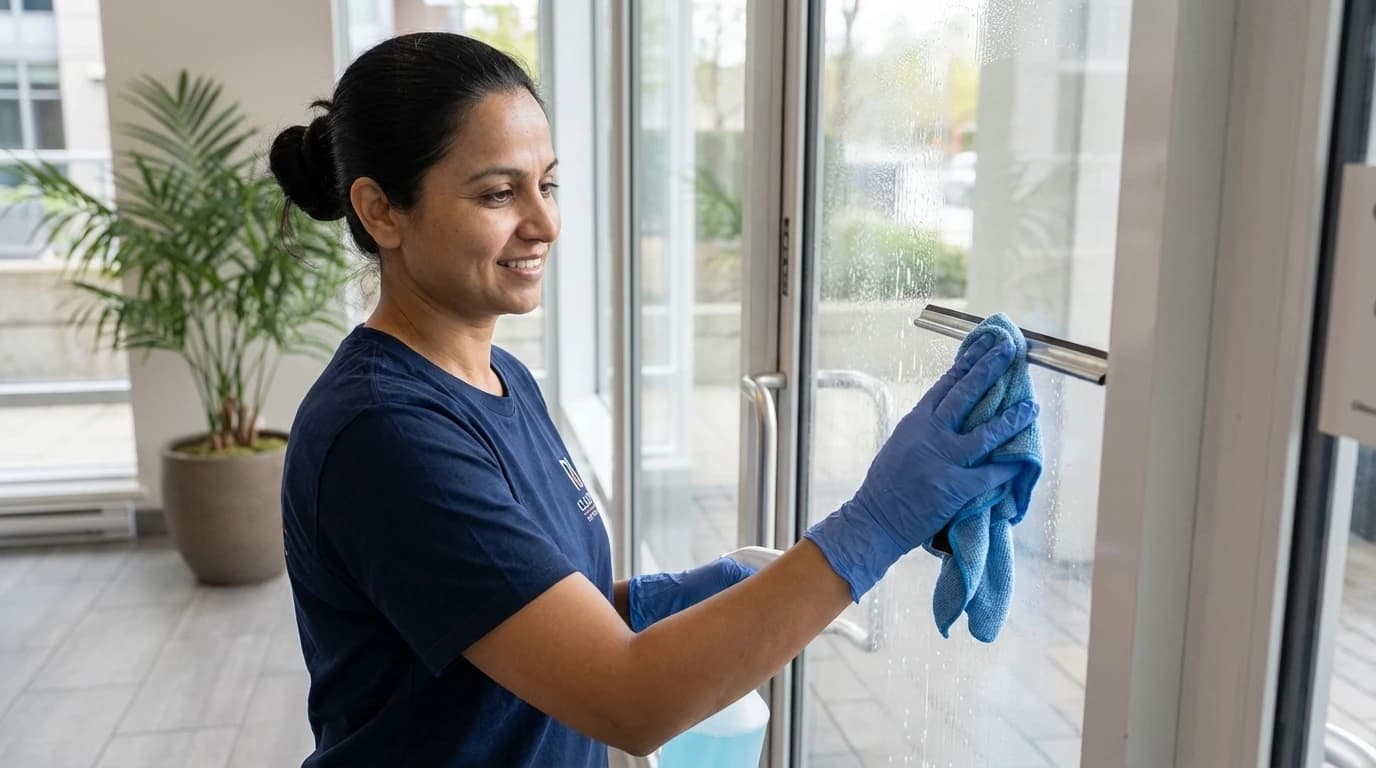
Lobby cleaning contracts must specify floor care methods appropriate for installed materials. Marble, granite, and terrazzo require pH-neutral cleaners and specific buffing schedules to prevent etching and maintain shine. Vinyl composite tile needs daily dust mopping and weekly machine scrubbing with approved floor finish products. Carpet entrance mats require daily vacuuming and monthly extraction cleaning to prevent soil tracking into interior spaces. Glass entrance doors and sidelights need daily cleaning to remove fingerprints, smudges, and weather residue that accumulate from constant use.
Furniture, fixtures, and decorative elements in lobby areas collect dust and require regular attention. Upholstered seating needs weekly vacuuming and quarterly professional cleaning to maintain appearance and hygiene standards. Wood furniture requires dusting with microfibre cloths and periodic application of appropriate wood care products. Metal fixtures, handrails, and elevator call buttons need daily disinfection using hospital-grade products, particularly important during cold and flu season. Light fixtures, artwork, and decorative plants require cleaning every 4 weeks to prevent visible dust accumulation.
Entrance area contracts should include weather-specific provisions for Vancouver's rainy climate. Winter months require additional floor matting, increased mopping frequency, and salt residue removal from hard surfaces. Leaf and debris removal from entrance areas becomes critical during fall months. Summer pollen requires more frequent glass cleaning and entrance mat maintenance. Seasonal adjustments prevent weather-related complaints and maintain consistent appearance standards throughout the year.
- Daily floor cleaning with appropriate products for installed materials, including dust mopping, damp mopping, and spot cleaning of spills
- Glass entrance doors cleaned daily inside and outside, with special attention to fingerprints, smudges, and weather residue
- Elevator call buttons and handrails disinfected daily using hospital-grade products approved for high-touch surface sanitation
- Lobby furniture vacuumed weekly, with quarterly deep cleaning for upholstered pieces and monthly dusting for wood surfaces
- Entrance mats vacuumed daily and extracted monthly, with additional mats deployed during wet weather periods
- Light fixtures and decorative elements dusted monthly, with quarterly deep cleaning for chandeliers and complex fixtures
Recommended Frequency
Daily service with weekly and monthly deep cleaning tasks
Hallways and Stairwell Maintenance
Corridor and stairwell cleaning prevents dirt accumulation, maintains fire safety compliance, and reduces slip hazards. These transitional spaces require consistent attention despite lower visibility than lobby areas.
Hallway cleaning specifications must address floor types, wall finishes, and lighting conditions. Carpeted hallways need weekly vacuuming with commercial equipment capable of deep pile extraction. Hard surface corridors require dust mopping three times weekly and damp mopping twice weekly using neutral pH cleaners. Baseboards collect dust and scuff marks requiring monthly detail cleaning with appropriate products. Wall surfaces need quarterly spot cleaning to remove marks, fingerprints, and accumulated grime without damaging paint or wallcovering finishes.
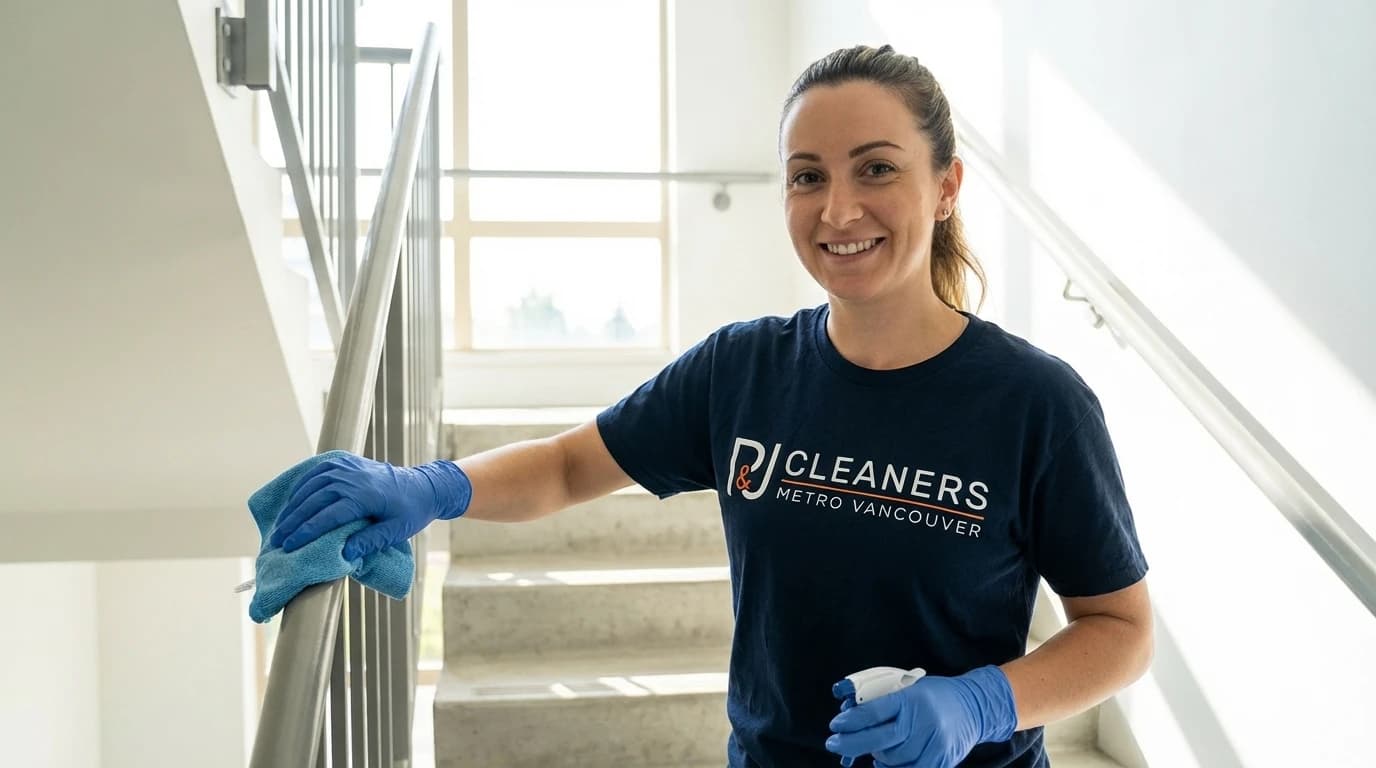
Stairwell cleaning presents unique safety and access challenges requiring specific contract language. Handrails need daily disinfection on both sides, as they represent high-touch surfaces with significant disease transmission potential. Stair treads require weekly vacuuming or sweeping, with monthly deep cleaning to remove embedded soil. Landing areas accumulate debris and need twice-weekly attention. Emergency lighting, exit signs, and fire safety equipment require monthly dusting without disturbing alarm systems or safety devices. Contractors must use proper fall protection equipment when cleaning stairwells above ground level.
Hallway and stairwell contracts should specify response times for spills, vandalism, and emergency cleaning situations. Biohazard incidents require immediate response with properly trained staff and appropriate personal protective equipment. Graffiti removal must occur within 24 hours using methods that don't damage underlying surfaces. Water leaks and flooding require emergency extraction services to prevent mould growth and structural damage. Clear escalation procedures and emergency contact protocols prevent delayed responses that could create liability issues for property managers.
- Carpeted hallways vacuumed weekly with commercial equipment, including edges and corners often missed by standard cleaning
- Hard surface corridors dust mopped three times weekly and damp mopped twice weekly using pH-neutral floor cleaning products
- Handrails disinfected daily on both sides using hospital-grade products, with special attention during cold and flu season
- Baseboards and wall surfaces spot cleaned monthly to remove scuff marks, fingerprints, and accumulated dirt without surface damage
- Stairwell landings swept twice weekly with monthly deep cleaning to remove embedded soil and prevent slip hazards
- Emergency response within 2 hours for spills, biohazards, or vandalism requiring immediate attention and documentation
Recommended Frequency
Multiple weekly services with monthly deep cleaning and emergency response capability
Elevator Cab and Mechanical Room Cleaning
Elevator maintenance requires specialized knowledge of mechanical systems, safety protocols, and high-traffic surface care. These enclosed spaces concentrate odours and show dirt quickly, impacting resident satisfaction.
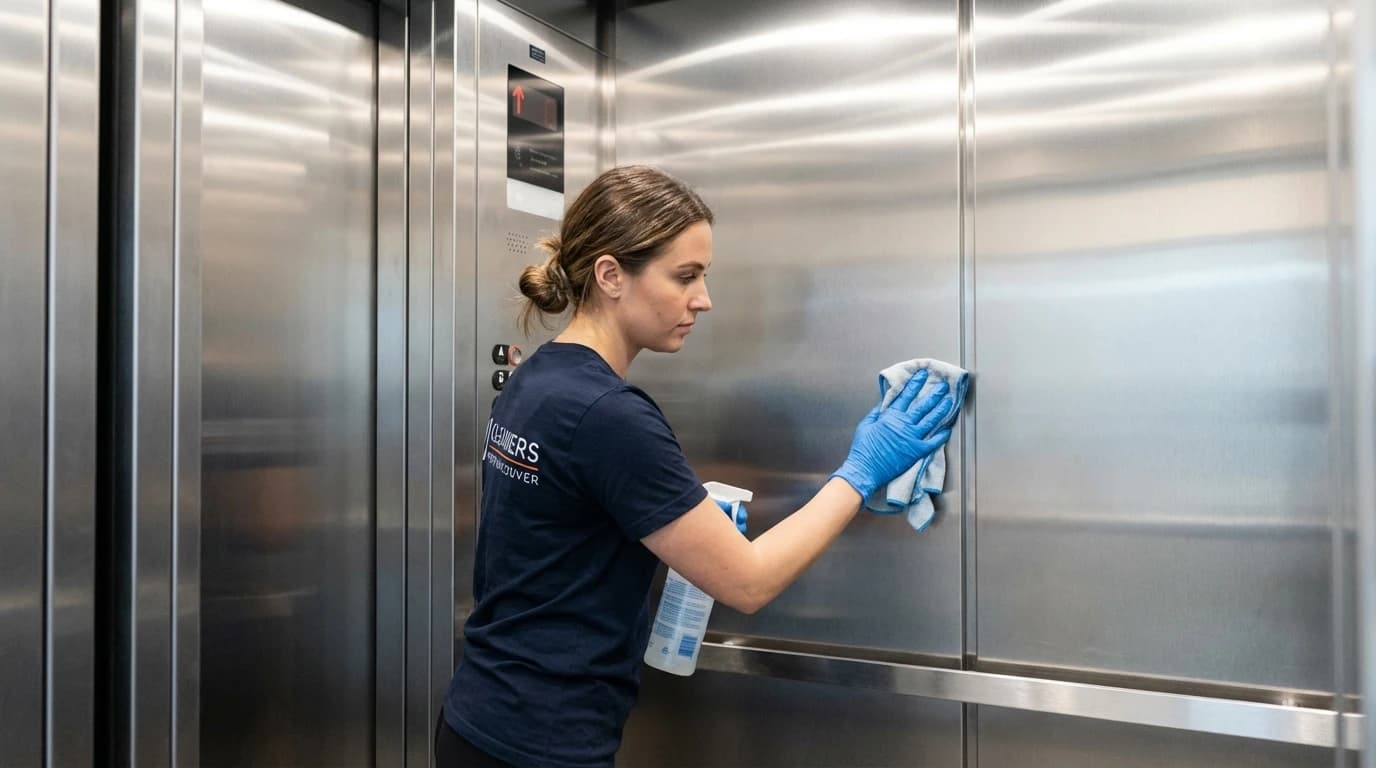
Elevator cab cleaning contracts must specify interior surface treatments and frequency requirements. Stainless steel panels require daily cleaning with specialized products that prevent streaking and maintain factory finish. Mirror surfaces need daily attention to remove fingerprints, smudges, and breath marks that accumulate from close-quarters use. Floor surfaces experience extreme wear from foot traffic, delivery carts, and moving equipment requiring daily mopping and weekly deep cleaning. Ceiling panels, light fixtures, and ventilation grilles collect dust and require cleaning every 4 weeks to maintain air quality and appearance standards.
Elevator door tracks and threshold plates represent critical safety and maintenance areas often overlooked in basic cleaning contracts. Track channels accumulate debris that can interfere with door operation and create safety hazards. Weekly vacuuming of tracks prevents mechanical failures and extends equipment life. Threshold plates show wear patterns and require weekly cleaning to prevent trip hazards. Call buttons inside and outside elevator cabs need daily disinfection as high-touch surfaces with significant disease transmission potential. Proper cleaning prevents costly mechanical repairs and extends elevator system lifespan.
Elevator mechanical room cleaning requires coordination with building maintenance staff and elevator service contractors. These spaces contain sensitive equipment requiring dust control and proper cleaning methods. Cleaning every 4 weeks prevents dust accumulation on mechanical components that can cause overheating and premature failure. Cleaning staff must understand lockout-tagout procedures and never interfere with elevator safety systems. Contracts should specify access protocols, safety training requirements, and coordination procedures with elevator maintenance companies to prevent service disruptions or safety violations.
- Elevator cab interiors cleaned daily including stainless steel panels, mirrors, floors, and control buttons using appropriate products
- Door tracks vacuumed weekly to remove debris that interferes with operation and creates safety hazards for passengers
- Call buttons inside and outside cabs disinfected daily using hospital-grade products approved for electronic surfaces
- Ceiling panels and ventilation grilles dusted monthly to maintain air quality and prevent visible dust accumulation
- Mechanical rooms cleaned monthly with dust control methods that don't interfere with sensitive elevator equipment
- Coordination with elevator service contractors for cleaning schedules that don't conflict with maintenance or inspection activities
Recommended Frequency
Daily cab cleaning with weekly track maintenance and monthly mechanical room service
Amenity Room and Common Area Cleaning
Shared amenity spaces including fitness centres, party rooms, and lounges require flexible cleaning schedules based on booking patterns and usage intensity. These areas generate significant resident satisfaction or complaints.
Fitness centre cleaning contracts must address equipment sanitation, floor care, and odour control specific to exercise environments. Cardio and weight equipment requires daily disinfection of all touch surfaces including handles, seats, and control panels. Gym floors need daily dust mopping and weekly machine scrubbing using products compatible with rubber or vinyl athletic flooring. Mirrors require daily cleaning to remove sweat spray and fingerprints that accumulate during workouts. Locker room areas need daily attention including floor mopping, counter cleaning, and restroom sanitation using hospital-grade disinfectants.
Party room and lounge cleaning schedules must accommodate booking patterns and post-event cleanup requirements. Standard cleaning includes weekly vacuuming, dusting, and surface cleaning when spaces remain unused. Post-event cleaning within 24 hours of bookings ensures spaces remain ready for next users. Kitchen areas in party rooms require appliance cleaning, counter sanitation, and floor mopping after each use. Furniture arrangement, garbage removal, and damage inspection should be documented with photos to prevent disputes about responsibility for damages or excessive cleaning needs.
Specialized amenity spaces like theatre rooms, craft rooms, or business centres require equipment-specific cleaning protocols. Audio-visual equipment needs dusting with appropriate methods that don't damage sensitive electronics. Computer keyboards and mice require disinfection between users. Craft room cleaning includes table sanitation, floor cleaning, and proper disposal of project materials left behind. Business centre printers and copiers need exterior cleaning without interfering with mechanical components. Clear usage policies and cleaning standards prevent conflicts between residents and protect expensive shared equipment from damage.
- Fitness equipment disinfected daily on all touch surfaces using products safe for electronics and upholstery materials
- Gym floors dust mopped daily and machine scrubbed weekly using cleaners compatible with athletic flooring materials
- Party rooms cleaned within 24 hours of bookings including kitchen sanitation, furniture arrangement, and damage documentation
- Lounge areas vacuumed and dusted weekly with daily service during high-use periods or special events
- Specialized equipment in theatre rooms and business centres dusted monthly using methods safe for sensitive electronics
- Post-event inspection with photo documentation to establish baseline conditions and prevent damage disputes
Recommended Frequency
Daily to weekly depending on space type and usage patterns, with post-event cleaning as needed
Parkade and Storage Area Maintenance
Underground parking and storage areas require specialized cleaning approaches for concrete surfaces, ventilation systems, and security considerations. These spaces impact building air quality and fire safety compliance.
Parkade cleaning contracts must address oil stain removal, concrete sealing, and drainage system maintenance. Monthly sweeping removes loose debris, leaves, and dirt tracked in from street level. Quarterly pressure washing eliminates accumulated grime, tire marks, and oil residue that create slip hazards. Oil stain treatment requires specialized absorbent products and proper disposal procedures compliant with Metro Vancouver environmental regulations. Drainage grates and catch basins need quarterly cleaning to prevent flooding during heavy rain events common in Vancouver's climate.
Parking structure lighting, signage, and safety equipment require regular cleaning to maintain visibility and code compliance. Light fixtures collect dust and cobwebs reducing illumination levels below safety standards. Cleaning every 4 weeks maintains proper lighting levels and reduces electricity costs by improving fixture efficiency. Exit signs, directional signage, and parking space numbers need quarterly cleaning to ensure visibility. Fire safety equipment including extinguishers, hose cabinets, and alarm pull stations require monthly inspection and cleaning without interfering with operational readiness.
Storage locker areas present unique security and access challenges requiring specific contract provisions. Cleaning staff need proper identification and access control to prevent security breaches. Monthly sweeping of storage corridors removes dust and debris without disturbing tenant belongings. Pest control coordination ensures cleaning activities don't interfere with rodent monitoring or treatment programs. Ventilation grilles in storage areas require quarterly cleaning to maintain air circulation and prevent moisture accumulation that leads to mould growth. Clear protocols for reporting abandoned items, water leaks, or security concerns protect both cleaning staff and property managers from liability.
- Parkade floors swept monthly to remove loose debris, with quarterly pressure washing for deep cleaning and oil stain removal
- Drainage grates and catch basins cleaned quarterly to prevent flooding and ensure proper water flow during rain events
- Parking structure lighting cleaned monthly to maintain illumination levels and improve energy efficiency of fixtures
- Storage locker corridors swept monthly with proper access control and security protocols for cleaning staff
- Fire safety equipment inspected and cleaned monthly without interfering with operational readiness or alarm systems
- Oil spill response within 24 hours using proper absorbent materials and disposal procedures compliant with environmental regulations
Recommended Frequency
Monthly sweeping with quarterly deep cleaning and immediate response for spills or safety hazards
Exterior Common Areas and Grounds
Outdoor cleaning and maintenance directly impacts curb appeal, property values, and municipal bylaw compliance. Vancouver's climate creates specific challenges for exterior surface care and seasonal maintenance.
Exterior walkway and patio cleaning requires weather-appropriate methods and seasonal adjustments. Pressure washing of concrete and paver surfaces should occur twice annually in spring and fall to remove winter salt residue and summer grime. Moss and algae growth on shaded walkways creates slip hazards requiring quarterly treatment with appropriate biocides. Outdoor furniture needs cleaning every 4 weeks during use season with proper storage preparation before winter. Planters and decorative elements require debris removal and cleaning to maintain appearance standards and prevent pest harbourage.
Building exterior surfaces including windows, siding, and architectural features need regular attention to prevent permanent staining. Ground-level windows require cleaning every 4 weeks inside and outside to maintain appearance and natural light transmission. Upper-level window cleaning should occur twice annually using proper safety equipment and fall protection systems. Siding materials including stucco, vinyl, and brick require annual cleaning to remove atmospheric pollution, bird droppings, and organic growth. Awnings, canopies, and entrance overhangs collect debris and require quarterly cleaning to prevent water damage and maintain appearance.
Waste management areas and recycling stations require daily attention to prevent odours, pest attraction, and bylaw violations. Garbage and recycling enclosures need weekly pressure washing to remove spills and residue. Bin areas require daily inspection and cleanup of overflow or improperly disposed items. Grease trap areas in buildings with commercial components need specialized cleaning by licensed contractors. Proper waste area maintenance prevents municipal fines, reduces pest problems, and maintains property appearance standards that impact resident satisfaction and property values.
- Exterior walkways pressure washed twice annually in spring and fall to remove salt residue and accumulated grime
- Ground-level windows cleaned monthly inside and outside, with upper-level windows cleaned twice annually using proper safety equipment
- Outdoor furniture cleaned monthly during use season with proper storage preparation before winter weather arrives
- Waste management areas inspected daily with weekly pressure washing of garbage and recycling enclosures
- Building siding cleaned annually to remove atmospheric pollution, bird droppings, and organic growth that causes permanent staining
- Moss and algae treatment quarterly on shaded walkways to prevent slip hazards and maintain safe walking surfaces
Recommended Frequency
Daily waste area service with monthly to annual exterior surface cleaning depending on exposure and materials
Cost Analysis and Return on Investment
Professional cleaning contracts deliver measurable returns through reduced maintenance costs, improved tenant retention, and higher property values. Understanding cost structures and performance metrics helps property managers make informed vendor selection decisions.
Metro Vancouver commercial cleaning rates vary based on building size, service frequency, and scope requirements. Hourly rates for professional janitorial services range from $40-$60 per hour depending on service complexity and required certifications. Monthly contracts for typical 50-unit residential buildings average $2,800-$4,200 for standard common area cleaning including lobbies, hallways, elevators, and amenity spaces. Larger buildings with extensive amenities may require $6,000-$10,000 monthly for comprehensive service. Cost per unit typically decreases in larger buildings due to economies of scale and route efficiency.
Contract pricing structures include hourly rates, flat monthly fees, or per-unit charges depending on service scope and building characteristics. Hourly contracts provide flexibility for variable service needs but require careful monitoring to control costs. Flat monthly fees offer budget predictability and incentivize contractor efficiency. Per-unit pricing scales with building size and simplifies budget planning for property managers. Most professional contractors recommend flat monthly fees for standard services with hourly rates for special projects or emergency cleaning situations.
Quality cleaning programs deliver measurable returns that justify professional service costs. Buildings with documented cleaning programs report 34% fewer maintenance emergencies due to early problem detection during regular service. Tenant retention improves by 28% in buildings with consistent cleaning standards compared to those with irregular service. Property insurance premiums decrease by 12-18% when buildings maintain documented cleaning and maintenance programs. Resale values for well-maintained strata buildings average 8-15% higher than comparable properties with deferred maintenance issues. These returns significantly exceed the 8-12% of operating budget typically allocated to professional cleaning services.
In-House Cleaning Staff
- Hourly wages $22-$28 plus benefits (30-40% additional)
- Equipment purchase and maintenance costs
- Supply inventory management and storage
- WorkSafeBC premiums and payroll administration
- Training costs and certification programs
- Vacation and sick leave coverage requirements
- Liability insurance and bonding costs
- Supervision and quality control overhead
- Total cost: $4,200-$6,800/month for 50-unit building
Professional Contract Service
- Flat monthly fee $2,800-$4,200 all-inclusive
- Contractor provides all equipment and supplies
- No inventory management or storage required
- Contractor handles WorkSafeBC and insurance
- Training and certification included in service
- No vacation or sick leave coverage issues
- Contractor liability insurance protects property
- Built-in supervision and quality control
- Total cost: $2,800-$4,200/month for 50-unit building
34% fewer incidents
Maintenance Emergency Reduction
28% higher retention
Tenant Retention Improvement
12-18% reduction
Insurance Premium Savings
8-15% premium
Property Value Increase
67% with quality systems
Complaint Volume Decrease
25-40% lower total cost
Cost Savings vs In-House
- Predictable monthly costs without payroll administration, benefits management, or unexpected staffing expenses
- Professional equipment and supplies included without capital investment or ongoing inventory management requirements
- Liability protection through contractor insurance naming strata corporation as additional insured party
- Consistent service delivery without vacation coverage, sick leave, or employee turnover disruptions
- Access to specialized expertise for different surface types, materials, and cleaning challenges
- Scalable services that adjust to building needs without hiring or termination complications
- Quality control systems with documentation, photo records, and performance tracking for accountability
- Regulatory compliance including WorkSafeBC, WHMIS, and environmental regulations without internal administration burden
Contract Compliance and Quality Control Checklist
Comprehensive compliance checklists ensure cleaning contracts meet regulatory requirements, protect property managers from liability, and establish clear quality standards. Use this checklist during vendor selection, contract negotiation, and ongoing performance monitoring.
Services mentioned in this article
Ready for help?
4.9 · 800+ Google reviewsProfessional Building Cleaning for Property Managers
Get a customized cleaning contract with transparent pricing, performance guarantees, and 24/7 emergency response across Metro Vancouver.
778-720-2224Property Manager Cleaning Questions
What are strata cleaning standards?
Strata cleaning standards in BC require daily common area maintenance, weekly deep cleaning of high-traffic zones, and monthly specialized services like carpet extraction. The Strata Property Act mandates that councils maintain common property in good repair, which includes regular professional cleaning. Standards typically cover lobbies, hallways, elevators, parkades, and amenity spaces. WorkSafeBC requires proper sanitation in shared facilities, while LEED-certified buildings must use Green Seal approved products.
How often should strata areas be cleaned?
High-traffic areas like lobbies and elevators require daily cleaning, including floor mopping, surface wiping, and trash removal. Hallways and stairwells need cleaning 3-5 times weekly depending on building size. Parkades require weekly sweeping and monthly pressure washing. Amenity spaces like gyms and party rooms need cleaning after each use plus weekly deep cleaning. The ISSA Clean Standard recommends 2,500-3,500 square feet per hour for routine maintenance in residential buildings.
What compliance rules apply to strata cleaning?
BC strata cleaning must comply with WorkSafeBC sanitation requirements, the Strata Property Act maintenance obligations, and municipal health regulations. Most contractors carry at least $2 million in liability insurance and WCB coverage for all workers. Chemical products must meet Health Canada's Environmental Choice Program standards. Buildings over 60 units typically require licensed janitorial contractors. Fire code compliance includes proper storage of cleaning chemicals and maintaining clear exit routes during service hours.
How much does strata cleaning cost?
Metro Vancouver strata cleaning costs $40-60 per hour for routine maintenance or $0.08-0.15 per square foot monthly. A 50-unit building averages $1,200-2,000 monthly for standard service including lobbies, hallways, and elevators. Larger buildings achieve economies of scale at $0.06-0.10 per square foot. Specialized services add costs: carpet cleaning runs $0.25-0.40 per square foot quarterly, parkade pressure washing costs $300-600 per level, and window cleaning averages $3-8 per window depending on height and access.
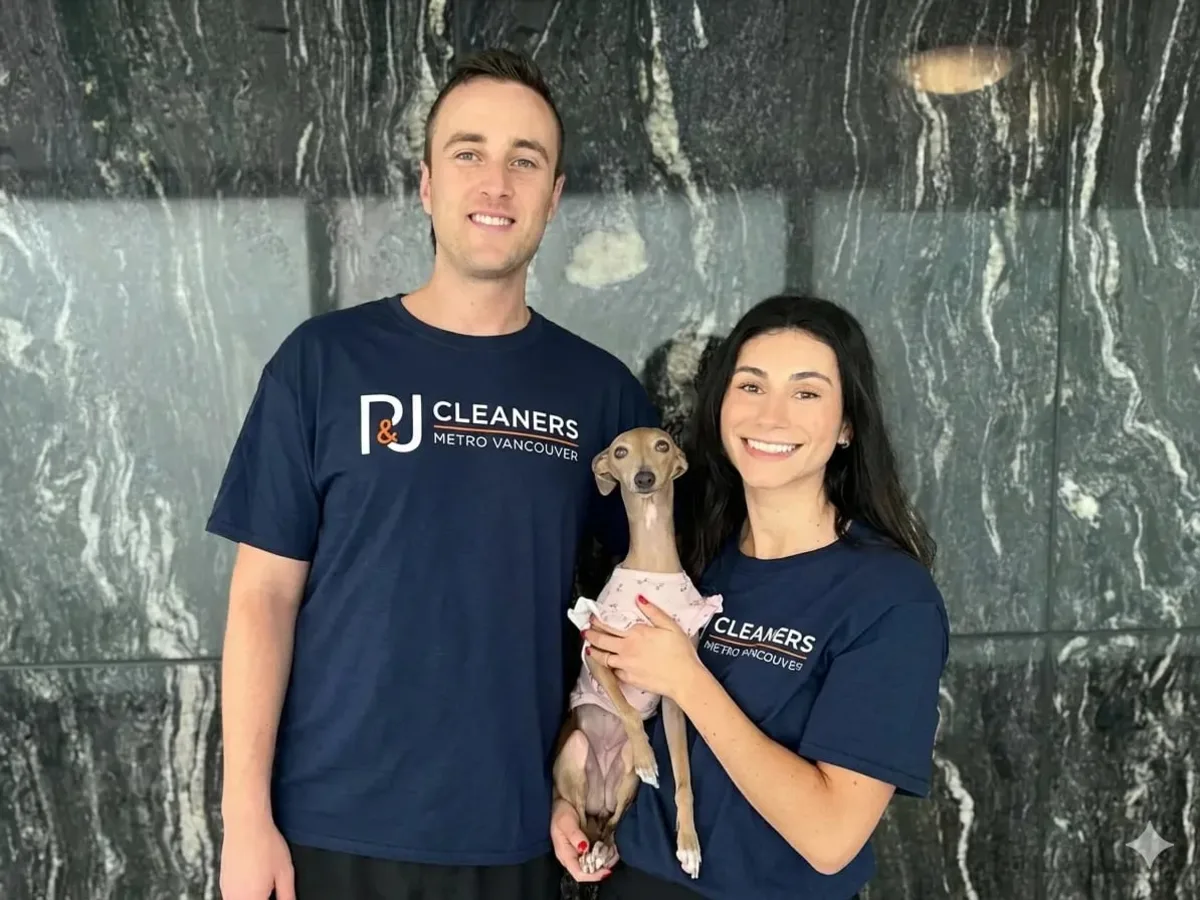
Meet the Author
Jason
Co-Founder
Jason oversees commercial operations, workflow design, and quality control for office, restaurant, and specialty cleaning programs across Metro Vancouver.
Keep Exploring