

Industry Overview
Understanding Post-Construction Cleaning Standards
Post-construction cleaning represents a specialized service category that bridges construction completion and occupancy readiness. Unlike standard janitorial work, this process addresses unique challenges including silica dust, adhesive residue, protective film removal, and trade-specific debris. The Construction Specifications Institute (CSI) Division 01 74 19 outlines industry standards requiring systematic debris removal, surface preparation, and final detailing before substantial completion. Projects failing to follow proper cleaning phases face delayed occupancy permits, failed inspections, and warranty claims from premature fixture installation or flooring damage.
The phased approach evolved from commercial construction practices where multiple trades work simultaneously across different completion stages. Attempting single-phase cleaning after all trades finish creates bottlenecks, traps dust under finished surfaces, and damages newly installed fixtures. Statistics Canada reports construction activity generated 12.4 million tonnes of waste in 2023, with proper cleaning protocols diverting 75% from landfills through sorting and recycling. Metro Vancouver building permits increased 18% year-over-year, creating sustained demand for professional post-construction services that understand municipal inspection requirements and WorkSafeBC safety protocols.
Professional cleaning companies coordinate with general contractors, project managers, and trade supervisors to schedule phases around construction milestones. Phase 1 occurs after rough framing and mechanical installation but before drywall. Phase 2 follows drywall finishing, priming, and first paint coats. Phase 3 happens after final trades complete but before furniture installation or tenant occupancy. This sequencing prevents rework, protects finished surfaces, and ensures compliance with building codes. The City of Vancouver requires documented cleaning for commercial occupancy permits, with inspectors verifying dust-free HVAC systems, clean windows, and debris-free mechanical rooms before issuing final approvals.
12.4M tonnes
Construction Waste Generated Annually
Source: Statistics Canada 2023
75%
Waste Diverted Through Proper Protocols
Source: Metro Vancouver Solid Waste
18%
Building Permit Increase YoY
Source: City of Vancouver 2024
40%
Punch-List Reduction With Phased Cleaning
Source: ISSA Construction Study
65%
Airborne Particle Reduction Phase 2
Source: WorkSafeBC Standards
Compliance priorities
WorkSafeBC silica dust exposure limits require HEPA-filtered vacuums and wet cleaning methods during Phase 2 drywall dust removal • City of Vancouver occupancy permits mandate clean HVAC systems, debris-free mechanical rooms, and functional plumbing fixtures before final inspection • BC Building Code Section 3.2.9 requires construction sites maintain sanitary conditions and remove waste materials that create fire or health hazards • LEED certification projects must document waste diversion rates, use Green Seal certified cleaning products, and prevent stormwater contamination • Strata Property Act regulations require builders provide clean common areas, parkades, and building systems before turnover to strata councils • Insurance policies often exclude coverage for damage caused by inadequate cleaning, making documented phased cleaning essential for warranty protection
Phase-by-Phase Cleaning Protocols
Each construction phase generates distinct debris types requiring specialized equipment, techniques, and safety protocols. Following industry-standard sequencing prevents cross-contamination, protects finished work, and maintains safe working conditions for all trades. These protocols apply to residential renovations, commercial tenant improvements, and new construction projects across Metro Vancouver.
Phase 1: Rough Clean After Framing
Rough clean removes bulk construction debris after framing, mechanical rough-in, and window installation but before drywall installation begins.
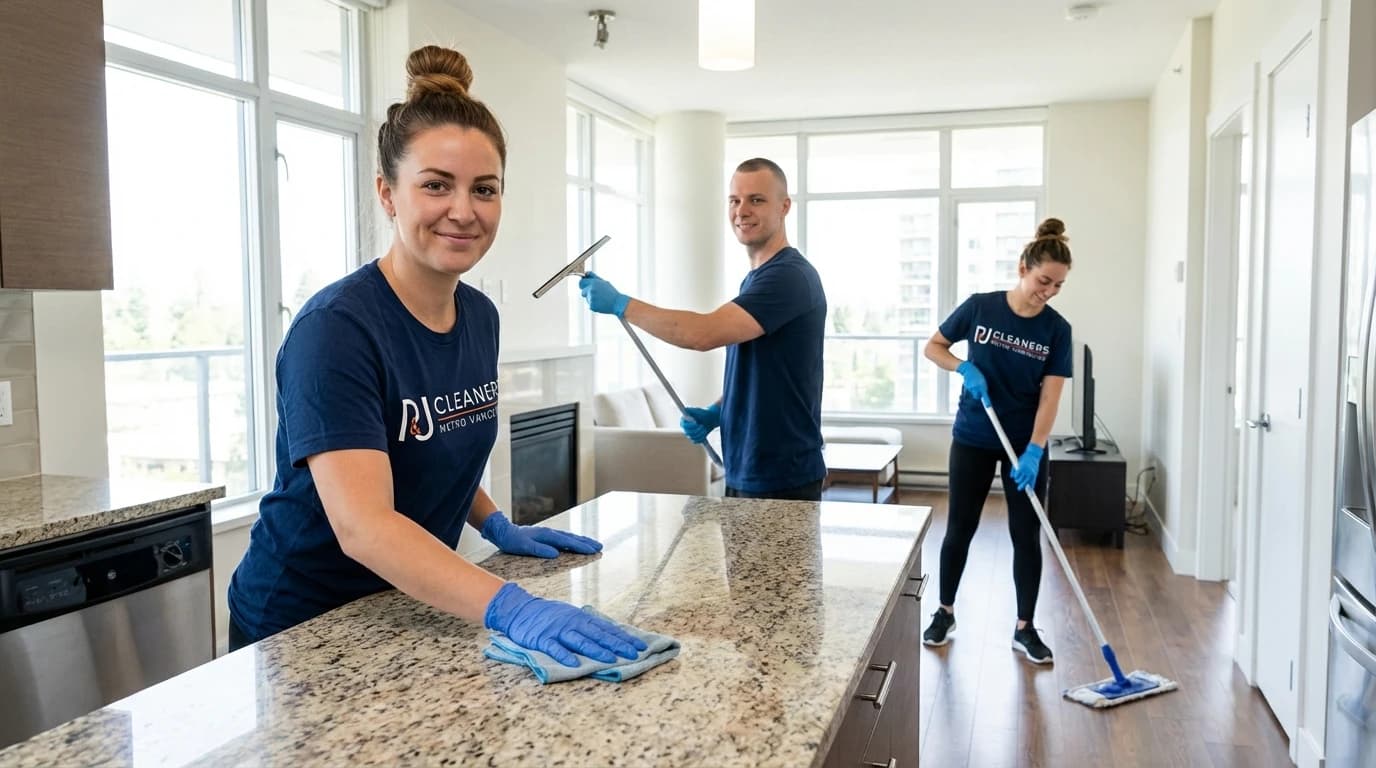
Phase 1 targets large debris including wood scraps, metal offcuts, packaging materials, and trade waste accumulated during framing and mechanical installation. This phase occurs after exterior envelope completion, rough plumbing and electrical installation, and HVAC ductwork placement. Timing is critical because drywall installation traps debris inside wall cavities, creating pest harbourage, fire hazards, and insulation gaps. General contractors typically schedule Phase 1 cleaning the day before drywall delivery to ensure clear work areas and prevent material damage during installation.
Cleaning crews remove debris from floor surfaces, window sills, mechanical rooms, and stairwells using commercial-grade shop vacuums, push brooms, and debris carts. Particular attention goes to removing metal shavings that damage drywall, wood splinters that puncture protective films, and packaging straps that create tripping hazards. Crews also clean temporary protection on windows, wipe down door frames, and remove stickers from fixtures. This phase generates 60-80% of total construction waste by volume, requiring coordination with waste management companies for bin placement and pickup scheduling.
Safety protocols during Phase 1 include wearing steel-toed boots, cut-resistant gloves, and high-visibility vests in active construction zones. Crews coordinate with trades to avoid disrupting electrical testing, plumbing pressure tests, or HVAC balancing. WorkSafeBC requires fall protection when cleaning elevated areas, proper ladder usage near open stairwells, and lockout procedures when cleaning near energized electrical panels. Professional companies carry at least $2 million in liability insurance covering property damage and worker injuries during construction site operations.
- Remove all wood scraps, metal offcuts, drywall packaging, and trade debris from floor surfaces and mechanical rooms
- Sweep stairwells, landings, and elevator shafts to prevent debris falling during subsequent trades work
- Clean window sills, door frames, and rough openings to prevent drywall mud contamination during taping
- Empty and relocate waste bins to maintain clear pathways for drywall delivery and installation crews
- Wipe down electrical panels, plumbing manifolds, and HVAC equipment to remove dust before system commissioning
- Document debris removal with photos for general contractor records and potential LEED waste diversion credits
Recommended Frequency
Once after framing completion
Phase 2: Light Clean After Drywall
Light clean addresses fine dust from drywall finishing, sanding, and primer application before final paint coats and finish trades begin installation.
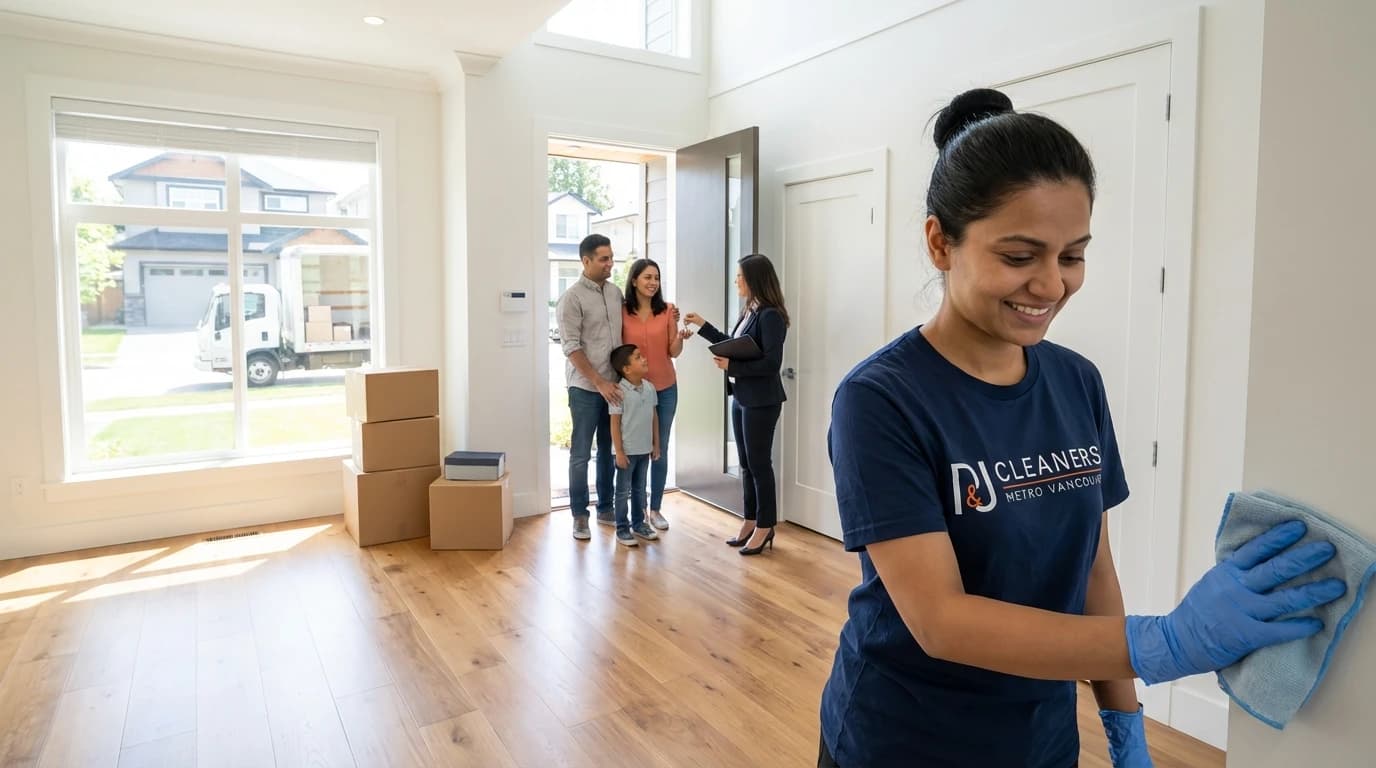
Phase 2 represents the most critical cleaning stage because drywall sanding generates silica-containing dust that penetrates every surface, HVAC system, and building cavity. This ultra-fine particulate settles on horizontal surfaces, adheres to primer coats, and becomes airborne with minimal disturbance. WorkSafeBC classifies respirable crystalline silica as a serious health hazard, requiring HEPA-filtered vacuums, wet cleaning methods, and respiratory protection during cleanup. Timing Phase 2 after primer application but before final paint prevents dust contamination of finish coats and reduces painter complaints about surface preparation.
Cleaning crews use HEPA vacuums with brush attachments on walls, ceilings, window frames, and door jambs to capture embedded dust without damaging primer. Microfibre cloths dampened with water wipe baseboards, window sills, electrical boxes, and HVAC registers. Floors receive thorough vacuuming followed by damp mopping with pH-neutral cleaners that don't leave residue affecting flooring adhesives. Special attention goes to cleaning inside electrical panels, around plumbing fixtures, and within mechanical rooms where dust accumulation affects equipment performance and warranty coverage.
HVAC system cleaning during Phase 2 prevents dust recirculation after occupancy. Crews vacuum supply and return registers, wipe diffuser faces, and clean accessible ductwork near terminals. Some projects require duct cleaning companies to vacuum main trunk lines and plenums, particularly in healthcare, food service, or clean room applications. The ISSA recommends replacing HVAC filters immediately after Phase 2 cleaning and again before occupancy to capture residual dust. Projects skipping this step face tenant complaints about air quality, increased filter replacement costs, and potential liability for respiratory issues.
- Use HEPA-filtered vacuums exclusively to capture fine silica dust without releasing particles back into air
- Wipe all horizontal surfaces with damp microfibre cloths, working from ceiling level downward to floor surfaces
- Clean inside electrical boxes, around plumbing penetrations, and within mechanical chases before trim installation
- Vacuum and wipe HVAC registers, diffusers, and accessible ductwork to prevent dust recirculation after system activation
- Damp mop floors with pH-neutral cleaners that don't leave residue affecting adhesive bonding for flooring installation
- Replace HVAC filters after cleaning completion and document filter changes for building operations manuals
Recommended Frequency
Once after drywall finishing
Phase 3: Final Detail Before Occupancy
Final detail cleaning prepares spaces for occupancy by removing protective films, polishing fixtures, washing windows, and addressing punch-list items from final inspections.
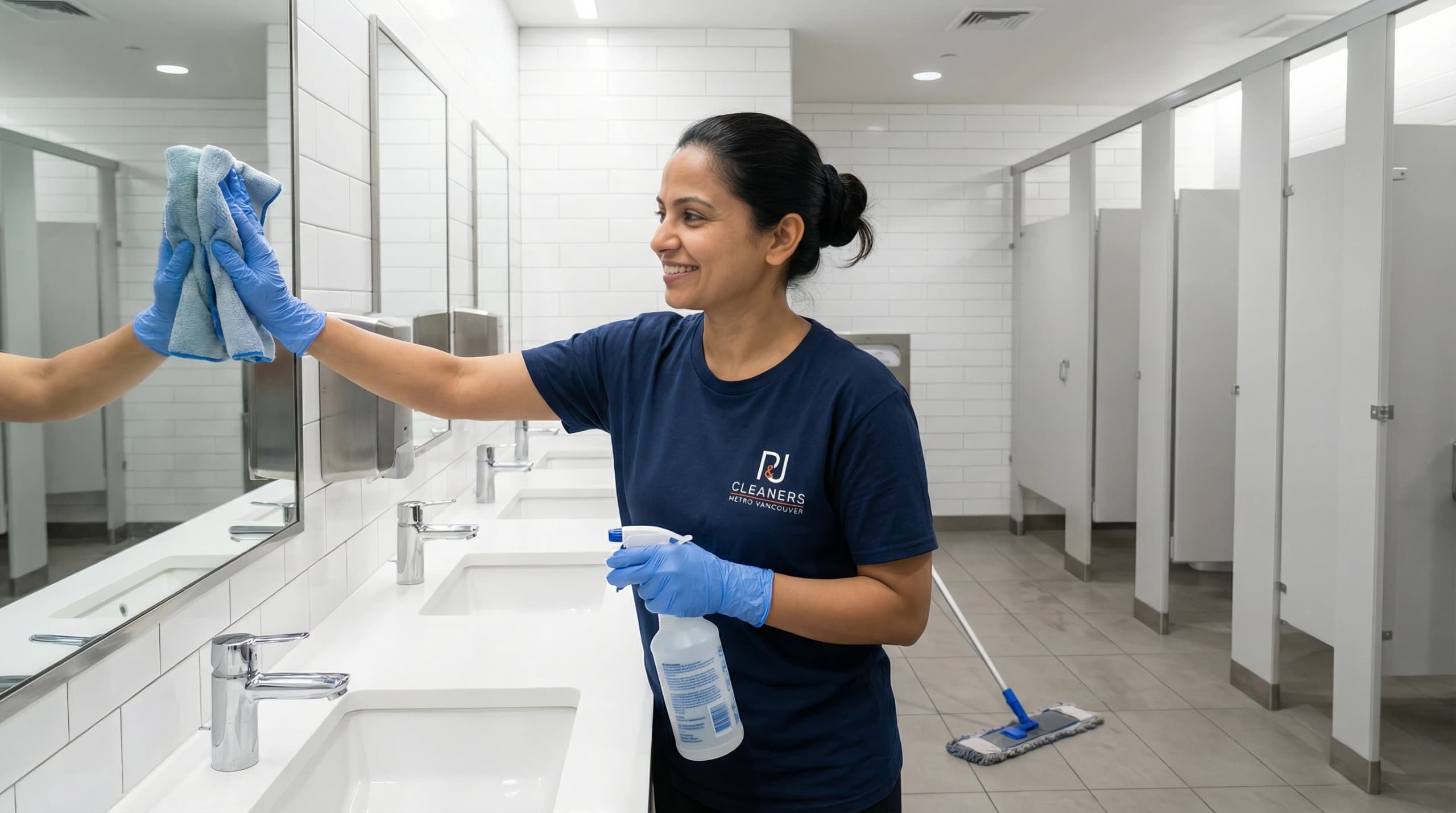
Phase 3 occurs after all trades complete work, final inspections pass, and deficiency corrections finish. This phase transforms construction sites into occupancy-ready spaces through detailed cleaning of every visible surface. Crews remove protective films from windows, countertops, appliances, and fixtures that accumulated dust and adhesive residue during construction. Window washing includes interior and exterior surfaces, frames, and sills using professional squeegee techniques that prevent streaking. Fixture polishing covers faucets, door hardware, light fixtures, and appliances using appropriate cleaners that don't damage finishes or void warranties.
Floor cleaning varies by material type and requires specialized knowledge of proper products and techniques. Hardwood floors receive dust mopping followed by manufacturer-approved cleaners applied with microfibre mops. Tile and stone get scrubbed with pH-neutral cleaners, rinsed thoroughly, and buffed dry to prevent haze. Carpet receives commercial vacuuming with pile-lifting attachments, spot treatment for construction stains, and optional steam cleaning for high-traffic areas. Vinyl and laminate floors get damp mopped with residue-free cleaners that don't leave slippery films. Improper cleaning products void flooring warranties and create safety hazards from slippery residues.
Detail work includes cleaning inside cabinets and drawers, wiping appliance interiors, removing stickers from fixtures, and polishing mirrors and glass surfaces. Crews check for paint overspray on hardware, caulking smears on fixtures, and adhesive residue on countertops. Bathrooms receive thorough sanitizing of toilets, sinks, tubs, and showers using disinfectants approved for new construction. Kitchens get detailed cleaning of range hoods, oven interiors, refrigerator shelves, and dishwasher filters. This phase typically takes 2-3 times longer than Phase 2 because attention to detail determines client satisfaction and reduces post-occupancy complaints.
- Remove all protective films from windows, countertops, appliances, and fixtures using appropriate solvents for adhesive residue
- Wash interior and exterior window surfaces, frames, and sills using professional squeegee techniques preventing streaks
- Polish all plumbing fixtures, door hardware, light fixtures, and appliances with manufacturer-approved cleaners
- Clean floors according to material type using appropriate products that don't void warranties or create safety hazards
- Sanitize bathrooms and kitchens with disinfectants approved for food-contact surfaces and plumbing fixtures
- Detail clean inside cabinets, drawers, and appliances removing construction dust and ensuring move-in readiness
Recommended Frequency
Once before occupancy
Specialized Area Requirements
Certain spaces require additional cleaning protocols beyond standard three-phase timelines including mechanical rooms, parkades, and exterior areas.
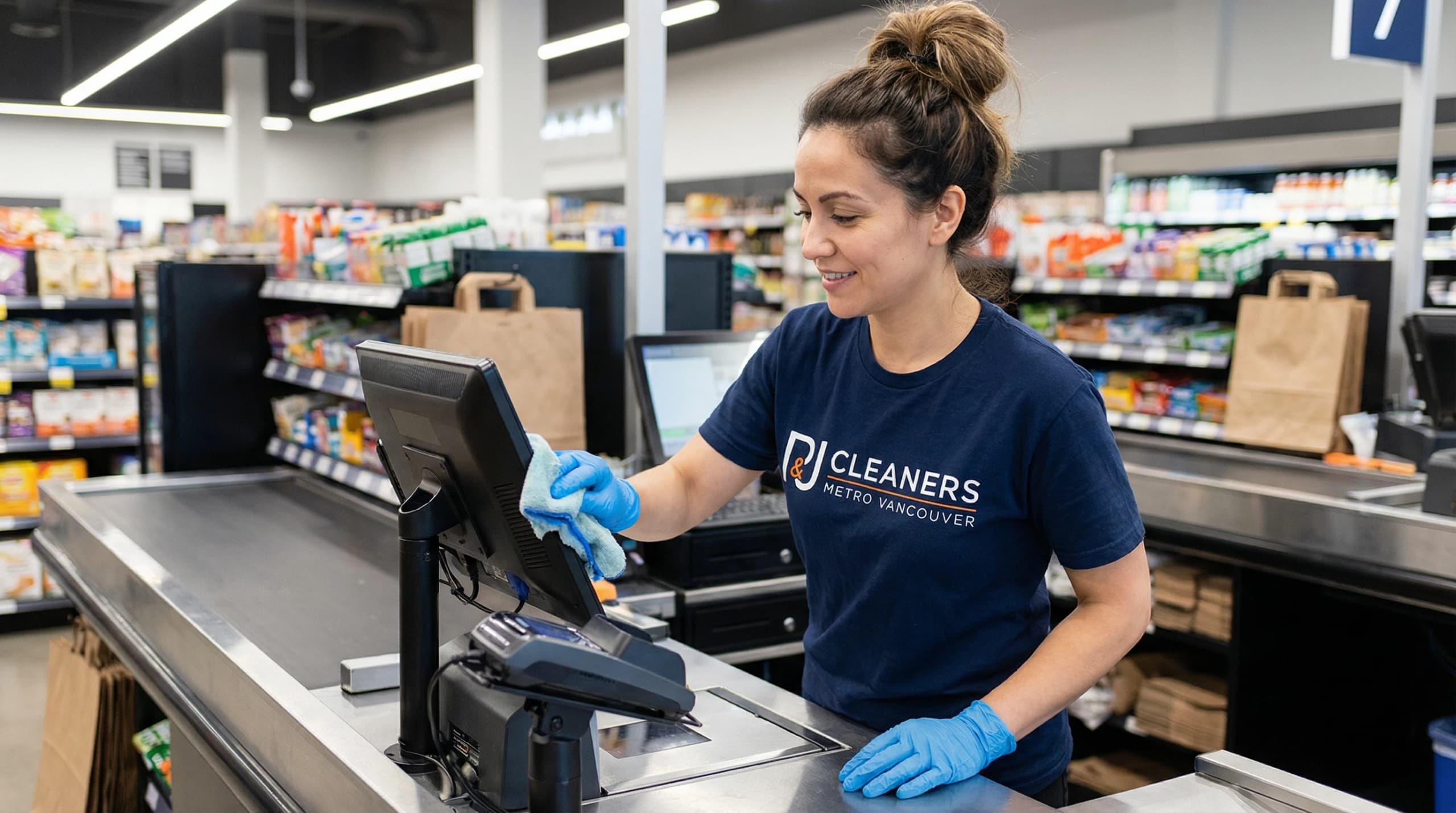
Mechanical rooms demand specialized cleaning because equipment warranties often require dust-free environments before commissioning. Boilers, chillers, air handlers, and electrical panels accumulate construction dust that causes overheating, short circuits, and premature failure. Cleaning crews vacuum equipment exteriors, wipe control panels, and clean floor drains before system startup. HVAC commissioning agents inspect mechanical rooms during final testing, failing projects with excessive dust or debris. Some equipment manufacturers void warranties if installation photos show dusty conditions, making documented cleaning essential for warranty protection and insurance claims.
Parkade cleaning addresses oil stains, concrete dust, tire marks, and construction debris accumulated during building operations. Pressure washing removes curing compounds, efflorescence, and construction stains from concrete surfaces. Crews clean parkade drains, sump pits, and catch basins preventing clogs during initial rainstorms. Strata councils scrutinize parkade conditions during builder turnover, creating deficiency lists for staining, cracking, or inadequate cleaning. Professional companies use commercial pressure washers, industrial vacuums, and proper drainage protocols preventing environmental violations from wash water entering storm sewers.
Exterior cleaning includes building facades, walkways, landscaped areas, and site amenities. Window washing covers all exterior glass using rope access, swing stages, or aerial lifts depending on building height. Crews remove construction stickers from glass, clean window frames, and detail balcony railings. Pressure washing addresses concrete staining, remove mortar splatter from brick, and cleans paving stones. Landscaped areas get cleared of construction debris, temporary fencing, and protection materials. Site amenities including benches, bike racks, and signage receive final cleaning before occupancy. Exterior work requires coordination with landscapers, window washers, and pressure washing specialists.
- Vacuum and wipe mechanical equipment before commissioning to prevent warranty voids from dust-related failures
- Pressure wash parkades removing oil stains, tire marks, and construction debris while managing wash water drainage
- Clean exterior windows, building facades, and balcony railings using appropriate access equipment for building height
- Remove construction debris from landscaped areas and clean site amenities before final landscape installation
- Detail clean parkade drains, sump pits, and catch basins preventing clogs during initial building operations
- Coordinate with trades for mechanical room access, parkade availability, and exterior work scheduling around weather
Recommended Frequency
During Phase 3
Cost Analysis and Return on Investment
Understanding post-construction cleaning costs helps project managers budget accurately and avoid expensive rework from inadequate or mistimed cleaning phases.
Post-construction cleaning costs vary significantly based on project size, finish level, access challenges, and timeline compression. Industry standards price Phase 1 at $0.10-$0.30 per square foot, Phase 2 at $0.15-$0.40 per square foot, and Phase 3 at $0.25-$0.75 per square foot. A typical 2,000 square foot residential renovation totals $1,000-$2,900 for all three phases, while commercial projects add 20-40% for specialized equipment, after-hours access, and compliance documentation. Projects attempting single-phase cleaning save 15-20% on cleaning costs but face 40% higher punch-list expenses from damaged finishes, trapped debris, and failed inspections.
Return on investment extends beyond direct cleaning costs to include schedule acceleration, warranty protection, and tenant satisfaction. Proper phasing reduces construction timelines by 5-7 days through parallel trade scheduling and elimination of rework delays. General contractors report 40% fewer punch-list items on projects following three-phase protocols compared to single-phase approaches. Insurance claims for construction defects decrease 30% when documented cleaning proves proper site maintenance and debris removal. Commercial landlords achieve 15% higher lease rates for buildings delivered in pristine condition versus those requiring tenant cleaning before occupancy.
Hidden costs of inadequate cleaning include HVAC system damage from dust infiltration, flooring warranty voids from improper cleaning products, and fixture replacement from construction debris scratches. A single HVAC coil replacement costs $2,000-$5,000, while refinishing scratched hardwood floors runs $3-$8 per square foot. Warranty claims get denied when manufacturers prove improper cleaning caused damage rather than product defects. Professional cleaning companies carry liability insurance covering these risks, while DIY approaches leave general contractors exposed to claims. The ISSA estimates proper post-construction cleaning returns $4-$7 for every dollar spent through reduced deficiencies, faster occupancy, and improved client satisfaction.
Three-Phase Professional
- Phase 1: $200-$600 (2,000 sq ft)
- Phase 2: $300-$800 (2,000 sq ft)
- Phase 3: $500-$1,500 (2,000 sq ft)
- Total: $1,000-$2,900
- Timeline: 3-5 days across 6-8 weeks
- Warranty: Insured and guaranteed
- Punch-list items: 40% reduction
- Schedule impact: 5-7 days faster
Single-Phase Approach
- Combined cleaning: $850-$2,400
- Apparent savings: 15-20%
- Timeline: 2-3 days after completion
- Rework costs: +$400-$1,200
- Punch-list items: Baseline
- Schedule delays: 3-5 days
- Warranty risks: Uninsured
- Net cost: Higher than phased
DIY Builder Cleaning
- Labour cost: $25-$40/hour
- Equipment rental: $200-$400
- Cleaning supplies: $150-$300
- Total time: 40-60 hours
- Opportunity cost: High
- Quality: Inconsistent
- Liability: Full exposure
- Hidden costs: Significant
5-7 days faster
Schedule Acceleration
40% fewer items
Punch-List Reduction
30% reduction
Insurance Claim Decrease
15% higher
Lease Rate Premium
$4-$7 return
ROI Per Dollar Spent
$2,000-$8,000 saved
Warranty Claim Prevention
- Parallel trade scheduling reduces construction timelines by allowing drywall installation immediately after Phase 1 completion
- Protected finishes prevent costly repairs to scratched fixtures, stained countertops, and damaged flooring from construction debris
- Documented cleaning provides liability protection against warranty claims, insurance disputes, and occupancy permit delays
- Professional equipment including HEPA vacuums and commercial pressure washers achieves results impossible with consumer-grade tools
- Trained crews understand material-specific cleaning requirements preventing damage to specialty finishes and voiding warranties
- Insured services transfer liability from general contractors to cleaning companies for property damage and worker injuries
- Faster occupancy generates revenue sooner for commercial landlords and reduces carrying costs for residential developers
- Improved client satisfaction leads to positive reviews, referrals, and repeat business for general contractors and developers
Post-Construction Compliance Checklist
Use this checklist to ensure post-construction cleaning meets WorkSafeBC safety standards, municipal building codes, and industry best practices before requesting final inspections or tenant occupancy.
Services mentioned in this article
Ready for help?
4.9 · 850+ Google reviewsSchedule Your Post-Construction Cleaning
Our certified teams handle all three phases of construction cleanup, ensuring your project passes inspection and meets occupancy deadlines. Same-day booking available across Metro Vancouver.
778-720-2224Post-Construction Cleaning Timeline Questions
What are post-construction cleaning standards?
Post-construction cleaning standards require three distinct phases: rough clean after framing removes 95% of construction debris, light clean before finishes eliminates dust from surfaces, and final detail cleaning achieves move-in condition. WorkSafeBC mandates dust control measures, while LEED certification requires eco-friendly products upon request. Standards include HEPA filtration for dust, proper disposal of hazardous materials, and documentation of cleaning protocols for building inspections.
How often should post-construction areas be cleaned?
Construction sites require cleaning at three critical milestones: Phase 1 rough clean occurs after framing and rough-in work, typically 60-70% through the build timeline. Phase 2 light clean happens before finish installations, around 85-90% completion. Phase 3 final detail cleaning takes place 2-3 days before occupancy. High-traffic areas may need interim cleaning every 2-3 weeks during active construction to maintain safety standards and prevent dust accumulation that delays subsequent trades.
What compliance rules apply to post-construction cleaning?
British Columbia construction cleaning must comply with WorkSafeBC Regulation 20.3 for dust control, City of Vancouver bylaws for waste disposal, and BC Building Code requirements for occupancy readiness. LEED-certified projects require Green Seal or EcoLogo certified cleaning products. Hazardous material disposal follows provincial guidelines, and HEPA filtration is mandatory for projects over 10,000 square feet. Documentation must include Material Safety Data Sheets and waste manifests for inspection approval.
How much does post-construction cleaning cost?
Post-construction cleaning costs $0.10-$0.30 per square foot for Phase 1 rough clean, $0.15-$0.40 per square foot for Phase 2 light clean, and $0.25-$0.60 per square foot for Phase 3 final detail. A typical 2,000 square foot residential project totals $1,000-$2,800 across all three phases. Commercial projects average $0.40-$0.80 per square foot total. Costs increase 20-30% for LEED-certified cleaning or projects requiring specialized equipment like scissor lifts for high ceilings.
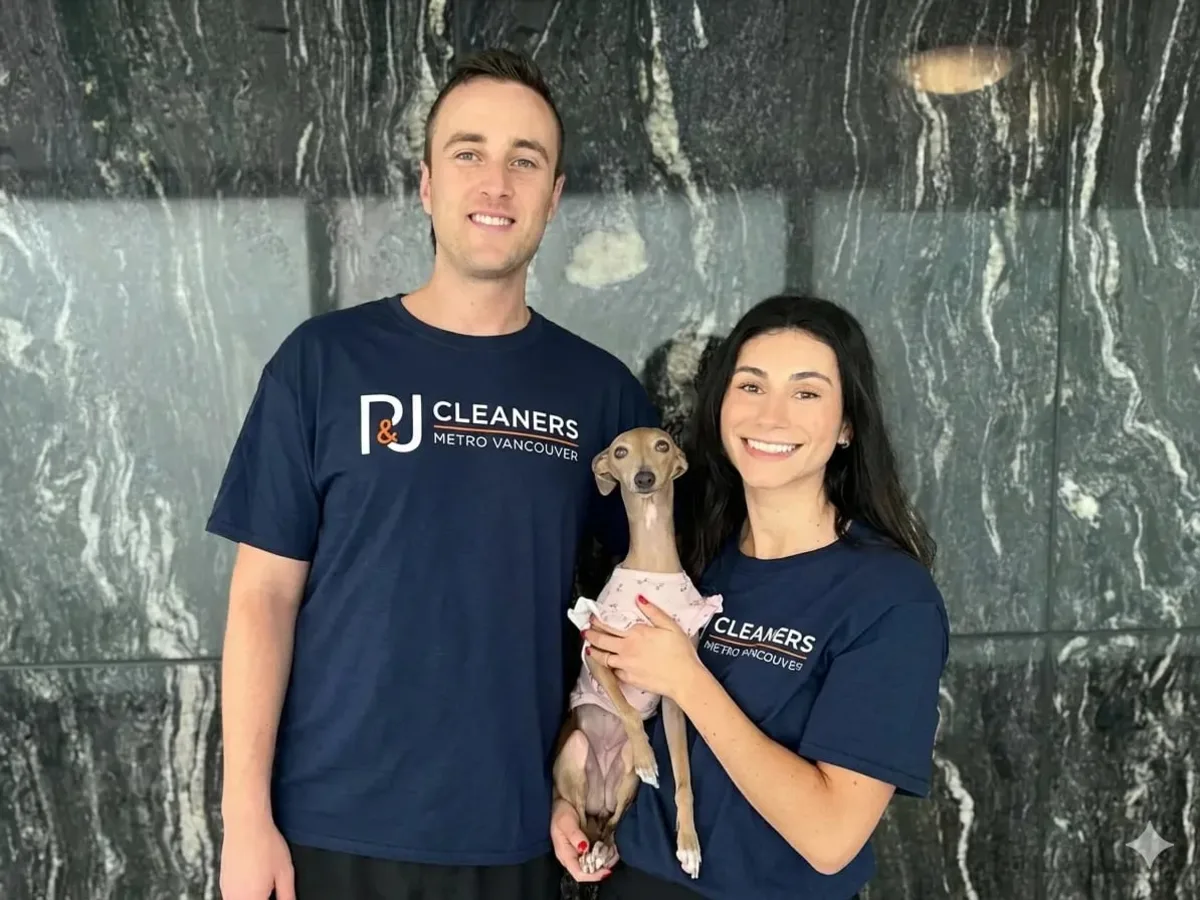
Meet the Author
Jason
Co-Founder
Jason oversees commercial operations, workflow design, and quality control for office, restaurant, and specialty cleaning programs across Metro Vancouver.
Keep Exploring