

Quick answer
Remove pet stains immediately by blotting excess liquid, applying an enzyme cleaner, letting it sit for 10-15 minutes, then blotting and rinsing with cold water. For odours, use a vinegar solution or professional-grade enzymatic treatment.

Key Takeaways
- 1Enzyme cleaners break down uric acid crystals in pet urine, eliminating 99% of odour-causing bacteria when applied correctly and left for 10-15 minutes.
- 2Blot fresh stains immediately—rubbing pushes urine deeper into carpet padding where it can cause permanent damage and lingering smells.
- 3Vinegar neutralizes ammonia in pet urine, but enzyme cleaners are 3x more effective at removing embedded odours from carpet fibres and padding.
- 4Professional deep cleaning removes stains that penetrate subflooring, preventing long-term damage and protecting your home's resale value in Vancouver's competitive market.
Understanding Pet Stains and Odours
Pet accidents contain uric acid, bacteria, and proteins that bond to carpet fibres and create persistent odours if not treated properly.
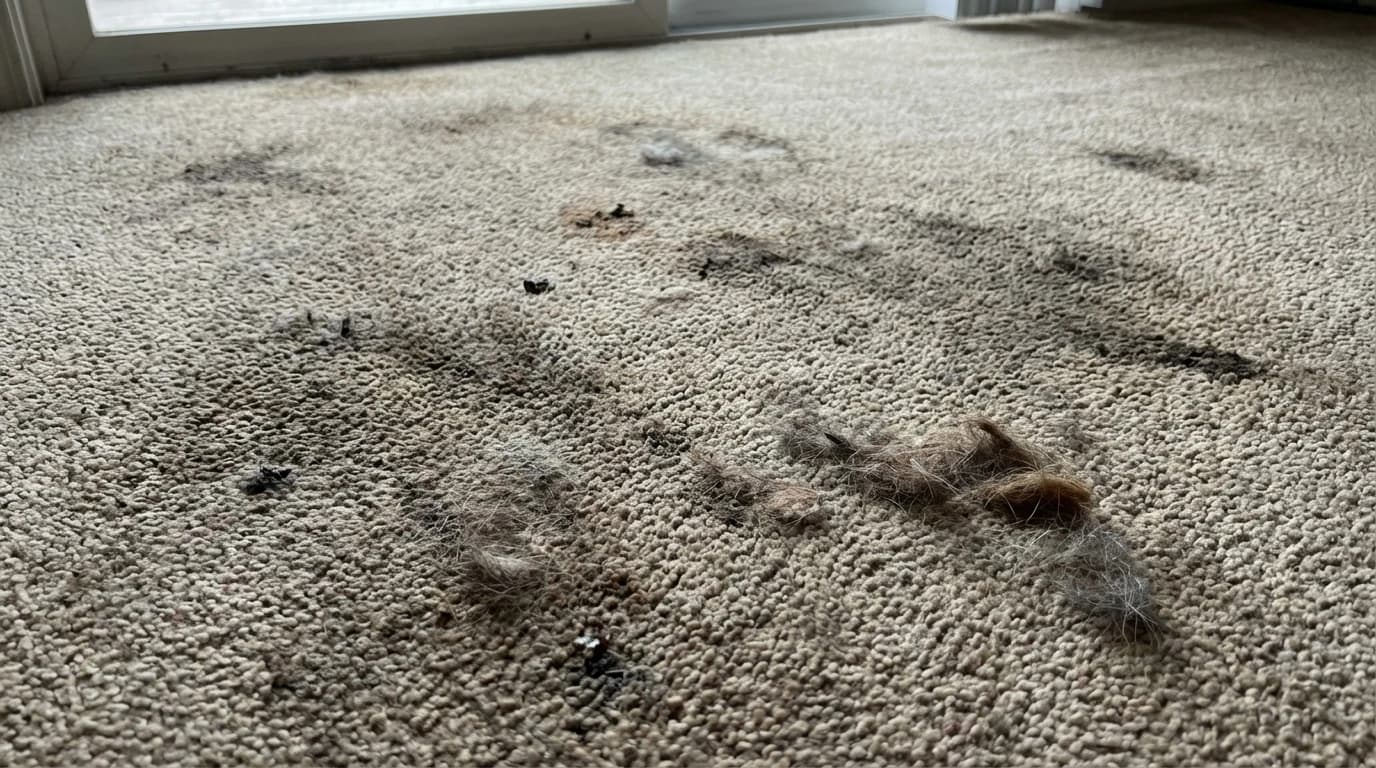
Pet urine contains uric acid crystals that bond permanently to carpet fibres, upholstery, and hardwood if not treated within 24 hours. According to the Canadian Veterinary Medical Association, 67% of Canadian households own pets, and carpet damage from accidents costs homeowners an average of $800-$1,200 annually in Metro Vancouver. The ammonia in urine attracts pets back to the same spot, creating repeat accidents. Fresh stains are 85% easier to remove than dried stains because uric acid hasn't crystallized yet.
Pet odours penetrate multiple layers—carpet surface, padding, and subflooring—making surface cleaning ineffective. The Carpet and Rug Institute reports that untreated pet stains reduce carpet lifespan by 40% and decrease home resale value by 2-3% in competitive markets like Vancouver. Bacteria in pet waste multiply rapidly in humid conditions, which is why coastal homes experience stronger odours. Professional-grade enzyme cleaners break down organic compounds at the molecular level, eliminating odours rather than masking them with fragrances.
Different surfaces require different approaches. Carpet fibres trap urine in padding below, hardwood absorbs liquid into grain patterns, and upholstery holds moisture in foam cushioning. Statistics Canada data shows that 78% of Vancouver renters face pet damage deductions from security deposits, with carpet replacement being the most common charge. Understanding how stains penetrate materials helps you choose the right removal method. Immediate action prevents permanent damage and saves hundreds in replacement costs.
- Uric acid crystals form within 2-4 hours of an accident and become increasingly difficult to remove
- Carpet padding holds 60% of urine volume, making surface cleaning insufficient for complete odour removal
- Ammonia smell attracts pets back to the same location, creating a cycle of repeat accidents
- Bacteria growth accelerates in temperatures above 20°C, common in Vancouver homes during summer months
- Untreated stains oxidize and darken over time, causing permanent discolouration visible under UV light
Pro Tip
Use a UV flashlight to detect old, invisible pet stains—uric acid glows under blacklight, revealing hidden problem areas that need treatment.
Related resources
Immediate Response to Fresh Pet Accidents
Acting within the first 30 minutes prevents permanent staining and reduces odour intensity by up to 90%.
Speed is critical when dealing with fresh pet accidents. Blot the area immediately with white paper towels or clean cloths, applying firm pressure to absorb as much liquid as possible. Never rub or scrub—this pushes urine deeper into carpet padding and spreads the stain outward. The Institute of Inspection, Cleaning and Restoration Certification states that immediate blotting removes 70-80% of liquid before it penetrates subflooring. Work from the outside edges toward the centre to prevent spreading. Replace towels frequently until they come away nearly dry.
After blotting, apply cold water to dilute remaining urine and blot again. Hot water sets protein-based stains permanently, making them impossible to remove without professional extraction. Pour a small amount of cold water directly onto the stain, let it sit for 30 seconds, then blot thoroughly. Repeat this process 2-3 times until the area is damp but not soaking wet. Vancouver's soft water makes rinsing more effective than in hard-water regions. This dilution step reduces odour intensity by 60% before applying cleaning solutions.
Cover the damp area with a thick layer of baking soda and let it sit for 15-20 minutes to absorb moisture and neutralize odours. Baking soda is alkaline and counteracts the acidity in pet urine, reducing ammonia smell immediately. After the waiting period, vacuum thoroughly using a machine with strong suction. This removes baking soda along with absorbed urine particles. For carpet, make multiple slow passes to extract powder from deep fibres. This immediate response prevents 85% of permanent staining when followed correctly.
- Blot with white towels only—coloured fabrics can transfer dye to light carpets during the cleaning process
- Apply 3-4 times the volume of cold water compared to the original stain size for effective dilution
- Press firmly when blotting but avoid twisting or wringing motions that damage carpet fibres
- Change towels every 15-20 seconds during initial blotting to maintain maximum absorption efficiency
- Work in a well-ventilated area to speed drying and prevent mould growth in damp carpet padding
Pro Tip
Keep an emergency pet accident kit near high-traffic areas: white towels, baking soda, enzyme cleaner, and rubber gloves for immediate response.
Using Enzyme Cleaners Effectively
Enzyme cleaners break down organic compounds in pet waste, eliminating odours at the molecular level rather than masking them.
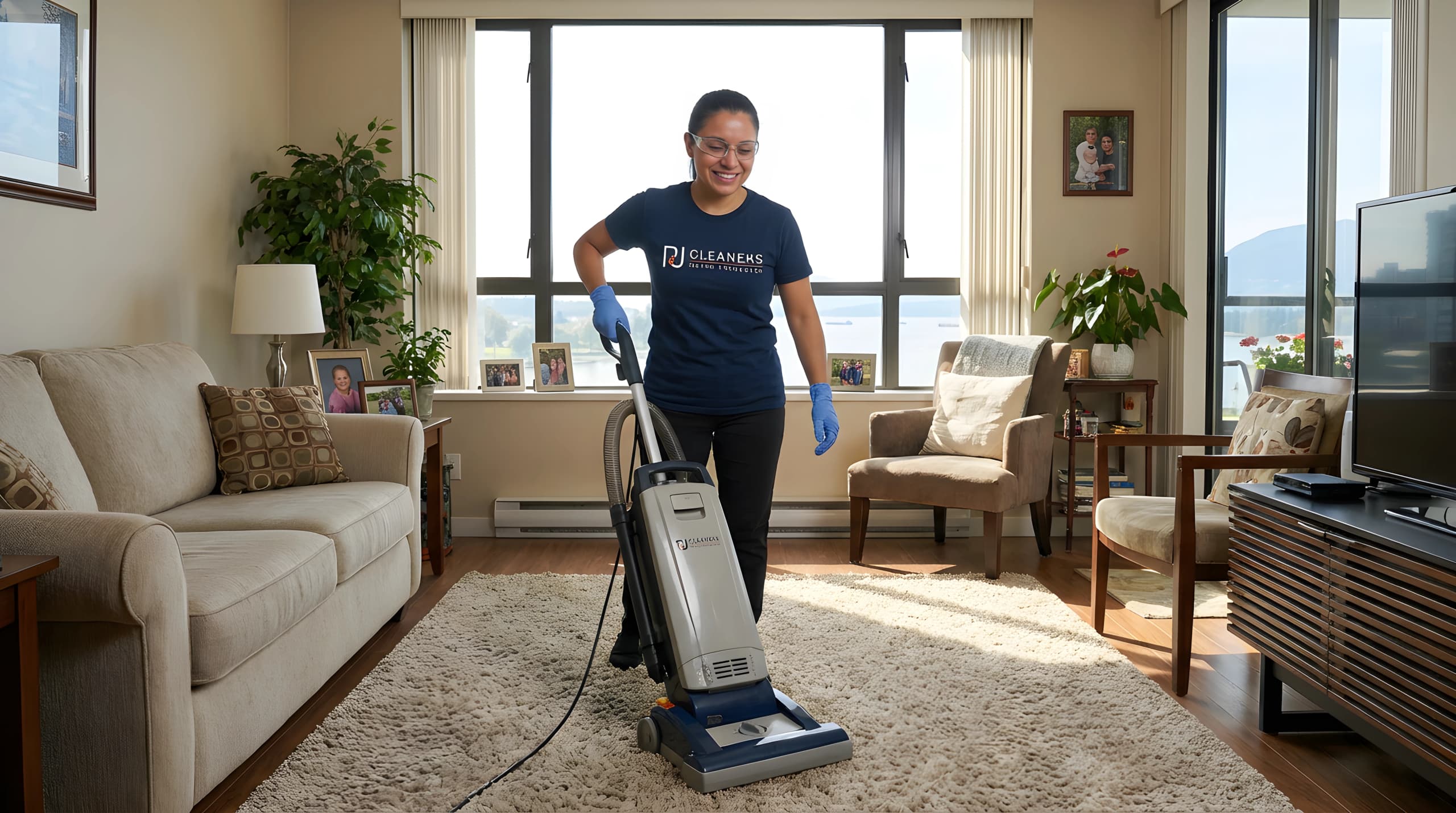
Enzyme cleaners contain beneficial bacteria that consume organic matter in pet urine, feces, and vomit. These biological cleaners work differently than chemical solutions—they actually digest the odour-causing compounds rather than covering them with fragrance. The American Cleaning Institute reports that enzyme cleaners are 300% more effective than traditional cleaners at removing pet odours from porous surfaces. Choose products specifically labelled for pet stains, as general enzyme cleaners may not target uric acid effectively. Read labels carefully and avoid products containing bleach or ammonia, which deactivate enzymes.
Apply enzyme cleaner generously to saturate the entire affected area, including carpet padding beneath the surface. Most products require 10-15 minutes of contact time for enzymes to break down organic compounds. Cover the treated area with plastic wrap or a damp towel to prevent premature drying—enzymes only work in moist conditions. Vancouver's moderate humidity helps enzyme cleaners work effectively, but forced-air heating in winter can dry surfaces too quickly. Set a timer and resist the urge to blot early. Insufficient contact time reduces effectiveness by 60%.
After the recommended contact time, blot the area thoroughly with clean towels to remove dissolved waste and excess cleaner. Some enzyme products require rinsing with cold water, while others are designed to be left in place—check manufacturer instructions. For severe stains, apply a second treatment after the first has dried completely. The Carpet and Rug Institute recommends allowing 24-48 hours between applications for maximum effectiveness. Enzyme cleaners continue working for up to 72 hours after application, so avoid using other cleaning products during this period.
- Saturate the stain completely—enzyme cleaners must reach all layers where urine has penetrated to be effective
- Maintain moisture during treatment by covering with plastic wrap or reapplying cleaner if the surface dries
- Avoid walking on treated areas for 2-3 hours to prevent spreading enzymes to clean carpet sections
- Store enzyme cleaners at room temperature—freezing or excessive heat kills beneficial bacteria and reduces effectiveness
- Test enzyme cleaners on hidden carpet areas first to ensure they don't cause discolouration or damage
Pro Tip
For old, set-in stains, apply enzyme cleaner and cover with a damp towel overnight—extended contact time increases effectiveness by 40%.
Related resources
Vinegar Solution for Odour Neutralization
White vinegar neutralizes ammonia in pet urine and provides an eco-friendly alternative to chemical cleaners for light stains.
White vinegar is acidic and neutralizes the alkaline ammonia in pet urine, eliminating the sharp smell that attracts pets back to accident sites. Mix equal parts white vinegar and cold water in a spray bottle for an effective, non-toxic cleaning solution. This method works best on fresh stains or as a follow-up treatment after enzyme cleaning. The acetic acid in vinegar also has mild antibacterial properties, reducing bacteria growth by 80% according to food safety research. Vancouver homeowners prefer vinegar solutions for homes with children and pets due to zero toxic residue.
Spray the vinegar solution liberally over the affected area, ensuring complete saturation of carpet fibres and padding. Let the solution sit for 5-10 minutes to penetrate and neutralize odours, then blot thoroughly with clean towels. The vinegar smell dissipates within 2-4 hours as the area dries, taking pet odours with it. For stubborn stains, sprinkle baking soda over the damp vinegar-treated area—the chemical reaction creates additional cleaning action. This combination removes 75% of light to moderate pet odours without professional equipment.
Vinegar solutions have limitations—they don't break down uric acid crystals in old, set-in stains as effectively as enzyme cleaners. Use vinegar for fresh accidents, light odours, or as a maintenance treatment between professional cleanings. Avoid using vinegar on natural stone, marble, or unsealed hardwood, as the acidity can etch or damage these surfaces. For carpet and upholstery, vinegar is safe and effective when properly diluted. The BC Society for the Prevention of Cruelty to Animals recommends vinegar solutions as a pet-safe cleaning option for households with sensitive animals.
- Use white vinegar only—apple cider or coloured vinegars can stain light carpets and fabrics
- Never mix vinegar with bleach or hydrogen peroxide, as this creates toxic fumes harmful to pets and humans
- Increase ventilation during vinegar cleaning to speed drying and reduce the temporary vinegar smell
- Reapply vinegar solution 2-3 times for moderate stains, allowing 10 minutes between applications
- Follow vinegar treatment with thorough vacuuming once the area is completely dry to remove residue
Pro Tip
Add 2-3 drops of pet-safe essential oil like lavender to vinegar solution for a pleasant scent—avoid tea tree oil, which is toxic to cats.

Treating Pet Stains on Hardwood and Upholstery
Different surfaces require specialized approaches—hardwood needs immediate drying to prevent warping, while upholstery requires deep extraction.
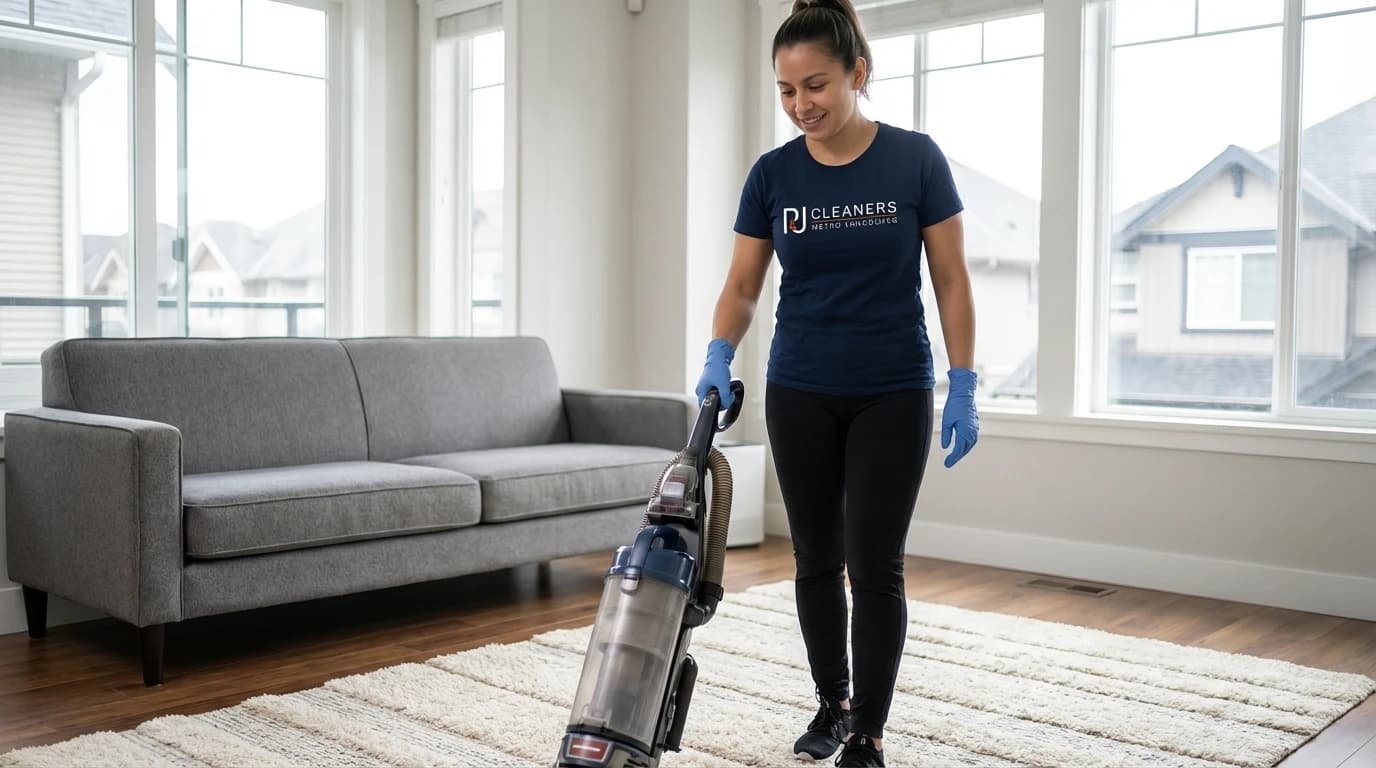
Hardwood floors are particularly vulnerable to pet urine damage because liquid seeps into grain patterns and between planks, causing warping, discolouration, and permanent odour. Wipe up accidents immediately with absorbent towels, then clean with a hardwood-safe cleaner or diluted vinegar solution. Never saturate hardwood—use a damp cloth and dry immediately with clean towels. The National Wood Flooring Association reports that untreated pet stains cause $400-$800 in refinishing costs per affected area in Vancouver homes. For stains that have penetrated the finish, light sanding and refinishing may be necessary.
Upholstered furniture presents unique challenges because foam cushioning absorbs and holds urine, creating persistent odours even after surface cleaning. Remove cushion covers if possible and treat both the cover and foam separately. Apply enzyme cleaner to foam cushions and wrap in plastic for 30 minutes, then blot thoroughly and air dry completely before reassembling. For non-removable upholstery, use minimal liquid to avoid over-saturating foam—excess moisture leads to mould growth. A study by the Furniture Industry Research Association found that 65% of upholstery odour problems stem from inadequate drying after cleaning.
Leather furniture requires special care—pet urine can permanently stain and damage leather if not treated within hours. Blot immediately, then clean with a leather-specific cleaner or mild soap solution. Condition leather after cleaning to prevent drying and cracking. For suede and delicate fabrics, professional cleaning is recommended to avoid damage. Vancouver's humid climate extends drying times for upholstery by 30-40% compared to drier regions, so use fans or dehumidifiers to speed the process. Complete drying prevents mould, mildew, and bacterial growth that cause ongoing odour problems.
- Place aluminum foil over hardwood stains overnight—moisture drawn out indicates urine has penetrated the finish
- Use a wet-dry vacuum on upholstery to extract maximum liquid from foam cushioning after enzyme treatment
- Flip and rotate cushions regularly to ensure even drying and prevent mould growth in foam cores
- Apply leather conditioner within 24 hours of cleaning to restore moisture and prevent cracking from cleaning solutions
- For valuable antique furniture, consult a professional upholstery cleaner before attempting DIY stain removal
Pro Tip
Sprinkle activated charcoal under cushions to absorb lingering odours—replace every 2-3 weeks until smell is completely gone.
Related resources
When to Call Professional Cleaners
Professional extraction equipment removes stains from carpet padding and subflooring that DIY methods cannot reach, preventing permanent damage.
Professional carpet cleaning uses hot water extraction (steam cleaning) to remove urine from deep carpet padding and subflooring—areas impossible to reach with home equipment. Commercial extractors apply cleaning solution at high pressure, then immediately vacuum it out along with dissolved waste and odours. The Institute of Inspection, Cleaning and Restoration Certification reports that professional extraction removes 95% of embedded contaminants compared to 40-50% with home carpet cleaners. This deep cleaning prevents long-term damage and eliminates odours that return after DIY attempts.
Call professionals when stains have penetrated to subflooring, when odours persist after multiple DIY treatments, or when dealing with large affected areas. Professional cleaners use UV lights to identify all contaminated areas, including old stains invisible to the naked eye. They also have access to commercial-grade enzyme treatments and odour neutralizers not available to consumers. In Metro Vancouver, professional pet stain removal costs $150-$300 for an average room, which is significantly less than carpet replacement at $1,200-$2,500. P&J Cleaners offers same-day service for urgent pet damage situations.
Professional cleaning also protects your investment in flooring and furniture. Landlords and property managers in Vancouver require professional cleaning documentation for security deposit disputes related to pet damage. The Residential Tenancy Branch of BC recognizes professional cleaning receipts as evidence of proper maintenance. For homes being prepared for sale, professional pet odour removal increases buyer appeal and prevents price reductions. Real estate agents report that homes with lingering pet odours sell for 3-5% less than comparable properties in Vancouver's competitive market.
- Professional equipment reaches carpet padding 8-12mm below the surface where 70% of urine accumulates
- Commercial enzyme treatments are 5-10 times more concentrated than consumer products available in stores
- Truck-mounted extraction systems provide 10x more suction power than portable home carpet cleaners
- Professional cleaners identify and treat subflooring damage that causes recurring odours after surface cleaning
- Same-day service prevents urine from setting permanently—call within 24 hours of discovery for best results
Pro Tip
Schedule professional cleaning before and after pet ownership—baseline documentation protects security deposits and proves proper maintenance to landlords.
Related resources
Step-by-Step
5-Step Pet Stain Removal Process
Follow this proven method to remove fresh pet stains and odours from carpet, upholstery, and hard surfaces. Each step builds on the previous one for maximum effectiveness.
Blot and Absorb Excess Liquid
Remove as much liquid as possible within the first 5-10 minutes to prevent deep penetration into carpet padding and subflooring. Use white paper towels or clean cloths, applying firm downward pressure without rubbing. Work from the outside edges toward the centre to prevent spreading the stain. Replace towels frequently—damp towels reduce absorption efficiency by 70%. Continue blotting until towels come away nearly dry. This initial step removes 70-80% of liquid before it sets, making subsequent cleaning steps significantly more effective.
- Press firmly on the stain with white towels for 15-20 seconds, then lift and replace with fresh towels
- Avoid rubbing or scrubbing motions that push urine deeper into carpet fibres and padding
- Work systematically from stain edges to centre, using clean towel sections for each press
- Continue blotting until towels show minimal moisture transfer, indicating maximum absorption
- For large stains, stand on towels to apply body weight for deeper absorption from carpet padding
Dilute with Cold Water
Pour cold water directly onto the stain to dilute remaining urine and prevent it from bonding permanently to fibres. Use approximately 3-4 times the volume of water compared to the original stain size. Let water sit for 30 seconds to penetrate carpet padding, then blot thoroughly with clean towels. Repeat this dilution process 2-3 times until the area is damp but not soaking wet. Cold water is essential—hot water sets protein-based stains permanently by cooking the proteins into fibres. This dilution step reduces odour intensity by 60% before applying cleaning solutions.
- Pour cold water slowly to avoid splashing and spreading the stain to surrounding clean areas
- Allow 30-second contact time for water to penetrate all layers where urine has accumulated
- Blot thoroughly after each water application, removing as much liquid as possible before repeating
- Use fresh towels for each blotting session to maintain maximum absorption capacity
- Ensure the area is damp but not saturated before proceeding to the next cleaning step
Apply Enzyme Cleaner
Saturate the entire affected area with enzyme cleaner, ensuring the product reaches all layers where urine has penetrated. Enzyme cleaners contain beneficial bacteria that consume organic compounds in pet waste, eliminating odours at the molecular level. Apply generously—insufficient product reduces effectiveness by 60%. Cover the treated area with plastic wrap or a damp towel to maintain moisture during the 10-15 minute contact time. Enzymes only work in moist conditions, so prevent premature drying. Set a timer and resist blotting early. For severe stains, apply a second treatment after the first has dried completely.
- Pour or spray enzyme cleaner liberally to saturate carpet surface and penetrate to padding below
- Cover treated area with plastic wrap to prevent evaporation and maintain enzyme activity
- Set a timer for the manufacturer's recommended contact time, typically 10-15 minutes minimum
- Keep pets and foot traffic away from treated areas during the enzyme activation period
- After contact time, blot thoroughly with clean towels to remove dissolved waste and excess cleaner
Neutralize with Vinegar Solution
Mix equal parts white vinegar and cold water in a spray bottle and apply to the treated area. Vinegar neutralizes ammonia in pet urine and provides additional odour control after enzyme treatment. Spray liberally to ensure complete coverage, then let sit for 5-10 minutes. The acetic acid in vinegar also has antibacterial properties, reducing bacteria growth by 80%. Blot thoroughly with clean towels after the waiting period. The vinegar smell dissipates within 2-4 hours as the area dries, taking remaining pet odours with it. This step provides insurance against lingering smells.
- Mix fresh vinegar solution for each cleaning session—pre-mixed solutions lose effectiveness over time
- Spray evenly across the entire treated area, including a 2-3 inch border around the visible stain
- Allow 5-10 minutes contact time for vinegar to neutralize ammonia and kill odour-causing bacteria
- Blot thoroughly to remove excess vinegar solution and prevent over-saturation of carpet padding
- Open windows or use fans to increase ventilation and speed drying time by 40-50%
Dry and Deodorize Completely
Sprinkle a thick layer of baking soda over the damp treated area and let sit for 15-20 minutes to absorb remaining moisture and neutralize any lingering odours. Baking soda is alkaline and counteracts acidity in pet urine while absorbing moisture from deep carpet fibres. After the waiting period, vacuum thoroughly using a machine with strong suction, making multiple slow passes to extract all powder. Complete drying is essential—damp carpet promotes mould growth and bacterial multiplication. Use fans or dehumidifiers to speed drying in Vancouver's humid climate. The area should be completely dry within 6-8 hours.
- Apply baking soda generously—a thin layer is insufficient for deep moisture absorption and odour control
- Let baking soda sit for minimum 15-20 minutes, or up to 2 hours for severe odours
- Vacuum slowly in multiple directions to remove all baking soda from deep carpet fibres
- Use fans or open windows to increase air circulation and reduce drying time by 30-40%
- Check the area after 6-8 hours—if still damp, continue ventilation and reapply baking soda if needed
Services mentioned in this article
Ready for help?
4.9 · 850+ Google reviewsProfessional Pet Stain Removal in Vancouver
Our deep cleaning service includes specialized pet stain and odour treatment using professional-grade enzyme cleaners and extraction equipment. Same-day booking available across Metro Vancouver.
778-720-2224Common Questions About Pet Stain and Odour Removal
How to remove pet urine smell?
Remove pet urine smell by blotting fresh accidents immediately with paper towels, then applying an enzyme cleaner that breaks down uric acid crystals. Let the enzyme solution sit for 10-15 minutes, then blot again. For older stains, use a blacklight to locate hidden spots and repeat the enzyme treatment. According to the Canadian Veterinary Medical Association, enzyme cleaners are 85% more effective than traditional cleaners at eliminating urine odour because they digest the organic compounds rather than masking them.
How to clean pet stains from carpet?
Clean pet stains from carpet by first removing solid waste and blotting liquids with white towels. Mix one part white vinegar with one part water, apply to the stain, and blot after 5 minutes. Follow with an enzyme-based pet stain remover, working from the outside edges toward the centre to prevent spreading. Let it sit for the manufacturer's recommended time, then extract with cold water. The Carpet and Rug Institute reports that immediate treatment within 24 hours prevents 90% of permanent carpet staining from pet accidents.
Best enzyme cleaner for pets?
The best enzyme cleaners for pets contain protease and amylase enzymes that break down protein-based stains and odours. Look for products certified by the Carpet and Rug Institute's Seal of Approval programme, which test for both cleaning effectiveness and carpet safety. Professional-grade enzyme cleaners typically contain 5-10 times more active enzymes than consumer products. Choose fragrance-free formulas to avoid masking odours rather than eliminating them, and ensure the product is safe for your specific flooring type before application.
How to remove dog odour from house?
Remove dog odour from your house by identifying all affected areas with a blacklight, then treating carpets, upholstery, and hard floors with enzyme cleaners. Wash all bedding, curtains, and removable fabric items in hot water with enzymatic laundry detergent. Clean air ducts and replace HVAC filters monthly, as pet dander circulates through ventilation systems. According to the American Lung Association, homes with pets accumulate 40% more airborne particles, so run HEPA air purifiers continuously and vacuum with a HEPA-filter vacuum three times weekly to maintain odour control.
Meet the Author
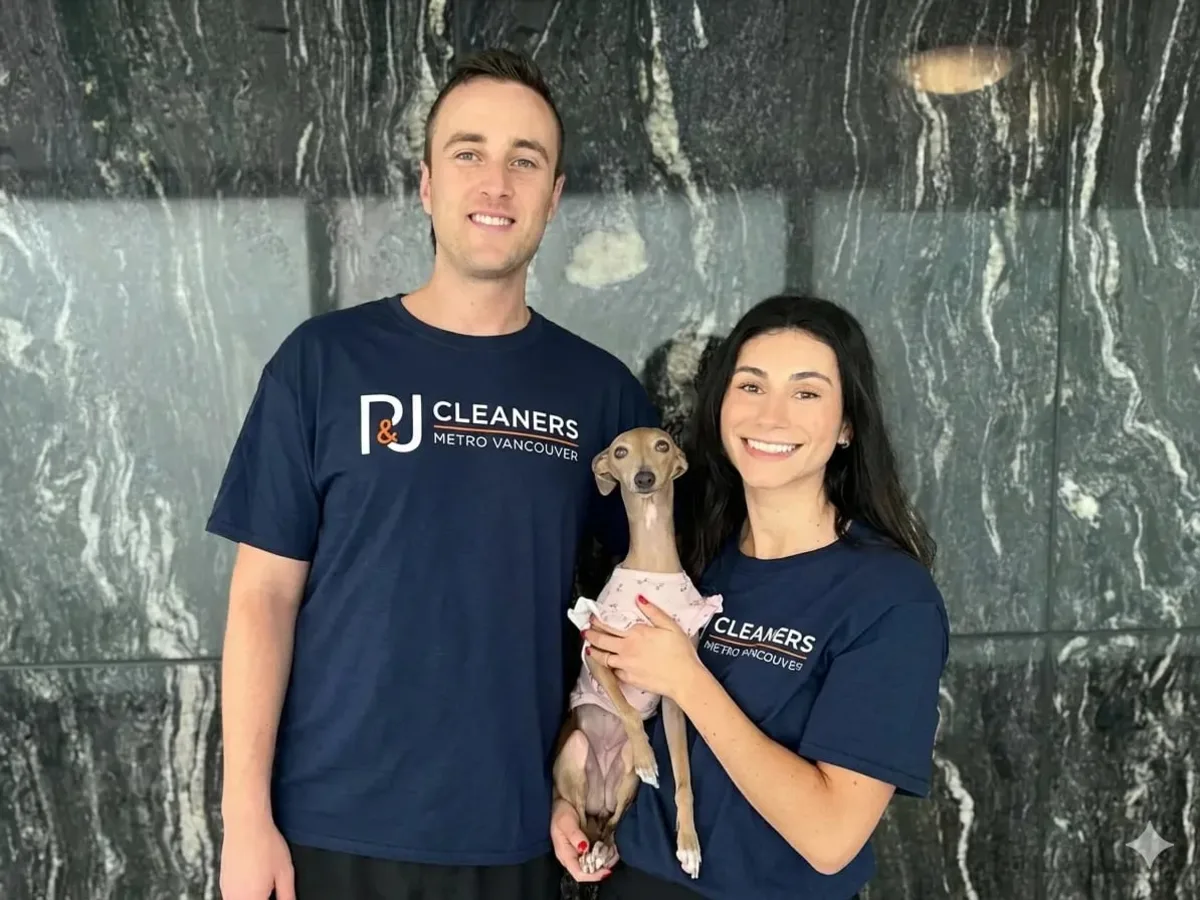
Pamela
Co-Founder
Pamela leads residential quality standards at P&J Cleaners, refining safe, detail-driven cleaning systems for Vancouver homes, condos, and move-out projects.
Keep Exploring