

Quick answer
To clean fire smoke off walls, HEPA-vacuum the loose residue, then lift the soot with a dry chemical sponge, ceiling first, then walls top to bottom, with no liquid at all. Greasy protein film from a cooking fire is the exception and goes straight to an alkaline degreaser. Otherwise wash after the dry pass, floor upward. Wet-wash ceilings last.

Key Takeaways
- 1Fire residue comes in four classes that restoration crews treat as separate problems: protein, wet smoke, dry smoke and fuel-oil soot. Each one needs different chemistry, and using the wrong one sets the stain.
- 2Never wipe soot with anything damp first. Water turns dry soot into a pigment slurry that soaks into paint, which is why the wall usually looks worse after the first wipe.
- 3Dry-sponge from the top down so falling soot lands on dirty wall, then wet-wash from the floor up so clean runs never streak through soot below.
- 4The U.S. Fire Administration's heavy-soot mix is 4 to 6 tablespoons of tri-sodium phosphate plus one cup of household cleaner per gallon of warm water, rinsed immediately with clear water, ceilings washed last.
- 5A household or shop vacuum makes soot cleanup worse: it blows the fine particles straight back into the room. The BC Centre for Disease Control recommends a HEPA-type vacuum and an N95 respirator instead.
- 6Cooking caused 32 percent of Canadian residential fires from 2015 to 2021, more than any other source. So the most common smoke-damaged wall is not black at all. It carries a near-invisible greasy protein film that a dry sponge will not touch.
- 7If your fire triggered an insurance claim, photograph everything and speak to your adjuster before you clean. Cleaning first removes the evidence your contents claim is valued from.
Soot Is Not One Substance, and That Changes Everything
Four residue classes, four different methods, and one finger test that tells you which one you have.
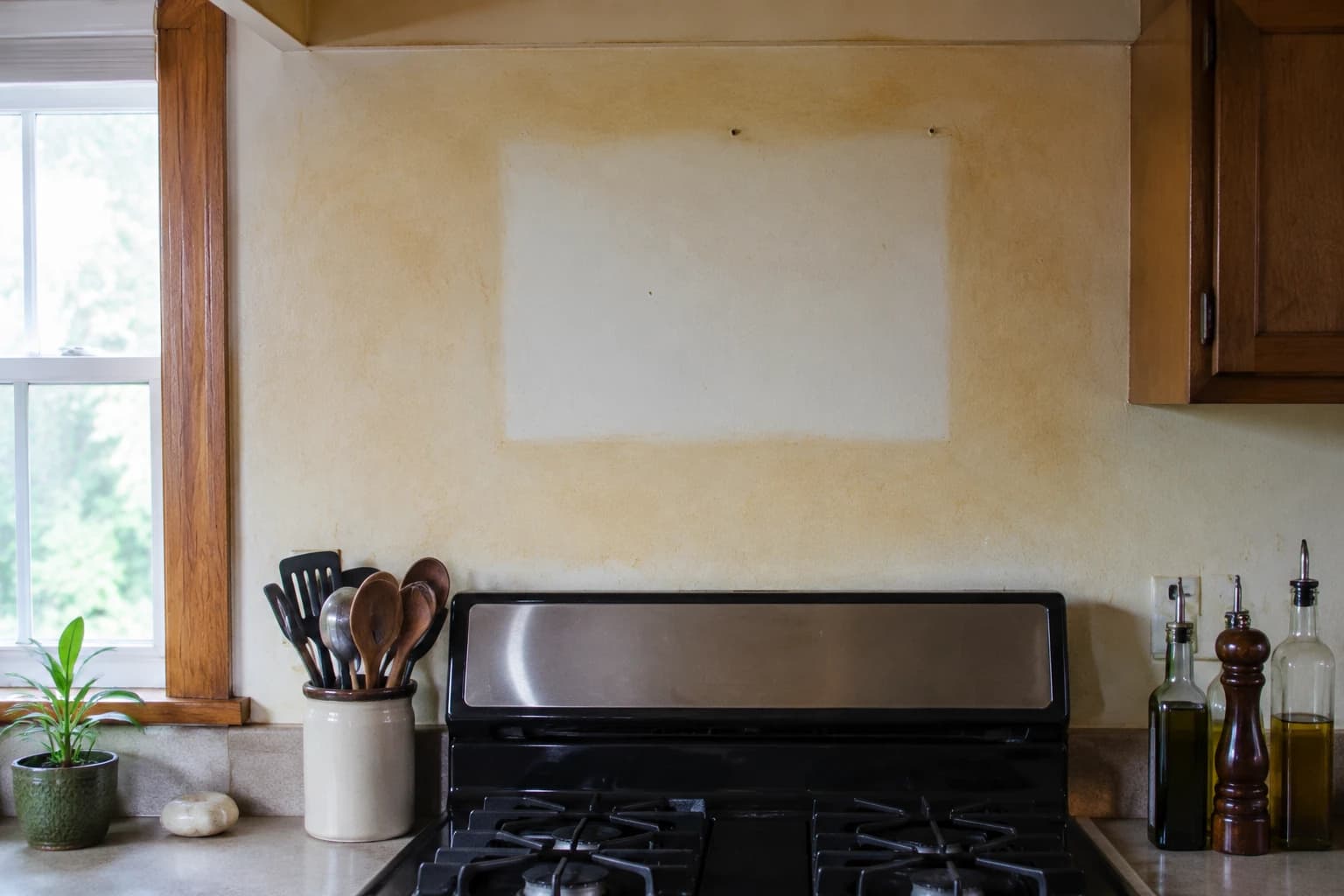
The residue on your wall was made by whatever burned, and that is not a detail. Restoration crews have sorted fire residue into four classes for decades, and professional fire and smoke damage restoration now runs to ANSI/IICRC S700, the American National Standard published in 2025. The four behave nothing alike, and the one on your wall decides everything that comes after.
Dry smoke is what most people picture. A fast, hot fire in paper or wood leaves a fine black powder that sits on the surface and lifts off cleanly if you keep it dry. Wet smoke is the opposite: a slow, smouldering, low-heat fire in plastics, vinyl or rubber leaves a sticky, tarry film that smears the instant you touch it and carries the strongest odour of the four.
Protein residue comes from cooking. Burnt meat, oil or milk vaporises and settles as a thin amber film that is close to invisible on a white wall, so people miss it entirely until the room warms up and the smell returns. Fuel-oil soot is the fourth, thrown by a misfiring oil burner, and it is the one you can mostly ignore in Metro Vancouver. Home heat here is gas or electric, so the puffback advice that fills American restoration blogs was written for a heating system almost nobody in this region has.
Run your gloved finger down the wall before you buy anything. Powder that comes away and leaves a clean line is dry smoke. A greasy smear that spreads is wet smoke or protein. That single test decides the next two hours of your afternoon.
Pro Tip
Check the wall behind a picture frame or above a door casing. Soot follows air currents and always builds heaviest around heat registers, door tops and the cold outer walls where warm smoke condensed. Those spots tell you the true severity better than the wall in front of you.
Should You Clean Before the Insurance Adjuster Comes?
If a claim is involved, cleaning first is the most expensive mistake in this whole process.
Two very different people are reading this paragraph. One had a small fire: a pan that flared, a candle that ran hot against a wall, a toaster that caught. No claim, no adjuster, and you can start today. The other had a real structure fire, where the fire department attended and your insurer is now involved. The residue on the wall behaves the same either way. What changes is who touches it first, in what order, and whether the job should be yours at all.
If you are filing, the damage in its current state is the evidence your payout is calculated from. Photograph every wall, ceiling and affected item before anything is touched, then report the loss. The Insurance Bureau of Canada advises documenting damage and contacting your insurer promptly, after which an adjuster is assigned to assess the loss and explain how your policy applies. Damage caused by the effort to put the fire out, including the water, is covered by most policies too.
There are things you should do immediately regardless. Do not re-enter until officials say the building is safe. Do not flip electrical switches until the system has been checked. Ventilate, because the smell you are living in is fine particulate still suspended in the air. And if the fire was in a condo, the strata's insurer usually covers common property while your own policy covers the unit interior, but the split is set by your strata's bylaws and insurance. Have that conversation with your property manager on day one, not day ten.
For anything beyond a small, contained fire, a restoration contractor can stabilise the space and stop residue from setting while the insurance side works itself out. Soot is acidic. Left on metal, marble and grout it etches, and what was a cleaning job in week one becomes a refinishing job in week four.
- Do not throw damaged contents out until they have been documented.
- Ask whether your policy sends a restoration contractor, so you are not paying twice for the same work.
Pro Tip
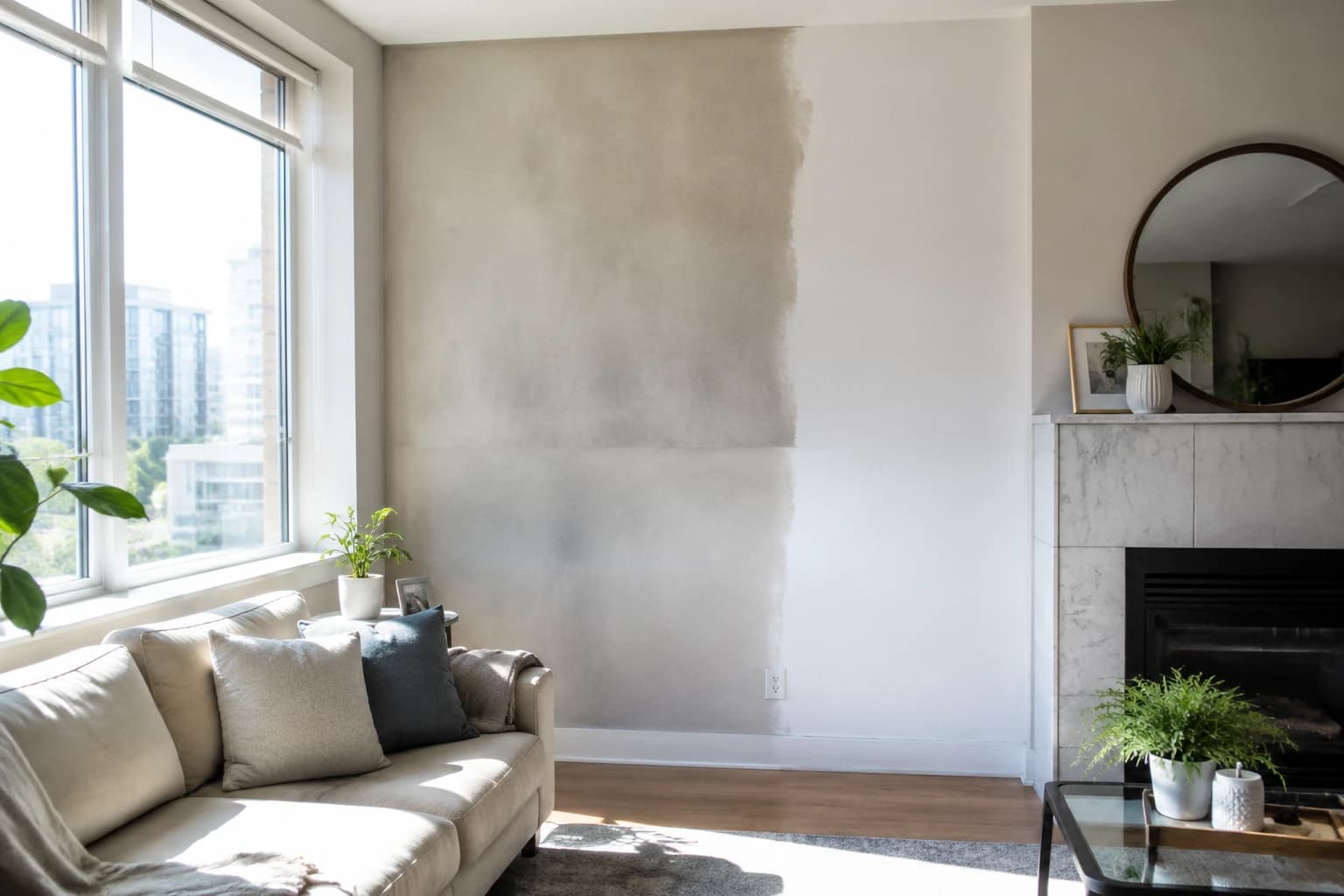
Once your insurer has told you it is fine to start, mask a strip of one dirty wall with painter's tape and clean the exposed half beside it. That single before-and-after frame is the most persuasive documentation you can hand an adjuster, and it takes ninety seconds. Until then, photograph the wall exactly as the fire left it and leave it alone.
What You Need, and the One Tool That Makes It Worse
Short kit list, and why your own vacuum is the enemy here.
The kit is genuinely short and every piece of it is sold at an ordinary hardware store. There is no specialist equipment on this list. The one item people most want to substitute is the one that has to be right.
The vacuum is where people go wrong. Reaching for the household upright feels sensible and it is the single fastest way to spread the problem through the whole house. Standard vacuums and shop vacs pass fine particulate straight through the filter and blow it back into the room. You end up with soot in three rooms instead of one. The BC Centre for Disease Control is explicit about this in its wildfire ash guidance, and the particle physics is the same after a house fire. Use a HEPA-type vacuum, skip the household and shop vacs entirely, wear an N95, and keep ash off your skin.
That is not a fussy precaution. Particles under 2.5 microns are the ones that matter, small enough to travel deep into your lungs and deep into porous surfaces. They are also why the smell keeps coming back after a surface clean: what you can see is only part of what settled.
If the smoke came from outside rather than inside your home, the approach is different again and we cover it separately in our wildfire smoke cleanup guide. Structure-fire soot is heavier, greasier and far more concentrated than smoke that drifted in through a window.
- Dry chemical sponges, sometimes sold as soot sponges or dry cleaning sponges: vulcanised rubber, used completely dry.
- N95 respirator, nitrile gloves, eye protection, and long sleeves.
- Two buckets, one for solution and one for clean rinse water, plus a stack of microfibre cloths.
- A HEPA-filter vacuum with a soft brush attachment, never a shop vac.
- A fan blowing outward, rather than one stirring air around the room.
Pro Tip
Buy twice as many dry sponges as you think you need. Each one holds far less soot than it looks like it should, and a saturated sponge stops lifting and starts smearing. When a face turns fully black, cut it off with a utility knife to expose fresh rubber underneath.
The Dry Pass: How to Clean Fire Smoke Off Walls Without Water
The step that decides whether you remove soot from walls cleanly or set the stain for good.
If you remember nothing else from this article, remember that nothing wet touches visible soot until the dry pass is finished. Greasy protein film from a cooking fire is the one exception, and it gets its own section below. Soot is carbon and oil. Introduce water and you turn a loose powder sitting on top of the paint into a pigmented slurry that wicks into every pore and hairline crack in the finish. If you already wiped a patch and watched it go from a smudge to a stain, that is what happened.
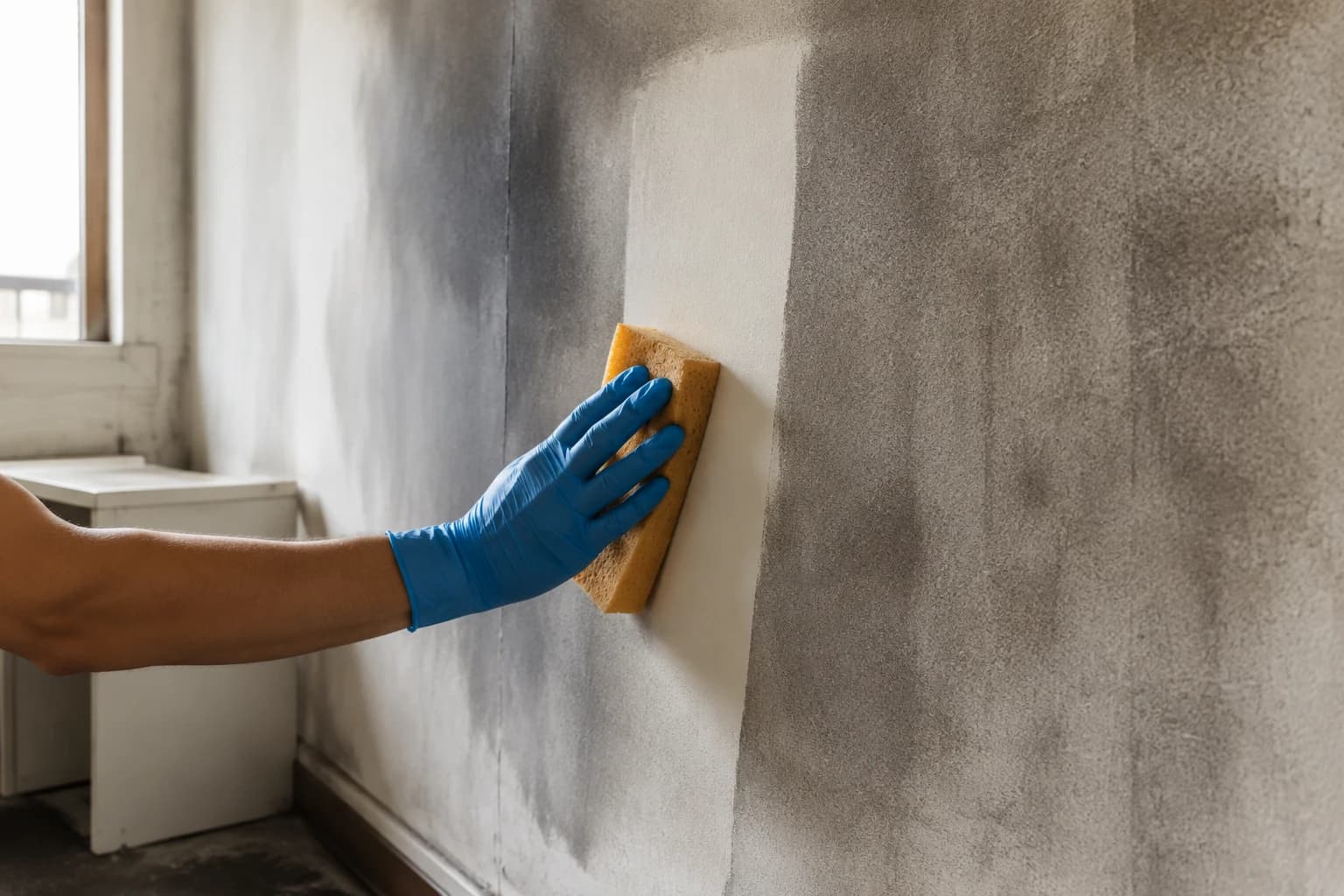
HEPA-vacuum the wall first with a soft brush head held slightly off the surface, so you lift what is loose without pressing anything in. Then take a dry sponge and work in straight overlapping downward strokes, starting at the ceiling line and moving down. Do not scrub, do not circle, and do not press hard. The sponge is an eraser, not an abrasive, and the soot is drawn into the rubber cells rather than pushed along the surface.
Work top to bottom for this pass, because loose soot falls as you go and you want it landing on wall you have not cleaned yet. Rotate the sponge to a fresh face every few strokes. On a normal room you should expect to go through several sponges and a genuinely surprising amount of time. On our own jobs, ninety minutes for one heavily affected wall is normal, not slow.
When the sponge stops picking anything up and leaves the surface evenly grey rather than black, the dry pass is done. Whatever remains is bonded to the paint, and that is what the wet wash is for.
Pro Tip
Textured or knockdown drywall traps soot in every ridge and a flat sponge only touches the high points. Cut a sponge into a wedge and drag the edge across the texture at an angle, then vacuum again. It takes longer but it is the difference between a wall that looks clean and a wall that stays clean. In a home built before 1990, have textured ceiling finishes tested for asbestos before you abrade them.
The Wet Wash: The Best Cleaner to Remove Smoke From Walls
How to wash walls after a house fire: alkaline degreaser, small sections, floor upward, rinse immediately, ceilings last.
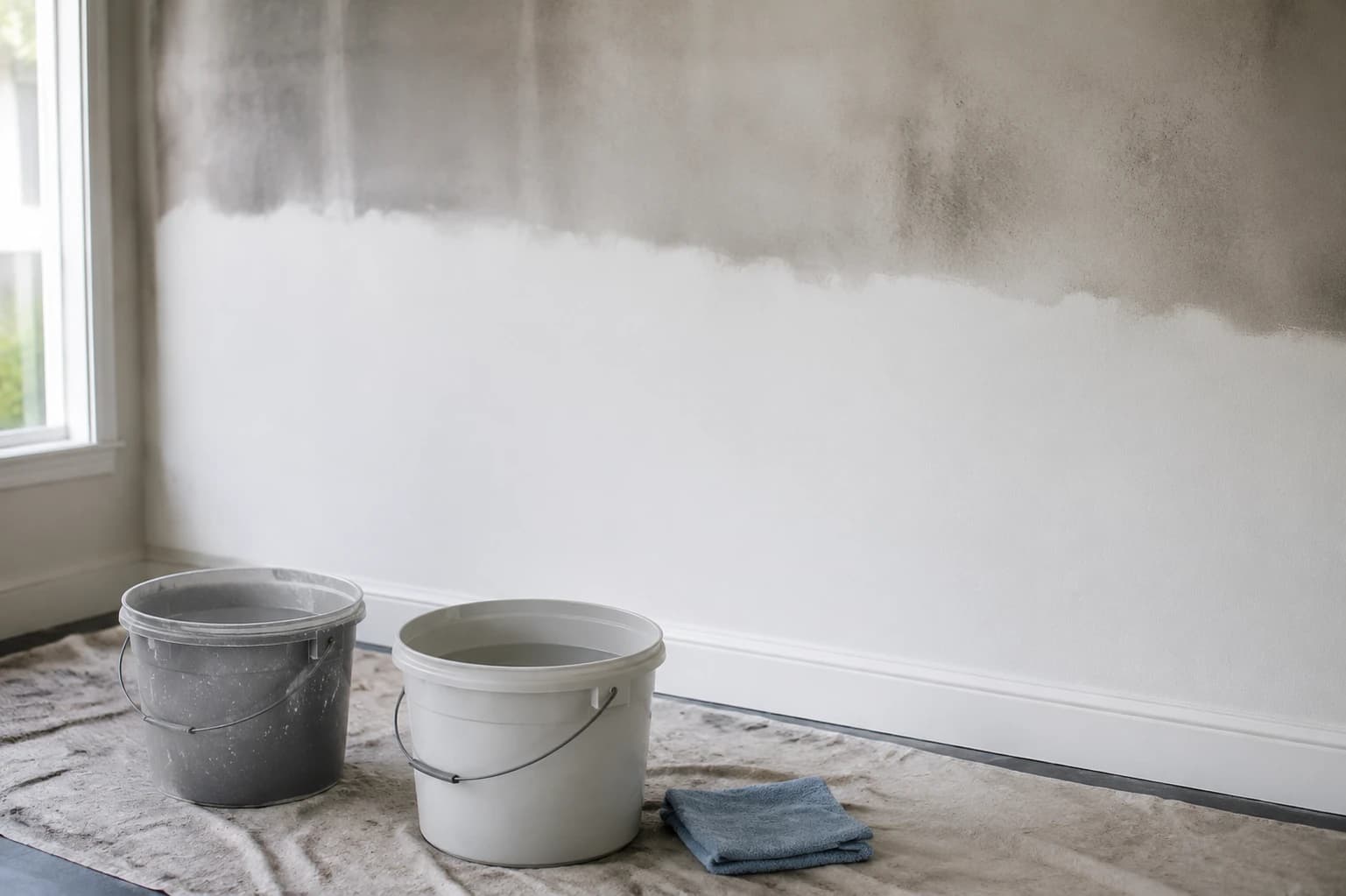
Once the dry pass is done, what is left behind is oily, and oil needs an alkaline degreaser to break it. The U.S. Fire Administration has published the benchmark mix for heavy soot for decades: 4 to 6 tablespoons of tri-sodium phosphate and one cup of household cleaner per gallon of warm water. Wash a small area at a time, working from the floor up. Rinse with clear water immediately. Ceilings come last.
Two practical notes for Canadian readers. Straight TSP is a phosphate and is increasingly hard to find on shelves, so most hardware stores here stock TSP-PF, a phosphate-free substitute. Mix it at the rate printed on its own label rather than the USFA ratio, and rinse the same way. The USFA version allows chlorine bleach in place of that cup of household cleaner. We would not bother. Bleach does nothing a degreaser is not already doing on soot, and mixed with anything containing ammonia, which covers most glass cleaners, it gives off a toxic gas. Pick one plain alkaline cleaner and stop there.
The floor-up direction confuses people because the dry pass ran the other way, and you will find guides that flatly contradict each other on this. Both are right in their own step. Dry soot falls, so you clean down. Liquid runs, and a clean streak running down through soot etches a line that will not come out afterward, so you wash up. Wet a section roughly a metre square, work it, rinse it with clear water from a second bucket, and dry it with a microfibre cloth before moving on.
Dish soap comes up constantly as a shortcut. It will handle light kitchen film on a washable finish and it will do very little against real soot, because it is not alkaline enough to break carbon-bonded oil. If you want the reasoning on which household mixes are worth using and which are folklore, we went through it in detail in our guide to homemade cleaning solutions.
Paint finish decides how hard you can push, so test any solution on a hidden patch first, behind a door or low in a closet, before you clean soot off painted walls anywhere visible. Flat and matte paints are porous and can burnish or lift under scrubbing.
- Mix TSP-PF at the label rate in warm water, or the USFA ratio if using straight TSP.
- Work in sections about one metre square so nothing dries on the wall.
- Move upward from the baseboard, never downward.
- Change your solution the moment it turns grey, which will be sooner than you want.
Pro Tip
Rinse each metre-square section within about thirty seconds of washing it, not at the end of the wall. TSP-PF that dries on the paint leaves its own dull grey film, and people then wash the same wall a third time chasing a residue their own cleaner put there.
The Kitchen Fire Case Nobody Writes About
Most smoke-damaged walls in this city came from a stove, and that residue behaves differently.
Restoration content is written around dramatic fires, but the numbers point somewhere much more ordinary. Cooking was the leading cause of residential fire incidents in Canada between 2015 and 2021, accounting for 32 percent of incidents and 43 percent of injuries, according to Statistics Canada. Mechanical or electrical failures accounted for another 18 percent.
That matters because a pan fire does not leave black powder. It leaves protein residue: a thin, greasy, amber-toned film that spreads much further than the visible scorching and reads as almost nothing on a white wall. People clean the black mark above the stove, declare it finished, and then cannot work out why the whole floor smells like burnt oil for the next three months every time the heat comes on.
Protein film wants the opposite treatment to dry soot. A dry sponge just skates over it, because there is no loose powder to lift, only a bonded layer of vaporised fat that needs chemistry and dwell time to break. The dry pass is not being skipped out of laziness here; there is simply nothing loose on the surface for it to remove.
This is also the moment where a small fire quietly turns into a full kitchen reset, which is why a lot of our deep cleaning bookings after a pan fire cover the whole room rather than the wall itself. If odour is what is actually bothering you rather than a visible stain, the sequence for that is different and we set it out step by step in our guide on getting smoke smell out of a house.
- Treat the whole room and adjoining hallway, not just the scorched area.
- Skip the dry sponge on protein film and go directly to an alkaline degreaser.
- Give the degreaser several minutes of dwell time before you wipe, then rinse.
- Move the range away from the wall before you start; the heaviest film is behind and beside it.
- Cabinet tops and hood exteriors hold the film longest, so degrease both.
Pro Tip
Warm the wall gently with a hair dryer on low and then smell it. Protein residue is nearly odourless when cold and unmistakable when warm, so this tells you within seconds whether a wall is actually finished or is going to greet you again in October when the heating starts.
When Cleaning Stops Working and You Seal Instead
An honest threshold, because washing a wall four times does not beat a coat of primer.
There is a point where more washing stops helping, and recognising it saves days. Clean one section properly and let it dry fully. If the colour is even and no ghost of the stain returns as the moisture leaves, keep going. If a yellow or grey shadow reappears as the wall dries, the residue has moved into the paint film and no amount of surface cleaning will pull it back out.
At that point the answer is a shellac-based stain-blocking primer over the cleaned surface, then repaint. Sealing over uncleaned soot is a mistake people make and regret, because the odour keeps coming through and you have now locked the residue in. Clean, dry fully, then seal.
Some things sit outside a DIY afternoon entirely, and we would rather say so plainly. Structural charring. Smoke that travelled through the furnace and ductwork. A fire the department attended. An open insurance claim. Heavy residue across more than one room. All of that belongs with a restoration contractor working to the S700 standard, usually assigned through your insurer. Wet smoke across a whole floor is a losing fight too. It smears under almost any pressure, and the odour lives in materials you cannot wash.
Where we fit is the cleaning itself. Our emergency cleaning crews handle contained smoke and soot damage across East Vancouver and the rest of Metro Vancouver. That means the pan fire that spread residue three rooms further than anyone expected. It means the finish clean after a restoration crew packs up, when the structure is sound but every surface still needs going over. And it means the suite where firefighting water went through the room, where a disinfection pass over the hard surfaces belongs alongside the residue clean once the drying is done. If your situation is bigger than that, we will say so before we book you in.
- Ask any restoration contractor whether they work to the ANSI/IICRC S700 standard, and get the scope in writing before work starts.
- Have the furnace and ductwork checked by an HVAC contractor before running the heat again.
Pro Tip
Do your test patch on a cold outer wall rather than an interior one. Warm smoke condensed hardest where the wall was coldest, so that is where a shadow will come back first, and if that patch dries clean the rest of the room almost certainly will too.
Step-by-Step
The Full Sequence, Start to Finish
Work through these in order. The order is the method, and skipping ahead to the wet stage is what turns a cleanable wall into a repaint.
Make the space safe and document it
Before any cleaning, confirm the building is safe to occupy, leave electrical switches alone until the system has been checked, and photograph every affected surface. If a claim is involved, speak to your insurer before you start.
- Ventilate with a fan blowing outward, not around the room
- Photograph walls, ceilings and contents in their current state
- Report the loss and keep every receipt
- Move undamaged contents out of the room
Identify which residue you are dealing with
Drag a gloved finger down the wall. Powder that lifts cleanly is dry smoke. A smear that spreads is wet smoke or protein. Check behind frames and above door casings to find the true worst area.
- Test in three places: near the source, on a cold outer wall, and near a heat register
- Note whether the residue is powdery, sticky or greasy
- Decide dry-sponge-first or degreaser-first based on the answer
Protect yourself, mask the room, and HEPA-vacuum
Soft brush attachment held just off the surface, ceiling first, then walls, then floor. Do not press the brush into the wall and do not substitute a shop vac.
- Drop sheets over flooring and remaining furniture, and take soft goods out of the room
- Confirm the vacuum is genuinely HEPA-filtered before you start
- Vacuum ceiling, then walls top to bottom, then the floor
- Empty outdoors, wearing your respirator
Run the dry sponge pass
Straight overlapping downward strokes with a completely dry chemical sponge, ceiling line first, no pressure.
- Dry-sponge the ceiling before any wall, since loose soot falls onto surfaces you have not cleaned yet
- Rotate faces every few strokes, cut off blackened ones
- Stop when the sponge no longer loads
Wash from the floor up, rinse as you go
Alkaline degreaser in warm water, one metre square at a time, moving upward from the baseboard.
- Test the solution on a hidden patch first
- Dry each section before starting the next
- Ceilings last, after every wall is done and dry
Dry fully, then decide about primer
Give the room a day of airflow, then look again in daylight. Even colour means you are done. A returning shadow means the residue is in the paint film and the wall needs sealing before it is repainted.
- Keep air moving for at least twenty-four hours; a coastal-climate wall holds moisture longer than you expect
- Warm a wall gently and smell it before calling it finished
| Residue type | What it looks like | Typical source | Method | Realistic DIY? |
|---|---|---|---|---|
| Dry smoke | Fine black powder, lifts off dry | Fast, hot fire in paper, wood or fabric | HEPA vacuum, dry chemical sponge, then a light degreaser wash | Yes, one or two rooms |
| Protein | Amber film, near-invisible, greasy, strong recurring smell | Stovetop and oven fires | Skip the dry sponge, alkaline degreaser with dwell time, thorough rinse | Yes, but treat the whole room |
| Wet smoke | Dark, sticky, tarry, smears under any pressure | Slow smouldering fire in plastics, vinyl or upholstery | Solvent-based cleaners and specialist equipment | No, call a restoration contractor |
| Fuel-oil soot | Fine, oily, spreads widely from the appliance | Oil-burner puffback, rare in Metro Vancouver | Specialist degreasers, HVAC assessment | No |
Services mentioned in this article
Ready for help?
4.9 · 850+ Google reviewsSoot spread further than the fire did?
A contained kitchen fire can leave residue three rooms away, and a wall that looks fine in the afternoon can smell again the first cold night. If you would rather not spend a weekend with a box of sponges, our crews handle smoke and soot cleanup across Metro Vancouver, backed by 850 reviews. We also do the full clean once a restoration contractor has finished the structural work. And if what your home needs is structural restoration rather than cleaning, we will tell you on the phone instead of booking you in.
778-720-2224Cleaning Smoke and Soot Off Walls: Common Questions
How do I get fire smoke smell off walls?
Clean the residue off first, because the odour comes from the residue itself and no deodoriser beats removing the source. Wash the walls with an alkaline degreaser, rinse with clear water, and let the surface dry fully before you judge the smell. If the smell survives a proper clean, the residue has moved into the paint film and the wall needs sealing and repainting rather than more washing.
What is the best cleaner to remove smoke from walls?
An alkaline degreaser is the right chemistry for soot, because fire residue is carbon bonded in oil. TSP-PF, the phosphate-free trisodium phosphate substitute sold in most Canadian hardware stores, is the standard choice and cleans at the label dilution. Whatever you use, run the dry chemical sponge pass first on visible soot, go straight to the degreaser on greasy protein film from a cooking fire, and never mix a bleach-containing product with anything that contains ammonia.
Will Dawn dish soap get soot off walls?
Dawn dish soap will handle a light kitchen film on a washable paint finish and very little beyond that. Dish soap is designed for food grease at a pH that is not aggressive enough to break carbon-bonded soot, so on real fire residue it mostly moves the stain around. Use it on light kitchen film or on a wall that barely caught anything, not as your main cleaner on real soot.
Should I clean smoke damage myself or hire a pro?
Clean it yourself if the fire was small and contained, the residue is dry smoke or protein, and it covers no more than one or two rooms. The test that settles it either way is simple: clean a single square foot properly, let it dry a full day, then look at it again in daylight. Even colour means the rest of the room is yours to do, while a shadow that comes back means the job has moved past cleaning. If a claim is open, call your adjuster before anyone else, because your policy may already pay for a restoration contractor.
How do I clean soot off a ceiling?
Dry-sponge the ceiling before you touch any wall, since falling soot lands on surfaces you have not cleaned yet. Wet-wash it last, after every wall in the room is finished and dry, so drips never run down clean paint. Textured or popcorn ceilings often will not survive wet cleaning at all and are usually sealed and repainted instead. In a home built before 1990, have the texture tested before anything abrades it, because older textured ceiling finishes can contain asbestos.
Why did wiping the soot make it worse?
Because water turns dry soot into a pigment slurry that soaks into the paint instead of lifting off it. Soot is carbon suspended in oil, and it sits on top of the finish until something damp drives it into the pores and hairline cracks. That is why the first wipe usually darkens the wall. Stop wetting it, HEPA-vacuum what is loose, and run a completely dry chemical sponge over the area before any liquid touches the surface again.
Sources & References
The facts in this guide come from the primary sources below. Links open in a new tab.
- 1ANSI/IICRC S700 Standard for Professional Fire and Smoke Damage Restoration, First Edition 2025 (publication announcement)Institute of Inspection, Cleaning and Restoration Certification
- 2After the Fire! Returning to Normal (FA-46), salvage and cleaning guidanceU.S. Fire Administration
- 3Fire incidents in Canada, 2015 to 2021: leading causes of residential firesStatistics Canada
- 4Wildfire smoke: cleaning up ash and protecting your health indoorsBC Centre for Disease Control
- 5How to file a home insurance claimInsurance Bureau of Canada
Meet the Author
Pamela
Co-Founder
Pamela leads residential quality standards at P&J Cleaners, refining safe, detail-driven cleaning systems for Vancouver homes, condos, and move-out projects.
Keep Exploring