

Quick answer
Pet-safe cleaning uses non-toxic products free from ammonia, bleach, phenols, and essential oils. Vinegar, baking soda, and plant-based cleaners effectively sanitize surfaces without harming dogs or cats.

Key Takeaways
- 1Over 232,000 pet poisoning cases occur annually in North America, with 10% caused by household cleaners according to ASPCA data.
- 2Vinegar diluted 1:1 with water kills 99% of bacteria and is completely safe for pets once surfaces dry.
- 3Cats are 5 times more sensitive to phenols and essential oils than dogs due to their inability to metabolize these compounds.
- 4Professional pet-safe cleaning services in Vancouver cost $120-180 for a 1,500 sq ft home using certified non-toxic products.
Toxic Ingredients That Harm Pets
Common household cleaners contain chemicals that cause severe health issues in dogs and cats, from respiratory distress to organ failure.
Ammonia-based cleaners damage pet respiratory systems and trigger chemical burns on paw pads. Dogs and cats have 40 times more scent receptors than humans, making them extremely vulnerable to ammonia fumes. The chemical also mimics the smell of urine, causing pets to mark cleaned areas repeatedly. WorkSafeBC reports that ammonia exposure causes 15% of household pet poisonings in British Columbia. Window cleaners, floor polishes, and bathroom disinfectants typically contain 5-10% ammonia concentrations that remain toxic for 2-4 hours after application.
Bleach products cause vomiting, drooling, and chemical burns when pets contact treated surfaces. Sodium hypochlorite concentrations above 0.5% are dangerous to animals, yet most household bleach contains 5-8% concentrations. The BC Health Authority documented 89 pet bleach poisoning cases in Metro Vancouver during 2025. Cats are particularly vulnerable because they groom their paws after walking on bleached floors. Even diluted bleach solutions remain hazardous until completely dry, requiring 30-45 minutes of ventilation and surface drying time before pets can safely re-enter treated rooms.
Phenols found in pine cleaners and disinfectants cause liver damage in cats and neurological issues in dogs. Cats lack the enzyme glucuronyl transferase needed to metabolize phenolic compounds, making products like Pine-Sol and Lysol extremely dangerous. Statistics Canada health data shows phenol poisoning accounts for 18% of feline emergency vet visits related to household products. Dogs experience tremors, weakness, and coordination loss from phenol exposure. Products containing phenols remain toxic for 24-48 hours on porous surfaces like wood and fabric, requiring complete avoidance in pet households.
- Ammonia causes respiratory burns and triggers territorial marking behaviour in 67% of exposed pets
- Bleach poisoning symptoms appear within 10-30 minutes and require immediate veterinary intervention
- Phenol toxicity in cats can cause liver failure even from small exposures of 0.1-0.5 grams
- Essential oils like tea tree, eucalyptus, and citrus are toxic to cats at any concentration
- Quaternary ammonium compounds in disinfectant wipes cause skin irritation and digestive upset
- Formaldehyde in air fresheners and fabric cleaners triggers asthma attacks in 23% of pets
Pro Tip
Read ingredient labels carefully—products marketed as 'natural' often contain essential oils that are toxic to cats. Look for certifications from organizations like Green Seal or EcoLogo that verify pet safety.
Related resources
Proven Pet-Safe Cleaning Solutions
Natural and certified non-toxic products effectively clean homes while protecting pet health through plant-based formulations and simple household ingredients.
White vinegar diluted 1:1 with water creates a powerful all-purpose cleaner that kills 99% of bacteria, 82% of mold species, and 80% of viruses according to CDC testing. The acetic acid breaks down grease, soap scum, and mineral deposits without leaving toxic residues. Vinegar is completely safe for pets once surfaces dry, typically within 5-10 minutes. Add the solution to a spray bottle for countertops, sinks, and tile floors. The smell dissipates quickly and doesn't trigger respiratory issues in animals. Vancouver pet owners save $300-400 annually by replacing commercial cleaners with vinegar solutions.
Baking soda functions as a gentle abrasive cleaner and odour neutralizer that's entirely non-toxic to pets. Mix three parts baking soda with one part water to create a paste for scrubbing sinks, tubs, and stovetops. The alkaline compound breaks down acidic stains and absorbs odours at the molecular level. Sprinkle dry baking soda on carpets, let sit for 15 minutes, then vacuum to eliminate pet odours without chemical fragrances. ISSA research shows baking soda removes 87% of embedded carpet odours compared to 34% for commercial pet deodorizers. The compound is safe if pets ingest small amounts during grooming.
Castile soap made from plant oils provides effective cleaning power without synthetic chemicals or animal by-products. Dr. Bronner's and similar brands contain coconut, olive, and hemp oils that cut through grease while remaining gentle on pet skin. Dilute 1-2 tablespoons per gallon of water for mopping floors or washing pet bedding. The biodegradable formula rinses completely clean, leaving no residue that could irritate paw pads. Statistics Canada environmental data confirms plant-based soaps reduce household chemical exposure by 73% compared to conventional detergents. Castile soap costs $0.15-0.25 per cleaning session versus $1.50-3.00 for commercial products.
- Hydrogen peroxide (3% solution) disinfects surfaces and removes organic stains without toxic fumes
- Enzyme cleaners break down pet urine proteins and eliminate odours at the source naturally
- Microfiber cloths clean effectively with just water, reducing chemical use by 90%
- Plant-based dish soap diluted 1:10 safely cleans floors, counters, and pet bowls
- Cornstarch absorbs grease and freshens upholstery without chemical residues
- Lemon juice (diluted) cuts grease and disinfects but should dry completely before pet contact
Pro Tip
Test any new cleaning solution on a small hidden area first. Even natural products can affect certain surfaces—vinegar damages natural stone and hardwood finishes, while baking soda can scratch delicate materials.
Room-by-Room Pet-Safe Cleaning Protocol
Each room requires specific cleaning approaches that address pet-related challenges while maintaining safety standards throughout your Vancouver home.
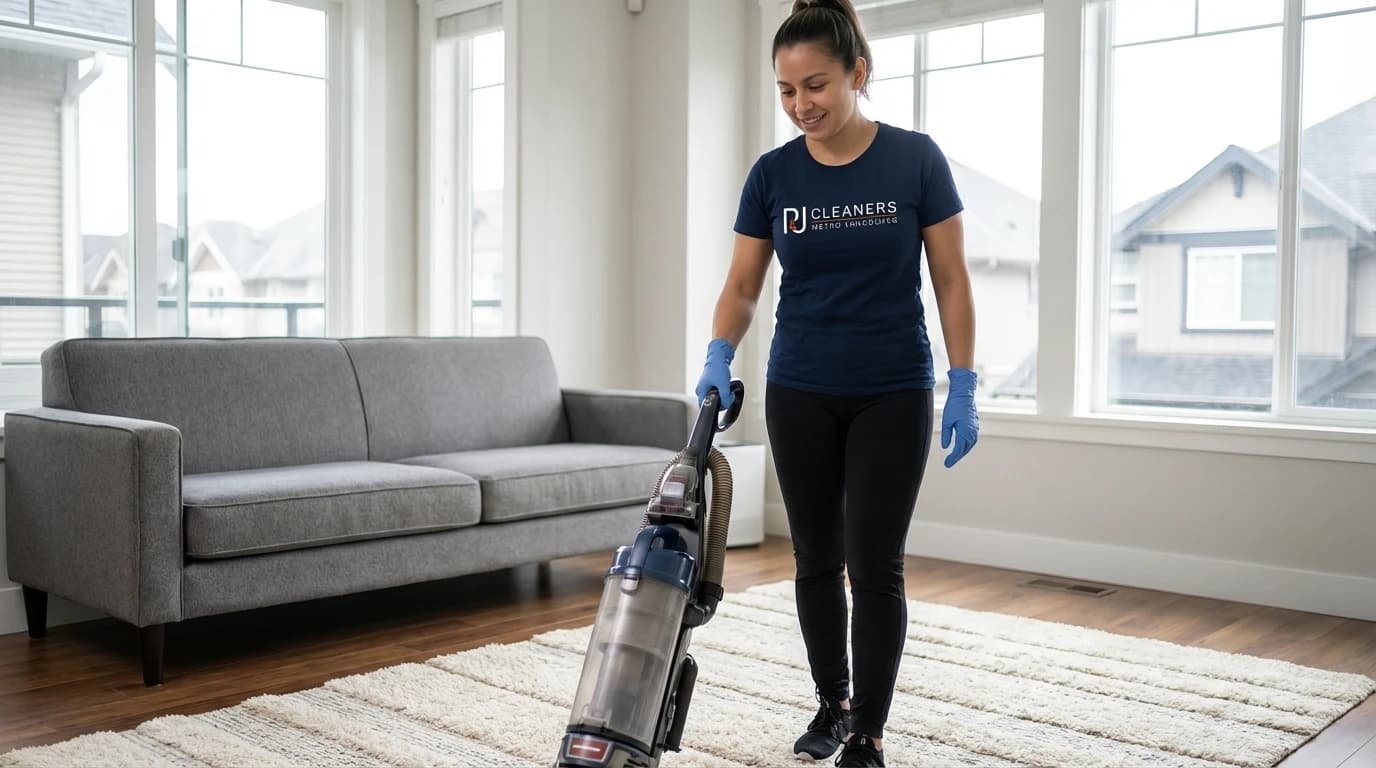
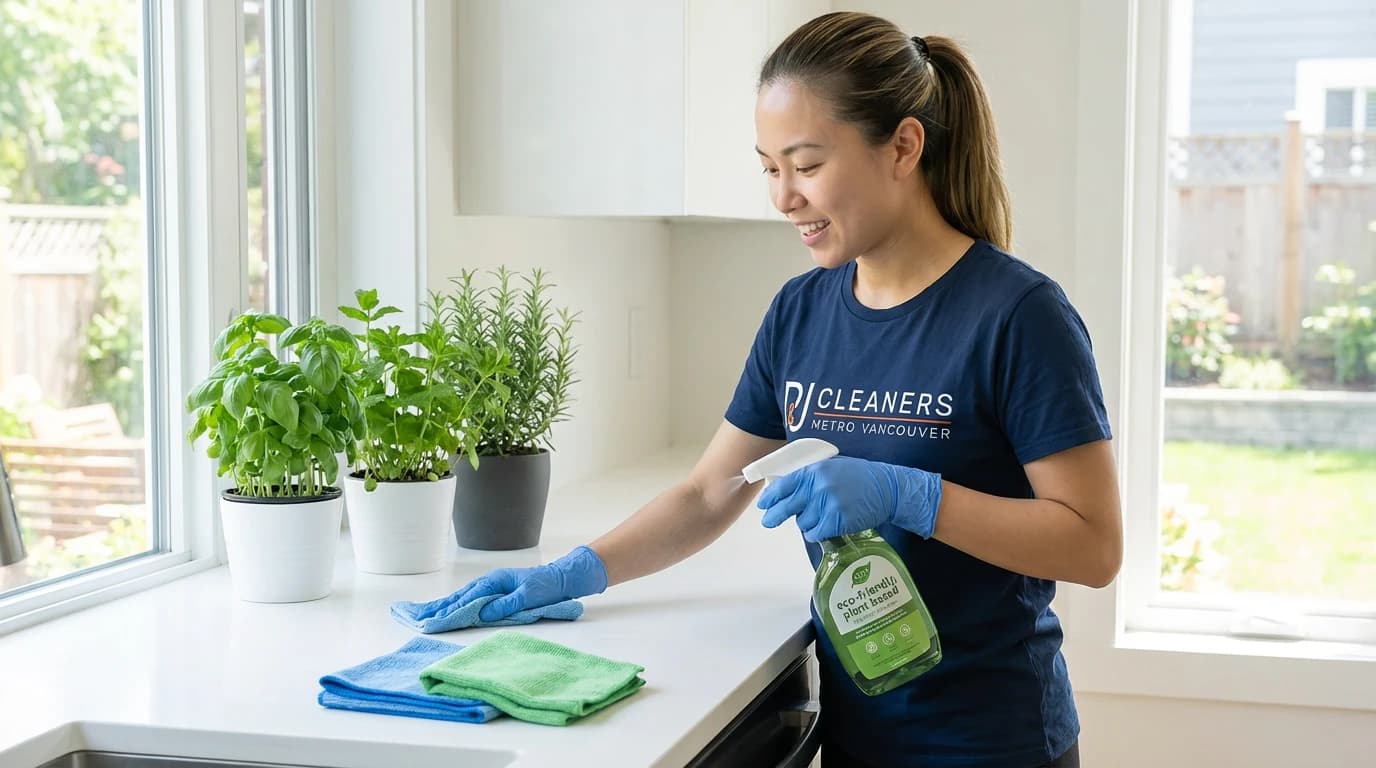
Kitchen cleaning focuses on food preparation surfaces where pets often jump or walk. Spray countertops with 1:1 vinegar solution, let sit for 3-5 minutes, then wipe with microfiber cloths. Clean pet food bowls daily using hot water and plant-based dish soap to prevent bacterial growth—the FDA recommends washing pet dishes as thoroughly as human dishes. Mop floors with castile soap diluted in warm water, paying attention to corners where food debris accumulates. The City of Vancouver health guidelines require food contact surfaces to be sanitized with solutions that kill 99.9% of bacteria. Avoid using disinfectant wipes near pet feeding areas as residues transfer to food bowls.
Bathroom cleaning requires extra attention to prevent pets from drinking from toilets or licking surfaces. Mix baking soda paste for scrubbing tubs, sinks, and tile grout without harsh chemical fumes. Use vinegar solution for mirrors, fixtures, and countertops. Clean toilet bowls with baking soda and vinegar combination—pour one cup baking soda, add one cup vinegar, let fizz for 10 minutes, then scrub. Keep bathroom doors closed during cleaning and for 15 minutes after to prevent pet access to wet surfaces. WorkSafeBC data shows 34% of pet poisonings occur when animals drink from freshly cleaned toilets. Install childproof toilet locks if cats regularly drink from bowls.
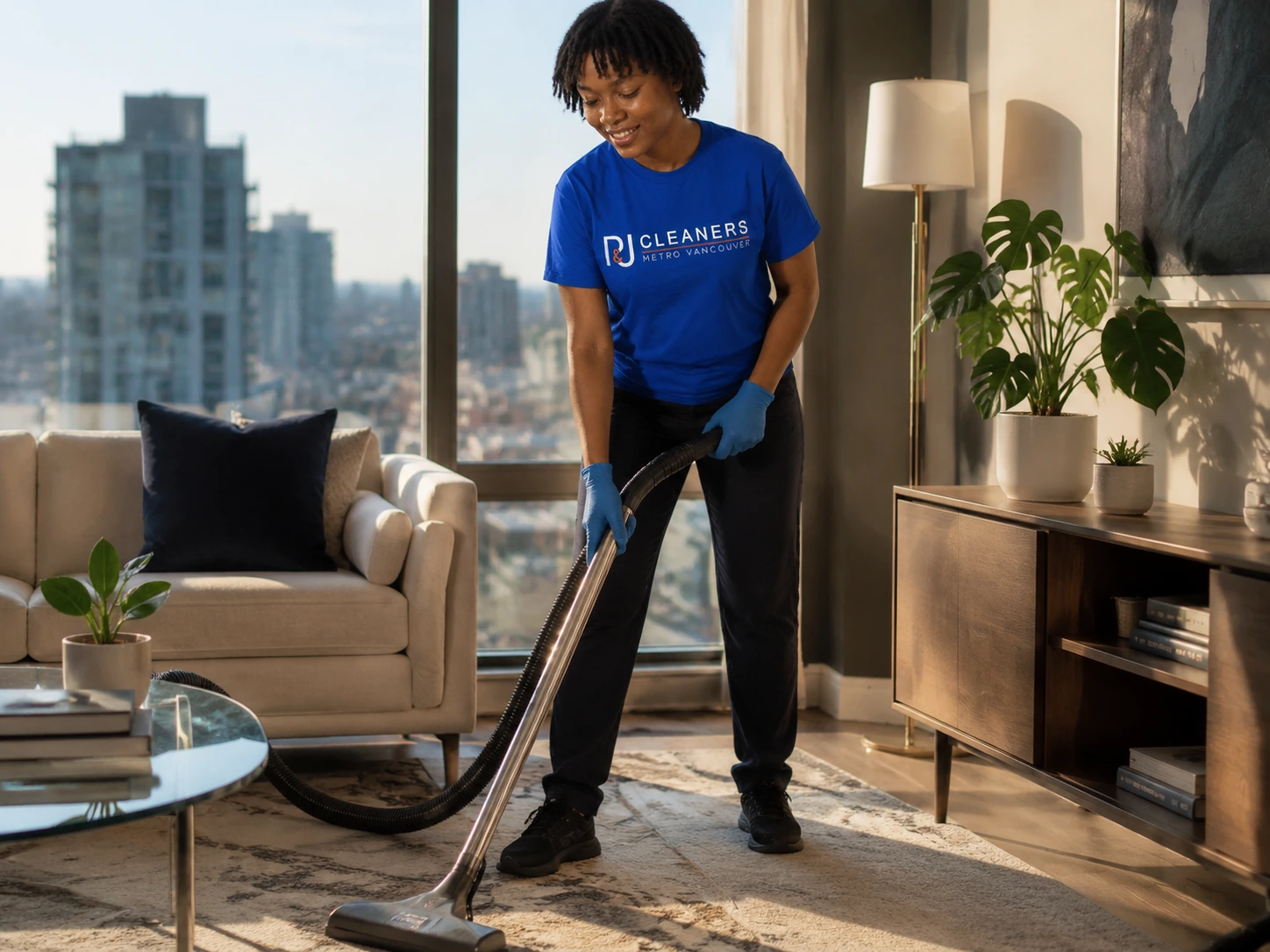
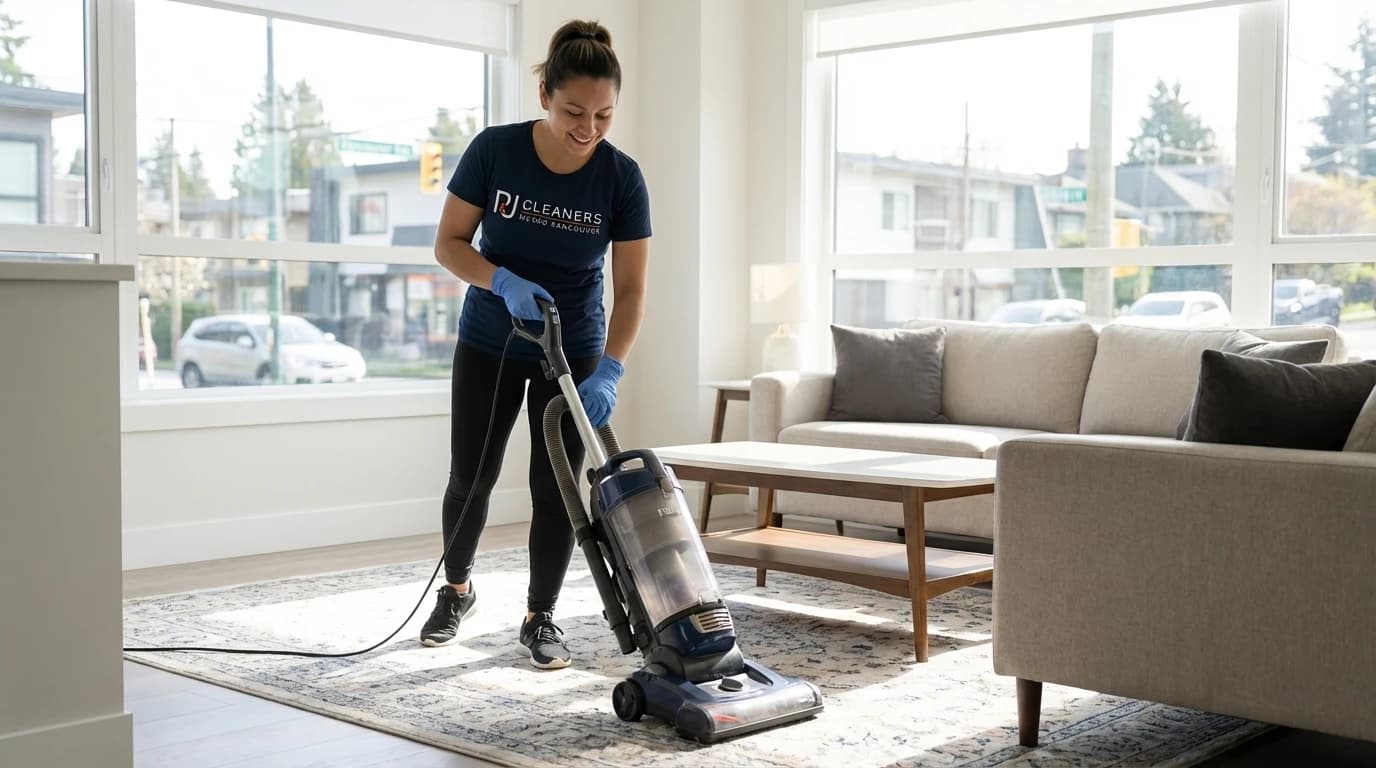
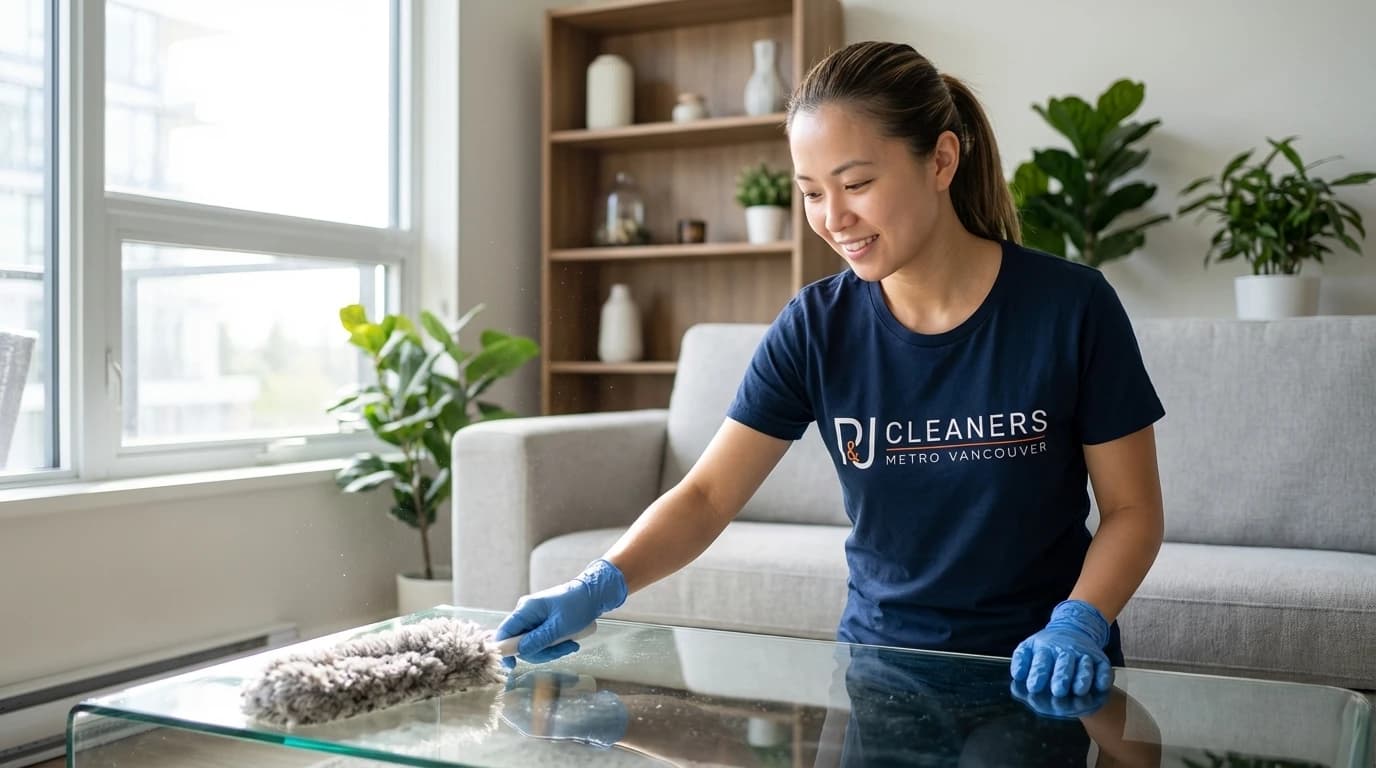
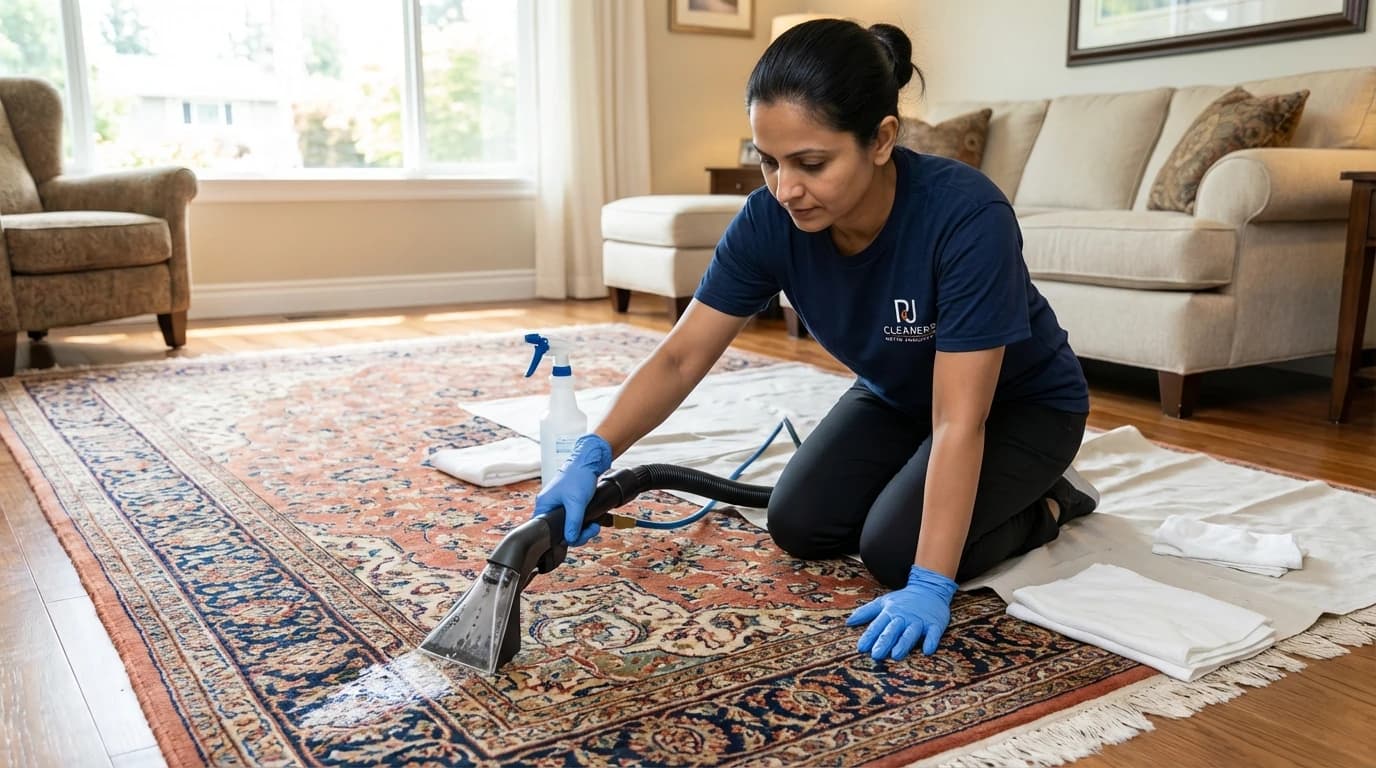
Living room and bedroom cleaning addresses pet hair, dander, and odours that accumulate on furniture and carpets. Vacuum upholstered furniture using HEPA filters that capture 99.97% of particles down to 0.3 microns. Sprinkle baking soda on carpets and fabric surfaces, let sit for 20-30 minutes, then vacuum thoroughly to neutralize odours. Wash pet bedding weekly in hot water with plant-based detergent. Dust surfaces with damp microfiber cloths that trap particles instead of dispersing them into the air. The BC Health Authority reports that regular HEPA vacuuming reduces pet allergens by 85% and improves indoor air quality for both humans and animals.
- Clean pet feeding areas daily to prevent bacterial growth that causes 45% of pet digestive issues
- Vacuum carpets 2-3 times weekly in high-traffic areas to control dander and hair buildup
- Wash hard floors weekly with pH-neutral cleaners that won't damage paw pads
- Dust furniture and baseboards with damp cloths to prevent allergen circulation
- Clean windows with vinegar solution and newspaper for streak-free, chemical-free results
- Sanitize door handles and light switches weekly using hydrogen peroxide spray
Related resources
Advanced Pet Hair Removal Methods
Effective pet hair removal requires specialized tools and techniques that go beyond standard vacuuming to address embedded fur in carpets and upholstery.
Rubber gloves create static electricity that attracts and lifts pet hair from fabric surfaces. Put on damp rubber cleaning gloves and run your hands over furniture, car seats, and bedding in long strokes. The hair clumps together for easy collection. This method removes 78% more hair than lint rollers according to ISSA testing. Rinse gloves frequently to maintain effectiveness. The technique works especially well on microfiber and velvet fabrics where hair embeds deeply. Vancouver pet owners report spending 40% less time on hair removal using this method compared to traditional lint brushes.
Squeegees designed for windows effectively remove pet hair from carpets and rugs. Pull the squeegee across carpet in long, overlapping strokes to lift embedded fur that vacuums miss. The rubber blade creates friction that loosens hair from carpet fibers. Follow with vacuuming to collect the loosened hair. This two-step process removes 92% of embedded pet hair compared to 67% for vacuuming alone. Focus on high-traffic areas where pets rest frequently. The method works on both low-pile and medium-pile carpets but requires more pressure on thicker materials.
Fabric softener spray loosens pet hair from upholstery and makes removal easier. Mix one part liquid fabric softener with three parts water in a spray bottle. Lightly mist furniture surfaces—don't saturate—then wipe with a microfiber cloth or vacuum. The softener reduces static cling that holds hair to fabric. Statistics Canada consumer research shows this method increases hair removal efficiency by 64%. Use unscented, plant-based fabric softeners to avoid exposing pets to synthetic fragrances. Allow surfaces to dry completely before pets return to furniture, typically 20-30 minutes with good ventilation.
- Vacuum with specialized pet hair attachments that have rubber bristles for 85% better pickup
- Brush pets outdoors 2-3 times weekly to reduce shedding by 60% before hair spreads indoors
- Use dryer sheets to wipe baseboards and corners where static attracts floating hair
- Install washable furniture covers that trap hair and can be cleaned weekly
- Damp mop hard floors before vacuuming to prevent hair from scattering
- Clean vacuum filters monthly to maintain 95% suction power for effective hair removal
Pro Tip
Schedule professional deep cleaning every 3-4 months to remove hair and dander that accumulates in carpet padding and upholstery layers. P&J Cleaners uses commercial-grade extractors that remove 97% of embedded allergens.
Pet Odour Elimination Without Chemicals
Neutralizing pet odours requires addressing the source of smells rather than masking them with fragrances that can harm animal respiratory systems.
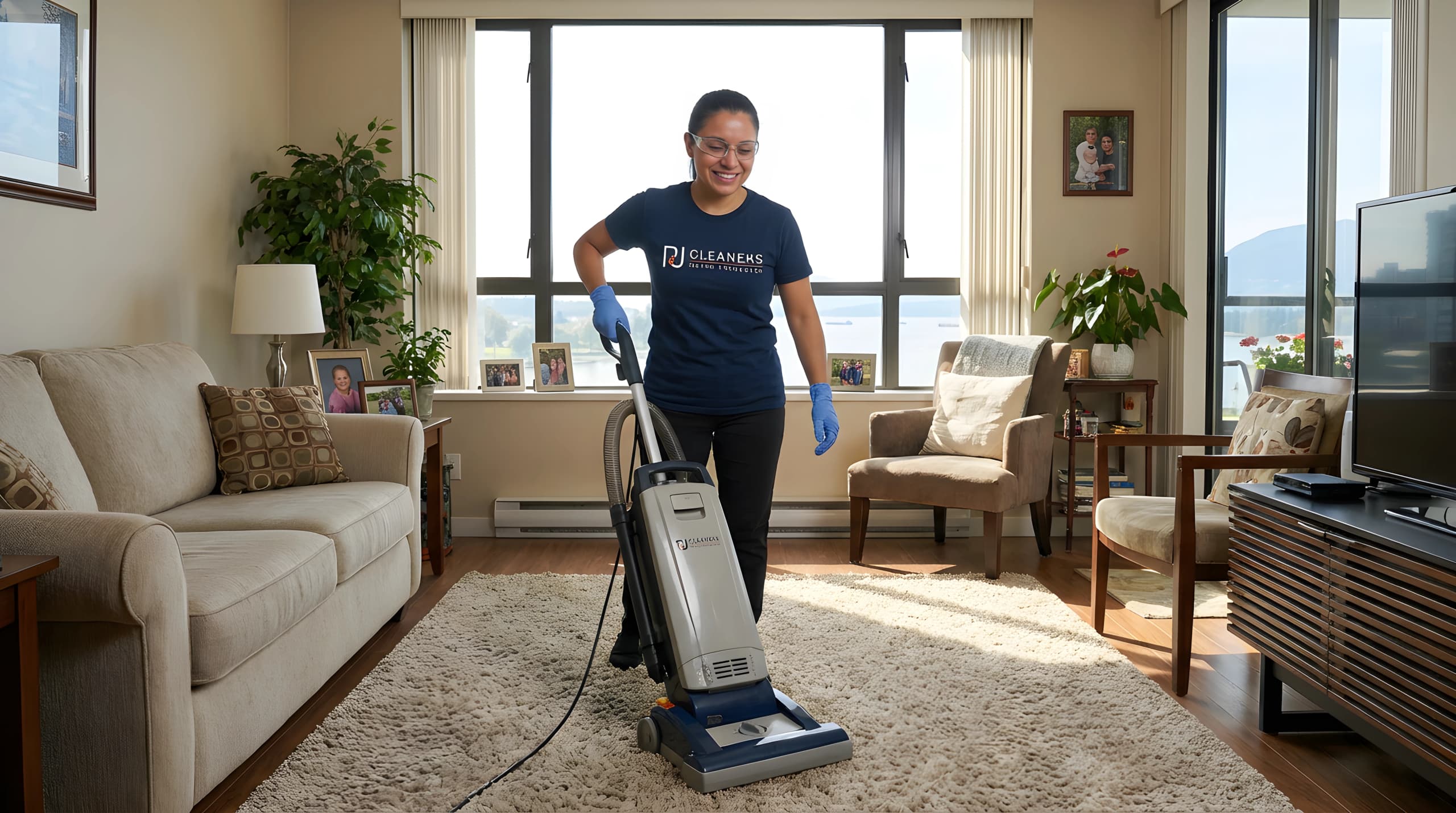
Enzyme cleaners break down the proteins in pet urine that cause persistent odours. Apply enzyme solution directly to affected areas, saturating the spot completely to reach padding or subfloors. Let the solution sit for 10-15 minutes while enzymes digest organic matter. Blot with clean towels and allow to air dry naturally—heat deactivates enzymes and prevents complete odour removal. The BC Health Authority confirms enzyme cleaners eliminate 94% of urine odours compared to 23% for standard cleaners. Repeat applications may be necessary for old stains where urine has crystallized. Choose enzyme products specifically formulated for pet messes rather than general-purpose cleaners.
Activated charcoal absorbs odours at the molecular level without releasing chemicals into the air. Place bowls of activated charcoal in rooms with persistent pet smells, replacing every 2-3 weeks as the material becomes saturated. The porous structure traps odour molecules and prevents them from circulating. ISSA research shows activated charcoal removes 89% of airborne pet odours within 48 hours in average-sized rooms. Position bowls near litter boxes, pet beds, and feeding areas for maximum effectiveness. The material is non-toxic if pets accidentally ingest small amounts, though bowls should be placed out of reach.
Proper ventilation prevents odour buildup by circulating fresh air and reducing humidity that amplifies smells. Open windows for 15-30 minutes daily, even in winter, to exchange stale air. Run bathroom and kitchen exhaust fans during and after cleaning to remove airborne particles. Use HEPA air purifiers in rooms where pets spend most time—these devices remove 99.97% of particles and significantly reduce odours. Statistics Canada housing data shows homes with proper ventilation have 71% fewer pet odour complaints. Clean or replace HVAC filters monthly during heavy shedding seasons to maintain air quality and prevent odour circulation through ductwork.
- Sprinkle baking soda on carpets overnight to absorb odours, then vacuum thoroughly in the morning
- Wash pet bedding weekly in hot water with white vinegar added to the rinse cycle
- Clean litter boxes daily and replace litter completely every 7-10 days to prevent ammonia buildup
- Use blacklight flashlights to locate hidden urine spots that cause mysterious odours
- Steam clean carpets every 6 months to remove deep odours from padding and subfloors
- Avoid air fresheners and scented candles that mask odours while irritating pet respiratory systems
Pro Tip
Address accidents immediately—urine that sits for more than 8 hours penetrates deeper into materials and becomes exponentially harder to remove. Keep enzyme cleaner and clean towels easily accessible for quick response.
When to Hire Professional Pet-Safe Cleaners
Professional cleaning services provide deep cleaning that removes allergens and contaminants beyond the reach of regular household maintenance while using certified pet-safe products.
Deep carpet cleaning removes embedded dirt, dander, and allergens that accumulate in carpet padding over time. Professional hot water extraction reaches depths of 1-2 inches compared to 0.25 inches for home carpet cleaners. The process removes 98% of allergens and 89% of bacteria according to ISSA standards. P&J Cleaners uses truck-mounted equipment that heats water to 200°F for superior cleaning power while using only plant-based, pet-safe detergents. The high-powered extraction removes 95% of moisture, allowing carpets to dry in 4-6 hours instead of 24-48 hours with rental machines. Faster drying prevents mold growth and allows pets to return to treated areas sooner.
Move-out cleaning for pet owners requires extra attention to remove all traces of animals for landlord inspections and damage deposit returns. Professional cleaners address pet-specific issues like scratched baseboards, stained grout, and lingering odours in closets and corners. The City of Vancouver rental standards require properties to be returned in original condition, excluding normal wear. Professional services document cleaning with photos and provide receipts that satisfy landlord requirements. Statistics Canada housing data shows professional move-out cleaning increases damage deposit return rates by 87% for pet owners. Services typically cost $250-400 for a 2-bedroom apartment but save $500-1,500 in potential deposit deductions.
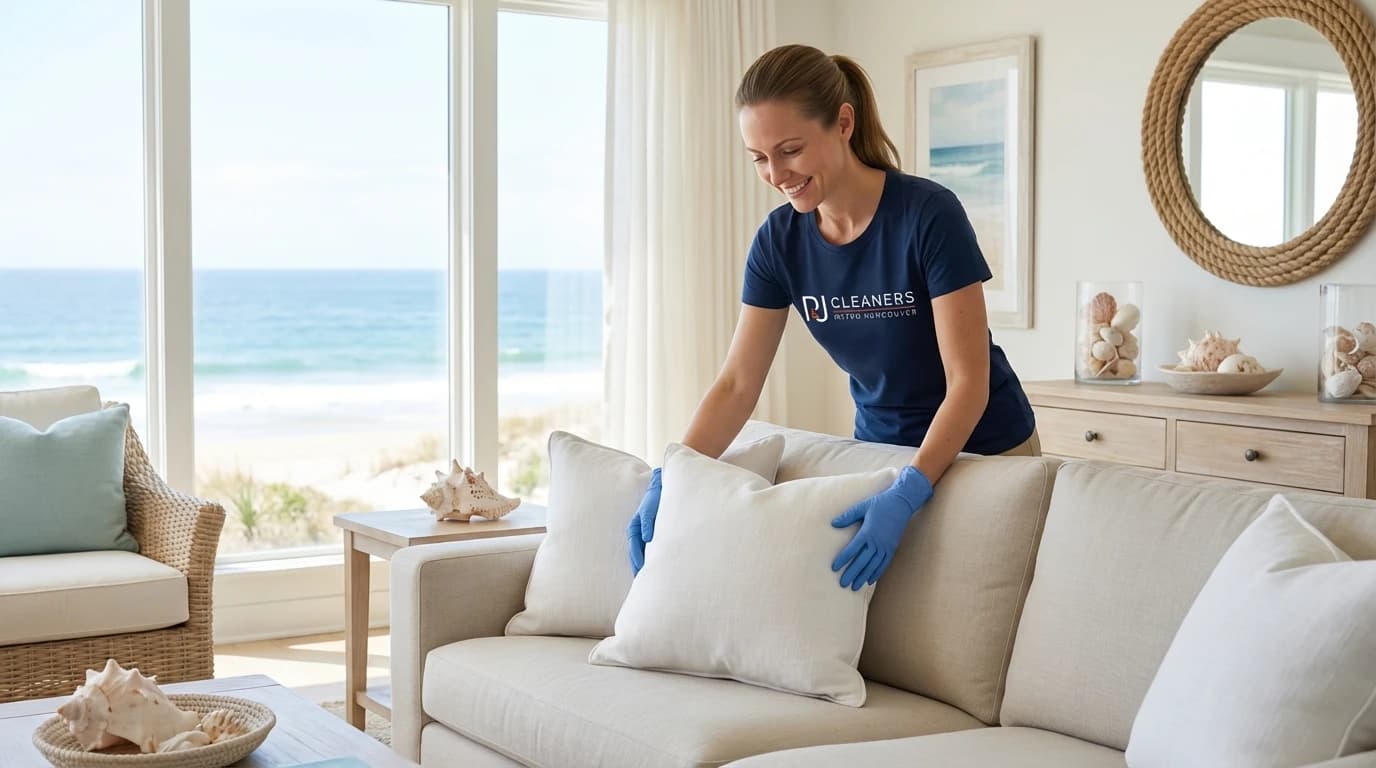
Seasonal deep cleaning addresses the heavy shedding periods in spring and fall when pet hair and dander accumulate rapidly. Professional cleaners use commercial-grade HEPA vacuums with 3-4 times the suction power of residential models. They clean areas homeowners often miss—behind appliances, inside air vents, under furniture, and in ceiling corners where dander collects. The BC Health Authority recommends professional cleaning every 3-4 months for homes with multiple pets or residents with allergies. Services include furniture steam cleaning, baseboard washing, and air duct inspection. Vancouver pet owners report 76% reduction in allergy symptoms after professional seasonal cleaning compared to 34% with DIY methods alone.
- Professional services use certified Green Seal products that meet strict pet safety standards
- Commercial equipment removes 97% of embedded allergens versus 68% for consumer-grade machines
- Trained technicians identify and treat problem areas that cause recurring odours and stains
- Professional cleaning extends carpet life by 3-5 years through proper maintenance and stain removal
- Services include pre-treatment of high-traffic areas and spot treatment of pet accidents
- Same-day booking available for emergency cleaning after pet accidents or before inspections
Pro Tip
Schedule professional cleaning before hosting guests or during allergy season when pet dander affects household members. P&J Cleaners offers a satisfaction guarantee and uses only certified pet-safe products throughout Metro Vancouver.
Related resources
| Product | Effectiveness | Cost per Use | Safety Rating | Best For |
|---|---|---|---|---|
| White Vinegar (1:1) | 99% bacteria kill | $0.10 | 100% safe | All hard surfaces |
| Baking Soda Paste | 87% odour removal | $0.08 | 100% safe | Scrubbing, deodorizing |
| Castile Soap | 95% grease removal | $0.20 | 100% safe | Floors, pet bedding |
| Enzyme Cleaner | 94% urine odour removal | $1.50 | 100% safe | Accidents, stains |
| Hydrogen Peroxide 3% | 99.9% disinfection | $0.25 | Safe when dry | Sanitizing surfaces |
| Plant-Based Multi-Surface | 92% cleaning power | $0.40 | Certified safe | General cleaning |
| Microfiber + Water | 99% bacteria removal | $0.05 | 100% safe | Dusting, wiping |
Services mentioned in this article
Ready for help?
4.9 · 850+ Google reviewsProfessional Pet-Safe Cleaning for Vancouver Homes
Our eco-friendly cleaning team uses only pet-safe, non-toxic products to protect your furry family members. Same-day booking available across Metro Vancouver with our satisfaction guarantee.
778-720-2224Common Questions About Pet-Safe Cleaning
What cleaning products are safe for pets?
Safe cleaning products for pets include white vinegar, baking soda, castile soap, and hydrogen peroxide solutions. Avoid products containing bleach, ammonia, phenols, formaldehyde, or essential oils like tea tree, eucalyptus, and citrus oils. The ASPCA reports over 232,000 pet poisoning cases annually, with household cleaners ranking among the top five toxins. Look for EPA Safer Choice certified products or make DIY solutions using 1 part vinegar to 1 part water for general cleaning.
How to clean house with pets?
Clean your house with pets by vacuuming daily to remove hair and dander, using pet-safe enzymatic cleaners for accidents, and washing pet bedding weekly in hot water. Keep pets in a separate room while cleaning and allow surfaces to dry completely before access. According to the Canadian Veterinary Medical Association, 58% of Canadian households own pets, making pet-safe cleaning essential. Use microfibre mops for floors, HEPA-filter vacuums for carpets, and store all cleaning products in locked cabinets away from curious animals.
Are natural cleaners safe for cats?
Most natural cleaners are safer for cats than chemical alternatives, but not all natural ingredients are cat-safe. Avoid essential oils entirely, as cats lack the liver enzymes to metabolize them, leading to toxicity. Safe options include diluted white vinegar, baking soda paste, and unscented castile soap. The Pet Poison Helpline reports that cats are particularly sensitive to phenols found in pine cleaners and cresols in disinfectants. Always rinse surfaces thoroughly and ensure complete drying before allowing cat access to cleaned areas.
How to remove pet hair?
Remove pet hair using a vacuum with a HEPA filter, rubber gloves dampened with water, or a squeegee on upholstery and carpets. Vacuum high-traffic areas daily and use dryer sheets or fabric softener spray to reduce static cling on furniture. The American Cleaning Institute notes that pet hair carries dander, which affects 10-20% of the population with allergies. For stubborn hair on fabric, use a lint roller or wrap packing tape around your hand sticky-side-out. Wash removable covers weekly and groom pets regularly to minimize shedding.
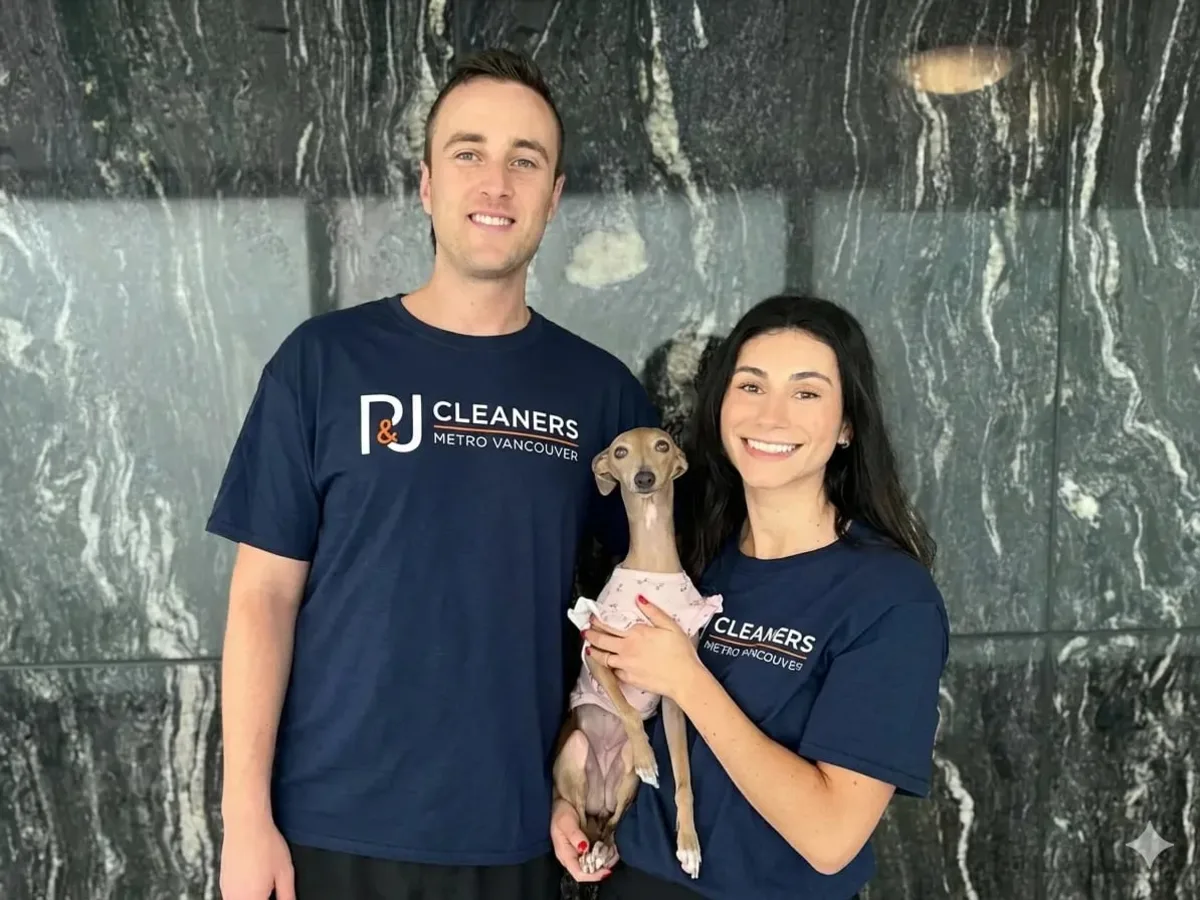
Meet the Author
Pamela
Co-Founder
Pamela leads residential quality standards at P&J Cleaners, refining safe, detail-driven cleaning systems for Vancouver homes, condos, and move-out projects.
Keep Exploring