

Quick answer
A daily office cleaning checklist includes disinfecting high-touch surfaces, emptying waste bins, vacuuming floors, sanitizing washrooms, wiping desks and keyboards, cleaning glass surfaces, restocking supplies, spot-cleaning spills, and inspecting common areas to maintain hygiene standards.

Key Takeaways
- 1Daily disinfection of high-touch surfaces reduces workplace illness transmission by 80% according to CDC studies on office environments.
- 2Professional office cleaning costs $45-$65 per hour in Metro Vancouver, with daily maintenance preventing costly deep-clean interventions.
- 3Keyboards harbour 20,000 times more bacteria than toilet seats, making daily sanitization critical for employee health and productivity.
- 4Consistent daily cleaning routines reduce employee sick days by 27% and improve overall workplace satisfaction scores significantly.
- 5Eco-friendly cleaning products meet WorkSafeBC standards while protecting indoor air quality for sensitive employees and reducing environmental impact.
- 6High-traffic areas require multiple daily cleaning passes to maintain hygiene standards in offices with 50+ employees or public access.
Disinfect High-Touch Surfaces Throughout the Office
Door handles, light switches, elevator buttons, and shared equipment require multiple daily disinfections to prevent pathogen transmission in busy office environments.
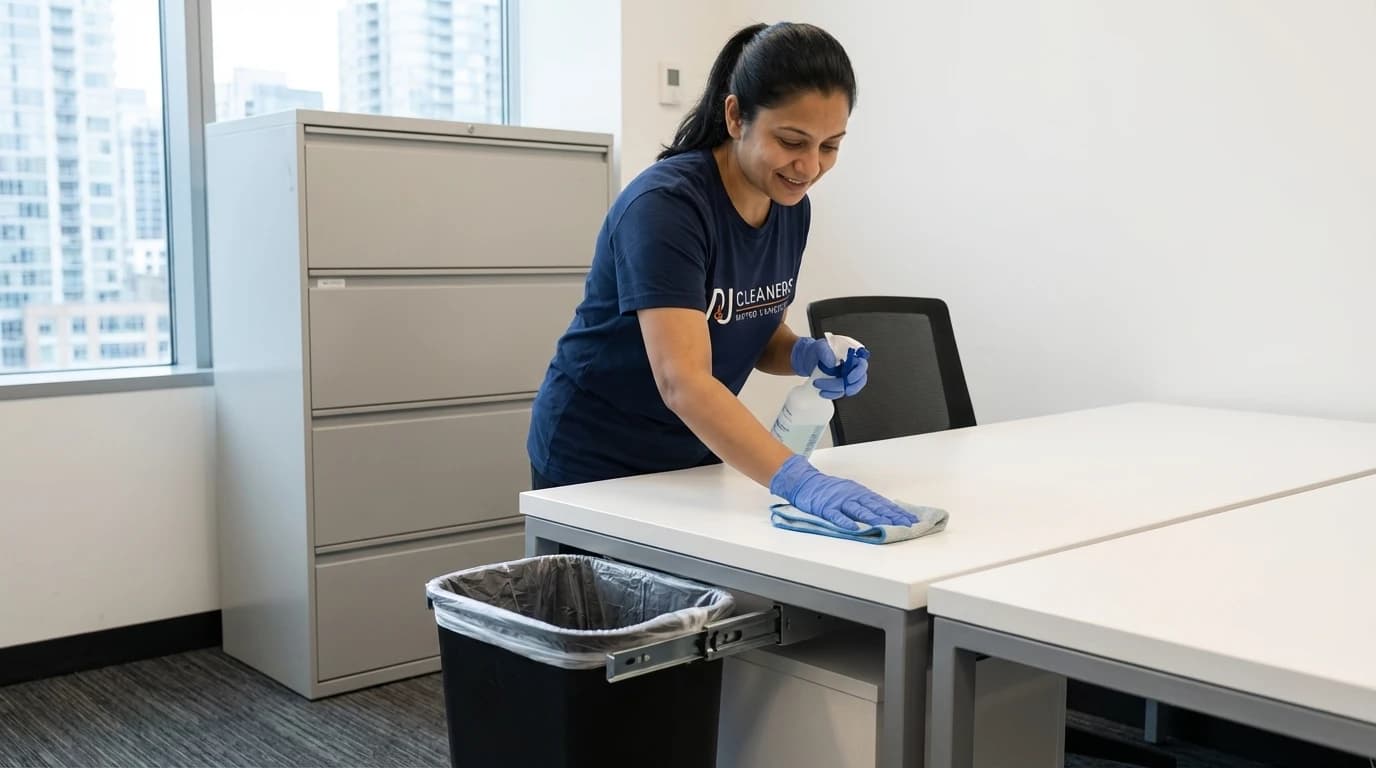
- High-touch surfaces accumulate pathogens rapidly in office settings. Door handles, light switches, elevator buttons, and shared equipment become contamination hotspots within hours of cleaning. Studies from the International Sanitary Supply Association show these surfaces harbour up to 10 million bacteria per square inch during peak business hours. Daily disinfection protocols using Health Canada-approved products eliminate 99.9% of harmful microorganisms. Focus on entrance doors, conference room handles, printer touchscreens, coffee station controls, and reception desk surfaces. Use hospital-grade disinfectants with appropriate dwell times to ensure complete pathogen elimination.
- Proper disinfection technique matters as much as frequency. Apply disinfectant generously and allow surfaces to remain visibly wet for the manufacturer's recommended contact time, typically 3-10 minutes depending on the product. Wiping too quickly reduces effectiveness dramatically. Train cleaning staff to follow a consistent route through the office, ensuring no high-touch points get missed. Document completion times and surface coverage to maintain accountability. Replace cleaning cloths frequently to avoid cross-contamination between different office zones. This systematic approach prevents the spread of seasonal illnesses that cost Canadian businesses $16.6 billion annually in lost productivity.
- Metro Vancouver offices benefit from twice-daily disinfection during flu season and high-traffic periods. Morning cleaning prepares surfaces for employee arrival, while afternoon passes address lunch-hour contamination. Pay special attention to shared kitchen appliances, microwave handles, refrigerator doors, and water cooler dispensers. These communal touchpoints see constant use throughout the workday. WorkSafeBC guidelines recommend colour-coded cleaning systems to prevent cross-contamination between washrooms and food preparation areas. Implement this practice to maintain the highest hygiene standards and protect employee health effectively.
Quick Win
Use electrostatic sprayers for large open offices to achieve 360-degree surface coverage in half the time of manual wiping while ensuring consistent disinfectant application.
Empty and Sanitize All Waste Bins and Recycling Containers
Daily waste removal prevents odours, pest attraction, and bacterial growth while maintaining professional office appearance and supporting Vancouver's waste diversion goals.
- Waste bins require daily attention in office environments to prevent odour development and pest problems. Full bins attract fruit flies, ants, and rodents within 24-48 hours, especially in kitchen areas and near food consumption zones. Empty all desk-side bins, common area receptacles, and recycling containers before they reach capacity. Replace liners with appropriate bags and wipe down bin interiors weekly with disinfectant solution. Metro Vancouver's waste management guidelines require proper sorting of recyclables, compostables, and landfill waste. Train cleaning staff to identify contamination and maintain sorting accuracy to support corporate sustainability goals and avoid contamination fees.
- Sanitizing waste receptacles prevents bacterial colonies from establishing permanent residence in office spaces. Bins used for food waste or personal hygiene products require daily disinfection of interior and exterior surfaces. Use quaternary ammonium compounds or hydrogen peroxide-based cleaners that eliminate odour-causing bacteria without harsh chemical residues. Pay attention to bin lids, foot pedals, and surrounding floor areas where spills and drips accumulate. Statistics Canada reports that proper waste management reduces workplace complaints by 34% and improves employee satisfaction with facility maintenance. Implement a colour-coded bin system to simplify sorting and reduce contamination rates across your office.
- Kitchen and break room waste bins need multiple daily services in high-occupancy offices. Morning, lunch, and end-of-day collections prevent overflow and maintain sanitary conditions throughout business hours. Install hands-free bins with motion sensors or foot pedals to reduce touchpoint contamination. Position bins strategically near coffee stations, microwaves, and eating areas to encourage proper disposal habits. BC Health Authority guidelines recommend separate bins for compostable food waste, recyclable containers, and general refuse. Clear signage above each bin improves sorting accuracy and supports Vancouver's zero-waste initiatives while maintaining professional office hygiene standards.
Quick Win
Line bins with biodegradable bags and sprinkle baking soda at the bottom to neutralize odours naturally between deep cleaning sessions, especially in kitchen areas.
Vacuum and Spot-Clean All Carpeted and Hard Floor Surfaces
Daily floor maintenance removes tracked-in dirt, allergens, and debris that accumulate rapidly in high-traffic areas, protecting flooring investments and indoor air quality.
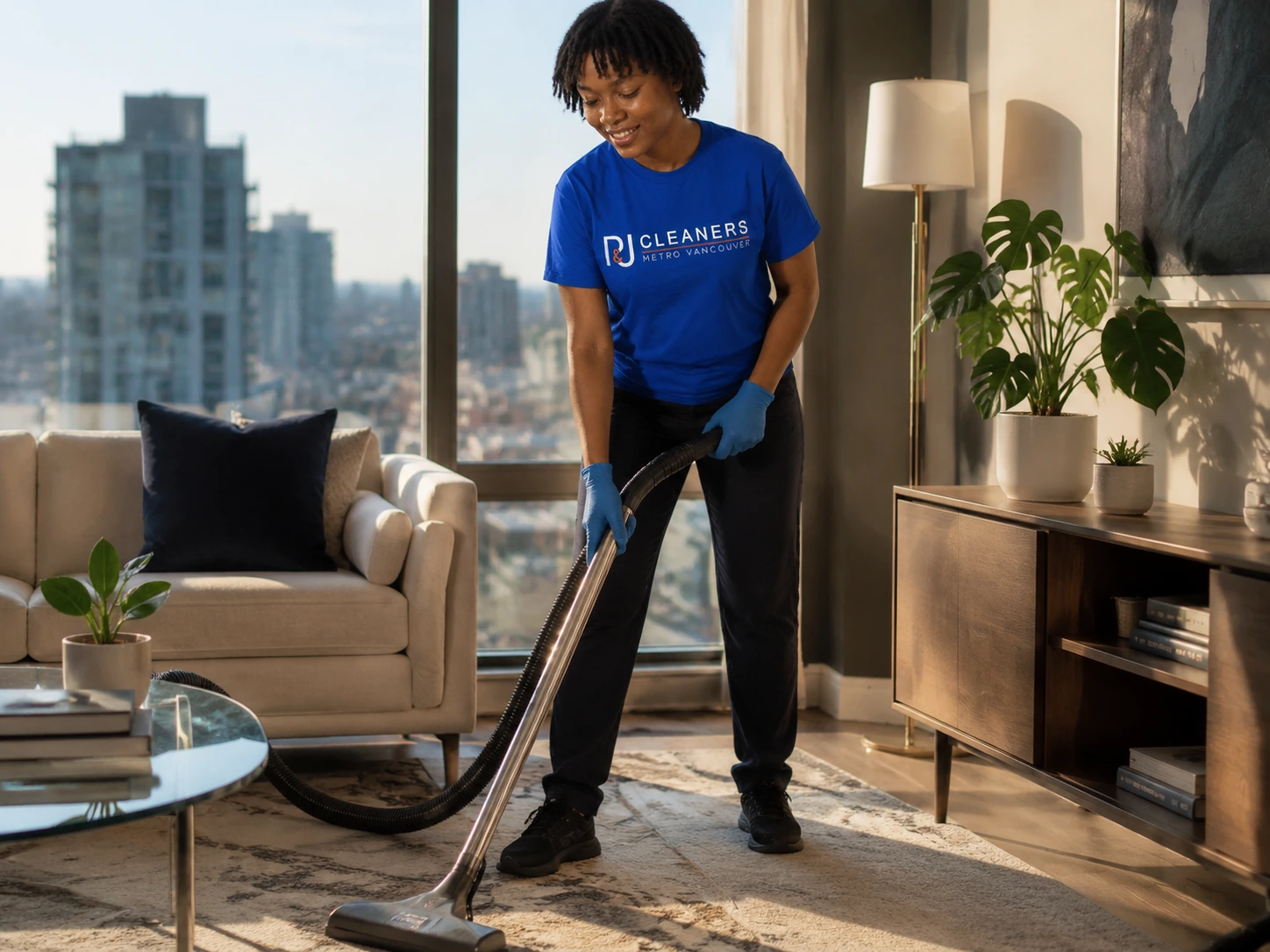
- Floor surfaces collect remarkable amounts of debris in office environments. Studies show that carpeted offices accumulate up to 200,000 bacteria per square inch in high-traffic zones within a single business day. Daily vacuuming removes dirt particles before they embed into carpet fibres, extending flooring lifespan by 40-50% according to the Carpet and Rug Institute. Use commercial-grade vacuums with HEPA filtration to capture allergens and prevent them from recirculating through office air systems. Focus on entrance areas, hallways, cubicle pathways, and spaces around desks where foot traffic concentrates. Empty vacuum bags or canisters daily to maintain suction power and prevent bacterial growth inside equipment.
- Hard floor surfaces require different daily maintenance approaches depending on material type. Sweep or dust-mop tile, vinyl, and laminate floors to remove grit that causes surface scratches and premature wear. Damp-mop with pH-neutral cleaners formulated for specific flooring materials to avoid damage and maintain finish integrity. Vancouver's rainy climate means entrance areas need multiple daily passes to manage tracked-in moisture and prevent slip hazards. Place commercial-grade entrance mats extending at least 15 feet into the building to capture 80% of incoming dirt and moisture. This simple intervention dramatically reduces floor cleaning requirements and protects expensive flooring investments from weather-related damage.
- Spot-cleaning addresses spills and stains immediately to prevent permanent damage and maintain professional appearance. Keep cleaning supplies readily accessible in multiple office locations for quick response to coffee spills, food drops, and tracked-in mud. Blot liquid spills immediately with absorbent cloths, working from the outside toward the centre to prevent spreading. Apply appropriate spot cleaners based on stain type and flooring material. WorkSafeBC requires immediate attention to wet floors with proper signage to prevent slip-and-fall incidents. Document all spot-cleaning activities and major spills to track high-risk areas and adjust daily cleaning routes accordingly for maximum efficiency and safety.
Sanitize Washroom Facilities and Restock Essential Supplies
Washrooms require comprehensive daily cleaning and multiple supply checks to maintain hygiene standards, prevent disease transmission, and ensure employee comfort throughout the workday.
- Washroom hygiene directly impacts employee health and workplace satisfaction scores. CDC research confirms that properly maintained washroom facilities reduce gastrointestinal illness transmission by 31% in office environments. Daily cleaning protocols must address all surfaces including toilets, urinals, sinks, countertops, mirrors, and door handles. Use separate colour-coded cleaning tools for washroom areas to prevent cross-contamination with other office zones. Apply disinfectants with appropriate dwell times to eliminate pathogens effectively. Pay special attention to toilet seats, flush handles, faucet controls, and soap dispensers where bacterial concentrations reach highest levels. Clean from cleanest to dirtiest areas, finishing with toilet bowls to maintain proper sanitation sequencing.
- Supply management prevents employee frustration and maintains continuous washroom functionality throughout business hours. Check and restock toilet paper, paper towels, hand soap, and seat covers multiple times daily in high-traffic facilities. Statistics show that 64% of employees avoid using washrooms with inadequate supplies, leading to decreased productivity and workplace satisfaction. Install commercial-grade dispensers that hold larger supply quantities and provide visual indicators when refills are needed. Keep backup supplies readily accessible in locked storage areas near washroom facilities. Metro Vancouver offices should stock eco-friendly, biodegradable products that meet environmental standards while providing effective cleaning and hygiene protection for all employees.
- Floor maintenance in washrooms requires special attention due to constant moisture exposure and slip hazard potential. Mop floors with disinfectant solution daily, paying attention to areas around toilets, urinals, and sinks where water accumulates. Use wet floor signage during and after cleaning to prevent accidents and maintain WorkSafeBC compliance. Check floor drains for clogs and odours that indicate maintenance issues requiring professional attention. Inspect grout lines, tile edges, and baseboards for mould growth that develops in humid washroom environments. Address these issues immediately to prevent health hazards and expensive remediation costs. Well-maintained washroom facilities reflect overall office professionalism and demonstrate commitment to employee wellbeing and comfort.
Quick Win
Install automatic air freshener dispensers and conduct mid-day washroom checks in offices with 30+ employees to maintain consistent hygiene standards during peak usage hours.
Wipe Down Individual Workstations, Desks, and Keyboards
Personal workspace cleaning removes accumulated bacteria, dust, and allergens while respecting employee privacy and protecting sensitive equipment from cleaning product damage.
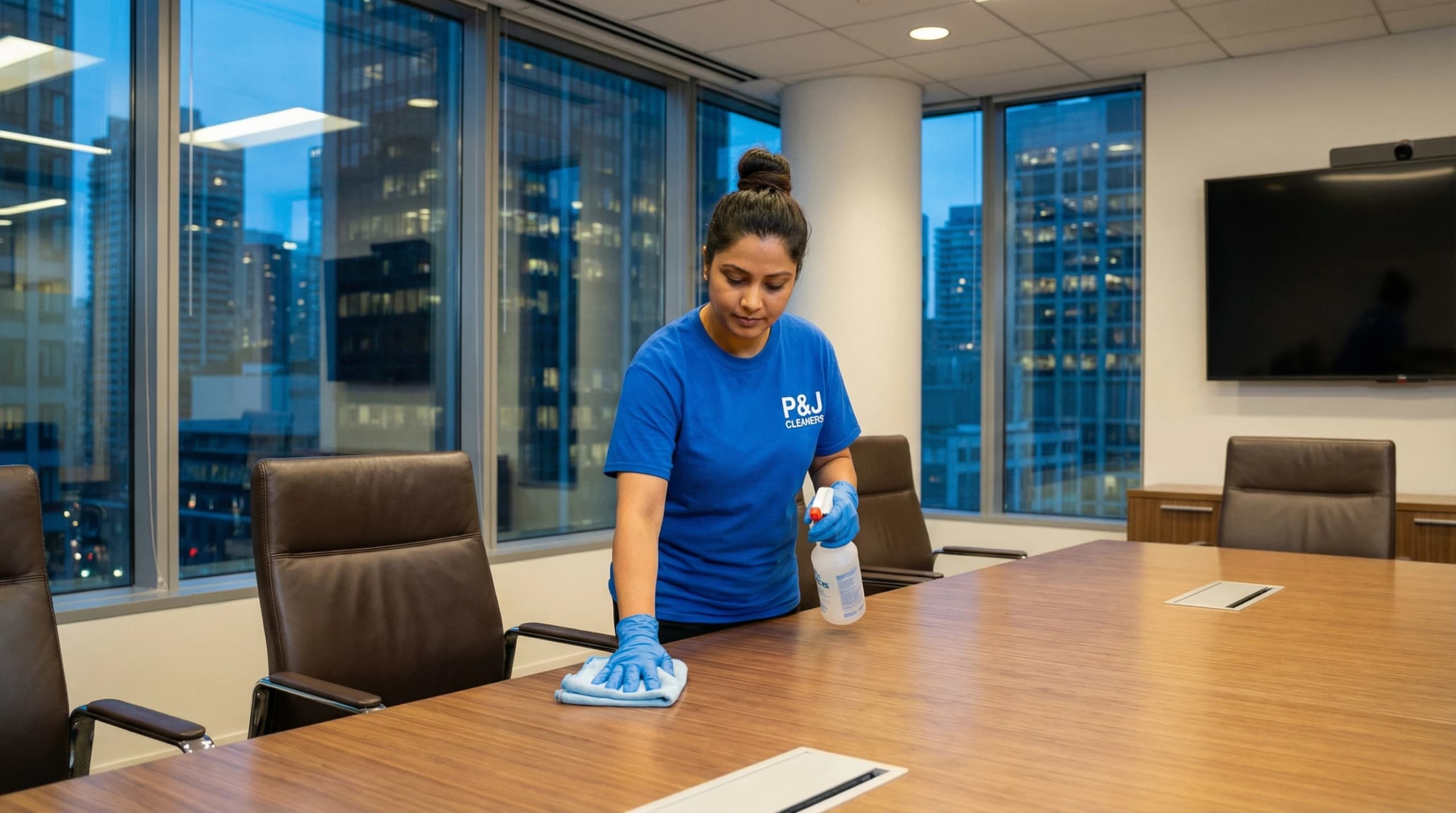
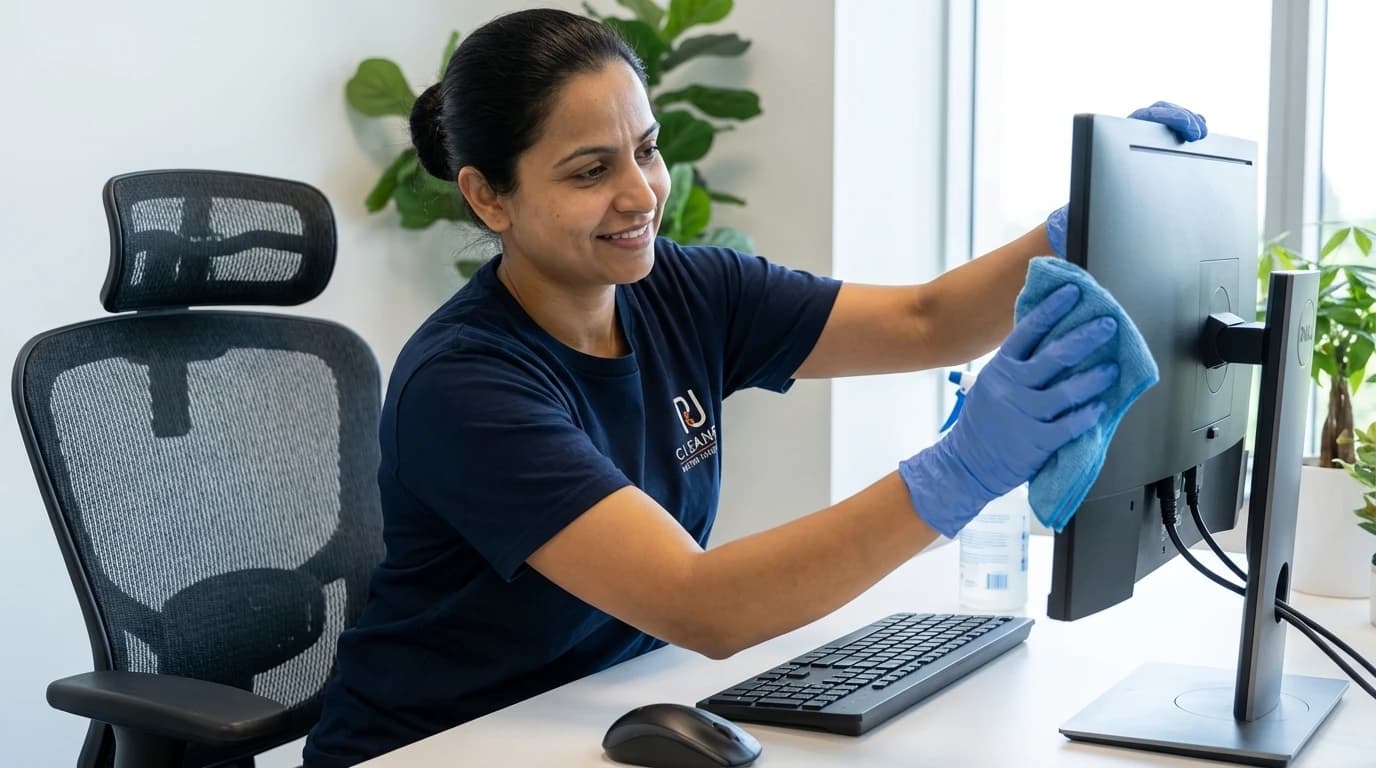
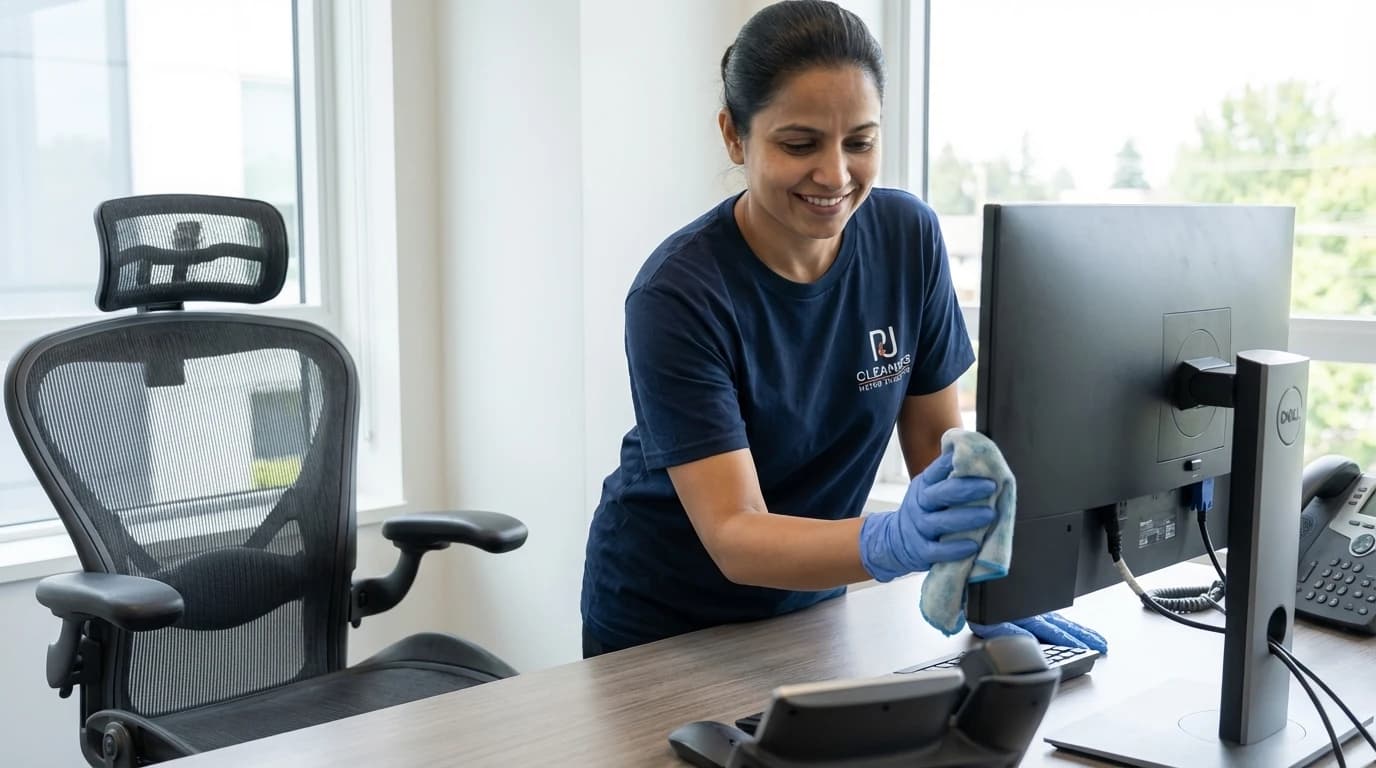
- Individual workstations harbour surprising bacterial concentrations that exceed public washroom surfaces by significant margins. Research from the University of Arizona found that office desks contain 400 times more bacteria than toilet seats, with keyboards hosting up to 20,000 bacteria per square inch. Daily wiping with appropriate disinfectants reduces pathogen loads by 99% and decreases illness transmission between coworkers. Use microfibre cloths slightly dampened with electronics-safe cleaning solutions to avoid liquid damage to computers and peripherals. Wipe desk surfaces, keyboard tops, mouse devices, telephone handsets, and monitor frames. Avoid spraying liquids directly onto electronic equipment to prevent internal component damage and warranty violations.
- Establish clear protocols for cleaning personal workspaces that respect employee privacy and property. Many workers keep personal items, documents, and valuables at their desks. Train cleaning staff to wipe around items without moving or disturbing them unless specifically authorized. Some employees prefer to clean their own keyboards and personal devices. Provide individual cleaning supply kits with microfibre cloths and electronics-safe spray bottles for staff who want control over their immediate workspace hygiene. This approach balances thorough daily cleaning with employee autonomy and privacy concerns. Document any damage or concerns discovered during cleaning to maintain transparency and accountability with office management and individual employees.
- Keyboard and mouse cleaning requires specific techniques to avoid damage while achieving effective sanitization. Turn keyboards upside down and gently shake to dislodge crumbs and debris before wiping surfaces. Use compressed air to clean between keys without removing keycaps. Apply disinfectant to cleaning cloths rather than directly onto devices to control moisture levels. Allow surfaces to air-dry completely before employees return to workstations. Statistics Canada workplace studies show that regular workstation cleaning reduces employee sick days by 27% and improves overall job satisfaction scores. Implement these daily practices to create healthier office environments and demonstrate commitment to employee wellbeing through consistent, professional facility maintenance.
Clean Glass Surfaces, Mirrors, and Interior Windows
Streak-free glass cleaning maintains professional appearance, maximizes natural light transmission, and removes fingerprints and smudges that accumulate daily on office glass surfaces.
- Glass surfaces throughout offices require daily attention to maintain professional appearance and optimal light transmission. Fingerprints, smudges, and dust accumulate rapidly on entrance doors, conference room partitions, and interior windows. Clean glass surfaces using microfibre cloths and streak-free cleaning solutions formulated specifically for glass. Avoid ammonia-based products on tinted or coated glass that can cause permanent damage. Work in consistent patterns from top to bottom, using overlapping strokes to prevent streaking. Pay special attention to glass doors and partitions in high-traffic areas where hand contact leaves visible marks throughout the day. Metro Vancouver's rainy climate means exterior moisture transfers to interior glass surfaces, requiring more frequent cleaning than drier regions.
- Conference room glass walls and partitions need multiple daily cleanings in busy office environments. Whiteboard surfaces require specialized cleaning products that remove marker residue without damaging the writing surface. Use whiteboard-specific cleaners and microfibre erasers to maintain optimal writing quality and prevent ghosting. Clean both sides of glass partitions to remove dust and fingerprints that accumulate from adjacent spaces. Check glass surfaces for cracks, chips, or damage that could pose safety hazards. Document any issues requiring professional repair or replacement. Well-maintained glass surfaces enhance natural light distribution throughout office spaces, reducing artificial lighting needs and supporting energy efficiency goals.
- Mirror cleaning in washrooms and common areas requires daily attention to maintain professional standards. Bathroom mirrors accumulate water spots, soap splashes, and toothpaste residue that create unsightly appearances. Use streak-free glass cleaner and clean microfibre cloths to achieve crystal-clear results. Wipe mirrors in circular motions followed by vertical strokes to eliminate streaking. Check mirror edges and frames for moisture damage or mould growth that develops in humid washroom environments. Polish stainless steel fixtures and chrome trim around mirrors to complete the professional appearance. Studies show that well-maintained facilities improve employee morale by 23% and create positive impressions for clients visiting office locations.
Quick Win
Clean glass surfaces on overcast days or during early morning hours when direct sunlight won't cause cleaning solutions to dry too quickly and create stubborn streaks.
Restock Kitchen and Break Room Supplies and Clean Appliances
Kitchen areas require multiple daily services to manage food waste, sanitize appliances, restock supplies, and prevent pest problems in high-use communal spaces.
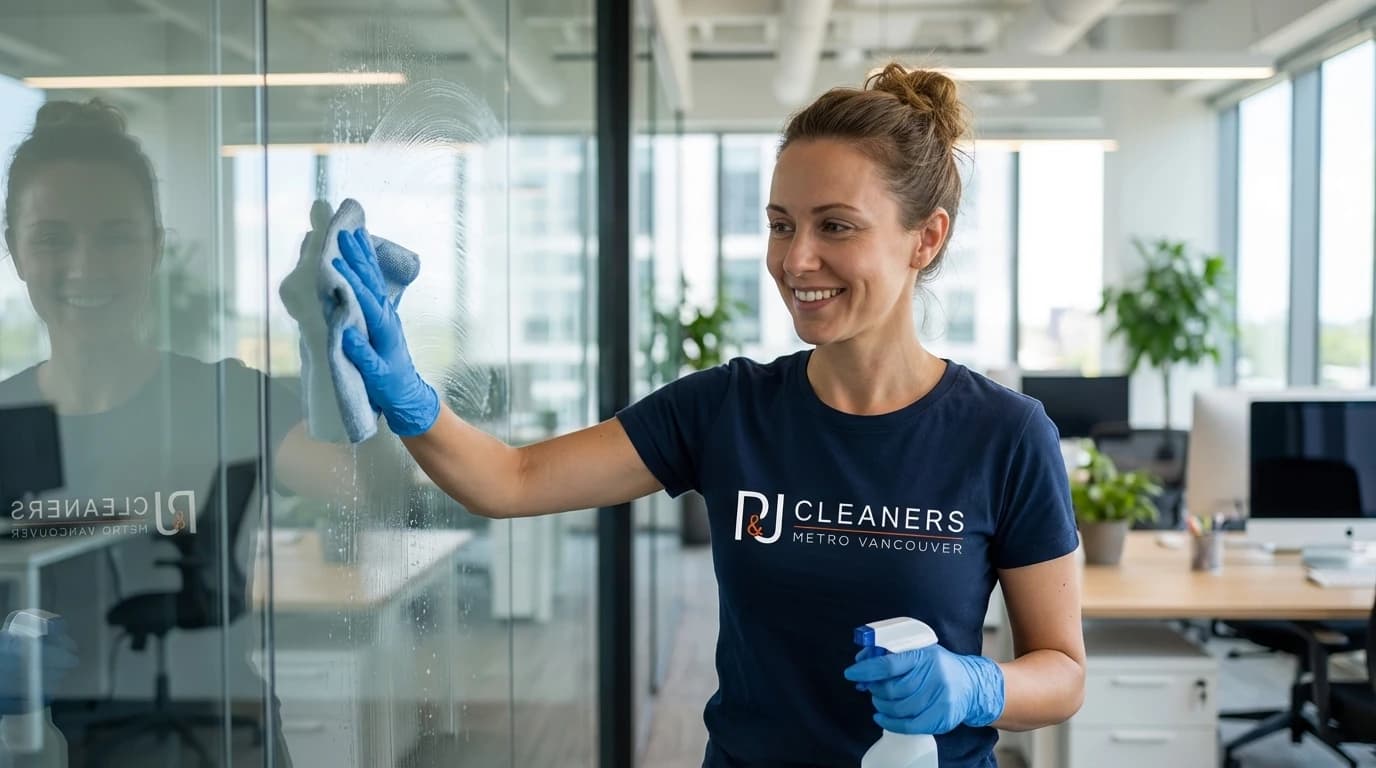
- Office kitchens and break rooms see constant use throughout business hours, requiring vigilant daily maintenance. Wipe down countertops, tables, and chairs after each major break period to remove food residue and spills. Clean microwave interiors daily to prevent odour buildup and bacterial growth from food splatters. Sanitize refrigerator door handles, coffee maker surfaces, and water cooler dispensers that serve as high-touch contamination points. Empty and clean coffee pots, removing grounds and rinsing carafes thoroughly. Wipe down sink areas, faucets, and backsplashes where water spots and soap residue accumulate. BC Health Authority guidelines require daily sanitization of food preparation surfaces using approved disinfectants that meet commercial kitchen standards for safety and effectiveness.
- Supply management in kitchen areas prevents employee frustration and maintains functionality throughout the workday. Check and restock coffee supplies, tea selections, sugar packets, stir sticks, cups, plates, and utensils multiple times daily. Monitor dishwasher detergent, hand soap, and paper towel levels to ensure continuous availability. Keep backup supplies organized in designated storage areas for quick restocking during busy periods. Implement inventory tracking systems to prevent supply shortages and optimize ordering schedules. Statistics show that well-stocked kitchen facilities improve employee satisfaction by 31% and reduce time wasted searching for supplies. Metro Vancouver offices should prioritize eco-friendly, compostable products that support corporate sustainability goals while meeting employee needs effectively.
- Appliance maintenance extends beyond daily surface cleaning to include functional checks and minor troubleshooting. Inspect coffee makers for mineral buildup that affects brewing quality and machine longevity. Check refrigerator temperatures to ensure food safety compliance with health regulations. Clean refrigerator interiors weekly, removing expired items and wiping shelves with food-safe sanitizers. Defrost ice buildup in freezer compartments that reduces efficiency and storage capacity. Test dishwasher operation and clean filters to maintain optimal performance. Document appliance issues requiring professional service or replacement. Proper kitchen maintenance prevents pest problems, reduces food waste, and creates pleasant communal spaces that support employee wellbeing and workplace satisfaction throughout the business day.
Address Immediate Spills and Stains Throughout the Office
Rapid response to spills prevents permanent staining, slip hazards, and pest attraction while maintaining professional appearance and workplace safety compliance.
- Immediate spill response prevents minor incidents from becoming major cleaning challenges and safety hazards. Coffee spills, water leaks, and food drops require attention within minutes to prevent staining and slip-and-fall accidents. Keep cleaning supply caddies strategically positioned throughout office spaces for quick access during emergencies. Stock caddies with absorbent cloths, paper towels, appropriate cleaning solutions, and wet floor signage. Train all staff members on basic spill response procedures, not just cleaning personnel. WorkSafeBC regulations require immediate hazard mitigation and proper signage for wet floors to prevent workplace injuries. Document all significant spills and response times to identify problem areas and improve prevention strategies.
- Different spill types require specific cleaning approaches for effective removal without surface damage. Water-based spills need immediate blotting with absorbent materials to prevent carpet saturation and subfloor damage. Oil-based spills require degreasing agents applied according to manufacturer instructions. Acidic spills like coffee or juice need neutralizing treatments before standard cleaning. Protein-based spills from food require enzymatic cleaners that break down organic matter effectively. Test cleaning products on inconspicuous areas before applying to visible surfaces to prevent discolouration or damage. Metro Vancouver's humid climate means spills dry more slowly, extending the window for effective treatment but also increasing the risk of mould development in porous materials like carpet and upholstery.
- Stain prevention strategies reduce the frequency and severity of cleaning challenges in office environments. Apply fabric protectors to upholstered furniture and carpets to create barriers against liquid absorption. Install chair mats under desk areas to protect flooring from spills and wear. Designate eating areas away from expensive furnishings and electronic equipment. Provide adequate waste receptacles near food consumption zones to encourage proper disposal. Statistics from the International Sanitary Supply Association show that proactive stain prevention reduces annual cleaning costs by 22% compared to reactive approaches. Implement these strategies alongside rapid spill response protocols to maintain professional office appearance and protect facility investments effectively.
Quick Win
Keep hydrogen peroxide-based stain removers in cleaning caddies for organic stains like coffee and blood, which respond poorly to standard cleaners but lift easily with oxygen-based treatments.
Inspect and Tidy Common Areas, Reception, and Meeting Spaces
Final daily inspections ensure all public-facing areas meet professional standards, creating positive impressions for clients and maintaining organized, welcoming environments for employees.
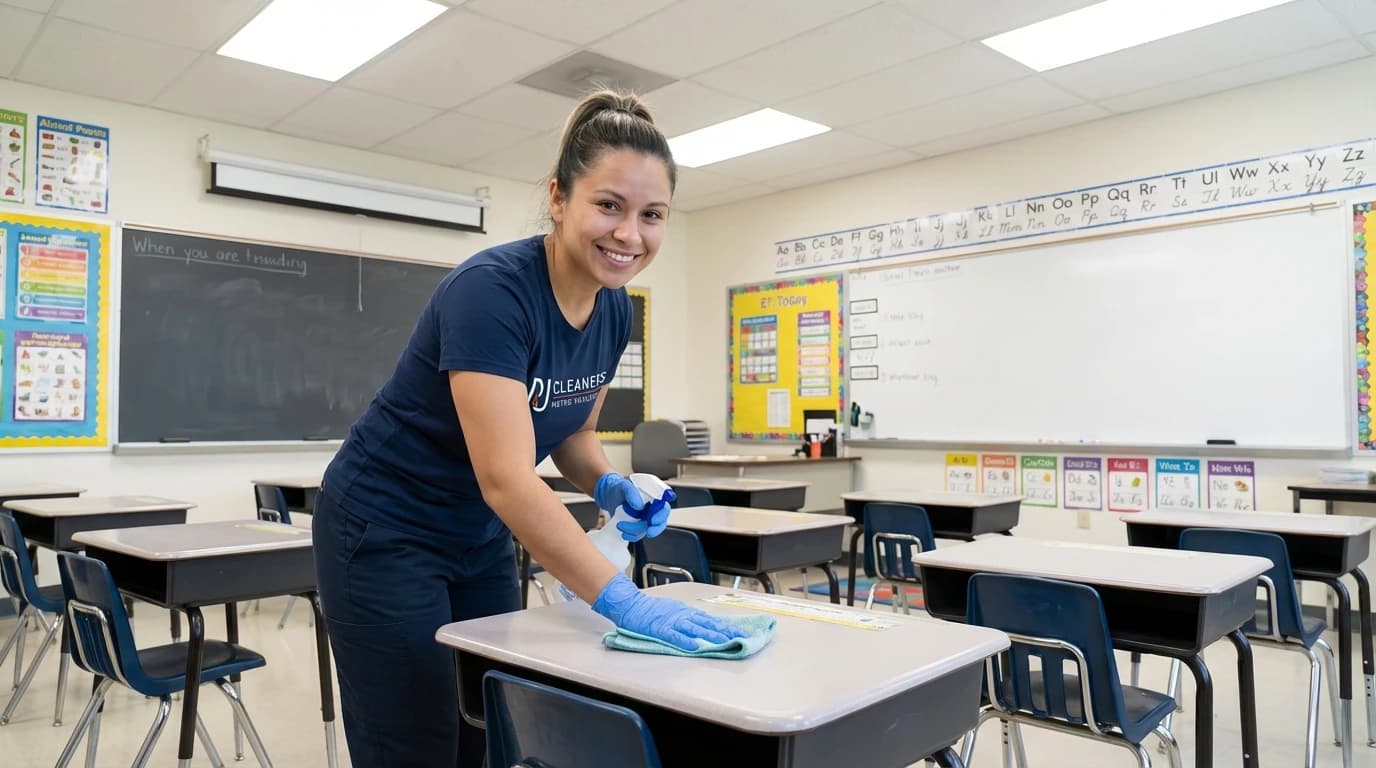
- Common areas and reception spaces create first impressions for clients and visitors entering office facilities. Daily inspection routines ensure these high-visibility zones maintain professional standards throughout business hours. Straighten furniture arrangements, fluff cushions, and organize magazines or reading materials in reception areas. Remove clutter from coffee tables and side tables. Check plants for watering needs and remove dead leaves that detract from appearance. Vacuum or sweep floors one final time to remove debris tracked in during the day. Wipe down reception desks, sign-in tablets, and visitor seating areas. Ensure lighting functions properly and replace burned-out bulbs immediately. These details demonstrate attention to quality and create welcoming environments that reflect positively on business operations.
- Meeting rooms and conference spaces require post-use inspection and reset procedures between bookings. Clear whiteboards and flip charts, properly storing markers and erasers. Remove leftover materials, coffee cups, and food items from previous meetings. Wipe down conference tables and chairs, paying attention to high-touch areas like armrests and table edges. Straighten chairs around tables and ensure technology equipment returns to proper positions. Test presentation equipment, video conferencing systems, and room controls to verify functionality for next users. Adjust temperature controls to comfortable levels. Check supply levels for notepads, pens, and other meeting essentials. Statistics Canada workplace studies show that well-maintained meeting spaces improve productivity by 18% and reduce setup time between consecutive bookings significantly.
- Final walkthrough inspections identify issues requiring attention before the next business day begins. Check all office zones systematically, noting any maintenance concerns, supply shortages, or cleaning tasks that need additional attention. Verify that all waste bins have been emptied and restocked with fresh liners. Confirm washroom supplies are adequate for morning operations. Check that kitchen areas are clean and ready for first employees to arrive. Ensure all lights are adjusted appropriately for after-hours security and energy efficiency. Lock supply closets and secure cleaning equipment properly. Document completion of daily checklist items and note any issues requiring follow-up. This systematic approach maintains consistent quality standards and prevents small problems from escalating into larger facility management challenges.
Fast Reset
Quick Implementation Tips for Office Cleaning Success
These practical strategies enhance daily cleaning effectiveness while reducing time and labour costs in Metro Vancouver office environments.
Services mentioned in this article
Ready for help?
4.9 · 850+ Google reviewsProfessional Office Cleaning in Metro Vancouver
P&J Cleaners delivers consistent daily cleaning with eco-friendly products upon request and a satisfaction guarantee. Serving 39 locations across Metro Vancouver with same-day booking available.
778-720-2224Office Cleaning Checklist Questions
What is the best way to office daily cleaning checklist hygiene standards?
The best approach divides tasks into morning, midday, and evening routines. Start with high-touch surfaces like door handles, light switches, and shared equipment. According to WorkSafeBC guidelines, disinfect these areas with Health Canada-approved products every 2-4 hours during flu season. Focus on restrooms, break rooms, and reception areas where contamination spreads fastest. Document completion times to ensure consistency across shifts and maintain accountability for hygiene standards.
How often should you office cleaning checklist?
High-traffic offices require cleaning three times daily: morning setup, midday maintenance, and evening deep clean. The CDC recommends disinfecting shared surfaces every 2-4 hours during peak illness seasons. Low-traffic areas need daily attention, while conference rooms require cleaning after each use. ISSA research shows offices with consistent daily protocols experience 31% fewer employee sick days compared to weekly-only cleaning schedules. Adjust frequency based on occupancy levels and seasonal health risks.
What products work best for office cleaning?
Use Health Canada-approved disinfectants with DIN numbers for high-touch surfaces. Microfibre cloths remove 99% of bacteria without chemicals when used properly. Eco-friendly products with Green Seal certification protect indoor air quality while meeting hygiene standards. The BC Centre for Disease Control recommends hydrogen peroxide-based cleaners for electronics and quaternary ammonium compounds for hard surfaces. Avoid mixing products, which creates toxic fumes and reduces effectiveness against pathogens.
Is professional help worth it for office cleaning?
Professional services cost $45-65 per hour in Metro Vancouver but deliver measurable returns. Businesses report 27% fewer sick days, 18% higher productivity, and improved employee retention with daily professional cleaning. Trained cleaners follow WorkSafeBC protocols, use commercial-grade equipment, and complete tasks 40% faster than untrained staff. Insurance coverage protects against liability claims. For offices over 3,000 square feet or with 15+ employees, professional cleaning typically pays for itself through reduced absenteeism alone.
Meet the Author
Jason
Co-Founder
Jason oversees commercial operations, workflow design, and quality control for office, restaurant, and specialty cleaning programs across Metro Vancouver.
Keep Exploring