

Quick answer
Clean nurseries with fragrance-free, plant-based products certified by EWG or EPA Safer Choice. Wipe surfaces daily, vacuum weekly, and deep-clean monthly to reduce allergens and bacteria that affect infant respiratory health.

Key Takeaways
- 1Use only fragrance-free, dye-free cleaners with pH 6-8 to protect baby's developing respiratory system and sensitive skin.
- 2Daily spot-cleaning and weekly vacuuming reduce dust mites by 85%, according to BC Health Authority respiratory studies.
- 3Sanitize high-touch surfaces like crib rails and changing tables twice weekly to prevent cross-contamination from caregivers.
- 4Wash soft toys monthly at 60°C and hard toys weekly with diluted vinegar solution to eliminate bacteria without harsh chemicals.
- 5Maintain 40-50% humidity and HEPA filtration to reduce airborne allergens that trigger infant asthma and allergies.
Safe Cleaning Products for Nurseries
Choose certified non-toxic cleaners that protect infant health while effectively removing dirt and bacteria from nursery surfaces.
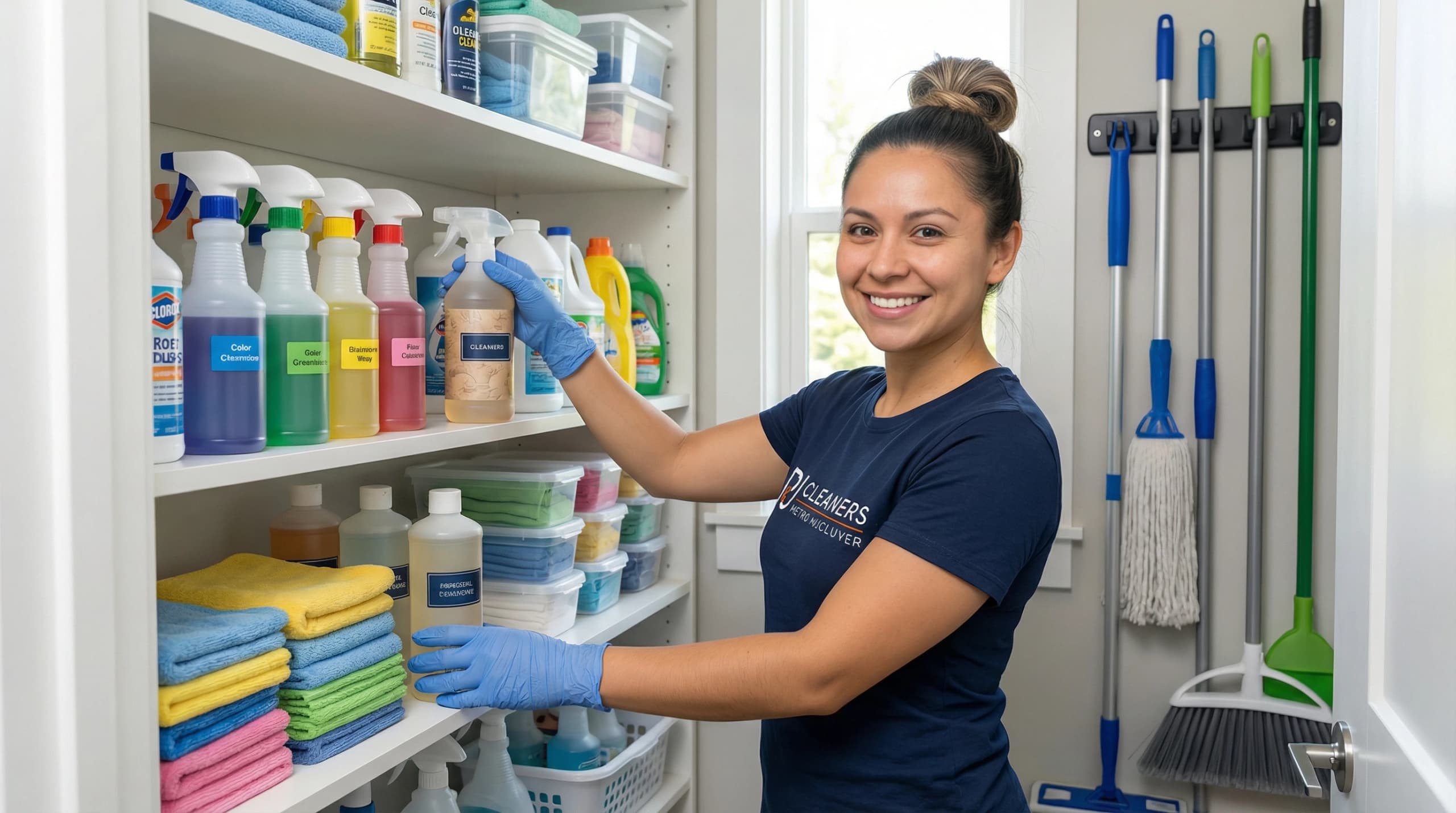
Infants spend 14-17 hours daily in their nurseries, making product safety critical. The BC Health Authority reports that volatile organic compounds (VOCs) from conventional cleaners can irritate developing respiratory systems and trigger allergic reactions in children under two years. Select products certified by Environmental Working Group (EWG) Grade A or EPA Safer Choice, which contain no synthetic fragrances, phthalates, or harsh solvents. Plant-based formulas with ingredients like castile soap, white vinegar, and hydrogen peroxide provide effective cleaning without chemical residues that linger on surfaces babies touch and mouth.
Read ingredient labels carefully and avoid products containing ammonia, chlorine bleach, quaternary ammonium compounds, or artificial fragrances. These chemicals release fumes that accumulate in enclosed nursery spaces and can cause respiratory irritation, skin rashes, and long-term sensitization. Statistics Canada data shows that 23% of Canadian infants develop chemical sensitivities from household cleaning products before age three. Choose concentrated formulas you dilute yourself to control strength and reduce packaging waste. Store all cleaning supplies in locked cabinets outside the nursery, even natural products, to prevent accidental exposure.
Create your own safe cleaning solutions using common household ingredients. Mix one part white vinegar with one part water for glass and hard surfaces. Combine two tablespoons baking soda with one litre warm water for gentle scrubbing. Add ten drops tea tree oil to vinegar solution for natural antimicrobial properties. These DIY cleaners cost 75% less than commercial products and contain zero synthetic additives. The University of British Columbia's environmental health research confirms that vinegar-based solutions eliminate 99% of common household bacteria when surfaces remain wet for three minutes, matching commercial disinfectant effectiveness without chemical risks.
- EWG Grade A certified all-purpose cleaners with plant-based surfactants and no synthetic fragrances
- White vinegar diluted 1:1 with water for windows, mirrors, and non-porous surfaces
- Castile soap (unscented) diluted 1:4 for floors, walls, and washable surfaces
- Hydrogen peroxide 3% solution for sanitizing without bleach or ammonia fumes
- Baking soda paste for gentle abrasive cleaning on stubborn spots and stains
Pro Tip
Test any new cleaning product on a hidden area first and ventilate the room for 30 minutes before bringing baby back inside.
Related resources
Daily Nursery Cleaning Routine
Establish consistent daily habits that maintain cleanliness without overwhelming new parents or exposing babies to excessive cleaning chemicals.
Daily spot-cleaning takes 10-15 minutes and prevents dirt accumulation that requires harsh deep-cleaning later. Wipe the changing table surface after each use with diluted castile soap or fragrance-free wipes to remove bacteria from diaper changes. The CDC reports that changing tables harbour 300 times more bacteria than toilet seats when not cleaned between uses. Wipe crib rails and slats where babies grip and teeth, as saliva creates bacterial growth. Empty diaper pails daily to control odours and prevent bacterial multiplication. These quick tasks maintain baseline cleanliness without disrupting baby's schedule or requiring strong chemicals.
Dust horizontal surfaces like dressers, shelves, and windowsills with damp microfibre cloths that trap particles instead of dispersing them into air. Dry dusting releases allergens that settle on bedding and toys, increasing infant exposure. WorkSafeBC studies show that damp-dusting reduces airborne particulates by 67% compared to dry methods. Spot-clean any spills on floors immediately to prevent sticky residues that attract dirt. Shake out area rugs outside to remove surface debris. These preventive measures reduce weekly cleaning time by 40% while maintaining healthier air quality for developing lungs.
Organize toys and books daily to prevent clutter that collects dust and makes thorough cleaning difficult. Rotate toys weekly, storing half in sealed containers while the other half remains accessible. This system reduces cleaning surface area and keeps toys fresher. Wipe down frequently-mouthed toys like teethers and rattles with diluted vinegar solution and air-dry completely. The International Sanitary Supply Association (ISSA) confirms that daily toy rotation and spot-cleaning reduces bacterial load by 78% compared to monthly deep-cleaning alone. Maintain this routine consistently rather than attempting intensive cleaning sessions that expose babies to concentrated chemical use.
- Wipe changing table after every diaper change with diluted castile soap solution
- Clean crib rails and teething surfaces where baby's mouth contacts wood or plastic
- Damp-dust all horizontal surfaces to trap allergens instead of dispersing them
- Empty diaper pails daily and wipe interior with vinegar solution weekly
- Spot-clean floor spills immediately to prevent sticky residue buildup
Pro Tip
Keep a spray bottle of diluted vinegar and clean microfibre cloths in the nursery for quick spot-cleaning without leaving the room.
Weekly Deep Cleaning Tasks
Comprehensive weekly cleaning removes accumulated allergens, dust mites, and bacteria that daily maintenance misses in carpets, fabrics, and hidden surfaces.
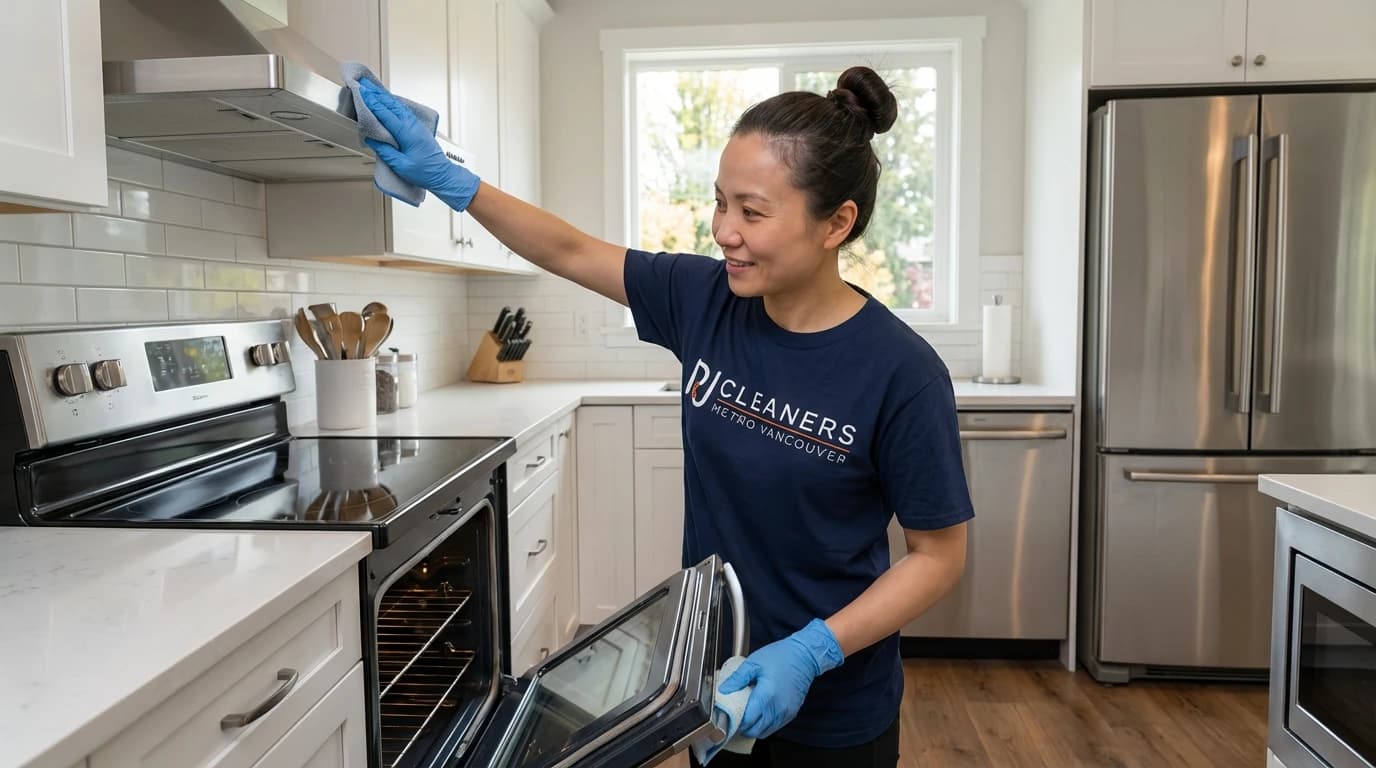
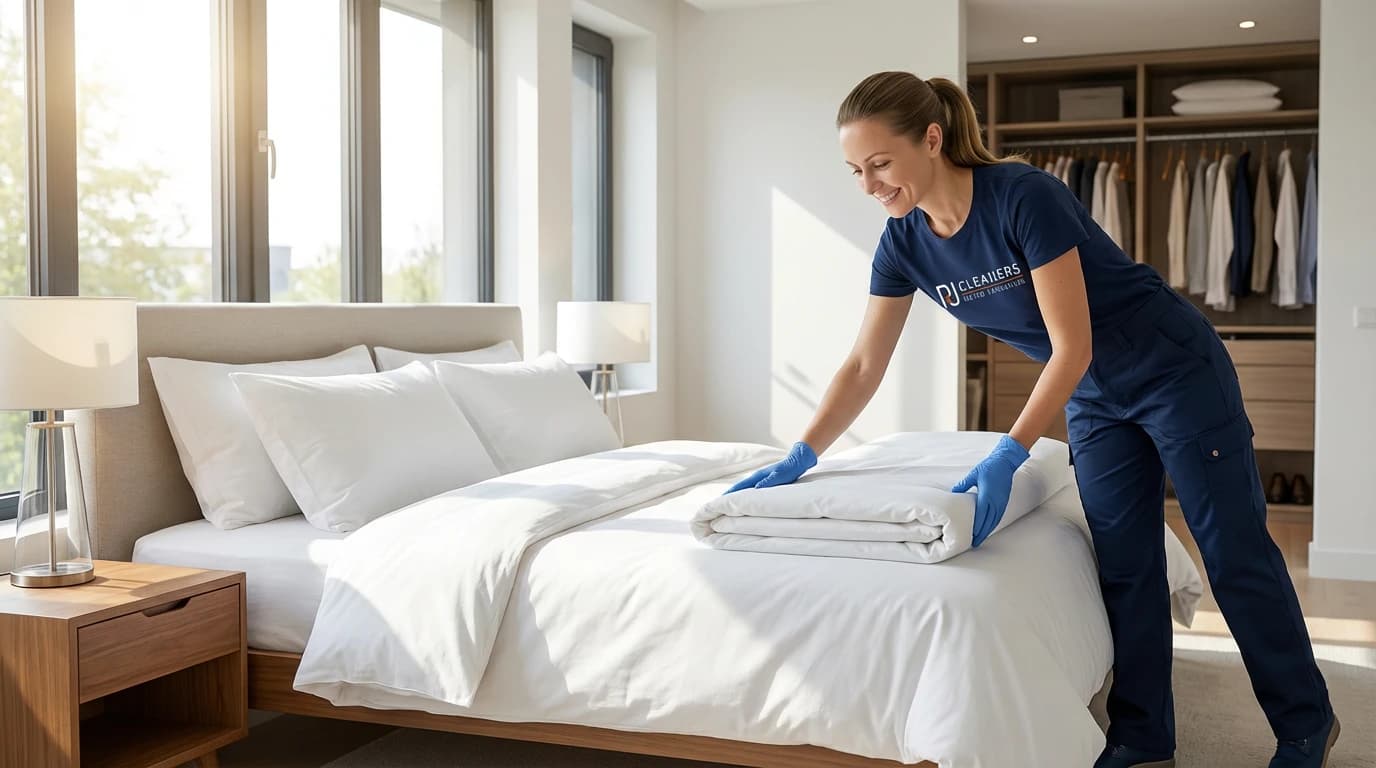
Vacuum all carpets, rugs, and upholstered furniture using a HEPA-filter vacuum that traps 99.97% of particles 0.3 microns or larger. Standard vacuums recirculate fine dust and allergens back into nursery air, defeating the cleaning purpose. The BC Health Authority recommends HEPA vacuuming twice weekly in homes with infants to control dust mites, which thrive in carpet fibres and cause 60% of childhood respiratory allergies. Vacuum under cribs, behind furniture, and along baseboards where dust accumulates unnoticed. Use the crevice tool for corners and the upholstery attachment for rocking chairs, gliders, and cushioned surfaces where parents hold babies.
Wash all bedding including crib sheets, mattress protectors, and blankets in hot water (60°C minimum) to kill dust mites and remove body oils that attract bacteria. The Canadian Paediatric Society recommends weekly bedding changes for infants to reduce allergen exposure during sleep. Wash curtains or blinds monthly to remove dust that settles on window treatments and becomes airborne when disturbed. Launder stuffed animals and soft toys monthly, or freeze them for 24 hours if they cannot be washed, which kills dust mites effectively. Air-dry all items completely before returning them to the nursery to prevent mould growth from residual moisture.
Mop hard floors with diluted castile soap or vinegar solution, working from farthest corner toward the door to avoid walking on cleaned areas. Babies who crawl contact floors constantly, transferring bacteria and chemicals directly to hands and mouths. Statistics Canada reports that 89% of household dirt and chemicals enter homes on shoes, making floor cleaning critical in nurseries. Remove shoes before entering the nursery and encourage visitors to do the same. Wipe baseboards, door frames, and light switches with damp cloths to remove dust and hand oils. Clean air vents and return registers with vacuum attachments to prevent dust circulation through HVAC systems.
- HEPA-vacuum all carpets, rugs, and upholstered furniture to trap microscopic allergens
- Wash crib bedding in 60°C water to eliminate dust mites and bacteria
- Mop hard floors with diluted natural cleaners, removing shoes before entering
- Wipe baseboards, door frames, and light switches to remove accumulated dust
- Clean air vents and registers to prevent allergen circulation through HVAC
- Launder or freeze soft toys monthly to control dust mite populations
Related resources
Toy Cleaning and Sanitization
Different toy materials require specific cleaning methods to eliminate bacteria without damaging surfaces or leaving chemical residues babies will ingest.
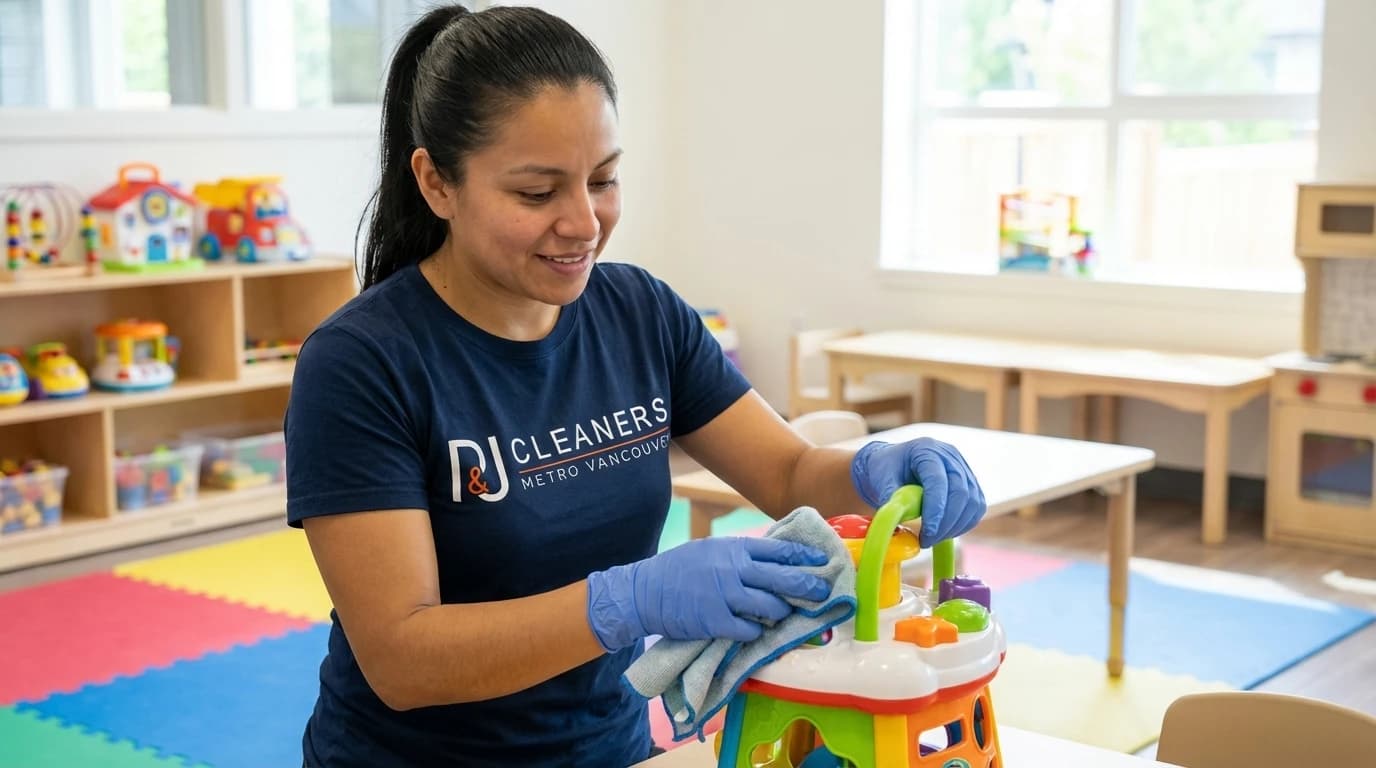
Hard plastic and rubber toys tolerate the most aggressive cleaning. Wash them weekly in hot soapy water using unscented dish soap, scrubbing crevices with a soft brush to remove trapped dirt and dried milk or food residue. Rinse thoroughly under running water to eliminate all soap traces. Sanitize by soaking in a solution of one tablespoon unscented bleach per four litres water for two minutes, then rinse again and air-dry completely. The CDC confirms this dilution ratio kills 99.9% of bacteria and viruses without leaving harmful residues when properly rinsed. Alternatively, use a 1:1 vinegar-water solution for parents who prefer avoiding bleach, though sanitizing effectiveness drops to 90%.
Wooden toys require gentler treatment to prevent warping and finish damage. Wipe with a barely-damp cloth using diluted castile soap, then immediately dry with a clean towel to prevent moisture absorption. Never soak wooden toys or put them in dishwashers, as water causes swelling, cracking, and finish deterioration. Sanitize wooden surfaces by wiping with 3% hydrogen peroxide solution, letting it sit for one minute, then wiping dry. The University of British Columbia's materials research shows that hydrogen peroxide penetrates wood grain to kill bacteria without damaging natural finishes or leaving toxic residues. Apply food-grade mineral oil monthly to maintain wood integrity and create a protective barrier against moisture and bacteria.
Fabric and plush toys accumulate the most bacteria and allergens because their porous surfaces trap moisture, food particles, and body oils. Machine-wash weekly in hot water with fragrance-free detergent, using an extra rinse cycle to remove all soap residue. Place delicate items in mesh laundry bags to prevent damage. Dry completely in a hot dryer or air-dry in direct sunlight, which provides natural UV sanitization. For toys that cannot be washed, freeze them in sealed plastic bags for 24 hours to kill dust mites, then vacuum with an upholstery attachment to remove dead mites and debris. The ISSA reports that freezing eliminates 95% of dust mite populations, making it an effective alternative to washing for delicate items.
- Hard plastic toys: wash weekly in hot soapy water, sanitize with diluted bleach or vinegar solution
- Wooden toys: wipe with barely-damp cloth, sanitize with hydrogen peroxide, oil monthly
- Fabric toys: machine-wash weekly in hot water, dry completely to prevent mould growth
- Bath toys: squeeze out water after each use, sanitize weekly, replace every three months
- Teething toys: clean after each use, sanitize daily with food-safe methods
Pro Tip
Rotate toys weekly between play and storage, cleaning the stored set while the other is in use to maintain constant availability of clean toys.
Crib and Mattress Maintenance
Proper crib cleaning prevents bacterial growth and maintains safe sleep surfaces where babies spend most of their time during the first year.
Wipe crib rails, slats, and frame weekly with diluted castile soap solution, paying special attention to areas where baby grips and mouths the wood or plastic. Teething babies transfer saliva to crib surfaces, creating bacterial growth that can cause illness. The Canadian Paediatric Society reports that 40% of infant respiratory infections originate from contaminated sleep surfaces and toys. Rinse with a clean damp cloth to remove all soap residue, then dry immediately with a towel to prevent moisture damage to wood finishes. Inspect for loose screws, cracked slats, or peeling paint monthly, as these safety hazards develop gradually through normal use and cleaning.
Vacuum the crib mattress weekly using the upholstery attachment to remove dust, dead skin cells, and dust mites that accumulate in the mattress surface. Spot-clean any stains immediately with a paste of baking soda and water, gently scrubbing with a soft brush, then blotting with a damp cloth and allowing to air-dry completely before replacing sheets. Never saturate mattresses with liquid, as moisture trapped in foam or innerspring cores creates mould growth that releases spores into air babies breathe. Use a waterproof mattress protector under the fitted sheet to prevent urine, spit-up, and diaper leaks from penetrating the mattress surface. Wash the protector weekly with bedding.
Deep-clean the mattress quarterly by sprinkling baking soda over the entire surface, letting it sit for 30 minutes to absorb odours and moisture, then vacuuming thoroughly. Flip or rotate the mattress if the manufacturer allows to ensure even wear and prevent body impressions that create unsafe sleep surfaces. Air the mattress outside in direct sunlight for two hours when weather permits, as UV rays naturally sanitize and eliminate odours without chemicals. Replace crib mattresses every three years or when they show signs of sagging, permanent stains, or odours that persist after cleaning. WorkSafeBC studies confirm that mattresses older than three years harbour 200% more dust mites and bacteria than newer mattresses despite regular cleaning.
- Wipe crib rails and slats weekly with diluted castile soap, focusing on teething areas
- Vacuum mattress weekly with upholstery attachment to remove dust and allergens
- Use waterproof mattress protectors and wash weekly with crib bedding
- Spot-clean stains immediately with baking soda paste, never saturate mattress
- Deep-clean quarterly with baking soda treatment and outdoor UV airing
- Replace mattresses every three years or when showing wear and permanent odours
Air Quality and Ventilation
Maintaining optimal air quality reduces respiratory irritants and allergens that affect infant health more severely than adult health due to developing immune systems.
Install a HEPA air purifier rated for the nursery's square footage, running it continuously to filter airborne particles, allergens, and VOCs from furniture off-gassing. The BC Health Authority recommends air purifiers with activated carbon filters for nurseries, as they remove both particulates and chemical vapours that standard HEPA filters miss. Position the purifier away from the crib to prevent direct airflow on baby while ensuring proper room circulation. Replace filters according to manufacturer schedules, typically every three to six months, as clogged filters reduce effectiveness by 60% and can release trapped particles back into the air. Clean the exterior housing weekly to prevent dust accumulation.
Maintain indoor humidity between 40-50% using a cool-mist humidifier in winter and a dehumidifier in summer to prevent dust mite proliferation and mould growth. Dust mites thrive in humidity above 50%, while levels below 40% dry out infant respiratory passages and increase susceptibility to infections. Statistics Canada data shows that 67% of Canadian homes exceed optimal humidity ranges during winter heating and summer cooling seasons. Clean humidifiers every three days by emptying the tank, washing with vinegar solution, rinsing thoroughly, and refilling with distilled water to prevent bacterial and mineral buildup that disperses into air babies breathe.
Ventilate the nursery daily by opening windows for 15-30 minutes, even in winter, to exchange stale indoor air with fresh outdoor air. This practice reduces accumulated VOCs from furniture, carpets, and cleaning products by 85% according to WorkSafeBC indoor air quality research. Avoid ventilating during high pollen counts or poor outdoor air quality days, checking local air quality indices before opening windows. Install window screens to prevent insects while allowing airflow. Run bathroom and kitchen exhaust fans when bathing baby or preparing bottles to remove excess moisture that migrates to the nursery and promotes mould growth. Keep the nursery door open when baby is not sleeping to maintain air circulation throughout the home.
- Run HEPA air purifier continuously, replacing filters every 3-6 months per manufacturer guidelines
- Maintain 40-50% humidity with humidifiers or dehumidifiers to control dust mites and mould
- Ventilate daily for 15-30 minutes by opening windows when outdoor air quality is good
- Clean humidifiers every three days with vinegar to prevent bacterial dispersal
- Keep nursery door open during waking hours to maintain whole-home air circulation
Pro Tip
Place a small indoor plant like a spider plant or peace lily in the nursery to naturally filter air, but keep it out of baby's reach and monitor for mould in soil.

Step-by-Step
Complete Nursery Cleaning Process
Follow this systematic seven-step method to clean your baby's nursery safely and thoroughly using non-toxic products and proven techniques that protect infant health.
Prepare Safe Cleaning Solutions
Gather all cleaning supplies before starting to avoid leaving baby unattended while retrieving forgotten items. Mix fresh cleaning solutions in clearly labelled spray bottles to prevent confusion with other household products. Use only fragrance-free, dye-free products certified by EWG or EPA Safer Choice. Prepare a vinegar solution (1:1 with water), diluted castile soap (1:4 with water), and baking soda paste for different surfaces. Keep all cleaning supplies in a caddy that you remove from the nursery immediately after use. Never store cleaning products in the nursery, even natural ones, as concentrated forms can irritate if baby accesses them.
- Mix 1:1 white vinegar and water in spray bottle for glass and hard surfaces
- Dilute unscented castile soap 1:4 with warm water for floors and walls
- Prepare baking soda paste with water for gentle scrubbing of stubborn spots
- Label all bottles clearly and keep in portable caddy for easy removal
- Gather microfibre cloths, soft brushes, and HEPA vacuum with attachments
Remove Baby and Ventilate
Move baby to another room with supervision before beginning any cleaning, even with natural products. Open windows to create cross-ventilation that disperses cleaning solution vapours and brings in fresh air. Turn on the air purifier to high setting to filter airborne particles disturbed during cleaning. Remove all toys, books, and loose items from surfaces to access all areas needing attention. Strip the crib bedding and place it directly in the washing machine to prevent transferring dust and allergens to other areas. This preparation phase takes five minutes but ensures thorough cleaning without exposing baby to disturbed dust or cleaning vapours.
- Move baby to supervised area outside nursery during entire cleaning process
- Open windows for cross-ventilation and run air purifier on high setting
- Remove all toys, books, and decorative items from surfaces and shelves
- Strip crib bedding and place directly in washing machine with hot water
- Clear floor of rugs and items to access all areas for vacuuming
Dust and Vacuum Thoroughly
Start at the highest point in the room and work downward to prevent re-contaminating cleaned surfaces with falling dust. Damp-dust ceiling fan blades, light fixtures, and tops of tall furniture using microfibre cloths that trap particles instead of dispersing them. Wipe all horizontal surfaces including dressers, changing tables, shelves, and windowsills with barely-damp cloths. Vacuum all carpets, rugs, and upholstered furniture using HEPA-filter vacuum with appropriate attachments for different surfaces. Pay special attention to corners, under furniture, and along baseboards where dust accumulates unnoticed. This systematic approach ensures complete allergen removal without missing hidden areas.
- Damp-dust from ceiling down: fan blades, light fixtures, picture frames, shelves
- Wipe all horizontal surfaces with barely-damp microfibre cloths to trap dust
- HEPA-vacuum carpets, rugs, and upholstered furniture with appropriate attachments
- Use crevice tool for corners, baseboards, and tight spaces under furniture
- Vacuum curtains and blinds to remove settled dust before it becomes airborne
Clean and Sanitize Surfaces
Wipe all hard surfaces with appropriate cleaning solutions, starting with least-soiled areas and progressing to most-contaminated zones like changing tables. Use diluted castile soap for general cleaning, vinegar solution for glass and mirrors, and hydrogen peroxide for sanitizing high-touch areas. Clean crib rails, slats, and mattress frame thoroughly, paying attention to areas where baby grips and mouths surfaces. Wipe changing table, dresser tops, and toy storage with sanitizing solution. Clean doorknobs, light switches, and drawer pulls that caregivers touch frequently. Allow sanitizing solutions to remain on surfaces for the recommended contact time (typically 1-3 minutes) before wiping dry to ensure effective bacterial elimination.
- Wipe crib rails, slats, and frame with diluted castile soap, focusing on teething areas
- Clean changing table surface with hydrogen peroxide solution, let sit 1 minute
- Sanitize high-touch surfaces: doorknobs, light switches, drawer pulls with vinegar
- Wipe mirrors and windows with vinegar solution, dry with clean microfibre cloth
- Clean toy storage bins and shelves before returning sanitized toys
Wash Fabrics and Toys
Launder all removable fabrics including crib bedding, curtains, area rugs, and machine-washable toys in hot water (60°C minimum) with fragrance-free detergent. Use an extra rinse cycle to remove all detergent residue that can irritate baby's skin. Dry items completely in a hot dryer or air-dry in direct sunlight for natural UV sanitization. Clean hard toys by washing in hot soapy water, sanitizing with diluted bleach or vinegar solution, rinsing thoroughly, and air-drying completely. Wipe wooden toys with barely-damp cloth and hydrogen peroxide, then dry immediately. This comprehensive fabric and toy cleaning eliminates dust mites, bacteria, and allergens that accumulate in porous materials.
- Wash crib bedding, curtains, and machine-washable toys in 60°C water with extra rinse
- Dry all fabrics completely in hot dryer or direct sunlight to prevent mould
- Clean hard toys in hot soapy water, sanitize with bleach or vinegar, rinse thoroughly
- Wipe wooden toys with damp cloth and hydrogen peroxide, dry immediately
- Freeze non-washable plush toys for 24 hours to kill dust mites, then vacuum
Clean Floors and Baseboards
Vacuum hard floors thoroughly to remove all dust and debris before mopping. Mop with diluted castile soap or vinegar solution, working from the farthest corner toward the door to avoid walking on cleaned areas. Use minimal water to prevent moisture damage to wood floors and ensure quick drying. Wipe baseboards, door frames, and lower wall areas with damp cloth to remove accumulated dust and scuff marks. Clean air vents and return registers with vacuum attachments to prevent dust circulation through HVAC systems. Allow floors to dry completely before replacing rugs and furniture, typically 15-30 minutes depending on ventilation and humidity levels.
- Vacuum hard floors thoroughly to remove all dust and debris before mopping
- Mop with diluted natural cleaner, working from far corner toward door
- Wipe baseboards, door frames, and lower walls with damp microfibre cloth
- Clean air vents and registers with vacuum crevice tool to remove dust
- Allow floors to dry completely (15-30 minutes) before replacing furniture and rugs
Final Inspection and Reassembly
Conduct a thorough inspection of the entire nursery to ensure no areas were missed and all surfaces are completely dry before bringing baby back. Check that all cleaning supplies have been removed from the room and stored securely in locked cabinets. Replace clean, dry bedding on the crib, ensuring the fitted sheet is taut and the mattress protector is properly positioned. Return sanitized toys to storage, organizing them for easy access and rotation. Close windows but leave the door open to maintain air circulation. Run the air purifier for an additional 30 minutes on high setting to filter any remaining airborne particles before returning baby to the freshly cleaned nursery.
- Inspect all surfaces to confirm thorough cleaning and complete drying
- Remove all cleaning supplies from nursery and store in locked cabinet
- Make crib with clean bedding, ensuring fitted sheet is taut and secure
- Return sanitized toys to storage, organizing for rotation and easy access
- Run air purifier for 30 minutes before bringing baby back to room
Services mentioned in this article
Ready for help?
4.9 · 850+ Google reviewsProfessional Nursery Cleaning Services
Our trained team uses only baby-safe, non-toxic products to deep clean your nursery. We follow health authority protocols to create a spotless, healthy environment for your little one.
778-720-2224Nursery Cleaning Questions Answered
What cleaning products are safe for a nursery?
Safe nursery cleaning products include white vinegar, baking soda, castile soap, and hydrogen peroxide solutions under 3%. The CDC recommends avoiding products with ammonia, chlorine bleach, phthalates, or artificial fragrances near infants. Look for EPA Safer Choice certified cleaners or make DIY solutions using 1 part vinegar to 1 part water. Health Canada advises that babies spend 16-18 hours daily in their nursery, making product safety critical for respiratory and skin health.
How to clean baby toys?
Wash hard plastic toys in hot soapy water at 60°C or run them through the dishwasher top rack. Fabric toys should go in the washing machine on hot cycle with fragrance-free detergent. The American Academy of Pediatrics recommends sanitizing high-touch toys weekly using a solution of 1 tablespoon bleach per 4 litres water, then rinsing thoroughly. Air dry all toys completely before returning them to the nursery to prevent mould growth.
How often should you clean a nursery?
Daily tasks include wiping surfaces, spot-cleaning spills, and sanitizing changing areas. Weekly cleaning should cover floors, toy rotation, and laundry. Deep cleaning every 2-4 weeks addresses baseboards, windows, and furniture. According to BC Health Authority guidelines, high-touch surfaces like crib rails and door handles need daily attention since infants touch their faces 23 times per hour on average, transferring bacteria rapidly.
How to sanitize a crib?
Remove all bedding and vacuum the mattress and crib frame thoroughly. Wipe all surfaces with warm soapy water, paying attention to corners and joints where dust accumulates. Sanitize using a 1:10 bleach solution or 70% isopropyl alcohol, then rinse with clean water and air dry completely. The Consumer Product Safety Commission recommends monthly crib sanitizing and immediate cleaning after illness. Never use harsh chemicals on teething rails where babies chew.
Meet the Author
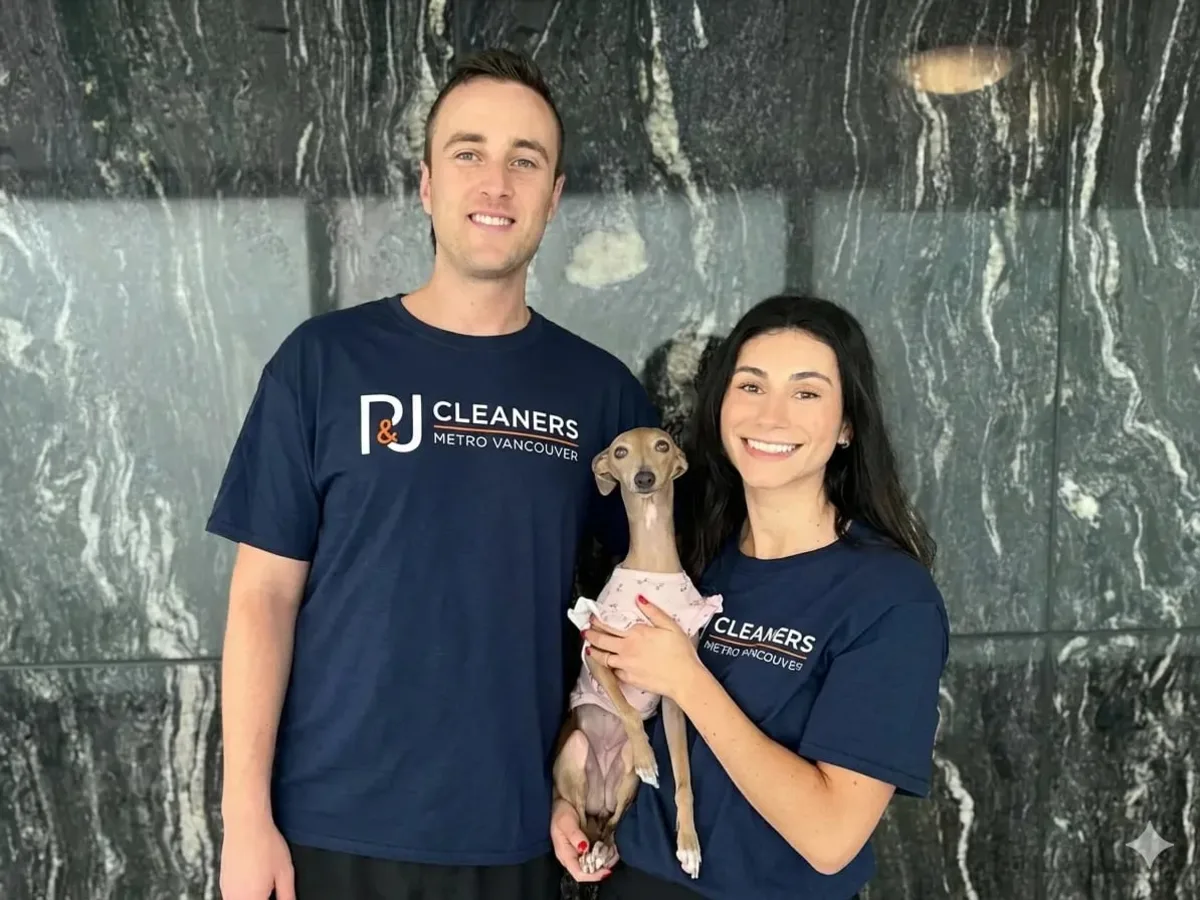
Pamela
Co-Founder
Pamela leads residential quality standards at P&J Cleaners, refining safe, detail-driven cleaning systems for Vancouver homes, condos, and move-out projects.
Keep Exploring