

Quick answer
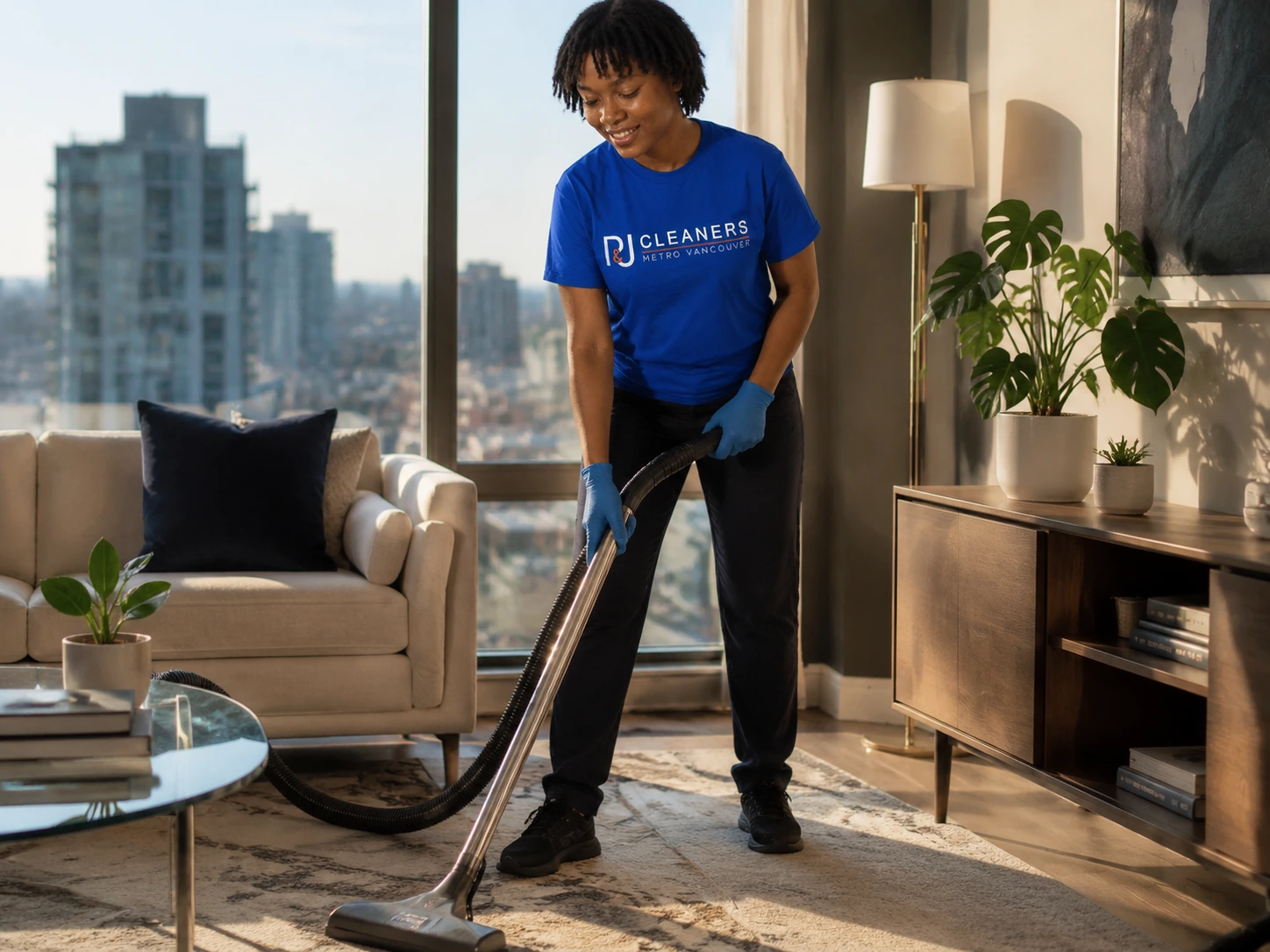
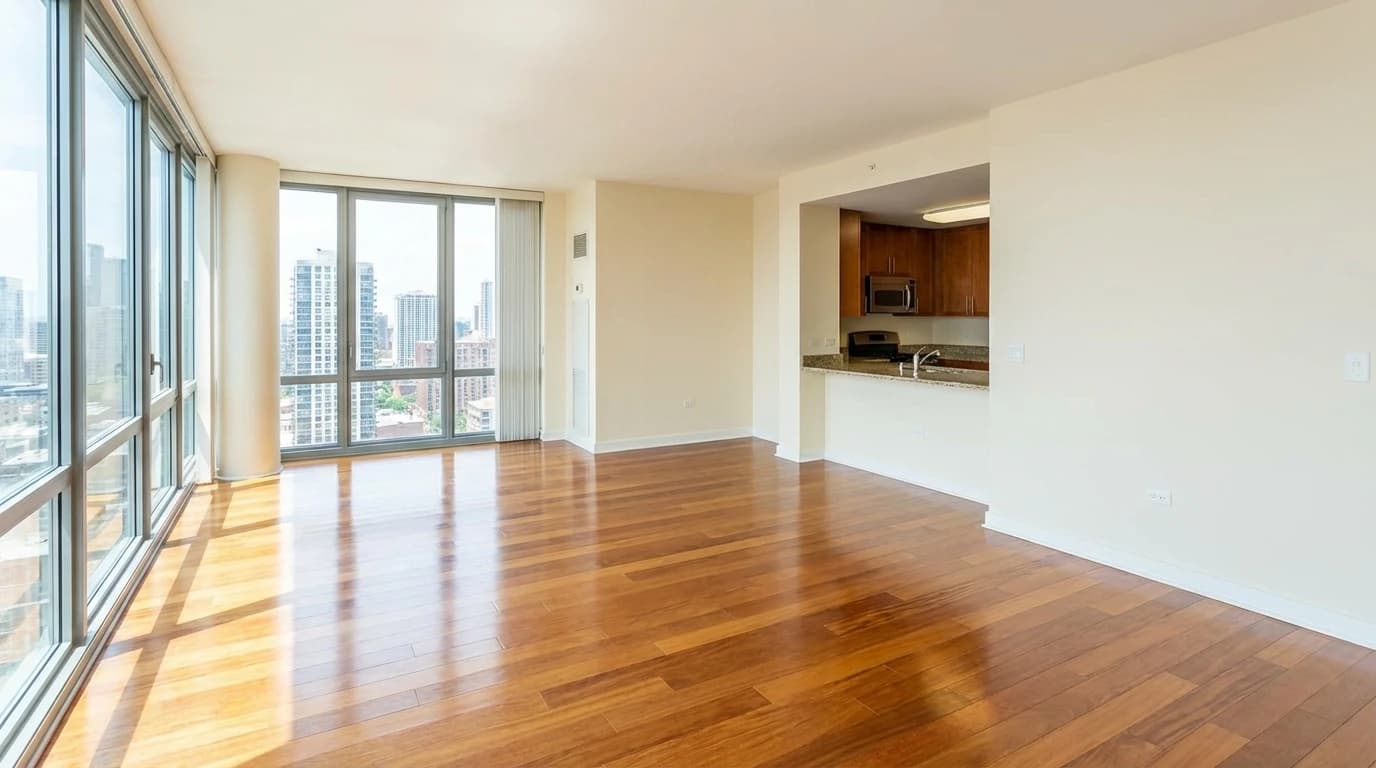
A move-in cleaning checklist ensures every surface in your new home is sanitized before you unpack. Start with kitchens and bathrooms, then tackle floors, walls, and fixtures room by room.

Key Takeaways
- 1Professional move-in cleaning takes 4-6 hours for a 1,200 sq ft home and costs $200-$400 in Metro Vancouver.
- 2Sanitize high-touch surfaces first: light switches, door handles, cabinet pulls, and countertops harbour 300+ bacteria colonies per square inch.
- 3Clean before unpacking to avoid moving dirt around and reduce allergens by up to 60% according to the Canadian Lung Association.
- 4Use eco-friendly products on all surfaces to protect indoor air quality and avoid harsh chemical residue in your new living space.
Sanitize Kitchen Surfaces and Appliances
The kitchen requires the most attention during move-in cleaning because previous tenants leave behind grease, food particles, and bacteria that can contaminate your cookware and dishes.
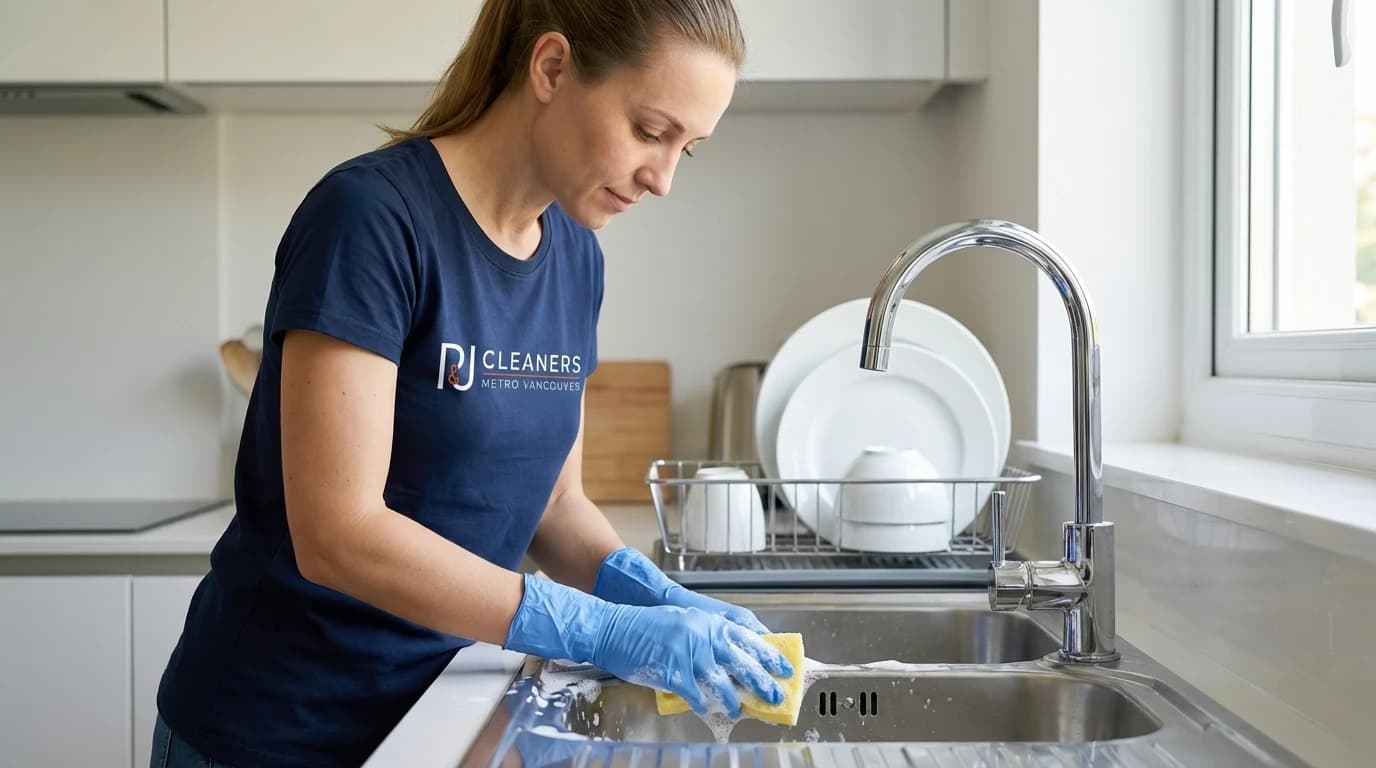
- Start by wiping down all cabinet interiors with a damp microfibre cloth and mild all-purpose cleaner. Remove shelf liners if present and vacuum any crumbs or debris. According to the BC Centre for Disease Control, kitchen cabinets can harbour E. coli and salmonella if not properly sanitized between tenants. Pay special attention to corners and hinges where grime accumulates over time.
- Deep clean the refrigerator by removing all shelves and drawers, then washing them in hot soapy water. Wipe interior walls with a solution of one tablespoon baking soda per litre of warm water to eliminate odours. Clean the rubber door seals with a toothbrush dipped in diluted bleach solution to remove mould spores. The Canadian Food Inspection Agency recommends sanitizing refrigerators before storing food to prevent cross-contamination.
- Scrub the oven interior using a commercial oven cleaner or a paste of baking soda and water. Let it sit for 30 minutes before wiping clean. Remove oven racks and soak them in hot soapy water, then scrub with a non-abrasive pad. Clean the stovetop burners and drip pans thoroughly, replacing any damaged components. Statistics Canada reports that 78% of kitchen fires start from grease buildup on cooking surfaces.
- Wipe down countertops with a disinfectant suitable for the material type. Granite and marble require pH-neutral cleaners, while laminate can handle stronger solutions. Clean the sink basin and faucet with a descaling agent to remove hard water deposits. Sanitize the garbage disposal by grinding ice cubes mixed with coarse salt, followed by citrus peels to freshen the drain.
Quick Win
Run the dishwasher empty with two cups of white vinegar on the hottest cycle to remove mineral deposits and sanitize the interior before washing your first load of dishes.
Deep Clean Bathrooms and Fixtures
Bathrooms require intensive sanitization because they accumulate mould, mildew, and bacteria that pose health risks if not properly addressed before you move in.
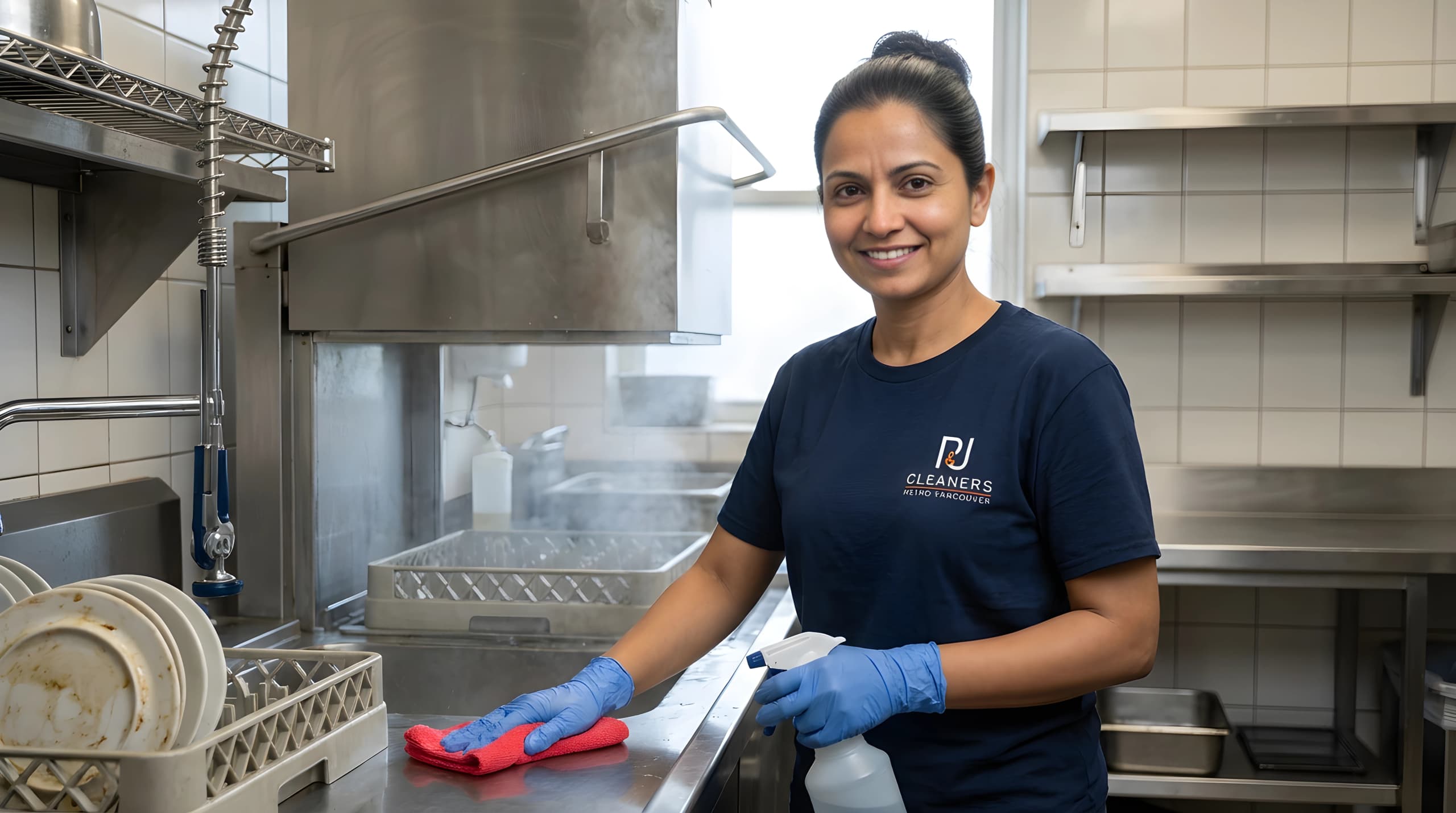
- Scrub the toilet bowl with a commercial toilet cleaner containing bleach or hydrogen peroxide. Let it sit for 10 minutes before scrubbing with a toilet brush, paying attention to the rim jets and under the seat. Wipe the exterior, including the base and behind the tank, with disinfectant wipes. The Public Health Agency of Canada states that toilet surfaces can harbour up to 3.2 million bacteria per square inch.
- Clean the shower and bathtub by spraying all surfaces with a mildew remover or a mixture of equal parts white vinegar and dish soap. Let it sit for 15 minutes, then scrub with a stiff brush. Remove soap scum from glass doors using a squeegee and glass cleaner. Clean showerheads by soaking them in white vinegar for 30 minutes to dissolve mineral deposits that restrict water flow.
- Sanitize the sink and vanity by wiping down all surfaces with a disinfectant cleaner. Clean faucet aerators by unscrewing them and soaking in vinegar to remove calcium buildup. Wipe down mirrors with glass cleaner and a lint-free cloth. Empty and clean vanity drawers and cabinets, checking for any items left behind by previous occupants. Replace worn caulking around sinks and tubs to prevent water damage.
- Wash bathroom floors on hands and knees using a grout brush to clean tile lines thoroughly. Mop with a disinfectant solution, paying attention to corners and behind the toilet where dust and hair accumulate. Clean exhaust fan covers by removing them and washing in warm soapy water. WorkSafeBC recommends proper bathroom ventilation to prevent mould growth that can trigger respiratory issues.
Quick Win
Pour half a cup of baking soda followed by one cup of white vinegar down bathroom drains, let it fizz for 15 minutes, then flush with hot water to clear buildup and eliminate odours.
Wash All Windows and Window Tracks
Clean windows improve natural light and indoor air quality by removing dust, pollen, and outdoor pollutants that accumulate on glass surfaces and in tracks.
- Start by vacuuming window tracks and sills to remove loose dirt, dead insects, and debris. Use a small brush or old toothbrush to scrub tracks with a mixture of warm water and dish soap. Wipe dry with a microfibre cloth to prevent water stains. The International Window Cleaning Association reports that dirty windows can reduce natural light by up to 40%, affecting mood and energy levels.
- Clean window glass using a solution of equal parts water and white vinegar in a spray bottle. Spray generously and wipe with a squeegee in overlapping strokes from top to bottom. Dry edges with a lint-free cloth to prevent streaking. For stubborn spots, use a razor blade scraper held at a 45-degree angle to remove paint splatters or adhesive residue without scratching the glass.
- Wash window screens by removing them and spraying with a garden hose or shower. Scrub both sides with a soft brush and mild detergent, then rinse thoroughly and let air dry before reinstalling. Clean window frames and sills with an all-purpose cleaner, paying attention to corners where mould can develop. Check weatherstripping for damage and replace if necessary to improve energy efficiency.
- Wipe down blinds and curtain rods with a damp cloth or vacuum with a brush attachment. If blinds are heavily soiled, remove them and soak in a bathtub filled with warm soapy water for 30 minutes before rinsing and air drying. Wash curtains according to care label instructions or take them to a professional cleaner if they require dry cleaning.
Quick Win
Clean windows on a cloudy day to prevent cleaning solution from drying too quickly in direct sunlight, which causes streaks and makes it harder to achieve a crystal-clear finish.
Disinfect Light Switches and Door Handles
High-touch surfaces harbour the most bacteria and viruses in any home, making them critical targets for sanitization before you move in and start using them daily.
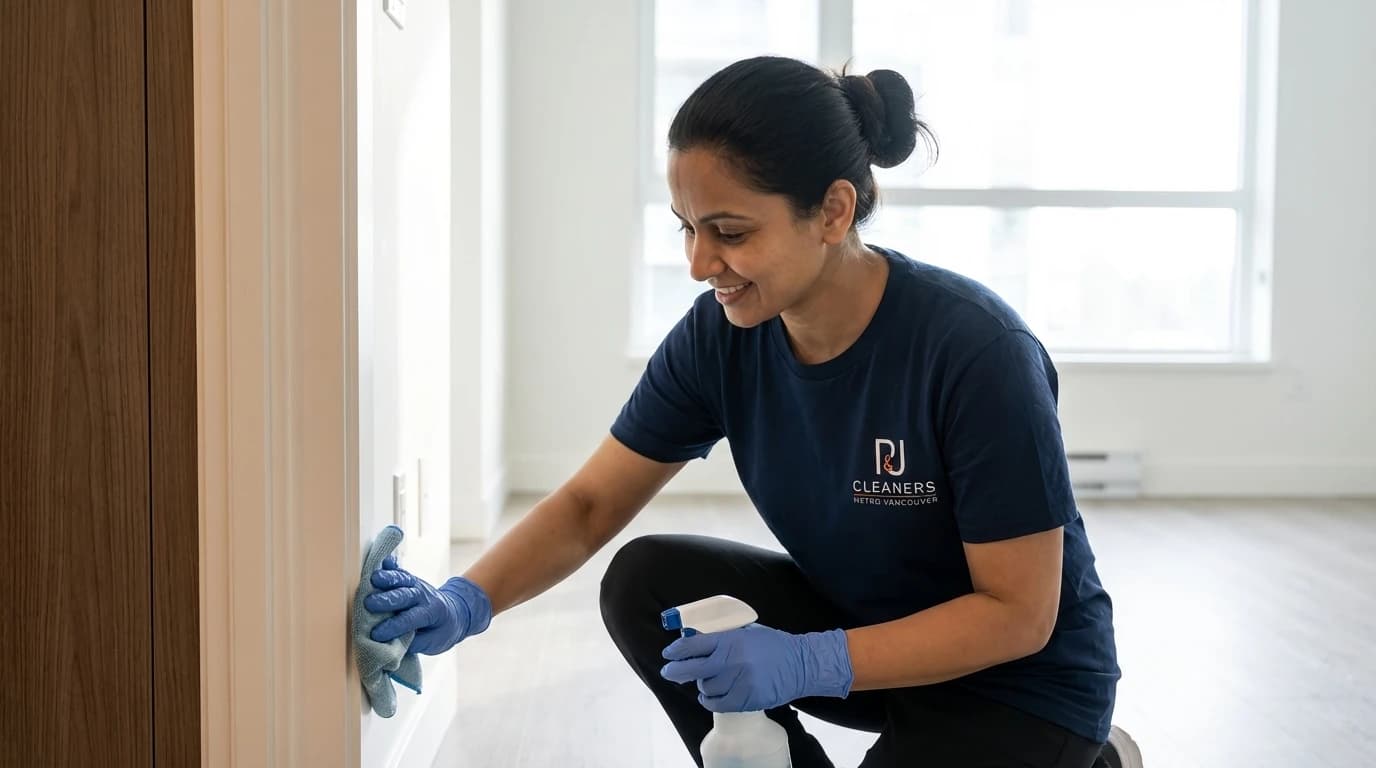
- Wipe all light switches with disinfectant wipes or a cloth dampened with rubbing alcohol. Pay attention to the edges and screws where dirt accumulates. A study by the University of Arizona found that light switches can harbour 217 bacteria per square inch, more than toilet seats. Clean switch plates by removing them if heavily soiled and washing with warm soapy water before reinstalling.
- Sanitize door handles, knobs, and locks throughout the home using a disinfectant spray or wipes. Don't forget closet doors, cabinet pulls, and drawer handles. Let the disinfectant sit for the recommended contact time on the product label, typically 3-5 minutes, to ensure effective germ elimination. The CDC recommends daily disinfection of high-touch surfaces to prevent illness transmission.
- Clean thermostat controls, alarm panels, and intercom systems with a slightly damp microfibre cloth. Avoid spraying liquid directly on electronic components. Wipe down handrails and banisters if your home has stairs, as these surfaces are touched multiple times daily. Sanitize garage door openers, mailbox keys, and any other frequently handled items in your new home.
- Disinfect appliance handles including refrigerator doors, oven handles, microwave buttons, and dishwasher controls. These surfaces accumulate grease and food particles that attract bacteria. Use a degreasing cleaner on kitchen appliance handles, followed by a disinfectant wipe. Replace any cracked or damaged handles that cannot be properly cleaned and may harbour bacteria in crevices.
Quick Win
Keep a container of disinfectant wipes near your front door during the first month after moving in to quickly sanitize high-touch surfaces daily until you establish your regular cleaning routine.
Scrub Baseboards and Door Frames
Baseboards and door frames collect dust, pet dander, and allergens that previous occupants left behind, making them essential to clean before unpacking your belongings.
- Vacuum baseboards with a brush attachment to remove loose dust and cobwebs. Wipe down with a damp microfibre cloth and all-purpose cleaner, working in sections around each room. Pay special attention to corners and behind doors where dust accumulates heavily. The Asthma Society of Canada reports that dust on baseboards can trigger allergic reactions and respiratory issues in sensitive individuals.
- Scrub scuff marks and stains on baseboards using a magic eraser or a paste of baking soda and water. For painted baseboards, use a gentle cleaner to avoid removing paint. If baseboards are heavily soiled, use a small brush to scrub crevices and decorative trim details. Dry thoroughly with a clean cloth to prevent water damage to wood or paint finishes.
- Clean door frames by wiping from top to bottom with a damp cloth and mild cleaner. Remove sticky residue from tape or stickers using rubbing alcohol or adhesive remover. Check for cobwebs in upper corners and remove with a vacuum or duster. Wipe down door hinges and remove any rust or squeaks with a lubricant spray after cleaning.
- Wash crown moulding and ceiling trim if your home has these features. Use a step ladder and extendable duster to reach high areas safely. Wipe with a damp cloth wrapped around a flat mop head for efficient coverage. Clean air vents and return grilles by removing them and washing in warm soapy water, then vacuuming the duct openings to remove accumulated dust.
Quick Win
Use a dryer sheet to wipe baseboards after cleaning to create a static barrier that repels dust and keeps them cleaner longer between regular maintenance cleanings.
Deep Clean All Flooring Types
Floors require specialized cleaning based on material type to remove dirt, allergens, and residue from previous occupants without causing damage to the surface.
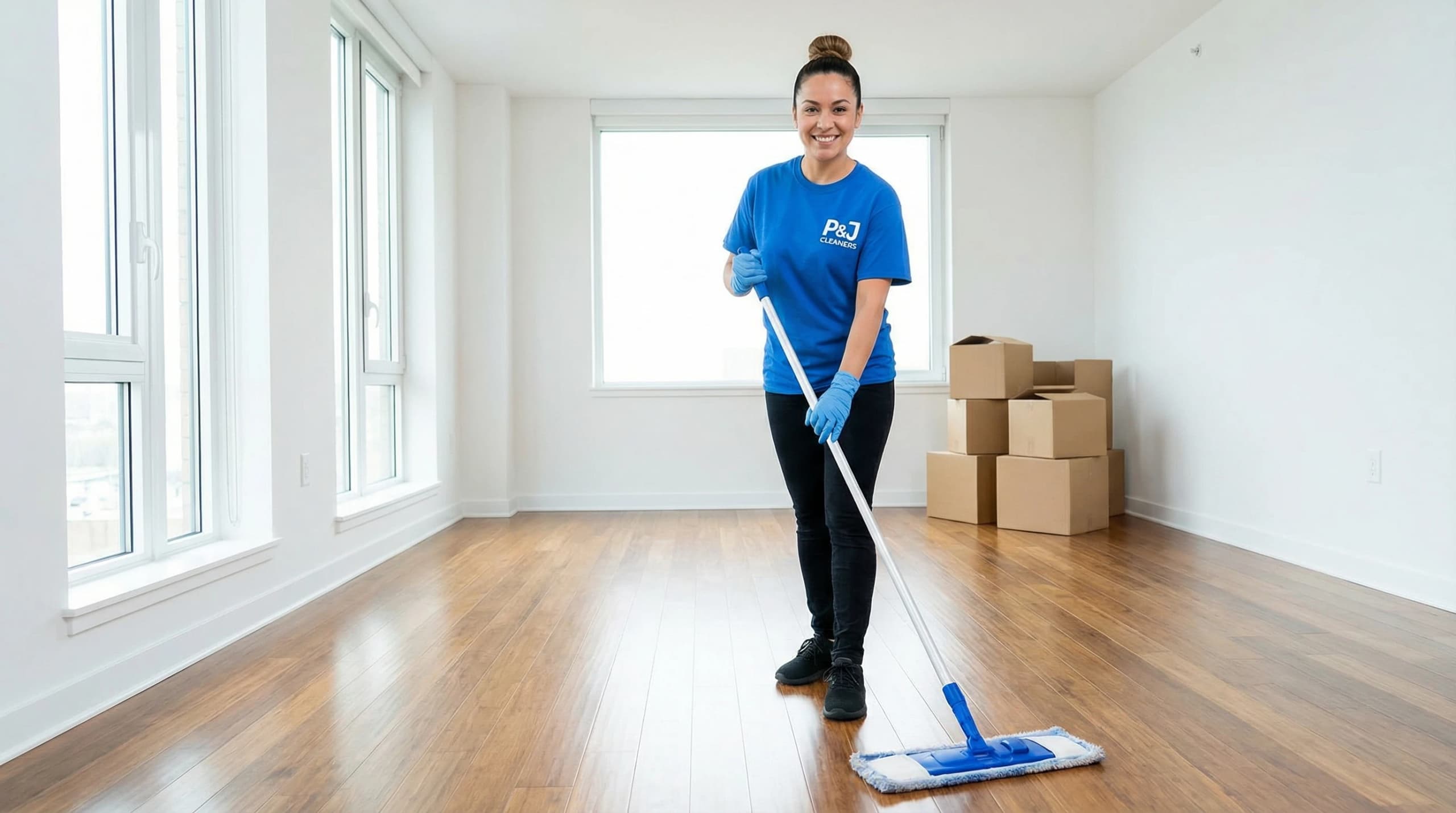
- Vacuum all floors thoroughly before wet cleaning, including under furniture if the home is empty. Use appropriate attachments for different floor types and pay attention to edges and corners. The Carpet and Rug Institute recommends vacuuming high-traffic areas daily and other areas at least twice weekly to maintain indoor air quality and extend flooring lifespan.
- Clean hardwood floors with a pH-neutral wood floor cleaner and a damp mop, never soaking the surface. Work in small sections and dry immediately with a clean towel to prevent water damage. For heavily soiled areas, use a specialized hardwood floor scrubber. Apply wood floor polish or restorer if the finish appears dull or worn, following manufacturer instructions for application and drying time.
- Mop tile and vinyl floors with hot water and a suitable floor cleaner. Scrub grout lines with a grout brush and a mixture of baking soda and hydrogen peroxide for stubborn stains. Rinse thoroughly to remove all cleaning residue that can make floors slippery. For ceramic tile, consider applying a grout sealer after cleaning to protect against future staining and make maintenance easier.
- Shampoo carpets using a rented carpet cleaner or hire a professional service for deep extraction cleaning. Pre-treat stains with an enzyme cleaner and let sit for 15 minutes before shampooing. Make multiple passes over high-traffic areas and extract as much water as possible to speed drying time. Open windows and use fans to promote air circulation and prevent mould growth in carpet padding.
Quick Win
Place walk-off mats at all entrances during your first week to trap dirt and prevent tracking it through your freshly cleaned home while you're still moving boxes and furniture in.
Clean Inside All Closets and Storage Areas
Closets and storage spaces often get overlooked but can harbour dust, odours, and pests that will affect your stored belongings if not properly cleaned first.
- Empty closets completely and vacuum all surfaces including shelves, floors, and corners. Wipe down shelving units with an all-purpose cleaner and check for signs of pests like droppings or nesting materials. According to the BC Ministry of Health, proper storage area cleaning prevents pest infestations that can damage clothing and stored items. Remove any shelf liners left by previous tenants and replace with fresh ones.
- Clean closet rods and hanging hardware by wiping with a damp cloth. Check that rods are securely mounted and tighten any loose brackets. Wipe down the interior walls and doors, paying attention to corners where cobwebs form. If closets have a musty smell, place an open box of baking soda or activated charcoal inside to absorb odours before storing your belongings.
- Organize storage areas like pantries, linen closets, and utility rooms by wiping down all shelving and checking for expired items or cleaning products left behind. Dispose of any hazardous materials properly according to Metro Vancouver waste guidelines. Clean the floors thoroughly and check for water damage or signs of leaks that need repair before storing items.
- Inspect and clean garage storage areas, basement shelving, and outdoor storage sheds if included with your property. Remove debris, sweep floors, and wipe down surfaces. Check for moisture issues that could damage stored items and address ventilation problems. Install shelf liners or protective coverings before organizing your belongings to keep them clean and protected from dust.
Quick Win
Line closet shelves with washable shelf liners or parchment paper that can be easily replaced during future cleanings to protect surfaces and make maintenance simpler.
Sanitize Laundry Room and Utility Areas
Laundry rooms and utility spaces require thorough cleaning to remove lint, detergent buildup, and potential mould that can affect your clothes and home maintenance equipment.
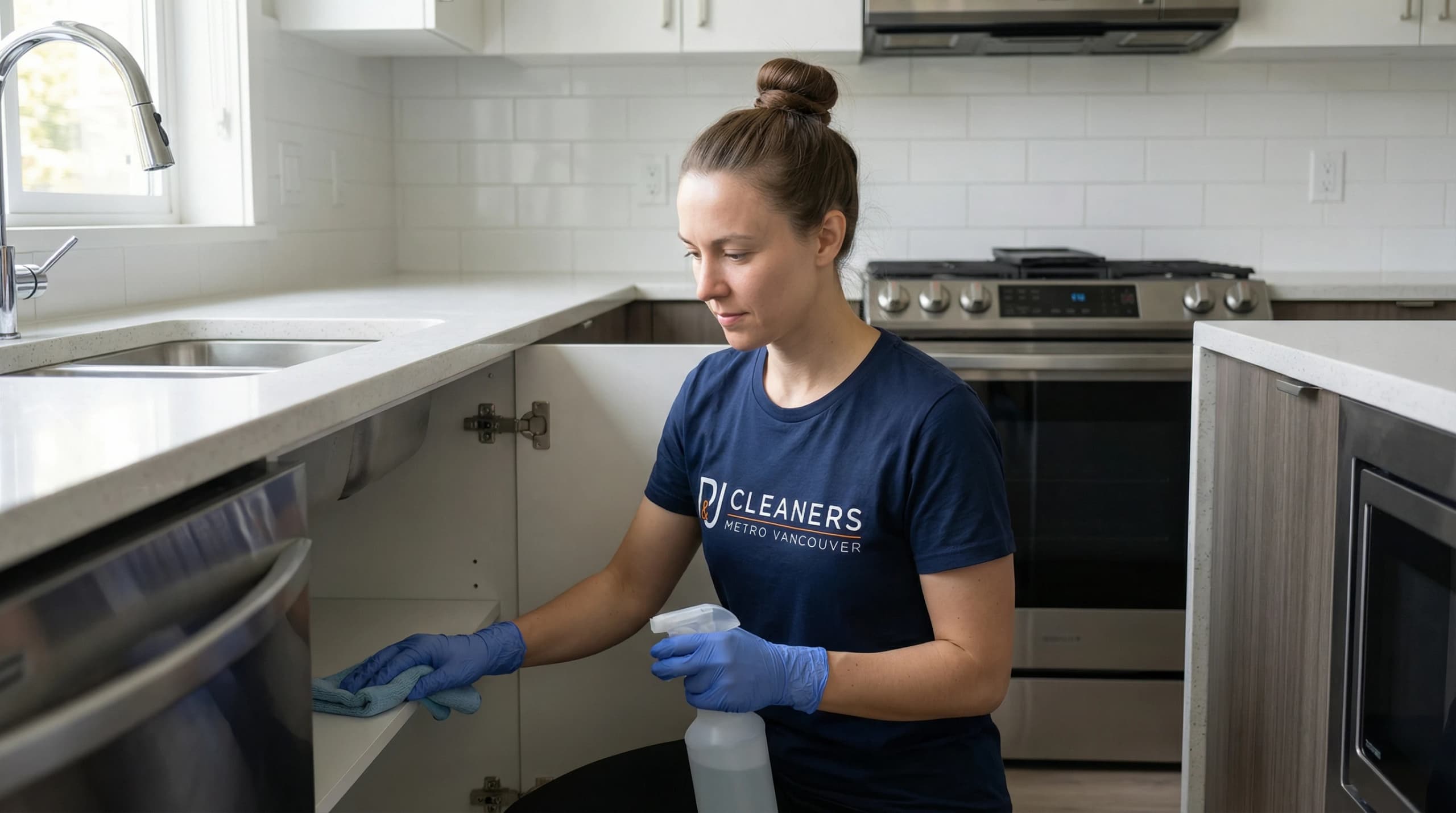
- Clean the washing machine by running an empty cycle on the hottest setting with two cups of white vinegar, followed by a second cycle with half a cup of baking soda. Wipe down the exterior, control panel, and door seal with a disinfectant cleaner. Remove and clean the detergent dispenser drawer by soaking in warm soapy water. The Appliance Standards Awareness Project reports that 60% of front-loading washers develop mould if not properly maintained.
- Clean the dryer by removing and washing the lint trap in warm soapy water with a soft brush to remove fabric softener residue that reduces airflow. Vacuum the lint trap housing and dryer vent using a long flexible brush or vacuum attachment. Check the exterior vent opening and remove any lint buildup or bird nests. The National Fire Protection Association states that failure to clean dryers causes 34% of home dryer fires annually.
- Wipe down laundry room countertops, sinks, and cabinets with an all-purpose cleaner. Clean the floor thoroughly, paying attention to areas behind and beside appliances where lint and dust accumulate. If you have a utility sink, scrub it with a descaling agent to remove mineral deposits and soap scum. Check under the sink for leaks or water damage that needs repair.
- Organize utility areas by wiping down water heater exteriors, furnace surfaces, and electrical panels with a dry cloth. Never spray water or cleaning products on electrical components. Vacuum around HVAC equipment and change air filters if accessible. Clean sump pump areas if present, removing debris from the pit and testing the pump operation. Label circuit breakers and utility shutoffs for easy identification during emergencies.
Quick Win
Schedule a professional dryer vent cleaning service within your first month if the vent run is longer than 8 feet or has multiple bends, as these configurations increase fire risk from lint buildup.
Final Walkthrough and Air Quality Check
Complete a systematic final inspection of every room to ensure nothing was missed and take steps to improve indoor air quality before moving in your furniture and belongings.
- Walk through each room with a checklist and verify that all surfaces have been cleaned according to your standards. Check inside cabinets, closets, and drawers one final time. Test all light switches, outlets, and fixtures to ensure they work properly. The Canada Mortgage and Housing Corporation recommends documenting the condition of your new home with photos before moving in to establish a baseline for future reference.
- Replace HVAC filters with new high-efficiency filters rated MERV 11 or higher to capture dust, pollen, and allergens. Run the heating or cooling system for several hours with windows open to circulate fresh air throughout the home. The Canadian Lung Association states that indoor air can be 2-5 times more polluted than outdoor air, making proper ventilation essential after cleaning.
- Open all windows and doors for at least 2-4 hours to air out cleaning product fumes and improve indoor air quality before moving in. Use fans to promote cross-ventilation and speed up the process. Consider running an air purifier with a HEPA filter in main living areas for the first week to capture any remaining dust particles stirred up during the cleaning process.
- Schedule any necessary repairs or maintenance issues discovered during cleaning before moving in furniture. Contact your landlord or property manager to address problems like leaky faucets, damaged flooring, or malfunctioning appliances. Document everything in writing and take photos to protect your security deposit. Review your move-in inspection report and ensure all agreed-upon repairs are completed before you unpack.
Quick Win
Place a few drops of essential oil like lavender or lemon on cotton balls and tuck them in closets and drawers to keep your freshly cleaned home smelling pleasant while you move in.
Fast Reset
Quick Move-In Cleaning Wins
These fast tasks make an immediate impact on your new home's cleanliness and can be completed in under 30 minutes each.
Services mentioned in this article
Ready for help?
4.9 · 850+ Google reviewsMove Into a Spotless Home
Let P&J Cleaners handle your move-in cleaning so you can focus on settling in. Our team sanitizes every surface, from appliance interiors to baseboards, ensuring your new home is truly clean before you unpack.
778-720-2224Move-In Cleaning Questions
What is the best way to clean before you unpack?
Start with high surfaces and work downward to avoid re-contaminating cleaned areas. Clean the kitchen and bathrooms first since they harbour the most bacteria, then tackle bedrooms and living spaces. Finish with floors throughout the entire home. This systematic approach prevents cross-contamination and ensures you clean each surface only once. Professional cleaners complete an average 1,200 sq ft apartment in 4-6 hours using this method.
How often should you deep clean after moving in?
Deep clean your new home immediately before unpacking, then maintain it with regular cleaning every 1-2 weeks. High-traffic areas like kitchens and bathrooms need weekly attention, while bedrooms and living rooms can go two weeks between deep cleans. According to the ISSA, homes cleaned every 2 weeks have 60% less dust accumulation and better indoor air quality than homes cleaned monthly. Schedule seasonal deep cleans every 3-4 months.
What products work best for move-out cleaning?
All-purpose cleaners with disinfectant properties handle most surfaces, while specialized products tackle specific jobs. Use degreasers for kitchen appliances, bathroom cleaners with mildew inhibitors, and glass cleaners for windows and mirrors. Eco-friendly products from brands like Seventh Generation or Method work effectively without harsh fumes. The CDC recommends EPA-registered disinfectants for high-touch surfaces. Microfibre cloths outperform paper towels and reduce chemical usage by 30%.
Is professional help worth it for move-in cleaning?
Professional move-in cleaning costs $200-$400 for an average apartment but saves 6-8 hours of labour and ensures thorough sanitization. Professionals bring commercial-grade equipment, proper cleaning solutions, and systematic methods that achieve better results than DIY efforts. P&J Cleaners' move-in service includes appliance interiors, cabinet shelves, and baseboards that renters often miss. With a satisfaction guarantee and same-day booking, professional cleaning eliminates stress during an already demanding move.

Meet the Author
Pamela
Co-Founder
Pamela leads residential quality standards at P&J Cleaners, refining safe, detail-driven cleaning systems for Vancouver homes, condos, and move-out projects.
Keep Exploring