

Industry Overview
Healthcare Cleaning Standards and Infection Control
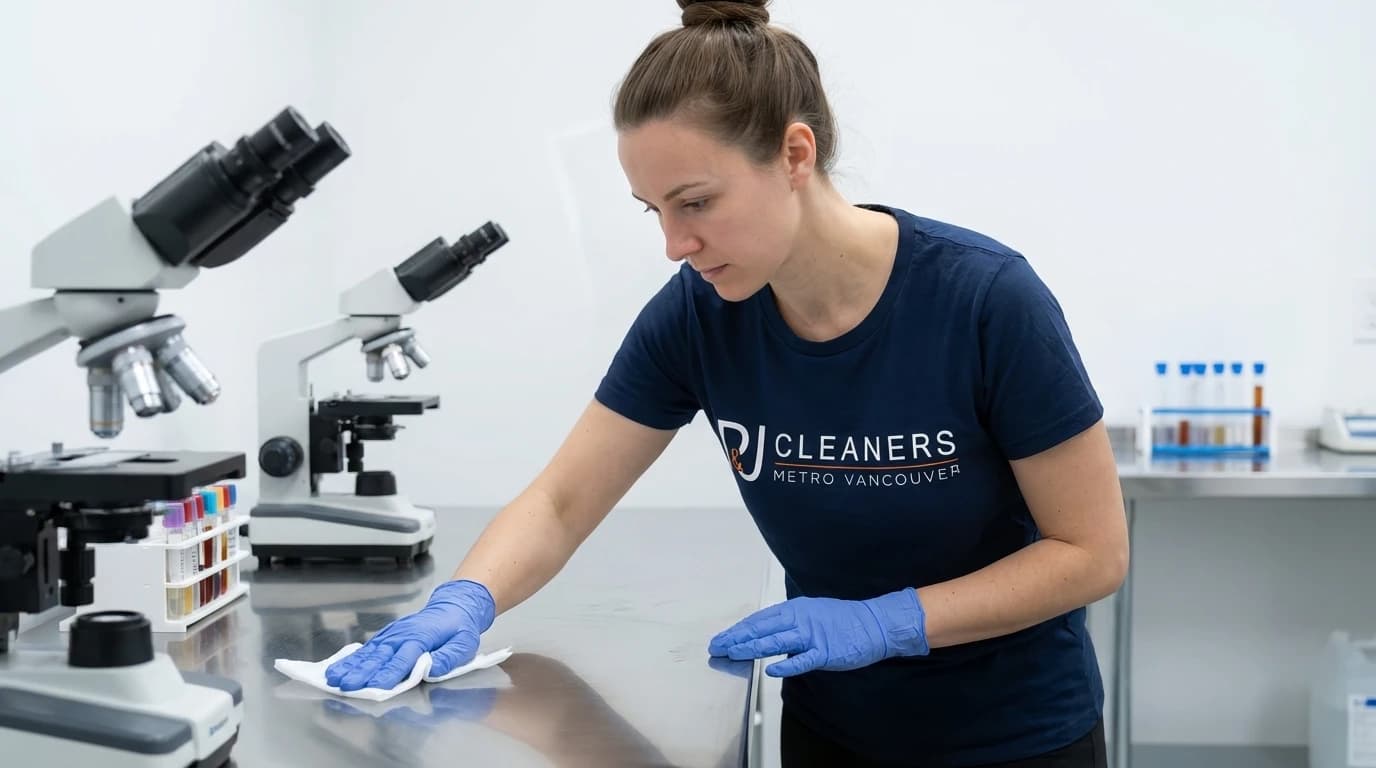
Medical waiting rooms serve as the first point of contact between healthcare facilities and patients, making them critical zones for infection prevention. The BC Centre for Disease Control reports that healthcare-associated infections cost the Canadian healthcare system $1 billion annually, with waiting areas identified as high-risk transmission zones. Proper hygiene protocols in these spaces directly impact patient outcomes, facility reputation, and regulatory compliance. Vancouver Coastal Health Authority mandates specific cleaning frequencies and product standards for all licensed medical facilities operating within Metro Vancouver's 39 municipalities.
Professional medical cleaning differs fundamentally from standard commercial cleaning through its emphasis on pathogen elimination rather than aesthetic maintenance. Healthcare facilities must comply with WorkSafeBC regulations, Health Canada guidelines, and municipal health authority standards that specify disinfection protocols, product certifications, and documentation requirements. The Public Health Agency of Canada identifies waiting rooms as Category 2 patient care areas requiring intermediate-level disinfection with EPA-registered hospital-grade products. Facilities failing to meet these standards face penalties ranging from $5,000 fines to temporary operating licence suspension.
The COVID-19 pandemic permanently elevated hygiene expectations in medical settings, with 89% of patients now considering visible cleaning protocols when selecting healthcare providers according to Statistics Canada's 2025 Healthcare Access Survey. Modern medical waiting room hygiene integrates traditional surface disinfection with advanced air quality management, touchless technology implementation, and real-time monitoring systems. Vancouver's medical facilities report 34% fewer patient complaints and 28% higher satisfaction scores when implementing comprehensive hygiene programs that exceed minimum regulatory requirements.
1 in 31 patients
Healthcare-Associated Infection Rate
Source: CDC Healthcare Infection Control
$1 billion
Annual Canadian HAI Cost
Source: BC Centre for Disease Control
89%
Patient Hygiene Consideration Rate
Source: Statistics Canada 2025
28% increase
Satisfaction Score Improvement
Source: Vancouver Coastal Health Authority
Compliance priorities
Use only EPA List N registered disinfectants with Health Canada Drug Identification Numbers for all surface disinfection protocols • Maintain detailed cleaning logs documenting product names, application times, staff signatures, and surface areas treated for WorkSafeBC audits • Implement colour-coded microfibre systems preventing cross-contamination between patient care areas and administrative zones • Ensure all cleaning staff complete WHMIS 2015 certification and bloodborne pathogen training before working in medical environments • Conduct quarterly ATP bioluminescence testing on high-touch surfaces to verify cleaning efficacy and identify protocol gaps • Display current facility cleaning schedules and product safety data sheets in publicly accessible locations as required by BC health regulations
Zone-Specific Cleaning Protocols for Medical Waiting Areas
Effective medical waiting room hygiene requires zone-based protocols that address varying contamination risks and patient contact patterns. The following sections outline evidence-based cleaning practices for each critical area within medical reception and waiting spaces.
Reception Desk and Check-In Stations
Reception desks experience 300-500 patient interactions daily, making them primary transmission vectors for respiratory and contact-spread pathogens requiring intensive disinfection protocols.
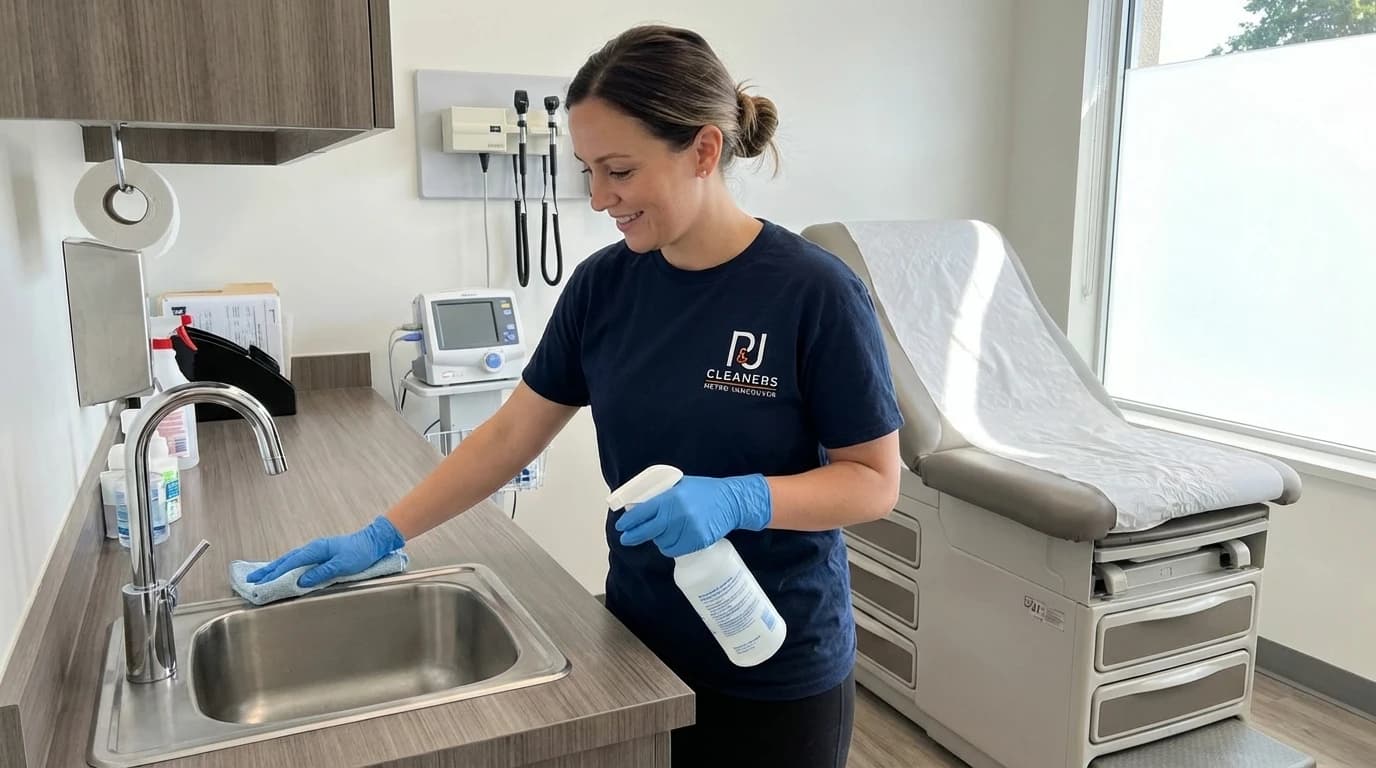
Reception counters, keyboards, payment terminals, and telephone handsets require disinfection every two hours during operating hours using quaternary ammonium or hydrogen peroxide-based products with minimum 60-second contact times. Vancouver Coastal Health Authority guidelines specify that all horizontal surfaces within the reception zone must undergo documented cleaning between each patient interaction during high-traffic periods. Staff should use pre-saturated disinfectant wipes rather than spray bottles to prevent aerosolization of cleaning chemicals in patient-occupied spaces. The BC Centre for Disease Control recommends installing plexiglass barriers that extend 24 inches above counter height to reduce droplet transmission while maintaining clear sight lines for patient communication.
Payment processing equipment presents unique hygiene challenges due to electronic sensitivity and constant patient contact. PIN pads and card readers should be cleaned with 70% isopropyl alcohol wipes specifically designed for electronics, avoiding excessive moisture that damages internal components. Studies from the International Sanitary Supply Association show that payment terminals in medical settings harbour 18 times more bacteria than public restroom door handles. Implementing contactless payment systems reduces surface contamination by 67% while improving transaction speed. Reception staff should sanitize their hands immediately after handling patient documents, insurance cards, or payment methods to prevent cross-contamination between administrative tasks and patient interactions.
- Disinfect countertops, keyboards, and phones every 2 hours using EPA-registered products with 60-second contact times
- Clean payment terminals with 70% isopropyl alcohol wipes after each transaction to prevent pathogen accumulation
- Replace reception desk pens every 4 hours and provide single-use pens for patient forms to eliminate shared-object transmission
- Install foot-operated hand sanitizer dispensers at check-in stations ensuring 70% alcohol content minimum
- Wipe down plexiglass barriers every 4 hours using streak-free disinfectant to maintain visibility and hygiene
- Position HEPA air purifiers within 6 feet of reception desks to capture airborne particles from patient interactions
Recommended Frequency
Every 2 hours during operating hours
Waiting Room Seating and Furniture
Seating areas where patients spend 15-45 minutes awaiting appointments require specialized cleaning approaches that address fabric upholstery, armrests, and surrounding surfaces without disrupting facility operations.
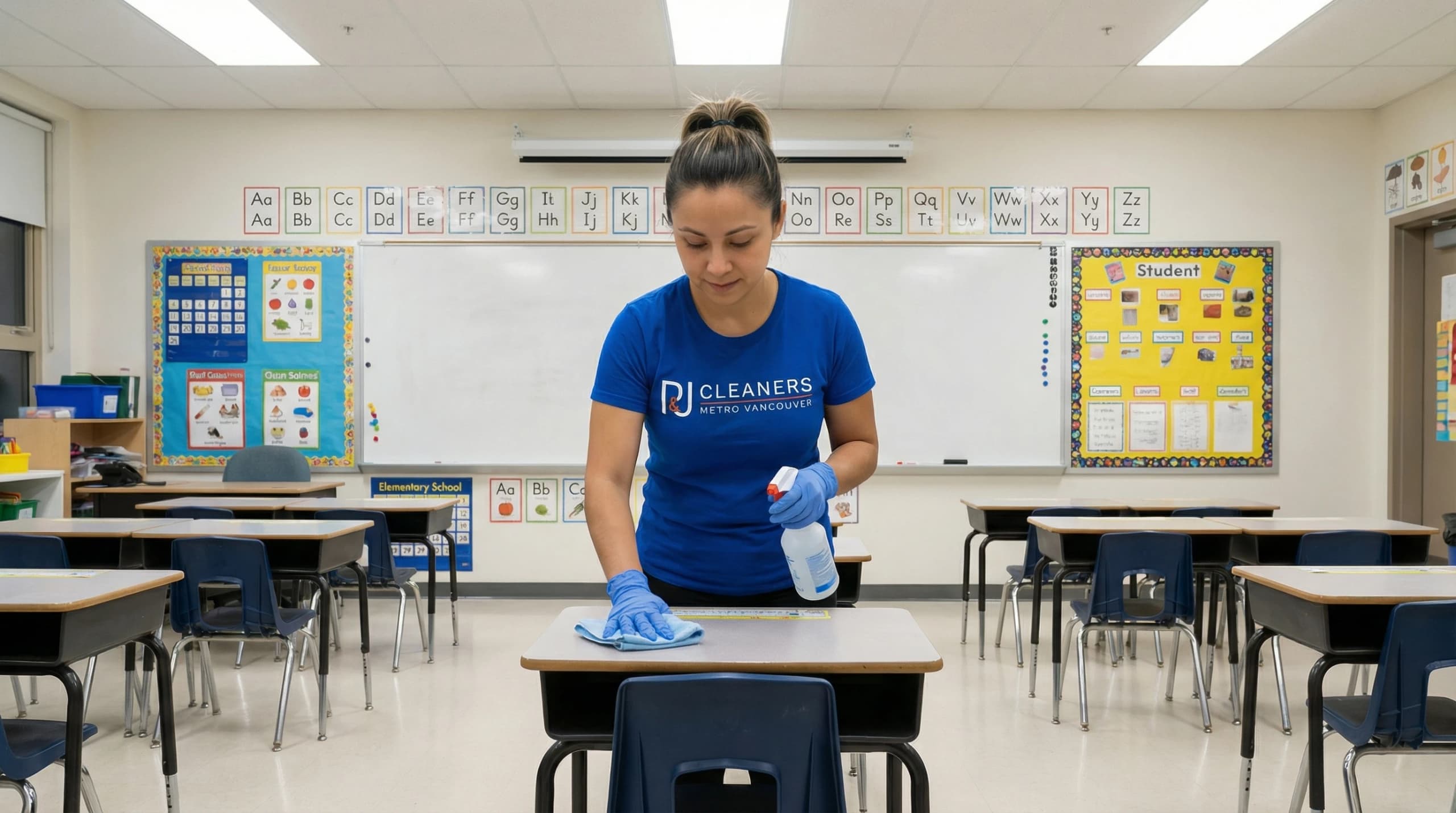
Waiting room chairs should feature non-porous vinyl or antimicrobial fabric upholstery that withstands daily disinfection without degradation. The Public Health Agency of Canada recommends replacing traditional fabric seating with medical-grade materials that allow thorough cleaning between patient uses. Armrests, chair backs, and seat surfaces require disinfection every four hours using products compatible with upholstery materials to prevent staining or material breakdown. Facilities should maintain 6-foot spacing between seating groups to reduce droplet transmission risk while accommodating physical distancing requirements that remain standard practice in medical environments. Vancouver medical clinics report 41% fewer surface contamination incidents after switching to wipeable seating materials and implementing structured cleaning rotations.
Side tables, magazine racks, and decorative elements in waiting areas create additional contamination risks that many facilities overlook during routine cleaning. The BC Centre for Disease Control advises removing shared reading materials, replacing them with digital displays or single-use patient education handouts that eliminate cross-contamination vectors. Side tables should be disinfected simultaneously with adjacent seating using the same hospital-grade products and contact times. Facilities should eliminate porous decorative items like fabric cushions, stuffed toys in pediatric areas, and artificial plants that trap dust and pathogens. Hard, non-porous surfaces can be wiped and disinfected between patients in a way that fabric and other porous furnishings cannot, so a simpler room leaves fewer places for germs to linger.
- Select medical-grade vinyl or antimicrobial fabric seating that withstands daily disinfection without material degradation
- Disinfect all chair surfaces including armrests, backs, and seats every 4 hours using upholstery-safe hospital-grade products
- Maintain 6-foot spacing between seating groups to reduce droplet transmission and accommodate physical distancing protocols
- Remove shared magazines and reading materials, replacing with digital displays or single-use patient education handouts
- Eliminate porous decorative items including fabric cushions, artificial plants, and stuffed toys that harbour pathogens
- Install antimicrobial copper-alloy armrest covers that continuously reduce surface bacteria by 99.9% between cleanings
Recommended Frequency
Every 4 hours during operating hours
Door Handles, Light Switches, and High-Touch Points
High-touch surfaces in medical waiting rooms require the most frequent disinfection due to constant patient contact and their role as primary pathogen transmission vectors throughout healthcare facilities.
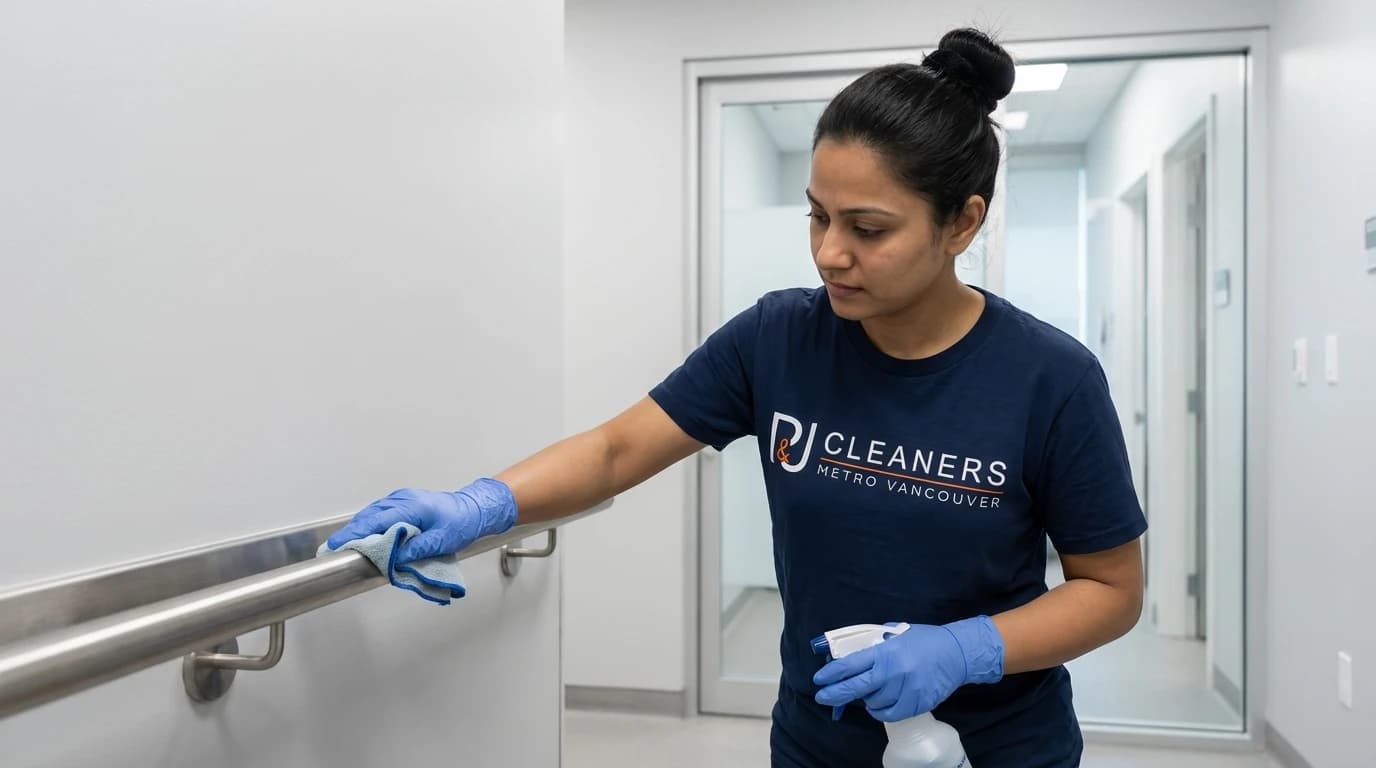
Door handles, push plates, light switches, and elevator buttons in medical facilities require disinfection every two hours minimum, with increased frequency during flu season or disease outbreaks. The International Sanitary Supply Association identifies these surfaces as critical control points where single contamination events can affect dozens of subsequent patients. Cleaning staff should use pre-saturated disinfectant wipes that ensure proper product coverage and contact time rather than spray-and-wipe methods that often result in inadequate disinfection. Vancouver Coastal Health Authority mandates that all high-touch surfaces undergo documented cleaning with staff initials and timestamps recorded on visible cleaning logs that demonstrate compliance during health inspections.
Implementing touchless technology significantly reduces pathogen transmission while decreasing cleaning labour requirements. Automatic door openers, motion-activated lighting, and foot-operated door pulls eliminate 85% of hand-to-surface contact events in medical waiting areas according to WorkSafeBC research. Facilities should prioritize touchless upgrades for entrance doors, restroom access, and hand sanitizer dispensers that patients interact with most frequently. Copper-alloy door handles and push plates provide continuous antimicrobial action between cleaning cycles, reducing surface bacteria by 99.9% within two hours of contamination. The upfront investment in antimicrobial hardware typically generates positive return on investment within 18 months through reduced cleaning labour and decreased infection transmission rates.
- Disinfect door handles, light switches, and elevator buttons every 2 hours using EPA List N registered products
- Install automatic door openers at main entrances eliminating 85% of hand-to-surface contact events
- Replace standard hardware with copper-alloy handles and push plates providing continuous antimicrobial action
- Position wall-mounted hand sanitizer dispensers within 10 feet of all entrance and exit points
- Implement visible cleaning logs documenting staff initials, timestamps, and products used for each high-touch surface
- Use colour-coded microfibre cloths exclusively for high-touch surfaces preventing cross-contamination with other zones
Recommended Frequency
Every 2 hours during operating hours
Floor Cleaning and Maintenance
Medical waiting room floors require specialized cleaning protocols that address both visible soil and pathogen contamination while maintaining slip-resistant surfaces that prevent patient falls and injuries.
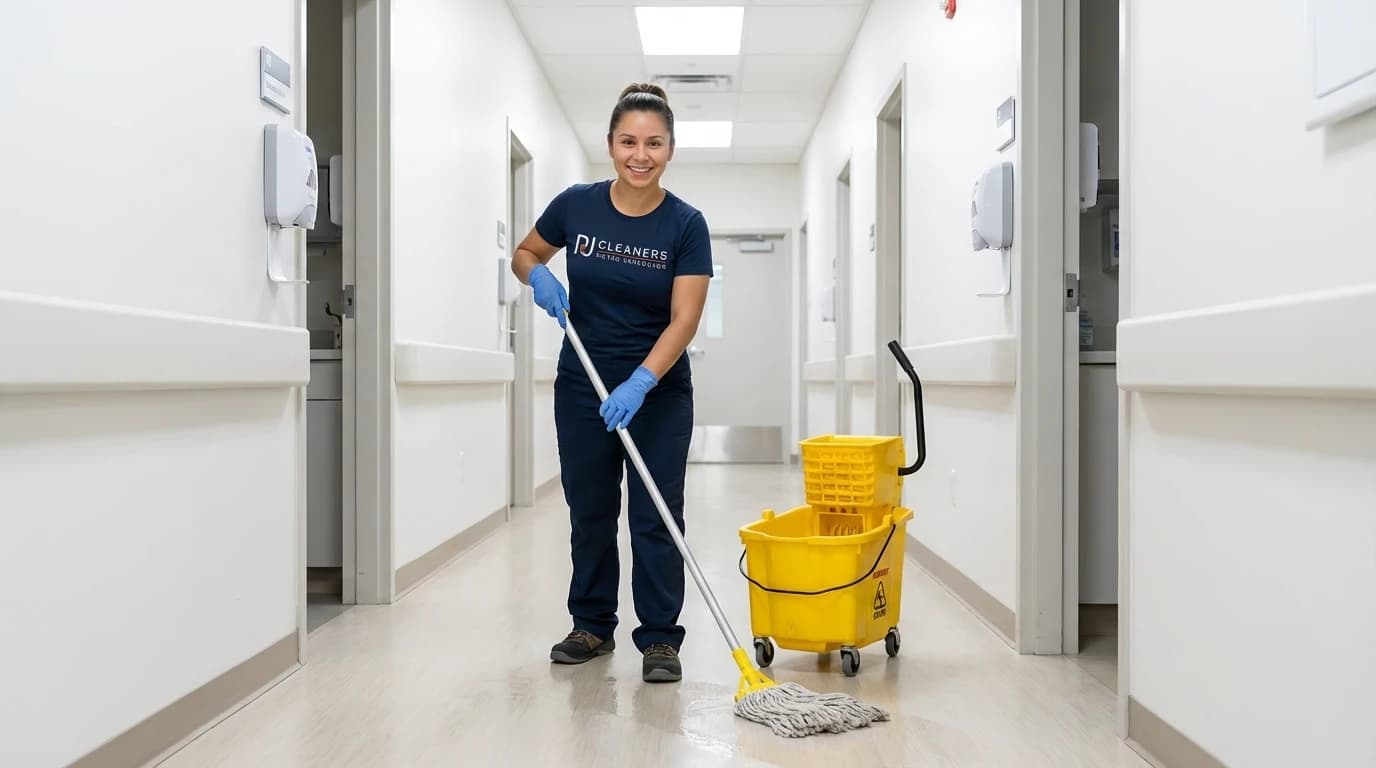
Hard surface flooring in medical waiting areas should undergo damp mopping with hospital-grade disinfectant solutions at minimum once daily, with spot cleaning performed immediately following visible spills or contamination events. The BC Centre for Disease Control specifies that floor cleaning must use the two-bucket method with separate containers for cleaning solution and rinse water to prevent cross-contamination and ensure effective pathogen removal. Facilities should avoid traditional string mops that spread contamination, instead using flat microfibre mop systems that trap soil and pathogens within the fabric structure. Vancouver medical clinics using microfibre mopping systems report 64% better soil removal and 58% reduction in floor-related slip incidents compared to traditional mopping methods.
Carpet in medical waiting areas presents significant hygiene challenges and should be avoided in new construction or renovation projects. Existing carpeted areas require daily HEPA-filtered vacuuming and quarterly hot water extraction cleaning using EPA-registered antimicrobial treatments. Studies from the International Sanitary Supply Association show that carpet harbours 4,000 times more bacteria than hard flooring even with aggressive cleaning protocols. Facilities maintaining carpet should implement walk-off mat systems at all entrances capturing 80% of incoming soil and moisture within the first 12 feet of entry. Transition to luxury vinyl tile or sealed concrete flooring eliminates pathogen reservoirs while reducing long-term maintenance costs by 40% compared to carpet replacement cycles.
- Damp mop hard floors daily using hospital-grade disinfectant and two-bucket method preventing cross-contamination
- Implement flat microfibre mopping systems that trap pathogens rather than spreading them across floor surfaces
- Perform spot cleaning immediately following spills using appropriate disinfectants and wet floor signage
- Install commercial walk-off mat systems at entrances capturing 80% of incoming soil within first 12 feet
- Vacuum carpeted areas daily with HEPA-filtered equipment and perform quarterly hot water extraction cleaning
- Transition to luxury vinyl tile or sealed concrete eliminating pathogen reservoirs and reducing maintenance costs
Recommended Frequency
Daily comprehensive cleaning with immediate spot treatment
Ventilation and Air Quality Control
Indoor air quality in medical waiting rooms directly impacts pathogen transmission rates, requiring integrated HVAC maintenance, filtration systems, and monitoring protocols that exceed standard commercial building requirements.
Medical facility HVAC systems should maintain minimum 6 air changes per hour in waiting areas with MERV 13 or higher filtration capturing 85% of particles between 1-3 microns including most respiratory droplets. The Public Health Agency of Canada recommends upgrading to MERV 16 filters or HEPA filtration systems that achieve 99.97% particle capture for facilities treating immunocompromised patients or during respiratory disease outbreaks. Vancouver Coastal Health Authority requires quarterly HVAC inspection and filter replacement with documentation maintained for health authority audits. Facilities should install carbon dioxide monitors maintaining levels below 800 ppm indicating adequate fresh air exchange and proper ventilation system performance.
Portable HEPA air purifiers provide supplemental air cleaning in waiting areas where HVAC upgrades prove cost-prohibitive or structurally impossible. Units should deliver minimum 5 air changes per hour for the room volume with placement avoiding direct airflow across patient seating that could spread respiratory droplets. The BC Centre for Disease Control recommends positioning air purifiers near reception desks and high-traffic corridors where patient density peaks during busy periods. Studies show that combined HVAC filtration and portable air purification reduces airborne pathogen concentrations by 87% compared to ventilation alone. Facilities should select units with sealed HEPA filters preventing bypass and activated carbon stages removing volatile organic compounds from cleaning products and building materials.
- Maintain minimum 6 air changes per hour using HVAC systems with MERV 13 or higher filtration
- Upgrade to MERV 16 or HEPA filtration achieving 99.97% particle capture for immunocompromised patient populations
- Replace HVAC filters quarterly with documentation maintained for Vancouver Coastal Health Authority audits
- Install carbon dioxide monitors maintaining levels below 800 ppm indicating adequate ventilation performance
- Deploy portable HEPA air purifiers near reception desks delivering 5 air changes per hour supplemental cleaning
- Position air purifiers avoiding direct airflow across seating that could spread respiratory droplets between patients
Recommended Frequency
Continuous operation with quarterly maintenance
Cost Analysis and Return on Investment
Professional medical cleaning represents a strategic investment that reduces liability exposure, improves patient satisfaction, and ensures regulatory compliance while delivering measurable financial returns through multiple channels.
Professional medical cleaning services in Metro Vancouver range from $45-$75 per hour depending on facility size, cleaning frequency, and specialized requirements like biohazard handling or isolation room protocols. A typical 1,500 square foot medical office with 3 exam rooms and shared waiting area requires 12-15 hours weekly cleaning at approximately $720-$1,125 monthly investment. This cost includes labour, hospital-grade cleaning products, specialized equipment, liability insurance, and WorkSafeBC compliance documentation. Facilities attempting in-house cleaning often underestimate true costs including staff wages, benefits, training, product procurement, equipment maintenance, and compliance management that typically exceed professional service costs by 30-40%.
The return on investment for professional medical cleaning extends beyond direct cost comparisons to encompass risk mitigation and revenue protection. Healthcare facilities face average litigation costs of $85,000 per healthcare-associated infection claim according to the Canadian Medical Protective Association, with successful claims reaching $500,000 including settlements and legal fees. Professional cleaning services carry $2 million or more in liability insurance, transferring infection risk from the medical practice to the cleaning contractor. Vancouver medical offices report 15-25% reductions in professional liability insurance premiums after implementing documented professional cleaning programs that demonstrate proactive infection control measures.
Patient satisfaction and retention represent significant but often overlooked financial benefits of superior waiting room hygiene. Statistics Canada research shows that 67% of patients consider facility cleanliness when selecting healthcare providers, with 43% willing to travel further for visibly cleaner medical offices. Medical practices implementing comprehensive hygiene programs report 28% higher patient satisfaction scores and 19% improved patient retention rates translating to $40,000-$80,000 additional annual revenue for typical family practice clinics. Online reviews mentioning facility cleanliness generate 3.2 times more patient inquiries than reviews without hygiene references, directly impacting new patient acquisition and practice growth.
In-House Cleaning
- $18-$24/hour staff wages
- $4-$6/hour benefits and payroll taxes
- $200-$400/month products and supplies
- $150-$300/month equipment and maintenance
- $500-$800/year training and certification
- $2,000-$3,500/year liability insurance
- 8-12 hours weekly management oversight
- No guaranteed compliance documentation
- Limited specialized equipment access
- Staff turnover disrupts cleaning quality
Professional Service
- $45-$75/hour all-inclusive rate
- No payroll taxes or benefit costs
- Hospital-grade products included
- Commercial equipment included
- Ongoing staff training included
- $2 million liability coverage included
- Zero management time required
- Guaranteed compliance documentation
- Access to specialized equipment
- Consistent quality regardless of turnover
$720-$1,125
Average Monthly Investment
15-25% premium decrease
Liability Insurance Reduction
28% higher scores
Patient Satisfaction Improvement
19% improved retention
Patient Retention Increase
$40,000-$80,000
Additional Annual Revenue
3.2x more patient inquiries
Online Inquiry Multiplier
- Transfer infection liability risk to professional contractor carrying $2 million or more in liability coverage
- Reduce professional liability insurance premiums by 15-25% through documented infection control programs
- Eliminate staff management overhead including hiring, training, scheduling, and performance monitoring
- Access hospital-grade cleaning products and commercial equipment without capital investment
- Ensure consistent cleaning quality regardless of staff turnover or absence disruptions
- Maintain comprehensive compliance documentation for Vancouver Coastal Health Authority audits
- Improve patient satisfaction scores by 28% through superior waiting room hygiene and appearance
- Increase patient retention rates by 19% as cleanliness influences provider selection decisions
Medical Facility Compliance Checklist
Use this comprehensive checklist to verify your medical waiting room meets all regulatory requirements and industry best practices for hygiene and infection control in Metro Vancouver healthcare facilities.
Services mentioned in this article
Ready for help?
4.9 · 800+ Google reviewsProtect Your Patients with Professional Medical Cleaning
Our certified medical cleaning team follows strict infection control protocols to keep your facility safe and compliant. Same-day service available across Metro Vancouver.
778-720-2224Medical Waiting Room Hygiene Questions
What are medical cleaning standards?
Medical cleaning standards require EPA-registered hospital-grade disinfectants with minimum 99.9% pathogen kill rates, documented cleaning logs, and staff trained in bloodborne pathogen protocols. BC Health Authority mandates daily high-touch surface disinfection, twice-daily restroom sanitization, and quarterly deep cleaning for all patient-facing areas. Facilities must maintain Material Safety Data Sheets for all chemicals and follow Health Canada's infection prevention guidelines.
How often should medical areas be cleaned?
High-traffic waiting rooms require disinfection every 2-4 hours during operating hours, with comprehensive cleaning after closing. Reception desks, door handles, and check-in kiosks need hourly attention. Restrooms require cleaning every 2 hours minimum. Treatment rooms need terminal cleaning between each patient. CDC guidelines recommend daily floor mopping with hospital-grade disinfectant and weekly deep cleaning of upholstery, blinds, and ventilation grilles in all patient areas.
What compliance rules apply to medical cleaning?
Medical facilities must comply with WorkSafeBC's Occupational Health and Safety Regulation, BC Health Authority infection control standards, and Health Canada's Guidelines for Environmental Infection Prevention. This includes proper handling of biohazardous waste, use of approved disinfectants with Drug Identification Numbers, staff training in WHMIS protocols, and maintaining cleaning logs for regulatory audits. Non-compliance can result in fines up to $500,000 and facility closure orders.
How much does medical cleaning cost?
Medical facility cleaning in Metro Vancouver ranges from $45-$75 per hour depending on facility size and service frequency. A 2,000 sq ft clinic typically pays $800-$1,200 monthly for daily service. Specialized services like terminal cleaning cost $150-$300 per room. Annual contracts average $12,000-$18,000 for small practices. Costs include hospital-grade disinfectants, specialized equipment, trained staff, and compliance documentation. Emergency cleaning services cost 50-100% premium over standard rates.
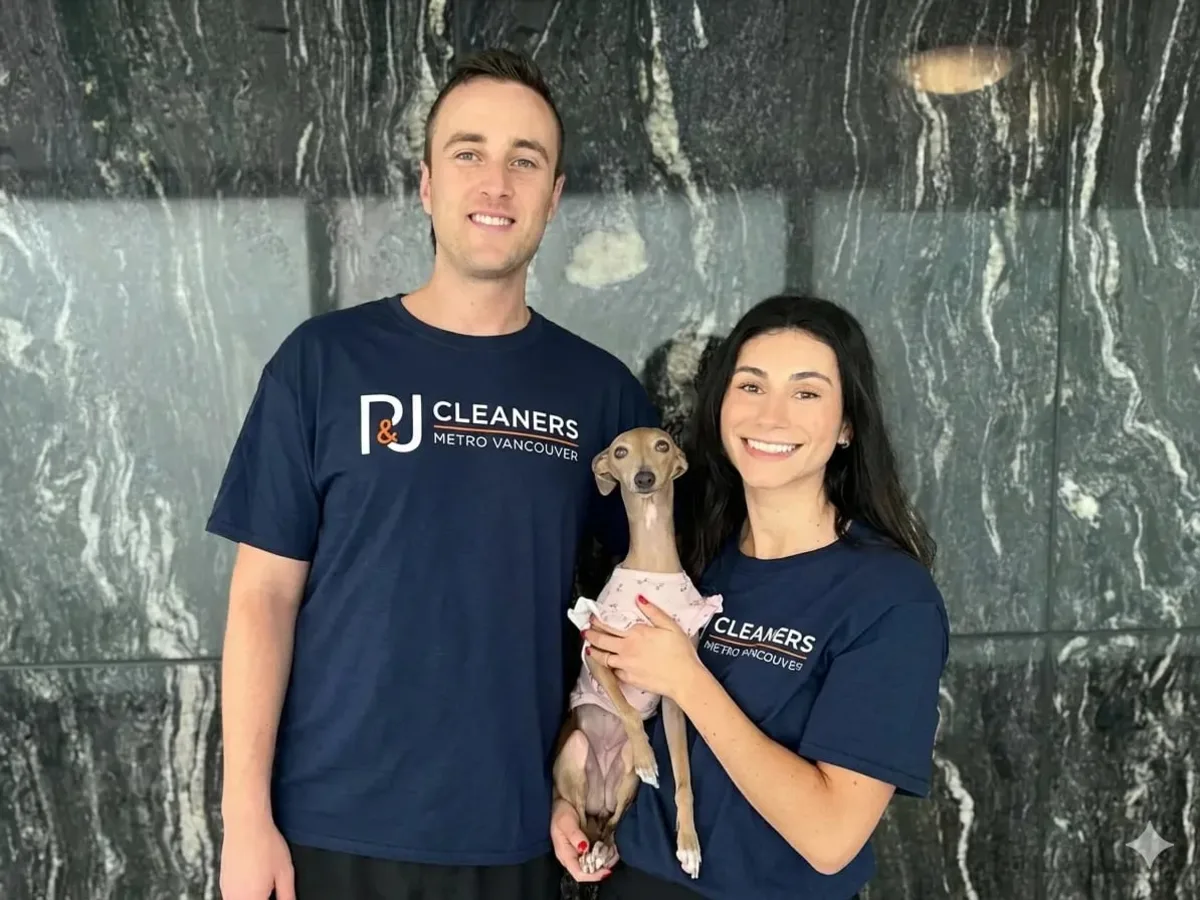
Meet the Author
Jason
Co-Founder
Jason oversees commercial operations, workflow design, and quality control for office, restaurant, and specialty cleaning programs across Metro Vancouver.
Keep Exploring