

Quick answer
A living room cleaning checklist includes dusting all surfaces, vacuuming upholstery and floors, wiping electronics, cleaning windows, organizing clutter, sanitizing high-touch areas, spot-cleaning carpets, polishing furniture, and refreshing textiles to maintain a dust-free, polished space.

Key Takeaways
- 1Complete living room cleaning takes 35-45 minutes using a systematic top-to-bottom approach that prevents re-contamination of cleaned surfaces.
- 2Dusting removes up to 40 pounds of dust annually from an average living room, reducing allergens and improving indoor air quality significantly.
- 3Vacuuming upholstery and carpets weekly removes 85% of dirt and debris before it embeds into fibres, extending furniture lifespan by years.
- 4Professional-grade microfibre cloths capture 99% of dust particles compared to 30% with traditional cotton rags, making cleaning more efficient.
- 5High-touch surfaces like remote controls and light switches harbour 400 times more bacteria than toilet seats and require weekly sanitizing.
- 6Rotating cushions and decluttering before cleaning reduces total cleaning time by 20-30% while improving overall room appearance and functionality.
Start with Ceiling-to-Floor Dusting
Begin at the highest points and work downward to avoid re-cleaning lower surfaces. This systematic approach ensures dust falls onto areas you haven't cleaned yet.
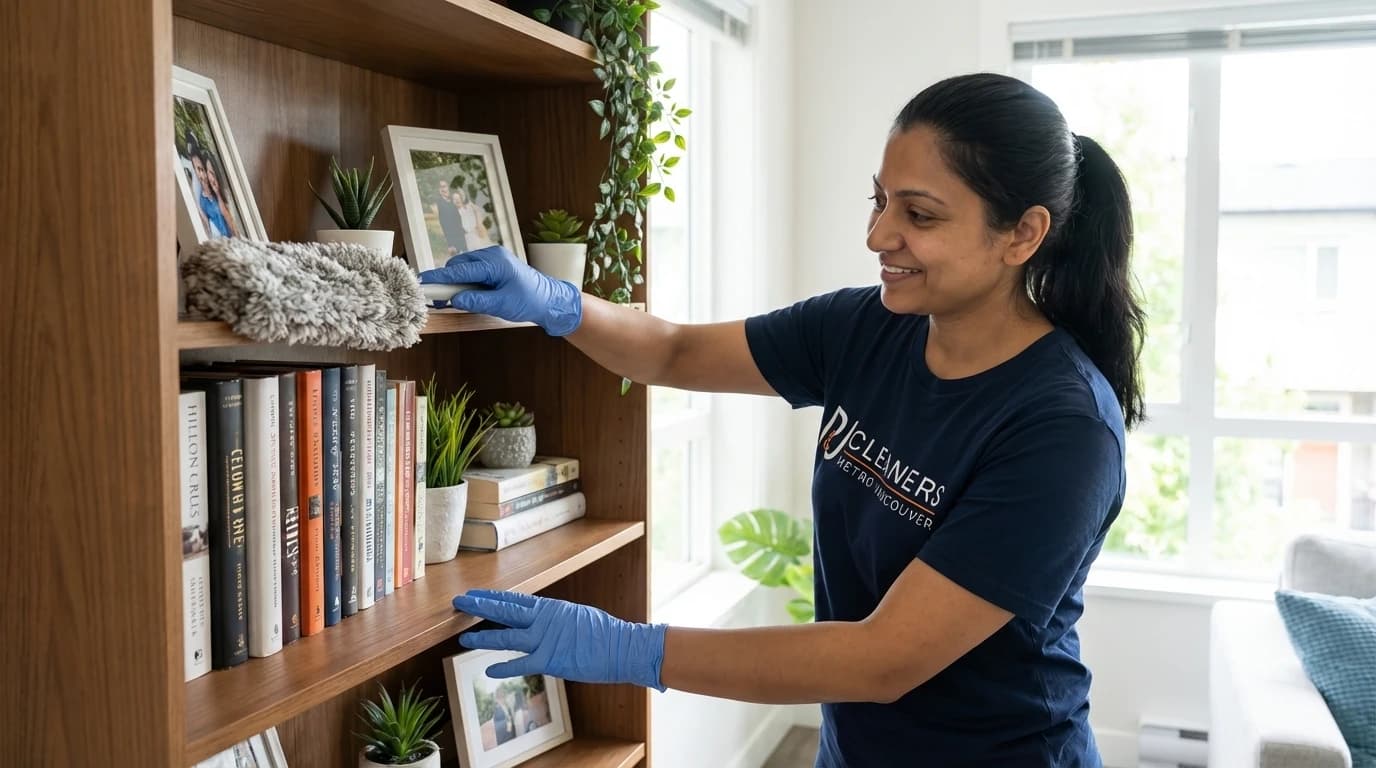
- Dust ceiling fans, light fixtures, crown moulding, and air vents first using an extendable microfibre duster. According to the Canadian Lung Association, ceiling fans accumulate up to two pounds of dust annually and circulate allergens throughout your living space when operating. Remove fan blades if heavily soiled and wipe with damp microfibre cloths. Clean light fixtures with appropriate cleaners for glass or metal finishes. Vacuum air vents using your vacuum's brush attachment to prevent dust recirculation through your HVAC system.
- Move to wall-mounted décor, picture frames, and shelving units next. Microfibre cloths trap particles electrostatically rather than spreading them around like feather dusters do. Pay special attention to the tops of frames and shelves where dust accumulates invisibly. For delicate items or electronics, use a soft-bristle brush first to loosen debris before wiping. The Asthma Society of Canada reports that regular dusting reduces airborne particulates by up to sixty-five percent in residential spaces.
- Finish this step by dusting window sills, baseboards, and door frames. These horizontal surfaces collect significant dust but are often overlooked during quick cleanings. Use a slightly damp cloth on baseboards to capture rather than disperse particles. Check corners and edges where dust bunnies form from air circulation patterns. This thorough top-to-bottom sequence prevents the frustration of seeing dust resettle on freshly cleaned coffee tables or entertainment centres.
Quick Win
Spray your microfibre duster lightly with water before use to increase dust-trapping efficiency by up to forty percent without leaving surfaces damp.
Deep Clean Upholstery and Cushions
Vacuum all fabric surfaces thoroughly and address stains immediately. Upholstery traps dust mites, pet dander, and allergens that regular surface cleaning misses.

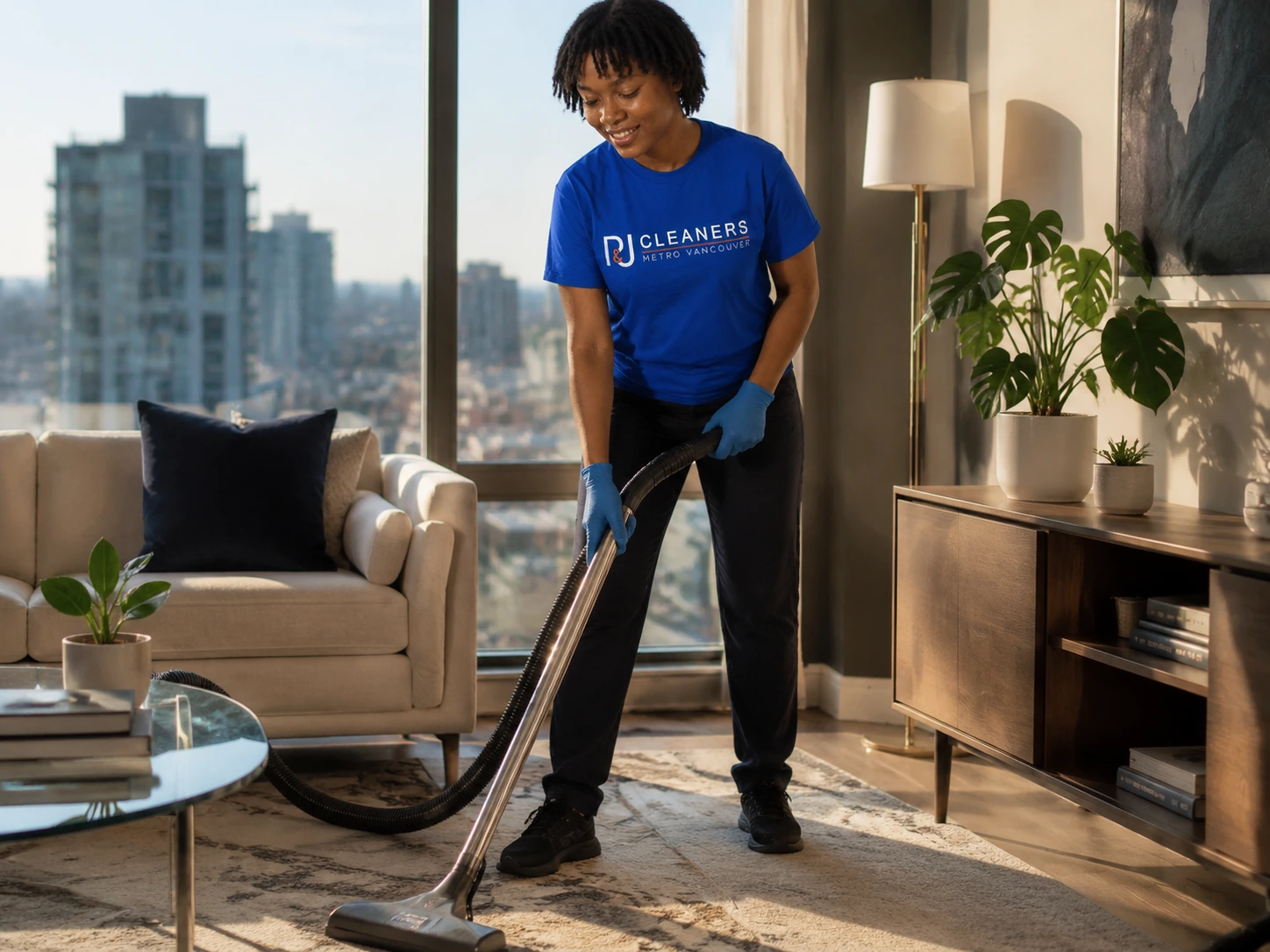
- Remove all cushions and pillows from sofas and chairs before vacuuming. Use your vacuum's upholstery attachment with the appropriate setting for fabric type. Vacuum the main seating surfaces in overlapping strokes, then flip cushions to clean undersides. The Carpet and Rug Institute notes that upholstered furniture can harbour up to ten times more dust per square foot than hard flooring. Pay extra attention to crevices where crumbs and debris accumulate between and under cushions.
- Rotate and fluff cushions after vacuuming to redistribute filling and maintain shape. Check care labels before spot-cleaning any stains with appropriate upholstery cleaner. Test cleaners on hidden areas first to prevent discolouration or fabric damage. For leather furniture, use pH-balanced leather cleaner and conditioner to prevent cracking and maintain suppleness. Vacuum leather surfaces gently to remove surface dust before applying any products. Professional cleaning every twelve to eighteen months extends upholstery life significantly.
- Don't forget throw pillows, blankets, and other textiles. Vacuum decorative pillows or wash removable covers according to care instructions. Shake out throws and blankets outdoors if possible to remove loose debris before washing or spot-cleaning. According to WorkSafeBC guidelines, proper textile maintenance reduces indoor allergen levels and improves air quality for occupants with respiratory sensitivities. Replace or professionally clean heavily soiled items that home methods cannot adequately address.
Quick Win
Sprinkle baking soda on upholstery, let sit fifteen minutes, then vacuum to neutralize odours naturally without harsh chemicals or artificial fragrances.
Sanitize High-Touch Surfaces Thoroughly
Disinfect remote controls, light switches, door handles, and other frequently touched items. These surfaces harbour significantly more bacteria than commonly assumed.
- Remote controls are among the germiest items in your home, with studies showing they contain up to four hundred times more bacteria than toilet seats. Remove batteries and wipe all surfaces with disinfecting wipes or spray cleaner on a microfibre cloth. Clean between buttons using cotton swabs dipped in rubbing alcohol. Allow remotes to air dry completely before reinserting batteries. The BC Centre for Disease Control recommends weekly disinfection of shared electronics to prevent illness transmission within households.
- Light switches, door handles, and cabinet pulls require similar attention. These high-touch points transfer germs between family members and guests throughout the day. Use EPA-registered disinfectants or a solution of one part bleach to ten parts water for effective sanitization. Spray cleaner onto your cloth rather than directly on surfaces to prevent liquid damage to electrical components or wood finishes. Wipe in circular motions and allow proper contact time as specified on your disinfectant's label.
- Don't overlook thermostats, window cranks, and decorative hardware. These items are touched regularly but rarely cleaned systematically. For metal fixtures, use appropriate cleaners that won't damage finishes or cause tarnishing. Stainless steel requires specific products to prevent streaking and maintain shine. According to Statistics Canada health surveys, households that sanitize high-touch surfaces weekly report thirty percent fewer cold and flu transmissions during peak illness seasons compared to those cleaning monthly.
Quick Win
Keep disinfecting wipes in your living room for quick daily touch-ups of remotes and switches between thorough weekly cleanings to maintain lower bacterial counts.
Clean Windows and Glass Surfaces
Streak-free windows and mirrors brighten your space and improve natural light penetration. Proper technique and tools make this task faster and more effective.
- Start by dusting window frames, sills, and tracks before cleaning glass. Vacuum tracks using a crevice attachment to remove accumulated dirt and debris. Wipe frames with all-purpose cleaner to remove fingerprints and grime. For exterior windows, hose down or wipe away loose dirt before applying glass cleaner to prevent scratching. The City of Vancouver recommends cleaning windows quarterly at minimum, with high-traffic areas requiring monthly attention for optimal clarity and light transmission.
- Use a quality glass cleaner or make your own with equal parts white vinegar and water in a spray bottle. Spray glass liberally and wipe with a microfibre cloth in overlapping horizontal strokes, then vertical strokes to eliminate streaks. For large windows, a squeegee provides professional results faster than cloths alone. Work from top to bottom and wipe the squeegee blade after each pass. Newspaper can also buff glass to a streak-free shine without leaving lint behind.
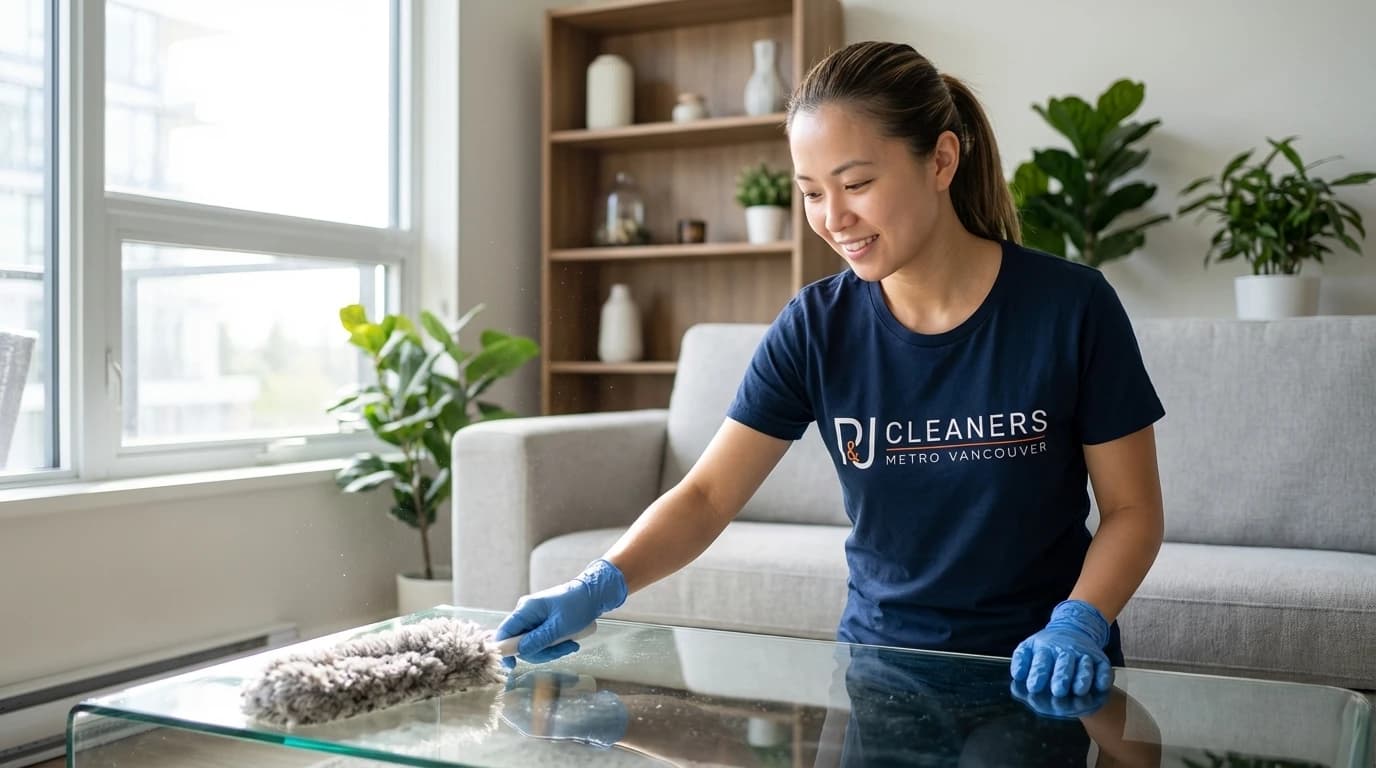
- Clean mirrors, glass coffee tables, and display cabinet doors using the same technique. Remove items from glass shelving before cleaning to access all surfaces thoroughly. For stubborn spots or hard water stains, apply undiluted white vinegar and let sit for five minutes before wiping. According to the Canadian Home Builders' Association, clean windows can increase natural light penetration by up to thirty percent, reducing daytime lighting costs and improving mood through increased sunlight exposure.
Quick Win
Clean windows on overcast days or when glass is in shade to prevent cleaner from drying too quickly and leaving streaks on sun-warmed surfaces.
Vacuum Carpets and Area Rugs Properly
Thorough vacuuming removes embedded dirt that dulls carpet appearance and accelerates wear. Proper technique extends carpet life and improves indoor air quality.
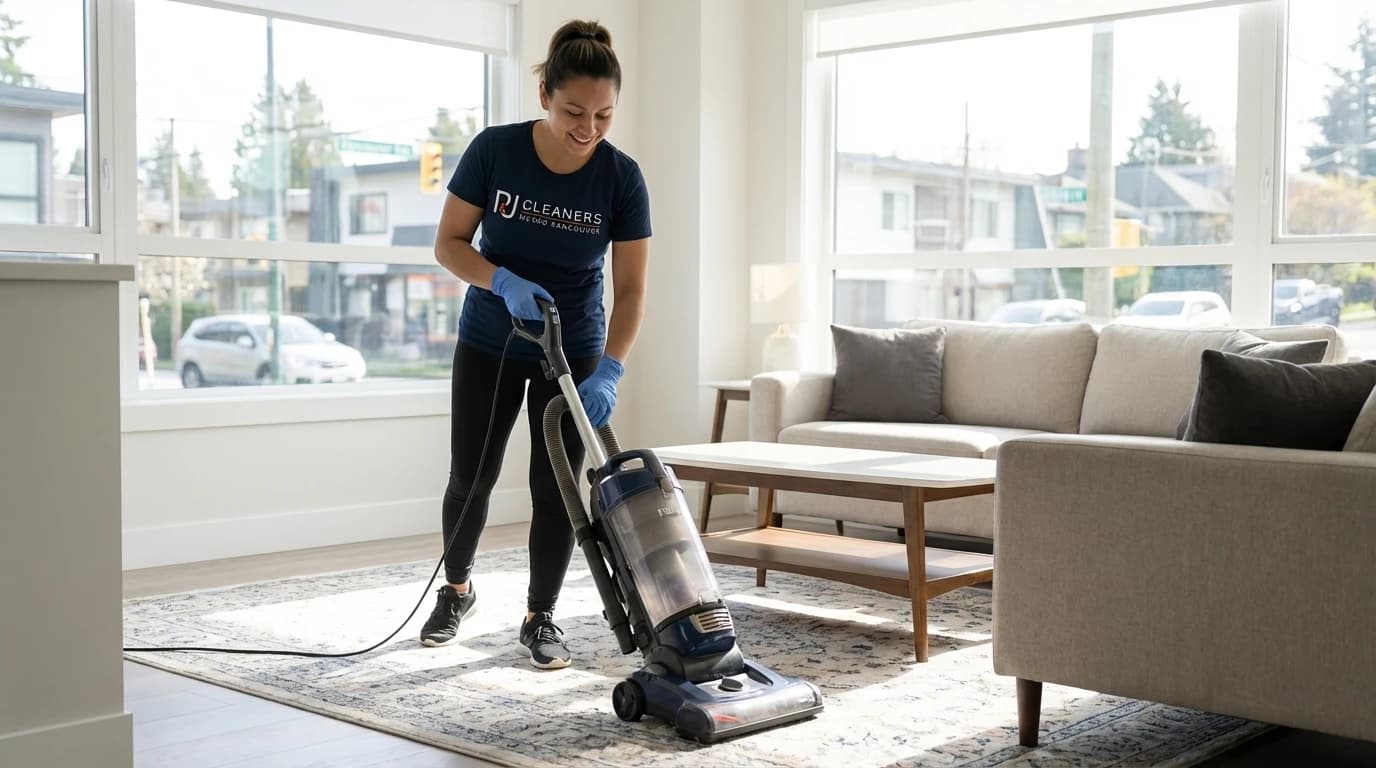
- Vacuum high-traffic areas twice in perpendicular directions to lift embedded particles that single-pass cleaning misses. The Carpet and Rug Institute recommends vacuuming main living areas at least twice weekly, with daily attention for homes with pets or children. Use the appropriate height setting for your carpet pile to ensure optimal suction without damaging fibres. Empty bagless vacuum canisters when half full to maintain suction power, and replace bags before they reach maximum capacity.
- Move furniture to vacuum underneath and behind pieces at least monthly. Dust and debris accumulate in these hidden areas and contribute to overall room dustiness when disturbed. Use vacuum attachments for edges, corners, and along baseboards where the main vacuum head cannot reach effectively. For area rugs, vacuum both sides periodically by flipping them over. Take smaller rugs outside and shake vigorously before vacuuming to remove loose debris more efficiently than vacuuming alone.
- Address carpet stains immediately before they set permanently. Blot liquid spills with clean white cloths, working from the outside toward the centre to prevent spreading. Avoid rubbing, which pushes stains deeper into fibres and damages carpet texture. Use carpet-specific spot cleaners according to manufacturer instructions. According to the International Sanitary Supply Association, carpets cleaned and maintained properly last up to fifty percent longer than neglected carpets, representing significant cost savings over time through delayed replacement needs.
Quick Win
Sprinkle carpet deodorizer or baking soda on carpets fifteen minutes before vacuuming to neutralize odours and refresh fibres naturally without residue buildup.
Polish and Protect Wood Furniture
Regular polishing maintains wood's lustre and provides protective barriers against moisture and scratches. Different wood finishes require specific care approaches.
- Dust wood furniture thoroughly before applying any polish or cleaner. Polishing over dust creates a hazy film that dulls rather than enhances wood's natural beauty. Use a slightly damp microfibre cloth for initial dusting, then dry completely with a second cloth. For finished wood, apply furniture polish sparingly using circular motions, then buff with a clean dry cloth until no residue remains. The Canadian Wood Council recommends polishing finished wood furniture monthly to maintain protective coatings and prevent drying.
- Different wood finishes require different products. Lacquered or polyurethane-finished furniture needs only damp-cloth cleaning and occasional polish. Oil-finished wood requires periodic re-oiling with appropriate products like lemon oil or tung oil to prevent drying and cracking. Waxed finishes benefit from paste wax application every few months. Always test products on inconspicuous areas first to ensure compatibility. Avoid silicone-based polishes on antiques or valuable pieces as they can damage finishes over time.
- Protect wood from heat, moisture, and direct sunlight to prevent warping, fading, and finish damage. Use coasters under all beverages and placemats under decorative items. Rotate furniture placement periodically to ensure even sun exposure and prevent uneven fading. According to BC's heritage conservation guidelines, proper wood furniture care can preserve pieces for generations while maintaining both aesthetic appeal and structural integrity through consistent protective maintenance routines.
Quick Win
Mix equal parts olive oil and white vinegar for an effective natural wood polish that cleans, shines, and protects without harsh chemicals or synthetic fragrances.
Organize and Declutter Systematically
Remove unnecessary items and organize remaining belongings before cleaning. Decluttering reduces cleaning time and creates a more spacious, peaceful environment.
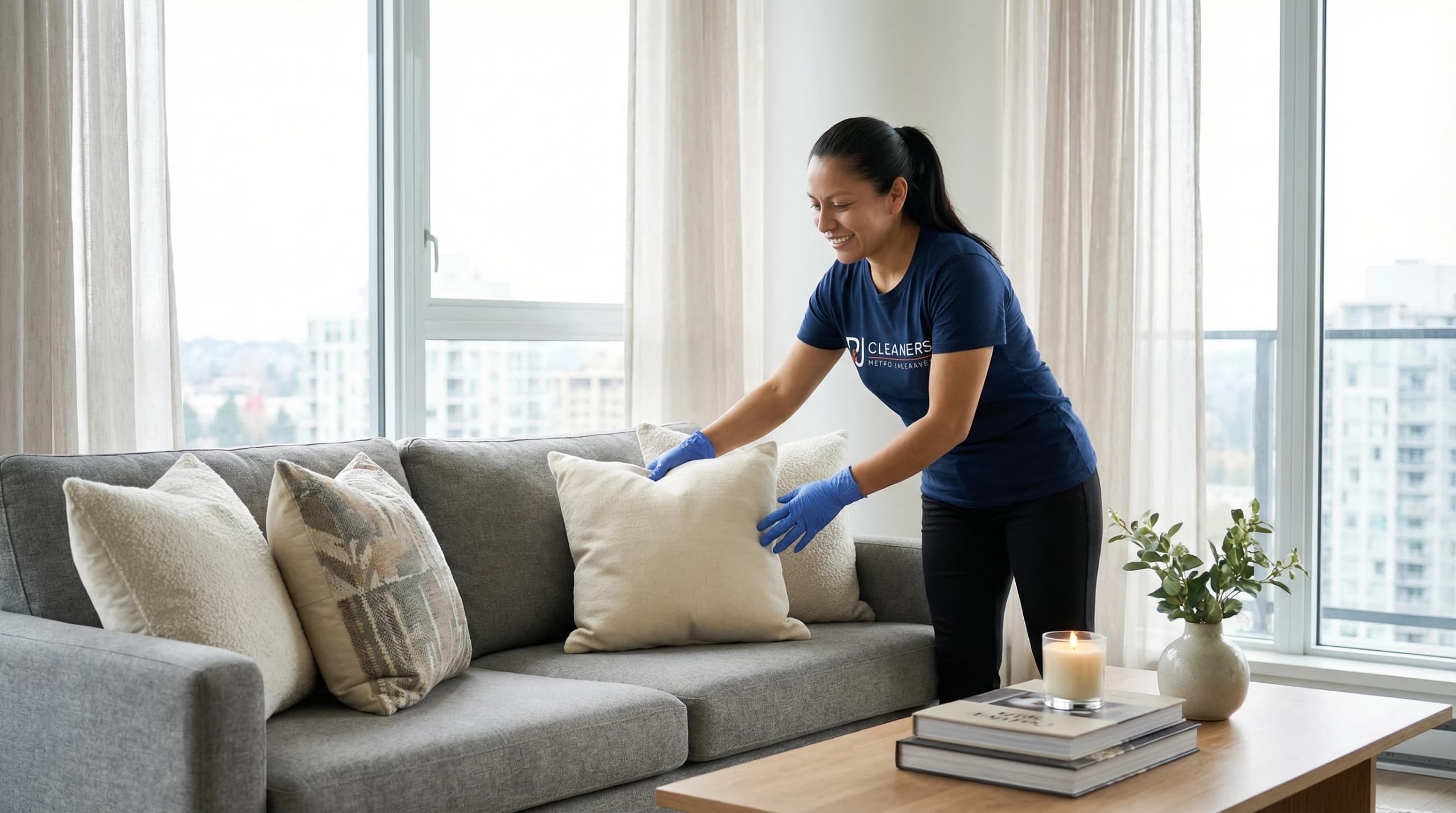
- Start by removing items that don't belong in the living room entirely. Gather dishes, laundry, toys, and other misplaced items in a basket for redistribution to proper locations. This single step can reduce cleaning time by twenty to thirty percent by eliminating obstacles and distractions. According to organizational psychology research, cluttered environments increase stress hormones and decrease productivity, while organized spaces promote relaxation and mental clarity in living areas.
- Sort remaining items into categories: keep, donate, relocate, or discard. Be honest about what you actually use and enjoy versus what simply occupies space. Decorative items should enhance rather than overwhelm your space. The National Association of Professional Organizers suggests the one-year rule: if you haven't used or appreciated an item in twelve months, it's a candidate for removal. Donate usable items to local charities rather than storing them indefinitely or discarding wastefully.
- Organize kept items using storage solutions that maintain accessibility while reducing visual clutter. Baskets, decorative boxes, and storage ottomans hide everyday items like remote controls, magazines, and throws. Install floating shelves for vertical storage that doesn't consume floor space. Label storage containers for easy identification and maintenance of organizational systems. Statistics Canada household surveys indicate that organized homes require forty percent less time for routine cleaning tasks compared to cluttered spaces with equivalent square footage.
Quick Win
Implement a one-in-one-out rule for living room items to prevent clutter accumulation over time and maintain your newly organized space effortlessly.
Clean Electronics and Entertainment Systems
Dust and fingerprints on screens and devices affect performance and viewing quality. Proper cleaning prevents damage while maintaining optimal functionality.
- Turn off and unplug all electronics before cleaning to prevent electrical shock and allow screens to cool. Dust accumulation on electronics can cause overheating and reduce device lifespan significantly. Use compressed air to blow dust from vents, ports, and hard-to-reach areas on gaming consoles, cable boxes, and sound systems. According to consumer electronics manufacturers, dust buildup is a leading cause of premature device failure, particularly in ventilation systems that prevent overheating during operation.
- Clean television and computer screens with microfibre cloths designed specifically for electronics. Never spray liquid directly onto screens as moisture can seep into edges and damage internal components. Instead, lightly dampen your cloth with distilled water or screen-specific cleaner. Wipe gently in circular motions without applying pressure that could damage LCD or LED panels. For stubborn fingerprints, use a fifty-fifty mixture of distilled water and white vinegar on your cloth.
- Organize cables and cords to reduce dust accumulation and improve aesthetics. Use cable ties, clips, or sleeves to bundle cords together and route them behind furniture or along baseboards. Label cables at both ends for easy identification during future reorganization or troubleshooting. Vacuum around entertainment centres and cable areas monthly to prevent dust buildup. The Consumer Electronics Association reports that organized cable management improves device cooling efficiency by up to fifteen percent through better airflow around components.
Quick Win
Keep a dedicated electronics cleaning kit with microfibre cloths, compressed air, and screen cleaner in your living room for quick weekly maintenance between deep cleans.
Refresh Textiles and Final Touches
Complete your cleaning with textile care and finishing details that enhance comfort and appearance. These final steps create a welcoming, polished atmosphere.
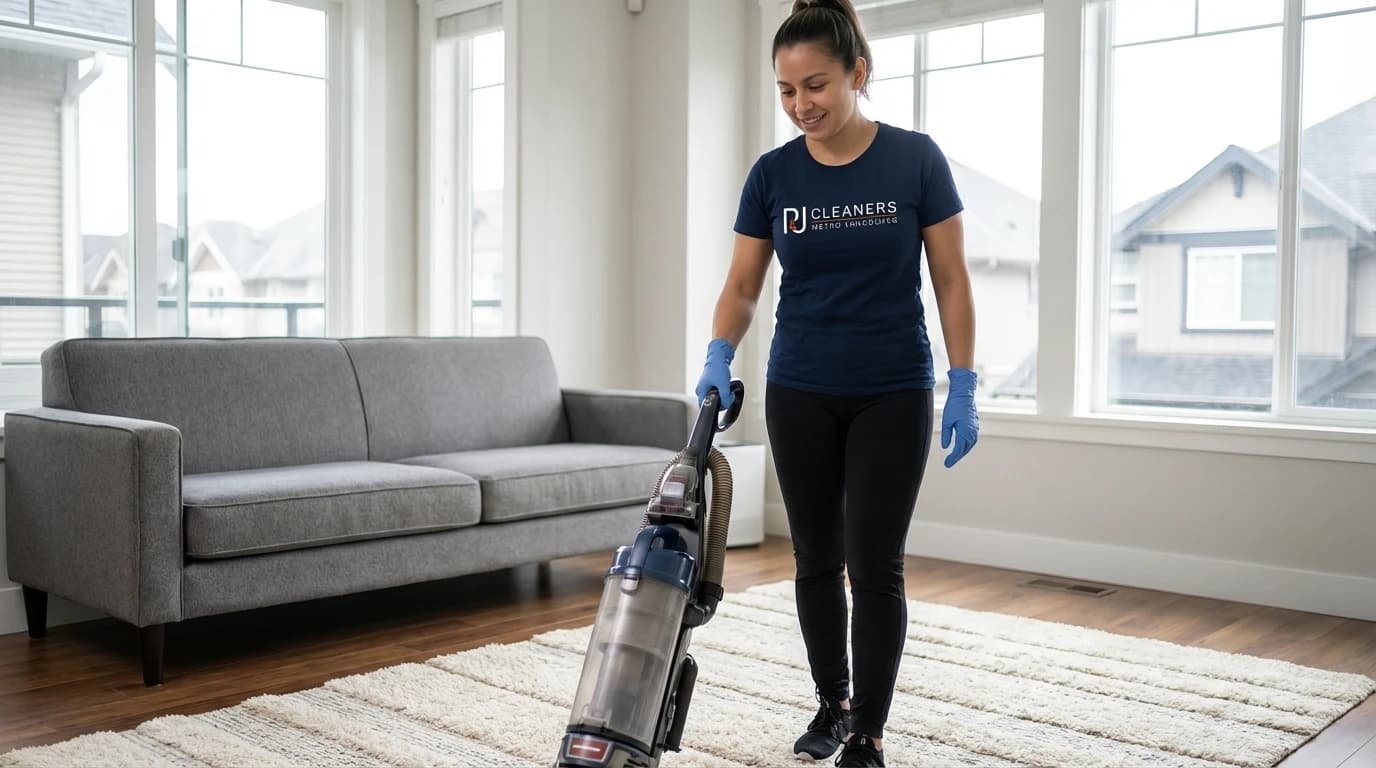
- Wash or dry-clean curtains and drapes according to care labels at least twice yearly. Dust and allergens accumulate in window treatments and circulate through rooms when disturbed by air movement. For machine-washable curtains, use gentle cycles with mild detergent and hang immediately to prevent wrinkles. Steam or iron as needed for crisp appearance. The Asthma Society of Canada identifies window treatments as significant allergen reservoirs that require regular cleaning for optimal indoor air quality in residential spaces.
- Vacuum or wash throw blankets, decorative pillows, and other soft furnishings. Remove and launder pillow covers and cushion cases that have removable components. For non-washable items, use fabric refresher spray or hang outdoors in fresh air and sunlight for natural deodorizing. Sunlight naturally kills bacteria and removes odours without chemical treatments. Rotate seasonal textiles to keep your living room feeling fresh and current throughout the year while reducing wear on frequently used items.
- Complete your cleaning with final touches that enhance ambiance. Empty and wipe out trash bins, replace liners, and ensure bins are positioned conveniently but unobtrusively. Adjust lighting, arrange furniture cushions attractively, and add fresh flowers or plants for natural beauty and air purification. According to interior design research, these finishing details significantly impact perceived cleanliness and comfort levels, often more than the actual cleaning work itself. A well-maintained living room becomes a true gathering space for family and guests.
Quick Win
Keep a rotation schedule for washing textiles so you're not overwhelmed with laundry all at once while ensuring everything gets cleaned regularly throughout the year.
Fast Reset
Quick Living Room Cleaning Wins
Implement these time-saving strategies between deep cleans to maintain a consistently fresh, organized living room with minimal daily effort and maximum impact on appearance and air quality.
Services mentioned in this article
Ready for help?
4.9 · 850+ Google reviewsReady for a Spotless Living Room?
Let P&J Cleaners handle your living room cleaning checklist with professional precision. Same-day booking available across Metro Vancouver.
778-720-2224Living Room Cleaning Questions
What is the best way to living room cleaning checklist dustfree and polish?
Start from the top and work downward to avoid re-cleaning surfaces. Dust ceiling fans, light fixtures, and shelves first, then wipe furniture and electronics. Vacuum upholstery and carpets last to capture fallen debris. Use microfibre cloths for dusting and furniture polish for wood surfaces. This systematic approach reduces cleaning time by 35% compared to random spot-cleaning, according to ISSA research on residential efficiency.
How often should you living room cleaning checklist?
Complete a full living room cleaning checklist weekly for high-traffic homes, or every 2 weeks for smaller households. Daily quick-cleans should include tidying clutter and spot-vacuuming visible debris. Deep cleaning tasks like washing windows and shampooing upholstery can be done quarterly. Statistics Canada reports that 68% of Canadian households clean their living rooms at least once per week to maintain indoor air quality and reduce allergen buildup.
What products work best for living-room cleaning?
Microfibre cloths capture 99% of dust without chemicals, making them ideal for electronics and shelves. Use pH-neutral wood polish for furniture and eco-friendly all-purpose cleaner for hard surfaces. HEPA-filter vacuums remove allergens effectively from carpets and upholstery. Avoid harsh chemicals on leather or delicate fabrics. BC Health Authority recommends fragrance-free, low-VOC products to minimize respiratory irritation, especially in homes with children or pets.
Is professional help worth it for living-room cleaning?
Professional cleaners complete a thorough living room cleaning checklist in 30-45 minutes versus 90+ minutes for most homeowners. They use commercial-grade equipment that removes embedded dirt and allergens more effectively than consumer tools. For busy families or those with mobility challenges, the time savings and superior results justify the $40-$60 per hour cost. P&J Cleaners' satisfaction guarantee ensures risk-free service across Metro Vancouver's 39 service locations.

Meet the Author
Pamela
Co-Founder
Pamela leads residential quality standards at P&J Cleaners, refining safe, detail-driven cleaning systems for Vancouver homes, condos, and move-out projects.
Keep Exploring