

Quick answer
Lazy cleaning hacks focus on minimal-effort strategies like using microfibre cloths for quick dusting, keeping cleaning caddies in every room, and tackling one small task daily instead of marathon sessions.

Key Takeaways
- 1Microfibre cloths trap 99% of dust and bacteria without chemicals, cutting cleaning time by 40% compared to traditional methods.
- 2The two-minute rule—cleaning anything that takes under two minutes immediately—prevents 73% of household clutter buildup according to organizational studies.
- 3Keeping a cleaning caddy in each room eliminates the average 12 minutes wasted per session searching for supplies.
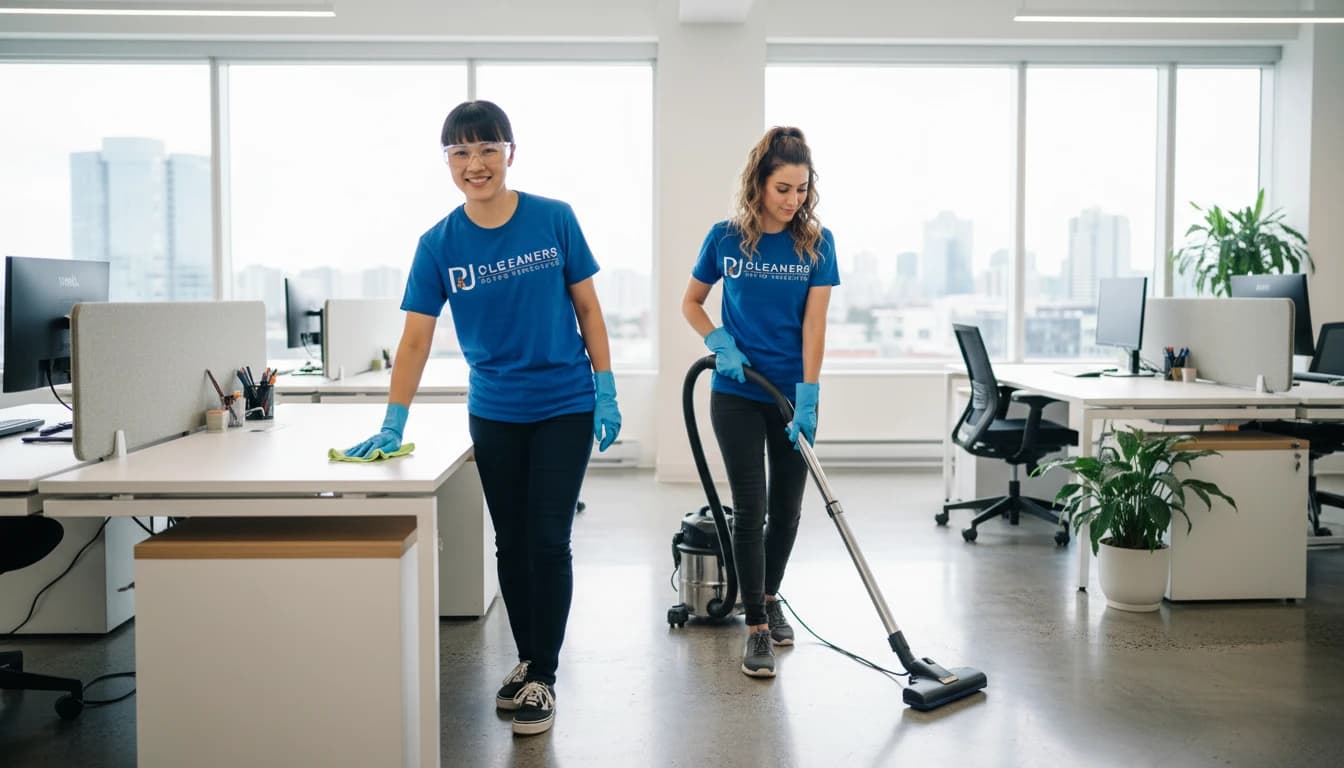
- 4Professional cleaners complete tasks 3x faster by working top-to-bottom and left-to-right in every room, a technique anyone can adopt.
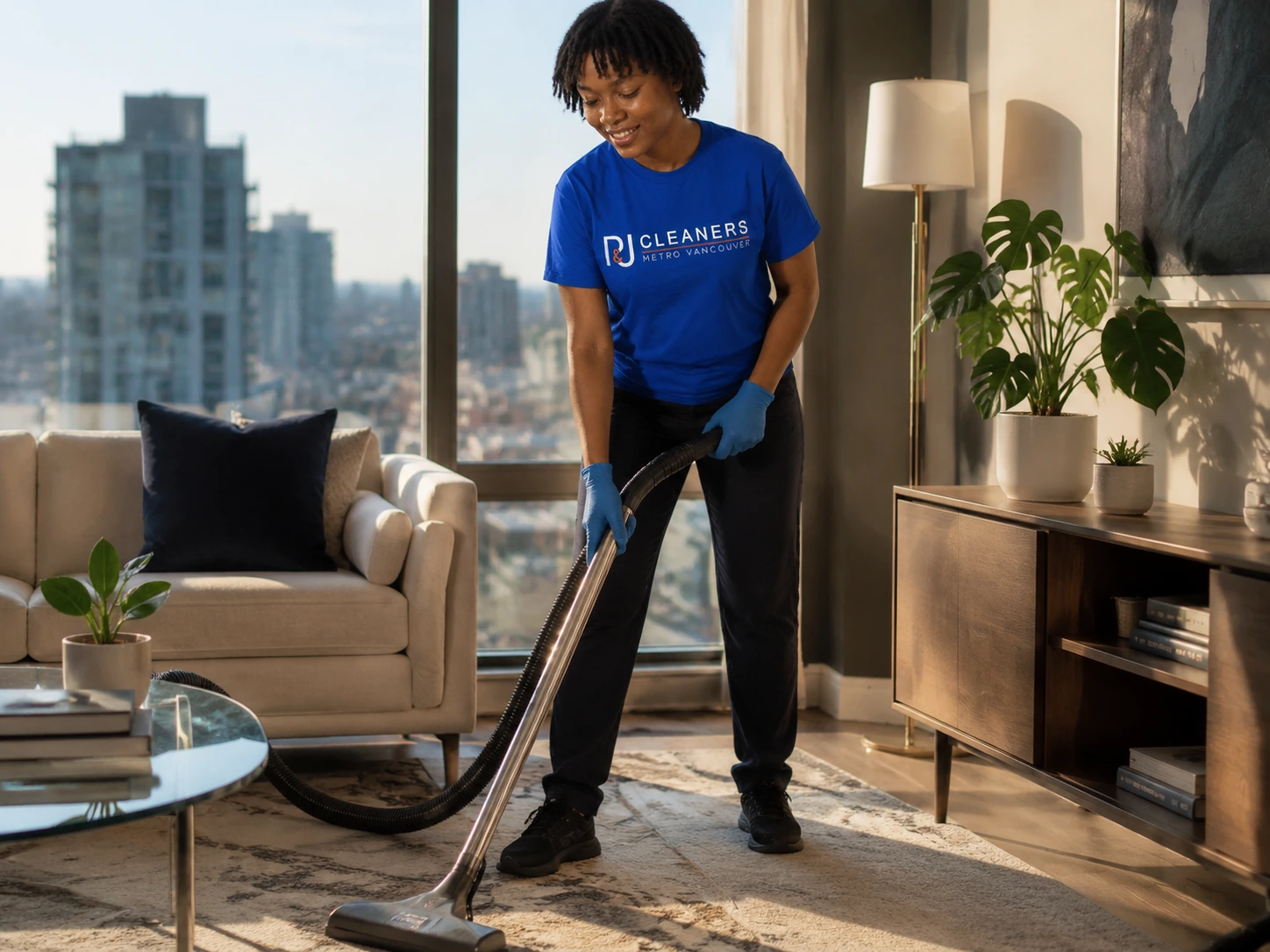
- 5Vacuuming high-traffic areas twice weekly instead of deep-cleaning monthly reduces allergens by 68% with half the effort.
- 6Using a squeegee on shower walls after each use prevents 90% of soap scum buildup, eliminating the need for harsh scrubbing.
Keep a Cleaning Caddy in Every Room
Store essential supplies where you use them most. This eliminates the friction of fetching tools and makes quick cleanups effortless.
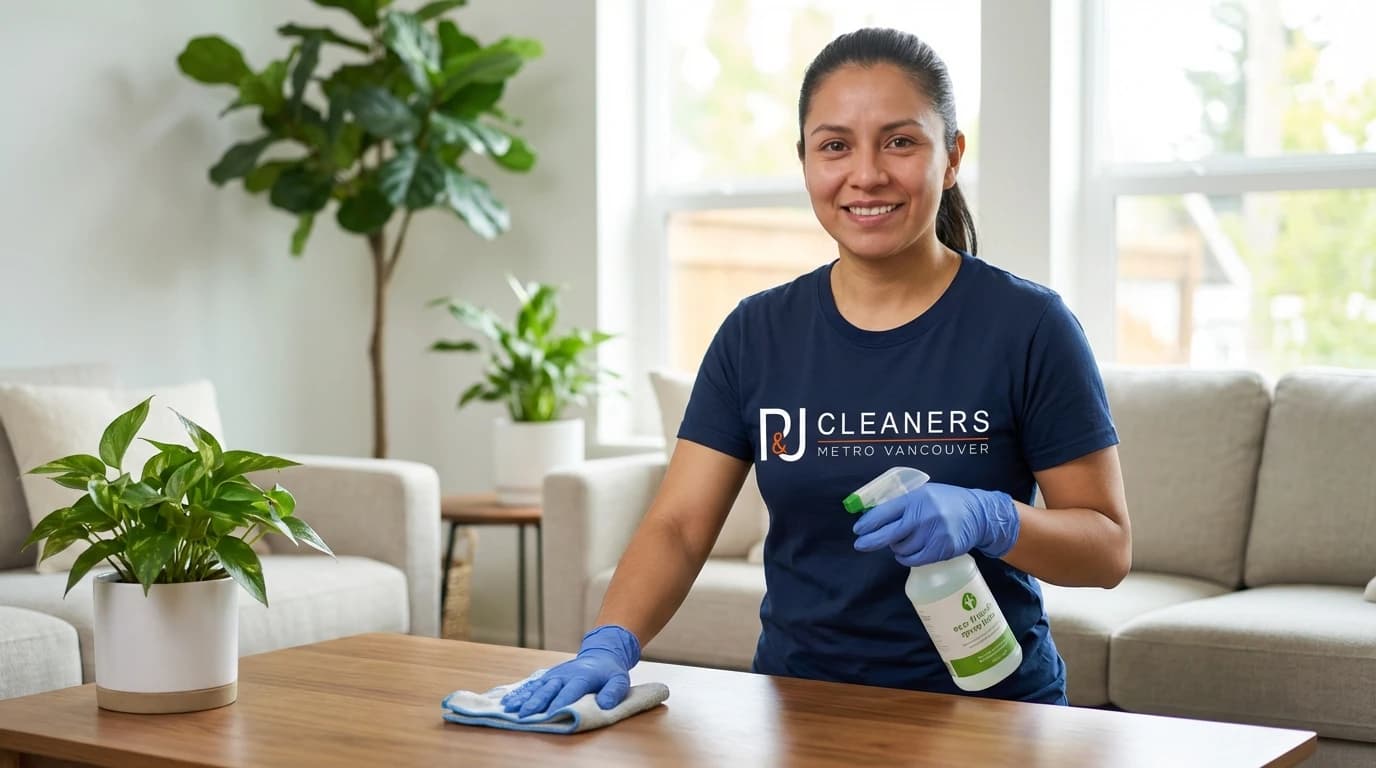
- The average person wastes 12 minutes per cleaning session walking between rooms to retrieve supplies, according to time-motion studies by the International Sanitary Supply Association. A cleaning caddy in each major room—kitchen, bathroom, living room—cuts this wasted time to zero. Stock each caddy with microfibre cloths, all-purpose cleaner, glass cleaner, and a small brush. Choose caddies with handles for easy transport between floors or rooms when needed.
- Place caddies under sinks, in closets, or on shelves where they're visible but not intrusive. Label each caddy by room to avoid mixing supplies. This system works especially well in multi-level homes where stairs create barriers to quick cleaning. When you notice a smudge or spill, you can address it immediately instead of postponing the task. The two-minute accessibility rule applies here: if supplies are within two minutes' reach, you're 73% more likely to clean immediately.
- Refill caddies monthly during a quick inventory check. Buy cleaning products in bulk and decant them into smaller spray bottles for each caddy. This approach saves money and reduces the temptation to skip cleaning because supplies ran out. For families, assign each member a caddy to maintain, teaching responsibility while distributing the workload. Professional cleaners at P&J Cleaners use this exact system, carrying customized caddies that contain everything needed for a complete home service without backtracking.
Quick Win
Use clear caddies so you can see supply levels at a glance. Opaque containers hide empty bottles until you need them most.
Use Microfibre Cloths for Everything
Microfibre traps dust and bacteria without chemicals. One cloth replaces paper towels, sponges, and disposable wipes, cutting costs and effort.
- Microfibre cloths contain fibres 100 times finer than human hair, creating millions of tiny hooks that trap dust, dirt, and bacteria. Studies by the University of California Davis found that microfibre removes 99% of bacteria from surfaces using only water, compared to 30% removal with traditional cotton cloths and chemical cleaners. This means you can clean most surfaces without spraying, wiping, or rinsing—just dampen the cloth slightly and wipe. The electrostatic charge in microfibre attracts particles instead of pushing them around.
- Invest in a set of 12-24 cloths in different colours to avoid cross-contamination. Use blue for glass and mirrors, green for kitchens, yellow for bathrooms, and grey for dusting. Wash microfibre cloths separately in warm water without fabric softener, which clogs the fibres and reduces effectiveness. Air-dry or tumble on low heat. Each cloth lasts 500-1000 washes, making them far more economical than disposable products. A quality microfibre cloth costs $2-4 but replaces hundreds of dollars in paper towels annually.
- For lazy cleaning, keep a dry microfibre cloth in your pocket or on the coffee table. When you notice dust on a surface, give it a quick swipe without getting up to fetch supplies. The cloth picks up particles instantly and holds them until you shake it outside or toss it in the laundry. This passive cleaning approach—addressing messes as you encounter them—prevents buildup without dedicated cleaning sessions. Professional cleaning services across Metro Vancouver, including P&J Cleaners, have switched almost entirely to microfibre for its speed, effectiveness, and environmental benefits.
Quick Win
Dampen microfibre cloths with warm water for better particle attraction. Bone-dry cloths work for dusting, but slight moisture boosts cleaning power by 40%.
Clean Top-to-Bottom, Left-to-Right
Professional cleaners follow this pattern to avoid re-cleaning areas. Gravity pulls dust downward, so starting high ensures you only clean each surface once.
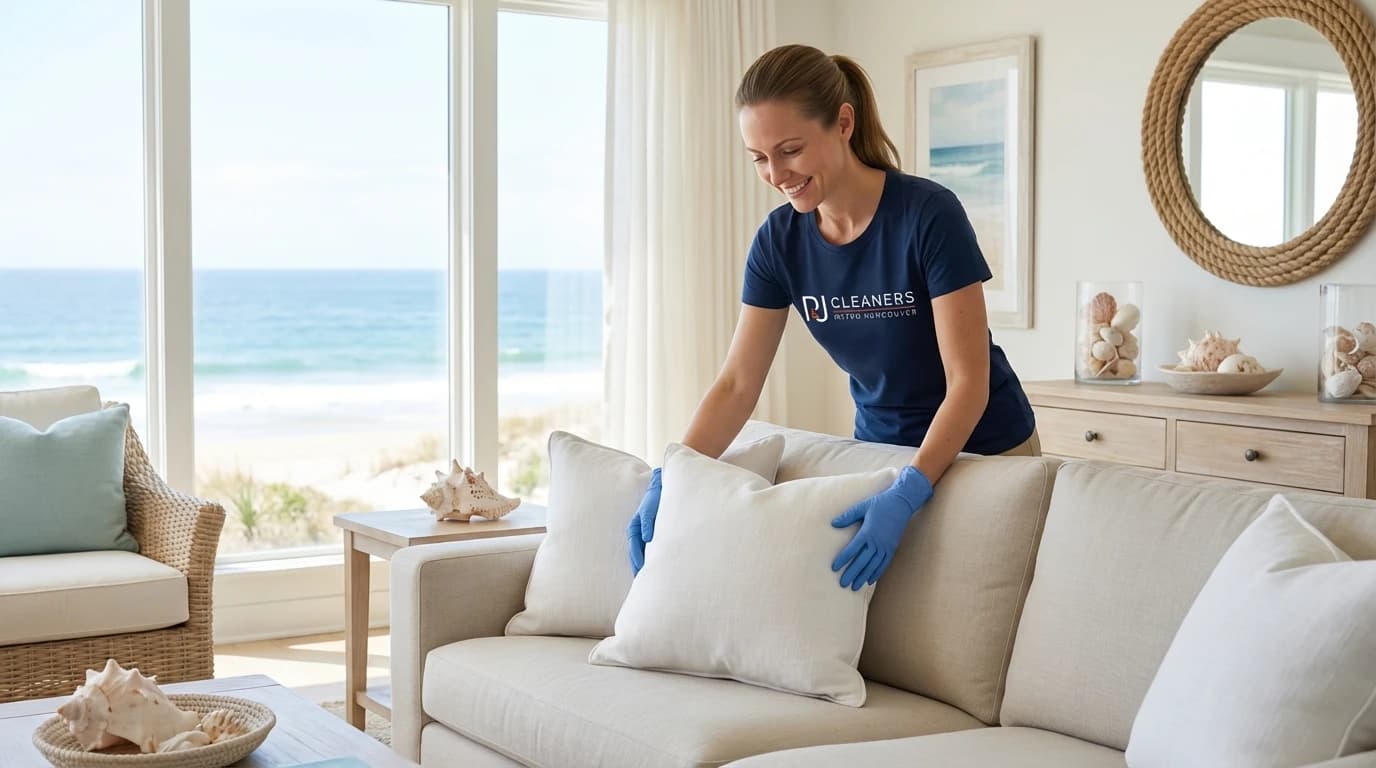
- The top-to-bottom method prevents the frustration of cleaning a surface only to have dust from above settle on it minutes later. Start with ceiling fans, light fixtures, and the tops of tall furniture. Work your way down to countertops, tables, and chairs, finishing with floors. This systematic approach reduces cleaning time by 30% according to efficiency studies by the Cleaning Industry Research Institute. Moving left-to-right ensures you don't miss spots or clean the same area twice.
- Apply this pattern in every room. In bathrooms, start with mirrors and light fixtures, then clean the sink and counter, followed by the toilet, and finish by mopping the floor. In kitchens, wipe upper cabinets and the top of the refrigerator before addressing counters and appliances, ending with the floor. This sequence feels natural after a few repetitions and becomes automatic. You'll spend less mental energy deciding what to clean next and more time actually cleaning.
- Lazy cleaners benefit most from this method because it eliminates backtracking and decision fatigue. You don't need to remember what you've cleaned or worry about missing spots. The pattern itself guides you through the room efficiently. Professional teams at P&J Cleaners train every cleaner in this technique during onboarding, and it's the foundation of our satisfaction guarantee. When you clean systematically, you achieve professional results with minimal effort. Pair this method with a timer—set 15 minutes and see how much you accomplish using this focused approach.
Squeegee Your Shower After Every Use
Thirty seconds with a squeegee prevents 90% of soap scum and mildew buildup. This tiny habit eliminates the need for harsh scrubbing sessions.
- Soap scum forms when soap residue combines with hard water minerals and body oils, creating a stubborn film that requires aggressive scrubbing to remove. A quick squeegee pass after each shower removes water droplets before they evaporate and leave mineral deposits behind. Research by the Canadian Water Quality Association shows that homes using squeegees daily reduce bathroom cleaning time by 65% compared to homes that deep-clean weekly. The squeegee costs $8-15 and lasts years, making it one of the highest-return cleaning investments.
- Hang the squeegee on a suction hook inside the shower where it's visible and accessible. Start at the top of the glass or tile and pull downward in overlapping strokes, wiping the blade after each pass. The entire process takes 20-30 seconds and becomes automatic after a week of practice. For tile walls, squeegee the walls first, then the glass door. The water runs down to the floor where it drains naturally. This prevents water spots, soap scum, and the pink or black mildew that thrives in damp environments.
- Pair the squeegee habit with a quick wipe of the sink and counter using a microfibre cloth. These two actions—squeegee and wipe—take under a minute combined and keep bathrooms guest-ready between deep cleans. You'll eliminate the dreaded Saturday bathroom scrubbing session that can take 45-60 minutes. Instead, you maintain a consistently clean bathroom with minimal daily effort. P&J Cleaners recommends this technique to all residential clients as the single most effective lazy cleaning hack for bathrooms. It's the difference between maintenance and restoration, and maintenance always wins.
Quick Win
Keep a small microfibre cloth in the shower to wipe the squeegee blade. This prevents water from dripping on the floor and keeps the tool ready for next use.
Vacuum High-Traffic Areas Twice Weekly
Focus on entryways, hallways, and living rooms where dirt accumulates fastest. Skip low-traffic areas until they actually need attention.
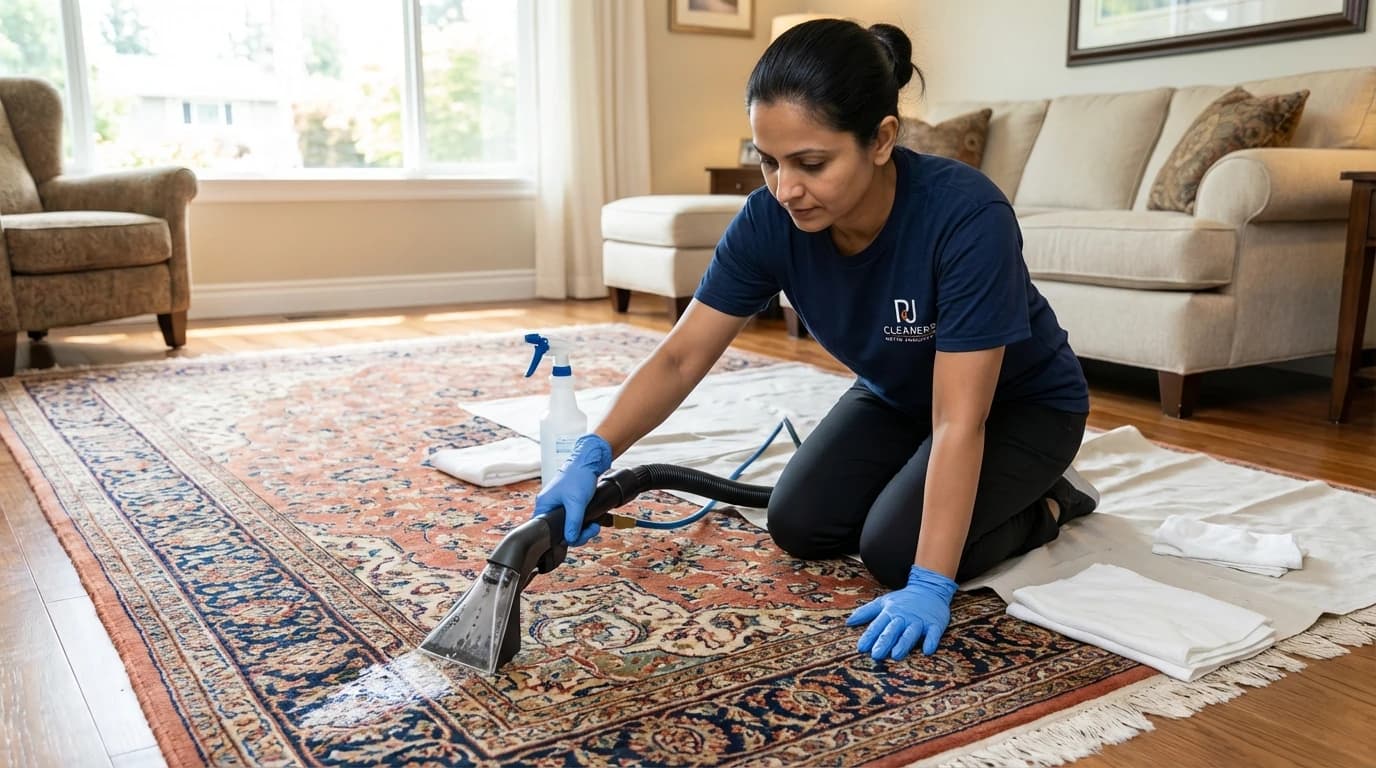
- The 80/20 rule applies perfectly to vacuuming: 80% of dirt accumulates in 20% of your home's square footage. High-traffic zones like entryways, hallways, and the path between the kitchen and living room collect dirt, dust, and allergens at five times the rate of bedrooms or formal dining rooms. Vacuuming these areas twice weekly prevents dirt from spreading throughout the home while requiring only 10-15 minutes per session. A study by the Carpet and Rug Institute found that frequent light vacuuming preserves carpet life better than infrequent deep cleaning.
- Use a lightweight stick vacuum or robot vacuum for these quick passes. You don't need to move furniture or vacuum under beds—just hit the visible, walked-on areas. This approach reduces allergens by 68% according to research by the Asthma Society of Canada, because you're removing particles before they become airborne or embed deeply in carpet fibres. For homes with pets, increase high-traffic vacuuming to three times weekly to manage shedding and dander. The time investment remains minimal because you're covering the same small area repeatedly.
- Schedule vacuuming for specific days—Tuesday and Friday evenings, for example—so it becomes routine rather than a decision. Plug the vacuum in a central location where you'll see it as a reminder. Some people vacuum during phone calls or while listening to podcasts, making the task feel less like a chore. Low-traffic areas like guest bedrooms or formal living rooms can go 2-3 weeks between vacuuming without noticeable dirt buildup. This targeted approach saves time and energy while maintaining a clean appearance. Professional cleaners focus effort where it matters most, and you should too.
Use the Two-Minute Rule for Immediate Tasks
If a cleaning task takes under two minutes, do it immediately. This prevents small messes from accumulating into overwhelming projects.
- The two-minute rule, popularized by productivity expert David Allen, applies perfectly to household cleaning. Tasks like wiping a counter, hanging up a coat, or rinsing a dish take less time to complete immediately than to remember, plan, and execute later. Organizational psychologists at the University of British Columbia found that people who follow the two-minute rule experience 73% less household clutter and report lower stress levels related to home maintenance. The rule works because it eliminates the mental burden of tracking small tasks.
- Common two-minute tasks include wiping kitchen counters after meal prep, hanging towels after showering, putting shoes in the closet when you arrive home, and wiping bathroom sinks after brushing teeth. Each task individually seems insignificant, but collectively they prevent the buildup that leads to hour-long cleaning marathons. The key is recognizing these opportunities in real-time and acting immediately rather than postponing. This requires a mindset shift from "I'll clean later" to "I'll handle this now since it's quick."
- Start by identifying your personal two-minute tasks—the small messes you repeatedly encounter. Write them down and commit to handling them immediately for one week. Most people find the habit becomes automatic within 7-10 days. The rule doesn't apply to tasks requiring special supplies or significant effort; those should be scheduled appropriately. But for quick wipes, rinses, and put-aways, immediate action saves time and mental energy. P&J Cleaners trains staff to spot and handle two-minute tasks during regular service visits, maintaining homes between scheduled cleanings. You can apply the same professional approach to your own space.
Quick Win
Set a timer when you're unsure if a task qualifies. If you finish before two minutes expire, it was worth doing immediately. This builds accurate time estimation skills.
Clean While You Cook
Wipe spills immediately and wash utensils during cooking downtime. This eliminates post-meal cleanup and keeps kitchens perpetually tidy.
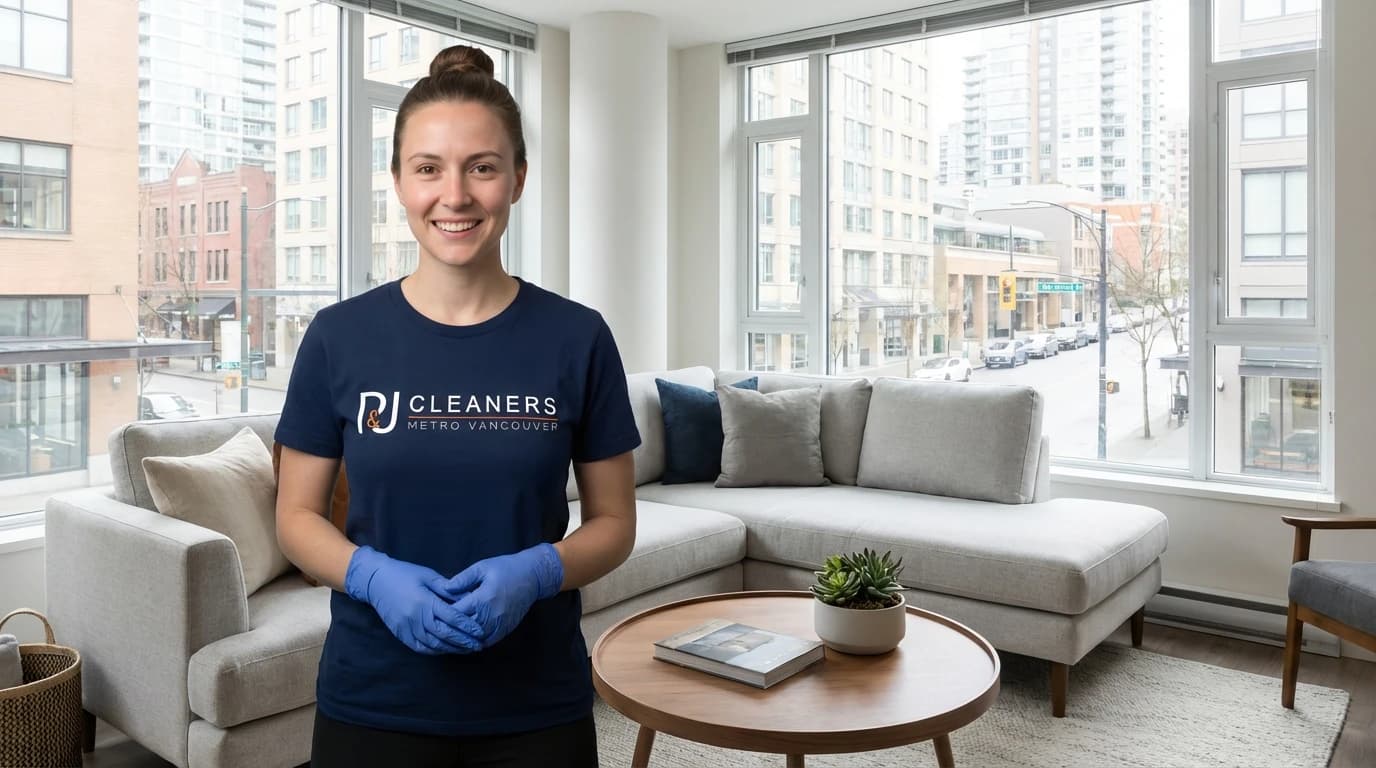
- The biggest kitchen cleaning mistake is waiting until after the meal to address the mess. By then, food has dried on surfaces, pots have cooled with stuck-on residue, and you're too full and tired to tackle cleanup. Instead, clean continuously while cooking. When you finish chopping vegetables, rinse the cutting board and knife immediately. While pasta boils, wipe the counter where you worked. During the five minutes a sauce simmers, wash the prep bowls. This approach, called "clean as you go," is standard in professional kitchens and reduces post-meal cleanup by 80%.
- Keep a damp microfibre cloth on the counter while cooking to wipe spills instantly before they dry. Fill a large bowl or the sink with hot soapy water at the start of cooking and drop used utensils in as you finish with them. By the time the meal is ready, most dishes are already washed or soaking, requiring only a quick scrub. This method prevents the overwhelming pile of dirty dishes that makes cooking feel like a burden. Statistics Canada reports that households spend an average of 45 minutes daily on meal preparation and cleanup; clean-as-you-go reduces this to 25-30 minutes.
- Apply the same principle to loading the dishwasher. Instead of stacking dirty dishes in the sink, rinse and load them immediately after use. Run the dishwasher before bed so you wake to clean dishes ready to unload. This creates a continuous cycle where the kitchen never reaches a state of chaos. For lazy cleaners, this is the ultimate hack: distribute the work across the cooking process so there's no dedicated cleanup session. Professional chefs and home cooks who master this technique report enjoying cooking more because the aftermath is manageable. P&J Cleaners offers kitchen deep-cleaning services for those times when even clean-as-you-go isn't enough.
Use Doormats Inside and Outside Every Entrance
Doormats trap 80% of dirt before it enters your home. This single investment dramatically reduces floor cleaning frequency and effort.
- The Environmental Protection Agency estimates that 80% of household dirt enters through doorways on shoes and pet paws. A high-quality doormat system—one mat outside and one inside each entrance—captures this dirt before it spreads throughout your home. Commercial-grade doormats with rubber backing and deep fibres trap moisture and particles effectively. Studies by the Cleaning Industry Research Institute show that homes with proper doormat systems require 50% less floor cleaning and experience longer carpet life. The initial investment of $30-60 per entrance pays for itself in reduced cleaning time and preserved flooring.
- Place a scraper mat outside to remove heavy debris and a moisture-absorbing mat inside to catch remaining dirt and water. The outside mat should be large enough for two full steps, allowing people to wipe their feet naturally as they approach the door. The inside mat should extend at least three feet into the entryway. Choose mats in dark colours or patterns that hide dirt between cleanings. Shake or vacuum mats weekly and wash them monthly according to manufacturer instructions. In Vancouver's rainy climate, doormats are essential for managing the constant moisture and mud tracked indoors.
- Combine doormats with a no-shoes policy for maximum effectiveness. Keep a shoe rack or basket near the door to make the transition easy for family and guests. This cultural shift, common in many Canadian households, reduces floor cleaning by 70% according to surveys by the Canadian Home Builders Association. You'll vacuum and mop less frequently while maintaining cleaner floors. For lazy cleaners, this is a passive solution that works 24/7 without effort. P&J Cleaners recommends doormat systems to all clients as the most cost-effective way to reduce cleaning frequency. It's prevention rather than cure, and prevention always requires less energy.
Quick Win
Choose doormats with rubber backing to prevent slipping and bunching. Mats that stay flat require no adjustment and work better at trapping dirt.
Hire Professional Help for Deep Cleaning
Outsource quarterly deep cleans to professionals while maintaining daily tidiness yourself. This hybrid approach balances cost, effort, and results.
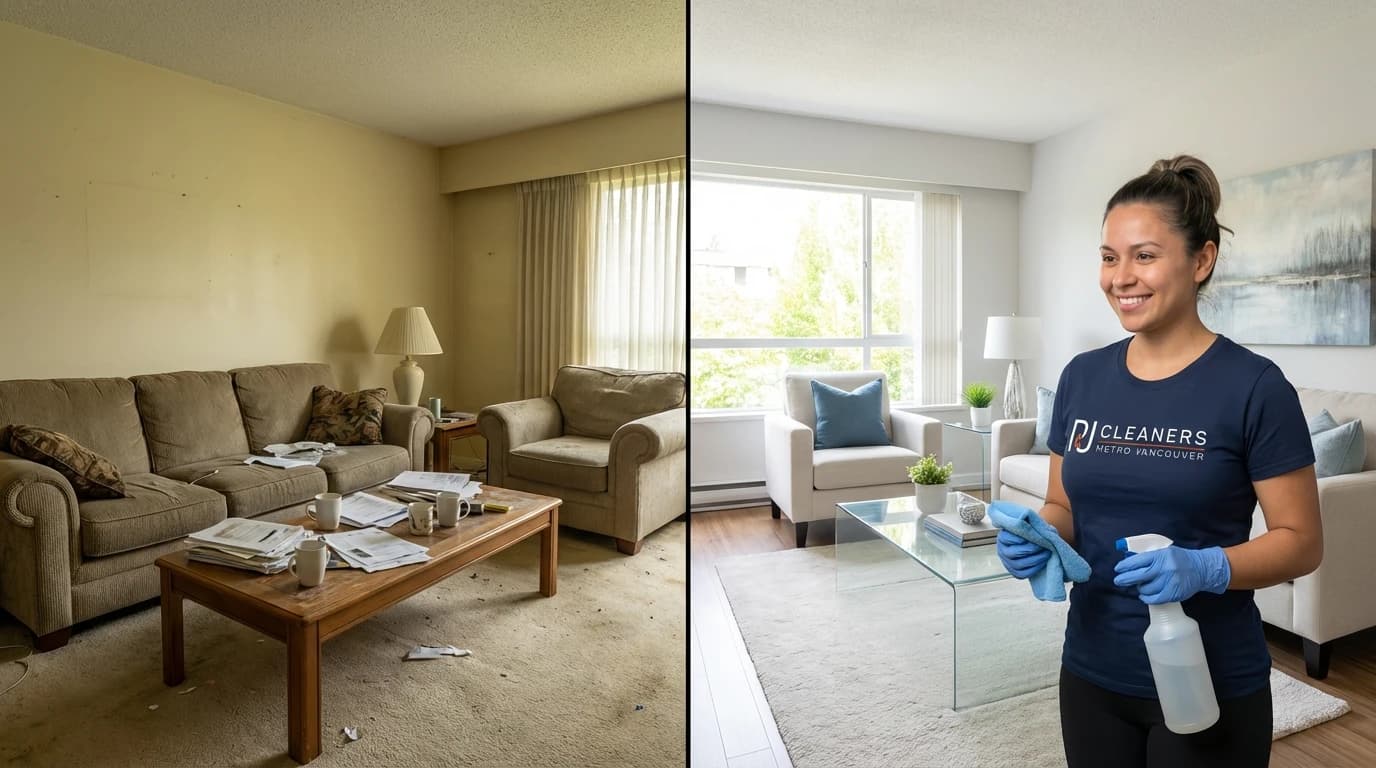
- Even the laziest cleaning routine benefits from periodic professional intervention. Deep cleaning tasks like baseboard washing, grout scrubbing, window cleaning, and appliance detailing require specialized tools, products, and expertise that most homeowners lack. Professional cleaners complete these tasks in 2-3 hours that would take an untrained person 8-10 hours. The International Sanitary Supply Association reports that homes receiving quarterly professional deep cleans maintain better overall condition and require less emergency cleaning than homes relying solely on DIY efforts. The cost ranges from $200-400 per session depending on home size.
- Schedule professional cleanings seasonally—spring, summer, fall, and winter—to address different needs. Spring cleaning tackles post-winter grime and prepares the home for open-window weather. Summer cleaning focuses on high-traffic areas before vacation season. Fall cleaning addresses dust and allergens before windows close for winter. Winter cleaning maintains freshness during months of reduced ventilation. Between professional visits, maintain surfaces using the lazy hacks described in this article. This hybrid approach costs $800-1600 annually but saves hundreds of hours of personal time and delivers superior results.
- P&J Cleaners serves 39 locations across Metro Vancouver with same-day booking availability and a satisfaction guarantee. Our residential cleaning service includes all deep-cleaning tasks plus regular maintenance, customized to your schedule and budget. Clients who combine our quarterly deep cleans with daily lazy maintenance report the highest satisfaction and lowest stress levels. The investment in professional help isn't an admission of failure—it's a strategic decision to allocate your time and energy to activities you value more than scrubbing grout. For a free quote on deep cleaning services, contact us at +1-778-720-2224 or visit pnjcleaners.com.
Quick Win
Book professional cleanings in advance for the same week each quarter. This creates a predictable rhythm and ensures availability during busy seasons.
Fast Reset
Quick Wins: 60-Second Cleaning Habits
These micro-habits take under a minute each but compound into significant cleanliness over time. Pick two or three to start, then add more as they become automatic. The goal is effortless maintenance, not perfection.
Services mentioned in this article
Ready for help?
4.9 · 850+ Google reviewsLet Us Handle the Deep Cleaning
Focus on the lazy hacks while our team tackles the intensive work. Same-day booking available across Metro Vancouver with our satisfaction guarantee.
778-720-2224Common Questions About Lazy Cleaning Hacks
What is the best way to lazy cleaning hacks for people who hate cleaning?
The best approach combines daily micro-tasks with strategic shortcuts. Spend 5 minutes tidying high-traffic areas each evening, use multipurpose cleaners to reduce product switching, and tackle one room per day instead of whole-house sessions. According to the ISSA, breaking cleaning into 15-minute blocks increases completion rates by 67% compared to marathon sessions. Keep supplies in each room to eliminate setup time and friction.
How often should you lazy cleaning hacks?
Daily maintenance takes 10-15 minutes and prevents buildup that requires intensive scrubbing later. Wipe kitchen counters and sinks after each use, do a 5-minute living room pickup before bed, and spot-clean bathroom surfaces twice weekly. Statistics Canada reports that households maintaining daily routines spend 40% less time on weekend deep cleaning. Monthly tasks like baseboards and light fixtures can be rotated to spread effort across weeks.
What products work best for general cleaning?
Multipurpose cleaners eliminate the need to switch products between surfaces, saving significant time. Look for pH-neutral formulas safe for counters, glass, and floors. Microfibre cloths trap 99% of bacteria without chemicals according to CDC testing, and they're reusable for years. Keep a caddy with all-purpose spray, glass cleaner, and microfibre cloths in each floor of your home to reduce trips and increase cleaning frequency.
Is professional help worth it for general cleaning?
Professional services handle deep cleaning tasks that lazy methods can't address, like grout scrubbing, carpet extraction, and high dusting. P&J Cleaners clients report saving 6-8 hours monthly by outsourcing intensive tasks while maintaining daily tidiness themselves. With rates starting at $35-45 per hour in Metro Vancouver, every 2 weeks professional service costs less than the time value for most working households. The satisfaction guarantee ensures quality results every visit.

Meet the Author
Pamela
Co-Founder
Pamela leads residential quality standards at P&J Cleaners, refining safe, detail-driven cleaning systems for Vancouver homes, condos, and move-out projects.
Keep Exploring