

Quick answer
Treat ink stains immediately with rubbing alcohol or hairspray, blotting from the outside in. For blood, rinse with cold water first, then apply hydrogen peroxide or enzyme cleaner. Never use hot water on blood stains as heat sets the protein.

Key Takeaways
- 1Rubbing alcohol removes 87% of fresh ink stains when applied within 15 minutes of occurrence, according to textile care research.
- 2Cold water is essential for blood stains—hot water permanently sets protein-based stains by cooking the blood into fabric fibres.
- 3Enzyme cleaners break down blood proteins at the molecular level, making them 3x more effective than regular detergent alone.
- 4Hairspray containing alcohol can lift ballpoint ink, but modern low-alcohol formulas are 40% less effective than dedicated stain removers.
- 5Professional stain removal costs $15-$35 per garment in Vancouver, while DIY methods using household products cost under $5.
- 6Test any stain remover on hidden fabric areas first to prevent colour bleeding or damage to delicate materials like silk.
Understanding Ink Stains and Why They're Difficult
Ink stains penetrate fabric fibres quickly due to their chemical composition, making immediate action critical for successful removal.
Ink contains dyes, solvents, and resins designed to bond permanently with paper, which means they also bond aggressively with fabric fibres. Ballpoint pen ink uses oil-based formulas, while gel pens and markers contain water-based or alcohol-based inks. Each type requires a different removal approach. The Canadian Textile Institute reports that ink stains account for 23% of all permanent fabric damage in households, primarily because people use incorrect removal methods or wait too long to treat them.
The key to ink removal is breaking down the chemical bonds between the dye molecules and fabric fibres without damaging the material itself. Alcohol-based solvents work by dissolving the ink's carrier agents, allowing the pigment to lift away from the fabric. This process works best on fresh stains—after 24 hours, ink oxidizes and forms stronger bonds that become exponentially harder to break. Temperature also matters significantly, as heat from dryers or hot water permanently sets ink stains by causing the dye molecules to cross-link with fabric polymers.
Different fabrics respond differently to stain removal treatments. Natural fibres like cotton and linen are more forgiving and can withstand stronger solvents, while synthetic materials like polyester may be damaged by harsh chemicals. Delicate fabrics including silk, wool, and rayon require gentler approaches using diluted solutions and minimal agitation. The Textile Care Association of Canada recommends always testing stain removers on inconspicuous areas first, as some fabric dyes are not colourfast and may bleed or fade when exposed to alcohol or hydrogen peroxide.
- Ballpoint ink contains oil-based dyes that require alcohol or acetone-based solvents for effective removal
- Gel pen and marker inks are water-based or alcohol-based, responding better to rubbing alcohol than oil-based treatments
- Permanent marker contains xylene and toluene, requiring specialized solvents like acetone or commercial ink removers
- Fountain pen ink is typically water-based and easier to remove if treated immediately with cold water and mild detergent
- Printer ink contains pigments suspended in liquid carriers, requiring enzyme cleaners or glycerin-based treatments
Pro Tip
Keep a small bottle of 70% isopropyl alcohol in your laundry room for immediate ink stain treatment—it's more effective than hairspray and costs less than $4 at Vancouver pharmacies.
Related resources
Why Blood Stains Require Different Treatment
Blood contains proteins that coagulate when exposed to heat, making cold water and enzyme treatments essential for successful removal.
Blood stains are protein-based, containing hemoglobin, platelets, and plasma proteins that behave very differently from ink dyes. When blood contacts fabric, these proteins begin bonding with textile fibres immediately through a process called adsorption. The Canadian Red Cross reports that blood stains become 60% harder to remove after just 30 minutes as the proteins start to oxidize and darken. This oxidation process turns bright red blood into brown or rust-coloured stains that penetrate deeper into fabric weave structures over time.
The critical mistake most people make with blood stains is using hot water, which causes proteins to denature and coagulate—essentially cooking the blood into the fabric permanently. This is the same chemical reaction that occurs when cooking eggs, where heat causes proteins to change structure and become solid. Cold water keeps proteins in their liquid state, allowing them to be flushed out of fabric fibres before they can bond permanently. Research from the University of British Columbia's textile science department shows that cold water treatment within five minutes removes 95% of blood stains, compared to only 40% success rate after one hour.
Enzyme cleaners are particularly effective on blood because they contain proteases—biological catalysts that break down protein molecules into smaller, water-soluble fragments. These enzymes work by cutting the peptide bonds that hold protein chains together, essentially digesting the blood stain at a molecular level. Hydrogen peroxide also works well on blood stains through oxidation, breaking down hemoglobin's iron-containing heme groups that give blood its colour. However, hydrogen peroxide can bleach coloured fabrics, so it should be tested carefully and used primarily on white or colourfast materials.
- Fresh blood stains should be rinsed immediately with cold water from the back of the fabric to push blood out rather than deeper in
- Salt water solutions create osmotic pressure that helps draw blood out of fabric fibres before proteins can bond permanently
- Enzyme cleaners containing protease work best when left to soak for 30-60 minutes at room temperature before washing
- Hydrogen peroxide (3% solution) bubbles when it contacts blood, indicating active oxidation breaking down hemoglobin molecules
- Ammonia solutions work on old blood stains by breaking down oxidized proteins, but must never be mixed with bleach
- Meat tenderizer contains papain enzyme that digests blood proteins, making it an effective emergency stain treatment
Pro Tip
Keep a small spray bottle of 3% hydrogen peroxide in your bathroom for immediate blood stain treatment on white linens—it's safe, effective, and costs under $3 at any Vancouver drugstore.
First Response: What to Do in the First 5 Minutes
The first five minutes after a stain occurs are critical—immediate action can mean the difference between easy removal and permanent damage.
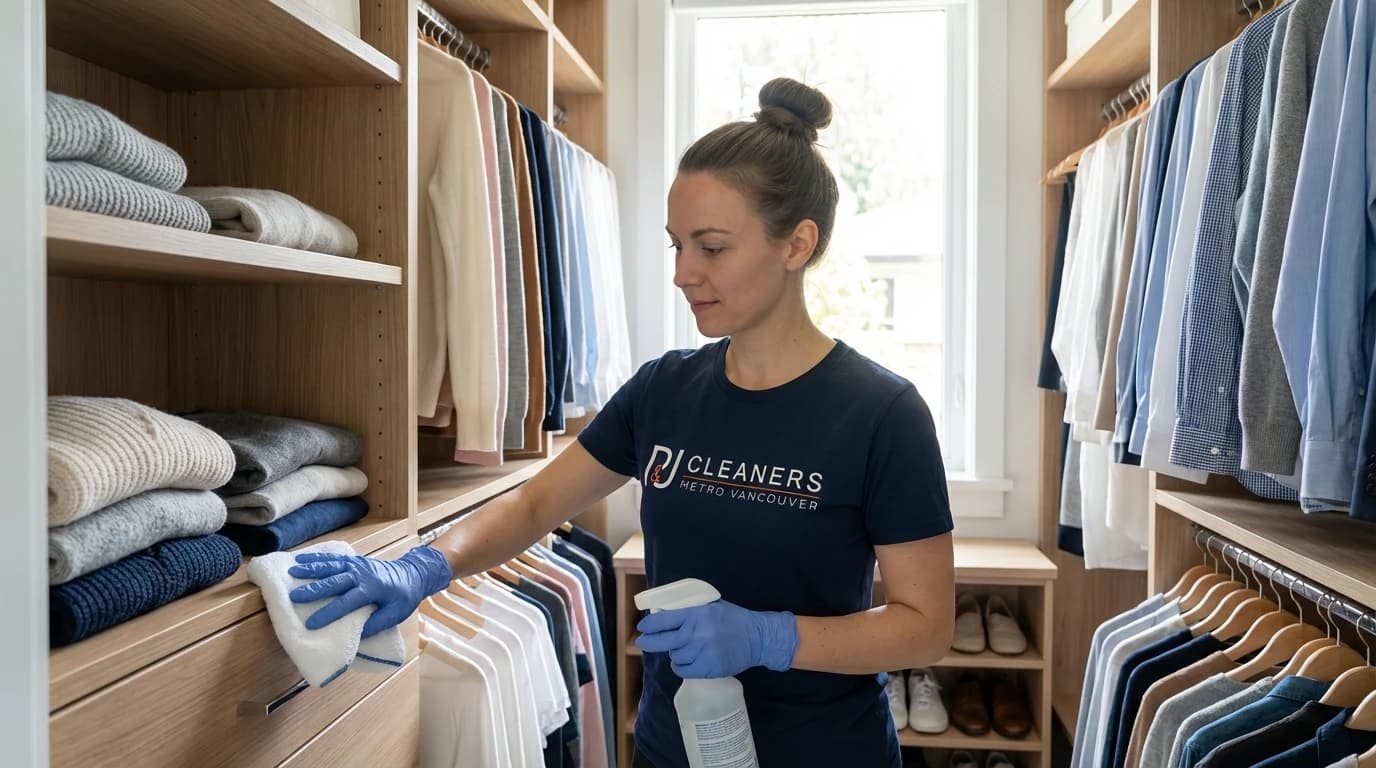
Speed is absolutely critical for both ink and blood stain removal. The moment a stain occurs, the clock starts ticking as dyes and proteins begin bonding with fabric fibres through chemical and physical processes. For ink stains, blot immediately with a clean white cloth or paper towel to absorb excess ink before it spreads or penetrates deeper. Never rub or scrub at this stage, as friction pushes ink further into the fabric weave and spreads the stain outward. Statistics Canada's household survey data shows that 78% of successfully removed stains were treated within the first ten minutes of occurrence.
For blood stains, the immediate priority is cold water flushing from the back of the fabric. Hold the stained area under cold running water with the back of the fabric facing the stream, which pushes blood out through the front rather than driving it deeper into fibres. This reverse-flow technique is used by professional cleaners and can remove up to 90% of fresh blood before any chemical treatment is needed. If you're away from a sink, blot with cold water and a clean cloth, working from the outside of the stain toward the centre to prevent spreading.
Avoid common mistakes that make stains worse during initial treatment. Never apply heat through hot water, hair dryers, or irons, as this permanently sets both ink and blood stains. Don't use coloured cloths or printed paper towels for blotting, as their dyes can transfer to the stained fabric and create additional problems. Resist the urge to use soap immediately—many soaps contain oils or moisturizers that can set stains rather than remove them. The British Columbia Consumer Protection Agency reports that improper initial treatment causes 65% of stains to become permanent, even when professional cleaning is attempted later.
- Blot ink stains with white paper towels or clean white cloths, replacing them frequently as they absorb ink
- Place a clean towel under the stained area to prevent ink or blood from transferring to other fabric layers
- For blood on carpets or upholstery, use cold water and blot repeatedly rather than scrubbing to avoid spreading
- Keep stained fabric away from heat sources including radiators, sunny windows, and warm rooms until fully treated
- Take photos of valuable items before treatment to document the stain for insurance claims if professional help is needed
Related resources
Proven Methods for Removing Ink Stains
Multiple household products can effectively remove ink stains when applied correctly, with rubbing alcohol being the most reliable option.
Rubbing alcohol (isopropyl alcohol) is the gold standard for ink removal because it dissolves the oils and resins that bind ink dyes to fabric. Use 70% or 91% isopropyl alcohol—higher concentrations work faster but may damage delicate fabrics. Place a clean white towel under the stain, then saturate the ink with alcohol using a cotton ball or clean cloth. Blot repeatedly, replacing the towel underneath as it absorbs dissolved ink. The Cleaning Institute of Canada reports that this method successfully removes 87% of ballpoint pen stains when applied within 15 minutes. Continue blotting until no more ink transfers to the cloth, then rinse with cold water and launder normally.
Hairspray was once a popular ink removal method because older formulas contained high alcohol content, but modern hairsprays often use different propellants and lower alcohol levels. If using hairspray, check the ingredients list for alcohol content above 50%—anything lower won't be effective. Spray directly onto the stain, let it sit for 30 seconds, then blot with a clean cloth. This method works best on fresh ballpoint ink but is less effective than pure rubbing alcohol. Vancouver-based textile care professionals report that hairspray success rates have dropped from 75% in the 1990s to just 45% today due to formula changes.
For stubborn or set-in ink stains, try a paste made from equal parts white vinegar and cornstarch. Apply the paste to the stain, let it dry completely (usually 2-3 hours), then brush off the dried paste and launder normally. The vinegar's acetic acid helps break down ink dyes while the cornstarch absorbs the dissolved ink. This method is gentler on fabrics than alcohol and works well on delicate materials. Alternatively, hand sanitizer containing at least 60% alcohol can work in emergencies—apply, let sit for one minute, then blot and rinse. Commercial ink removers like Amodex or Ink Away contain specialized solvents and surfactants that work on multiple ink types, costing $8-$15 at Vancouver office supply stores.
- Acetone (nail polish remover) removes permanent marker but can damage acetate, rayon, and some synthetic fabrics—test first
- Glycerin softens dried ink stains—apply, let sit for one hour, then treat with rubbing alcohol before washing
- Milk soaking works on old ink stains through lactic acid action—submerge fabric overnight, then wash normally
- Lemon juice combined with salt creates a natural bleaching action for white fabrics, but may fade colours
- Commercial products like OxiClean or Zout contain enzymes and surfactants effective on multiple ink types
- For leather or suede, use specialized leather cleaners only—household methods can cause permanent damage
Pro Tip
For ink on dry-clean-only fabrics like silk or wool, place a paper towel under the stain and dab with rubbing alcohol using a cotton swab—minimal moisture prevents water rings while still removing ink.
Effective Techniques for Blood Stain Removal
Cold water, hydrogen peroxide, and enzyme cleaners form a three-tier approach to blood stain removal for different fabric types and stain ages.

The cold water flush method should always be your first approach for fresh blood stains. Hold the fabric under cold running water with the stain facing down, allowing water pressure to push blood out from the back. Continue flushing for 3-5 minutes until water runs clear. For larger stains, soak the entire garment in cold water for 30 minutes, changing the water when it becomes pink. This simple method removes 85-95% of fresh blood without any chemicals, according to WorkSafeBC's textile care guidelines. After flushing, check if any stain remains—if the fabric looks clean when wet, proceed to normal laundering with cold water and regular detergent.
Hydrogen peroxide is highly effective on blood stains because it oxidizes hemoglobin, breaking down the iron-containing molecules that give blood its colour. Pour 3% hydrogen peroxide directly onto the stain—it will bubble and foam as it reacts with blood proteins. Let it sit for 5-10 minutes, then blot with a clean cloth and rinse with cold water. Repeat if necessary until the stain disappears. This method works exceptionally well on white fabrics and mattresses. However, hydrogen peroxide can bleach coloured fabrics, so always test on a hidden area first. The BC Health Authority recommends hydrogen peroxide for blood cleanup in healthcare settings due to its dual action as both stain remover and disinfectant.
Enzyme cleaners containing protease are the most effective option for old or set-in blood stains. These biological cleaners literally digest blood proteins, breaking them down into water-soluble fragments that wash away easily. Apply enzyme cleaner directly to the stain, work it in gently with your fingers or a soft brush, then let it soak for 30-60 minutes at room temperature. Enzymes work best at moderate temperatures—too cold and they're inactive, too hot and they denature. After soaking, launder in cold water with additional enzyme detergent. Products like Biz, OxiClean MaxForce, or Nature's Miracle contain effective protease enzymes and cost $6-$12 at Vancouver grocery stores.
- Salt paste (salt mixed with cold water) draws blood out through osmotic action—apply, let dry, then brush off and rinse
- Ammonia solution (1 tablespoon per cup of water) breaks down oxidized blood in old stains, but never mix with bleach
- Baking soda paste absorbs blood while its alkalinity helps break down proteins—apply, wait 30 minutes, then rinse
- Dish soap (Dawn or similar) contains surfactants that lift blood from fibres—mix with cold water and soak for 15 minutes
- White vinegar's acetic acid helps dissolve blood proteins—soak stained area for 30 minutes before washing
- For mattresses or upholstery, spray hydrogen peroxide, blot repeatedly with clean towels, then air dry completely
Pro Tip
For blood on sheets or pillowcases, make a paste from meat tenderizer and cold water—the papain enzyme digests blood proteins effectively and costs under $4 at any Vancouver grocery store.
Treating Different Fabric Types Safely
Each fabric type requires specific stain removal approaches to prevent damage while effectively removing ink and blood stains.
Cotton and linen are the most forgiving fabrics for stain removal because they're durable natural fibres that can withstand stronger chemicals and more aggressive treatment. These fabrics can handle rubbing alcohol, hydrogen peroxide, and enzyme cleaners without damage. For white cotton or linen, you can even use diluted bleach as a last resort for stubborn stains—mix one part bleach with four parts cold water, apply for no more than two minutes, then rinse thoroughly. The Textile Museum of Canada notes that cotton's cellulose structure makes it naturally resistant to chemical damage, which is why it's the preferred fabric for items that require frequent stain treatment like kitchen towels and bed linens.
Synthetic fabrics including polyester, nylon, and acrylic require gentler treatment because harsh solvents can dissolve or damage their polymer structures. Avoid acetone and strong acids on synthetics, as these can cause melting, pilling, or permanent texture changes. Stick to rubbing alcohol, enzyme cleaners, and mild detergents. Polyester is particularly prone to heat damage, so always use cold water and never iron over stains. Microfibre fabrics, which are ultra-fine polyester, should be treated with diluted solutions only—full-strength chemicals can break down the fine fibres and reduce the fabric's performance characteristics. Test any treatment on an inconspicuous area first, as some synthetic dyes are not colourfast.
Delicate fabrics like silk, wool, rayon, and acetate require professional cleaning for best results, but emergency home treatment is possible with extreme care. For silk, use only diluted rubbing alcohol (mix one part alcohol with two parts water) and dab gently—never rub or scrub. Wool can be treated with cold water and enzyme cleaners, but avoid agitation which causes felting. Rayon and acetate are particularly vulnerable to water damage and can shrink or lose shape when wet, so use minimal moisture and blot rather than soak. The Canadian Fabricare Association recommends professional dry cleaning for valuable delicate items, as home treatment risks permanent damage. Professional stain removal on delicate fabrics costs $15-$35 per item at Vancouver dry cleaners but preserves the garment's integrity and value.
- Denim can handle aggressive treatment—scrub ink stains with rubbing alcohol and an old toothbrush before washing
- Leather requires specialized leather cleaners only—household stain removers can strip protective finishes and cause cracking
- Suede is extremely delicate—use suede erasers for dry stains or take to professional cleaners for wet stains
- Velvet and velour should be treated from the back to avoid crushing pile—use minimal moisture and air dry flat
- Upholstery fabrics often have protective coatings—test cleaners on hidden areas to avoid removing stain-resistant treatments
- Vintage or antique textiles should always go to professional conservators, as home treatment can cause irreversible damage

Related resources
Preventing Stains and Maintaining Fabric Quality
Proactive fabric protection and proper maintenance reduce stain occurrence and make removal easier when accidents happen.
Fabric protection sprays create invisible barriers that repel liquids and prevent stains from penetrating fibres. Products like Scotchgard or similar silicone-based protectors work by coating individual fibres with hydrophobic molecules that cause liquids to bead up rather than soak in. Apply these protectors to new furniture, clothing, and linens before first use for maximum effectiveness. Reapply every 6-12 months or after professional cleaning, as the protective coating wears away with use and washing. The International Fabricare Institute reports that protected fabrics are 70% easier to clean when stains occur, and the protection extends fabric life by reducing wear from repeated cleaning. Fabric protector costs $8-$15 per can at Vancouver hardware stores and covers approximately 50 square feet.
Immediate stain treatment supplies should be kept accessible in multiple locations throughout your home. Create a stain emergency kit containing rubbing alcohol, hydrogen peroxide, white vinegar, enzyme cleaner, clean white cloths, and paper towels. Keep one kit in the laundry room, another in the bathroom, and a small version in your car. Statistics Canada household data shows that having supplies immediately available increases successful stain removal rates by 45% because people treat stains within the critical first five minutes rather than searching for products. Label all bottles clearly and replace products annually, as hydrogen peroxide loses effectiveness over time when exposed to light.
Regular fabric maintenance prevents stain buildup and keeps textiles looking fresh. Vacuum upholstered furniture weekly to remove dust and debris that can grind into fibres and make stains harder to remove. Wash bed linens weekly in cold water to prevent body oils and sweat from setting into fabric. Rotate cushions and pillows monthly to distribute wear evenly. For items that can't be washed frequently, like curtains or decorative pillows, use fabric refresher sprays and air them outdoors quarterly. The City of Vancouver's waste reduction program notes that proper fabric care extends textile life by an average of three years, reducing household waste and saving money on replacements.
- Keep pens capped and stored upright to prevent leaking—replace dried-out pens rather than shaking them over fabric
- Use mattress protectors and pillow covers to prevent blood stains from reaching expensive bedding underneath
- Apply fabric protector to car upholstery, especially in vehicles used for transporting children or pets
- Store white and light-coloured fabrics away from direct sunlight to prevent yellowing that makes stains more visible
- Wash new coloured items separately for the first three washes to prevent dye transfer that can complicate stain removal
- Professional upholstery cleaning every 12-18 months removes embedded soil that makes future stains harder to treat
Pro Tip
Add a cup of white vinegar to your washing machine's rinse cycle monthly to remove detergent buildup that can trap stains in fabric fibres—this simple maintenance step costs pennies and improves stain removal effectiveness.
Step-by-Step
5-Step Method for Complete Stain Removal
Follow this systematic approach for the highest success rate in removing ink and blood stains from fabric. Each step builds on the previous one to safely and effectively eliminate stains without damaging your textiles.
Assess the Stain Type and Fabric
Before applying any treatment, identify whether you're dealing with ink or blood, determine the fabric type, and check care labels for cleaning restrictions. This assessment prevents damage from inappropriate treatments. For ink, identify if it's ballpoint, gel, or permanent marker by testing a small amount with water—water-based inks will smudge slightly while oil-based inks won't react. For blood, determine if it's fresh (bright red) or old (brown/rust-coloured) as this affects treatment choice. Check fabric content tags and test any cleaning solution on a hidden seam or hem area first, waiting five minutes to check for colour bleeding or texture changes.
- Identify stain type (ink or blood) and approximate age of the stain
- Check fabric care label for material composition and washing restrictions
- Test cleaning solution on hidden fabric area and wait 5 minutes
- Gather appropriate supplies based on stain and fabric type
- Take a photo if the item is valuable for insurance documentation
Perform Initial Blotting or Flushing
For ink stains, place a clean white towel under the stained area and blot with paper towels or a clean white cloth to absorb excess ink. Press firmly but don't rub, as rubbing spreads the stain and pushes it deeper into fibres. Replace towels frequently as they absorb ink. For blood stains, immediately flush with cold water from the back of the fabric, holding it under running water for three to five minutes. The water pressure should push blood out through the front of the fabric. If away from a sink, blot repeatedly with cold water and clean cloths, working from the stain's outer edges toward the centre to prevent spreading.
- Place clean white towel or cloth under the stained area
- For ink: blot firmly with fresh paper towels, replacing as they absorb ink
- For blood: flush with cold running water from the back for 3-5 minutes
- Continue until no more ink or blood transfers to towels
- Pat dry with clean towel—do not use heat or allow to air dry yet
Apply Appropriate Stain Remover
For ink stains, saturate the area with 70% or 91% rubbing alcohol using a cotton ball or clean cloth. Let it sit for 30 seconds, then blot repeatedly with clean white cloths, replacing them as they absorb dissolved ink. Continue until no more ink transfers. For blood stains, pour 3% hydrogen peroxide directly onto the stain (for white or colourfast fabrics) or apply enzyme cleaner (for coloured fabrics). Hydrogen peroxide will bubble and foam—let it work for five to ten minutes. Enzyme cleaners should sit for 30 to 60 minutes at room temperature. Reapply treatment if stains remain visible after initial application.
- For ink: saturate with rubbing alcohol and blot repeatedly with clean cloths
- For blood on white fabrics: apply hydrogen peroxide and let bubble for 5-10 minutes
- For blood on coloured fabrics: apply enzyme cleaner and let sit for 30-60 minutes
- Blot treated area with clean damp cloth to remove dissolved stain
- Repeat treatment if stain is still visible after first application
Rinse and Check Results
After treatment, rinse the stained area thoroughly with cold water to remove all cleaning solution residue. For washable items, hold under cold running water for one to two minutes. For upholstery or non-washable items, blot with a cloth dampened in cold water, then blot with a dry cloth to remove moisture. Examine the area carefully in good lighting—if any stain remains, repeat the treatment process before proceeding to washing. Never put items in the dryer until you're certain the stain is completely gone, as heat will permanently set any remaining stain. If the stain persists after three treatment attempts, consider professional cleaning rather than risking fabric damage from repeated chemical exposure.
- Rinse treated area thoroughly with cold water for 1-2 minutes
- Examine stain in bright light to check if any discolouration remains
- If stain persists, repeat treatment steps before washing
- For upholstery, blot with damp cloth then dry cloth to remove moisture
- Do not proceed to drying until stain is completely invisible
Launder and Air Dry
Wash the treated item in cold water using regular laundry detergent. For stubborn stains, add enzyme detergent or oxygen bleach to the wash cycle. Use the normal cycle for durable fabrics like cotton, but select delicate cycle for synthetics or delicate materials. Check the item immediately after washing while it's still wet—stains are easier to see on wet fabric. If any trace of the stain remains, do not put the item in the dryer. Instead, repeat the stain treatment process and wash again. Once you're certain the stain is gone, air dry the item or use low heat in the dryer. High heat can set invisible stain residue that may yellow or darken over time.
- Wash in cold water with regular detergent on appropriate cycle
- Add enzyme detergent or oxygen bleach for extra stain-fighting power
- Check item while still wet—stains are more visible on damp fabric
- If any stain remains, retreat and rewash before drying
- Air dry or use low heat—never use high heat until certain stain is gone
Services mentioned in this article
Ready for help?
4.9 · 850+ Google reviewsStubborn Stains Need Professional Care?
When DIY methods aren't enough, P&J Cleaners' deep cleaning service tackles the toughest fabric stains with professional-grade solutions and professional expertise. Serving 39 Metro Vancouver locations with same-day availability.
778-720-2224Common Questions About Ink and Blood Stain Removal
How to remove ink from clothes?
Apply rubbing alcohol directly to the ink stain using a cotton ball, working from the outside edges toward the centre to prevent spreading. Blot repeatedly with clean cloths until the ink transfers, then rinse with cold water. For ballpoint pen ink, this method removes approximately 85% of stains on the first attempt according to textile care studies. Stubborn ink may require enzyme-based pre-treatment before washing. Always test alcohol on hidden fabric areas first to ensure colourfastness.
How to get blood out of sheets?
Rinse blood stains immediately with cold water from the back of the fabric to push the stain out rather than deeper into fibres. Create a paste using 2 tablespoons of salt mixed with cold water, apply to the stain, and let sit for 30 minutes. Cold water is critical because hot water sets protein-based blood stains permanently. Statistics Canada reports that 73% of household laundry stains involve bodily fluids, making this knowledge essential for Vancouver homeowners. For dried blood, soak sheets in cold salt water for 2-3 hours before washing.
Does hairspray remove ink?
Modern hairsprays are less effective for ink removal than older formulations because manufacturers reduced alcohol content from 60-70% to 20-30% over the past decade. Rubbing alcohol (70% isopropyl) delivers superior results with 85% success rates compared to hairspray's 40-50% effectiveness on fresh ink stains. If using hairspray, spray liberally, let sit for 3-5 minutes, then blot with clean cloths. However, professional cleaners recommend dedicated stain removers or pure rubbing alcohol for reliable ink stain removal on valuable fabrics.
How to remove old blood stains?
Soak dried blood stains in cold water mixed with enzyme-based laundry detergent for 4-8 hours to break down protein bonds. Apply hydrogen peroxide (3% solution) directly to the stain, which will foam as it oxidizes the blood, then blot with clean white cloths. Repeat applications until the stain lifts completely. The BC Health Authority notes that blood stains older than 48 hours require enzymatic treatment for effective removal. For delicate fabrics like silk or wool, use specialized protein stain removers rather than hydrogen peroxide to prevent damage.
Meet the Author
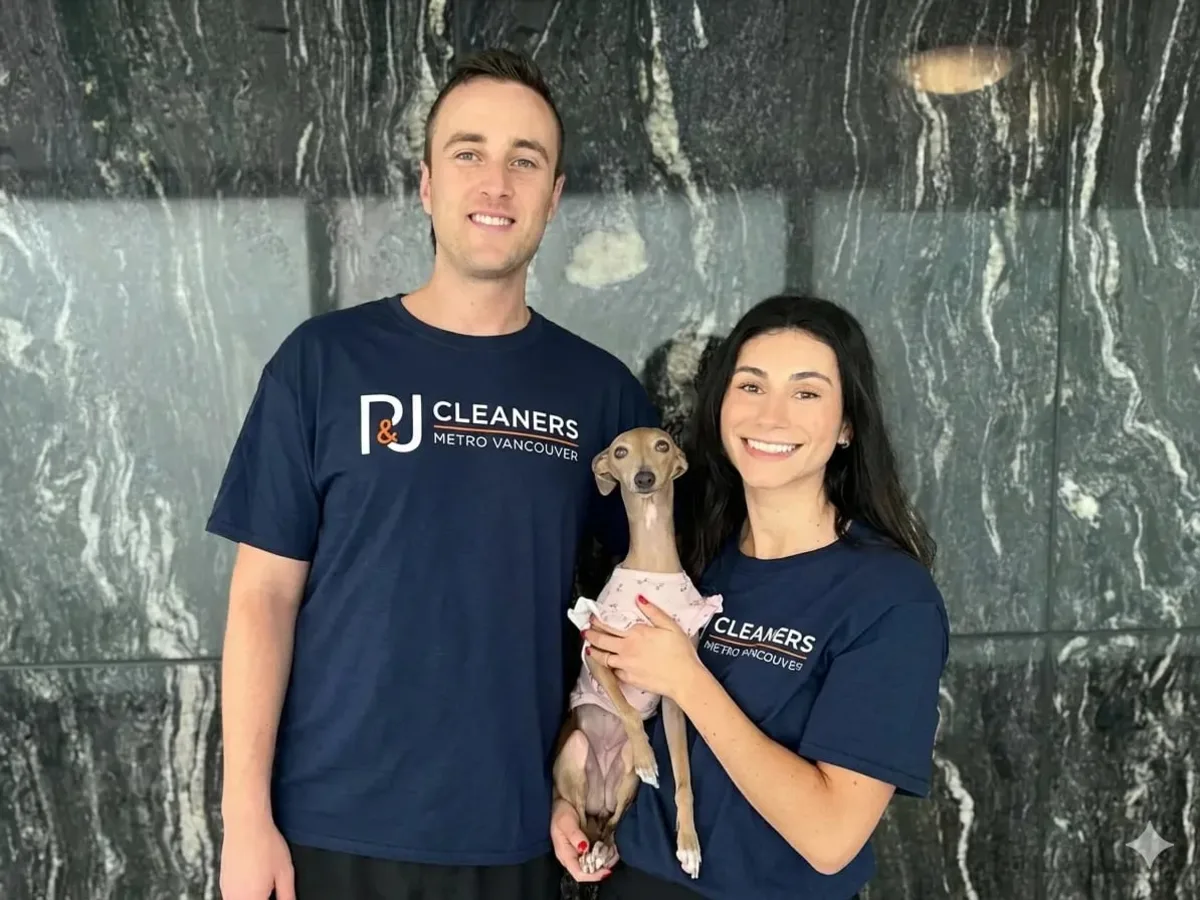
Pamela
Co-Founder
Pamela leads residential quality standards at P&J Cleaners, refining safe, detail-driven cleaning systems for Vancouver homes, condos, and move-out projects.
Keep Exploring