

Industry Overview
Industrial Floor Care Standards in Metro Vancouver
Industrial floors endure extreme conditions that residential and commercial surfaces never face. Forklifts carry loads exceeding 5,000 pounds, chemical spills occur daily, and foot traffic patterns create wear zones that compromise safety and aesthetics. Metro Vancouver's 2,400+ manufacturing facilities and warehouses require specialized floor care that balances durability with regulatory compliance. The region's moisture levels and temperature fluctuations add complexity, as concrete absorbs humidity and epoxy coatings expand with heat. Facilities that implement proper floor care protocols reduce replacement costs by $15,000-$45,000 annually while maintaining WorkSafeBC compliance and preventing liability claims from slip-and-fall incidents.
Floor surfaces in industrial settings serve functional purposes beyond appearance. Concrete provides structural support, epoxy coatings offer chemical resistance, and specialty surfaces like anti-static flooring protect sensitive equipment. Each material demands specific maintenance protocols. Concrete requires pH-balanced cleaners to prevent etching, epoxy needs non-abrasive methods to preserve the coating, and polished concrete demands diamond-pad maintenance to retain shine. Statistics Canada reports that Canadian manufacturers spend $1.2 billion annually on facility maintenance, with flooring representing 18% of that investment. Proper care extends floor lifespan from 15 years to 25+ years, delivering substantial return on investment through deferred replacement costs and reduced downtime.
Vancouver's industrial sector faces unique challenges due to coastal climate conditions. Salt air accelerates concrete degradation, moisture promotes efflorescence, and temperature swings cause expansion joints to fail prematurely. Facilities near port areas experience accelerated wear from salt-contaminated forklift wheels and shipping container residue. The City of Vancouver's industrial zoning regulations require facilities to maintain safe walking surfaces, with fines reaching $5,000 for non-compliance. BC Health Authority guidelines mandate specific cleaning frequencies for food processing and pharmaceutical manufacturing floors, where contamination risks demand daily sanitation protocols. Understanding these regional factors helps facility managers develop maintenance programs that address local conditions while meeting regulatory requirements.
$1.2B nationally
Annual Floor Maintenance Spend
Source: Statistics Canada 2025
35% with systematic care
Slip-Fall Incident Reduction
Source: WorkSafeBC 2024-2025
40% with proper sealing
Floor Lifespan Extension
Source: ISSA Industry Report 2025
2,400+ warehouses
Metro Vancouver Industrial Facilities
Source: City of Vancouver 2025
Compliance priorities
WorkSafeBC slip-resistance standards requiring coefficient of friction above 0.50 on all walking surfaces with quarterly testing documentation • BC Health Authority sanitation protocols for food processing facilities mandating daily floor cleaning with approved antimicrobial solutions • City of Vancouver industrial zoning regulations requiring maintained walking surfaces with visible hazard markings and immediate spill response • WHMIS chemical storage requirements including impermeable floor coatings in designated areas with secondary containment for spill prevention • Fire code compliance for exit routes demanding unobstructed surfaces with reflective markings visible under emergency lighting conditions • Environmental regulations prohibiting discharge of cleaning wastewater containing industrial contaminants without proper treatment and disposal permits
Floor-Specific Maintenance Protocols
Each industrial floor type requires tailored care protocols that address material properties and operational demands. Generic cleaning approaches damage specialized surfaces and void warranties.
Concrete Floor Maintenance
Unsealed concrete absorbs contaminants and deteriorates rapidly without proper care. pH-neutral cleaners and annual sealing prevent costly degradation.
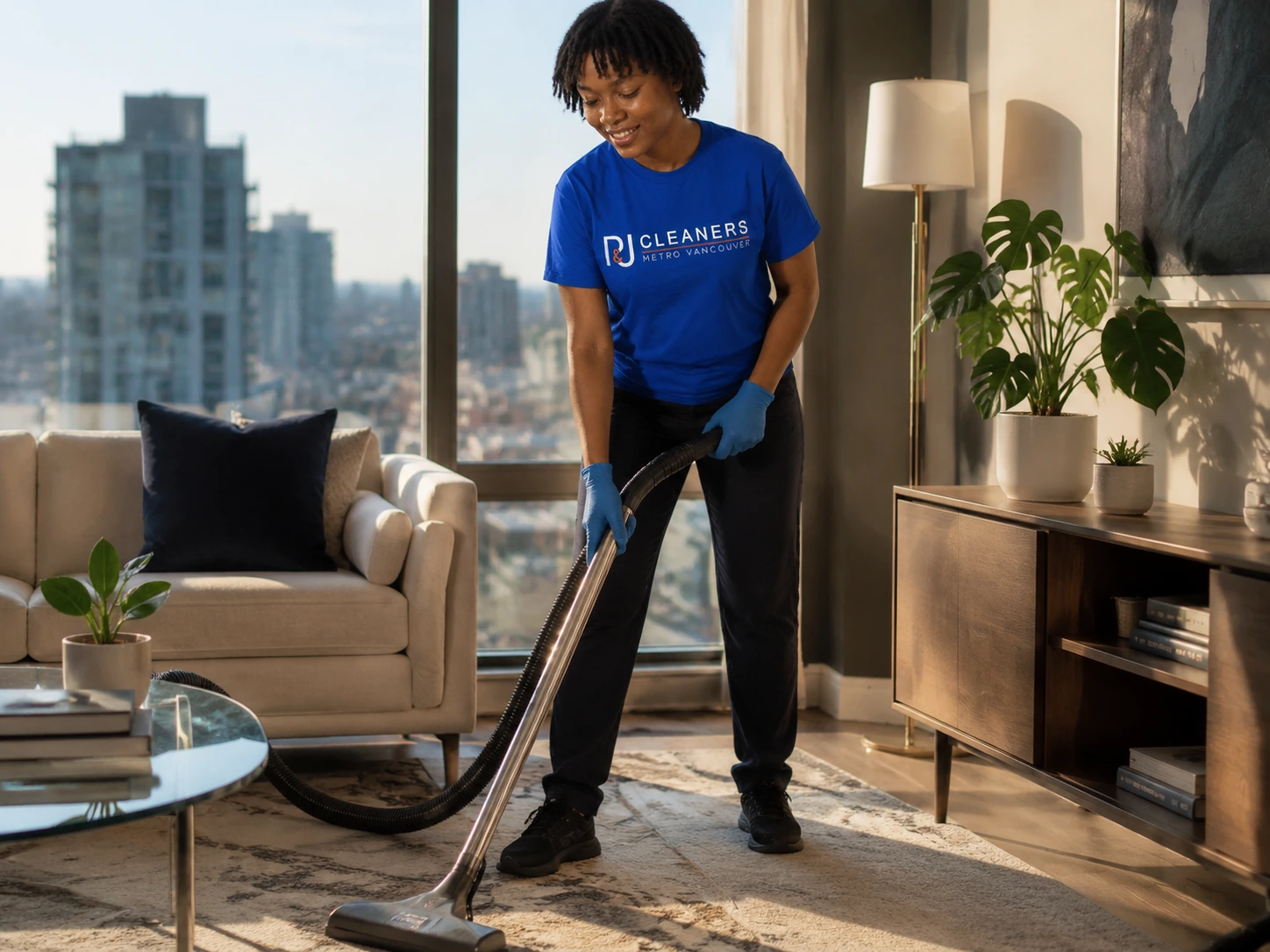
Concrete floors dominate industrial facilities due to load-bearing capacity and cost-effectiveness, but porous surfaces absorb oils, chemicals, and moisture that cause structural damage. Daily dust mopping removes abrasive particles before they grind into the surface, while weekly wet mopping with pH-neutral cleaners prevents alkaline damage. Acidic cleaners etch concrete, creating rough surfaces that trap dirt and accelerate wear. Facilities should use cleaners with pH between 7-10 and avoid products containing phosphoric acid or citrus-based solvents. Proper dilution ratios matter—concentrated solutions leave residue that attracts dirt, while over-diluted products fail to remove contaminants effectively.
Sealing concrete floors provides critical protection against moisture penetration and chemical absorption. Penetrating sealers soak into concrete pores and create hydrophobic barriers, while topical sealers form protective films on the surface. Facilities should apply sealers annually in high-traffic areas and every two years in moderate-use zones. The International Sanitary Supply Association reports that sealed concrete lasts 40% longer than untreated surfaces and requires 50% less cleaning time. Sealer selection depends on operational needs—food processing facilities need FDA-approved products, while automotive shops require oil-resistant formulations. Application requires clean, dry surfaces and proper ventilation, with curing times ranging from 24-72 hours depending on product chemistry.
Stain removal from concrete demands immediate action and appropriate solvents. Oil stains respond to alkaline degreasers or absorbent clay products that draw contaminants from pores. Rust stains require oxalic acid treatments, while organic stains need enzymatic cleaners that break down proteins. Facilities should maintain spill kits with appropriate cleaning agents and absorbent materials near high-risk areas. Pressure washing removes surface contaminants but can damage concrete if pressure exceeds 3,000 PSI or nozzles are held too close. Professional cleaning services use hot water extraction at controlled pressures to deep-clean without causing surface erosion or joint damage.
- Dust mop daily using microfiber heads that capture 99% of particles without spreading contaminants across the floor surface
- Wet mop weekly with pH-neutral cleaners diluted according to manufacturer specifications, changing water every 500 square feet
- Apply penetrating sealer annually in high-traffic zones and every two years in moderate-use areas after thorough cleaning
- Address spills immediately using appropriate solvents—alkaline degreasers for oils, oxalic acid for rust, enzymatic cleaners for organics
- Pressure wash quarterly at 2,500-3,000 PSI with hot water to remove embedded contaminants without damaging concrete surface
- Inspect expansion joints monthly for cracks or separation, filling gaps with polyurethane sealant to prevent moisture infiltration
Recommended Frequency
Daily dust mopping, weekly wet mopping, annual sealing
Epoxy Coating Care
Epoxy floors provide chemical resistance and durability but require non-abrasive cleaning methods to preserve the protective coating layer.
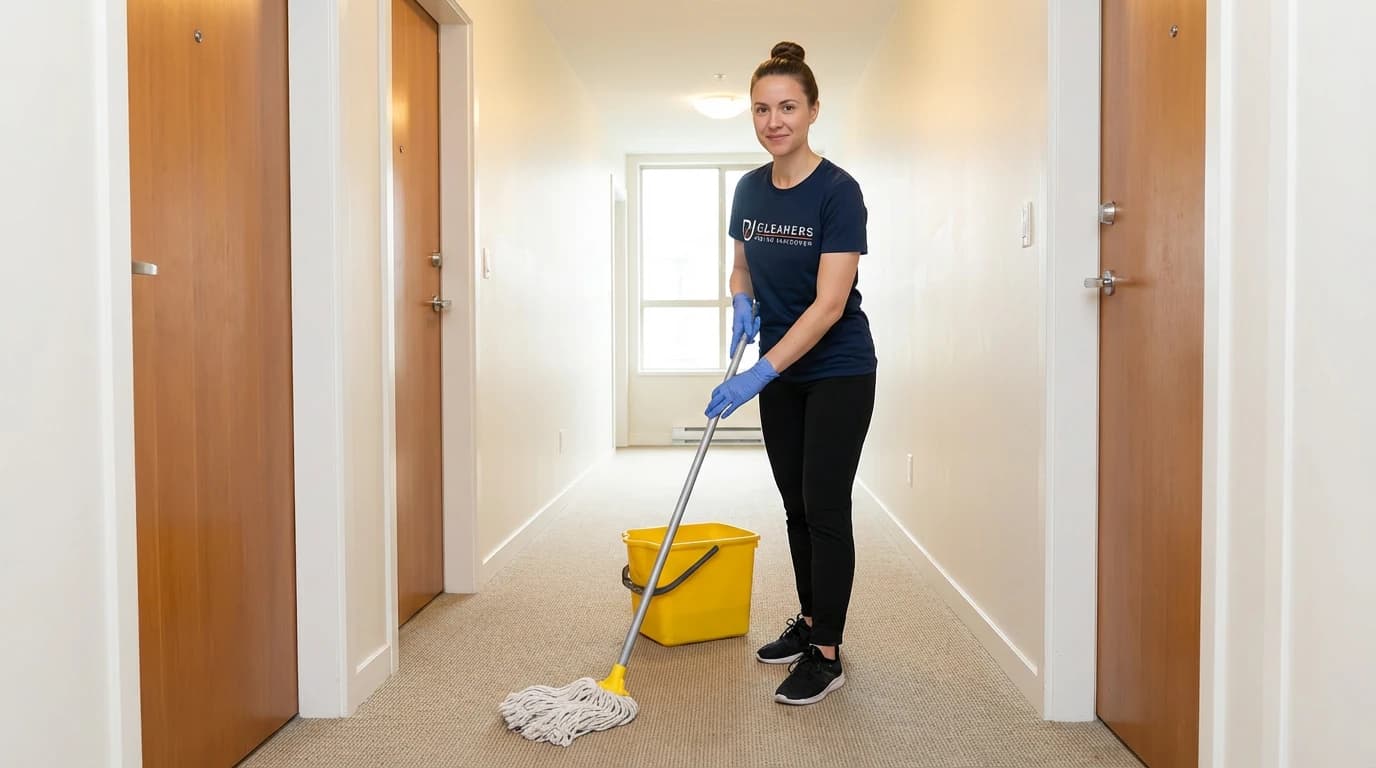
Epoxy coatings transform concrete into chemical-resistant, easy-to-clean surfaces that withstand industrial demands. These resin-based systems cure into hard, glossy finishes that resist oils, solvents, and acids while providing slip-resistant texture through broadcast aggregates. Installation costs range from $3-$12 per square foot depending on coating thickness and preparation requirements, but maintenance expenses drop 60% compared to bare concrete. Epoxy floors require gentler cleaning methods than concrete—abrasive scrubbing pads and harsh chemicals damage the coating, creating dull spots and reducing chemical resistance. Facilities should use soft-bristle brushes or microfiber mops with neutral pH cleaners specifically formulated for epoxy surfaces.
Daily maintenance prevents buildup that requires aggressive cleaning later. Dust mopping removes abrasive particles that scratch the coating, while spot-cleaning spills prevents staining and chemical damage. Weekly wet mopping with diluted neutral cleaners maintains appearance without leaving residue. Facilities should avoid ammonia-based products, citrus solvents, and acidic cleaners that break down epoxy chemistry. Hot water extraction every 3-6 months removes embedded contaminants and restores shine. The coating's glossy finish acts as a visual indicator—dull areas signal coating degradation requiring professional assessment. Facilities should document cleaning schedules and products used to maintain warranty coverage, as improper maintenance voids most manufacturer guarantees.
Epoxy coatings eventually wear in high-traffic areas, requiring recoating to maintain protection. Forklift paths, loading dock zones, and production line areas show wear first, with coating thickness reducing from 10-20 mils to 2-3 mils over 5-7 years. Facilities should recoat when 30% of the surface shows wear, typically every 5-7 years for standard coatings and 7-10 years for high-performance systems. Recoating costs $2-$4 per square foot—significantly less than full removal and replacement at $8-$15 per square foot. Professional assessment identifies coating condition through adhesion testing and thickness measurements, providing data-driven recoating schedules that optimize budget allocation and minimize downtime.
- Dust mop daily using microfiber heads to remove abrasive particles without scratching the epoxy coating surface
- Wet mop weekly with pH-neutral cleaners designed for epoxy, avoiding ammonia, citrus solvents, and acidic products
- Spot-clean spills immediately using soft cloths and appropriate solvents to prevent staining and chemical damage to coating
- Perform hot water extraction every 3-6 months to remove embedded contaminants and restore glossy finish
- Inspect high-traffic areas quarterly for coating wear, documenting thickness measurements and planning recoating schedules
- Recoat when 30% of surface shows wear, typically every 5-7 years, to maintain chemical resistance and appearance
Recommended Frequency
Daily dust mopping, weekly wet mopping, quarterly recoating assessment
Polished Concrete Systems
Polished concrete combines durability with aesthetic appeal but demands diamond-pad maintenance and specific cleaning protocols to retain shine.
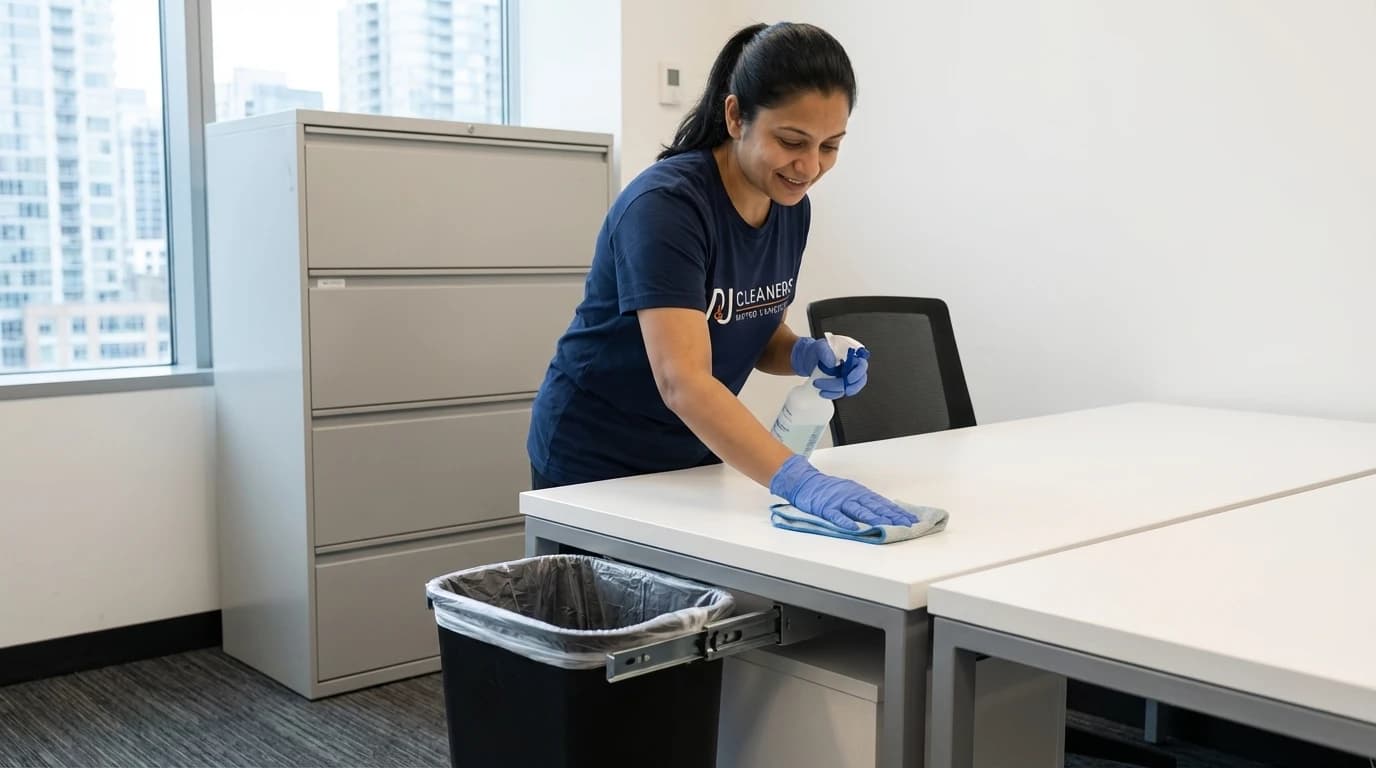
Polished concrete floors use diamond abrasives to grind and refine concrete surfaces into glossy, low-maintenance finishes. The process removes surface imperfections and densifies concrete, creating floors that resist staining and require minimal upkeep. Polishing costs $3-$8 per square foot depending on existing concrete condition and desired gloss level. These floors suit warehouses, showrooms, and manufacturing facilities where appearance matters alongside functionality. Maintenance differs from sealed concrete—polished surfaces need burnishing to maintain shine rather than resealing. Facilities should use neutral pH cleaners and avoid wax-based products that build up and dull the surface. Daily dust mopping and weekly damp mopping maintain appearance between quarterly burnishing sessions.
Burnishing restores shine to polished concrete by smoothing the surface with diamond-impregnated pads. Facilities should burnish high-traffic areas quarterly and moderate-use zones semi-annually using floor machines operating at 1,500-3,000 RPM. The process takes 2-4 hours per 10,000 square feet and costs $0.15-$0.30 per square foot when performed by professionals. Burnishing removes minor scratches, restores gloss, and extends the time between re-polishing. Facilities can perform burnishing in-house with proper equipment or contract professional services. Re-polishing becomes necessary every 5-10 years when burnishing no longer restores shine, requiring diamond grinding to remove surface damage and restore the original finish at costs of $2-$5 per square foot.
Stain prevention matters more than stain removal on polished concrete. The densified surface resists absorption but prolonged exposure to acids, oils, and chemicals causes discolouration. Facilities should clean spills within 30 minutes using appropriate solvents and absorbent materials. Oil stains respond to alkaline degreasers, while rust requires oxalic acid treatments. Organic stains need enzymatic cleaners that break down proteins without etching the surface. Facilities in food processing or chemical manufacturing should apply topical guards that provide additional stain resistance without affecting appearance. These guards cost $0.50-$1.50 per square foot and last 2-3 years, offering cost-effective protection in high-risk environments.
- Dust mop daily with microfiber heads to remove abrasive particles that scratch the polished surface and reduce gloss
- Damp mop weekly using pH-neutral cleaners without wax or polymers that build up and dull the concrete finish
- Burnish high-traffic areas quarterly with diamond-impregnated pads at 1,500-3,000 RPM to restore shine and remove minor scratches
- Clean spills within 30 minutes using appropriate solvents to prevent staining on the densified but still porous surface
- Apply topical guards in high-risk areas every 2-3 years to provide additional stain resistance without affecting appearance
- Re-polish every 5-10 years when burnishing no longer restores gloss, using diamond grinding to remove surface damage
Recommended Frequency
Daily dust mopping, weekly damp mopping, quarterly burnishing
Specialty Surface Protocols
Anti-static, chemical-resistant, and food-grade floors require manufacturer-specific maintenance to preserve specialized properties and regulatory compliance.
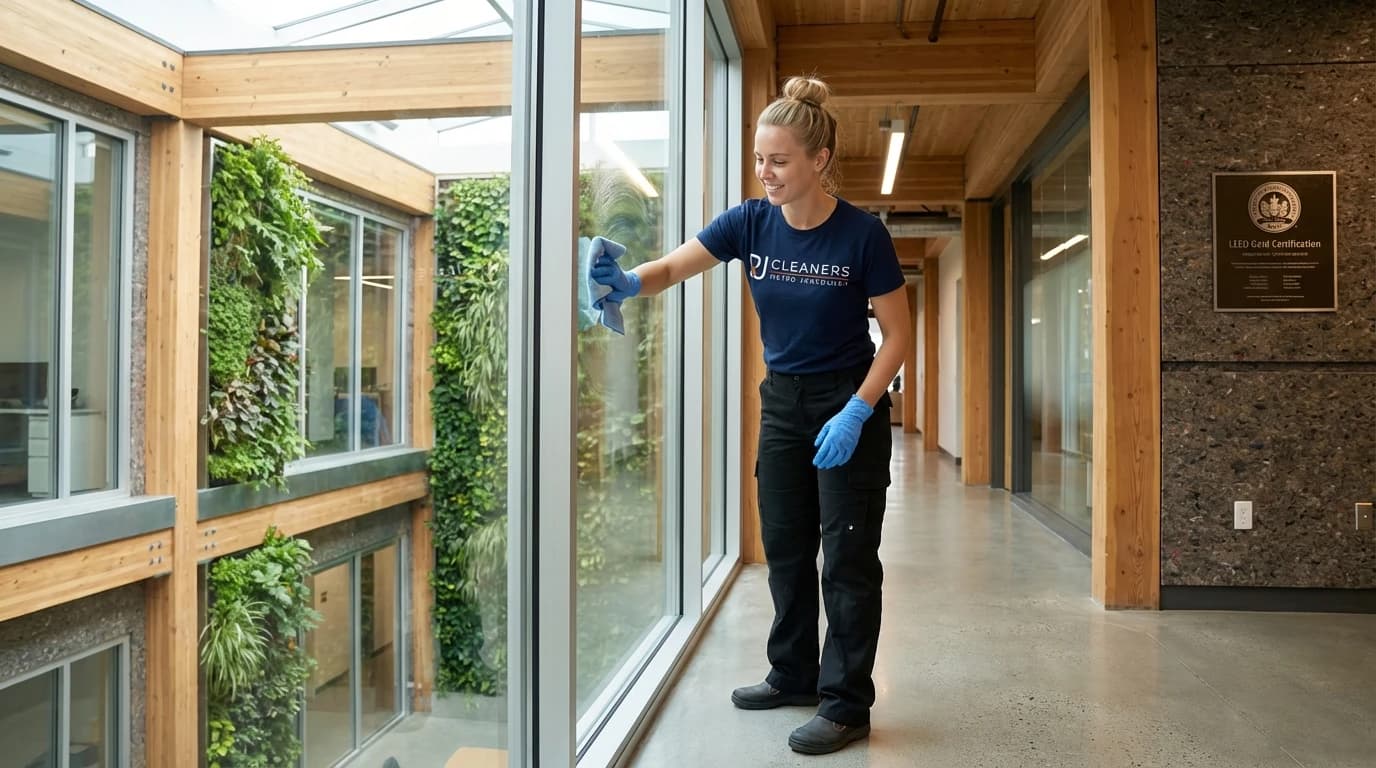
Specialty floors serve critical functions in electronics manufacturing, pharmaceutical production, and food processing facilities. Anti-static flooring prevents electrostatic discharge that damages sensitive components, requiring conductive cleaning solutions and equipment to maintain electrical properties. Chemical-resistant surfaces in laboratories and manufacturing plants use specialized resins that withstand aggressive solvents but degrade with improper cleaning. Food-grade floors meet FDA and CFIA requirements for sanitation, demanding antimicrobial cleaners and daily deep-cleaning protocols. Each specialty surface comes with manufacturer maintenance guidelines that must be followed to preserve properties and maintain warranty coverage. Facilities should document cleaning procedures and products used, as non-compliance voids warranties and creates liability exposure.
Anti-static floors require conductive cleaning solutions that maintain electrical properties. Standard cleaners leave insulating residue that blocks conductivity, rendering the floor ineffective. Facilities should use pH-neutral, residue-free cleaners specifically formulated for ESD flooring, applied with conductive mops and equipment. Testing electrical resistance quarterly ensures the floor maintains required conductivity levels, typically 1 x 10^6 to 1 x 10^9 ohms. Facilities manufacturing electronics, medical devices, or aerospace components face strict ESD control requirements, with floor failures causing product defects and costly recalls. Professional ESD floor maintenance costs $0.25-$0.50 per square foot monthly but prevents losses exceeding $50,000 from single contamination events.
Food-grade floors demand rigorous sanitation protocols that exceed standard cleaning requirements. BC Health Authority guidelines require daily cleaning with approved antimicrobial solutions, quarterly deep-cleaning with steam or hot water extraction, and annual third-party testing for bacterial contamination. Floors must be seamless with coved edges to prevent bacterial growth in joints and cracks. Facilities should use colour-coded cleaning equipment to prevent cross-contamination between production areas. Cleaning solutions must be food-safe and leave no residue that could contaminate products. Documentation requirements include daily cleaning logs, product safety data sheets, and bacterial test results. Non-compliance results in health authority citations, production shutdowns, and potential product recalls that cost $100,000-$500,000 in lost revenue and remediation expenses.
- Use manufacturer-approved cleaning products and methods to preserve specialized floor properties and maintain warranty coverage
- Test anti-static floors quarterly for electrical resistance between 1 x 10^6 to 1 x 10^9 ohms using calibrated meters
- Clean food-grade floors daily with approved antimicrobial solutions and perform quarterly deep-cleaning with steam extraction
- Document all cleaning activities including products used, procedures followed, and test results for regulatory compliance
- Train staff on specialty floor requirements and proper cleaning techniques to prevent damage from improper maintenance
- Schedule annual professional assessment to verify floor properties and identify maintenance needs before failures occur
Recommended Frequency
Daily antimicrobial cleaning for food-grade, quarterly testing for anti-static
Cost Analysis and Return on Investment
Professional floor care delivers measurable returns through extended lifespan, reduced replacement costs, and decreased liability exposure from safety incidents.
Industrial floor maintenance represents a strategic investment rather than an operational expense. Facilities spending $0.15-$0.45 per square foot monthly on professional care avoid replacement costs of $8-$25 per square foot every 10-15 years. A 50,000 square foot warehouse investing $7,500 monthly in comprehensive floor care defers $400,000-$1,250,000 in replacement costs over a 20-year period. The return on investment extends beyond direct cost savings—well-maintained floors reduce slip-and-fall incidents by 35% according to WorkSafeBC data, preventing liability claims averaging $45,000 per incident. Facilities with systematic maintenance programs report 40% fewer production disruptions from floor-related issues, maintaining operational efficiency and meeting delivery commitments.
Comparing in-house versus professional maintenance reveals hidden costs that affect total ownership expenses. In-house programs require equipment purchases ($15,000-$45,000 for industrial-grade machines), staff training, product inventory, and supervision. Labour costs for a dedicated maintenance worker average $45,000-$65,000 annually including benefits, while professional services cost $0.15-$0.45 per square foot monthly with no capital investment. Professional services provide specialized expertise, commercial-grade equipment, and liability insurance that protects facilities from claims. Facilities under 100,000 square feet typically achieve better value with professional services, while larger operations may justify in-house programs with professional oversight for specialized tasks like recoating and repairs.
Preventive maintenance delivers superior returns compared to reactive approaches. Facilities addressing issues proactively spend 60% less on floor care over 10 years than those performing repairs only when problems become critical. Daily dust mopping costs $0.02 per square foot but prevents abrasive damage requiring $0.45-$2.50 per square foot to repair. Annual sealing at $0.50-$1.50 per square foot extends concrete lifespan by 40%, deferring replacement costs exceeding $10 per square foot. The International Sanitary Supply Association reports that facilities with documented maintenance programs experience 50% fewer emergency repairs and 30% lower total floor care costs. Implementing systematic protocols requires upfront planning and consistent execution but delivers compounding returns through extended asset life and reduced crisis management expenses.
In-House Maintenance
- Equipment purchase: $15,000-$45,000 initial investment for industrial-grade machines and tools
- Annual labour: $45,000-$65,000 per dedicated maintenance worker including benefits and training
- Product costs: $3,000-$8,000 annually for cleaners, sealers, and consumables at wholesale pricing
- Training expenses: $2,000-$5,000 annually for safety certification and technique updates
- Supervision overhead: 10-15% of labour costs for quality control and schedule management
- Liability insurance: Self-insured risk for worker injuries and property damage claims
Professional Services
- Monthly service: $0.15-$0.45 per square foot with no capital equipment investment required
- Specialized expertise: Trained technicians with certifications in floor care and safety protocols
- Commercial equipment: Industrial-grade machines maintained and replaced by service provider
- Product inclusion: All cleaning solutions, sealers, and materials included in service pricing
- Liability coverage: Most cleaning companies carry at least $2 million in insurance, protecting the facility from claims and damages
- Flexible scheduling: Services adjusted seasonally or for production changes without staffing issues
$400K-$1.25M over 20 years
Replacement Cost Deferral
35% fewer claims
Slip-Fall Incident Reduction
40% fewer floor-related issues
Production Disruption Decrease
60% lower 10-year costs
Preventive vs Reactive Savings
50% fewer crisis interventions
Emergency Repair Reduction
30% with systematic programs
Total Cost Reduction
- Extended floor lifespan from 15 years to 25+ years through proper sealing and maintenance protocols
- Reduced liability exposure with 35% fewer slip-and-fall incidents and lower insurance premiums
- Improved operational efficiency with 40% fewer production disruptions from floor-related failures
- Enhanced facility appearance supporting customer confidence and employee morale in production areas
- Regulatory compliance meeting WorkSafeBC, BC Health Authority, and municipal safety requirements
- Deferred capital expenses avoiding $8-$25 per square foot replacement costs through preventive care
- Lower total ownership costs with 60% savings using preventive versus reactive maintenance approaches
- Reduced environmental impact through extended material life and decreased waste from premature replacement
Industrial Floor Care Compliance Checklist
Use this checklist to ensure your facility meets regulatory requirements and maintains safe, compliant floor surfaces across all operational areas.
Services mentioned in this article
Ready for help?
4.9 · 800+ Google reviewsProfessional Industrial Floor Care
Protect your floors with proven maintenance systems. Our certified teams handle concrete, epoxy, and specialty surfaces across Metro Vancouver.
778-720-2224Industrial Floor Care Questions
How often should office areas be cleaned?
High-traffic office areas require daily cleaning including vacuuming, trash removal, and surface disinfection. Moderate-traffic zones need cleaning 3-5 times weekly. Low-traffic areas can be maintained 1-2 times weekly. WorkSafeBC recommends daily cleaning of shared surfaces like door handles, light switches, and elevator buttons to reduce pathogen transmission by up to 80%.
What compliance rules apply to office cleaning?
BC offices must follow WorkSafeBC regulations for workplace hygiene, including regular cleaning schedules, proper chemical handling, and staff training documentation. Federal buildings require additional compliance with Treasury Board standards. Food preparation areas need daily sanitization meeting health authority standards. Failure to maintain compliance can result in fines from $500-$50,000 depending on severity and repeat violations.
How much does office cleaning cost?
Office cleaning in Metro Vancouver costs $25-$45 per hour for standard services or $0.10-$0.25 per square foot for comprehensive programs. A typical 5,000 sq ft office pays $500-$1,250 monthly for 3x weekly service. Specialized services like carpet deep cleaning add $0.15-$0.35 per sq ft. Annual contracts typically offer 10-15% savings compared to month-to-month arrangements.
What are office cleaning standards?
Professional office cleaning follows ISSA Clean Standard protocols covering appearance, hygiene, and safety metrics. Standards include visible dust removal, sanitized high-touch surfaces, streak-free glass, odour-free restrooms, and properly maintained floors. Third-party audits measure cleanliness scores from 1-5, with commercial spaces targeting scores of 3.5 or higher. LEED-certified buildings require additional green cleaning protocols and product documentation.
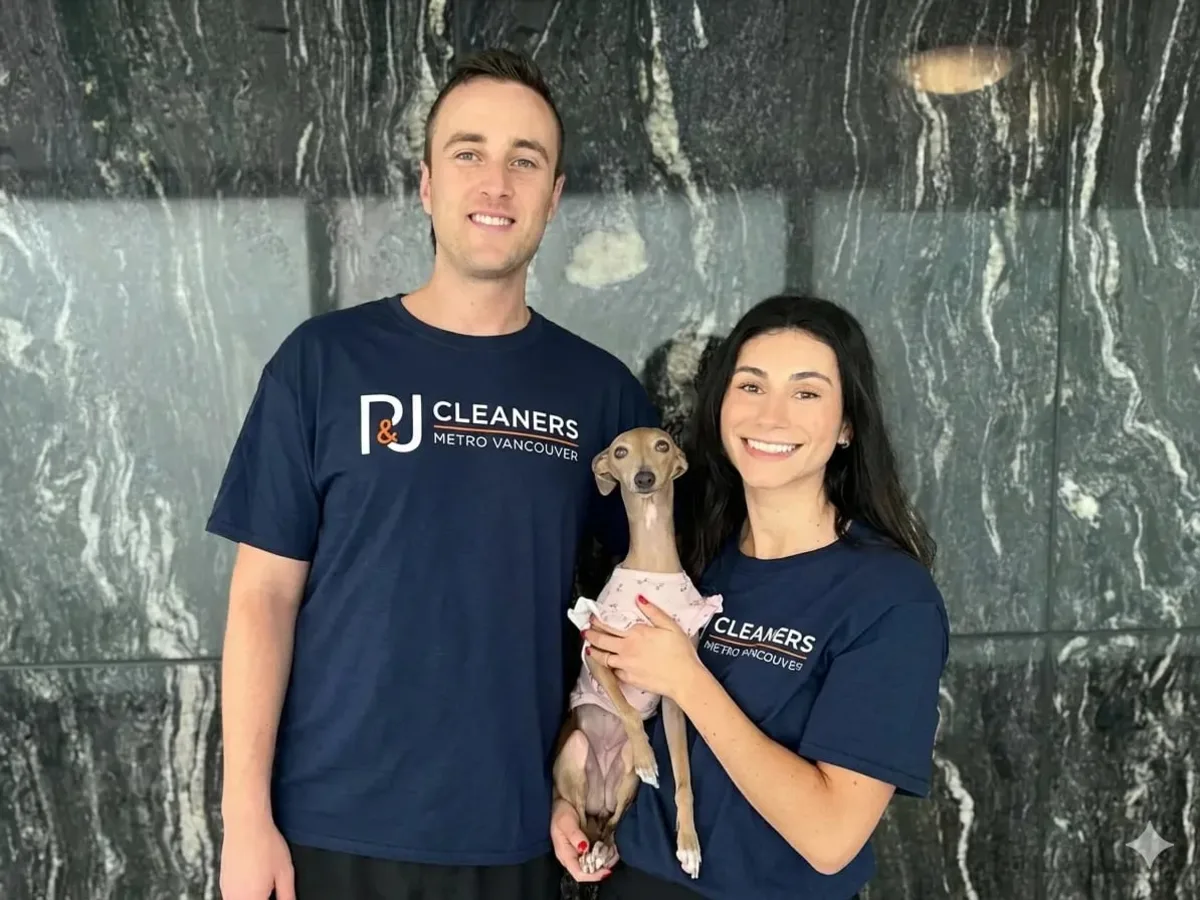
Meet the Author
Jason
Co-Founder
Jason oversees commercial operations, workflow design, and quality control for office, restaurant, and specialty cleaning programs across Metro Vancouver.
Keep Exploring