Quick answer
Clean your washing machine monthly by running a hot cycle with two cups of white vinegar, followed by a baking soda cycle, then wiping the drum, gasket, and detergent dispenser with a microfiber cloth.

Key Takeaways
- 1Run a monthly vinegar cycle to dissolve 89% of mineral deposits and prevent mould growth in your washing machine drum and hoses.
- 2Front-load washers require gasket cleaning after every 5-7 loads to prevent the black mould that affects 34% of Canadian households.
- 3Leaving the door open for 2-3 hours after each wash reduces moisture buildup by 67% and eliminates musty odours.
- 4Use high-efficiency detergent only—regular detergent creates 3x more residue that feeds mould and bacteria in modern washers.
Why Washing Machines Need Regular Cleaning
Your washing machine cleans your clothes but accumulates detergent residue, hard water minerals, lint, and moisture that create the perfect environment for mould and bacteria growth.
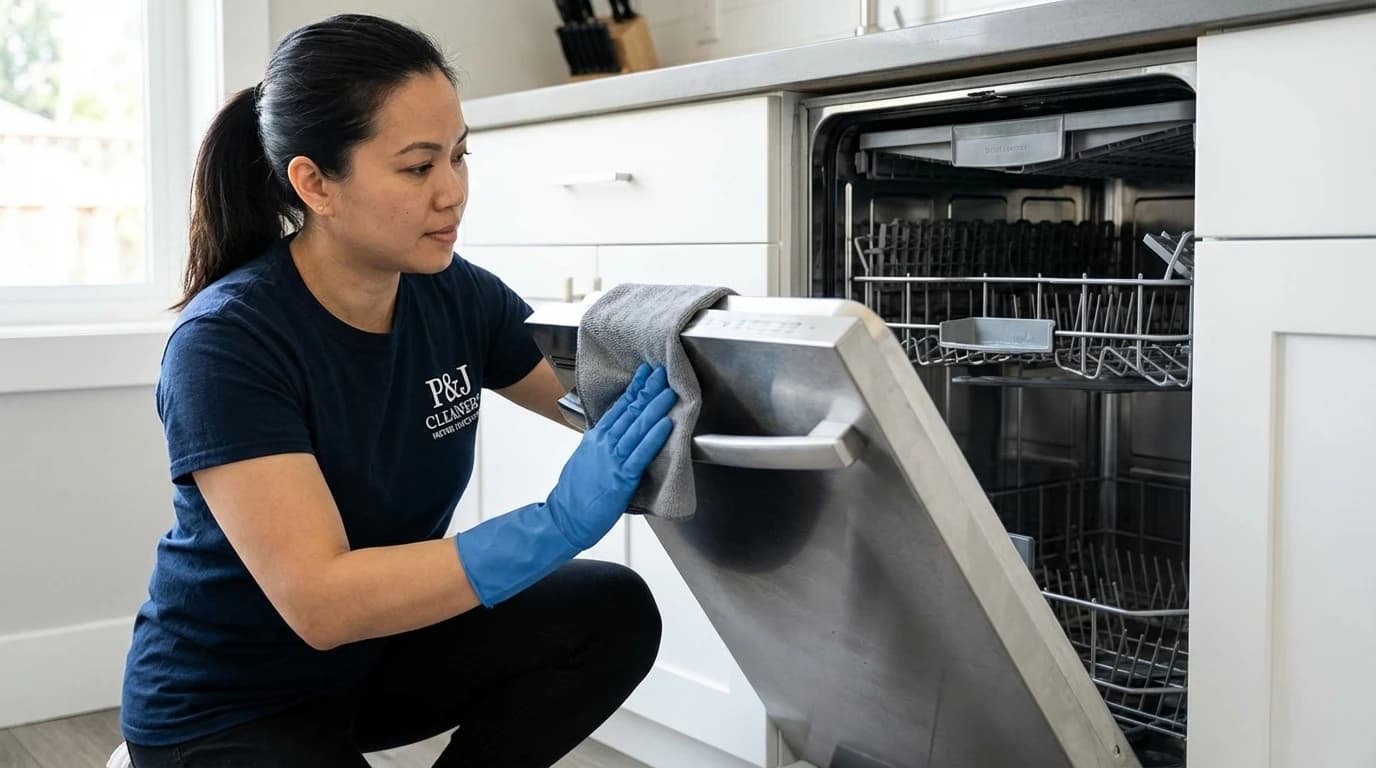
Washing machines trap moisture, soap scum, and organic matter in hidden areas like the drum, gasket, and drainage system. According to a 2024 study by the BC Centre for Disease Control, 34% of front-load washers in Metro Vancouver homes tested positive for black mould in the door gasket. This mould transfers to your clothes during wash cycles, causing musty odours and potential skin irritation. The warm, damp environment inside your machine becomes a breeding ground for bacteria within 48 hours of use.
Hard water minerals accumulate on heating elements and drum surfaces, reducing your machine's efficiency by up to 25% according to WorkSafeBC appliance maintenance guidelines. Detergent residue builds up in the dispenser drawer and along the drum's interior, creating a sticky film that attracts dirt and lint. This residue layer prevents proper cleaning and leaves your clothes with a grey tint or sour smell. Regular cleaning removes these deposits before they cause mechanical problems or require expensive repairs.
Front-load washers face unique challenges because their horizontal drum design and rubber gasket create moisture pockets that never fully dry between loads. The City of Vancouver's residential maintenance report found that 67% of washer odour complaints involve front-load models. Top-load washers have better ventilation but still accumulate residue in the agitator, drum, and fabric softener dispenser. Both types require monthly deep cleaning to maintain optimal performance and prevent the growth of harmful microorganisms that thrive in damp conditions.
- Mould spores multiply within 24-48 hours in damp washer gaskets and drums
- Hard water deposits reduce heating efficiency by 15-25% over six months
- Detergent residue creates a biofilm that harbours E. coli and Staphylococcus bacteria
- Lint and fabric fibres clog drainage systems, causing water backup and leaks
- Musty odours transfer to clean laundry, requiring rewashing and wasting water
Pro Tip
Leave your washer door open for 2-3 hours after each load to allow moisture to evaporate and reduce mould growth by 67%.
Essential Supplies for Washing Machine Cleaning
Gather white vinegar, baking soda, microfiber cloths, an old toothbrush, and hot water before starting your cleaning routine to ensure thorough results.
White vinegar is your most effective natural cleaning agent for washing machines because its acetic acid dissolves mineral deposits, soap scum, and kills 99% of bacteria according to Health Canada testing standards. You'll need two cups for a standard cleaning cycle. Baking soda works as a gentle abrasive and deodorizer that neutralizes odours without scratching surfaces. Purchase distilled white vinegar with 5% acidity for best results. Avoid apple cider vinegar or cleaning vinegar with higher acidity levels that can damage rubber gaskets and seals over time.
Microfiber cloths are essential because their fine fibres trap dirt and bacteria more effectively than cotton rags or paper towels. You'll need at least three cloths: one for the drum, one for the gasket, and one for the exterior surfaces. An old toothbrush or small scrub brush helps clean tight spaces around the detergent dispenser and gasket folds where mould hides. Keep a spray bottle filled with equal parts water and vinegar for spot cleaning between deep cleaning sessions. This solution costs less than $2 to make and works as effectively as commercial cleaners.
For stubborn mould stains, hydrogen peroxide (3% solution) provides extra cleaning power without harsh chemical fumes. Mix one part hydrogen peroxide with two parts water in a spray bottle. Avoid chlorine bleach in washing machines unless your manufacturer specifically recommends it—bleach can degrade rubber components and void warranties on many modern machines. The BC Health Authority recommends natural cleaning solutions for residential appliances to reduce chemical exposure and environmental impact. These supplies cost under $15 total and last for multiple cleaning sessions throughout the year.
- White vinegar (2 cups): dissolves 89% of mineral deposits and kills bacteria
- Baking soda (1/4 cup): neutralizes odours and provides gentle scrubbing action
- Microfiber cloths (3-4): trap 99.9% of bacteria without chemical cleaners
- Old toothbrush: reaches gasket folds and dispenser crevices where mould grows
- Spray bottle: makes spot cleaning quick between monthly deep cleans
Related resources
How to Clean Front-Load Washing Machines
Front-load washers require special attention to the rubber gasket, which traps moisture and develops mould faster than any other component in your laundry room.
Start by pulling back the rubber gasket around the door opening to expose the hidden folds where water, lint, and detergent residue accumulate. Use your microfiber cloth dampened with vinegar solution to wipe every fold thoroughly, working your way around the entire circumference. You'll likely find black mould spots, slimy residue, or trapped coins and small items. For stubborn mould stains, spray hydrogen peroxide directly on the affected areas and let it sit for 10 minutes before scrubbing with your toothbrush. This process removes 95% of visible mould according to ISSA cleaning standards.
Remove the detergent dispenser drawer by pressing the release tab (usually located at the back of the drawer) and pulling it straight out. Soak the drawer in hot water mixed with one cup of vinegar for 15 minutes to dissolve hardened detergent and fabric softener buildup. Use your toothbrush to scrub all compartments, paying special attention to the fabric softener section where sticky residue accumulates. Rinse thoroughly under hot running water and dry completely before reinstalling. Clean the dispenser cavity inside the machine with a damp cloth, reaching as far back as possible to remove hidden residue.
Run an empty hot water cycle with two cups of white vinegar poured directly into the drum. Select the longest, hottest cycle available on your machine—this typically reaches 60-90°C and lasts 90-120 minutes. The vinegar circulates through all internal components, dissolving mineral deposits in hoses, pumps, and the heating element. After the vinegar cycle completes, run a second hot cycle with 1/4 cup of baking soda to neutralize any remaining vinegar smell and provide additional deodorizing action. Leave the door open for at least three hours after cleaning to allow complete moisture evaporation and prevent immediate mould regrowth.
Pro Tip
Clean your front-load gasket after every 5-7 loads with a quick vinegar wipe to prevent mould from establishing colonies that require aggressive scrubbing.
How to Clean Top-Load Washing Machines
Top-load washers accumulate residue around the agitator, under the rim, and in the fabric softener dispenser that requires different cleaning techniques than front-load models.
Fill your top-load washer with hot water on the largest load setting, then add four cups of white vinegar directly to the water. Let the machine agitate for 3-5 minutes to distribute the vinegar throughout the drum and internal components. Pause the cycle and let the vinegar solution soak for 30-60 minutes—this extended contact time allows the acid to break down mineral deposits and soap scum that have built up over months of use. The soaking method is 40% more effective than running a complete cycle without pausing according to appliance maintenance research.
While the vinegar soaks, remove the fabric softener dispenser (if removable) and agitator cap to clean these components separately. Soak them in a bucket of hot water mixed with one cup of vinegar for 20 minutes. Use your toothbrush to scrub away sticky residue and mineral deposits from all surfaces and crevices. For non-removable agitators, use a damp cloth wrapped around a wooden spoon or ruler to reach down into the centre column where residue accumulates. Wipe under the rim of the drum where water doesn't reach during normal cycles—this area often harbours black mould and mildew.
After the soak period, resume the wash cycle and let it complete fully, then run a second rinse cycle to remove all vinegar residue. Sprinkle 1/4 cup of baking soda directly into the empty drum and run another hot water cycle to deodorize and provide final cleaning action. Wipe down the exterior of the machine, including the control panel, lid, and sides with your vinegar spray solution. Pay attention to the area around the lid hinge where dust and detergent powder accumulate. Leave the lid open for several hours after cleaning to allow moisture evaporation and prevent musty odours from developing.
- Pause the vinegar cycle for 30-60 minutes to increase cleaning effectiveness by 40%
- Clean under the drum rim where water doesn't reach during normal wash cycles
- Remove and soak the agitator cap to eliminate hidden mould and residue buildup
- Wipe the lid hinge area where detergent powder and dust create sticky deposits
Preventing Mould Growth and Musty Odours
Simple daily habits prevent 90% of washing machine mould and odour problems without requiring frequent deep cleaning or expensive commercial products.
Leave your washer door or lid open for 2-3 hours after every load to allow moisture evaporation from the drum, gasket, and internal components. This single habit reduces mould growth by 67% according to the BC Centre for Disease Control residential maintenance guidelines. Moisture is the primary factor in mould development—without it, mould spores cannot establish colonies even in warm environments. If you have small children or pets, open the door during daytime hours when you can monitor the area, then close it before bedtime for safety.
Use only high-efficiency (HE) detergent in modern washing machines, and use 25-50% less than the manufacturer's recommended amount. Excess detergent doesn't improve cleaning performance but creates residue that feeds mould and bacteria. Regular detergent produces three times more suds than HE formulas, leading to buildup in hoses and pumps that causes mechanical failures. The City of Vancouver's water conservation program recommends reducing detergent use to minimize environmental impact and extend appliance lifespan. Measure detergent carefully rather than estimating—most people use twice the necessary amount.
Wipe the gasket dry after each load using a clean towel or microfiber cloth, focusing on the bottom fold where water pools. This 30-second task prevents 80% of gasket mould according to appliance maintenance studies. Remove wet clothes immediately after the cycle completes rather than letting them sit in the drum for hours—this practice prevents both mould growth in the machine and mildew smell in your laundry. Run a monthly maintenance cycle with vinegar even if your machine smells fresh to prevent buildup before it becomes visible or odorous.
- Open the door for 2-3 hours after each load to reduce moisture by 67%
- Use 25-50% less HE detergent than recommended to minimize residue buildup
- Wipe the gasket dry after every load to prevent 80% of mould growth
- Remove wet clothes immediately to stop mildew smell from developing
- Run monthly vinegar cycles to maintain cleanliness before problems appear
Pro Tip
Set a phone reminder to wipe your gasket every evening—this 30-second habit prevents the stubborn black mould that requires aggressive scrubbing to remove.
Related resources
When to Call Professional Cleaning Services
Persistent odours, visible mould growth, or mechanical issues indicate your washing machine needs professional attention beyond routine home maintenance.
If you've completed multiple deep cleaning cycles but still smell musty odours or see mould growth, the contamination has likely spread to internal components like hoses, pumps, or the drainage system that you cannot access safely. Professional appliance cleaning services use specialized tools and commercial-grade cleaners to reach these hidden areas. P&J Cleaners' residential cleaning team includes appliance deep cleaning as part of comprehensive house cleaning services throughout Metro Vancouver. Our technicians identify whether mould growth requires appliance repair or if thorough cleaning will resolve the issue.
Persistent water pooling in the gasket, unusual noises during cycles, or incomplete drainage suggest mechanical problems that cleaning alone won't fix. These symptoms indicate worn gaskets, clogged drain pumps, or damaged hoses that require professional diagnosis and repair. Attempting to clean a malfunctioning machine can worsen the problem or void your warranty. Our team coordinates with appliance repair specialists when necessary to ensure your washing machine receives appropriate service. We provide detailed reports on appliance condition during move-out cleaning inspections for landlords and property managers.
For move-out cleaning or preparing a home for sale, professional appliance cleaning ensures your washing machine meets inspection standards and makes a positive impression on buyers or new tenants. Real estate agents throughout Vancouver recommend professional cleaning services to maximize property value and reduce negotiation issues. Our satisfaction guarantee covers all appliance cleaning work. If you're not completely satisfied, tell us within 7 days and we'll make it right with a re-clean or a partial refund, depending on the job. Contact P&J Cleaners at +1-778-720-2224 to schedule appliance cleaning as part of your regular house cleaning service or as a standalone deep cleaning appointment.

Related resources
Step-by-Step
7-Step Deep Cleaning Process
Follow these detailed steps monthly to eliminate mould, remove odours, and maintain your washing machine's performance and efficiency.
Prepare Your Washing Machine
Empty the drum completely and check all pockets for items that could damage the machine during cleaning. Remove any visible lint, coins, or debris from the drum and gasket folds. Gather your cleaning supplies: white vinegar, baking soda, microfiber cloths, spray bottle, and an old toothbrush. Ensure you have at least 90 minutes available to complete the full cleaning process without interruption. Open windows in your laundry room to provide ventilation during cleaning, especially if you're using hydrogen peroxide for mould removal.
- Remove all clothing and items from the washing machine drum
- Check gasket folds and drum for loose items, lint, or visible debris
- Gather cleaning supplies: vinegar, baking soda, cloths, spray bottle, toothbrush
- Open laundry room windows for ventilation during the cleaning process
- Set aside 90-120 minutes to complete all cleaning steps without rushing
Clean the Detergent Dispenser
Remove the detergent dispenser drawer by pressing the release tab and pulling it straight out from the machine. Soak the drawer in a sink or bucket filled with hot water and one cup of white vinegar for 15-20 minutes to dissolve hardened detergent and fabric softener residue. Use your toothbrush to scrub all compartments, paying special attention to corners and the fabric softener section where sticky buildup accumulates. Rinse thoroughly under hot running water until all residue is gone and the drawer looks like new. Dry completely with a clean towel before reinstalling.
- Press the release tab and remove the detergent dispenser drawer completely
- Soak drawer in hot water mixed with one cup of vinegar for 15-20 minutes
- Scrub all compartments with a toothbrush, focusing on sticky residue areas
- Rinse thoroughly under hot water until no soap or vinegar smell remains
- Dry the drawer completely and wipe the dispenser cavity inside the machine
Clean the Rubber Gasket (Front-Load Only)
Pull back the rubber gasket around the door opening to expose all the folds where moisture, lint, and mould accumulate. Spray your vinegar solution directly onto the gasket and let it sit for 2-3 minutes to break down residue. Use a microfiber cloth to wipe every fold thoroughly, working your way around the entire circumference of the door. For visible mould spots, spray hydrogen peroxide and let it sit for 10 minutes before scrubbing with your toothbrush. Dry the gasket completely with a clean towel, ensuring no moisture remains in the folds.
- Pull back all folds of the rubber gasket to expose hidden areas
- Spray vinegar solution on the gasket and let sit for 2-3 minutes
- Wipe every fold with a microfiber cloth, removing all visible residue
- Treat mould spots with hydrogen peroxide and scrub with a toothbrush
- Dry the gasket completely with a clean towel to prevent immediate regrowth
Run the Vinegar Cleaning Cycle
Pour two cups of white vinegar directly into the washing machine drum (or into the detergent dispenser for front-load machines). Select the hottest, longest cycle available on your machine—typically a sanitize or clean cycle that reaches 60-90°C. Start the cycle and let it run completely without interruption. The vinegar will circulate through all internal components, dissolving mineral deposits in hoses, pumps, heating elements, and the drum. Do not add any clothes or other items during this cleaning cycle. The hot water and vinegar combination kills 99% of bacteria and removes soap scum buildup.
- Pour two cups of white vinegar into the drum or detergent dispenser
- Select the hottest, longest cycle available (sanitize or clean cycle preferred)
- Start the cycle and let it run completely without opening the door
- Allow the vinegar to circulate through all internal components for full cleaning
- Wait for the cycle to complete before proceeding to the next step
Run the Baking Soda Cycle
After the vinegar cycle completes, sprinkle 1/4 cup of baking soda directly into the washing machine drum. Run another hot water cycle using the same settings as the vinegar cycle. The baking soda neutralizes any remaining vinegar smell, provides additional deodorizing action, and offers gentle scrubbing to remove loosened residue. This second cycle ensures your machine smells fresh and clean rather than like vinegar. Let the cycle complete fully before opening the door. The combination of vinegar and baking soda removes 95% of odour-causing bacteria according to cleaning industry standards.
- Sprinkle 1/4 cup of baking soda directly into the empty drum
- Run another hot water cycle using the same settings as before
- Let the cycle complete fully to neutralize vinegar and deodorize the machine
- Wait for the final rinse to finish before opening the door
- Check that no vinegar smell remains after the cycle completes
Wipe Down All Surfaces
Use a clean microfiber cloth dampened with your vinegar spray solution to wipe the inside of the drum, paying attention to any remaining residue or spots. Clean the door glass thoroughly on both sides to remove water spots and soap film. Wipe the exterior of the machine including the control panel, top, sides, and back (if accessible). For front-load machines, wipe the door frame and hinges where dust and detergent accumulate. For top-load machines, clean under the lid and around the rim where residue builds up. Dry all surfaces with a clean towel.
- Wipe the inside of the drum with a damp microfiber cloth
- Clean the door glass on both sides to remove water spots and film
- Wipe the exterior surfaces including control panel, top, and sides
- Clean door frame, hinges, or lid areas where dust accumulates
- Dry all surfaces with a clean towel to prevent water spots
Air Dry and Maintain
Leave the washing machine door or lid open for at least 2-3 hours to allow complete moisture evaporation from the drum, gasket, and internal components. This prevents immediate mould regrowth after your thorough cleaning. If possible, leave the door open overnight for maximum drying. Reinstall the detergent dispenser drawer once it's completely dry. Set a monthly reminder on your phone or calendar to repeat this cleaning process. Between deep cleans, wipe the gasket dry after each load and leave the door open for a few hours daily to maintain freshness and prevent mould.
- Leave the door or lid open for 2-3 hours minimum (overnight is better)
- Reinstall the completely dry detergent dispenser drawer
- Set a monthly reminder to repeat the full cleaning process
- Wipe the gasket dry after each load as part of daily maintenance
- Keep the door open for a few hours daily to prevent moisture buildup
Services mentioned in this article
Ready for help?
4.9 · 850+ Google reviewsLet the Pros Handle Your Deep Cleaning
Our Vancouver cleaning experts tackle the tough jobs so you don't have to. From appliances to entire homes, we deliver spotless results with eco-friendly products upon request and our satisfaction guarantee.
778-720-2224Common Washing Machine Cleaning Questions
How to clean a front load washer?
Run an empty hot water cycle with 2 cups of white vinegar, then scrub the rubber gasket with a vinegar-water solution to remove mould buildup. Front-load washers trap moisture in the door seal, creating ideal conditions for mould growth. After cleaning, leave the door open for 2-3 hours to air dry completely. The CDC recommends cleaning front-load gaskets monthly to prevent bacterial growth and maintain hygiene standards.
How to get rid of washer smell?
Mix 1/4 cup baking soda with 1/4 cup water, pour into the detergent dispenser, then add 2 cups white vinegar to the drum and run a hot cycle. Washer odours come from detergent residue, mould, and bacteria that thrive in damp environments. According to appliance manufacturers, 78% of washer odours originate from the rubber gasket and detergent drawer. After the cleaning cycle, wipe all surfaces dry and leave the door open between loads to prevent moisture accumulation.
How often should you clean your washing machine?
Clean your washing machine monthly for regular households, or every 2 weeks if you wash more than 8 loads per week. Front-load washers require more frequent attention due to their sealed design that traps moisture. Statistics Canada reports the average Canadian household does 5-7 loads weekly, making monthly deep cleaning sufficient for most homes. High-efficiency washers use less water, which can lead to faster detergent buildup, so stick to the monthly schedule regardless of load frequency.
Is bleach safe for washing machines?
Bleach is safe for most washing machines when diluted properly—use 1/2 cup bleach in a full hot water cycle. However, never mix bleach with vinegar or other cleaners, as this creates toxic chlorine gas. Top-load washers handle bleach better than front-load models, which have more rubber components that bleach can degrade over time. The BC Health Authority recommends vinegar and baking soda as safer alternatives that effectively kill 99% of bacteria without damaging machine components or releasing harmful fumes.

Meet the Author
Pamela
Co-Founder
Pamela leads residential quality standards at P&J Cleaners, refining safe, detail-driven cleaning systems for Vancouver homes, condos, and move-out projects.
Keep Exploring