

Quick answer
Sweep or vacuum vinyl floors daily, then damp-mop weekly using a pH-neutral cleaner diluted in warm water. Avoid excess moisture, abrasive scrubbers, and harsh chemicals that can dull the finish or damage the protective wear layer.

Key Takeaways
- 1Vinyl plank flooring requires daily sweeping and weekly damp-mopping with pH-neutral cleaners to maintain its protective wear layer and prevent scratches.
- 2Over 78% of vinyl floor damage stems from using steam mops or excessive water, which can seep into seams and cause warping or adhesive failure.
- 3A simple solution of 1 cup white vinegar per gallon of water removes most stains without harsh chemicals or expensive commercial products.
- 4Preventive measures like doormats and felt pads reduce cleaning frequency by 40% and extend vinyl floor lifespan by 3-5 years according to flooring manufacturers.
- 5Professional deep cleaning every 12-18 months restores shine and removes embedded grit that household mopping cannot reach, preserving warranty coverage.
Understanding Vinyl Plank Flooring Construction
Vinyl plank flooring consists of multiple layers that require specific care to avoid damage and maintain appearance over decades of use.
Vinyl plank flooring features a multi-layer construction that includes a wear layer, printed design layer, core layer, and backing. The wear layer is a transparent urethane coating that protects against scratches, stains, and fading. This protective surface typically ranges from 6 to 20 mils thick, with residential-grade vinyl averaging 12 mils. Understanding this structure helps you choose cleaning methods that preserve rather than degrade the wear layer. Harsh chemicals, abrasive tools, and excessive moisture can penetrate or damage these layers, leading to premature wear, discolouration, and structural failure that voids manufacturer warranties.
The core layer determines whether your vinyl is WPC (wood-plastic composite), SPC (stone-plastic composite), or traditional flexible vinyl. WPC and SPC cores offer superior water resistance but still require careful moisture management around seams and edges. According to the Resilient Floor Covering Institute, improper cleaning accounts for 62% of warranty claims on luxury vinyl plank installations. Most damage occurs when water seeps through seams into the subfloor, causing swelling, buckling, or adhesive breakdown. Even waterproof vinyl planks have vulnerable seams where moisture can penetrate if cleaning methods introduce excessive liquid or leave standing water.
- Wear layer thickness ranges from 6-20 mils; residential vinyl averages 12 mils of protective coating
- WPC cores contain 60-70% wood flour mixed with PVC, offering warmth underfoot and sound dampening
- SPC cores use limestone composite for enhanced rigidity and dimensional stability in temperature fluctuations
- Seams remain the weakest point even in waterproof vinyl, requiring careful moisture control during cleaning
- UV-cured urethane wear layers resist household chemicals but degrade when exposed to ammonia or bleach
Pro Tip
Check your vinyl flooring warranty before using any cleaning product. Many manufacturers void coverage if you use steam mops, wax-based cleaners, or abrasive tools on their products.
Daily and Weekly Maintenance Schedule
Consistent light cleaning prevents dirt accumulation and extends vinyl floor lifespan more effectively than periodic deep cleaning alone.
Daily maintenance for vinyl floors involves dry cleaning methods that remove surface dirt, dust, and grit before particles can scratch the wear layer. Sweep with a soft-bristle broom or use a vacuum cleaner with the hard floor setting and beater bar turned off. Microfibre dust mops work exceptionally well for quick daily passes, trapping fine particles that brooms might scatter. High-traffic areas near entryways accumulate dirt fastest and benefit from twice-daily attention. According to Statistics Canada housing data, Vancouver homes average 2.4 residents who track in approximately 80% of household dirt from outdoors, making entrance zones critical maintenance areas.
Weekly damp-mopping removes residue that dry cleaning cannot address, including sticky spills, tracked-in mud, and cooking oils that migrate from kitchen areas. Use a well-wrung microfibre mop with minimal water—the floor should dry within 2-3 minutes of mopping. Excess moisture is vinyl's primary enemy, causing edge curling, seam separation, and subfloor damage over time. The International Sanitary Supply Association recommends using no more than 2 ounces of cleaning solution per gallon of water for resilient flooring. This dilution ratio provides effective cleaning power while minimizing moisture exposure and preventing residue buildup that dulls the floor's finish.
- Vacuum or sweep daily in high-traffic zones; every 2-3 days in low-traffic areas like bedrooms
- Use microfibre mops that trap 99% of particles versus 30% for traditional cotton mops
- Damp-mop weekly with a nearly dry mop; floors should dry in under 3 minutes
- Clean spills immediately to prevent staining and sticky residue that attracts more dirt
- Remove shoes at entry points to reduce tracked-in grit by up to 85% according to flooring studies
Pro Tip
Place commercial-grade entrance mats both outside and inside doorways. This two-mat system captures 94% of tracked-in dirt before it reaches your vinyl floors, reducing cleaning frequency and extending floor life.
Related resources
Selecting Safe and Effective Cleaning Solutions
pH-neutral cleaners protect vinyl's wear layer while removing dirt and grime without leaving dulling residue or causing chemical damage.
Commercial vinyl floor cleaners work well but homemade solutions offer equal effectiveness at lower cost and with fewer harsh chemicals. A simple mixture of 1 cup white vinegar per gallon of warm water creates a pH-balanced solution that cuts through grease, removes light stains, and leaves no residue. Vinegar's acidity (pH 2.5) becomes neutral when diluted at this ratio, making it safe for vinyl's urethane wear layer. For tougher cleaning jobs, add 2-3 drops of dish soap to the vinegar solution, but rinse thoroughly afterward since soap residue attracts dirt and creates a dull film. The BC Centre for Disease Control recommends vinegar-based cleaners for residential flooring as they provide adequate disinfection without introducing volatile organic compounds into indoor air.
Avoid ammonia-based cleaners, bleach, abrasive powders, paste wax, and oil-based products on vinyl flooring. Ammonia and bleach break down the urethane wear layer, causing yellowing, cracking, and loss of shine over time. Wax products create buildup that traps dirt and requires harsh stripping chemicals to remove. Oil-based cleaners leave slippery residue and can soften vinyl's plasticizers, leading to surface degradation. If using commercial products, verify they're specifically labeled for luxury vinyl plank or LVP flooring. Many all-purpose floor cleaners contain ingredients suitable for tile or hardwood but damaging to vinyl. WorkSafeBC guidelines emphasize reading product labels and safety data sheets before using any cleaning chemical in residential or commercial settings.
- White vinegar solution (1 cup per gallon) provides pH-neutral cleaning without harsh chemicals or residue
- Commercial LVP cleaners should list pH between 6-8 and contain no wax, oil, or ammonia
- Dish soap works for grease but requires thorough rinsing to prevent film buildup and dullness
- Isopropyl alcohol (70% solution) removes scuff marks and adhesive residue without damaging vinyl
- Never mix cleaning products; chemical reactions can produce toxic fumes or damage flooring materials
Correct Mopping Technique for Vinyl Floors
Proper mopping technique uses minimal moisture and systematic patterns to clean effectively without introducing water damage or streaking.
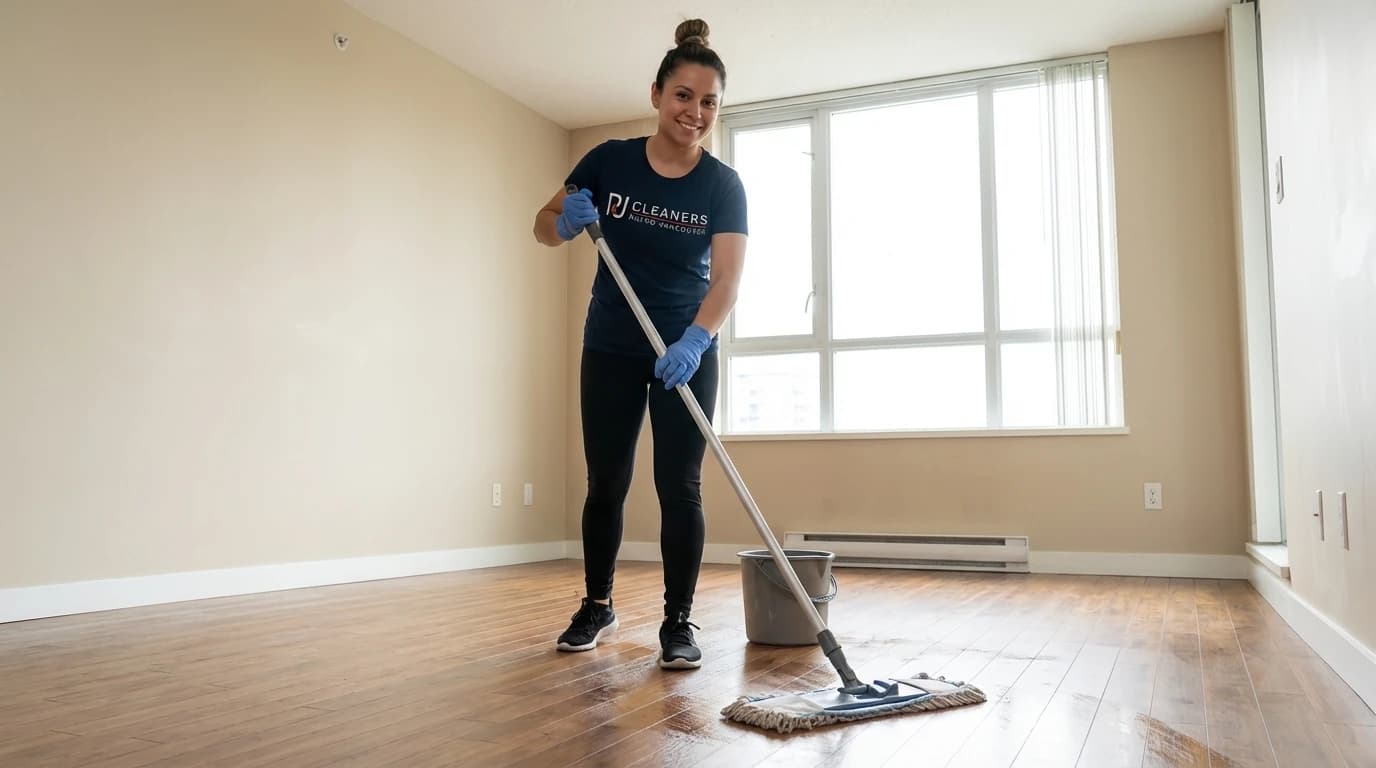
Begin mopping in the farthest corner from your exit point and work backward toward the doorway, ensuring you don't walk on freshly cleaned areas. Use a figure-eight or S-pattern motion rather than back-and-forth strokes, as this technique covers more surface area and prevents streaking. Wring your mop thoroughly before each pass—it should be damp, not wet. Excess water is vinyl flooring's greatest enemy, seeping into seams and edges where it can damage adhesive, warp planks, or promote mould growth in the subfloor. Professional cleaners use microfibre flat mops with removable, washable pads that hold minimal water while providing superior dirt pickup compared to traditional string mops.
Change your cleaning solution every 300-400 square feet or when it becomes visibly dirty. Dirty mop water redistributes grime across your floor rather than removing it, leaving a hazy film that dulls the finish. For large areas, use a two-bucket system with one bucket for cleaning solution and another for rinsing your mop between passes. This method keeps your cleaning water fresher longer and prevents cross-contamination. After mopping, allow floors to air-dry completely before replacing furniture or walking on them with outdoor shoes. Proper ventilation speeds drying time and prevents moisture accumulation. According to the International Sanitary Supply Association, floors cleaned with correct technique show 40% less wear after five years compared to floors cleaned with excessive water or improper methods.
- Wring mops until nearly dry; excess water causes 78% of vinyl floor damage according to manufacturer data
- Use figure-eight mopping patterns to cover 30% more surface area per pass than back-and-forth strokes
- Change cleaning water every 300-400 square feet to prevent redistributing dirt and creating hazy residue
- Microfibre mop pads trap particles mechanically rather than just pushing them around like cotton mops
- Allow 2-3 minutes drying time; floors should feel dry to touch before foot traffic resumes
Pro Tip
Invest in a spray mop system designed for vinyl floors. These tools dispense controlled amounts of cleaning solution and use microfibre pads that clean effectively with minimal moisture, reducing water damage risk by 65%.
Removing Stubborn Stains and Marks
Different stain types require specific treatment approaches, but most respond to gentle methods that preserve vinyl's protective wear layer.
Scuff marks from rubber-soled shoes respond well to a pencil eraser or tennis ball rubbed gently over the mark. For more stubborn scuffs, apply a small amount of isopropyl alcohol (70% solution) to a microfibre cloth and wipe the area using circular motions. The alcohol dissolves rubber residue without damaging vinyl's finish. Grease and oil stains require dish soap diluted in warm water; apply the solution directly to the stain, let it sit for 2-3 minutes, then wipe clean with a damp cloth. Rinse thoroughly to remove all soap residue. Food and beverage stains usually lift with the standard vinegar cleaning solution, but stubborn stains may need a paste of baking soda and water applied gently with a soft cloth.
Ink, marker, and crayon marks require careful treatment to avoid spreading the stain or damaging the floor. Isopropyl alcohol works for most ink stains—apply it to a cloth rather than directly on the floor, then blot the stain working from the outside edges toward the centre. For permanent marker, try a small amount of non-acetone nail polish remover on a cotton swab, testing first in an inconspicuous area. Rust stains and hard water deposits respond to a paste of cream of tartar and water or a specialized rust remover safe for vinyl. Never use abrasive scrubbing pads, steel wool, or harsh chemicals like acetone or paint thinner, as these will permanently damage the wear layer. The Resilient Floor Covering Institute reports that 34% of stain-related vinyl damage occurs when homeowners use overly aggressive removal methods rather than the stains themselves causing the harm.
- Scuff marks: Use pencil eraser, tennis ball, or 70% isopropyl alcohol on microfibre cloth
- Grease stains: Apply diluted dish soap, wait 2-3 minutes, wipe clean, rinse thoroughly
- Ink and marker: Blot with isopropyl alcohol from edges inward; never rub or spread the stain
- Rust and hard water: Use cream of tartar paste or vinyl-safe rust remover, not abrasive cleaners
- Test all stain removal methods in hidden areas first to ensure they won't damage or discolour flooring
Restoring and Maintaining Floor Shine
Vinyl floors lose shine from residue buildup and micro-scratches, but proper cleaning and occasional restoration treatments bring back their original lustre.
Dull vinyl floors typically result from cleaning product residue, hard water deposits, or accumulated micro-scratches in the wear layer rather than actual damage. Restore shine by first removing all residue with a thorough cleaning using the vinegar solution described earlier. For heavy buildup, you may need to clean the floor twice, changing your cleaning solution between passes. After removing residue, the floor's natural shine should return. If dullness persists, the wear layer may have micro-scratches from abrasive dirt or improper cleaning tools. While you cannot repair the wear layer, you can minimize the appearance of scratches by ensuring the floor is impeccably clean and free of any film or residue.
Commercial vinyl floor polish products can enhance shine, but use them sparingly and only on floors that specifically allow polish application—check your warranty documentation first. Many modern luxury vinyl planks have no-wax finishes that should never be polished, as polish creates buildup requiring harsh stripping chemicals to remove. If your vinyl allows polish, apply a thin coat using a microfibre applicator, working in small sections and following manufacturer directions precisely. Over-application creates a thick, yellowing layer that attracts dirt and looks worse than the original dull floor. For most vinyl floors, maintaining shine requires nothing more than consistent proper cleaning with pH-neutral solutions and immediate spill cleanup. Professional cleaning services use specialized equipment and techniques to restore shine without applying coatings, making them a safer option for valuable flooring installations.
- Remove residue buildup first; 70% of dull floors regain shine after thorough vinegar solution cleaning
- Hard water deposits create cloudy film; use distilled water in final rinse to prevent mineral buildup
- Check warranty before using polish products; many luxury vinyl planks prohibit polish application entirely
- Apply polish sparingly if allowed; thick coats yellow over time and require professional stripping
- Professional restoration every 12-18 months maintains shine better than DIY polish applications
Pro Tip
Add 1 cup of distilled white vinegar to your final rinse water when mopping. This removes any remaining cleaning solution residue and hard water minerals, leaving floors naturally shiny without polish or additional products.
Related resources
Preventive Measures and Long-Term Protection
Simple preventive steps reduce cleaning frequency, minimize wear, and extend vinyl floor lifespan by 3-5 years according to flooring manufacturers.
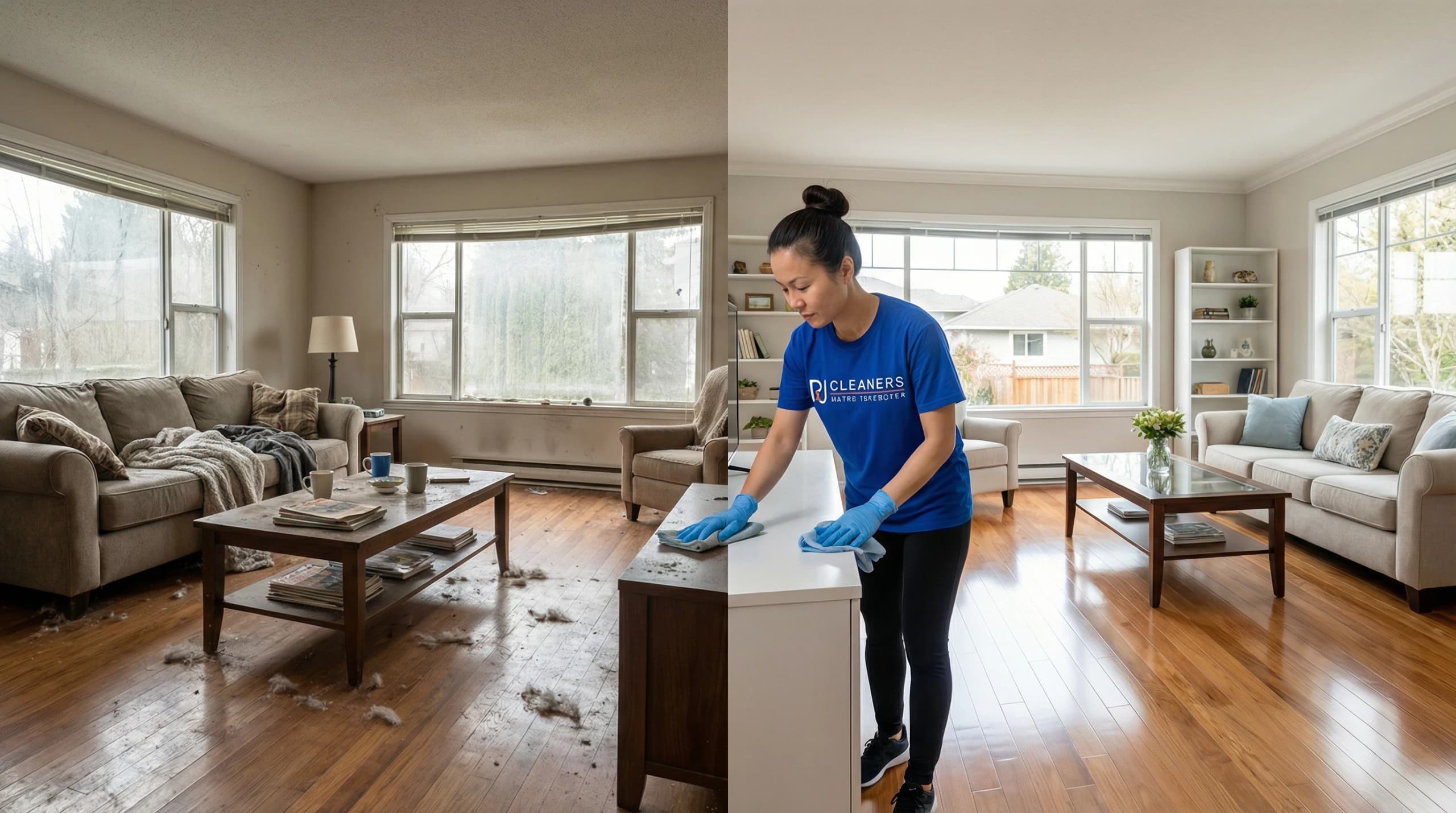
Furniture protection prevents the most common type of vinyl floor damage—scratches and indentations from chair legs, table bases, and heavy appliances. Install felt pads under all furniture legs, replacing them every 6-12 months as they compress and lose effectiveness. For heavy furniture and appliances, use furniture coasters or protective mats that distribute weight over a larger surface area. Rolling office chairs require chair mats specifically designed for hard flooring; carpet chair mats have textured backs that can scratch vinyl. Area rugs in high-traffic zones reduce wear, but ensure they have non-staining, vinyl-safe backing. Some rubber rug pads can discolour vinyl flooring through chemical reactions, particularly in areas exposed to sunlight.
Entrance mats serve as your first line of defence against tracked-in dirt, which causes 80% of floor wear according to the International Sanitary Supply Association. Place commercial-grade mats both outside and inside all exterior doors, ensuring they're large enough for at least two full steps. Clean or shake out these mats weekly to maintain their dirt-trapping effectiveness. Implement a no-shoes policy indoors when practical, as outdoor footwear tracks in abrasive grit, oils, and chemicals that damage vinyl's wear layer. UV protection matters for vinyl floors near windows and glass doors; prolonged sun exposure can fade colours and degrade the urethane coating. Use window treatments during peak sun hours or apply UV-blocking window film to protect your flooring investment. These simple preventive measures reduce cleaning frequency by 40% and can extend your vinyl floor's lifespan from 15-20 years to 20-25 years with proper care.
- Felt furniture pads prevent 90% of scratch damage; replace every 6-12 months as they compress
- Commercial entrance mats capture 94% of tracked dirt when placed both outside and inside doors
- UV exposure fades vinyl colours and degrades wear layer; use window treatments during peak sun hours
- No-shoes policies reduce abrasive grit by 85% and decrease cleaning frequency by 40%
- Furniture coasters distribute weight and prevent indentations from heavy appliances and furniture pieces
Common Mistakes That Damage Vinyl Floors
Understanding what not to do prevents costly damage and preserves your vinyl flooring investment for decades of use.
Steam mops rank as the number one cause of preventable vinyl floor damage, despite manufacturer marketing suggesting they're safe for all hard floors. Steam's high temperature can penetrate vinyl seams, melting adhesive and causing planks to separate, warp, or buckle. The moisture from steam also seeps into the subfloor, promoting mould growth and structural damage. A study by the Resilient Floor Covering Institute found that 43% of warranty claims involving moisture damage traced back to steam mop use. Even if your vinyl is labeled waterproof, the seams and edges remain vulnerable to steam penetration. Manufacturers universally void warranties when steam cleaning causes damage, leaving homeowners responsible for costly repairs or replacement.
Abrasive cleaning tools including scrub brushes with stiff bristles, scouring pads, steel wool, and abrasive powders permanently scratch vinyl's wear layer. Once scratched, the protective coating cannot be repaired—only replaced. Harsh chemicals pose similar risks: ammonia, bleach, acetone, paint thinner, and solvent-based cleaners break down vinyl's plasticizers and urethane coating, causing discolouration, brittleness, and surface degradation. Wax-based products create buildup that dulls the floor and requires professional stripping to remove. Excessive water from overly wet mopping causes edge curling, seam separation, and subfloor damage even on waterproof vinyl. The City of Vancouver's building maintenance guidelines recommend using only manufacturer-approved cleaning methods and products to maintain flooring warranties and prevent premature replacement. When in doubt, test any new cleaning product or method in an inconspicuous area before applying it to your entire floor.
- Steam mops cause 43% of moisture-related warranty claims by melting adhesive and warping planks
- Abrasive tools scratch wear layer permanently; damage cannot be repaired, only replaced
- Ammonia and bleach break down urethane coating, causing yellowing and surface degradation over time
- Wax products create buildup requiring professional stripping; most modern vinyl prohibits wax application
- Excessive water causes edge curling and seam separation even on waterproof vinyl installations
Pro Tip
If you're unsure whether a cleaning method is safe, contact your flooring manufacturer directly. Most provide detailed care instructions and approved product lists that protect your warranty coverage while ensuring proper maintenance.
Step-by-Step
7-Step Deep Cleaning Process for Vinyl Floors
Follow this comprehensive method quarterly or when floors need thorough cleaning beyond routine maintenance. This process removes embedded dirt, restores shine, and extends floor lifespan.
Clear and Prepare the Area
Remove all furniture, area rugs, and obstacles from the floor to ensure complete access to every section. Sweep or vacuum thoroughly to eliminate loose dirt, dust, and debris that could scratch the floor during wet cleaning. Pay special attention to corners, edges, and areas under furniture where dirt accumulates. Check for any damaged planks, loose seams, or areas where moisture might penetrate, addressing these issues before introducing water. Proper preparation prevents scratching during cleaning and identifies potential problem areas that need extra care or repair before proceeding with deep cleaning.
- Move all furniture and rugs to another room or protected area
- Sweep or vacuum entire floor including corners and edges
- Inspect for damaged planks, loose seams, or moisture-vulnerable areas
- Address any repairs needed before introducing cleaning solutions
- Ensure adequate ventilation by opening windows or running fans
Mix Your Cleaning Solution
Prepare a pH-neutral cleaning solution using either commercial vinyl floor cleaner or a homemade mixture of 1 cup white vinegar per gallon of warm water. Warm water enhances cleaning effectiveness without being hot enough to damage vinyl or soften adhesive. If using commercial cleaner, follow manufacturer dilution instructions precisely—using too much concentrate leaves residue that dulls the floor. For heavily soiled floors, you may add 2-3 drops of dish soap to the vinegar solution, but plan to rinse thoroughly afterward. Fill a second bucket with clean warm water for rinsing your mop between passes, ensuring you don't redistribute dirt across the floor.
- Fill primary bucket with 1 gallon warm water and 1 cup white vinegar
- Alternatively, dilute commercial vinyl cleaner per manufacturer instructions
- Fill second bucket with clean warm water for rinsing mop
- Add 2-3 drops dish soap only if dealing with heavy grease or grime
- Test solution on small inconspicuous area if using new product
Damp-Mop the Entire Floor
Dip your microfibre mop into the cleaning solution, then wring it thoroughly until it's barely damp—excess water is vinyl's enemy. Start in the farthest corner from your exit and work backward toward the doorway using figure-eight or S-pattern motions. These patterns provide better coverage and prevent streaking compared to back-and-forth strokes. Rinse your mop in the clean water bucket every 100-150 square feet or when it becomes visibly dirty, then re-dip in cleaning solution and wring thoroughly. Change both buckets of water when the cleaning solution becomes cloudy or after cleaning 300-400 square feet. Work in manageable sections, ensuring each area dries within 2-3 minutes before moving to the next.
- Wring mop until barely damp; it should not drip water
- Start in farthest corner and work backward toward exit
- Use figure-eight pattern for better coverage and streak prevention
- Rinse mop in clean water every 100-150 square feet
- Change both water buckets when solution becomes cloudy or dirty
Address Stubborn Stains and Marks
After mopping the entire floor, inspect for any remaining stains, scuff marks, or problem areas that need targeted treatment. Use appropriate stain-removal methods based on the stain type: isopropyl alcohol for scuffs and ink, baking soda paste for food stains, or specialized vinyl-safe rust remover for mineral deposits. Apply treatments directly to stains using a soft cloth or cotton swab, working from the outside edges toward the centre to prevent spreading. Let treatments sit for 2-3 minutes if needed, then wipe clean with a damp cloth. Rinse treated areas thoroughly to remove all residue from stain-removal products, as leftover chemicals can damage vinyl over time.
- Identify remaining stains and determine appropriate treatment method
- Apply isopropyl alcohol to scuff marks using microfibre cloth
- Use baking soda paste on food stains; let sit 2-3 minutes
- Treat rust or hard water stains with cream of tartar paste
- Rinse all treated areas thoroughly with clean damp cloth
Rinse with Clean Water
Fill a clean bucket with fresh warm water—no cleaning solution added. Go over the entire floor again with a well-wrung mop dipped in this clean rinse water. This step removes any remaining cleaning solution residue, hard water minerals, or loosened dirt that could dull the floor's finish. Rinsing is particularly important if you used dish soap in your cleaning solution or if you have hard water in your area. The rinse pass should be quicker than the initial cleaning pass since you're only removing residue, not scrubbing dirt. Wring your mop frequently and change the rinse water if it becomes cloudy, ensuring you're not redistributing residue across the floor.
- Fill clean bucket with fresh warm water only, no cleaning solution
- Mop entire floor with well-wrung mop to remove all residue
- Pay extra attention to areas where soap or cleaner was used
- Change rinse water if it becomes cloudy or dirty
- Ensure mop is wrung nearly dry to prevent excess moisture
Dry and Inspect the Floor
Allow the floor to air-dry completely, which should take 2-3 minutes with proper mopping technique. Improve drying time by opening windows, running fans, or turning on HVAC systems to increase air circulation. Never walk on the floor with outdoor shoes or replace furniture until it's completely dry. Once dry, inspect the entire floor under good lighting to check for any missed spots, remaining stains, or areas that need additional attention. Look for streaks, hazy residue, or dull patches that might indicate cleaning solution buildup. Address any problem areas immediately while your cleaning supplies are still accessible, rather than waiting until the next cleaning session.
- Allow floor to air-dry completely, typically 2-3 minutes
- Increase ventilation with fans or open windows to speed drying
- Inspect floor under good lighting for missed spots or residue
- Check for streaks, hazy film, or dull patches indicating buildup
- Re-clean any problem areas before replacing furniture
Replace Furniture and Apply Protection
Once the floor is completely dry and inspected, carefully return furniture to the room. Check all furniture legs for felt pads, replacing any that are worn, compressed, or missing. This is an ideal time to add protection to any furniture pieces that previously lacked it. Place area rugs back in position, ensuring they have vinyl-safe backing that won't cause discolouration. Consider adding or upgrading entrance mats if your current ones aren't effectively capturing tracked-in dirt. Document your deep cleaning date so you can maintain a quarterly or semi-annual schedule. Regular deep cleaning combined with daily maintenance keeps vinyl floors looking new for 20-25 years, maximizing your flooring investment.
- Verify floor is completely dry before moving furniture back
- Check and replace worn felt pads on all furniture legs
- Add protection to any furniture pieces that lack felt pads
- Ensure area rugs have vinyl-safe, non-staining backing
- Document cleaning date to maintain regular deep cleaning schedule
| Method | Effectiveness | Cost | Damage Risk | Best For |
|---|---|---|---|---|
| Daily Sweeping | Good for loose dirt | $5-15 (broom) | Very Low | Daily maintenance |
| Microfibre Dust Mop | Excellent for dust | $15-30 | Very Low | Daily quick cleaning |
| Vinegar Solution | Excellent overall | $3-5/year | Very Low | Weekly mopping |
| Commercial Vinyl Cleaner | Excellent overall | $8-15/bottle | Low if pH-neutral | Weekly mopping |
| Steam Mop | Poor (causes damage) | $50-150 | Very High | Never use on vinyl |
| Dish Soap Solution | Good for grease | $3-5 | Low with rinsing | Spot cleaning only |
| Professional Deep Clean | Excellent restoration | $150-300 | Very Low | Every 12-18 months |
Services mentioned in this article
Ready for help?
4.9 · 850+ Google reviewsLet the Pros Handle Your Vinyl Floor Care
Our Vancouver cleaning specialists use manufacturer-approved products and techniques to keep your vinyl floors looking flawless. Book same-day service with our satisfaction guarantee.
778-720-2224Common Questions About Vinyl Floor Cleaning
What is the best way to clean vinyl floors?
The best way to clean vinyl floors is to sweep or vacuum daily to remove grit, then damp mop weekly with a pH-neutral cleaner diluted in warm water. Use a microfibre mop and avoid excess water, which can seep into seams and damage the subfloor. For high-traffic areas, spot clean spills immediately and deep clean monthly using a vinyl-safe floor cleaner at the manufacturer's recommended dilution ratio.
Can you use a steam mop on vinyl plank flooring?
Most vinyl plank manufacturers advise against steam mops because excessive heat can warp planks, loosen adhesive, and void warranties. Steam temperatures often exceed 100°C, which softens the vinyl wear layer and can cause permanent buckling. If your manufacturer explicitly approves steam cleaning, use the lowest heat setting and keep the mop moving constantly. For safer results, stick with damp mopping using warm water and a vinyl-safe cleaner.
How do you remove stubborn stains from vinyl floors?
Remove stubborn stains by applying a paste of baking soda and water directly to the mark, letting it sit for 5-10 minutes, then gently scrubbing with a soft cloth. For grease or oil stains, use a few drops of dish soap mixed with warm water. Scuff marks respond well to a pencil eraser or tennis ball rubbed gently over the area. Avoid abrasive scrubbers, bleach, or ammonia-based cleaners, which can scratch or discolour vinyl surfaces permanently.
How can I make my vinyl floors shine again?
Restore shine to vinyl floors by removing all residue with a vinegar solution (one cup white vinegar per gallon of water), then rinsing with clean water and drying thoroughly. Once dry, apply a thin coat of vinyl floor polish designed for luxury vinyl plank, following the product's drying time. Buff with a clean microfibre cloth for extra gloss. Regular maintenance with pH-neutral cleaners prevents dulling buildup, and adding felt pads under furniture legs reduces scratches that diminish shine over time.
Meet the Author
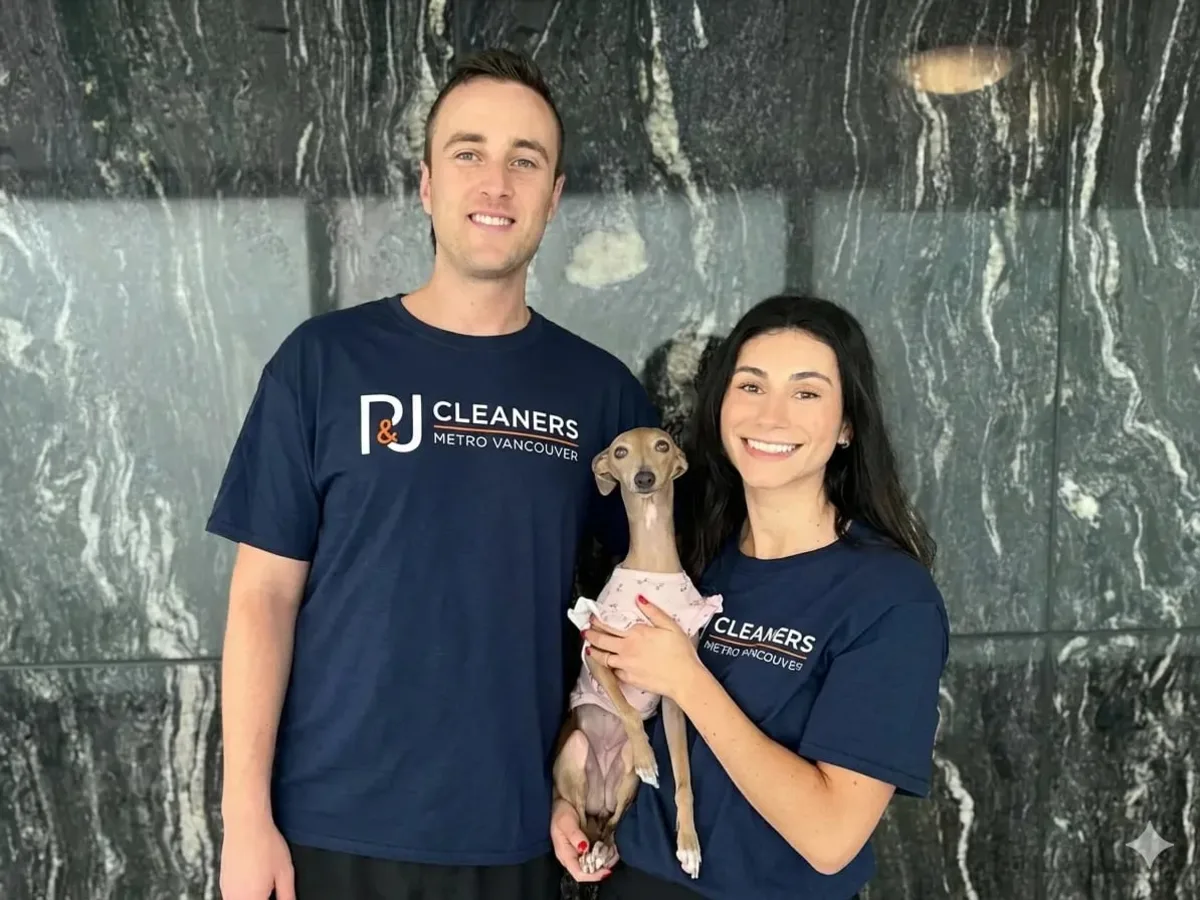
Pamela
Co-Founder
Pamela leads residential quality standards at P&J Cleaners, refining safe, detail-driven cleaning systems for Vancouver homes, condos, and move-out projects.
Keep Exploring