

Quick answer
Sweep or vacuum loose debris, then mop with warm water and pH-neutral cleaner using a microfiber mop. Rinse with clean water, dry with a towel, and clean grout lines separately with a grout brush and baking soda paste.

Key Takeaways
- 1Ceramic and porcelain tiles need pH-neutral cleaners to prevent dulling, while natural stone requires specialized stone-safe products to avoid etching and damage.
- 2Professional tile cleaning costs $0.25-$0.75 per square foot in Vancouver, with most homes spending $150-$400 depending on tile type and grout condition.
- 3Sweep or vacuum before mopping to remove 80% of surface dirt and prevent scratching, especially on polished ceramic and stone tiles.
- 4Clean grout lines every 2-4 weeks with baking soda paste to prevent mould growth, which thrives in Vancouver's humid climate with 60-70% average indoor humidity.
Understanding Your Tile Type
Different tile materials require specific cleaning approaches to avoid damage and maintain their finish over time.
Ceramic tiles are glazed clay products that resist water and stains effectively. They handle most household cleaners well but can scratch if you use abrasive tools or gritty particles. The glaze protects the porous clay underneath, so maintaining that protective layer is essential. Vancouver homes built between 1990 and 2010 commonly feature ceramic tiles in bathrooms and kitchens because of their affordability and durability. These tiles typically last 15-20 years with proper maintenance, according to the Canadian Home Builders' Association.
Porcelain tiles are denser than ceramic and fired at higher temperatures, making them less porous and more resistant to moisture. They work well in high-traffic areas and outdoor spaces because they withstand freeze-thaw cycles better than ceramic. Porcelain can be glazed or unglazed, with unglazed versions showing colour throughout the tile body. This makes chips less noticeable but requires sealing to prevent staining. Metro Vancouver contractors report that porcelain installations increased by 35% between 2020 and 2025 due to improved manufacturing techniques and competitive pricing.
Natural stone tiles include marble, granite, slate, travertine, and limestone. Each stone type has unique porosity levels and chemical sensitivities. Marble and limestone are calcium-based and react badly to acidic cleaners like vinegar or lemon juice, causing permanent etching. Granite is more acid-resistant but still needs pH-neutral products. Slate is relatively low-maintenance but can flake if sealed improperly. Stone tiles require professional sealing every 1-3 years depending on traffic and exposure to moisture, with costs ranging from $2-$5 per square foot in Vancouver.
- Ceramic: Glazed clay, water-resistant, affordable, scratches with abrasives, lasts 15-20 years
- Porcelain: Dense, low porosity, freeze-resistant, suitable for high-traffic areas, may need sealing if unglazed
- Marble/Limestone: Calcium-based, acid-sensitive, requires pH-neutral cleaners, needs sealing every 1-2 years
- Granite: Acid-resistant, durable, needs pH-neutral products, sealing every 2-3 years
- Slate: Low-maintenance, can flake if improperly sealed, reseal every 2-3 years
Pro Tip
Test any new cleaner on an inconspicuous tile in a closet or behind furniture before using it on visible areas. Wait 24 hours to check for discolouration or damage.
Related resources
Daily Maintenance Routine
Regular light cleaning prevents dirt buildup and extends the time between deep cleaning sessions.
Sweep or vacuum tile floors daily in high-traffic areas like kitchens, entryways, and bathrooms. Use a soft-bristle broom or a vacuum with a hard-floor setting to avoid scratching the tile surface. Dirt particles act like sandpaper under foot traffic, gradually wearing down glazes and finishes. A study by the International Sanitary Supply Association found that daily sweeping removes 80% of abrasive particles before they cause damage. Vancouver homes near beaches or parks track in more sand and grit, making daily sweeping especially important in coastal neighbourhoods like Kitsilano and English Bay.
Spot-clean spills immediately to prevent staining, especially on grout lines and natural stone. Water-based spills like coffee or juice can be wiped with a damp microfiber cloth. Oil-based spills need a drop of dish soap mixed with warm water. Acidic spills like wine, tomato sauce, or citrus juice can etch marble and limestone within minutes, so blot them up quickly and rinse the area with plain water. The BC Health Authority recommends cleaning kitchen spills within 5 minutes to prevent bacterial growth, particularly important in Vancouver's mild, humid climate where bacteria multiply faster.
Use doormats at all entrances to reduce the amount of dirt and moisture tracked onto tile floors. Place mats both outside and inside each door for maximum effectiveness. Studies show that proper matting systems can reduce floor maintenance costs by 50-70% by capturing dirt before it spreads. Choose mats with rubber backing to prevent slipping and wash them weekly to maintain their dirt-trapping ability. In rainy Vancouver, where precipitation averages 161 days per year, entrance mats are essential for protecting tile floors from constant moisture exposure.
- Sweep or vacuum daily with soft-bristle broom or hard-floor vacuum setting
- Spot-clean spills within 5 minutes using damp microfiber cloth
- Blot acidic spills immediately on stone tiles to prevent etching
- Place doormats inside and outside all entrances, wash weekly
- Use microfiber dust mops for quick daily passes in high-traffic zones
Pro Tip
Keep a spray bottle of pH-neutral cleaner and microfiber cloths in each bathroom and the kitchen for quick spill cleanup. This prevents small messes from becoming permanent stains.
Weekly Deep Cleaning Process
A thorough weekly cleaning removes embedded dirt and maintains tile appearance between professional cleanings.
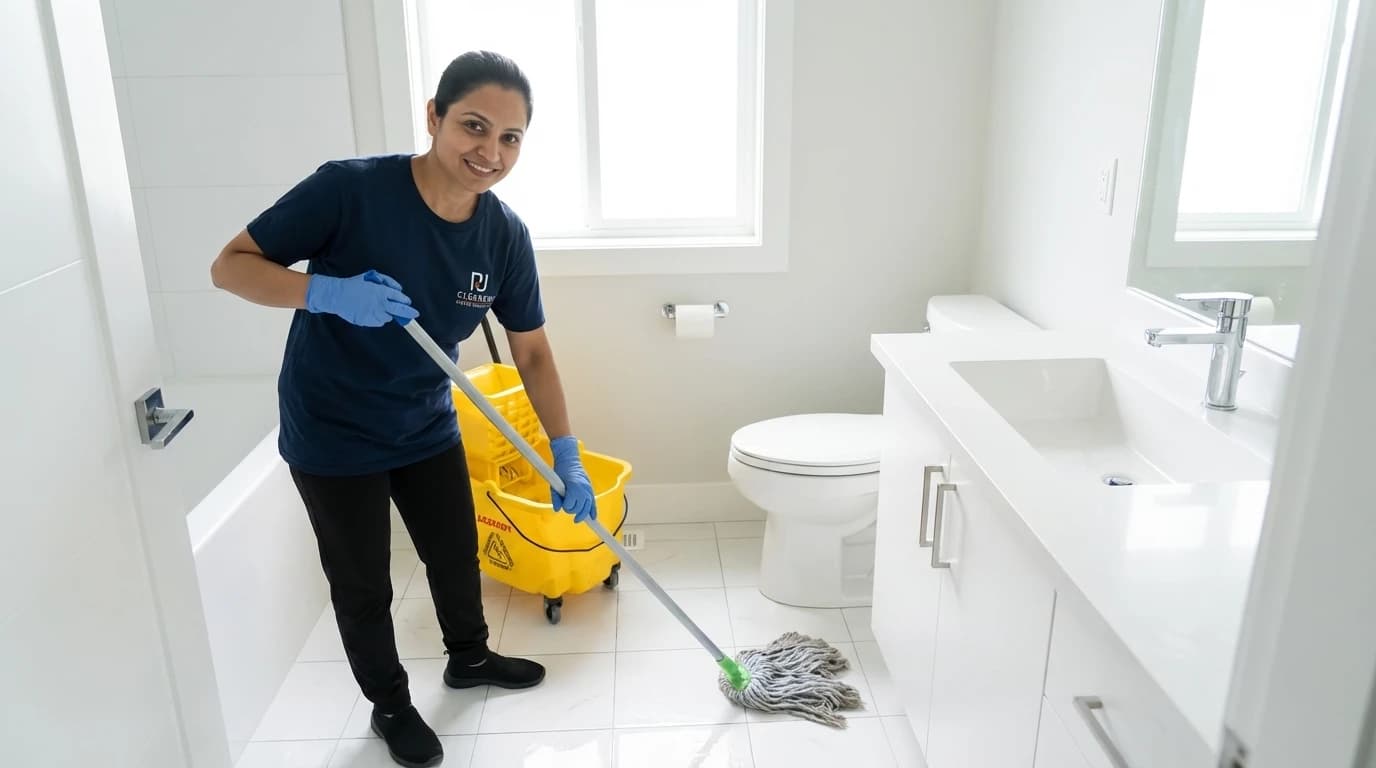
Start by removing all loose debris with a vacuum or broom, paying special attention to corners and edges where dirt accumulates. Use the crevice tool on your vacuum to clean along baseboards and in grout lines. This pre-cleaning step is crucial because mopping over dirt just spreads it around and can scratch tile surfaces. Professional cleaners report that proper vacuuming before mopping reduces cleaning time by 30% and improves results significantly. Vancouver homes with pets should vacuum twice before mopping to capture all hair and dander.
Mix your cleaning solution in a bucket using warm water and a pH-neutral floor cleaner. For ceramic and porcelain, use 1-2 tablespoons of cleaner per gallon of water. For natural stone, use a stone-specific cleaner at the manufacturer's recommended dilution. Avoid using too much cleaner, as residue buildup makes floors look dull and attracts more dirt. The Cleaning Industry Research Institute found that over-diluted solutions leave 40% more residue than properly mixed cleaners. Water temperature should be warm but not hot, as excessive heat can damage some tile adhesives and grout.
Mop the floor using a microfiber mop head, working in small sections and rinsing the mop frequently. Start from the farthest corner and work toward the exit to avoid walking on wet floors. Use a figure-eight motion rather than back-and-forth strokes to lift dirt more effectively. Change the water when it becomes visibly dirty, typically every 200-300 square feet. After mopping with cleaning solution, go over the floor again with clean water to remove any residue. Finally, dry the floor with clean towels or allow it to air-dry completely before walking on it.
- Vacuum or sweep thoroughly before mopping to remove 80% of surface dirt
- Mix pH-neutral cleaner at 1-2 tablespoons per gallon for ceramic/porcelain
- Use stone-specific cleaners for marble, granite, slate, and limestone
- Mop in figure-eight pattern, rinse mop every 100 square feet
- Rinse floor with clean water after cleaning to remove residue
- Dry with towels or air-dry completely before foot traffic
Pro Tip
Add a cup of white vinegar to the rinse water for ceramic and porcelain tiles to remove soap residue and add shine. Never use vinegar on natural stone as it will etch the surface.
Related resources
Grout Cleaning Techniques
Grout lines require separate attention because they're porous and trap dirt, mould, and bacteria more easily than tile surfaces.
Make a paste using three parts baking soda to one part water for a safe, effective grout cleaner. Apply the paste to grout lines using an old toothbrush or dedicated grout brush, working in small sections. Let the paste sit for 5-10 minutes to break down dirt and stains before scrubbing. The mild abrasive action of baking soda lifts dirt without damaging grout. For tougher stains, add a few drops of hydrogen peroxide to the paste for extra cleaning power. Vancouver's humid climate promotes mould growth in grout, with bathroom humidity often reaching 70-80% after showers.
Scrub grout lines using a firm-bristled brush in a circular motion, applying moderate pressure. Work systematically across the floor to ensure you clean all grout lines. Rinse frequently with clean water and wipe away loosened dirt with a microfiber cloth. For large areas, use a grout brush with a long handle to save your knees and back. Professional cleaners recommend cleaning grout every 2-4 weeks in bathrooms and kitchens to prevent mould and mildew buildup. The CDC reports that regular grout cleaning reduces household mould by 60-75% in humid climates.
Consider professional grout cleaning and sealing every 1-2 years for high-traffic areas. Professional equipment uses steam and specialized brushes to deep-clean grout more effectively than manual scrubbing. After cleaning, professionals apply a penetrating sealer that fills grout pores and prevents staining. Sealed grout repels water, oil, and dirt, making routine cleaning much easier. Professional grout cleaning costs $0.75-$2.00 per square foot in Vancouver, with most bathrooms costing $75-$150 and kitchens $100-$200. The investment extends grout life by 3-5 years and maintains a cleaner appearance between services.
- Mix baking soda paste (3:1 ratio with water) for safe grout cleaning
- Apply paste with grout brush, let sit 5-10 minutes before scrubbing
- Add hydrogen peroxide for tough stains and mould removal
- Scrub in circular motion with firm pressure, rinse frequently
- Clean bathroom and kitchen grout every 2-4 weeks to prevent mould
- Professional grout cleaning and sealing every 1-2 years costs $0.75-$2.00/sq ft
Pro Tip
Steam cleaners work exceptionally well on grout without chemicals. The high temperature kills 99.9% of bacteria and mould while loosening embedded dirt. Rent or buy a steam cleaner for quarterly deep grout cleaning.
Removing Tough Stains
Different stain types require specific treatments, and knowing which method to use prevents tile damage.
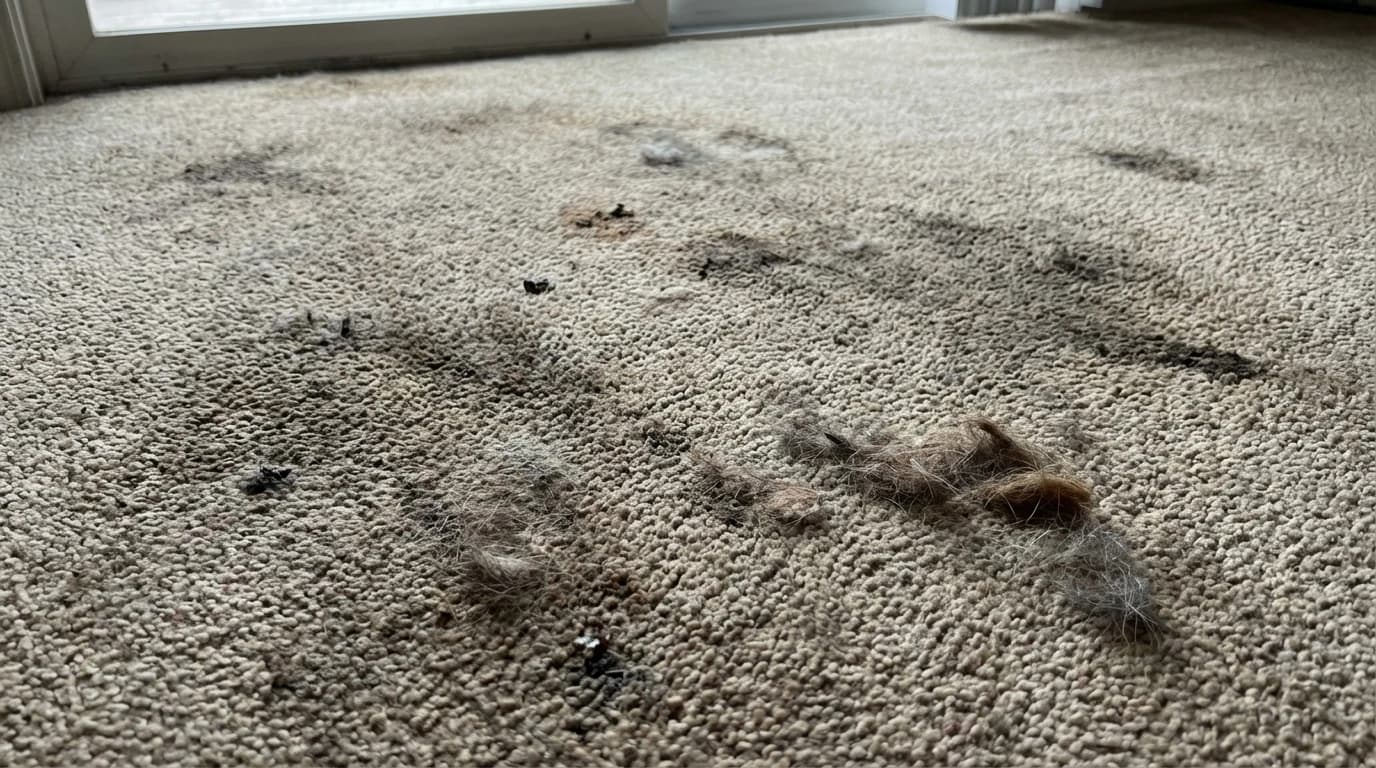
Oil and grease stains respond well to alkaline cleaners or dish soap. Apply undiluted dish soap directly to the stain, let it sit for 10-15 minutes, then scrub with a soft brush. For set-in grease, make a paste of baking soda and dish soap, apply it to the stain, and cover with plastic wrap overnight. The paste draws out the oil as it dries. Rinse thoroughly with hot water and repeat if necessary. Kitchen tiles near stoves accumulate grease buildup that requires monthly deep cleaning to prevent sticky residue. WorkSafeBC reports that grease buildup on floors contributes to 30% of slip-and-fall accidents in commercial kitchens.
Rust stains on tile often come from metal furniture, planters, or water with high iron content. Use a commercial rust remover specifically formulated for tile, following the manufacturer's instructions carefully. For natural stone, ensure the product is stone-safe to avoid etching. Apply the rust remover, let it work for the recommended time, then scrub gently and rinse thoroughly. Prevent future rust stains by using furniture pads under metal items and addressing plumbing issues that cause rust-coloured water. Vancouver's older homes with galvanized pipes sometimes develop rust staining that requires professional treatment.
Mould and mildew stains appear as black or grey spots in grout lines and on tile surfaces, especially in bathrooms. Mix equal parts water and hydrogen peroxide in a spray bottle, spray affected areas, and let sit for 10 minutes. Scrub with a brush and rinse thoroughly. For stubborn mould, use a commercial mould remover containing bleach, but only on white grout and ceramic tiles. Never use bleach on coloured grout or natural stone. Improve bathroom ventilation by running exhaust fans during and for 30 minutes after showers to reduce humidity. The BC Health Authority recommends maintaining indoor humidity below 60% to prevent mould growth.
- Oil/grease: Apply dish soap, let sit 10-15 minutes, scrub with soft brush
- Set-in grease: Baking soda and dish soap paste overnight, rinse with hot water
- Rust: Use tile-safe rust remover, ensure stone-safe for natural stone
- Mould: Hydrogen peroxide solution (1:1 with water), spray and scrub after 10 minutes
- Stubborn mould: Bleach-based cleaner on white grout and ceramic only
- Prevention: Run bathroom fans 30 minutes after showers, maintain humidity below 60%
Pro Tip
For mystery stains, start with the gentlest cleaner and work up to stronger solutions. This prevents unnecessary damage to tile and grout while still removing the stain effectively.
Natural Stone Tile Care
Stone tiles need specialized care to prevent etching, staining, and surface damage that can be permanent.
Always use pH-neutral cleaners specifically formulated for natural stone. Acidic cleaners like vinegar, lemon juice, or standard bathroom cleaners will etch marble, limestone, and travertine, creating dull spots that cannot be buffed out without professional restoration. Even some pH-neutral cleaners contain additives that can damage stone over time. Look for products labeled stone-safe or specifically designed for your stone type. Professional stone care companies in Vancouver charge $200-$500 to restore etched marble, making prevention through proper cleaning much more cost-effective.
Seal natural stone tiles every 1-3 years depending on the stone type and traffic level. Marble and limestone need annual sealing in high-traffic areas, while granite can go 2-3 years between applications. Test if your stone needs sealing by placing a few drops of water on the surface. If the water beads up, the seal is still effective. If it soaks in within 5-10 minutes, it's time to reseal. Apply sealer according to manufacturer instructions, typically requiring two coats with 2-4 hours drying time between coats. Professional sealing costs $2-$5 per square foot in Vancouver.
Clean up spills immediately on natural stone, especially acidic substances like wine, coffee, citrus juice, or tomato sauce. Even a few minutes of contact can cause permanent etching on calcium-based stones. Blot spills with a clean cloth rather than wiping, which can spread the liquid. Rinse the area with plain water and dry thoroughly. For oil-based spills, use a stone-safe degreaser rather than dish soap, which can leave residue. Place coasters under all drinks and use trivets under hot dishes to protect stone countertops and floors from heat damage and staining.
- Use only pH-neutral, stone-safe cleaners on marble, limestone, granite, and slate
- Never use vinegar, lemon juice, or acidic cleaners on calcium-based stone
- Seal marble and limestone annually, granite every 2-3 years
- Test seal effectiveness with water drops; reseal if water absorbs in 5-10 minutes
- Blot spills immediately, especially acidic liquids that etch in minutes
- Professional stone restoration costs $200-$500 for etching repair
Pro Tip
Keep a spray bottle of stone-safe cleaner and microfiber cloths near stone surfaces for immediate spill cleanup. Quick action prevents 90% of stone damage and staining.
Related resources
When to Hire Professional Tile Cleaners
Professional cleaning extends tile life, restores appearance, and handles problems beyond routine maintenance capabilities.
Professional tile and grout cleaning uses truck-mounted or portable extraction equipment that cleans more deeply than household mops and brushes. High-pressure steam loosens embedded dirt while powerful suction removes it along with excess water, leaving floors cleaner and drier. Professionals also use specialized brushes and cleaning solutions formulated for specific tile types. The International Sanitary Supply Association reports that professional cleaning removes 95% of embedded dirt compared to 60-70% with household methods. Most Vancouver homes benefit from professional tile cleaning every 12-18 months, with high-traffic areas needing service every 6-12 months.
Professional services include grout cleaning, sealing, and colour restoration that homeowners cannot easily replicate. Grout sealing after professional cleaning protects against staining and makes routine maintenance much easier. Some companies offer grout colour sealing, which applies a coloured epoxy coating that makes grout look new and provides superior stain protection. This service costs $3-$8 per square foot but can transform dingy grout without replacement. Professional tile cleaning in Vancouver typically costs $0.25-$0.75 per square foot, with most homes spending $150-$400 depending on square footage and tile condition.
Consider professional help for move-in or move-out cleaning, after renovations, or when selling your home. Professional cleaning significantly improves appearance and can increase home value by making spaces look newer and better maintained. Real estate agents report that professionally cleaned tile floors help homes sell 15-20% faster in competitive markets like Vancouver. After construction or renovation, professionals have the equipment to remove grout haze, paint splatters, and construction dust that household cleaning cannot address. This specialized cleaning costs $0.50-$1.50 per square foot but prevents permanent damage from improper DIY removal attempts.
- Professional equipment removes 95% of embedded dirt vs 60-70% with household methods
- Truck-mounted systems use high-pressure steam and powerful extraction
- Professional cleaning every 12-18 months extends tile life by 5-10 years
- Grout sealing after cleaning costs $1-$3/sq ft, prevents staining for 2-3 years
- Colour sealing transforms dingy grout at $3-$8/sq ft without replacement
- Professional tile cleaning costs $0.25-$0.75/sq ft, most homes spend $150-$400
- Post-construction cleaning removes grout haze and paint at $0.50-$1.50/sq ft
Pro Tip
Schedule professional tile cleaning in spring or fall when you can open windows for ventilation. This allows floors to dry faster and prevents moisture buildup in your home.
Step-by-Step
7-Step Tile Floor Cleaning Process
Follow this systematic approach for thorough tile and grout cleaning that removes embedded dirt and restores shine to ceramic, porcelain, and stone floors.
Clear and Sweep the Floor
Remove all furniture, rugs, and obstacles from the tile floor. Sweep thoroughly with a soft-bristle broom or vacuum using the hard-floor setting to remove all loose dirt, dust, and debris. Pay special attention to corners, edges, and along baseboards where dirt accumulates. Use the crevice tool to clean grout lines and tight spaces. This step removes 80% of surface dirt and prevents scratching during mopping. For homes with pets, vacuum twice to capture all hair and dander before introducing moisture.
- Move furniture, rugs, and obstacles off the tile floor
- Sweep entire floor with soft-bristle broom or vacuum with hard-floor setting
- Use crevice tool to clean corners, edges, and along baseboards
- Vacuum grout lines to remove embedded dirt and debris
- For pet homes, vacuum twice to capture all hair before mopping
Prepare Cleaning Solution
Fill a bucket with warm water and add pH-neutral floor cleaner at the recommended dilution, typically 1-2 tablespoons per gallon for ceramic and porcelain tiles. For natural stone, use a stone-specific cleaner following manufacturer instructions exactly. Avoid using too much cleaner, as excess soap leaves residue that dulls tile and attracts dirt. Water should be warm but not hot to prevent damage to tile adhesive and grout. Prepare a second bucket with clean warm water for rinsing. Never mix different cleaning products together.
- Fill bucket with warm (not hot) water
- Add pH-neutral cleaner at 1-2 tablespoons per gallon for ceramic/porcelain
- Use stone-specific cleaner for marble, granite, slate, or limestone
- Prepare second bucket with clean warm water for rinsing
- Never mix different cleaning products or use excessive amounts
Mop the Tile Surface
Dip a microfiber mop into the cleaning solution, wring it out until damp but not dripping, and mop the floor in small sections using a figure-eight pattern. Start from the farthest corner and work toward the exit to avoid walking on wet floors. Rinse the mop in clean water every 100 square feet or when it becomes visibly dirty. Change the cleaning solution when it looks murky, typically every 200-300 square feet. The figure-eight motion lifts dirt more effectively than back-and-forth strokes and prevents streaking on tile surfaces.
- Dip microfiber mop in solution, wring until damp not dripping
- Start from farthest corner, work toward exit in small sections
- Use figure-eight pattern for better dirt removal and no streaks
- Rinse mop in clean water every 100 square feet
- Change cleaning solution every 200-300 square feet when murky
Clean Grout Lines
While the floor is still damp, apply baking soda paste (three parts baking soda to one part water) to grout lines using an old toothbrush or grout brush. Let the paste sit for 5-10 minutes to break down dirt and stains. Scrub grout lines in a circular motion with firm pressure, working systematically across the floor. For tough stains or mould, add hydrogen peroxide to the paste for extra cleaning power. Rinse frequently with clean water and wipe away loosened dirt with a microfiber cloth as you work.
- Mix baking soda paste (3 parts baking soda, 1 part water)
- Apply paste to grout lines with toothbrush or grout brush
- Let sit 5-10 minutes to break down dirt and stains
- Scrub in circular motion with firm pressure across all grout lines
- Add hydrogen peroxide for tough stains or mould, rinse frequently
Rinse with Clean Water
Empty the dirty cleaning solution and refill the bucket with clean warm water. Mop the entire floor again using only clean water to remove all soap residue and loosened dirt. Rinse the mop frequently in the clean water bucket. This rinsing step is essential because soap residue makes floors look dull and attracts dirt faster. For ceramic and porcelain tiles, you can add a cup of white vinegar to the rinse water for extra shine and to cut through any remaining residue. Never use vinegar on natural stone tiles.
- Empty dirty solution, refill bucket with clean warm water
- Mop entire floor with clean water to remove soap residue
- Rinse mop frequently in clean water bucket
- Optional: Add 1 cup white vinegar to rinse water for ceramic/porcelain only
- Never use vinegar on natural stone tiles
Dry the Floor
Use clean, dry towels or microfiber cloths to dry the tile floor immediately after rinsing. Pay special attention to grout lines where water pools and can cause mould growth. Drying prevents water spots on tile and reduces the risk of slipping on wet floors. In humid Vancouver weather, use fans or open windows to improve air circulation and speed drying. Allow the floor to dry completely before replacing furniture or walking on it with shoes. Complete drying typically takes 30-60 minutes depending on ventilation and humidity levels.
- Dry floor immediately with clean towels or microfiber cloths
- Pay extra attention to grout lines where water pools
- Use fans or open windows to improve air circulation
- Allow 30-60 minutes for complete drying before foot traffic
- Wait until fully dry before replacing furniture and rugs
Apply Protective Measures
Once the floor is completely dry, consider applying grout sealer if it has been more than 1-2 years since the last application. Test the seal by placing water drops on grout lines; if water absorbs within 5-10 minutes, resealing is needed. Apply sealer according to manufacturer instructions, typically requiring two coats with drying time between applications. For natural stone tiles, apply stone sealer following the same testing and application process. Replace furniture pads under heavy items and ensure doormats are in place at all entrances to protect your freshly cleaned floors.
- Test grout seal with water drops; reseal if water absorbs in 5-10 minutes
- Apply grout sealer in two coats following manufacturer instructions
- For stone tiles, apply stone-specific sealer after testing
- Replace furniture pads under heavy items to prevent scratches
- Ensure doormats are in place at all entrances
| Tile Type | Recommended Cleaner | Sealing Frequency | Professional Cleaning Cost |
|---|---|---|---|
| Ceramic (Glazed) | pH-neutral or mild alkaline | Not required | $0.25-$0.50/sq ft |
| Porcelain (Glazed) | pH-neutral or mild alkaline | Not required | $0.25-$0.50/sq ft |
| Porcelain (Unglazed) | pH-neutral cleaner | Every 2-3 years | $0.35-$0.60/sq ft |
| Marble | Stone-safe pH-neutral only | Every 1-2 years | $0.50-$0.75/sq ft |
| Granite | Stone-safe pH-neutral only | Every 2-3 years | $0.50-$0.75/sq ft |
| Limestone | Stone-safe pH-neutral only | Every 1-2 years | $0.50-$0.75/sq ft |
| Slate | pH-neutral cleaner | Every 2-3 years | $0.40-$0.65/sq ft |
| Travertine | Stone-safe pH-neutral only | Every 1-2 years | $0.50-$0.75/sq ft |
Services mentioned in this article
Ready for help?
4.9 · 850+ Google reviewsProfessional Tile Floor Cleaning in Vancouver
Our certified cleaning team uses commercial-grade equipment and eco-friendly products upon request to deep clean tile floors throughout Metro Vancouver. We handle ceramic, porcelain, and natural stone with specialized techniques that protect your investment.
778-720-2224Common Tile Floor Cleaning Questions
Best mop for tile floors?
Microfibre flat mops work best for tile floors because they trap 99% of bacteria without harsh chemicals. String mops push dirty water into grout lines, causing discolouration over time. For textured tile, use a soft-bristle brush attachment on your mop to reach crevices. Steam mops suit sealed ceramic and porcelain but damage natural stone by forcing moisture into pores.
How to clean textured tile?
Textured tile requires a two-step approach: first vacuum with a hard floor attachment to remove loose debris from grooves, then scrub with a soft nylon brush and pH-neutral cleaner in circular motions. Rinse thoroughly with clean water and dry immediately to prevent water spots. For stubborn dirt in texture patterns, apply cleaning solution for 5 minutes before scrubbing to loosen embedded grime.
How to clean stone tile?
Stone tile needs pH-neutral cleaners specifically formulated for natural stone, as acidic or alkaline products etch the surface. Mix 30 millilitres of stone cleaner per 4 litres of warm water, mop in sections, and dry immediately with microfibre cloths. Reseal stone tile every 12-18 months to maintain stain resistance. Avoid vinegar, lemon juice, and ammonia-based products that permanently damage marble, travertine, and limestone.
How to clean tile without streaks?
Streak-free tile requires proper rinsing and drying technique. After mopping with cleaning solution, rinse the entire floor with plain water using a clean mop head. Immediately dry with microfibre towels or a squeegee, working in overlapping sections. Hard water causes streaking, so add 60 millilitres of white vinegar to rinse water for ceramic and porcelain only. Change rinse water frequently to prevent redepositing minerals.

Meet the Author
Pamela
Co-Founder
Pamela leads residential quality standards at P&J Cleaners, refining safe, detail-driven cleaning systems for Vancouver homes, condos, and move-out projects.
Keep Exploring