


Quick answer
Empty your fridge, remove all shelves and drawers, wash them with warm soapy water, wipe interior walls with a baking soda solution, clean door seals, vacuum coils, and sanitize exterior surfaces.

Key Takeaways
- 1A deep fridge clean takes 45-60 minutes and should be done every 3-4 months to prevent bacterial growth and odours.
- 2Baking soda mixed with warm water (2 tablespoons per litre) is the safest, most effective natural cleaner for refrigerator interiors.
- 3Dirty refrigerator coils can increase energy consumption by 25% and reduce appliance lifespan by several years.
- 4Always unplug your fridge before cleaning coils, and check door seals monthly to maintain proper temperature and efficiency.
Why Regular Fridge Cleaning Matters
Your refrigerator harbours bacteria, mould, and food residue that compromise food safety and appliance efficiency.

According to Health Canada, refrigerators can harbour harmful bacteria like Listeria, Salmonella, and E. coli when not cleaned regularly. These pathogens thrive in cold, moist environments and can contaminate fresh food through cross-contact. A study by NSF International found that refrigerator compartments rank among the top five germiest places in homes, with vegetable drawers showing particularly high bacterial counts. Regular cleaning reduces these health risks significantly and protects your family from foodborne illness.
Beyond health concerns, a dirty fridge works harder to maintain proper temperatures. When dust and debris accumulate on condenser coils, your appliance uses up to 25% more energy according to BC Hydro efficiency reports. This translates to higher electricity bills and increased wear on the compressor. Food also spoils faster when interior surfaces are coated with residue that traps moisture and promotes mould growth. Proper maintenance extends your refrigerator's lifespan from the typical 10-12 years to 15-18 years.
Vancouver's coastal climate creates additional challenges for refrigerator maintenance. Higher humidity levels mean moisture accumulates faster inside your fridge, creating ideal conditions for mould and mildew. The mild temperatures also mean refrigerators cycle more frequently to maintain cold temperatures, which can spread airborne bacteria throughout compartments. Regular deep cleaning every three to four months addresses these regional factors and keeps your appliance running efficiently year-round in Metro Vancouver's unique environment.
- Health Canada reports refrigerators can harbour Listeria, Salmonella, and E. coli when not properly maintained
- Dirty condenser coils increase energy consumption by up to 25% according to BC Hydro efficiency studies
- NSF International ranks refrigerator compartments among the top five germiest household locations
- Regular cleaning extends appliance lifespan from 10-12 years to 15-18 years with proper maintenance
- Vancouver's coastal humidity accelerates mould growth and requires more frequent cleaning schedules
Pro Tip
Schedule fridge cleaning the day before grocery shopping when your fridge is naturally emptier, making the process faster and more thorough.
Essential Supplies and Preparation
Gather the right cleaning tools and products before starting to make the process efficient and effective.
You'll need basic supplies that are safe for food-contact surfaces and won't leave chemical residues. Start with baking soda, which neutralizes odours and cuts through grease without harsh chemicals. White vinegar works as a natural disinfectant and removes stubborn stains. Warm water, microfiber cloths, a soft-bristle brush, and a vacuum with a brush attachment complete your toolkit. Avoid abrasive scrubbers that can scratch interior surfaces and create grooves where bacteria hide. For stubborn stains, a paste of baking soda and water provides gentle scrubbing power.
Preparation makes the cleaning process smoother and faster. Empty your fridge completely, checking expiration dates and discarding spoiled items. Store perishables in a cooler with ice packs if the cleaning will take more than 30 minutes. Remove all shelves, drawers, and door bins that can be washed separately. Let glass shelves warm to room temperature before washing to prevent thermal shock and cracking. Unplug the refrigerator if you plan to clean the coils, which should be done every six months for optimal efficiency.
Create your cleaning solution by mixing two tablespoons of baking soda per litre of warm water. This ratio provides effective cleaning power without leaving residue or strong odours. For tougher jobs, make a paste with three parts baking soda to one part water. Keep a spray bottle of equal parts water and white vinegar for sanitizing door handles and exterior surfaces. Avoid commercial cleaners with strong fragrances or harsh chemicals that can contaminate food or damage plastic components over time.
- Baking soda solution (2 tablespoons per litre of warm water) safely cleans without chemical residue
- White vinegar mixed equally with water disinfects surfaces and removes stubborn stains naturally
- Microfiber cloths trap bacteria better than cotton towels and won't scratch delicate surfaces
- Let glass shelves reach room temperature before washing to prevent thermal shock and cracking
- Vacuum with brush attachment removes dust from coils without damaging delicate fins
Pro Tip
Place a box of baking soda in your fridge after cleaning to absorb odours continuously for up to three months.

Related resources
Cleaning Interior Surfaces
Systematically clean all interior walls, ceiling, and floor of your refrigerator to remove bacteria and residue.
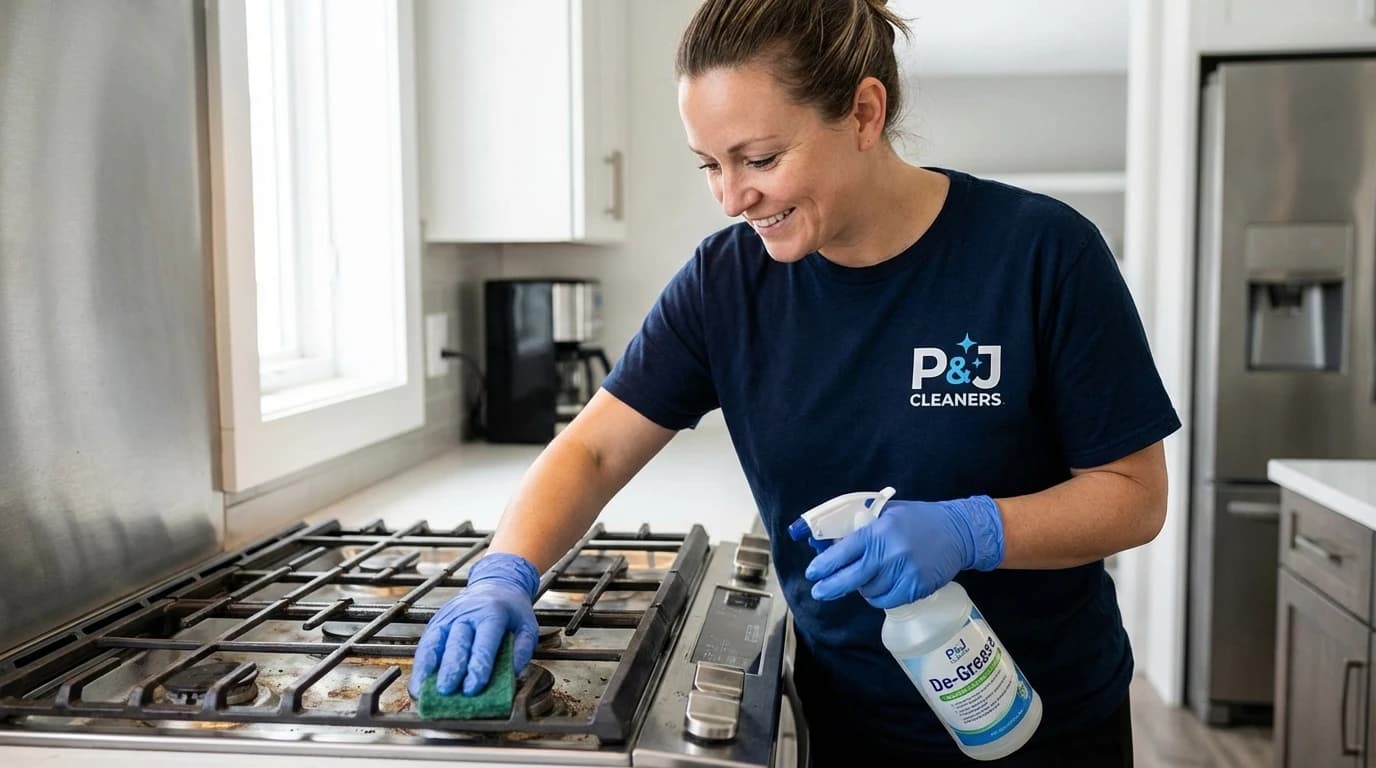
Start at the top and work downward to avoid recontaminating cleaned areas. Spray or wipe the ceiling and upper walls with your baking soda solution, letting it sit for two to three minutes on stubborn spots. Use a soft cloth to wipe in circular motions, paying special attention to corners where moisture and debris accumulate. The back wall often has the most buildup because condensation runs down and pools at the bottom. For sticky spills, apply baking soda paste and let it sit for five minutes before wiping clean.
Clean the door seals thoroughly because they trap crumbs, liquids, and mould in their folds. Gently pull back the rubber gasket and wipe inside the grooves with a cloth dampened in vinegar solution. Damaged or mouldy seals should be replaced because they compromise temperature control and increase energy costs. According to WorkSafeBC guidelines, proper seal maintenance prevents cold air loss and reduces workplace refrigeration costs by up to 15% in commercial settings. The same principle applies to residential refrigerators.
Finish by cleaning the bottom of the fridge, including under the crisper drawers where liquids often drip and pool. Remove the bottom drawer completely to access this area. Wipe down all surfaces with clean water after using baking soda solution to remove any residue. Dry thoroughly with a clean microfiber cloth to prevent water spots and reduce humidity inside the fridge. This final drying step is especially important in Vancouver's humid climate where excess moisture promotes mould growth.
- Work from top to bottom to avoid recontaminating cleaned surfaces with drips and debris
- Let baking soda solution sit for 2-3 minutes on stubborn stains before wiping for better results
- Clean door seal grooves with vinegar solution to remove hidden mould and food particles
- Replace damaged seals immediately as they can increase energy costs by up to 15%
- Dry all surfaces thoroughly after cleaning to prevent water spots and reduce interior humidity
Washing Shelves and Drawers
Remove and thoroughly wash all removable components in warm soapy water for a complete clean.
Fill your sink or a large basin with warm water and a few drops of dish soap. Submerge shelves, drawers, and door bins, letting them soak for 10-15 minutes to loosen dried spills and sticky residue. Glass shelves should be at room temperature before contact with warm water to prevent cracking from thermal shock. Use a soft sponge or cloth to scrub all surfaces, paying attention to corners and edges where grime accumulates. For stubborn stains, sprinkle baking soda directly on the spot and scrub gently.
Rinse each component thoroughly under running water to remove all soap residue. Soap left on surfaces can transfer flavours to food and create a slippery film that attracts more dirt. Inspect each piece for cracks, chips, or damage that could harbour bacteria or cause injury. According to the Canadian Food Inspection Agency, damaged food-contact surfaces in refrigeration units must be replaced to maintain proper sanitation standards. This applies equally to home refrigerators where family health is at stake.
Dry all components completely with clean towels before returning them to the fridge. Water droplets left on surfaces will freeze and create ice buildup that's difficult to remove later. Air drying takes 30-45 minutes, so plan accordingly or use multiple towels to speed the process. While components dry, this is the perfect time to clean the refrigerator coils and exterior surfaces. Proper drying also prevents water spots on glass shelves that can look unsightly and reduce visibility.
- Soak removable parts for 10-15 minutes in warm soapy water to loosen dried spills effectively
- Ensure glass shelves reach room temperature before washing to prevent thermal shock and cracking
- Rinse thoroughly to remove all soap residue that can transfer flavours to food
- Replace cracked or damaged components that can harbour bacteria and compromise food safety
- Dry completely before reinstalling to prevent ice buildup and water spots on glass surfaces
Pro Tip
Wash shelves and drawers in batches if your sink is small, starting with the least dirty items to keep wash water cleaner longer.
Cleaning Refrigerator Coils
Vacuum condenser coils every six months to maintain efficiency and prevent costly energy waste.
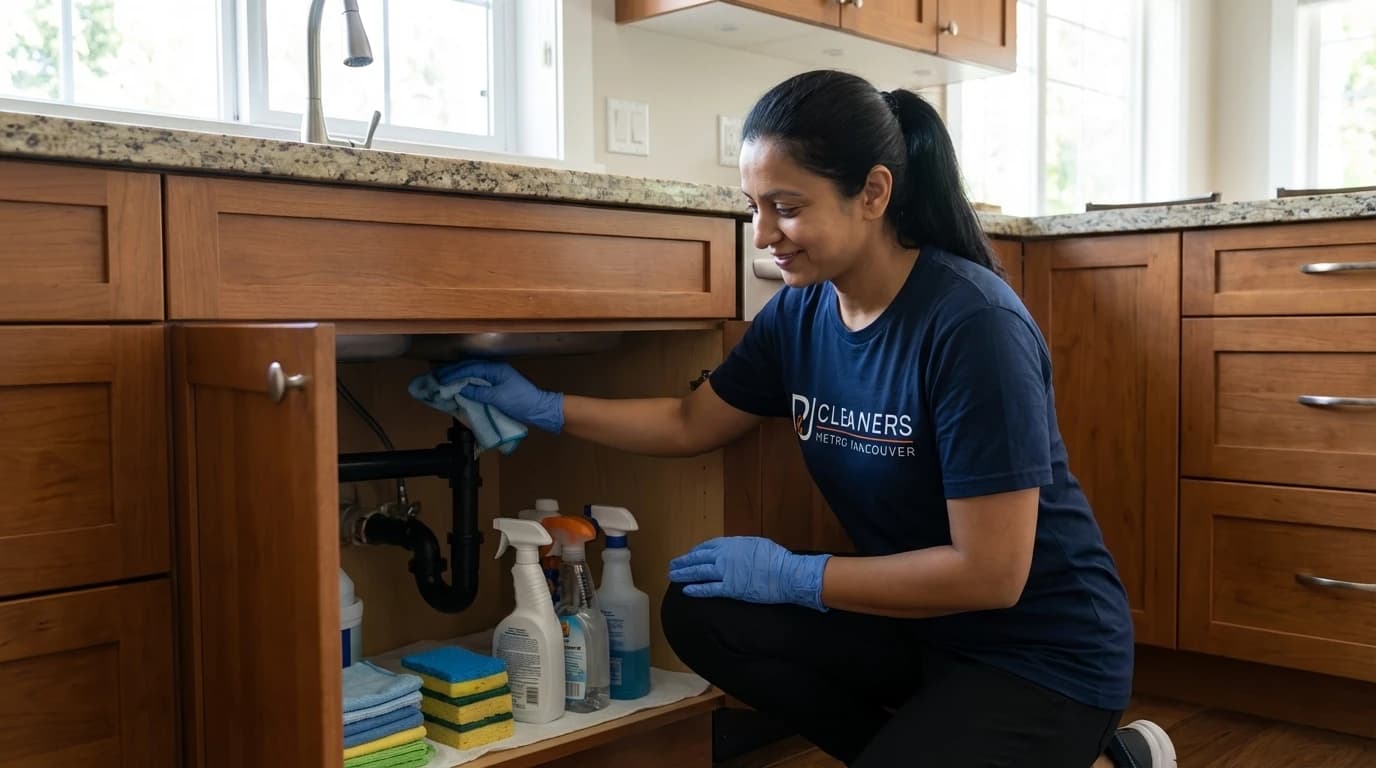
Locate your refrigerator's condenser coils, typically found behind a grille at the bottom front or on the back panel. Consult your owner's manual if you're unsure, as coil location varies by model and manufacturer. Unplug the refrigerator before cleaning coils to prevent electrical shock and allow the compressor to cool completely. This safety step is essential and should never be skipped regardless of how quickly you plan to work. Wait at least 15 minutes after unplugging before starting to ensure all components are safe to touch.
Use a vacuum cleaner with a brush attachment to gently remove dust, pet hair, and debris from the coils. Work slowly and carefully to avoid bending the delicate fins that transfer heat away from the refrigerator. A coil cleaning brush, available at hardware stores for under $10, helps reach between tight spaces where vacuum attachments can't fit. According to BC Hydro, cleaning coils twice yearly can reduce energy consumption by 20-25% and prevent premature compressor failure. This simple maintenance task saves money and extends appliance life significantly.
After vacuuming, wipe the area around the coils with a damp cloth to remove any remaining dust. Check the drip pan if your model has one, located beneath the coils in most refrigerators. Empty and wash the drip pan with soapy water because standing water breeds bacteria and creates foul odours. Replace the grille, plug the refrigerator back in, and wait 15 minutes before restocking to allow the unit to reach proper temperature. Set a calendar reminder for six months to maintain this crucial maintenance schedule.
- Unplug refrigerator and wait 15 minutes before cleaning coils to ensure safe working conditions
- Use vacuum with brush attachment to gently remove dust without bending delicate coil fins
- Clean coils every six months to reduce energy consumption by 20-25% according to BC Hydro
- Empty and wash drip pan to eliminate bacteria and prevent foul odours from standing water
- Set calendar reminders for coil cleaning to maintain consistent efficiency and appliance longevity
Related resources
Exterior Cleaning and Finishing
Clean and sanitize all exterior surfaces including handles, control panels, and the top of your fridge.
Spray exterior surfaces with your vinegar-water solution or use a microfiber cloth dampened with the mixture. Wipe down the door, sides, and top of the refrigerator, removing fingerprints, grease splatters, and dust. Pay special attention to handles and control panels that are touched frequently and harbour the most bacteria. According to a study published by the International Scientific Forum on Home Hygiene, refrigerator handles contain an average of 5,400 bacteria per square centimetre, more than toilet seats in many homes.
For stainless steel exteriors, wipe in the direction of the grain to avoid streaks and maintain the finish. Use a specialized stainless steel cleaner if you have one, or stick with vinegar solution which works effectively without leaving residue. Avoid abrasive cleaners or scrubbing pads that can scratch the surface and create permanent damage. The top of the refrigerator often accumulates significant dust and grease from cooking, especially in smaller kitchens where the fridge sits near the stove. This area requires thorough cleaning but is frequently overlooked.
Finish by cleaning the floor area around and under the refrigerator if accessible. Pull the fridge away from the wall carefully, checking water lines and electrical cords for damage while you have access. Sweep or vacuum the floor, then mop with your regular floor cleaner. This prevents dust and debris from being pulled into the condenser coils by the cooling fan. Return the refrigerator to position, ensuring it sits level for proper door closure and efficient operation. A level fridge prevents door seal gaps that waste energy.
- Refrigerator handles harbour an average of 5,400 bacteria per square centimetre according to hygiene studies
- Wipe stainless steel in the direction of the grain to prevent streaks and maintain finish quality
- Clean the top of the fridge thoroughly as it accumulates grease and dust from cooking activities
- Pull fridge away from wall annually to clean floor and inspect water lines for leaks or damage
- Ensure refrigerator sits level after moving to maintain proper door seal and efficient operation
Pro Tip
Place a thin mat or cardboard under the fridge feet before pulling it out to protect flooring and make moving easier.
Organizing and Maintaining Freshness
Implement smart organization strategies and maintenance habits to keep your fridge clean longer.

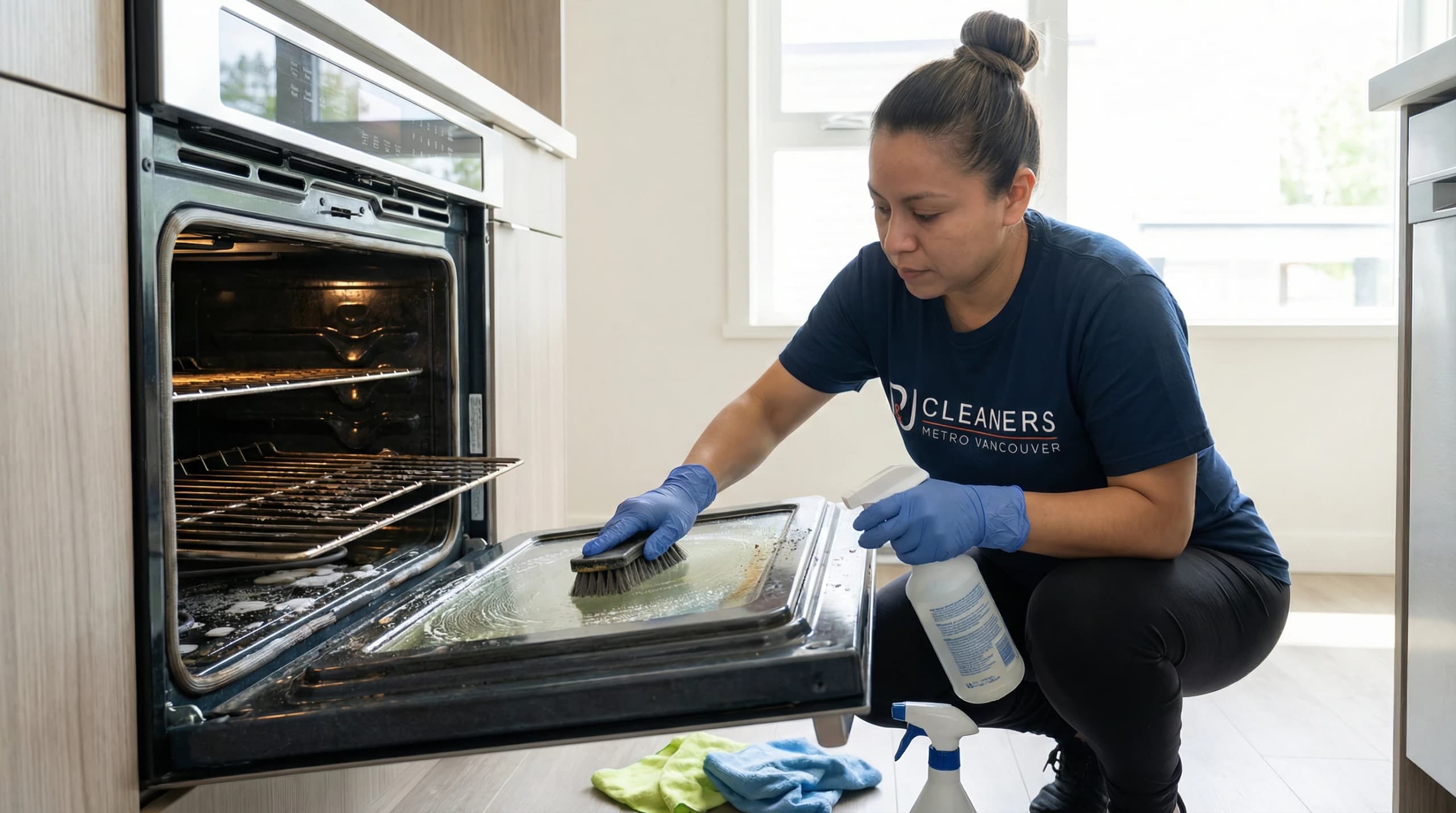
Return food to the refrigerator strategically, placing items by temperature requirements and frequency of use. Store raw meats on the bottom shelf in sealed containers to prevent drips from contaminating other foods. Keep dairy products and eggs in the main body of the fridge rather than door shelves where temperature fluctuates more. According to Health Canada food safety guidelines, maintaining proper storage zones reduces cross-contamination risk by up to 60% and extends food freshness significantly. Place frequently used items at eye level for easy access.
Use clear storage containers and bins to group similar items and contain potential spills. Label containers with contents and dates to track freshness and reduce food waste. Statistics Canada reports that Canadian households waste approximately $1,100 worth of food annually, much of it from refrigerator spoilage. Proper organization and visibility help you use food before it expires. Line crisper drawers with paper towels to absorb excess moisture that causes vegetables to rot quickly. Replace these liners weekly for best results.
Establish a weekly maintenance routine to prevent major cleaning sessions. Wipe up spills immediately before they dry and become difficult to remove. Check expiration dates every week when planning grocery shopping, discarding items past their prime. Place an open box of baking soda in the back of the fridge to absorb odours continuously for three months. Deep clean your refrigerator every three to four months, or more frequently if you notice odours or visible spills. This regular schedule maintains hygiene and keeps your appliance running efficiently year-round.
- Store raw meats on bottom shelf in sealed containers to prevent cross-contamination of other foods
- Proper storage zones reduce contamination risk by up to 60% according to Health Canada guidelines
- Canadian households waste approximately $1,100 in food annually, much from poor refrigerator organization
- Line crisper drawers with paper towels to absorb moisture and extend vegetable freshness
- Replace baking soda boxes every three months to maintain continuous odour absorption
- Deep clean every 3-4 months and wipe spills immediately to prevent bacterial growth
Step-by-Step
7-Step Deep Clean Process
Follow this systematic approach for a thorough refrigerator cleaning that takes 45-60 minutes from start to finish.
Empty and Sort Contents
Remove all food items from your refrigerator, checking expiration dates as you go. Discard anything past its prime, spoiled, or questionable. Group items by category and temperature requirements to make restocking faster and more organized. Place perishables in a cooler with ice packs if cleaning will take longer than 30 minutes. This prevents food from reaching unsafe temperatures while you work. Take this opportunity to consolidate partial containers and wipe down bottles and jars before they go back in.
- Remove all food items and check expiration dates carefully
- Discard spoiled or expired items to prevent contamination
- Store perishables in cooler with ice packs during cleaning
- Group items by category for efficient restocking later
- Wipe down bottles and jars before returning to clean fridge
Remove Shelves and Drawers
Take out all removable components including shelves, drawers, door bins, and any other detachable parts. Let glass shelves warm to room temperature for 10-15 minutes before washing to prevent thermal shock and cracking. Stack components near your sink in the order you'll wash them, starting with the least dirty items. This preparation makes the washing process more efficient and prevents you from missing any pieces. Check each component for damage or wear that might require replacement.
- Remove all shelves, drawers, and door bins from refrigerator
- Allow glass shelves to reach room temperature before washing
- Stack components in order from least to most dirty
- Inspect each piece for cracks, chips, or damage
- Set aside damaged items for replacement before restocking
Wash Removable Components
Fill your sink with warm water and dish soap, then soak shelves and drawers for 10-15 minutes. This loosens dried spills and makes scrubbing easier. Use a soft sponge to clean all surfaces, paying attention to corners and edges where residue accumulates. For stubborn stains, make a paste of baking soda and water, apply it to the stain, and let it sit for five minutes before scrubbing. Rinse each piece thoroughly under running water to remove all soap residue, then dry completely with clean towels.
- Soak components in warm soapy water for 10-15 minutes
- Scrub all surfaces with soft sponge, focusing on corners
- Apply baking soda paste to stubborn stains and let sit
- Rinse thoroughly under running water to remove soap
- Dry completely with clean towels before reinstalling
Clean Interior Surfaces
Mix two tablespoons of baking soda per litre of warm water in a spray bottle or bowl. Starting at the top, spray or wipe down all interior walls, ceiling, and the back panel. Let the solution sit for two to three minutes on stubborn spots before wiping clean with a microfiber cloth. Work your way down to prevent recontaminating cleaned areas. Pay special attention to door seals, pulling back the rubber gasket to clean inside the folds where mould and debris hide. Finish by wiping the bottom of the fridge and drying all surfaces thoroughly.
- Mix baking soda solution (2 tablespoons per litre of water)
- Start at top and work downward to avoid recontamination
- Let solution sit 2-3 minutes on stubborn stains
- Clean door seal grooves thoroughly with vinegar solution
- Dry all surfaces completely to prevent water spots and mould
Clean Condenser Coils
Unplug your refrigerator and wait 15 minutes for the compressor to cool completely. Locate the condenser coils, usually behind a grille at the bottom front or on the back panel. Use a vacuum cleaner with a brush attachment to gently remove dust, pet hair, and debris from the coils. Work carefully to avoid bending the delicate fins. Use a coil cleaning brush for tight spaces the vacuum can't reach. Wipe the surrounding area with a damp cloth, empty and wash the drip pan if your model has one, then replace the grille and plug the unit back in.
- Unplug refrigerator and wait 15 minutes for cooling
- Locate condenser coils behind grille or on back panel
- Vacuum coils gently with brush attachment to remove dust
- Use coil brush for tight spaces vacuum cannot reach
- Empty and wash drip pan, then plug unit back in
Clean Exterior Surfaces
Mix equal parts water and white vinegar in a spray bottle for exterior cleaning. Spray and wipe down the door, sides, top, handles, and control panel. For stainless steel, wipe in the direction of the grain to prevent streaks. Pay extra attention to handles which harbour the most bacteria from frequent touching. Clean the top of the refrigerator thoroughly as it accumulates dust and grease from cooking. If accessible, pull the fridge away from the wall to clean the floor underneath and inspect water lines and electrical cords for damage.
- Mix equal parts water and vinegar for exterior cleaning
- Wipe all exterior surfaces including top and sides
- Clean handles thoroughly as they harbour most bacteria
- For stainless steel, wipe in direction of grain
- Pull fridge out to clean floor and inspect connections
Organize and Restock
Return clean shelves and drawers to the refrigerator, ensuring they're completely dry first. Restock food items strategically, placing raw meats on the bottom shelf in sealed containers, dairy in the main body rather than door shelves, and frequently used items at eye level. Use clear storage containers to group similar items and contain spills. Line crisper drawers with fresh paper towels to absorb moisture. Place an open box of baking soda in the back to absorb odours. Label containers with dates to track freshness and reduce waste.
- Ensure all components are completely dry before reinstalling
- Place raw meats on bottom shelf in sealed containers
- Store dairy products in main body for stable temperature
- Use clear containers to group items and contain spills
- Place fresh baking soda box in back for odour absorption
Services mentioned in this article
Ready for help?
4.9 · 850+ Google reviewsProfessional Kitchen Deep Cleaning in Metro Vancouver
Let our certified team handle your refrigerator and complete kitchen deep clean. We use food-safe products and guarantee spotless results with our satisfaction guarantee.
778-720-2224Common Refrigerator Cleaning Questions
How often should you clean your fridge?
Clean your refrigerator thoroughly every 3-4 months to prevent bacteria buildup and odours. Wipe up spills immediately and do a quick shelf check weekly. The CDC recommends monthly cleaning for households with young children or immunocompromised individuals. High-use fridges in commercial settings require weekly deep cleaning. Vancouver's humid climate can accelerate mould growth, so inspect door seals and crisper drawers monthly for moisture accumulation.
How to clean a smelly fridge?
Remove all food and shelves, then wash interior surfaces with a solution of 2 tablespoons baking soda per litre of warm water. Place an open box of baking soda or activated charcoal in the back to absorb lingering odours. For stubborn smells, wipe surfaces with white vinegar and leave the door open for 2-3 hours. Check drain pan and door seals for hidden mould. Replace water filters every 6 months to prevent taste transfer.
What is the best fridge cleaner?
A mixture of warm water and baking soda (2 tablespoons per litre) safely cleans without leaving chemical residue that affects food taste. White vinegar diluted 1:1 with water disinfects and removes mineral deposits. Avoid harsh chemicals like bleach or ammonia that can damage plastic components and contaminate food. For stainless steel exteriors, use specialized stainless cleaner or a microfiber cloth with water. P&J Cleaners uses Health Canada-approved, food-safe products in all kitchen cleaning services.
How to clean refrigerator coils?
Unplug the refrigerator and locate coils on the back or beneath the unit. Use a coil brush or vacuum with a brush attachment to remove dust buildup. Clean coils every 6-12 months to maintain energy efficiency and prevent compressor failure. Dirty coils force the compressor to work 35% harder, increasing electricity costs by $15-25 monthly according to BC Hydro. For built-in units, consult your manual before accessing coils to avoid warranty issues.

Meet the Author
Pamela
Co-Founder
Pamela leads residential quality standards at P&J Cleaners, refining safe, detail-driven cleaning systems for Vancouver homes, condos, and move-out projects.
Keep Exploring