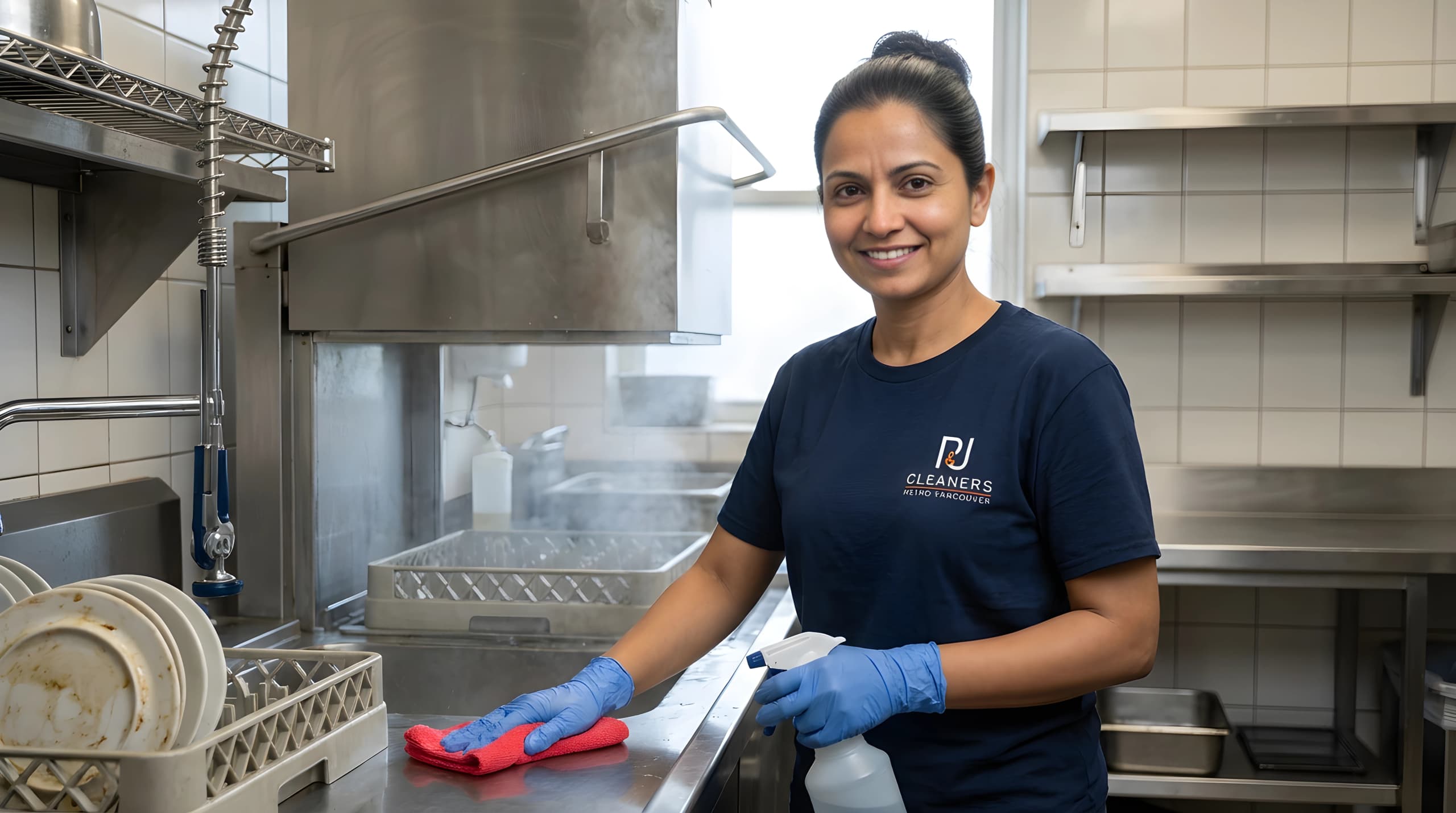


Quick answer
Remove the range hood filter, soak it in hot water with degreasing dish soap for 15-20 minutes, scrub with a soft brush, rinse thoroughly, and dry completely before reinstalling. Wipe exterior surfaces with a damp microfibre cloth and mild cleaner.

Key Takeaways
- 1Range hood filters should be cleaned every 3-4 weeks for optimal performance, or weekly in high-use kitchens to prevent grease buildup and fire hazards.
- 2A simple soak in hot water with dish soap removes 85-90% of grease without harsh chemicals, making it safe for most metal mesh filters.
- 3Neglected range hoods reduce ventilation efficiency by up to 70% and increase kitchen fire risk, according to the National Fire Protection Association.
- 4Professional deep cleaning services in Vancouver cost $40-$60 per hour and include filter degreasing, fan motor cleaning, and ductwork inspection.
Why Regular Range Hood Cleaning Matters
Grease buildup in range hoods creates fire hazards, reduces air quality, and decreases ventilation efficiency in your kitchen.
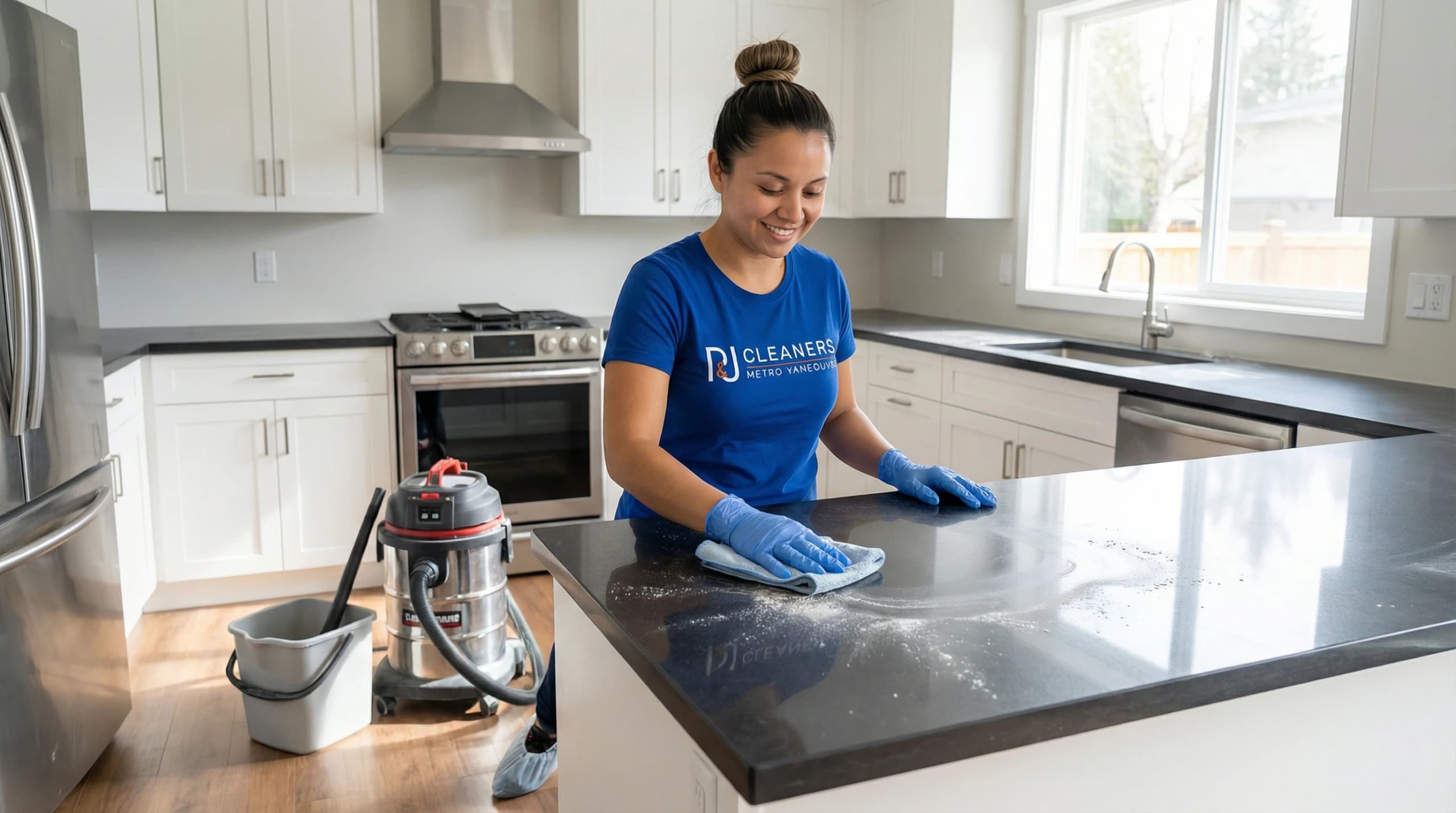
Range hoods accumulate cooking grease, smoke residue, and airborne particles every time you use your stove. The National Fire Protection Association reports that cooking equipment causes 49% of home fires in North America, with grease buildup being a primary ignition source. A clean range hood reduces this risk significantly while improving indoor air quality by properly venting cooking fumes, steam, and odours outside your home.
Grease-clogged filters force your range hood motor to work harder, increasing energy consumption and shortening the appliance's lifespan. Studies from the Canadian Home Builders' Association show that regular maintenance extends range hood life by 40-50% compared to neglected units. Clean filters also capture more airborne grease particles, preventing them from settling on kitchen surfaces, cabinets, and walls throughout your home.
Vancouver's coastal climate adds moisture to kitchen air, which combines with cooking grease to create stubborn, sticky residue on range hood surfaces. This mixture attracts dust and bacteria, creating unsanitary conditions in one of your home's most-used areas. Regular cleaning prevents permanent staining on stainless steel surfaces and maintains the aesthetic appeal of your kitchen while ensuring optimal ventilation performance during meal preparation.
- Reduces kitchen fire risk by removing flammable grease deposits from filters and interior surfaces
- Improves air quality by maintaining proper ventilation of cooking fumes, smoke, and steam
- Extends appliance lifespan by reducing motor strain and preventing mechanical failures
- Prevents permanent staining on stainless steel and painted surfaces from acidic grease buildup
- Eliminates odours by ensuring filters can trap and vent cooking smells effectively
Pro Tip
Set a monthly reminder on your phone to check your range hood filter. If you can't see light through the mesh when holding it up to a window, it's time for a deep clean.
Essential Supplies for Range Hood Cleaning
Gather basic household items including dish soap, baking soda, microfibre cloths, and a soft brush before starting your cleaning project.
Most range hood cleaning requires items you already have in your kitchen. Hot water and degreasing dish soap form the foundation of effective filter cleaning, breaking down oil molecules without harsh chemicals. Baking soda acts as a gentle abrasive for stubborn spots, while white vinegar cuts through mineral deposits and adds extra degreasing power. These eco-friendly options work as effectively as commercial degreasers while being safer for your family and the environment.
Microfibre cloths are essential for streak-free cleaning on stainless steel surfaces. Unlike paper towels, they don't leave lint behind and can be washed and reused hundreds of times. A soft-bristled brush or old toothbrush reaches into filter mesh and crevices without scratching metal surfaces. For extremely stubborn grease, consider adding a small amount of ammonia to your cleaning solution, though this should only be used in well-ventilated areas with proper safety precautions.
Protect your hands with rubber gloves, especially when working with hot water or cleaning solutions. A large basin, sink, or even your bathtub provides space to soak filters completely. Keep a step stool or ladder nearby for safe access to your range hood, and lay down old towels to catch drips during the cleaning process. Having all supplies ready before you start makes the job faster and more efficient.
- Hot water (near boiling) for maximum grease-dissolving power
- Degreasing dish soap or liquid detergent with grease-cutting formula
- Baking soda for gentle scrubbing on stubborn grease spots
- White vinegar for mineral deposits and extra degreasing action
- Microfibre cloths for lint-free, streak-free surface cleaning
- Soft-bristled brush or old toothbrush for mesh and crevices
Related resources
How to Safely Remove Range Hood Filters
Turn off the range hood, locate the filter release mechanism, and carefully slide or unclip filters to avoid dropping them.
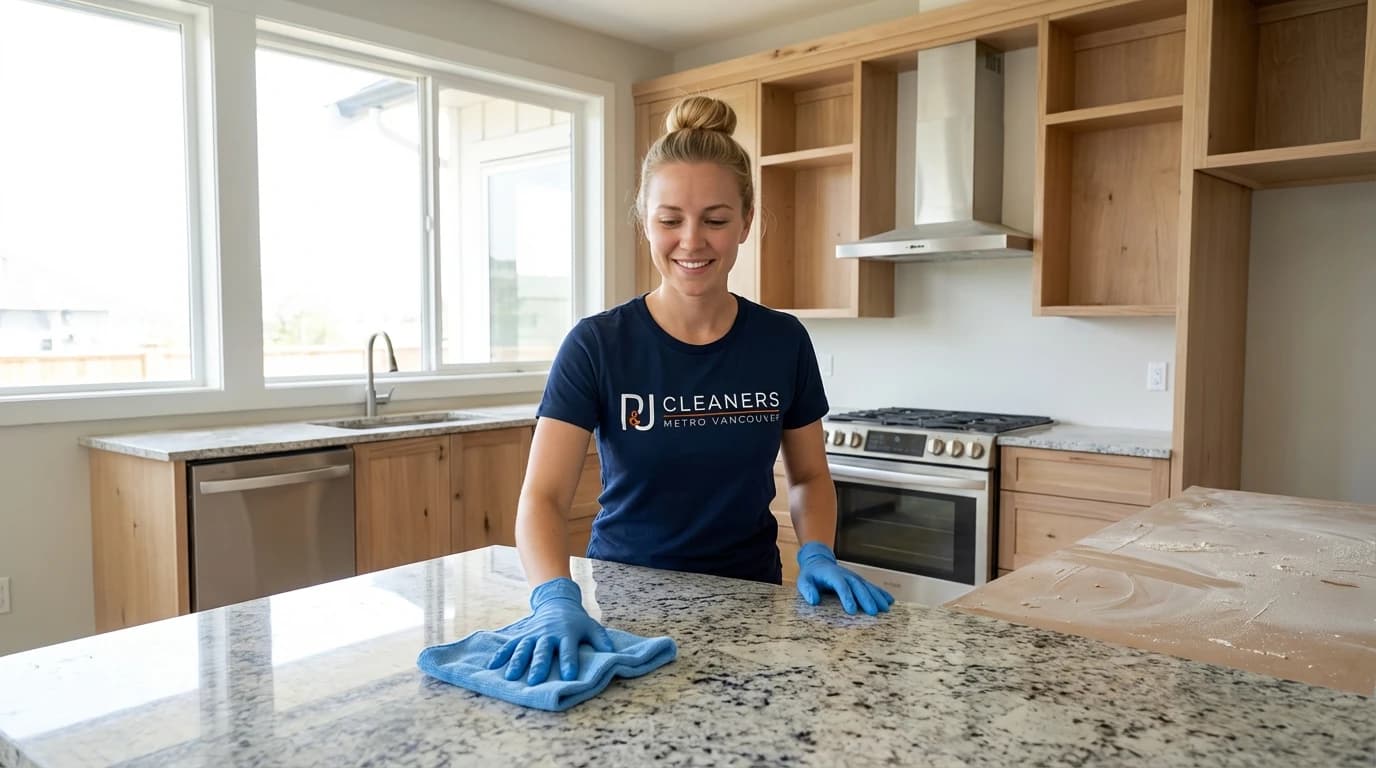
Before removing any components, ensure your range hood is turned off and has cooled completely if you've recently cooked. Most range hood filters are held in place by simple clips, tabs, or sliding tracks that release with gentle pressure. Consult your owner's manual if you're unsure about your specific model, as removal mechanisms vary between manufacturers. Taking a quick photo with your phone before removal helps you remember the correct reinstallation orientation later.
Metal mesh filters typically slide toward you and then down, while baffle filters often have spring-loaded clips on the sides. Apply even pressure when releasing clips to prevent filters from falling suddenly. Range hood filters can be surprisingly heavy when saturated with grease, so maintain a firm grip throughout the removal process. If filters seem stuck, don't force them—accumulated grease may have created adhesion that requires gentle wiggling to break free.
Place removed filters directly into your cleaning basin or sink to avoid dripping grease on countertops or floors. Some range hoods have multiple filter layers or charcoal filters behind the main grease filter. Charcoal filters cannot be cleaned and must be replaced according to manufacturer recommendations, typically every 3-6 months depending on cooking frequency. Check for any visible damage like bent mesh or broken clips while filters are removed, as damaged filters should be replaced rather than cleaned.
Pro Tip
Label filters with masking tape if your range hood has multiple filters in different sizes. This prevents confusion during reinstallation and ensures each filter returns to its correct position.
The Soaking Method for Grease Removal
Submerge filters in hot water with dish soap for 15-20 minutes to dissolve grease, then scrub remaining residue with a soft brush.
Fill your sink, basin, or bathtub with the hottest water your tap provides—ideally near boiling temperature for maximum grease-dissolving power. Add a generous squirt of degreasing dish soap, approximately 2-3 tablespoons per gallon of water, and agitate to create suds. Submerge filters completely, ensuring all surfaces contact the soapy water. The combination of heat and surfactants in dish soap breaks down oil molecules, allowing grease to lift away from metal surfaces without aggressive scrubbing.
Let filters soak for 15-20 minutes for regular maintenance cleaning, or up to 30 minutes for heavily soiled filters that haven't been cleaned in months. You'll notice the water turning brown or grey as grease dissolves and releases from the mesh. For extremely stubborn buildup, add half a cup of baking soda to the soaking water to boost cleaning power. The alkaline properties of baking soda help emulsify grease while providing gentle abrasive action when you scrub later.
After soaking, use a soft-bristled brush to gently scrub both sides of the filter, working in the direction of the mesh pattern. Pay special attention to corners and edges where grease accumulates most heavily. If grease remains after the first soak, drain the dirty water, refill with fresh hot soapy water, and repeat the process. Most filters come completely clean after one or two soaking cycles, though severely neglected filters may require three rounds of treatment to restore them fully.
- Use water as hot as possible—heat is crucial for dissolving solidified cooking grease
- Add 2-3 tablespoons of degreasing dish soap per gallon of water for optimal cleaning
- Soak for 15-20 minutes for regular cleaning, 30 minutes for heavy buildup
- Boost cleaning power with half a cup of baking soda for stubborn grease deposits
- Scrub gently with a soft brush in the direction of the mesh pattern
- Repeat soaking process if grease remains after first treatment
Cleaning Range Hood Exterior Surfaces
Wipe stainless steel and painted surfaces with a damp microfibre cloth and mild cleaner, following the grain to prevent streaking.
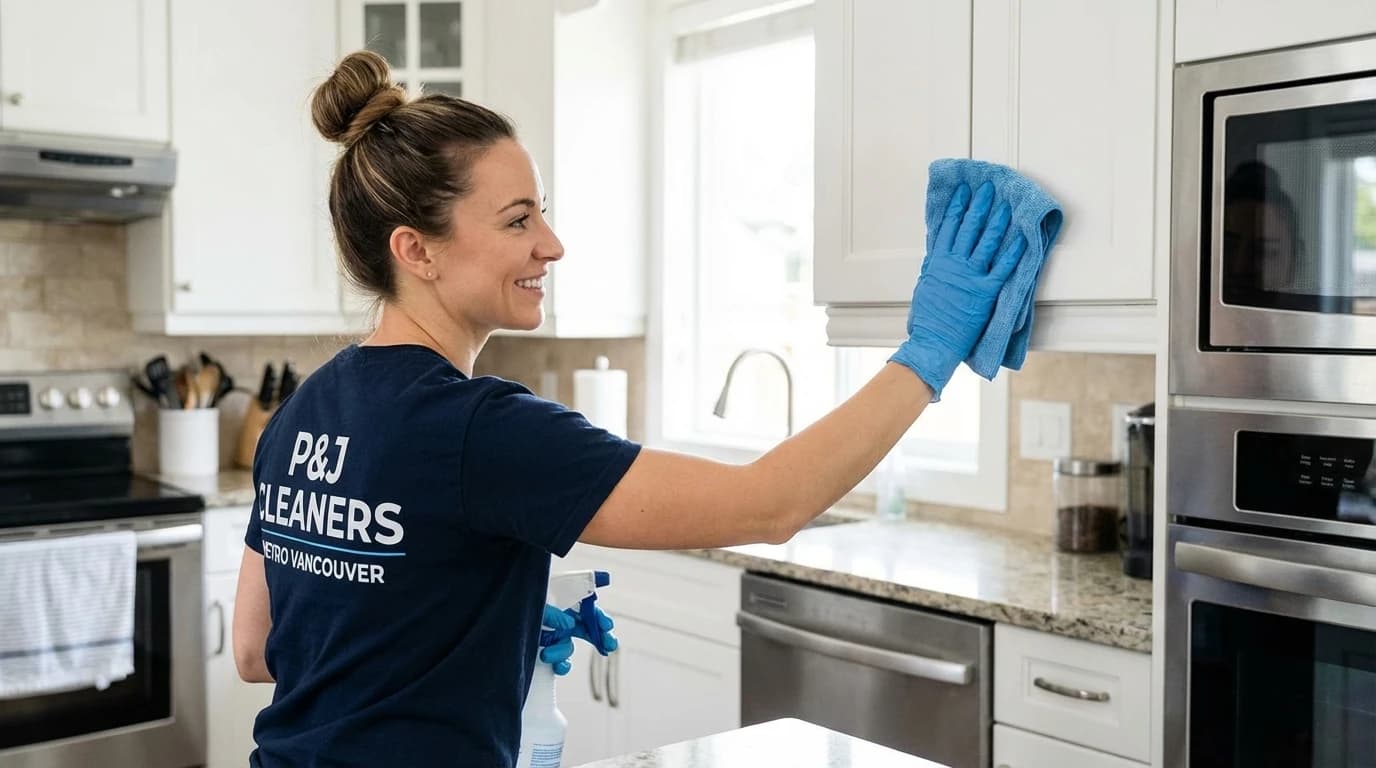
While filters soak, clean the exterior surfaces of your range hood using a microfibre cloth dampened with warm water and a small amount of dish soap or all-purpose cleaner. For stainless steel surfaces, always wipe in the direction of the grain to prevent streaking and maintain the brushed finish. Avoid abrasive cleaners, steel wool, or harsh chemicals that can scratch or discolour metal surfaces. A 50-50 mixture of white vinegar and water works excellently on stainless steel, cutting through grease while leaving a streak-free shine.
Pay attention to the underside of the range hood where grease splatters accumulate during cooking. This area often requires more elbow grease and multiple passes with your cleaning cloth. For stubborn spots, apply a paste of baking soda and water, let it sit for 5 minutes, then wipe clean with a damp cloth. Don't forget to clean the light covers and bulbs—grease film reduces light output and creates a dingy appearance in your kitchen workspace.
Inspect and clean the area around control buttons and switches where grease can interfere with proper operation. Use a cotton swab dipped in cleaning solution to reach tight spaces around buttons and seams. For painted range hoods, test any cleaning solution on an inconspicuous area first to ensure it won't damage the finish. Dry all surfaces thoroughly with a clean microfibre cloth to prevent water spots and restore shine to metal surfaces.
Pro Tip
Keep a small spray bottle of diluted dish soap under your sink for quick daily wipe-downs after cooking. Thirty seconds of maintenance cleaning prevents heavy grease buildup that requires intensive scrubbing later.
Proper Rinsing and Drying Techniques
Rinse filters thoroughly under hot running water to remove all soap residue, then air dry completely before reinstalling to prevent water damage.
After scrubbing, rinse filters under hot running water to remove all soap residue and loosened grease particles. Hold filters at an angle to allow water to flow through the mesh, flushing out debris trapped in the filter structure. Inadequate rinsing leaves soap film that attracts dirt and grease more quickly, reducing the time between cleanings. Continue rinsing until water runs clear and no soap bubbles appear, typically 2-3 minutes per filter under strong water pressure.
Shake filters vigorously to remove excess water, then stand them upright in a dish rack or lean them against a wall to air dry. Never reinstall wet filters—moisture can damage the range hood motor, create electrical hazards, and promote rust formation on metal components. Depending on humidity levels in your Vancouver home, complete drying takes 2-4 hours. Speed up the process by placing filters near an open window or using a fan to increase air circulation around drying filters.
Inspect dried filters for any remaining grease spots or residue. Hold them up to a light source—you should be able to see through the mesh clearly. If grease remains visible, repeat the soaking and scrubbing process rather than reinstalling partially clean filters. Once completely dry and grease-free, filters are ready for reinstallation. This is also an excellent time to inspect filters for damage like bent mesh, broken frames, or worn clips that might require filter replacement.
- Rinse under hot running water until water runs completely clear with no soap bubbles
- Shake vigorously to remove excess water and speed up drying time
- Air dry completely for 2-4 hours before reinstalling to prevent motor damage
- Never use heat sources like ovens or hair dryers that can warp metal filters
- Inspect dried filters by holding them up to light—mesh should be clearly visible
- Replace filters if you notice bent mesh, broken frames, or damaged clips
Can You Clean Range Hood Filters in the Dishwasher?
Most metal mesh filters are dishwasher-safe on the top rack using a heavy-duty cycle, though hand washing provides more thorough cleaning for heavily soiled filters.
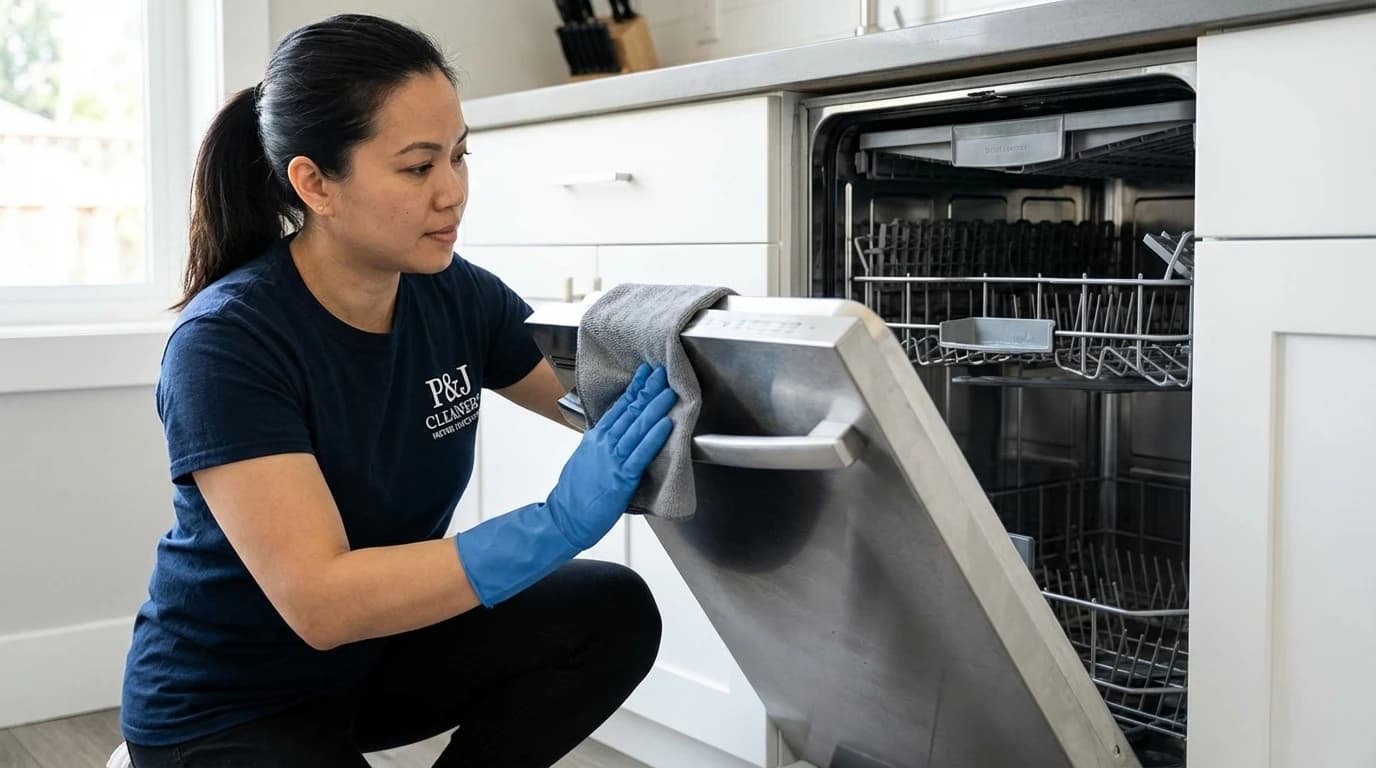
Many modern range hood filters can be cleaned in the dishwasher, offering a convenient alternative to hand washing. Check your owner's manual first—some manufacturers void warranties if filters are dishwasher-cleaned, while others specifically recommend it. Aluminum filters may discolour in dishwashers due to alkaline detergents, though this doesn't affect performance. Stainless steel filters generally handle dishwasher cleaning well without discolouration or damage to the metal structure.
Place filters on the top rack of your dishwasher, positioning them vertically or at an angle to allow water and detergent to flow through the mesh effectively. Remove any large grease chunks first by scraping with a paper towel—excessive grease can clog your dishwasher's drain and reduce cleaning effectiveness. Run a heavy-duty or pots-and-pans cycle with high heat for best results. Skip the heated dry cycle and allow filters to air dry instead, as high heat can sometimes warp thin metal components.
Dishwasher cleaning works well for regular maintenance but may not fully remove heavy grease buildup from neglected filters. The soaking method with hot water and dish soap often provides superior results for filters that haven't been cleaned in months. Consider dishwasher cleaning for monthly maintenance and hand washing for quarterly deep cleaning. Never put charcoal filters, plastic components, or painted filters in the dishwasher—these require hand washing only to prevent damage.
Pro Tip
Run your dishwasher's cleaning cycle after washing greasy range hood filters to prevent grease residue from transferring to your dishes in future loads. Use a dishwasher cleaner or run an empty cycle with white vinegar.
Related resources
How Often Should You Clean Your Range Hood?
Clean filters every 3-4 weeks for average cooking, weekly for heavy use, and quarterly for deep cleaning of the entire range hood system.
Cleaning frequency depends on your cooking habits and the types of food you prepare. Households that cook daily, especially with high-heat methods like frying or wok cooking, should clean filters weekly to prevent dangerous grease accumulation. The Canadian Home Builders' Association recommends monthly filter cleaning for average home cooking, which typically includes 4-6 meals per week. Light cooking households that primarily use the microwave or eat out frequently can extend cleaning intervals to every 6-8 weeks without significant performance loss.
Visual inspection provides the best indicator of when cleaning is needed. If you notice grease dripping from filters, reduced suction power, or visible grease buildup on the mesh, clean immediately regardless of your schedule. Vancouver's Restaurant and Food Services regulations require commercial kitchens to clean range hoods weekly or more frequently, demonstrating the importance of regular maintenance in high-use environments. Residential standards should follow similar principles scaled to home cooking volumes.
Beyond filter cleaning, schedule comprehensive range hood deep cleaning every 3-6 months. This includes cleaning the interior housing, fan blades, and ductwork—areas that accumulate grease even with clean filters. Professional cleaning services in Metro Vancouver typically charge $40-60 per hour for thorough range hood cleaning including ductwork inspection. Many homeowners combine range hood deep cleaning with seasonal kitchen deep cleaning for efficiency. Set calendar reminders to maintain your cleaning schedule consistently throughout the year.
- Weekly cleaning for heavy cooking (daily frying, wok cooking, or high-heat methods)
- Monthly cleaning for average home cooking (4-6 meals per week)
- Every 6-8 weeks for light cooking households with minimal stovetop use
- Quarterly deep cleaning of entire range hood system including fan and ductwork
- Immediate cleaning if you notice grease dripping, reduced suction, or visible buildup
- Professional inspection annually to check motor, wiring, and ventilation efficiency
When to Call Professional Range Hood Cleaners
Professional cleaning services handle ductwork cleaning, motor maintenance, and heavily neglected systems that require specialized equipment and expertise.
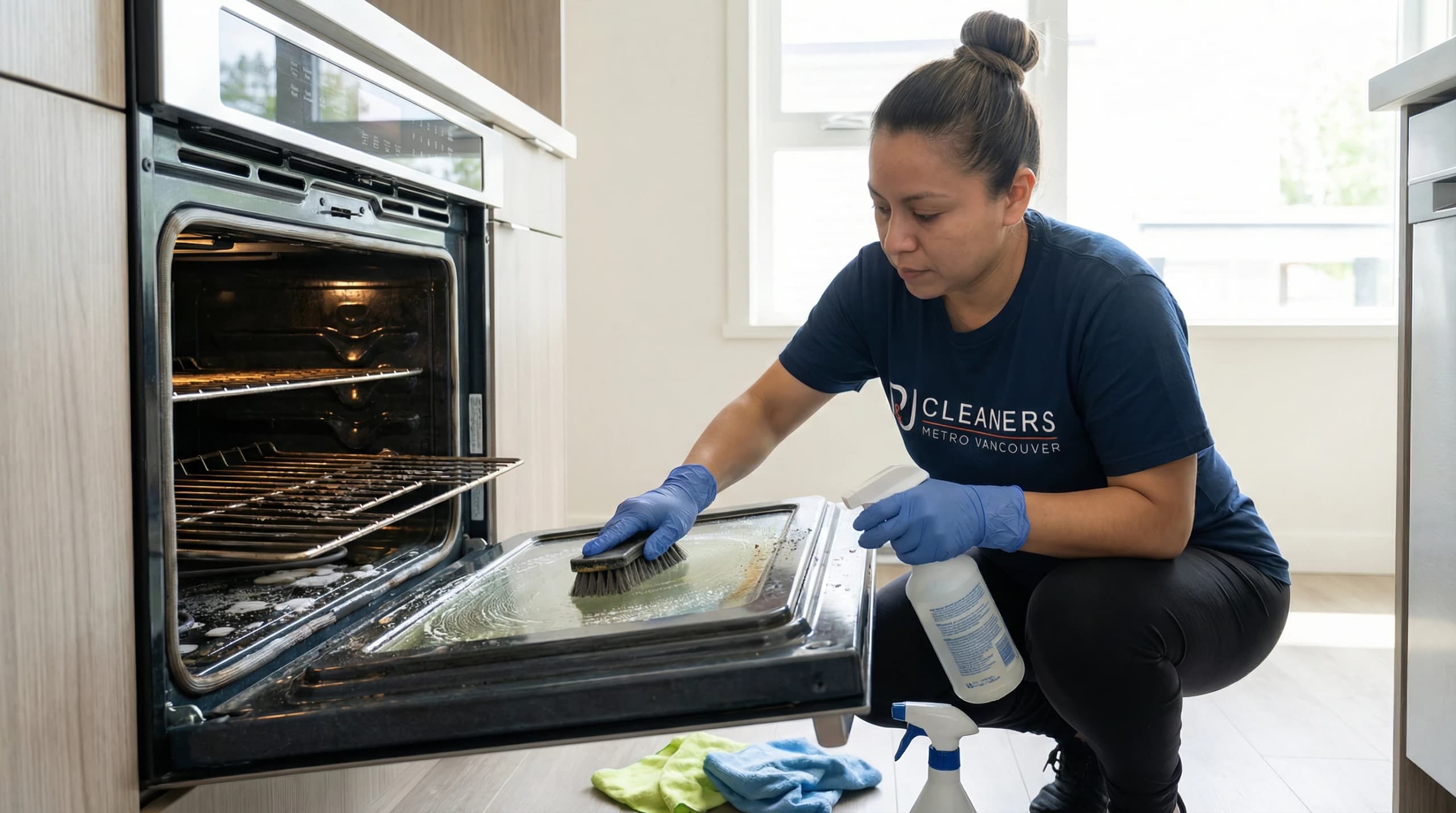
While regular filter cleaning is manageable for most homeowners, certain situations warrant professional intervention. Ductwork cleaning requires specialized equipment to remove grease buildup from ventilation pipes that extend through walls and ceilings. The National Fire Protection Association recommends professional ductwork inspection and cleaning every 1-2 years for homes with frequent cooking. Grease accumulation in ducts creates fire hazards that filter cleaning alone cannot address, making professional service essential for comprehensive safety.
Professional cleaners have access to commercial-grade degreasers, steam cleaning equipment, and specialized brushes that remove grease more effectively than household methods. They can safely disassemble range hood components including fan motors, wiring, and internal baffles for thorough cleaning without voiding warranties or causing damage. P&J Cleaners' deep cleaning service includes range hood cleaning as part of comprehensive kitchen sanitation, addressing areas homeowners typically miss during routine maintenance. Our team uses eco-friendly, food-safe products that meet Vancouver health standards.
Consider professional service if your range hood hasn't been cleaned in over a year, if you notice unusual noises or reduced performance despite clean filters, or if you're preparing a home for sale. Real estate agents report that clean, well-maintained kitchens significantly impact buyer impressions and home values. Professional cleaning also provides peace of mind through proper disposal of grease waste according to Metro Vancouver environmental regulations. Our satisfaction guarantee means if you're not completely happy with the results, tell us within 7 days of your clean and we make it right with a re-clean of the areas concerned or a partial refund, depending on the job. Re-cleans are usually done within 1 to 2 business days.
Pro Tip
Schedule professional range hood cleaning when you book move-out cleaning or seasonal deep cleaning services. Bundling services often provides better value than booking individual appointments throughout the year.
Related resources
Common Range Hood Cleaning Mistakes to Avoid
Avoid harsh chemicals, abrasive scrubbers, and reinstalling wet filters—these mistakes damage equipment and reduce cleaning effectiveness.
Using harsh chemical cleaners like oven cleaner or bleach on range hood filters can damage metal finishes, create toxic fumes, and leave residue that contaminates cooking air. These aggressive products aren't necessary—hot water and dish soap effectively remove grease without safety risks. Similarly, abrasive scrubbers like steel wool or harsh brushes scratch stainless steel surfaces and damage filter mesh, creating rough spots where grease accumulates more quickly. Stick to soft-bristled brushes and microfibre cloths for safe, effective cleaning.
Reinstalling filters before they're completely dry is a critical mistake that can damage range hood motors and electrical components. Moisture creates short circuit risks and promotes rust formation on metal parts. Even if filters feel dry to the touch, internal moisture may remain—allow full air drying time of 2-4 hours. Another common error is neglecting the range hood exterior while focusing only on filters. Grease on exterior surfaces attracts dust and creates an unsightly appearance that undermines your cleaning efforts.
Many homeowners forget to clean or replace charcoal filters in recirculating range hoods. These filters cannot be washed and must be replaced every 3-6 months according to manufacturer specifications. Ignoring this maintenance reduces odour control and air quality. Finally, avoid running your range hood without filters installed, even temporarily. Unfiltered operation allows grease to coat the motor and internal components, creating fire hazards and expensive repair needs. Always reinstall clean, dry filters immediately after cleaning.
- Never use harsh chemicals like oven cleaner, bleach, or ammonia-based products on filters
- Avoid abrasive scrubbers that scratch metal and damage filter mesh structure
- Don't reinstall filters until completely dry—moisture damages motors and creates rust
- Never run range hood without filters installed, even temporarily during cleaning
- Don't forget to replace charcoal filters every 3-6 months in recirculating hoods
- Avoid forcing stuck filters—gentle wiggling prevents damage to clips and frames

Step-by-Step
7-Step Range Hood Cleaning Process
Follow this proven method used by professional cleaners to remove grease buildup and restore your range hood to optimal performance. Each step takes 5-10 minutes for a total cleaning time of 45-60 minutes including drying.
Turn Off and Cool Down
Ensure your range hood is completely turned off and has cooled to room temperature before beginning any cleaning work. This prevents burns from hot surfaces and eliminates electrical shock risks while handling components. If you've recently cooked, wait at least 30 minutes for the unit to cool completely. Check that the fan has stopped spinning and lights are off before proceeding to the next step.
- Switch off range hood power at the control panel
- Wait 30 minutes after cooking for complete cooling
- Verify fan has stopped spinning completely
- Ensure all lights are turned off
- Consider turning off circuit breaker for added safety during deep cleaning
Remove Filters Carefully
Locate the filter release mechanism on your range hood—typically clips, tabs, or sliding tracks on the underside of the unit. Gently press or slide the release mechanism while supporting the filter with your other hand to prevent it from falling. Metal mesh filters can be heavy when saturated with grease, so maintain a firm grip throughout removal. Take a photo before removal to remember correct reinstallation orientation.
- Locate filter release clips or sliding tracks
- Support filter with one hand while releasing mechanism
- Slide or unclip filter carefully to avoid dropping
- Take photo of filter orientation for reinstallation reference
- Place removed filters directly into cleaning basin
Prepare Soaking Solution
Fill your sink, large basin, or bathtub with the hottest water available from your tap—ideally near boiling temperature for maximum grease-dissolving effectiveness. Add 2-3 tablespoons of degreasing dish soap per gallon of water and agitate to create suds. For heavily soiled filters, boost cleaning power by adding half a cup of baking soda to the solution. The combination of heat and surfactants breaks down oil molecules effectively without harsh chemicals.
- Fill basin with hottest available tap water
- Add 2-3 tablespoons degreasing dish soap per gallon
- Mix in half cup baking soda for stubborn grease
- Agitate water to create cleaning suds
- Ensure basin is large enough to submerge filters completely
Soak and Scrub Filters
Submerge filters completely in the hot soapy water, ensuring all surfaces contact the cleaning solution. Let filters soak for 15-20 minutes for regular maintenance, or up to 30 minutes for heavily soiled filters. After soaking, use a soft-bristled brush to gently scrub both sides of the filter, working in the direction of the mesh pattern. Pay special attention to corners and edges where grease accumulates most heavily.
- Submerge filters completely in hot soapy water
- Soak for 15-20 minutes (30 minutes for heavy buildup)
- Scrub both sides with soft-bristled brush
- Work in direction of mesh pattern to avoid damage
- Repeat soaking if grease remains after first treatment
Clean Exterior Surfaces
While filters soak, clean the exterior surfaces of your range hood using a microfibre cloth dampened with warm water and mild cleaner. For stainless steel, always wipe in the direction of the grain to prevent streaking. Pay attention to the underside where grease splatters accumulate, and clean around control buttons with a cotton swab. Use a 50-50 mixture of white vinegar and water for streak-free shine on metal surfaces.
- Dampen microfibre cloth with warm water and mild cleaner
- Wipe stainless steel in direction of grain
- Clean underside where grease splatters accumulate
- Use cotton swab around buttons and tight spaces
- Dry thoroughly with clean cloth to prevent water spots
Rinse Thoroughly
After scrubbing, rinse filters under hot running water to remove all soap residue and loosened grease particles. Hold filters at an angle to allow water to flow through the mesh, flushing out debris trapped in the filter structure. Continue rinsing until water runs completely clear with no soap bubbles, typically 2-3 minutes per filter. Inadequate rinsing leaves soap film that attracts dirt and grease more quickly.
- Rinse under hot running water at an angle
- Continue until water runs completely clear
- Ensure no soap bubbles remain on filter surface
- Flush water through mesh to remove trapped debris
- Shake vigorously to remove excess water
Dry and Reinstall
Stand filters upright in a dish rack or lean them against a wall to air dry completely—this typically takes 2-4 hours depending on humidity levels. Never reinstall wet filters as moisture can damage the motor and create electrical hazards. Once completely dry, inspect filters by holding them up to light—you should see through the mesh clearly. Reinstall filters in their original orientation, ensuring clips or tracks engage securely.
- Stand filters upright to air dry for 2-4 hours
- Verify complete dryness before reinstallation
- Inspect dried filters by holding up to light source
- Reinstall in correct orientation using reference photo
- Ensure clips or tracks engage securely and filters sit flush
| Method | Effectiveness | Time Required | Cost | Best For |
|---|---|---|---|---|
| Hot Water Soak | 85-90% grease removal | 30-45 minutes | $0-2 | Regular monthly maintenance |
| Dishwasher Cleaning | 70-80% grease removal | 90-120 minutes | $0-1 | Light to moderate buildup |
| Baking Soda Paste | 90-95% grease removal | 45-60 minutes | $1-3 | Stubborn grease spots |
| Commercial Degreaser | 95-98% grease removal | 20-30 minutes | $8-15 | Heavy buildup or neglected filters |
| Professional Service | 99-100% grease removal | 60-90 minutes | $40-60/hour | Ductwork cleaning and deep maintenance |
| Steam Cleaning | 95-99% grease removal | 30-45 minutes | $150-300 (equipment) | Commercial kitchens or heavy use |
Services mentioned in this article
Ready for help?
4.9 · 850+ Google reviewsProfessional Kitchen Deep Cleaning
Let P&J Cleaners handle your range hood and complete kitchen deep cleaning. Our eco-friendly methods remove stubborn grease safely and efficiently, backed by our satisfaction guarantee.
778-720-2224Range Hood Cleaning Questions
How to clean range hood grease?
Remove range hood grease by applying a degreasing solution of hot water mixed with dish soap or a commercial degreaser. Spray the solution on greasy surfaces, let it sit for 5-10 minutes to break down the buildup, then wipe with a microfiber cloth. For stubborn grease, use a paste of baking soda and water, scrub gently with a soft brush, and rinse thoroughly. According to WorkSafeBC guidelines, proper ventilation during cleaning prevents inhaling degreaser fumes.
How often should you clean a range hood?
Clean your range hood exterior weekly with a damp cloth to prevent grease buildup. Deep clean the filters monthly if you cook daily, or every 2-3 months for lighter use. The BC Health Authority recommends quarterly professional cleaning for commercial kitchens. Homes that cook with high heat or fry foods frequently should clean filters every 2-4 weeks. Neglecting this schedule reduces ventilation efficiency by 30-40% and increases fire risk from accumulated grease deposits.
How to clean range hood filter?
Remove the filter from your range hood and soak it in hot water mixed with dish soap and baking soda for 15-20 minutes. Scrub both sides with a soft brush to dislodge trapped grease, rinse under hot water, and let it air dry completely before reinstalling. Metal mesh filters can go in the dishwasher on the top rack using a heavy-duty cycle. Charcoal filters cannot be cleaned and must be replaced every 3-6 months depending on cooking frequency and manufacturer specifications.
Can you put range hood filters in dishwasher?
Metal mesh and aluminum range hood filters are dishwasher-safe and should be placed on the top rack using a heavy-duty or pots-and-pans cycle with hot water. Add a degreasing detergent for best results. Charcoal and paper filters cannot go in the dishwasher and must be replaced instead. According to appliance manufacturers, dishwasher cleaning is effective for monthly maintenance but hand-soaking with degreaser works better for heavily soiled filters with baked-on grease buildup.

Meet the Author
Pamela
Co-Founder
Pamela leads residential quality standards at P&J Cleaners, refining safe, detail-driven cleaning systems for Vancouver homes, condos, and move-out projects.
Keep Exploring