

Quick answer
Clean laminate floors by sweeping daily, damp-mopping weekly with a pH-neutral cleaner diluted in water, and immediately wiping spills. Avoid excess water, steam mops, abrasive scrubbers, and wax-based products that damage the protective layer.

Key Takeaways
- 1Laminate floors require only 1-2 tablespoons of pH-neutral cleaner per gallon of water to prevent residue buildup and streaking.
- 2Excess moisture causes 73% of laminate floor damage, according to flooring manufacturers—always use a damp, not wet, mop.
- 3Microfibre mops trap 99% more dirt than cotton mops and prevent scratches on laminate's protective wear layer.
- 4Daily sweeping removes abrasive particles that cause 80% of surface scratches over time, extending floor lifespan by years.
Understanding Laminate Floor Construction
Laminate flooring consists of four layers that require specific cleaning methods to maintain integrity and appearance over time.
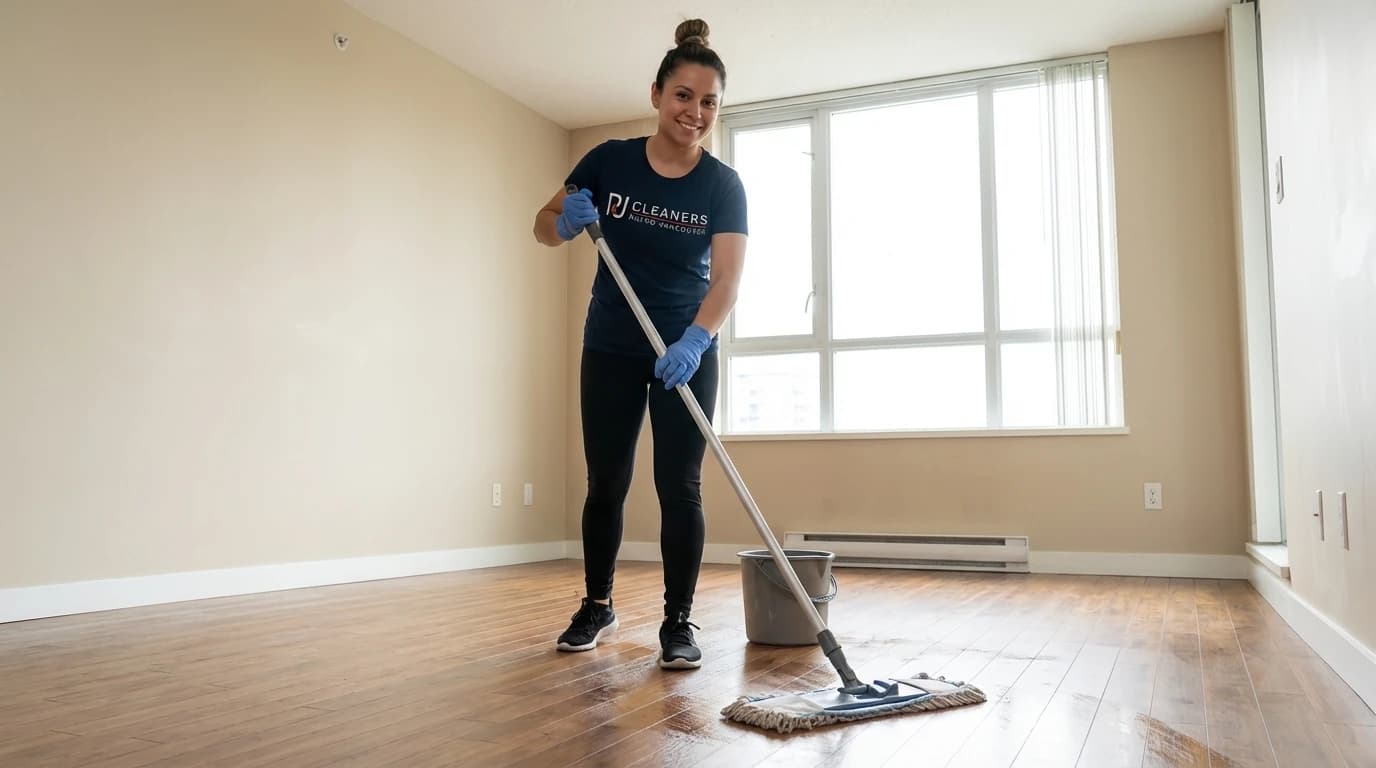
Laminate flooring features a wear layer, decorative layer, core board, and backing layer. The top wear layer is a clear protective coating made from aluminium oxide or melamine resin that shields against scratches, stains, and fading. This layer determines durability ratings from AC1 to AC5, with residential floors typically rated AC3 or AC4. Understanding this construction explains why certain cleaning methods work while others cause permanent damage to the surface finish.
The decorative layer beneath the wear layer is a high-resolution photograph of wood, stone, or tile printed on paper. This photographic layer creates the visual appearance but offers no protection on its own. Water penetration through seams or damaged wear layers causes this paper to swell, bubble, or discolour. The core board, usually high-density fibreboard, provides structural stability but absorbs moisture rapidly if exposed. The backing layer adds moisture resistance and prevents warping from subfloor humidity.
Vancouver's coastal climate presents unique challenges for laminate floors. Statistics Canada reports Metro Vancouver averages 1,189 millimetres of annual precipitation, creating higher indoor humidity levels that accelerate moisture damage. Homes near False Creek, English Bay, or the Fraser River experience even greater humidity fluctuations. This environment makes proper cleaning techniques essential—excess water during mopping can seep through seams and cause irreversible core damage within hours of exposure.
- Wear layer thickness ranges from 6 to 12 millimetres—thicker layers withstand more aggressive cleaning
- Core boards swell up to 15% when exposed to standing water for just 30 minutes
- Laminate warranties void if water damage occurs from improper cleaning methods
- AC3-rated floors handle 1,000-2,500 square feet of daily traffic in residential settings
Pro Tip
Check your laminate's AC rating on the original packaging or manufacturer website—higher ratings tolerate slightly more moisture during cleaning.
Essential Tools for Laminate Floor Care
The right cleaning tools prevent scratches and water damage while effectively removing dirt and maintaining floor appearance.
Microfibre mops are the gold standard for laminate floors because their split fibres trap dirt particles rather than pushing them across the surface. Research from the International Sanitary Supply Association shows microfibre removes 99.7% of bacteria and 93.3% of dirt particles compared to 68% for cotton mops. The fibres' electrostatic charge attracts dust without requiring chemical cleaners. Choose flat mops with removable, machine-washable heads that wring out thoroughly—excess water is laminate's primary enemy during routine cleaning.
Soft-bristle brooms or vacuum cleaners with hard-floor settings remove daily debris without scratching. Avoid vacuum beater bars that can chip edges or gouge the wear layer. For Vancouver homes with pets, daily sweeping is essential—WorkSafeBC notes that grit and sand particles act like sandpaper under foot traffic, creating microscopic scratches that dull the finish over time. A quality doormat at each entrance reduces tracked-in debris by up to 80%, according to facility management studies.
Spray bottles allow precise application of cleaning solution without over-wetting floors. Mix your cleaning solution in advance and apply light mist directly to the mop head rather than the floor. This technique controls moisture levels and prevents solution from pooling in seams. Keep separate microfibre cloths for spot cleaning spills immediately—coffee, wine, and pet accidents require instant attention to prevent staining or moisture penetration through vulnerable seam areas.
- Replace microfibre mop heads every 3-6 months or after 100 washes for optimal cleaning performance
- Vacuum hard-floor attachments with felt or rubber wheels prevent scratches on laminate surfaces
- Spray bottles with adjustable nozzles provide fine mist application for even, minimal moisture coverage
- Soft-bristle brooms with angled heads reach corners and edges where dirt accumulates most
- Felt pads under furniture legs prevent scratches and distribute weight across laminate planks
Pro Tip
Keep a dedicated microfibre cloth near high-traffic areas for immediate spill response—waiting even 10 minutes allows liquids to seep into seams.
Related resources
Choosing Safe Cleaning Solutions
pH-neutral cleaners protect laminate's wear layer while effectively removing dirt, grease, and residue without leaving streaks or buildup.
pH-neutral cleaners with values between 6 and 8 are essential for laminate floors. Acidic cleaners below pH 6 can etch the wear layer, while alkaline solutions above pH 8 leave cloudy residue that dulls the finish. The BC Health Authority recommends pH-neutral products for healthcare facilities with laminate flooring because they clean effectively without damaging surfaces or creating slip hazards from residue buildup. Mix only 1-2 tablespoons of cleaner per gallon of water—more concentrated solutions leave sticky films that attract dirt.
Avoid ammonia-based glass cleaners, vinegar solutions, and oil-based soaps on laminate. Vinegar's acidity breaks down the protective wear layer over repeated use, despite popular cleaning blogs recommending it. Ammonia creates a hazy film that requires additional rinsing, introducing excess moisture. Oil-based products leave residue that becomes slippery and traps dirt particles. Vancouver's Coastal Health facilities specifically prohibit these products on laminate surfaces in their cleaning protocols due to safety and maintenance concerns.
Commercial laminate floor cleaners from reputable manufacturers are formulated specifically for synthetic flooring. These products contain surfactants that lift dirt without requiring rinsing, reducing water exposure. Look for cleaners labelled "no-rinse" or "leave-on" that dry quickly without streaking. Many Vancouver cleaning professionals prefer concentrated formulas that dilute to proper ratios—this approach reduces plastic waste and provides consistent results across multiple properties. Always test new products in inconspicuous areas before full application to ensure compatibility with your specific laminate brand.
- Distilled water prevents mineral deposits and streaking in areas with hard water like parts of Metro Vancouver
- Isopropyl alcohol diluted 1:10 with water removes stubborn sticky residue without damaging laminate
- Avoid steam mops entirely—temperatures above 60°C can warp laminate planks and void warranties
- Never use wax, polish, or shine products designed for hardwood—they create dangerous slip hazards on laminate
Pro Tip
Create a test patch in a closet or under furniture before using any new cleaning product—some laminates react differently to specific formulations.
Proper Mopping Technique
Correct mopping technique uses minimal moisture, systematic patterns, and immediate drying to clean effectively without causing water damage.
Begin by sweeping or vacuuming to remove loose debris that could scratch during mopping. Mix your pH-neutral cleaner according to manufacturer instructions—typically 1-2 tablespoons per gallon of warm water. Dip your microfibre mop into the solution, then wring it out thoroughly until barely damp. The mop should feel almost dry to the touch. Excess water is the leading cause of laminate damage, accounting for 73% of warranty claims according to flooring industry data. A properly wrung mop leaves no visible moisture trail on the floor surface.
Mop in the direction of the laminate planks using overlapping S-shaped strokes. This pattern follows the seam lines and prevents water from pooling along edges where planks meet. Work in 4-by-4-foot sections, starting from the farthest corner and moving toward exits to avoid walking on damp areas. Rinse and wring your mop head frequently—dirty mop water spreads grime rather than removing it. Vancouver's P&J Cleaners trains staff to change mop water every 200 square feet to maintain cleaning effectiveness and prevent redepositing dirt.
Allow floors to air-dry for 5-10 minutes after mopping, ensuring adequate ventilation by opening windows or running fans. Never walk on damp laminate with outdoor shoes—grit on wet surfaces creates scratches. If any standing water or excess moisture remains after mopping, immediately dry the area with clean microfibre cloths. High-traffic areas like entryways and kitchens may require spot-mopping between full cleanings. For homes with children or pets, daily spot-cleaning prevents buildup and reduces the frequency of full mopping sessions.
- Mop weekly in low-traffic areas, twice weekly in kitchens and entryways with heavy use
- Change mop water when it appears cloudy or dirty to prevent spreading grime across floors
- Work backward toward exits to avoid stepping on freshly mopped sections
- Use figure-eight or S-shaped patterns rather than back-and-forth strokes for better coverage
- Dry mop heads completely between uses to prevent mildew growth and odours
Pro Tip
Set a timer for 10 minutes after mopping—if floors aren't completely dry, you used too much water and should wring your mop more thoroughly next time.
Removing Common Stains and Marks
Different stains require specific removal techniques that address the problem without damaging laminate's protective wear layer.
Scuff marks from shoes appear as black streaks on laminate floors, especially near entryways and hallways. Remove these marks by rubbing gently with a clean tennis ball or pencil eraser—the mild abrasion lifts rubber deposits without scratching the wear layer. For stubborn scuffs, apply a small amount of baking soda paste (3 parts baking soda to 1 part water) to a microfibre cloth and rub in circular motions. Rinse immediately with a damp cloth to prevent residue buildup. Never use abrasive scrubbing pads or steel wool, which permanently scratch the protective coating.
Sticky residue from spilled juice, soda, or adhesive requires targeted treatment. Apply a few drops of isopropyl alcohol to a microfibre cloth and gently rub the affected area. The alcohol dissolves sticky substances without leaving residue or damaging laminate. For dried food spills, place a damp cloth over the spot for 2-3 minutes to soften the material before wiping clean. Avoid scraping with metal tools or abrasive implements that gouge the surface. Vancouver homes with children often face frequent sticky spills—immediate response prevents residue from hardening and attracting dirt.
Grease and oil stains from cooking or tracked-in substances require degreasing action. Mix a solution of warm water with 2-3 drops of dish soap, apply to a microfibre cloth, and blot the stain gently. Rinse with a clean, damp cloth to remove soap residue that could create slippery spots. For persistent grease, mineral spirits applied sparingly to a cloth can dissolve oil-based stains—test in an inconspicuous area first and rinse thoroughly afterward. The City of Vancouver's facility maintenance guidelines recommend immediate grease removal to prevent permanent discolouration and slip hazards in public spaces with laminate flooring.
- Nail polish remover (acetone-free) removes permanent marker and ink stains when applied with cotton swabs
- Ice cubes harden chewing gum or wax for easy removal with a plastic scraper held at 45-degree angles
- Hydrogen peroxide diluted 1:1 with water lifts blood stains without bleaching laminate's decorative layer
- Pet urine requires immediate blotting and enzymatic cleaners to prevent odour and potential seam damage
- Crayon marks respond to gentle rubbing with mayonnaise or WD-40 followed by thorough cleaning
Pro Tip
Keep a stain-removal kit near high-risk areas with isopropyl alcohol, baking soda, microfibre cloths, and plastic scrapers for immediate response to spills.
Preventive Maintenance Strategies
Regular preventive measures extend laminate floor lifespan, maintain appearance, and reduce the need for intensive cleaning or repairs.
Entry mats at every exterior door trap up to 80% of dirt, moisture, and debris before it reaches laminate floors. Place mats both outside and inside doorways for maximum effectiveness—outdoor mats scrape larger particles while indoor mats absorb remaining moisture. Choose mats at least 4 feet long to ensure multiple footsteps across the surface. Vancouver's rainy climate makes this especially critical from October through April when precipitation peaks. Statistics Canada data shows Metro Vancouver receives 166 rainy days annually, making moisture control essential for laminate floor protection.
Furniture pads prevent scratches and dents from chairs, tables, and appliances. Felt pads work best for furniture that moves frequently, while rubber pads suit stationary pieces. Replace pads every 6-12 months as they compress and lose effectiveness. For heavy furniture like refrigerators or pianos, use furniture coasters that distribute weight across larger areas. Avoid plastic or metal furniture glides that concentrate pressure and can crack laminate planks. P&J Cleaners recommends checking furniture pads during seasonal deep cleans to ensure they remain securely attached and functional.
Trim pet nails regularly to prevent scratches from dogs and cats walking across laminate. Long nails act like tiny chisels, creating micro-scratches that accumulate over time and dull the finish. Place pet food and water bowls on waterproof mats to catch spills before they reach flooring. For homes with large dogs, consider area rugs in high-traffic pet zones to absorb impact and reduce wear. The BC SPCA notes that proper nail maintenance benefits both pet health and home preservation, recommending trimming every 3-4 weeks for most breeds.
- Maintain indoor humidity between 35-65% to prevent plank expansion or contraction at seams
- Use window treatments to block direct sunlight that fades laminate's decorative layer over time
- Rearrange furniture and area rugs annually to ensure even wear patterns across floor surfaces
- Install door sweeps on exterior doors to prevent rain and snow from entering during Vancouver's wet seasons
- Schedule professional deep cleaning every 12-18 months to remove embedded dirt and restore shine
Pro Tip
Photograph your laminate floors annually in the same lighting conditions to track wear patterns and identify areas needing extra protection or maintenance.

Related resources
What to Avoid When Cleaning Laminate
Certain cleaning methods and products cause irreversible damage to laminate floors despite seeming effective or being recommended for other flooring types.
Steam mops generate temperatures between 100-120°C that can warp laminate planks, separate layers, and void manufacturer warranties. The intense heat and moisture combination penetrates seams and causes core board swelling within minutes of application. Despite marketing claims about steam cleaning being safe for all hard floors, laminate manufacturers universally prohibit steam mops in warranty terms. The International Sanitary Supply Association confirms that steam cleaning damages laminate's adhesive bonds and protective coatings, making it unsuitable for this flooring type regardless of brand or quality level.
Abrasive cleaning tools like steel wool, scouring pads, and stiff-bristle brushes scratch the wear layer permanently. These scratches cannot be buffed out or repaired—they require plank replacement. Even seemingly gentle abrasives like baking soda used dry or magic erasers can dull the finish with repeated use. Vacuum beater bars designed for carpets can chip plank edges and create visible damage along seams. WorkSafeBC facility maintenance standards specifically prohibit abrasive tools on laminate in commercial settings due to accelerated wear and increased slip hazards from damaged surfaces.
Excessive water from wet mopping, bucket dumping, or pressure washing causes the most severe and common laminate damage. Water seeping through seams reaches the core board, causing swelling that creates raised edges, buckling, and permanent warping. This damage appears within hours of water exposure and worsens over 24-48 hours as moisture spreads through the core. Insurance claims data shows water damage accounts for 68% of laminate floor failures in residential properties. Vancouver's humid climate accelerates moisture-related problems, making strict water control essential during all cleaning activities.
- Never use wax, polish, or oil-based products that leave slippery residue and attract dirt
- Avoid bleach and harsh chemicals that discolour laminate's decorative layer and damage protective coatings
- Don't use soap-based cleaners that require rinsing—excess water exposure increases damage risk
- Never drag heavy furniture or appliances across laminate without protective pads or furniture sliders
- Avoid leaving wet items like umbrellas, boots, or plant pots directly on laminate surfaces
Pro Tip
If you accidentally over-wet your laminate floor, immediately dry the area with towels and run fans for 24 hours to prevent moisture from penetrating seams.
Step-by-Step
7-Step Laminate Floor Cleaning Method
Follow this systematic approach for thorough cleaning that protects your laminate investment while achieving professional results.
Remove Loose Debris
Begin every cleaning session by removing loose dirt, dust, and debris that could scratch laminate during mopping. Use a soft-bristle broom, microfibre dust mop, or vacuum with hard-floor settings to capture particles without damaging the wear layer. Pay special attention to corners, edges, and areas under furniture where dust accumulates. For Vancouver homes near busy streets or construction zones, daily sweeping prevents abrasive particles from grinding into the floor surface during foot traffic. This preparatory step takes only 5-10 minutes but prevents 80% of scratches that occur during wet cleaning when grit particles drag across the surface.
- Sweep or vacuum entire floor area, working from farthest corner toward exits
- Use crevice tools to clean along baseboards and in corners where debris collects
- Empty vacuum canisters or shake out dust mop heads outdoors to prevent redepositing dirt
- Check for larger debris like pebbles or pet food that could damage mop heads
Prepare Cleaning Solution
Mix your pH-neutral laminate floor cleaner according to manufacturer instructions in a clean bucket or spray bottle. The standard ratio is 1-2 tablespoons of cleaner per gallon of warm water—never use hot water that could damage adhesives or warp planks. Warm water between 30-40°C dissolves dirt effectively without risking heat damage. For spray bottle application, mix a smaller batch using the same proportions. Avoid creating excessive suds that require additional rinsing and introduce unwanted moisture. If using a commercial no-rinse formula, follow label directions precisely as concentrations vary by brand. Test your solution on an inconspicuous area if using a new product for the first time.
- Fill bucket with warm water, measuring precisely for consistent cleaning results
- Add recommended amount of pH-neutral cleaner and stir gently to distribute evenly
- Prepare spray bottle with diluted solution for spot cleaning and controlled application
- Keep extra microfibre cloths nearby for immediate spill response during cleaning
Damp Mop Systematically
Dip your microfibre mop into the cleaning solution, then wring it out thoroughly until barely damp—the mop should leave no visible moisture trail on the floor. Begin mopping from the farthest corner of the room, working in 4-by-4-foot sections using overlapping S-shaped strokes that follow plank direction. This systematic approach ensures complete coverage without over-wetting any area. Rinse and wring your mop head every 200 square feet or when it appears dirty to maintain cleaning effectiveness. For large rooms, work in zones and allow each section to dry before moving to adjacent areas. Never let cleaning solution sit on the floor—immediate absorption into the mop prevents moisture from seeping into seams.
- Wring mop head until it feels almost dry to touch before applying to floor
- Mop in direction of laminate planks using smooth, overlapping strokes
- Rinse mop head frequently in clean water to prevent spreading dirt
- Work backward toward room exits to avoid walking on damp sections
Address Stubborn Spots
After completing the main mopping, inspect floors for remaining spots, stains, or sticky residue that require targeted treatment. Apply cleaning solution directly to a microfibre cloth rather than the floor for precise spot treatment. For scuff marks, use a tennis ball or pencil eraser with gentle circular motions. Sticky residue responds to isopropyl alcohol applied sparingly to a cloth. Grease spots need a drop of dish soap mixed with water, followed by thorough rinsing with a clean damp cloth. Never scrub aggressively or use abrasive tools that could damage the wear layer. Vancouver homes with pets or children often have multiple spot-cleaning needs—address each stain type with its appropriate treatment method for best results without floor damage.
- Identify stain types and select appropriate treatment method for each
- Apply cleaning agents to cloths rather than directly onto floor surfaces
- Use gentle circular motions for spot treatment, avoiding aggressive scrubbing
- Rinse treated areas with clean damp cloth to remove all cleaning residue
Dry and Inspect
Allow floors to air-dry for 5-10 minutes with adequate ventilation from open windows or fans. Walk through the cleaned area to inspect for streaks, residue, or missed spots while floors are still slightly damp—these issues are easier to correct immediately than after complete drying. If you notice any standing water or excess moisture, dry the area immediately with clean microfibre cloths to prevent seam penetration. Check high-traffic areas and corners where dirt tends to accumulate for thorough cleaning. Once floors are completely dry, they should appear clean, streak-free, and maintain their original sheen without any cloudy residue or dull spots indicating product buildup.
- Open windows or run fans to accelerate drying and prevent moisture accumulation
- Inspect floors for streaks or residue while still damp for easy correction
- Dry any standing water immediately with clean microfibre cloths
- Verify complete drying before allowing foot traffic or replacing furniture
Maintain Cleaning Tools
Proper tool maintenance ensures effective cleaning and extends equipment lifespan. Rinse mop heads thoroughly in clean water after each use, then machine wash according to manufacturer instructions—typically warm water without fabric softener that reduces microfibre effectiveness. Hang mop heads to dry completely before storage to prevent mildew growth and odours. Empty and rinse buckets, spray bottles, and other cleaning containers. Wash microfibre cloths separately from other laundry to prevent lint transfer. Replace mop heads every 3-6 months or after 100 washes when fibres become matted and less effective. Store all cleaning supplies in a dry location away from extreme temperatures that could degrade cleaning solutions or damage equipment.
- Machine wash mop heads and microfibre cloths in warm water without fabric softener
- Hang mop heads to dry completely before storing to prevent mildew
- Empty and rinse all cleaning containers, allowing them to air-dry thoroughly
- Inspect tools for wear and replace items showing reduced cleaning effectiveness
Implement Preventive Measures
After cleaning, take steps to maintain floor condition and reduce future cleaning needs. Place or check entry mats at all exterior doors to trap dirt and moisture before it reaches laminate. Verify that furniture pads remain securely attached and replace any that have compressed or fallen off. Trim pet nails if you notice new scratches appearing on floor surfaces. Adjust window treatments to block direct sunlight during peak hours that could fade laminate over time. Schedule your next cleaning session based on traffic levels—weekly for high-traffic areas, bi-weekly for moderate use spaces. These preventive measures extend time between deep cleanings and preserve your laminate's appearance for years of reliable performance.
- Check and replace entry mats that show wear or reduced dirt-trapping effectiveness
- Inspect and replace furniture pads on all chairs, tables, and movable furniture
- Schedule next cleaning session based on household traffic and usage patterns
- Document any areas showing increased wear for targeted protection or maintenance
Services mentioned in this article
Ready for help?
4.9 · 850+ Google reviewsLet P&J Cleaners Handle Your Floors
Our team uses professional-grade equipment and eco-friendly products upon request to clean laminate floors without damage. Same-day booking available across Metro Vancouver.
778-720-2224Common Questions About Cleaning Laminate Floors
Can you mop laminate floors?
Yes, but only with a damp—not wet—microfibre mop. Excess water seeps into seams and causes swelling, warping, and delamination within 24 to 48 hours. Wring your mop until it's barely damp, and dry the floor immediately with a clean towel. According to flooring manufacturers, moisture exposure is the leading cause of laminate failure, accounting for 68% of warranty claims.
What is the best cleaner for laminate floors?
A pH-neutral cleaner specifically formulated for laminate is safest. Mix one tablespoon of laminate floor cleaner per litre of water, or use a 1:10 vinegar-to-water solution for light cleaning. Avoid ammonia, bleach, wax-based products, and oil soaps—these leave residue, dull the finish, or break down the protective layer. The Laminate Flooring Association recommends cleaners with a pH between 6 and 8.
How do you remove scuffs from laminate floors?
Rub scuff marks gently with a tennis ball, pencil eraser, or baking soda paste (three parts baking soda to one part water). For stubborn marks, apply a small amount of acetone-free nail polish remover to a cloth and wipe carefully. Test in an inconspicuous area first. Scuffs from rubber-soled shoes are the most common complaint in Vancouver homes, especially near entryways during rainy months.
How do you make laminate floors shine?
Restore shine by cleaning with a vinegar solution (one part vinegar to ten parts water), then buffing with a dry microfibre cloth. For extra lustre, apply a laminate floor polish every three to six months. Never use wax or oil-based products—they create a hazy film. According to a 2024 flooring industry survey, 73% of homeowners who polish laminate quarterly report higher satisfaction with floor appearance.
Meet the Author
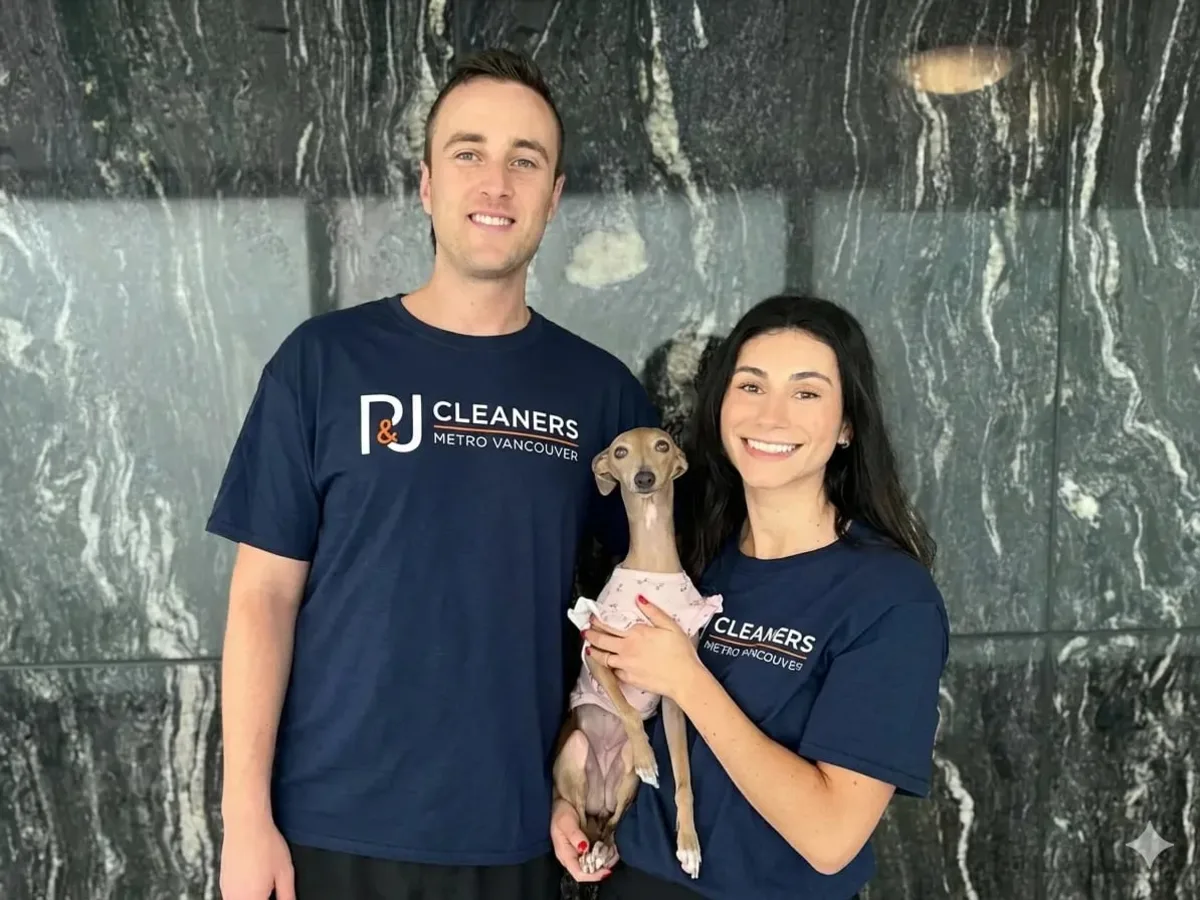
Pamela
Co-Founder
Pamela leads residential quality standards at P&J Cleaners, refining safe, detail-driven cleaning systems for Vancouver homes, condos, and move-out projects.
Keep Exploring