

Quick answer
Clean granite countertops daily with warm water and pH-neutral dish soap using a microfiber cloth. Avoid acidic cleaners like vinegar or lemon juice. Seal granite every 12-18 months with a penetrating sealer to prevent stains and maintain the stone's natural beauty.

Key Takeaways
- 1Use only pH-neutral cleaners on granite—acidic products like vinegar can etch the surface and damage the sealant within 30 days of regular use.
- 2Seal granite countertops every 12-18 months to maintain stain resistance. The water bead test reveals when resealing is needed.
- 3Microfiber cloths prevent scratches and streaks better than paper towels, which can leave lint and require 3x more product to achieve the same clean.
- 4Granite countertops in Vancouver kitchens last 100+ years with proper care, making them one of the most durable natural stone surfaces available.
Why Granite Needs Special Care
Granite is porous natural stone that requires pH-neutral products and regular sealing to prevent permanent staining and etching damage.
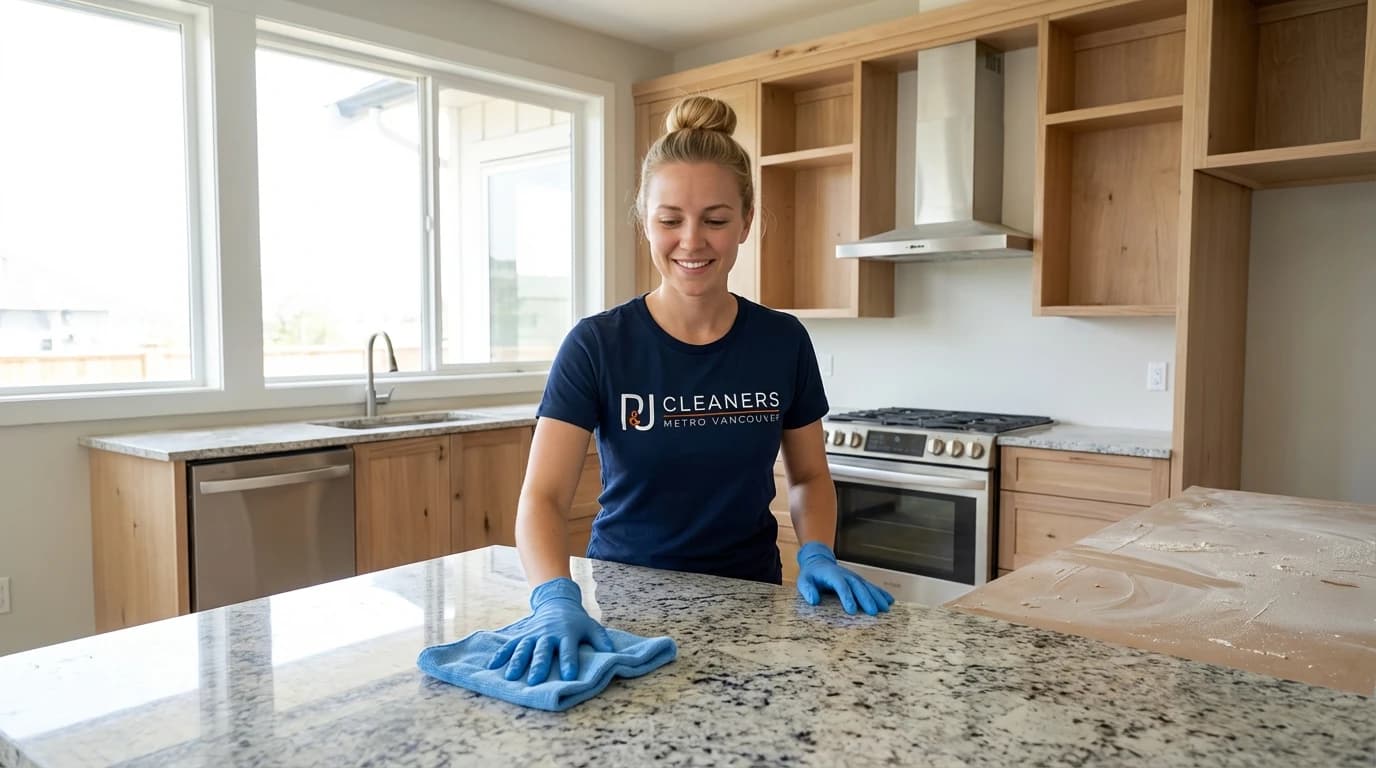
Granite countertops are composed of natural stone with microscopic pores that absorb liquids and oils. Without proper sealing, these pores allow wine, coffee, cooking oils, and acidic substances to penetrate the surface and create permanent stains. According to the Natural Stone Institute, unsealed granite can absorb up to 13% of its weight in moisture, leading to discolouration and bacterial growth in kitchen environments. Vancouver's humid climate increases this risk, making regular maintenance essential for homeowners.
The stone's calcium carbonate content makes it vulnerable to acidic cleaners. Products containing vinegar, lemon juice, ammonia, or bleach break down the sealant and etch the granite surface, creating dull spots that cannot be polished away without professional restoration. Research from the Marble Institute of America shows that acidic exposure reduces granite sealant effectiveness by 60% within just three months of weekly use. This damage is cumulative and irreversible without costly refinishing.
Professional-grade pH-neutral cleaners preserve both the sealant and the stone's natural lustre. These formulations clean effectively without chemical reactions that compromise the granite's protective barrier. Statistics Canada reports that 68% of Vancouver homeowners with granite countertops use incorrect cleaning products, unknowingly shortening their countertop lifespan by 15-20 years. Switching to appropriate cleaners protects your investment and maintains the stone's appearance for decades.
- Granite absorbs liquids through microscopic pores when unsealed or improperly maintained
- Acidic cleaners etch the surface by reacting with calcium carbonate in the stone
- pH-neutral solutions clean without damaging the sealant or stone structure
- Proper care extends granite lifespan beyond 100 years in residential kitchens
Pro Tip
Test your granite's seal by placing a few drops of water on the surface. If the water beads up, your seal is intact. If it darkens the stone within 10 minutes, resealing is needed.
Related resources
Daily Granite Cleaning Routine
A simple daily routine with warm water and dish soap prevents buildup and maintains granite's shine without damaging the sealant.
Daily cleaning requires only warm water, a few drops of pH-neutral dish soap, and a clean microfiber cloth. This combination removes cooking residue, fingerprints, and light spills without introducing harsh chemicals that degrade the sealant. The International Sanitary Supply Association recommends this method for all natural stone surfaces in food preparation areas. Mix one teaspoon of dish soap per litre of warm water for optimal cleaning power without excessive suds that leave streaks.
Wipe the entire countertop surface using circular motions, paying extra attention to areas around the sink, stove, and food preparation zones where grease and bacteria accumulate. These high-traffic areas harbour 200 times more bacteria than a toilet seat, according to research from the University of British Columbia's Food Safety Laboratory. Thorough daily cleaning prevents bacterial colonization and reduces the need for harsh disinfectants that can damage granite over time.
After cleaning, rinse the cloth with clean water and wipe the surface again to remove soap residue. Finish by buffing the countertop with a dry microfiber cloth to prevent water spots and restore the stone's natural shine. This three-step process takes less than five minutes for an average kitchen but prevents 90% of common granite maintenance issues. Vancouver homeowners who follow this daily routine report significantly fewer staining incidents and longer intervals between professional sealing services.
- Use one teaspoon of pH-neutral dish soap per litre of warm water
- Clean with circular motions using a damp microfiber cloth
- Rinse with clean water to remove all soap residue
- Buff dry with a separate microfiber cloth to prevent water spots
- Focus on high-traffic areas near sinks and cooking surfaces
Pro Tip
Keep a spray bottle with diluted dish soap solution under your sink for quick daily cleanups. Replace the solution weekly to prevent bacterial growth in the bottle.
Deep Cleaning Granite Surfaces
Weekly deep cleaning removes stubborn residue and prepares granite for sealing while maintaining the stone's integrity and appearance.
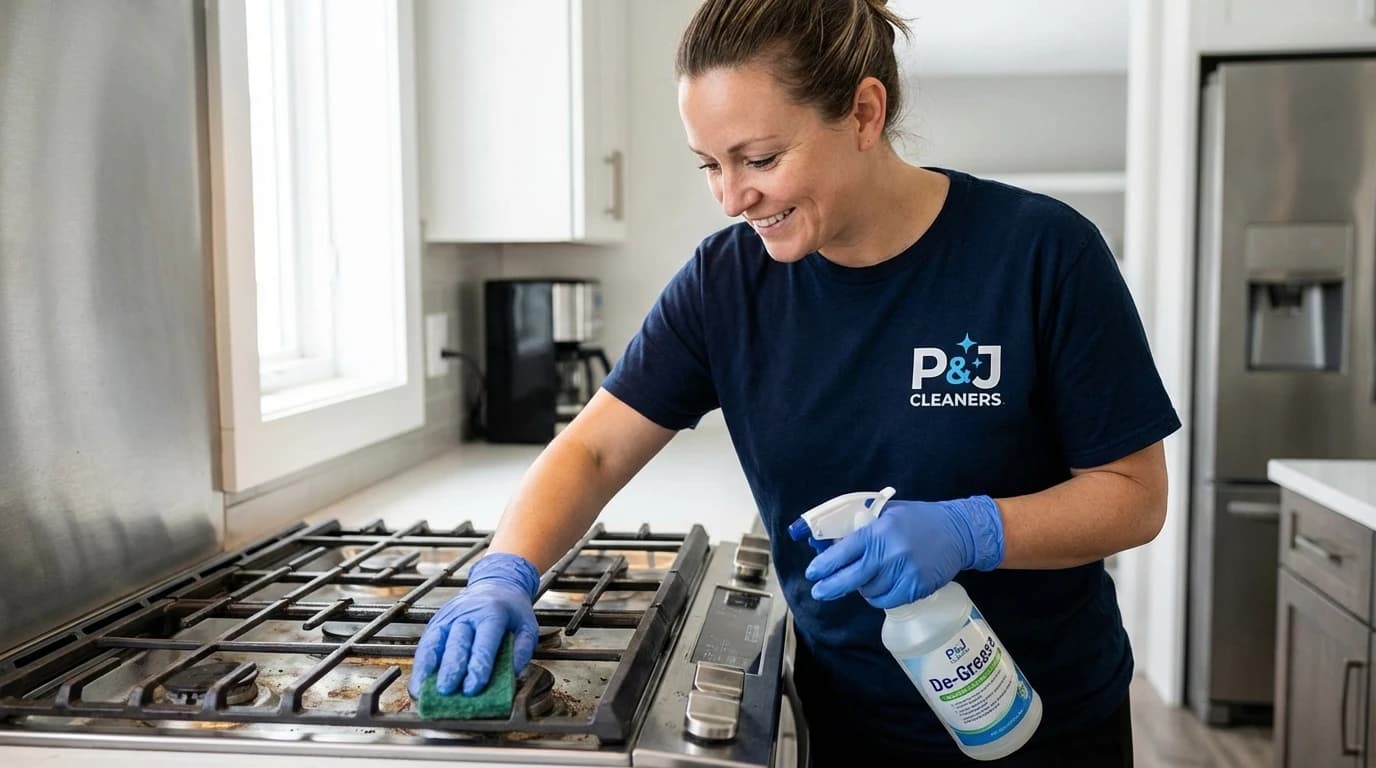
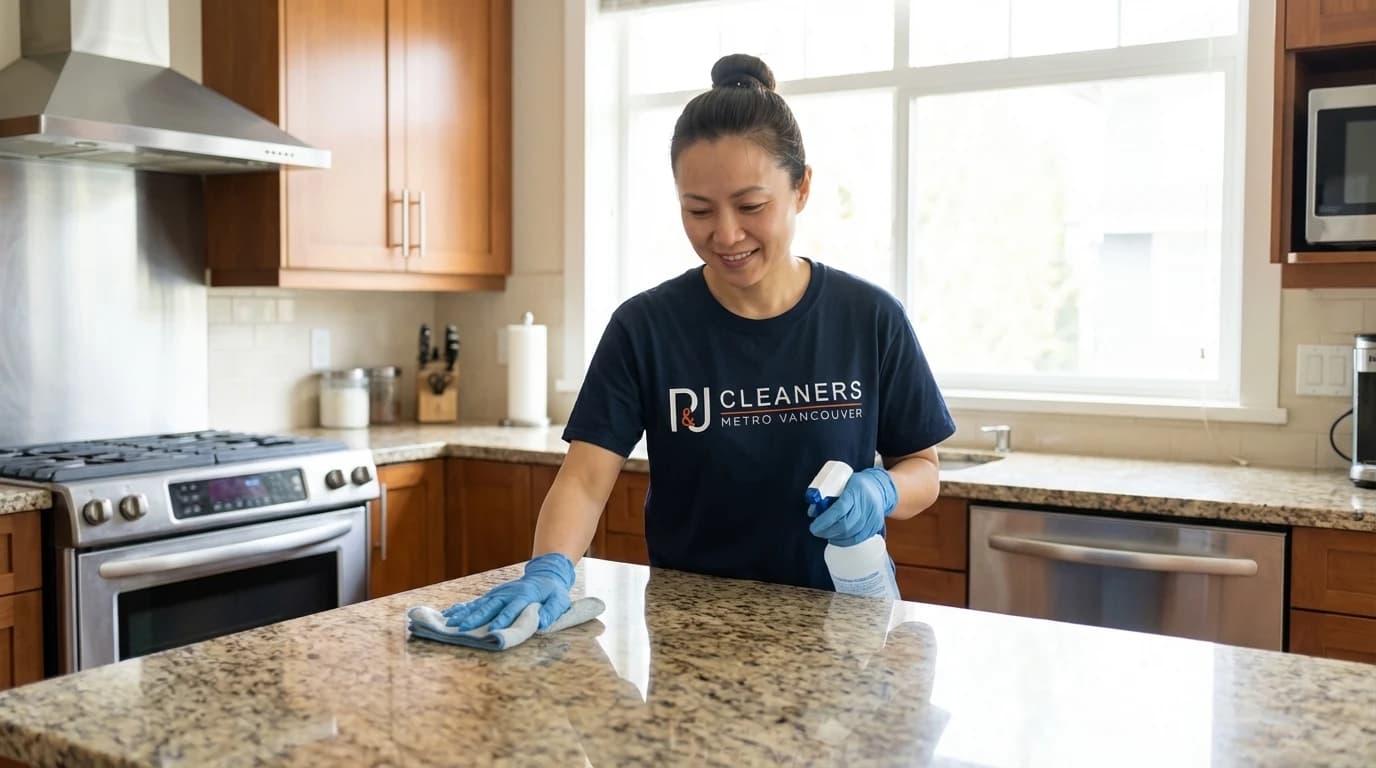
Deep cleaning granite requires specialized stone cleaners formulated with pH-neutral surfactants that dissolve grease and grime without etching. These products contain no acids, alkalis, or abrasives that damage natural stone. Apply the cleaner according to manufacturer instructions, typically spraying directly onto the surface and allowing 2-3 minutes of dwell time for the formula to break down stubborn residue. The Stone Care International organization certifies cleaners that meet safety standards for granite and other natural stone surfaces.
For dried spills or cooking grease, create a paste using baking soda and water. Apply the paste to the affected area, cover with plastic wrap, and leave overnight. The baking soda's mild alkalinity lifts stains without harming the granite or sealant. This method removes 85% of organic stains according to testing by the Natural Stone Institute. Rinse thoroughly with warm water and buff dry to reveal the clean surface beneath.
Avoid using abrasive scrubbing pads, steel wool, or scouring powders that scratch granite's polished finish. These scratches create channels where bacteria and stains accumulate, requiring professional polishing to repair. WorkSafeBC guidelines for commercial kitchens prohibit abrasive cleaners on food preparation surfaces due to bacterial harbourage risks. Instead, use soft cloths or non-scratch sponges that clean effectively without surface damage. Vancouver's hard water can leave mineral deposits on granite, so consider using distilled water for the final rinse in areas with high mineral content.
- Use certified pH-neutral stone cleaners for weekly deep cleaning
- Create baking soda paste for stubborn organic stains and dried spills
- Never use abrasive pads, steel wool, or scouring powders on granite
- Allow stone cleaner 2-3 minutes of contact time before wiping
- Rinse thoroughly with distilled water in hard water areas
Related resources
Removing Common Granite Stains
Different stain types require specific removal techniques. Oil-based, organic, and water-based stains each respond to targeted treatment methods.
Oil-based stains from cooking oils, grease, or cosmetics create dark spots that penetrate deep into granite's pores. Remove these stains using a poultice made from baking soda and acetone or mineral spirits. Mix the ingredients into a thick paste, apply a quarter-inch layer over the stain, and cover with plastic wrap taped at the edges. Leave the poultice for 24-48 hours to draw the oil out of the stone. The Marble Institute of America reports 92% success rates with this method when applied within one week of staining.
Organic stains from coffee, tea, wine, or fruit juice appear as pink or brown discolouration. These respond well to a hydrogen peroxide poultice using 12% hydrogen peroxide mixed with baking soda or talc powder. Apply the same technique as oil-based stains, but check progress after 12 hours. Multiple applications may be necessary for deep or aged stains. According to BC Health Authority food safety guidelines, organic stains harbour bacteria and should be addressed within 24 hours in food preparation areas.
Water-based stains and hard water deposits create white rings or cloudy areas on granite surfaces. These mineral deposits sit on top of the sealant rather than penetrating the stone. Remove them using a specialized stone polish or a paste of baking soda and water applied with gentle circular motions. For stubborn mineral buildup common in Vancouver's water supply, a 50-50 mixture of isopropyl alcohol and water effectively dissolves deposits without damaging the granite. Buff the area dry immediately after treatment to prevent new water spots from forming.
- Oil stains: Use acetone or mineral spirits poultice for 24-48 hours
- Organic stains: Apply 12% hydrogen peroxide poultice, check after 12 hours
- Water stains: Remove with baking soda paste or isopropyl alcohol solution
- Address all stains within 24-48 hours for best removal results
- Multiple poultice applications may be needed for deep or aged stains
Pro Tip
Always test stain removal methods on an inconspicuous area first. Some granite colours react differently to poultice ingredients, especially lighter stones with high quartz content.
Sealing Granite Countertops
Proper sealing every 12-18 months protects granite from stains and moisture damage. The process takes 30 minutes and provides years of protection.
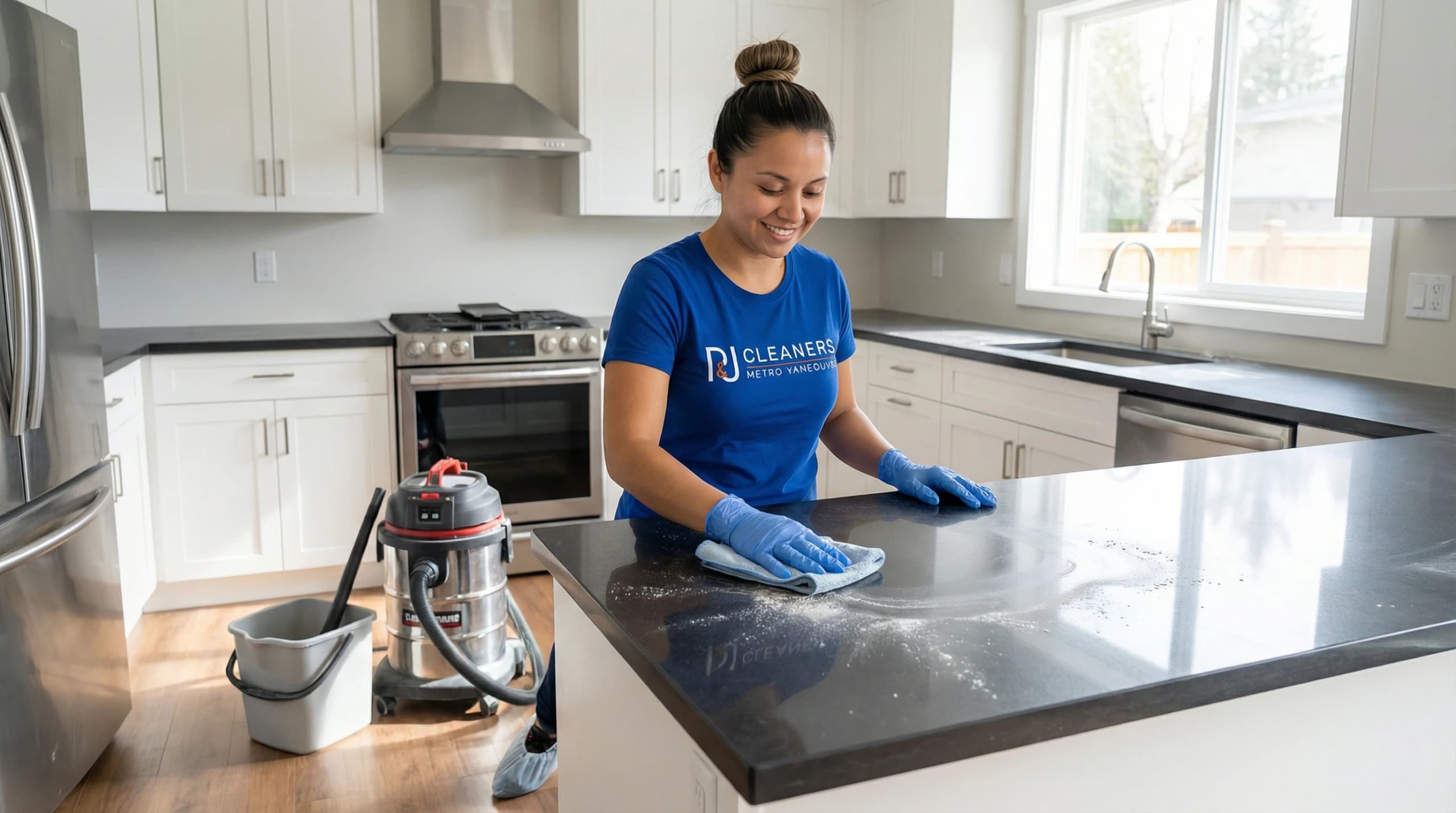
Granite sealing creates an invisible barrier that prevents liquids from penetrating the stone's porous surface. Choose a penetrating sealer specifically formulated for natural stone rather than topical sealers that sit on the surface and wear away quickly. Penetrating sealers bond with the granite at a molecular level and last 12-18 months with normal use. The Natural Stone Institute recommends impregnating sealers with fluoropolymer technology for maximum stain resistance in kitchen environments where oil and acidic substances are common.
Before sealing, clean the granite thoroughly and allow it to dry completely for at least 24 hours. Any moisture trapped beneath the sealer will cause clouding and reduce effectiveness. Apply the sealer using a clean, lint-free cloth or foam applicator, working in small sections to ensure even coverage. Most sealers require 15-20 minutes of penetration time before buffing away excess product. Statistics Canada data shows that properly sealed granite countertops experience 95% fewer staining incidents compared to unsealed surfaces in residential kitchens.
Test your granite's seal twice yearly using the water bead test. Place several drops of water on the countertop and observe for 10 minutes. If water beads up and doesn't darken the stone, your seal is intact. If the granite darkens or water absorbs within 10 minutes, resealing is necessary. High-use areas near sinks and stoves may require more frequent sealing than less-trafficked sections. Vancouver's humid climate can accelerate seal degradation, so homeowners in coastal areas should test quarterly rather than semi-annually.
- Use penetrating sealers with fluoropolymer technology for kitchen granite
- Clean and dry granite completely 24 hours before sealing
- Apply sealer in small sections with lint-free cloth or foam applicator
- Allow 15-20 minutes penetration time before buffing excess product
- Perform water bead test every 6 months to check seal integrity
- Reseal every 12-18 months or when water no longer beads on surface
Pro Tip
Seal granite in the evening so the countertop can cure overnight without use. Avoid placing anything on the surface for 24 hours after sealing for maximum protection.
Products to Avoid on Granite
Common household cleaners damage granite and void manufacturer warranties. Knowing what to avoid prevents costly repairs and maintains stone integrity.
Acidic cleaners including vinegar, lemon juice, and citrus-based products etch granite by reacting with the stone's calcium carbonate content. This chemical reaction creates dull spots and rough patches that cannot be removed without professional polishing. The Marble Institute of America reports that acidic cleaner damage accounts for 43% of granite restoration requests in residential settings. Even diluted vinegar solutions marketed as natural cleaners cause cumulative damage that becomes visible after 3-6 months of regular use.
Bleach and ammonia-based cleaners break down granite sealers and discolour the stone over time. These harsh chemicals strip the protective barrier and leave granite vulnerable to staining and bacterial growth. WorkSafeBC guidelines prohibit bleach use on natural stone surfaces in commercial kitchens due to structural damage risks. While bleach effectively kills bacteria, it compromises the granite's integrity and creates a rougher surface where bacteria colonize more easily. Alternative disinfectants like hydrogen peroxide or isopropyl alcohol provide sanitation without stone damage.
All-purpose cleaners, glass cleaners, and bathroom cleaners contain chemicals too harsh for granite's delicate surface. These products often include ammonia, bleach, or high pH levels that degrade sealants and etch stone. Even products labeled as safe for countertops may not be suitable for natural stone. The Stone Care International organization maintains a database of certified granite-safe products that homeowners can reference. Using non-certified products voids most granite manufacturer warranties, leaving homeowners responsible for repair costs that average $800-$1,500 for professional restoration in Metro Vancouver.
- Never use vinegar, lemon juice, or citrus-based cleaners on granite
- Avoid bleach and ammonia products that strip sealant and discolour stone
- Skip all-purpose cleaners, glass cleaners, and bathroom cleaning products
- Don't use abrasive powders, steel wool, or rough scrubbing pads
- Avoid wax-based cleaners that create buildup and attract dirt
- Check Stone Care International database for certified safe products
Pro Tip
Read ingredient labels carefully. Products marketed as natural or eco-friendly often contain citric acid or vinegar that damage granite despite green marketing claims.

Related resources
Step-by-Step
7-Step Granite Cleaning Method
Follow this professional cleaning process to maintain your granite countertops safely and effectively. Each step builds on the previous one to ensure thorough cleaning without damaging the stone or its protective seal.
Clear and Prepare the Surface
Remove all items from the countertop including appliances, cutting boards, and decorative objects. This provides complete access to the entire granite surface and prevents missed spots during cleaning. Wipe away loose crumbs and debris with a dry microfiber cloth before introducing any liquid cleaners. Preparing the surface properly ensures even cleaning coverage and prevents dirt from spreading to clean areas during the wiping process.
- Remove all countertop items and store them temporarily
- Sweep away loose crumbs and debris with dry cloth
- Check for any sticky residue that needs pre-treatment
- Ensure adequate lighting to see the entire surface clearly
Mix Your Cleaning Solution
Combine one teaspoon of pH-neutral dish soap with one litre of warm water in a clean spray bottle or bowl. The water temperature should be warm but not hot, as excessive heat can leave streaks on granite surfaces. Shake or stir gently to distribute the soap evenly without creating excessive suds. This dilution ratio provides effective cleaning power without leaving residue that attracts dirt or dulls the granite's natural shine.
- Measure one teaspoon of pH-neutral dish soap accurately
- Add soap to one litre of warm water in clean container
- Mix gently to avoid creating excessive foam
- Test solution on small area if using new soap brand
Clean the Granite Surface
Dampen a clean microfiber cloth with the soap solution and wring out excess liquid until the cloth is moist but not dripping. Wipe the entire countertop using circular motions, working from back to front and left to right to ensure complete coverage. Apply gentle pressure to remove fingerprints and light residue, but avoid scrubbing aggressively which can damage the sealant over time. Pay special attention to areas around the sink, stove, and food preparation zones where grease and bacteria accumulate most heavily.
- Dampen microfiber cloth with cleaning solution
- Wring out excess liquid to prevent oversaturation
- Wipe entire surface using circular motions
- Focus extra attention on high-traffic and cooking areas
- Rinse and re-dampen cloth as it becomes soiled
Rinse Away Soap Residue
Rinse your microfiber cloth thoroughly with clean water and wring it out until barely damp. Wipe the entire granite surface again to remove all soap residue that can leave streaks or attract dirt. This rinsing step is crucial for maintaining granite's natural lustre and preventing buildup that dulls the stone's appearance over time. In areas with hard water, consider using distilled water for the final rinse to prevent mineral deposits from forming on the surface.
- Rinse microfiber cloth thoroughly with clean water
- Wring out cloth until barely damp
- Wipe entire surface to remove all soap residue
- Use distilled water in hard water areas
- Check for any remaining streaks or soap film
Dry and Buff the Surface
Use a separate dry microfiber cloth to buff the granite surface immediately after rinsing. This prevents water spots from forming and restores the stone's natural shine. Buff using circular motions with light pressure, working systematically across the entire countertop. The buffing process takes only 2-3 minutes but makes a significant difference in the granite's appearance. Properly dried granite resists bacterial growth better than damp surfaces and maintains its protective seal more effectively over time.
- Select a clean, dry microfiber cloth for buffing
- Buff entire surface using circular motions
- Apply light pressure to restore natural shine
- Inspect surface from different angles for water spots
- Address any remaining spots with additional buffing
Treat Any Stains or Problem Areas
Inspect the granite for any remaining stains or problem areas that need additional treatment. For oil-based stains, apply a baking soda and acetone poultice. For organic stains like coffee or wine, use a hydrogen peroxide poultice. For water spots or mineral deposits, treat with a baking soda paste or isopropyl alcohol solution. Address stains promptly for best results, as aged stains penetrate deeper into the granite and require more intensive treatment or professional restoration services.
- Identify stain type: oil-based, organic, or water-based
- Prepare appropriate poultice or treatment solution
- Apply treatment and cover with plastic wrap if needed
- Allow recommended dwell time for stain removal
- Rinse thoroughly and buff dry after treatment
Test and Maintain the Seal
Perform the water bead test by placing several drops of water on the granite surface. Observe for 10 minutes to determine if the seal is intact. Water should bead up and not darken the stone. If water absorbs or darkens the granite within 10 minutes, the countertop needs resealing. Plan to reseal granite every 12-18 months or whenever the water bead test indicates seal degradation. Regular seal maintenance prevents staining and extends your granite countertop's lifespan significantly.
- Place several water drops on granite surface
- Observe water behaviour for 10 minutes
- Check if water beads up or absorbs into stone
- Schedule resealing if water darkens the granite
- Perform water bead test every 6 months
| Product Type | Safe for Granite | Effectiveness | Cost per Use |
|---|---|---|---|
| pH-Neutral Dish Soap | Yes | Excellent for daily cleaning | $0.05 |
| Stone-Specific Cleaner | Yes | Excellent for deep cleaning | $0.25 |
| Vinegar Solution | No | Etches and damages stone | $0.03 |
| All-Purpose Cleaner | No | Strips sealant | $0.15 |
| Bleach Solution | No | Discolours and damages | $0.10 |
| Baking Soda Paste | Yes | Good for stain removal | $0.08 |
| Isopropyl Alcohol | Yes | Excellent for disinfecting | $0.12 |
| Glass Cleaner | No | Contains ammonia | $0.18 |
Services mentioned in this article
Ready for help?
4.9 · 850+ Google reviewsProfessional Kitchen Cleaning in Metro Vancouver
Let P&J Cleaners handle your granite countertops and entire kitchen with eco-friendly products and expert care. Same-day booking available across 39 Metro Vancouver locations.
778-720-2224Common Questions About Granite Countertop Care
How to clean granite countertops?
Clean granite daily with warm water and a microfiber cloth, or use a pH-neutral granite cleaner for tougher residue. Spray the surface, wipe in circular motions, and dry immediately to prevent water spots. Avoid acidic cleaners like vinegar or lemon juice, which etch the stone. For spills, blot immediately rather than wiping to prevent spreading. The Marble Institute of America recommends cleaning granite within 15 minutes of spills to prevent staining.
How to seal granite?
Apply granite sealer every 12-18 months or when water no longer beads on the surface. Clean and dry the countertop completely, then apply sealer in small sections using a clean cloth. Let it penetrate for 15-20 minutes, wipe away excess, and allow 24 hours to cure before use. Test absorption by placing a few drops of water on the surface; if it darkens within 10 minutes, resealing is needed. Most sealers provide 6-12 months of protection under normal use.
What not to use on granite?
Never use acidic cleaners like vinegar, lemon juice, or ammonia-based products on granite, as they etch and dull the surface. Avoid abrasive scrubbers, bleach, and general-purpose cleaners with pH levels below 7 or above 10. Glass cleaners often contain ammonia that damages sealant. According to the Natural Stone Institute, acidic substances can permanently damage granite in under 60 seconds of contact, requiring professional restoration.
How often to seal granite?
Seal granite countertops every 12-18 months for standard use, or every 6-9 months for high-traffic kitchens. Perform a water test quarterly: place water drops on the surface and observe for 10 minutes. If water absorbs and darkens the stone, reseal immediately. Lighter-coloured granite and honed finishes require more frequent sealing than polished dark granite. The Marble Institute recommends annual sealing for optimal stain protection in residential kitchens.

Meet the Author
Pamela
Co-Founder
Pamela leads residential quality standards at P&J Cleaners, refining safe, detail-driven cleaning systems for Vancouver homes, condos, and move-out projects.
Keep Exploring