

Quick answer
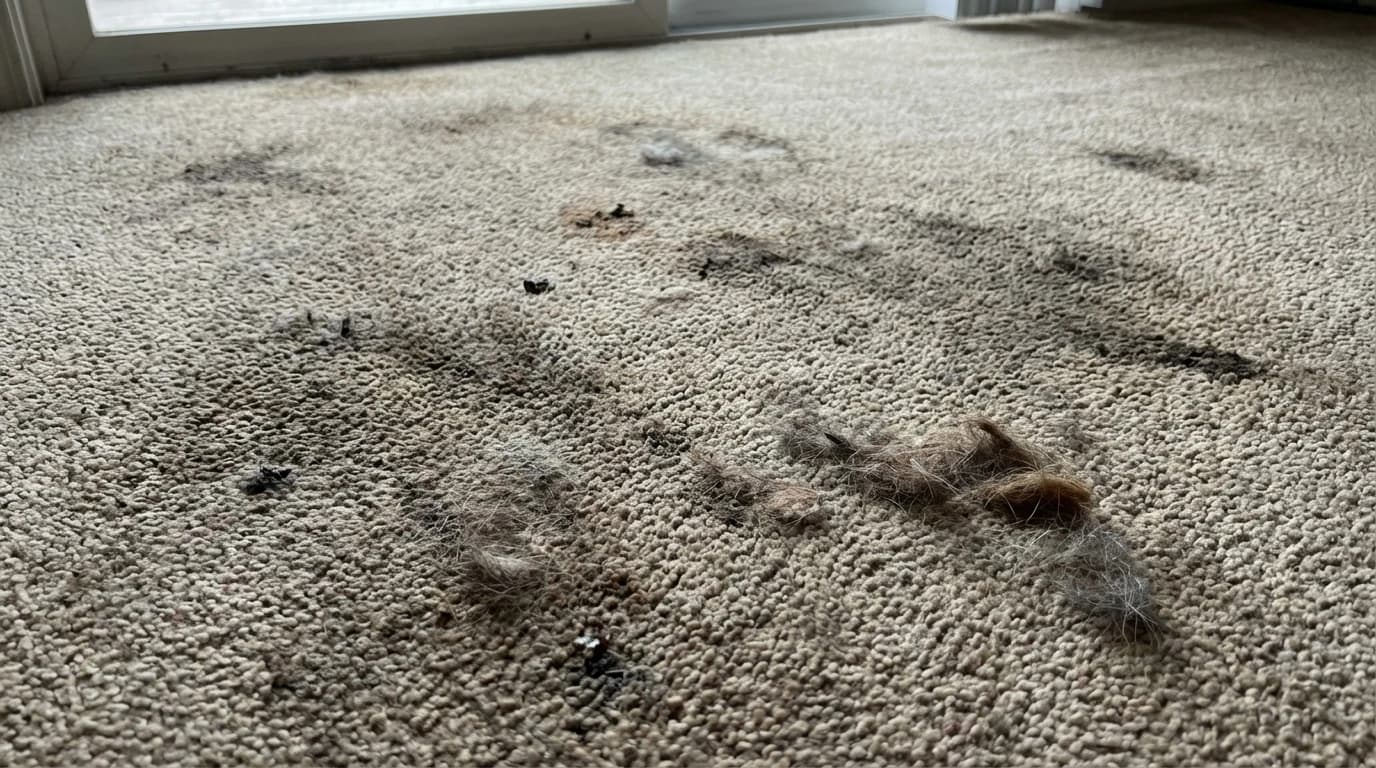
To clean carpet stains, vacuum first, blot the spill, pretreat carpet stains with the right solution, work from the outer edge inward, rinse out residue, and dry the area fast so the spot does not wick back.

Key Takeaways
- 1Blot first, because rubbing usually spreads the stain and drives it deeper into the pile.
- 2Pretreat carpet stains with the right cleaner for the mess instead of using one product on every spill.
- 3Use only enough moisture to lift the stain, then rinse and extract residue so the spot does not return.
- 4How to clean spot on carpet depends on fibre type, stain type, and how long the spill has been sitting.
- 5How to clean apartment carpet safely means using low-moisture methods and drying the area quickly.
- 6Book expert help when repeated DIY passes stop improving the stain or leave the carpet stiff and sticky.
How to Clean Carpet Stains by Fibre and Stain Type
Before you clean carpet stains, identify the fibre and the type of spill. That one step changes which cleaner is safe and how aggressive you can be.
Carpet fibres do not all respond the same way, which is why one stain remover can work beautifully in one room and fail in another. Nylon and polyester usually tolerate light spot treatment well, while wool and woven blends need milder products and less moisture. Check the care label before you remove stubborn stains from carpet so you do not trade one spot for colour loss or fibre distortion.
Stains divide into water-based, oil-based, and protein-based categories. Water-based stains like juice, coffee, and wine respond to simple soap solutions. Oil-based stains from grease, makeup, or tar need solvent-based cleaners or dish soap to break down lipids. Protein stains including blood, vomit, and pet accidents require enzyme cleaners that digest organic matter. The Carpet and Rug Institute reports that 70% of permanent carpet staining occurs because homeowners use the wrong cleaning method for their specific stain type.
Carpet construction affects cleaning difficulty. Loop pile carpets hide dirt well but trap debris deep in fibres, requiring powerful extraction. Cut pile carpets show stains faster but release soil more easily during cleaning. Berber and frieze styles need special attention - aggressive scrubbing can fray loops or tangle twisted fibres. High-traffic areas accumulate soil 5 times faster than bedrooms, according to ISSA research, making regular maintenance critical for even wear patterns across your home.
- Nylon: Most durable, accepts hot water extraction, resists most chemicals
- Polyester: Stain-resistant but oil-attracting, needs frequent vacuuming
- Olefin: Moisture-proof, bleach-safe, ideal for basements and outdoor areas
- Wool: Natural fibre, requires pH 5-8 cleaners, professional cleaning recommended
- Blends: Follow care instructions for the most delicate fibre in the mix
Pro Tip
Take a photo of your carpet's care label and store it on your phone. You'll have cleaning instructions handy when emergencies happen.
Related resources
How to Clean Spot on Carpet in the First 5 Minutes
If you need to clean a spot on carpet, the first few minutes matter most. Fast blotting and controlled moisture usually decide whether the mark lifts cleanly or sets.
When a spill lands on carpet, skip the panic scrubbing and focus on containment. Blot with a clean white towel, lift as much liquid as possible, and keep working from the outside edge toward the centre. If you are wondering how to get stains out of carpet, this simple first response does more than any miracle spray used ten minutes later.
Blotting technique prevents stain spreading and fibre damage. Press a clean, dry cloth firmly onto the spill, absorbing liquid from the outside edges toward the centre. Never rub or scrub fresh stains - this pushes liquid deeper into padding and frays carpet fibres. Replace saturated cloths frequently, using fresh sections for each blot. For thick spills like sauce or mud, scrape excess material with a spoon before blotting. The BC Health Authority recommends wearing disposable gloves when handling biological spills to prevent pathogen transmission.
Cold water works for most fresh stains, but temperature matters. Hot water sets protein stains like blood and egg permanently by cooking proteins into fibres. Room-temperature or cold water dilutes water-based stains without heat-setting them. Pour small amounts directly onto the stain, blot thoroughly, and repeat until the cloth comes away clean. For red wine, club soda's carbonation lifts tannins before they bond. Vancouver's soft water (30-60 mg/L hardness) rinses cleanly without leaving mineral deposits that attract dirt.
- Blot immediately - every second counts in the first 5 minutes after a spill
- Work from stain edges inward to prevent spreading across clean carpet
- Use white cloths only - coloured fabrics can transfer dye to wet carpet
- Scrape thick spills before blotting to remove bulk material efficiently
- Apply cold water for blood, hot beverages, and protein-based stains
- Keep emergency supplies accessible: white towels, spray bottle, gloves
Pro Tip
Create a spill kit with white towels, a spray bottle of cold water, and disposable gloves. Store it under your kitchen sink for instant access.
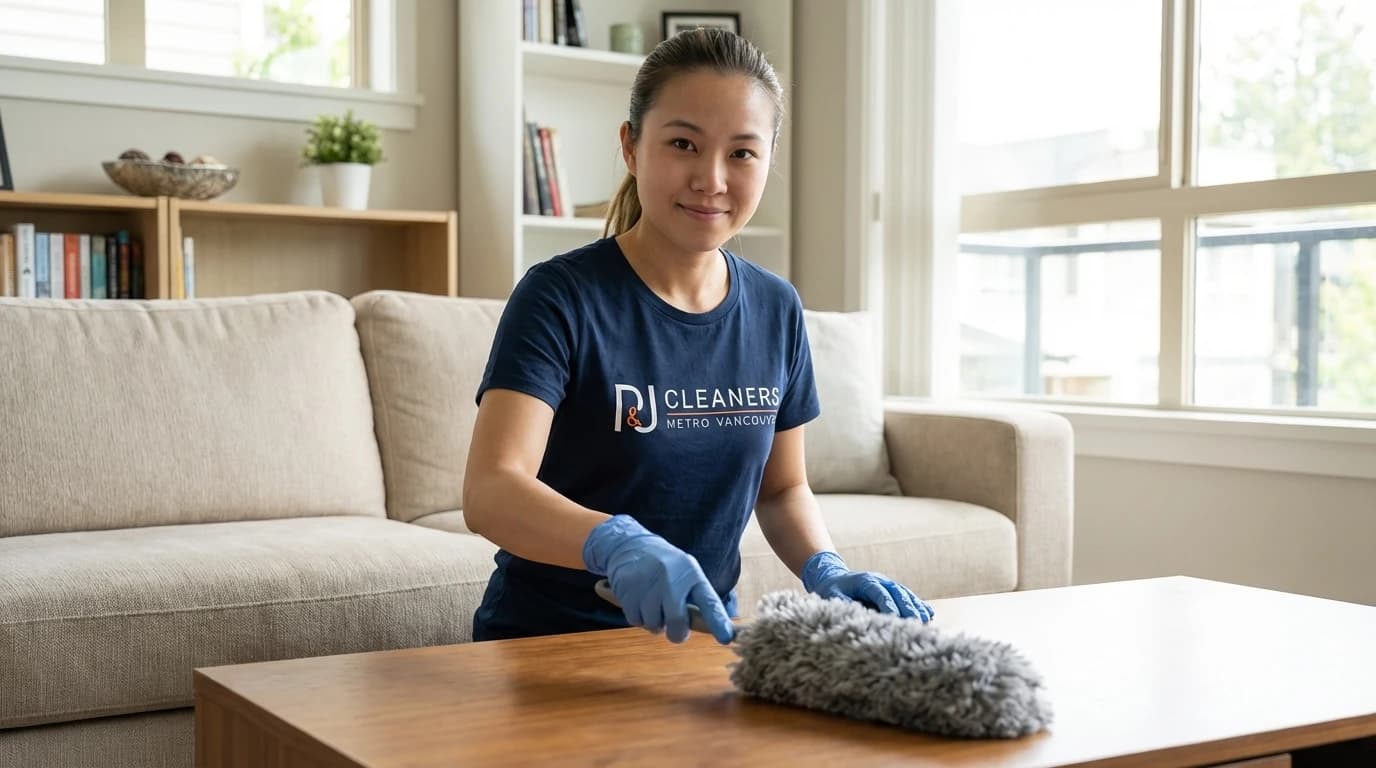
Pretreat Carpet Stains With DIY Solutions That Work
Knowing how to pretreat carpet stains saves time once you start cleaning. The right DIY mix can loosen residue quickly without leaving a sticky film behind.
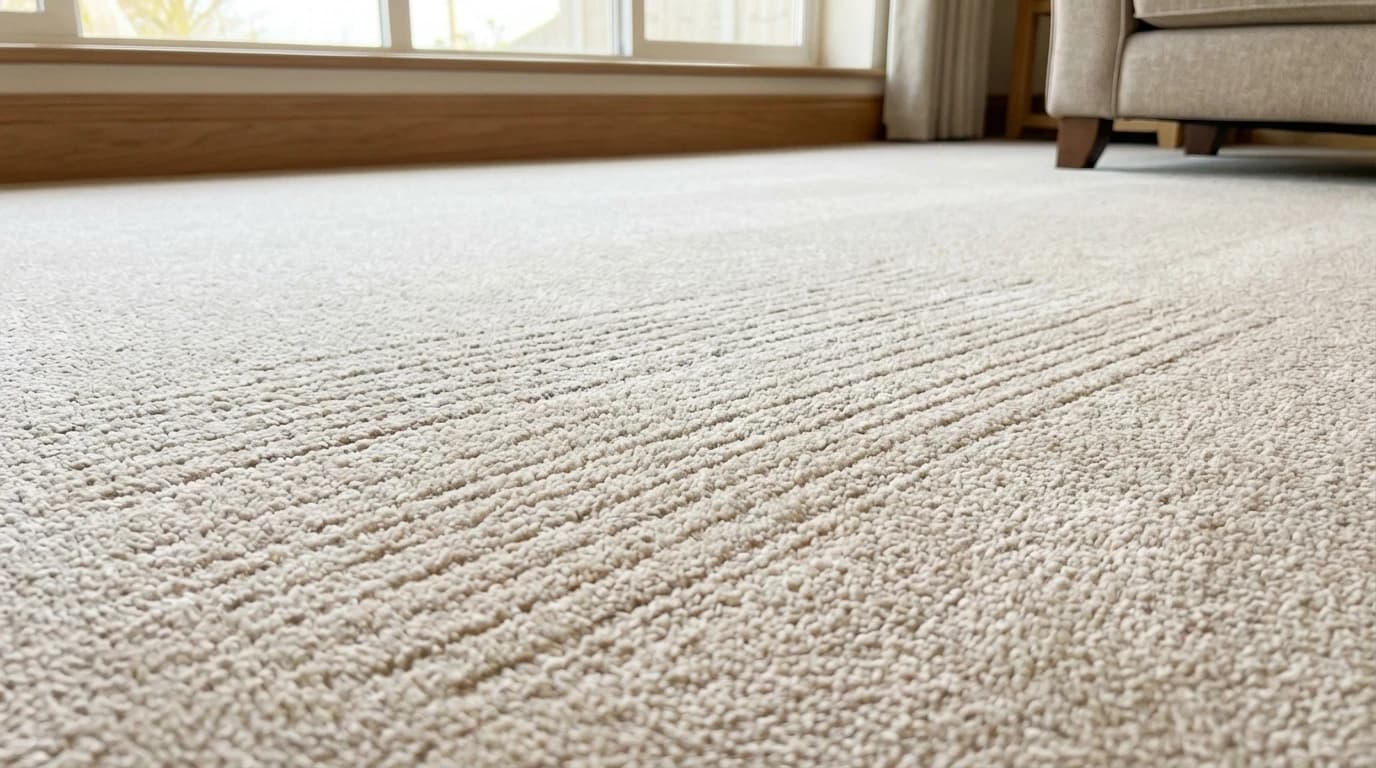
Most carpet stain removal jobs start with a simple pretreatment rather than a full machine wash. A small mix of clear dish soap and water works for many food and drink spills, while enzyme products are better for pet accidents and odours. If you want to know how to pretreat carpet stains, the goal is to loosen the spill for a few minutes, not soak the backing.
White vinegar neutralizes odours and dissolves mineral deposits. Create a 1:1 mixture of white vinegar and water for pet accidents, coffee spills, and general deodorizing. Vinegar's acetic acid breaks down uric acid crystals in pet urine, eliminating odours at the source rather than masking them. This solution also removes soap residue from previous cleaning attempts. WorkSafeBC approves vinegar as a non-toxic cleaning agent safe for homes with children and pets. Avoid vinegar on natural stone or marble thresholds - the acid etches these surfaces permanently.
Baking soda absorbs odours and lifts embedded stains when used as a pre-treatment. Sprinkle liberally over dry stains or odorous areas, let sit for 15 minutes to 2 hours, then vacuum thoroughly. For tough stains, make a paste with 3 parts baking soda to 1 part water, apply to the stain, let dry completely, and vacuum. Baking soda's alkaline pH neutralizes acidic stains like vomit or wine. The Carpet and Rug Institute confirms that baking soda won't damage carpet fibres or backing when used as directed, making it ideal for regular maintenance between professional cleanings.
- Dish soap solution: 1 tsp clear soap + 2 cups warm water for grease and food
- Vinegar solution: 1:1 white vinegar and water for odours and pet stains
- Baking soda: Sprinkle dry, wait 15+ minutes, vacuum for odour absorption
- Hydrogen peroxide: 3% solution for blood stains - test first, may bleach dark carpets
- Club soda: Pour directly on fresh wine or juice stains, blot immediately
- Cornstarch: Absorbs fresh oil and grease - apply, wait 30 minutes, vacuum
Pro Tip
Label spray bottles clearly and date them. Homemade solutions lose effectiveness after 2 weeks - mix fresh batches for best results.
Related resources
How to Clean Carpets: Steam vs. Dry vs. Shampoo
If spot treatment is not enough, you need a deeper clean. These methods differ in soil removal, dry time, and how well they deal with lingering carpet stains.
When people search how to clean carpets, they usually mean one of three things: steam cleaning, low-moisture cleaning, or shampooing. Hot water extraction is the best fit for heavy soil and recurring stains because it flushes out residue instead of just freshening the surface. For delicate fibres or quick turnarounds, low-moisture methods can work, but they will not always remove hard stains from carpet on the first pass.
Dry cleaning uses specialized compounds or powders that attract and encapsulate dirt without water. Technicians spread the compound across carpet, agitate it into fibres with a machine, let it dwell for 15-30 minutes, then vacuum thoroughly. This method works well for delicate fibres, moisture-sensitive backings, and situations requiring immediate use - carpets are walkable within 30 minutes. However, dry cleaning only addresses surface soil and doesn't sanitize or remove deep-set stains. The Carpet and Rug Institute recommends dry cleaning for interim maintenance between hot water extractions, not as a replacement.
Carpet shampooing applies foaming detergent, agitates it with rotating brushes, then extracts the foam and suspended soil. Modern low-moisture shampoo systems use less water than traditional methods, reducing drying time to 2-4 hours. Shampooing excels at removing heavy soil in high-traffic areas and works well on commercial loop pile carpets. The downside: residue from incomplete rinsing attracts dirt rapidly, causing carpets to resoil within weeks. ISSA studies show that carpets cleaned with hot water extraction stay cleaner 3 times longer than shampooed carpets due to superior rinsing and extraction.
- Hot water extraction: Deepest clean, kills bacteria, 6-12 hour dry time, best for allergen removal
- Dry cleaning: Surface clean only, immediate use, ideal for delicate fibres and quick turnarounds
- Shampooing: Heavy soil removal, 2-4 hour dry time, risk of residue if not rinsed properly
- Bonnet cleaning: Commercial method, cleans top 1/8 inch only, fast drying for offices
- Encapsulation: Polymer crystals trap dirt, vacuum away, low moisture, growing in popularity
Pro Tip
Schedule deep cleaning during dry weather. Open windows and run fans to speed drying and prevent mould growth in Vancouver's humid climate.
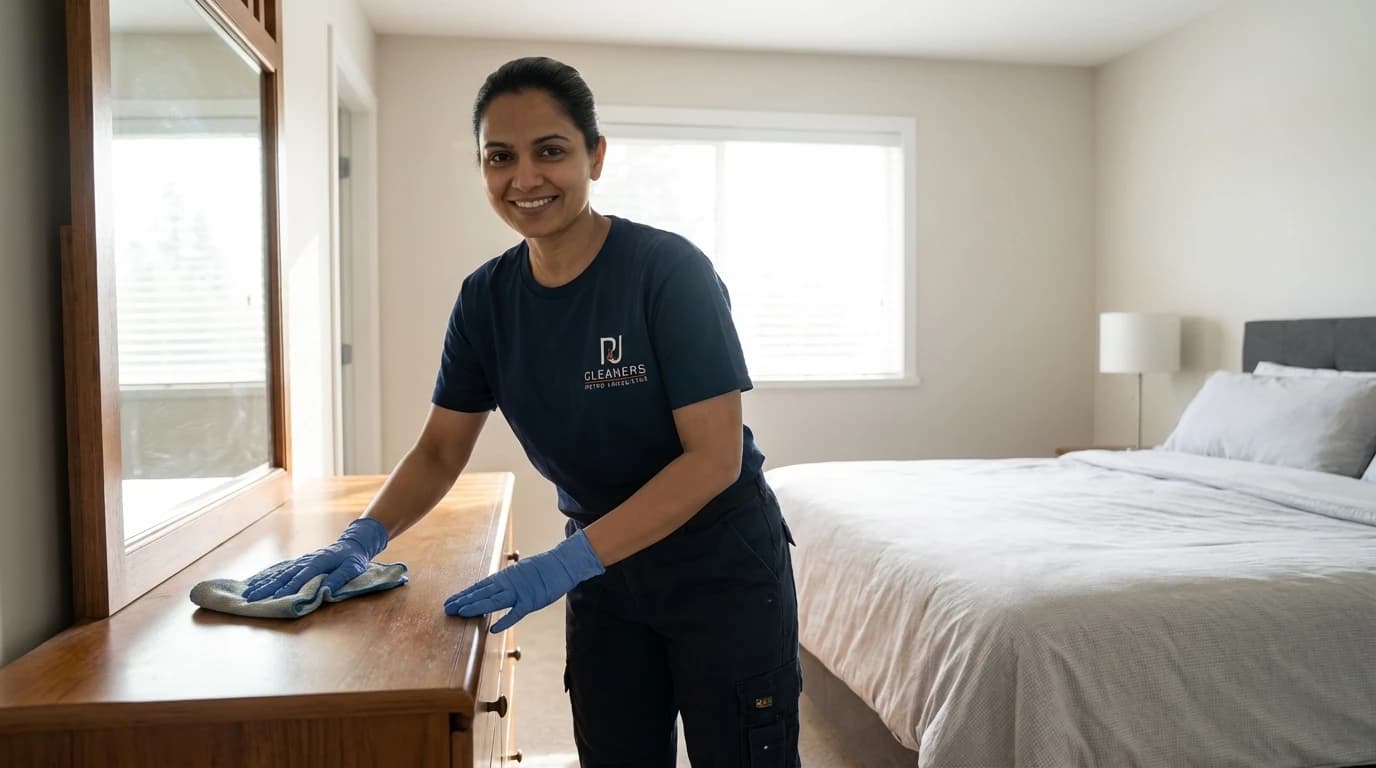
Remove Stubborn Stains From Carpet: Wine, Pet, Grease
Different messes need different chemistry. Use these targeted methods when you need to remove stubborn stains from carpet without guessing.
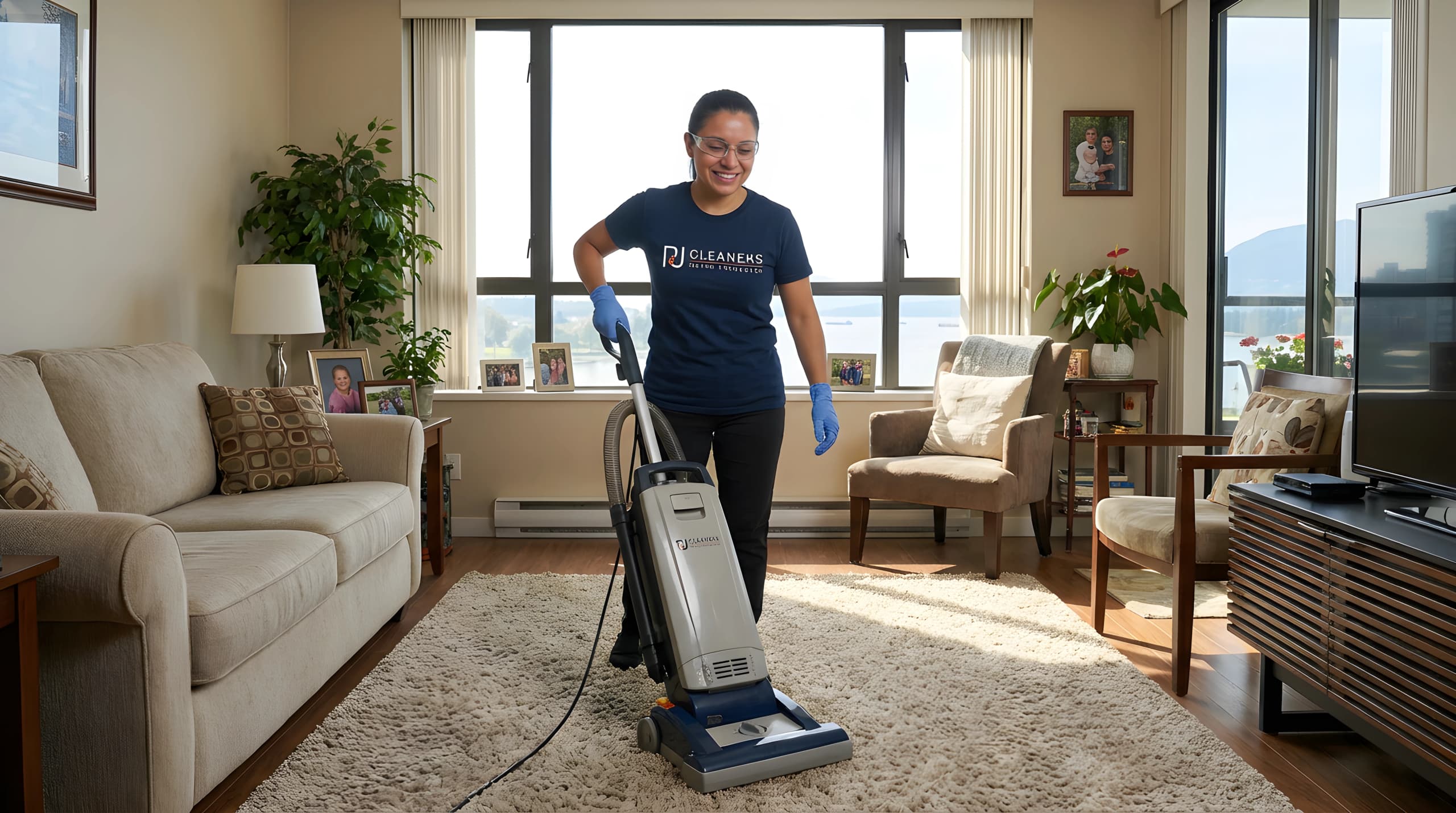
The best way to remove stubborn stains from carpet is to treat the actual source of the mark, not just the colour you can see. Wine and coffee usually respond to blotting plus a mild acidic rinse, pet spots need enzyme action, and grease needs a degreasing cleaner that can break down oil. If you keep repeating the same cleaner with no progress, stop and switch methods before you set the stain deeper.
Pet urine requires enzyme cleaners that break down uric acid crystals. Blot fresh accidents immediately, then saturate the area with an enzyme cleaner like Nature's Miracle or Simple Solution. These products contain bacteria that digest organic compounds, eliminating odours permanently rather than masking them. Let the enzyme cleaner sit for 10-15 minutes, then blot thoroughly. For old urine stains, use a blacklight to locate all affected areas - urine fluoresces under UV light. Treat every spot you find, as residual odours encourage pets to re-mark the same locations. The BC SPCA recommends avoiding ammonia-based cleaners, which smell like urine to pets.
Grease and oil stains need degreasing agents to break down lipids. Sprinkle cornstarch or baking soda on fresh grease, let it absorb for 30 minutes, then vacuum. Apply a small amount of dish soap directly to the stain, work it in gently with a soft brush, let sit for 5 minutes, then blot with warm water. For set-in grease, use a solvent-based cleaner like Goo Gone or rubbing alcohol - test on a hidden area first, as solvents can discolour some carpet dyes. Blot with clean towels until no more grease transfers. Rinse thoroughly with water to remove all solvent residue.
- Coffee/tea: Blot, apply 1:1 vinegar-water solution, rinse with cold water, repeat if needed
- Blood: Cold water only - hot sets protein permanently, use hydrogen peroxide for dried stains
- Ink: Dab with rubbing alcohol on a cotton ball, blot frequently, never rub or spread
- Gum: Freeze with ice cubes, scrape off with a butter knife, treat residue with oil
- Mud: Let dry completely, vacuum thoroughly, treat remaining stain with dish soap solution
- Wax: Place paper towel over wax, iron on low heat to melt and absorb into towel
Pro Tip
Keep enzyme cleaner and hydrogen peroxide in your cleaning kit. These two products handle 80% of tough stains when used correctly.
Keep Carpet Stains From Coming Back With a Simple Schedule
The easiest way to get rid of carpet stains for good is to stop residue and soil from building back up. A simple maintenance routine keeps cleaned areas from reappearing a week later.
Once a stain is out, the next job is keeping the area from turning dark again. Vacuum high-traffic lanes often, rinse away leftover soap after spot cleaning, and deal with fresh spills before they spread through the pile. This routine matters even more if your carpet stained easily the first time or if you are managing pets, kids, or a busy apartment entryway.
Weekly deep vacuuming reaches embedded dirt that daily passes miss. Vacuum each area slowly, making 7-10 passes in different directions to lift soil from all angles. Empty vacuum bags or canisters when half full - suction drops 50% in overfilled units. Clean or replace vacuum filters monthly to maintain airflow and prevent dust recirculation. Move furniture quarterly to vacuum underneath and rotate traffic patterns. The Carpet and Rug Institute recommends vacuuming bedrooms twice weekly, living areas three times weekly, and hallways daily for optimal soil removal and fibre protection.
Professional deep cleaning every 12-18 months removes embedded soil and restores carpet appearance. High-traffic homes with pets or children need professional cleaning every 6-12 months. Schedule cleaning during dry seasons - spring and fall work best in Vancouver's climate. Professional equipment extracts soil that home machines can't reach, removing allergens, bacteria, and odours from carpet backing and padding. Most carpet warranties require professional cleaning every 12-24 months to remain valid. Keep receipts and documentation to prove compliance if you need to file a warranty claim for premature wear or defects.
- Daily: Vacuum high-traffic areas, spot-clean spills immediately, use doormats at all entrances
- Weekly: Deep vacuum all carpeted areas, empty vacuum when half full, clean vacuum filters
- Monthly: Move furniture to vacuum underneath, treat any developing stains, check for wear patterns
- Quarterly: Rotate area rugs, deep clean with rental machine or hire professionals for spot areas
- Annually: Professional hot water extraction, inspect for damage, apply carpet protector if needed
- Every 2 years: Evaluate carpet condition, consider professional repairs for worn areas
Pro Tip
Mark professional cleaning dates on your calendar. Regular maintenance costs $150-300 but prevents $3,000-8,000 carpet replacement.
Related resources
Step-by-Step
7-Step Professional Carpet Cleaning Process
Follow this systematic approach for professional-quality results. Each step builds on the previous one to ensure thorough cleaning, complete soil removal, and proper drying. Skip steps at your own risk - shortcuts lead to residue buildup, rapid resoiling, and potential carpet damage.
Vacuum Thoroughly Before Wet Cleaning
Remove all loose dirt, dust, and debris before applying any liquid cleaning solution. Vacuuming first prevents mud formation when water contacts dry soil, making cleaning more effective and preventing dirt from spreading across clean areas. Use a vacuum with strong suction and a clean filter. Make multiple passes in different directions, especially in high-traffic zones. Empty the vacuum canister or replace the bag if it's more than half full to maintain optimal suction power throughout the cleaning process.
- Move furniture and clear the room of small items and obstacles
- Vacuum the entire carpeted area slowly, making 7-10 passes per section
- Use crevice tools along baseboards and in corners where dirt accumulates
- Check vacuum filter and empty canister to ensure maximum suction
- Pre-treat visible stains with appropriate spot cleaner before deep cleaning
Pre-Treat Stains and High-Traffic Areas
Apply targeted stain removers to problem areas before overall cleaning. This gives cleaning solutions time to break down stubborn stains and ensures better results. Use the appropriate cleaner for each stain type - enzyme cleaners for organic stains, degreasers for oil-based marks, and vinegar solutions for odours. Spray or apply the solution, let it dwell for the recommended time (usually 5-10 minutes), then blot gently. Don't let pre-treatment solutions dry completely, as this can leave residue that attracts dirt.
- Identify all stains and determine the appropriate cleaning solution for each
- Apply enzyme cleaner to pet stains and let sit for 10-15 minutes
- Treat grease stains with dish soap solution, working from edges inward
- Use vinegar solution on coffee, wine, and general odour areas
- Blot pre-treated areas with clean towels before proceeding to overall cleaning
Mix Cleaning Solution and Test on Hidden Area
Prepare your cleaning solution according to product instructions or use a DIY mixture of 1 teaspoon clear dish soap in 2 cups warm water. Always test any cleaning solution on a hidden carpet area - inside a closet or under furniture - before applying to visible sections. Wait 10 minutes and check for discolouration, texture changes, or dye bleeding. This simple test prevents costly damage to your entire carpet. Use distilled water if your tap water is hard, as mineral deposits can leave residue that attracts dirt.
- Mix cleaning solution in a spray bottle or carpet cleaner reservoir
- Apply a small amount to a hidden carpet section (closet corner or under furniture)
- Wait 10 minutes and blot with a white cloth to check for colour transfer
- Inspect the test area for any texture changes, shrinkage, or discolouration
- Proceed with full cleaning only if the test area shows no adverse effects
Apply Cleaning Solution and Agitate Gently
Work in small sections, approximately 2x2 feet at a time, to prevent solution from drying before extraction. Spray or apply cleaning solution evenly, avoiding over-saturation which can damage carpet backing and promote mould growth. Use a soft-bristled brush or carpet cleaning machine to agitate the solution into fibres, loosening embedded dirt. Brush in multiple directions to reach soil from all angles. For heavily soiled areas, let the solution dwell for 3-5 minutes before extraction, but never let it dry completely on the carpet.
- Start in the farthest corner and work toward the exit to avoid walking on clean carpet
- Spray solution lightly and evenly - carpet should be damp, not soaked
- Agitate with a soft brush using circular motions, then brush in line with pile direction
- Let solution dwell for 3-5 minutes on heavily soiled areas
- Work in overlapping sections to ensure complete coverage without gaps
Extract Solution and Rinse Thoroughly
Remove cleaning solution and suspended dirt using a carpet extractor, wet vacuum, or clean towels. Extraction is the most critical step - incomplete removal leaves residue that attracts dirt, causing rapid resoiling. Make multiple slow passes with extraction equipment, overlapping each pass by 50%. For manual extraction, blot with clean white towels, replacing them frequently as they absorb dirty solution. Rinse the area with clean water, then extract again to remove all soap residue. The carpet should feel slightly damp, not wet, after proper extraction.
- Extract cleaning solution with slow, overlapping passes using carpet cleaner or wet vacuum
- Blot manually with clean towels if using spray-and-blot method
- Rinse the area with plain water using a spray bottle or clean water in the extractor
- Extract rinse water thoroughly - make 2-3 additional passes to remove all residue
- Check that carpet feels only slightly damp, not soaking wet, after extraction
Speed Drying with Ventilation and Air Movement
Proper drying prevents mould, mildew, and odours while protecting carpet backing from water damage. Open windows and doors to create cross-ventilation. Run ceiling fans, box fans, or air movers to circulate air across the carpet surface. Turn on your HVAC system to dehumidify the air - set it to cooling mode even in winter, as air conditioning removes moisture. Avoid walking on damp carpet, which can transfer dirt from shoes and compress wet fibres. Most carpets dry in 6-12 hours with good airflow, but thick padding may take up to 24 hours.
- Open all windows and doors to create cross-ventilation and air circulation
- Position fans to blow air across the carpet surface, not just at it
- Run HVAC system in cooling mode to dehumidify indoor air
- Place towels or cardboard under furniture legs to prevent rust stains on damp carpet
- Check carpet every 2-3 hours - it should feel dry to touch within 6-12 hours
Vacuum Again and Inspect Results
Once carpet is completely dry, vacuum thoroughly to lift flattened fibres and remove any remaining loosened dirt. This final vacuuming restores carpet texture and reveals the true cleaning results. Inspect the entire area in good lighting, checking for any remaining stains or spots that need additional treatment. Address any problem areas immediately while cleaning equipment is still set up. Apply carpet protector if desired - products like Scotchgard create a barrier that repels future stains and makes maintenance easier. Regular vacuuming after deep cleaning maintains results for months.
- Wait until carpet is completely dry before final vacuuming - test by touching with hand
- Vacuum entire area thoroughly to lift pile and restore texture
- Inspect in bright natural light for any remaining stains or discoloured areas
- Treat any remaining spots with appropriate stain remover and blot dry
- Apply carpet protector spray if desired, following product instructions carefully
| Method | Dry Time | Soil Removal | Cost | Best For |
|---|---|---|---|---|
| Hot Water Extraction (Steam) | 6-12 hours | Deep (95%) | $150-300 | Annual deep cleaning, allergen removal, heavy soil |
| Dry Cleaning (Compound) | 30 minutes | Surface (60%) | $100-200 | Quick turnaround, delicate fibres, interim maintenance |
| Carpet Shampooing | 2-4 hours | Moderate (75%) | $120-250 | High-traffic commercial areas, heavy surface soil |
| Bonnet Cleaning | 1-2 hours | Surface (50%) | $80-150 | Commercial spaces, appearance cleaning, frequent maintenance |
| Encapsulation | 1-2 hours | Moderate (70%) | $100-200 | Commercial carpet, low moisture needs, interim cleaning |
| DIY Rental Machine | 8-24 hours | Moderate (65%) | $30-50/day | Budget cleaning, small areas, light to moderate soil |
Services mentioned in this article
Ready for help?
4.9 · 850+ Google reviewsNeed Help With Carpet Stain Removal?
P&J Cleaners handles stubborn carpet stains, deep cleaning, and move-out touch-ups with a 4.9-star team, 850+ reviews, $2M insured coverage, and fast quotes at 778-720-2224.
778-720-2224How to Clean Carpet Stains: FAQ
How to remove tough stains from carpets?
Start by vacuuming loose grit, then blot the spill with a white cloth instead of rubbing it in. Match the cleaner to the stain, dish soap for greasy spots, enzyme cleaner for pet messes, and a light vinegar mix for coffee or wine. Work from the outer edge toward the centre, rinse out residue, and dry the area quickly so the stain does not wick back.
What is the best carpet stain removal method for a fresh spill?
For fresh spills, speed matters more than force. Blot immediately, apply a small amount of the right solution, and keep the carpet only lightly damp while you lift the mark. Most homeowners get the best result by repeating short blot-rinse cycles rather than soaking the area once.
How do you remove stubborn stains from carpet without damaging fibres?
Test any cleaner in a hidden corner first, especially on wool, patterned carpet, or older area rugs. Use a soft brush or cloth, never a stiff scrub brush, and avoid bleach unless the manufacturer explicitly allows it. If the carpet still feels sticky after cleaning, rinse and extract again because leftover soap attracts more dirt.
How do you pretreat carpet stains before deep cleaning?
Pretreat carpet stains after vacuuming, not before. Spray the stain lightly, give it 5 to 10 minutes of dwell time, then blot away loosened soil before using a carpet machine. This keeps the stain from spreading through the backing and helps the full clean work more evenly.
How do you clean a spot on carpet in an apartment?
Apartment carpet care is mostly about controlling moisture and residue. Use small amounts of solution, keep fans or windows open, and avoid over-wetting shared hallway edges or bedroom corners that dry slowly. If the stain is near move-out inspection time, a professional touch-up can be cheaper than losing part of a damage deposit.
Can rug stain removal use the same process as carpet stain removal?
The basic order stays the same, vacuum, blot, pretreat, rinse, and dry, but rugs can have different dyes and backings than wall-to-wall carpet. Always test first and use less moisture on delicate fibres or woven rugs. If colour transfers to your towel, stop the DIY treatment and switch to a specialist.
Meet the Author
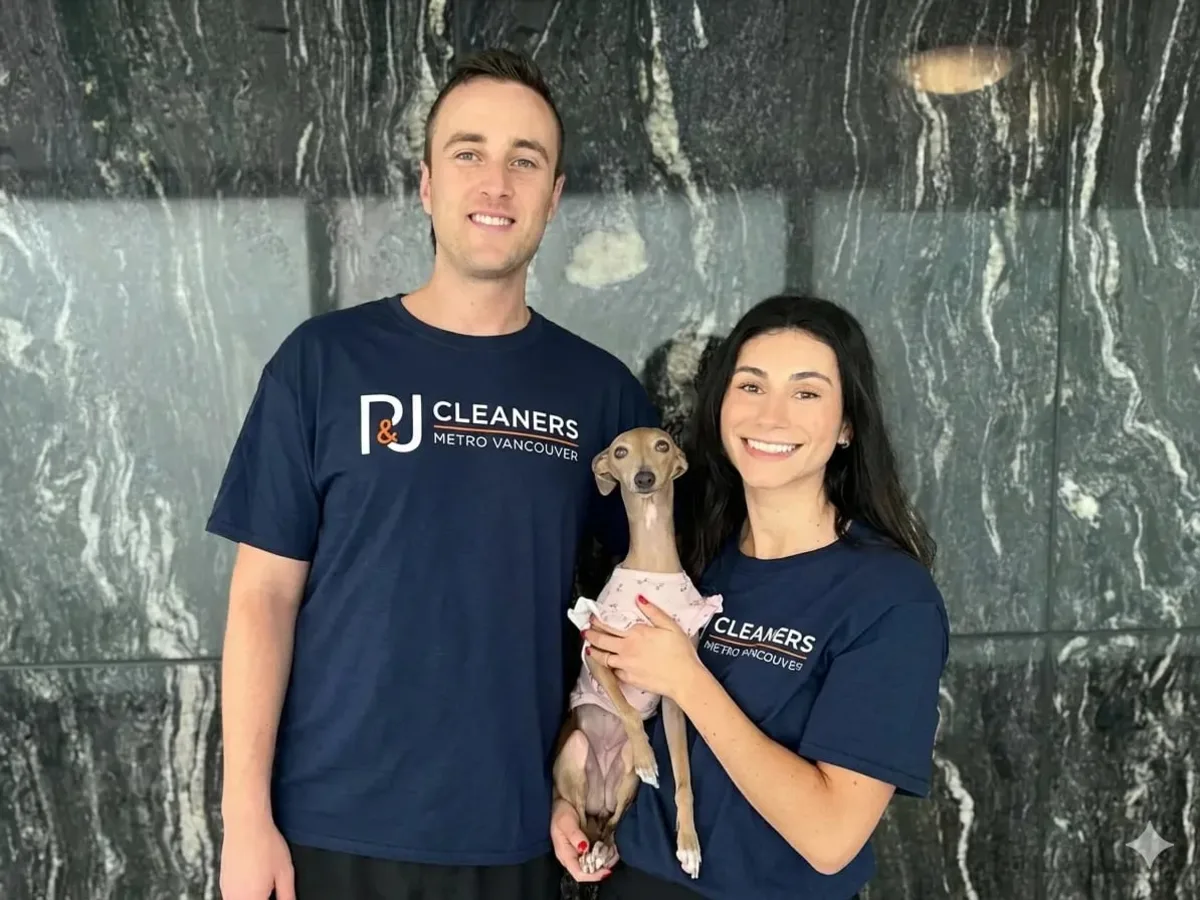
Pamela
Co-Founder
Pamela leads residential quality standards at P&J Cleaners, refining safe, detail-driven cleaning systems for Vancouver homes, condos, and move-out projects.
Keep Exploring