

Quick answer
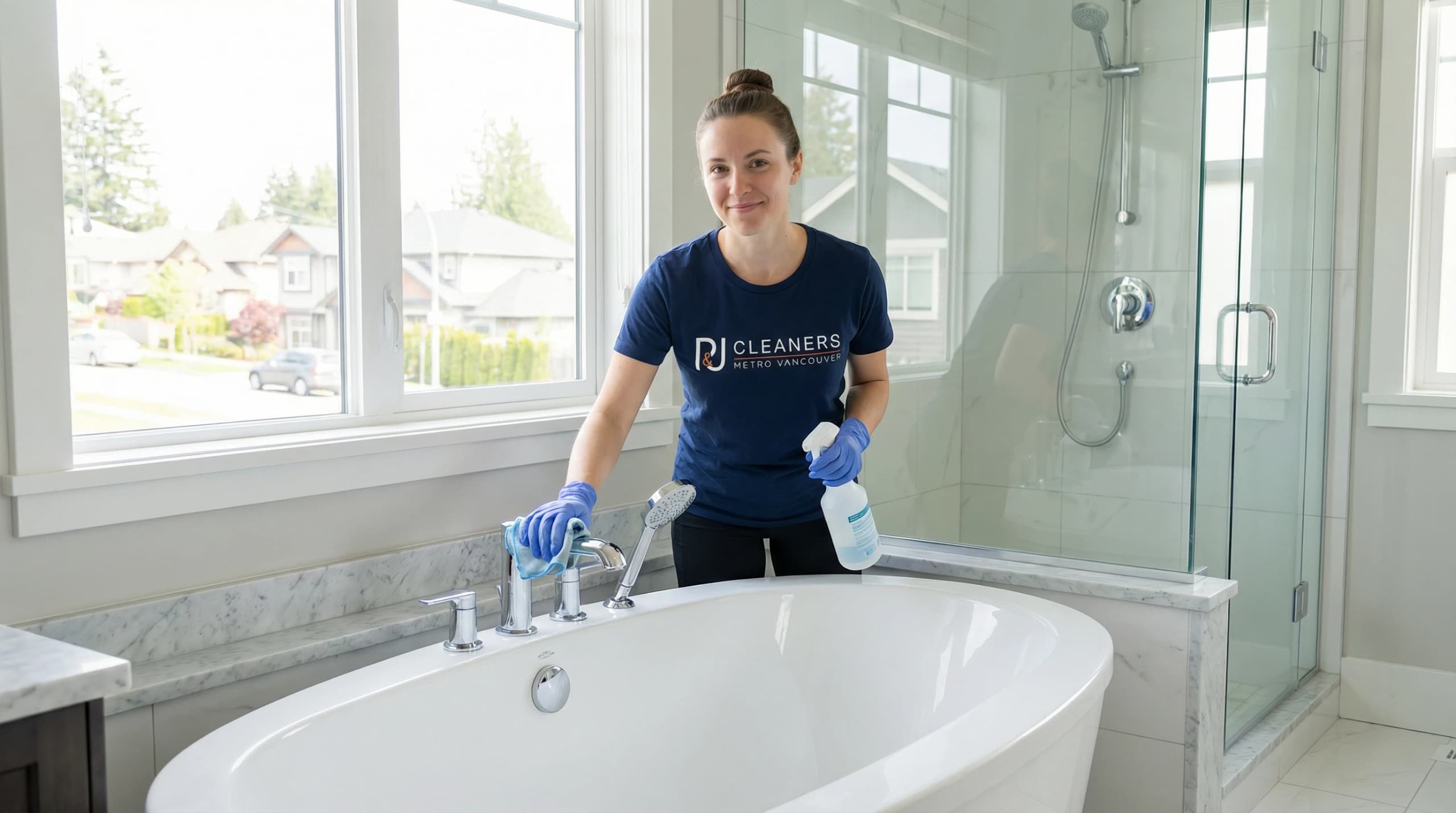
Hardwater removal works best when you loosen calcium deposits with white vinegar or another acid-based water stain remover, let it dwell for 15 to 30 minutes, then scrub gently and dry the surface. If you are wondering how to remove hard water stains from shower glass, chrome, or tile, start with the mildest safe option for that material and repeat before the buildup turns into permanent etching.

Key Takeaways
- 1Hard water stain removal is easier when you keep acidic cleaners wet on the surface for 15 to 30 minutes instead of spraying and wiping right away.
- 2Most hard water stains are calcium deposits and water residue, so the safest first move is usually vinegar, citric acid, or another mild descaler matched to the material.
- 3How to clean hard water build up depends on the finish: glass and chrome need soft pads, porcelain can handle more agitation, and natural stone needs acid-free care.
- 4Hydrogen peroxide for hard water stains is better for mixed mineral and organic discolouration than for thick limescale on its own.
- 5When removing hard water stains takes multiple rounds, a pro can tell you whether you are fighting removable buildup or permanent etching.
Hard Water Stains and Water Residue in Vancouver Homes
Hard water stains are mineral deposits left behind after water residue dries on glass, tile, chrome, and porcelain. Knowing whether you are dealing with calcium deposits, soap scum, or rust changes the fix.
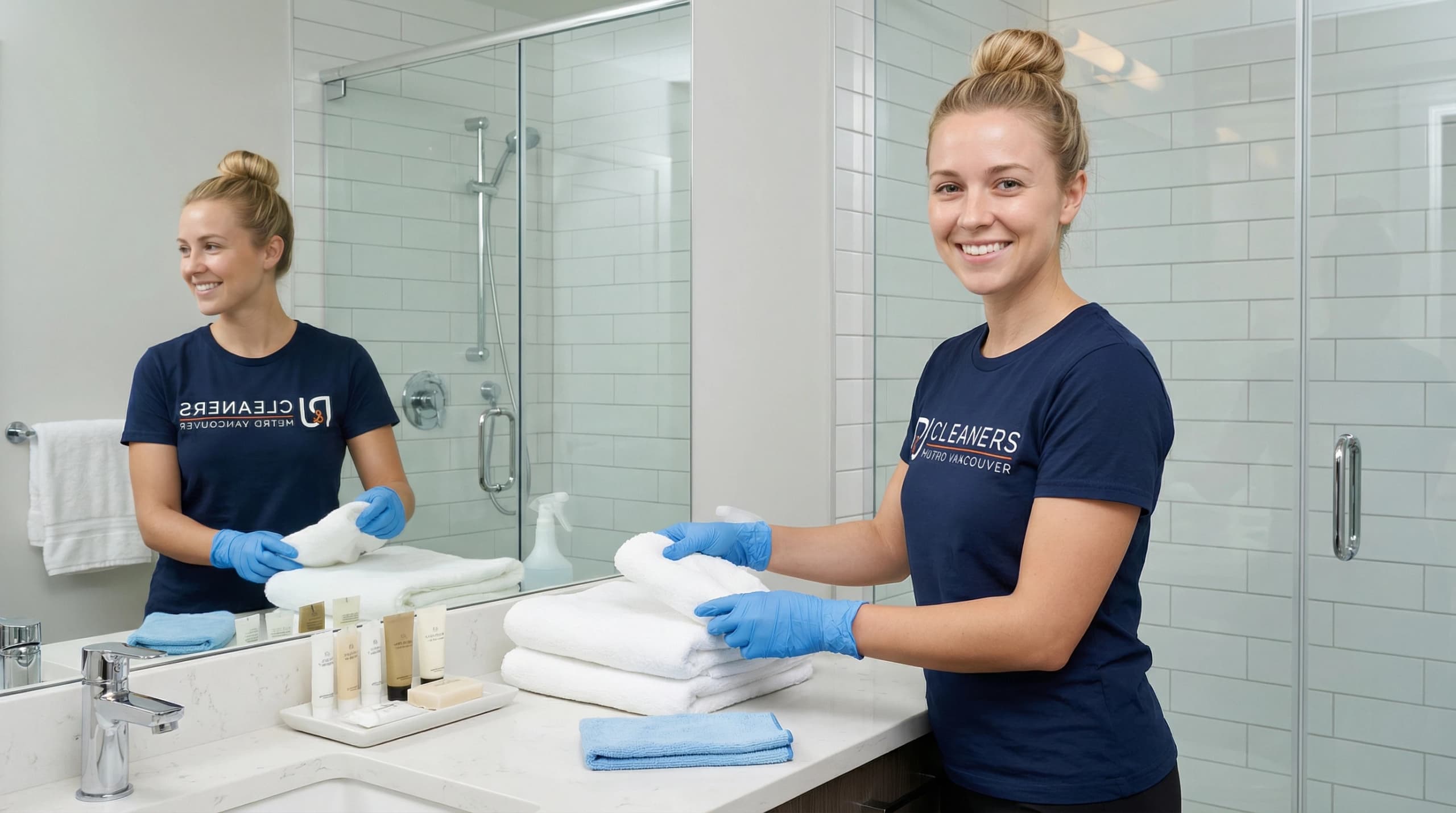
Hard water stains show up as chalky, cloudy, or crusty deposits on shower glass, faucets, sinks, tile, and toilet bowls after water residue evaporates. The buildup is usually calcium and magnesium left behind by repeated splashing and drying, which is why the marks feel rough instead of greasy. In Metro Vancouver, the issue often looks mild at first, but once the film layers over itself it becomes much harder to remove without long dwell times or repeated passes.
The City of Vancouver sources water from three protected watersheds in the North Shore mountains, resulting in naturally soft water for most residents. However, areas served by groundwater sources or older buildings with corroded pipes may experience elevated mineral levels. According to Metro Vancouver's 2025 Water Quality Report, approximately 12% of households in the region report visible hard water staining on bathroom fixtures. The frequency and severity of staining depend on water usage patterns, ventilation, and cleaning habits.
Hard water stains differ from soap scum, mildew, or rust stains in both composition and removal methods. Mineral deposits feel rough or gritty to the touch and appear white or light grey, while soap scum has a filmy texture and yellowish tint. Identifying the stain type correctly ensures you select the appropriate cleaning solution. Acidic cleaners work best for mineral deposits, while alkaline products target organic residues like soap scum.
- Calcium carbonate deposits appear white or chalky and feel rough when touched
- Magnesium stains may have a slightly yellow or brown tint depending on water composition
- Hard water buildup accumulates faster in high-humidity bathrooms with poor ventilation
- Glass surfaces show staining most visibly due to their transparent, smooth finish
- Textured tile and grout lines trap mineral deposits more readily than smooth surfaces
Pro Tip
Test your water hardness using an inexpensive test kit from hardware stores. Results above 60 mg/L indicate hard water requiring more frequent cleaning and stronger descaling solutions.
DIY Hard Water Removal and Water Stain Remover Options
The best DIY hard water removal method depends on how thick the deposit is and what surface sits underneath it. Vinegar, citric acid, baking soda paste, and specialty descalers each solve a different version of the problem.
For most bathrooms, white vinegar is still the most dependable water stain remover because mild acid breaks down the chalky film without aggressive scrubbing. When people search for removing hard water stains, what usually matters most is keeping the solution wet on the surface long enough to soften the buildup before you start scrubbing. Warm vinegar, repeated once or twice, handles a surprising amount of shower glass, chrome, and tile scale.
Baking soda paste provides gentle abrasive action for stubborn stains without scratching delicate surfaces like glass or chrome. Mix three parts baking soda with one part water to create a thick paste. Apply the paste to stained areas, let sit for 10-15 minutes, then scrub in circular motions using a soft cloth or sponge. The mild alkalinity of baking soda (pH 8-9) helps lift residue while the fine particles provide mechanical cleaning action. Rinse completely and dry with a clean towel to prevent new water spots from forming.
Commercial descaling products contain stronger acids like phosphoric acid, hydrochloric acid, or sulfamic acid, making them suitable for severe buildup that vinegar cannot remove. Popular brands available at Vancouver hardware stores include CLR, Lime-A-Way, and Bar Keepers Friend. Always follow manufacturer instructions carefully, wear protective gloves, and ensure adequate ventilation when using chemical cleaners. Test products on inconspicuous areas first to verify compatibility with your specific surface materials. Most commercial descalers work within 2-5 minutes and require thorough rinsing to prevent surface damage.
- White vinegar costs $3-5 per litre and treats approximately 15-20 square metres of stained surface area
- Lemon juice (citric acid) works similarly to vinegar but costs 3-4 times more per application
- Pumice stones remove heavy deposits from porcelain toilets but scratch glass, chrome, and acrylic surfaces
- Magic erasers (melamine foam) effectively remove light stains but wear down quickly on textured surfaces
- Dryer sheets dampened with water provide mild abrasive action for glass shower doors
- Hydrogen peroxide (3% solution) helps remove mineral stains with organic discolouration components
Pro Tip
For vertical surfaces like shower doors, soak paper towels in heated vinegar and press them against the glass. This keeps the solution in contact with stains longer, improving effectiveness without constant reapplication.
Related resources
How to Clean Hard Water Stains by Surface
How to clean hard water stains safely depends on whether you are treating shower glass, chrome, tile, porcelain, or natural stone. Matching the tool to the finish prevents scratches and dull spots.
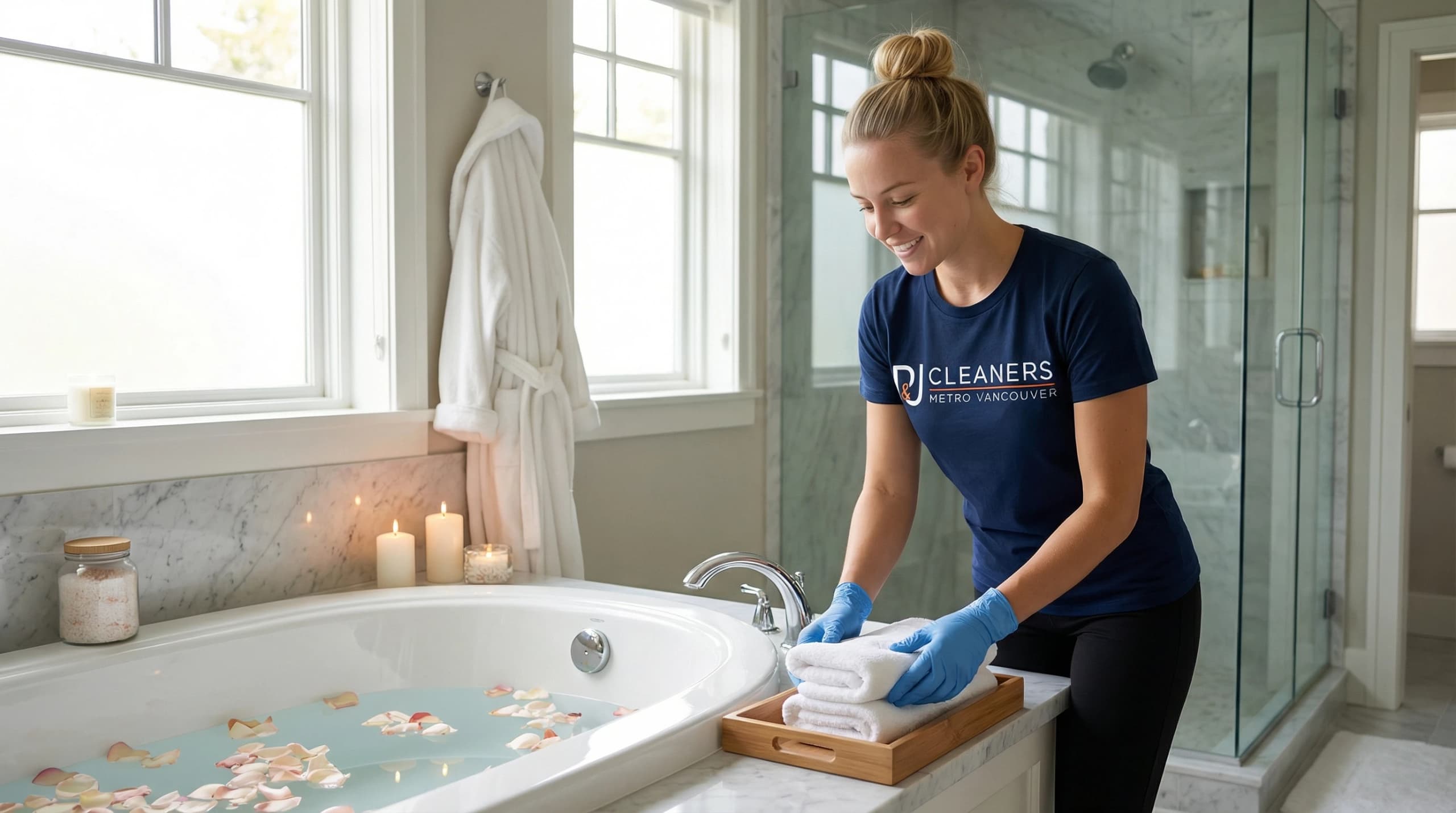
If you are figuring out how to remove hard water stains from shower glass, start with the least abrasive method and work upward only as needed. Glass shows every streak, so the priority is dissolving the deposit first and then lifting it with a soft pad, plastic scraper, or microfibre cloth. That same slow approach protects mirrors and polished fixtures from turning cloudy or scratched while you clean.
Chrome faucets, showerheads, and fixtures develop hard water stains that dull their reflective finish. Wrap chrome fixtures with vinegar-soaked cloths or paper towels, securing them with rubber bands if needed. Let sit for 30-60 minutes for heavy buildup, then scrub gently with a soft toothbrush to reach crevices and textured areas. Rinse thoroughly and buff dry with a microfibre cloth to restore shine. Never use abrasive scrubbers, steel wool, or harsh chemicals on chrome, as these cause permanent scratching and finish damage. For brushed nickel or oil-rubbed bronze finishes, test cleaning solutions on hidden areas first.
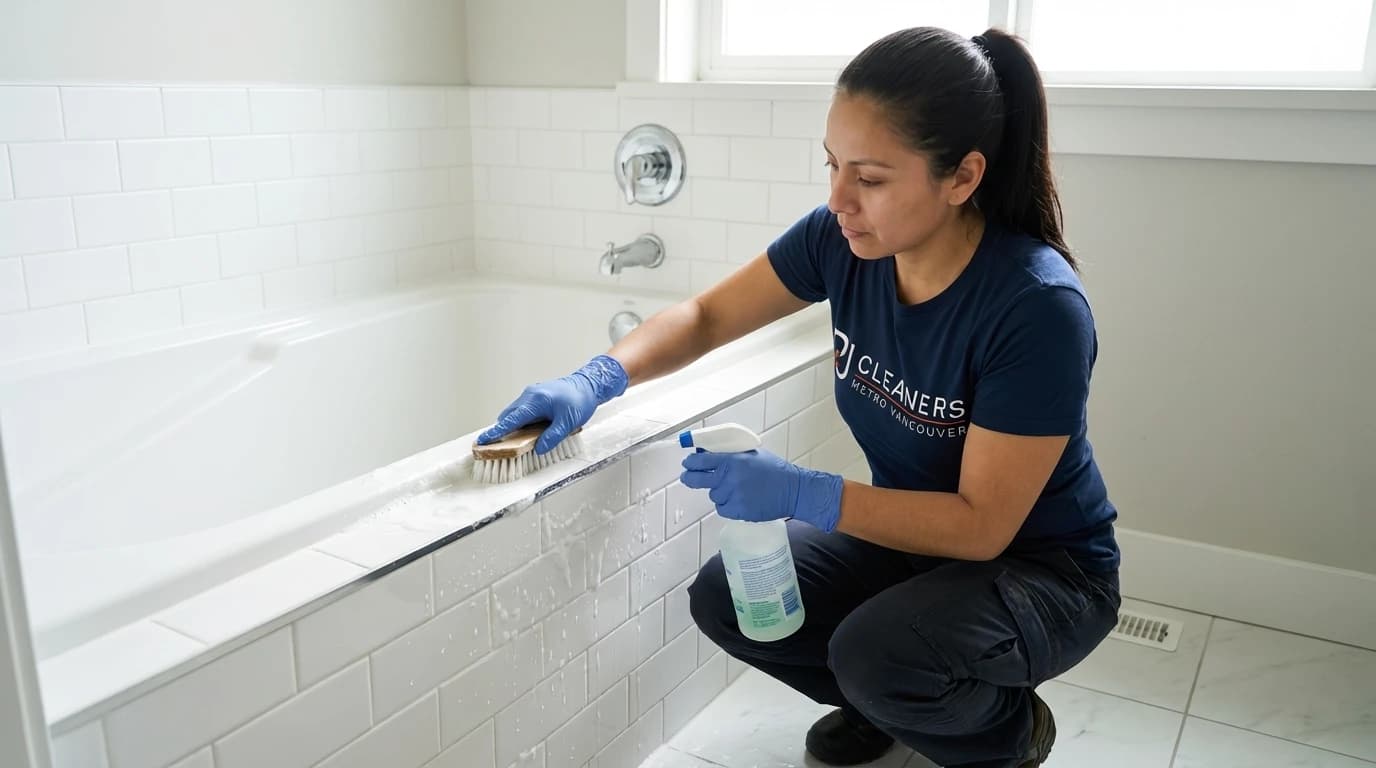
Ceramic and porcelain tile withstand stronger cleaning methods than glass or chrome. Apply vinegar or commercial descaler liberally to tile surfaces and grout lines, allowing 20-30 minutes of contact time. Use a stiff-bristled brush for grout and a softer brush or sponge for tile faces. Pay special attention to grout lines where minerals accumulate in porous cement. For textured or matte-finish tiles, scrub in multiple directions to reach recessed areas. Natural stone tiles like marble, granite, or travertine require pH-neutral cleaners only, as acidic solutions etch and damage the stone surface permanently.
- Acrylic bathtubs and shower surrounds require non-abrasive cleaners to prevent surface dulling and scratching
- Frameless glass shower enclosures need edge and hinge cleaning where mineral deposits accumulate heavily
- Rainfall showerheads benefit from overnight vinegar soaks in plastic bags secured with rubber bands
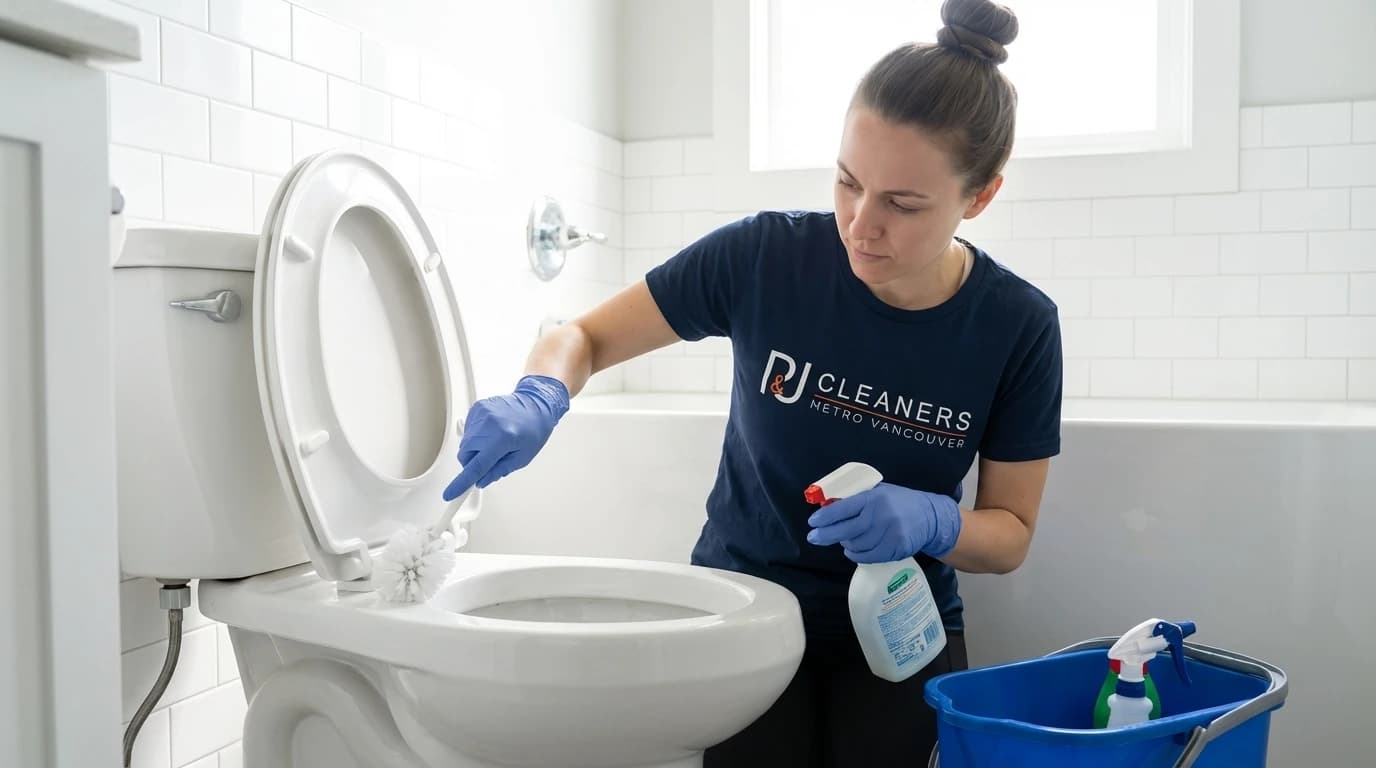
- Toilet bowls develop hard water rings at the waterline requiring pumice stone or heavy-duty descalers
- Stainless steel sinks resist most cleaners but show water spots prominently without immediate drying
How to Get Rid of Hard Water Build Up Before It Returns
How to get rid of hard water build up for good is mostly a maintenance issue, not a one-time scrub. Daily drying, better airflow, and a monthly acid wash stop fresh deposits from stacking up.
Anyone searching how to get rid of hard water build up permanently usually needs a new routine, not a stronger cleaner. A quick squeegee after each shower, a dry cloth on faucets, and a weekly wipe with diluted vinegar stop minerals from baking onto the surface. Once you break the cycle of standing water, the bathroom stays brighter and future cleanups take far less effort.
Improved bathroom ventilation reduces humidity levels that accelerate mineral deposit formation. Run exhaust fans during showers and for 20-30 minutes afterward to remove moisture-laden air. According to WorkSafeBC guidelines, bathroom exhaust fans should provide at least 50 cubic feet per minute (CFM) of airflow for effective moisture removal. Clean or replace exhaust fan filters quarterly to maintain optimal performance. In bathrooms without exhaust fans, open windows during and after showers, or consider installing a fan to meet building code requirements and reduce moisture-related issues.
Water-repellent treatments create protective barriers that cause water to bead and roll off surfaces rather than evaporating and leaving mineral deposits. Products like Rain-X, EnduroShield, or ceramic coatings bond to glass at the molecular level, lasting 6-12 months with proper maintenance. Apply these treatments to clean, dry glass surfaces following manufacturer instructions. While these products cost $15-40 per application, they reduce cleaning frequency by 60-70% and make routine cleaning significantly easier. Reapply treatments when water stops beading effectively on treated surfaces.
- Weekly vinegar spray-and-rinse treatments prevent mineral accumulation before visible stains form
- Microfibre cloths remove water spots more effectively than cotton towels without leaving lint residue
- Water softener systems reduce mineral content at the source, costing $800-2,500 installed in Vancouver
- Showerhead filters remove some minerals but require monthly replacement at $10-20 per filter
- Leaving shower doors partially open after use improves air circulation and speeds drying
- Monthly deep cleaning prevents heavy buildup that requires professional intervention
Pro Tip
Mix equal parts white vinegar and water in a spray bottle for a daily maintenance solution. Quick spray-and-wipe after showers takes 60 seconds and prevents 80% of hard water stain formation.
When Hard Water Removal Calls for a Pro
Professional hard water removal makes sense when etching, heavy scale, or time pressure turns a DIY job into a half-day project. It is also the safer option for delicate finishes and move-out deadlines.
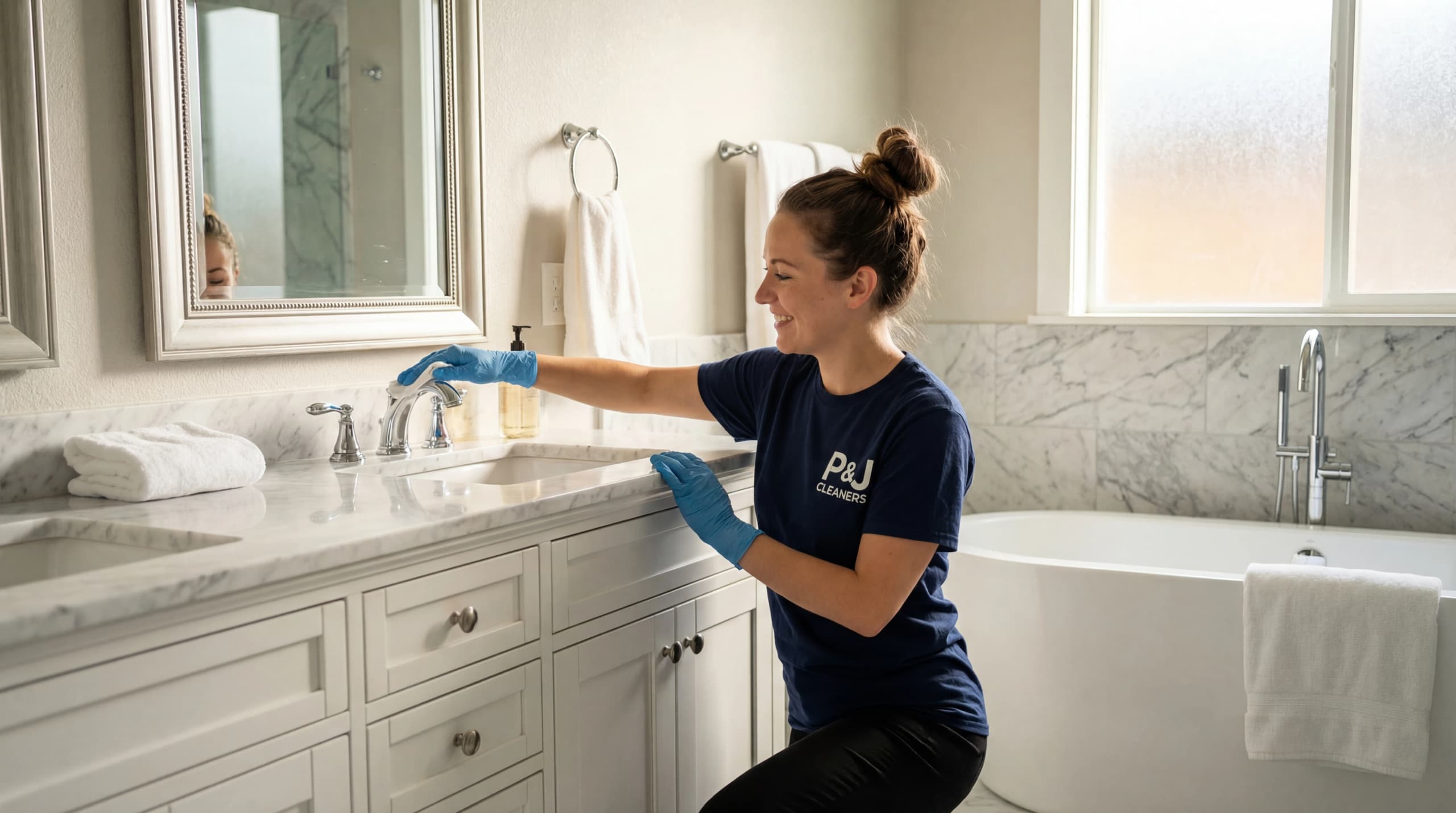
Professional hard water removal becomes the smart move when DIY products stop making visible progress or when you are nervous about damaging expensive finishes. P&J Cleaners sees this often in shower glass, chrome trim, and older bathrooms where scale has been sitting for months. A trained cleaner can tell whether the mark is removable mineral buildup, soap scum, or permanent etching before you waste another evening scrubbing.
Time constraints make professional cleaning services valuable for busy homeowners, property managers, and real estate professionals. A professional cleaner completes bathroom hard water stain removal in 1-2 hours, compared to 4-6 hours for inexperienced DIY attempts. This efficiency proves especially important for move-out cleaning, pre-sale property preparation, or vacation rental turnovers where time-sensitive deadlines exist. Professional services also eliminate the physical demands of intensive scrubbing, making them ideal for elderly homeowners, individuals with mobility limitations, or anyone preferring to avoid strenuous cleaning tasks.
Property value considerations justify professional cleaning for real estate transactions and rental properties. According to the Real Estate Board of Greater Vancouver, clean, well-maintained bathrooms significantly influence buyer perceptions and property valuations. Hard water stains create impressions of poor maintenance and neglect, potentially reducing offers by 2-5% on properties valued at $800,000-1,200,000. Professional cleaning costs $150-300 for comprehensive bathroom treatment, representing minimal investment compared to potential value loss. Landlords and property managers benefit from professional cleaning between tenancies to maintain property condition and maximize rental rates.
- Professional cleaning costs $40-60 per hour in Metro Vancouver, with most bathrooms requiring 1-2 hours
- Deep cleaning packages including hard water stain removal range from $150-300 depending on bathroom size and stain severity
- Commercial descalers used by professionals contain 10-15% acid concentrations versus 5% in consumer vinegar
- Professional equipment includes rotary scrubbers, steam cleaners, and specialized applicators unavailable to consumers
- Bonded and insured professionals provide liability protection against accidental surface damage during cleaning
- A satisfaction guarantee means if results don't meet expectations, tell us within 7 days of your clean and we make it right with a re-clean of the areas concerned or a partial refund, depending on the job. Re-cleans are usually done within 1 to 2 business days.
Related resources
Safe Ways to Clean Hard Water Stains
Cleaning hard water stains is simple only when the chemistry stays under control. The wrong product mix or too much abrasion can damage stone, grout, acrylic, and metal finishes fast.
Cleaning hard water stains safely starts with one rule: never mix acids with bleach or other reactive products in a small bathroom. Stronger is not always better, especially on marble, acrylic, coloured grout, or plated fixtures that can dull quickly. Test first, ventilate well, wear gloves, and give each product time to work before you reach for a harsher tool.
Protective equipment minimizes skin and eye exposure to cleaning chemicals. Wear rubber or nitrile gloves rated for chemical resistance when handling vinegar, commercial descalers, or other acidic solutions. Safety glasses or goggles protect eyes from splashes, especially when cleaning overhead surfaces or using spray bottles. Long sleeves and pants prevent skin contact with cleaning solutions that may cause irritation or chemical burns. Keep cleaning products away from children and pets, and store them in original containers with intact labels. Rinse skin immediately with cool water if contact occurs, and seek medical attention for persistent irritation or burns.
Surface testing prevents costly damage from incompatible cleaning products. Test all cleaning solutions on small, inconspicuous areas before treating entire surfaces. Wait 10-15 minutes after application to check for discolouration, etching, or finish damage. Natural stone, coloured grout, and specialty finishes are particularly vulnerable to acidic cleaners. When uncertain about surface compatibility, consult manufacturer guidelines or contact professional cleaners for advice. Document successful cleaning methods and products for future reference, noting any surfaces that showed sensitivity or adverse reactions.
- Acidic cleaners etch marble, limestone, and travertine surfaces, causing permanent dull spots and texture changes
- Prolonged vinegar exposure can damage grout sealers, requiring resealing at $2-4 per square foot
- Abrasive scrubbers scratch acrylic, fibreglass, and chrome surfaces, creating permanent damage
- Commercial descalers require 5-10 minute maximum contact time to prevent surface etching
- Proper ventilation reduces volatile organic compound (VOC) exposure by 70-80% during cleaning
- Emergency eyewash stations or clean water access should be available when using chemical cleaners
Pro Tip
Keep a spray bottle of water nearby when using acidic cleaners. If solution contacts skin or eyes, immediately flush with water for 15 minutes before seeking medical attention if irritation persists.
Step-by-Step
7-Step Hard Water Stain Removal Process
Follow this systematic approach to effectively remove hard water stains from bathroom surfaces while preventing damage and ensuring long-lasting results.
Assess and Prepare the Area
Begin by identifying all surfaces with hard water stains and determining stain severity. Remove personal items, toiletries, and decorative objects from the bathroom to prevent damage and provide clear access to all stained surfaces. Gather necessary cleaning supplies including white vinegar, baking soda, spray bottles, microfibre cloths, non-abrasive sponges, rubber gloves, and safety glasses. Ensure adequate ventilation by opening windows and turning on exhaust fans. Test your chosen cleaning solution on a small, hidden area to verify surface compatibility before proceeding with full treatment.
- Remove all items from countertops, shower shelves, and bathtub edges
- Inspect glass doors, fixtures, tile, and grout for mineral deposit severity
- Gather cleaning supplies and protective equipment in the bathroom
- Open windows and activate exhaust fans for proper ventilation
- Test cleaning solution on inconspicuous area and wait 10-15 minutes
Apply Cleaning Solution
Heat white vinegar in the microwave for 30-45 seconds until warm but not boiling. Pour heated vinegar into a spray bottle and apply liberally to all stained surfaces, ensuring complete coverage. For vertical surfaces like shower doors, soak paper towels in vinegar and press them against the glass to maintain contact. Spray chrome fixtures thoroughly and wrap them with vinegar-soaked cloths secured with rubber bands. Apply solution to tile, grout, and other affected areas. Allow the vinegar to sit for 15-30 minutes, giving the acetic acid time to dissolve mineral deposits through chemical reaction.
- Heat white vinegar to approximately 40-45°C (not boiling)
- Fill spray bottles with heated vinegar for easy application
- Spray all stained surfaces thoroughly until completely saturated
- Apply vinegar-soaked paper towels to vertical glass surfaces
- Set timer for 15-30 minutes depending on stain severity
Scrub and Agitate Deposits
After the dwell time, begin scrubbing stained surfaces using appropriate tools for each material type. Use non-abrasive sponges or microfibre cloths for glass and chrome, working in circular motions to lift dissolved minerals. For stubborn deposits on glass, carefully use a plastic scraper or old credit card to remove thick buildup, working from top to bottom in overlapping strokes. Scrub tile and grout with a stiff-bristled brush, paying special attention to grout lines where minerals accumulate. Apply baking soda paste to areas with persistent staining, let sit 10 minutes, then scrub again.
- Start with glass surfaces using non-abrasive sponges in circular motions
- Use plastic scrapers on thick glass deposits, working top to bottom
- Scrub chrome fixtures with soft cloths, reaching crevices with toothbrushes
- Apply stiff-bristled brushes to tile and grout lines
- Treat stubborn spots with baking soda paste and additional scrubbing
Rinse Thoroughly
Rinse all treated surfaces completely with clean water to remove dissolved minerals, cleaning solution residue, and loosened deposits. Use a handheld showerhead or spray bottle filled with clean water for thorough rinsing. Pay special attention to grout lines, fixture crevices, and textured surfaces where residue can accumulate. Rinse from top to bottom to prevent dirty water from running over already-cleaned areas. For glass surfaces, rinse multiple times to ensure no vinegar or mineral residue remains. Inadequate rinsing leaves streaks and can cause new deposits to form more quickly.
- Rinse glass surfaces thoroughly with clean water from top to bottom
- Flush chrome fixtures and showerheads to remove all cleaning solution
- Rinse tile and grout lines multiple times to remove dissolved minerals
- Check for remaining residue and re-rinse any areas with visible streaks
- Ensure all cleaning solution is completely removed from all surfaces
Dry and Inspect
Immediately dry all surfaces with clean, lint-free microfibre cloths or a squeegee to prevent new water spots from forming. For glass shower doors, use a squeegee in overlapping strokes from top to bottom, wiping the blade after each pass. Buff chrome fixtures with dry microfibre cloths to restore shine and remove any remaining water droplets. Inspect all treated surfaces in good lighting to identify any remaining stains or areas requiring additional treatment. Address any persistent spots with targeted reapplication of cleaning solution and scrubbing.
- Squeegee glass surfaces from top to bottom in overlapping strokes
- Dry chrome fixtures thoroughly with clean microfibre cloths
- Wipe down tile and other surfaces to remove standing water
- Inspect all surfaces in bright light for remaining stains or streaks
- Retreat any areas with persistent staining using the same process
Apply Protective Treatment
Once surfaces are completely clean and dry, apply water-repellent treatments to glass surfaces to prevent future hard water stain formation. Follow product instructions carefully, typically applying thin, even coats to clean glass and buffing to clarity. These treatments create hydrophobic barriers that cause water to bead and roll off rather than evaporating and leaving mineral deposits. Allow treatments to cure for the recommended time before exposing surfaces to water. Consider applying similar protective products to chrome fixtures if available for your specific finish type.
- Ensure all surfaces are completely dry before applying protective treatments
- Apply water-repellent products to glass following manufacturer instructions
- Buff treatments to clarity using clean, lint-free cloths
- Allow proper curing time before exposing treated surfaces to water
- Document treatment date for reapplication scheduling in 6-12 months
Establish Maintenance Routine
Implement daily and weekly maintenance practices to prevent future hard water stain accumulation. Keep a squeegee in the shower and use it after every shower to remove 90-95% of water droplets before minerals can deposit. Prepare a maintenance spray bottle with equal parts white vinegar and water for quick daily wipe-downs. Schedule weekly deeper cleaning sessions using vinegar spray and microfibre cloths to address any early mineral buildup. Run bathroom exhaust fans during and after showers to reduce humidity. These preventive measures reduce cleaning frequency from weekly to monthly or less.
- Install squeegee holder in shower for convenient daily access
- Create maintenance spray with equal parts vinegar and water
- Establish daily squeegee routine after every shower use
- Schedule weekly preventive cleaning sessions on specific days
- Monitor surfaces monthly to assess maintenance routine effectiveness
| Method | Effectiveness | Cost per Treatment | Time Required | Best For |
|---|---|---|---|---|
| White Vinegar (5% acetic acid) | 85-90% on light to moderate stains | $0.50-1.00 | 30-45 minutes | Regular maintenance, glass, chrome, tile |
| Baking Soda Paste | 70-80% on light stains | $0.25-0.50 | 20-30 minutes | Gentle abrasion, delicate surfaces |
| Lemon Juice (citric acid) | 80-85% on light to moderate stains | $2.00-3.00 | 30-45 minutes | Natural alternative to vinegar, pleasant scent |
| Commercial Descalers (CLR, Lime-A-Way) | 95-98% on moderate to severe stains | $3.00-5.00 | 5-15 minutes | Severe buildup, fast results needed |
| Pumice Stone | 90-95% on porcelain only | $2.00-4.00 | 15-25 minutes | Toilet bowls, porcelain sinks (not glass/chrome) |
| Professional Cleaning Service | 98-100% on all stain types | $150-300 | 1-2 hours | Severe stains, time constraints, guaranteed results |
Services mentioned in this article
Ready for help?
4.9 · 850+ Google reviewsNeed Help With Stubborn Hard Water Stains?
If hard water removal has turned into hours of scrubbing, P&J Cleaners can reset the bathroom safely. Our 4.9-star team is $2M insured, bonded, background-checked, and easy to reach at 778-720-2224.
778-720-2224Hard Water Stain Removal FAQs
How do I clean hard water stains in shower glass?
If you need to know how to clean hard water stains in shower glass, start by soaking the surface with warm white vinegar for 15 to 30 minutes, then scrub with a non-abrasive pad and dry it fully. For heavier scale, the best way to remove limescale from shower glass is to keep vinegar-soaked paper towels pressed against the panel so the acid stays in contact long enough to soften the deposit. If you still see cloudy patches after two rounds, the issue may be etching rather than removable buildup.
What is the best water stain remover for heavy hard water stains?
The best water stain remover depends on the surface and how thick the deposit is. White vinegar is still the most reliable natural hard water stain remover for glass, chrome, and ceramic, while citric-acid or phosphoric-acid products work faster on thicker buildup. Always test first on a hidden spot, especially on stone, specialty finishes, or older fixtures.
Can hydrogen peroxide for hard water stains work?
Hydrogen peroxide for hard water stains can help when the mineral film also has mildew, pink bacteria, or other organic discolouration mixed in. It is not the first choice for calcium-heavy scale because peroxide disinfects better than it descales. For true mineral buildup, use an acid-based cleaner first, then reserve peroxide for the stain that remains.
How do I clean hard water build up in a toilet bowl?
A simple at home toilet bowl cleaner can work if the ring is still light: shut off the water, lower the bowl level, add vinegar, and let it sit before scrubbing. For heavier buildup, a stronger home toilet bowl cleaner or pumice stone made for porcelain is usually more effective than repeated brushing alone. Work carefully around older glazing so you remove the deposit without scratching the surface.
How do I get rid of calcium deposits on faucets and showerheads?
If you are trying to learn how to get rid of calcium deposits, wrap the fixture with a vinegar-soaked cloth or soak the showerhead in a bag for 30 to 60 minutes. That approach handles most questions about how to remove hard water deposits because it softens the crust before you brush the crevices with a soft toothbrush. Rinse and buff dry right away so fresh water residue does not start the cycle again.
When should I call P&J Cleaners for hard water removal?
Call P&J Cleaners when hard water removal has already taken multiple DIY attempts, when a walk in shower cleaner still leaves cloudy glass, or when you are preparing a home for guests, photos, or move-out. Our 4.9-star team has 850+ reviews, is $2M insured, bonded, and background-checked, and can help you decide whether the stains are removable or permanently etched. Reach us at 778-720-2224 if you want a realistic recommendation before you keep scrubbing.

Meet the Author
Pamela
Co-Founder
Pamela leads residential quality standards at P&J Cleaners, refining safe, detail-driven cleaning systems for Vancouver homes, condos, and move-out projects.
Keep Exploring