

Industry Overview
LEED Green Cleaning Standards for Commercial Offices
Leadership in Energy and Environmental Design (LEED) certification represents the gold standard for sustainable building operations in Canada. The Canada Green Building Council administers LEED certification, with over 3,400 certified projects across the country as of 2025. Green cleaning protocols form a critical component of LEED Operations and Maintenance certification, requiring documented procedures, certified products, and measurable environmental outcomes. Vancouver leads Canadian cities with 215 LEED-certified commercial buildings, creating strong demand for compliant cleaning services. The LEED rating system awards points for sustainable cleaning practices, equipment efficiency, and staff training programs that demonstrate environmental responsibility.
Green office cleaning extends beyond product selection to encompass comprehensive environmental management systems. LEED v4.1 standards require cleaning programs to address chemical usage, waste management, equipment efficiency, and indoor air quality protection. Statistics Canada reports that commercial buildings account for 13% of national greenhouse gas emissions, making operational improvements essential for climate action. The cleaning industry contributes significantly to this footprint through chemical production, water consumption, and waste generation. Transitioning to green cleaning practices reduces environmental impact while creating healthier workplaces. Research from the University of British Columbia demonstrates that green cleaning programs improve occupant satisfaction scores by 31% compared to conventional approaches.
The business case for green office cleaning strengthens annually as environmental regulations tighten and tenant expectations evolve. Metro Vancouver's Green Building Policy requires LEED Gold certification for new municipal buildings over 500 square metres. Private sector adoption accelerates as corporations pursue ESG (Environmental, Social, Governance) objectives and carbon neutrality commitments. The Canadian Green Building Council reports that LEED-certified buildings command rental premiums of 7-17% and achieve 20% higher occupancy rates. Green cleaning programs support these outcomes by maintaining certification requirements, reducing operational costs, and demonstrating environmental stewardship. Forward-thinking property managers recognize that sustainable cleaning practices protect asset value while attracting quality tenants.
215+
LEED Buildings in Vancouver
Source: Canada Green Building Council
95%
Reduction in Chemical Usage
Source: ISSA Cleaning Industry Research
99.97%
Indoor Air Quality Improvement
Source: HEPA Filtration Standards
23%
Workplace Absenteeism Reduction
Source: ISSA Healthy Buildings Study
40-60%
Water Conservation Achievement
Source: Green Cleaning Equipment Analysis
Compliance priorities
Use only Green Seal GS-37 or EcoLogo CCD-110 certified cleaning products for all routine maintenance operations • Maintain HEPA filtration vacuum systems with minimum 99.97% particle capture efficiency at 0.3 microns • Implement microfibre cleaning technology for at least 90% of surface cleaning tasks to reduce chemical dependency • Document chemical dilution procedures with controlled dispensing systems to prevent overuse and environmental contamination • Establish waste diversion programs achieving minimum 75% landfill reduction through recycling and composting initiatives • Provide annual green cleaning training for all staff covering product handling, equipment operation, and environmental protocols
LEED-Compliant Cleaning Practices by Zone
Effective green office cleaning requires zone-specific protocols that address unique environmental challenges while maintaining LEED certification standards. Each workspace type presents distinct cleaning requirements based on occupancy patterns, surface materials, and contamination risks. The following best practices align with LEED v4.1 Operations and Maintenance requirements.
Workstation and Desk Areas
Individual workstations require daily attention using certified green products and microfibre technology to maintain hygiene without compromising indoor air quality.
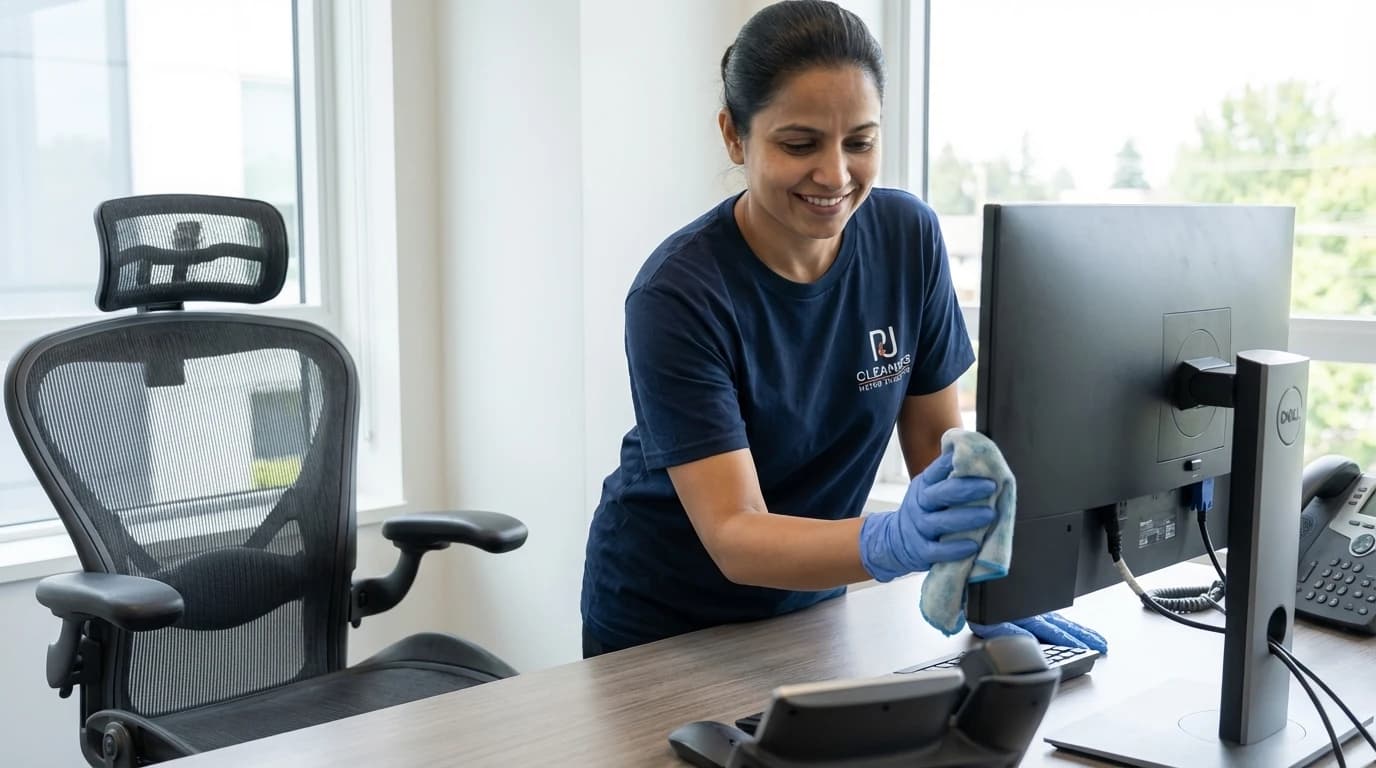
Workstation cleaning forms the foundation of office hygiene programs, directly impacting employee health and productivity. LEED standards require the use of Green Seal GS-37 certified all-purpose cleaners with pH-neutral formulations that avoid harsh solvents and volatile organic compounds. Microfibre cloths capture 99% of surface bacteria without chemical assistance, significantly reducing product consumption. Daily cleaning protocols should address high-touch surfaces including keyboards, mice, phones, and desk surfaces. The average office desk harbours 400 times more bacteria than a toilet seat according to University of Arizona research, making consistent cleaning essential for workplace health.
Proper workstation cleaning technique prevents cross-contamination while protecting sensitive electronics. Staff should use separate colour-coded microfibre cloths for different surface types, preventing bacteria transfer between workstations. Spray bottles should apply cleaning solution to cloths rather than directly onto surfaces, protecting electronic equipment from moisture damage. LEED protocols require documentation of cleaning frequencies and product usage to demonstrate compliance. Workstation cleaning typically occurs during off-hours to minimize disruption, though some organizations prefer visible daytime cleaning to reinforce hygiene awareness. Green cleaning programs reduce chemical exposure for both cleaning staff and office occupants, supporting healthier indoor environments.
- Use Green Seal GS-37 certified all-purpose cleaners with pH-neutral formulations for all hard surface cleaning
- Implement colour-coded microfibre cloth systems to prevent cross-contamination between workstations and surface types
- Clean high-touch surfaces including keyboards, mice, phones, and desk edges daily during off-peak hours
- Apply cleaning solutions to cloths rather than directly onto surfaces to protect electronic equipment from moisture
- Document cleaning frequencies and product usage in compliance logs to maintain LEED certification requirements
- Replace microfibre cloths after 500 wash cycles or when fibre degradation becomes visible to maintain effectiveness
Recommended Frequency
Daily
Reception and Common Areas
High-traffic common areas require frequent cleaning with focus on touchpoint sanitation and floor care using LEED-compliant equipment and products.
Reception areas and common spaces create first impressions while experiencing the highest traffic volumes in office environments. These zones require multiple daily cleaning passes to maintain appearance and hygiene standards. LEED certification requires the use of walk-off mats at all building entrances, capturing 80% of incoming dirt and moisture within the first 12 feet. Green cleaning protocols emphasize prevention over remediation, reducing the need for aggressive chemical treatments. Reception furniture, door handles, elevator buttons, and light switches require hourly attention during peak occupancy periods. The International Sanitary Supply Association reports that proper entrance matting reduces overall building cleaning costs by 40% through contamination prevention.
Floor care in common areas presents unique challenges requiring specialized green cleaning approaches. LEED standards mandate the use of high-efficiency equipment including automatic scrubbers with on-board dilution systems and HEPA-filtered vacuums. Traditional floor stripping and waxing processes release significant volatile organic compounds, prompting many LEED buildings to adopt alternative floor finishes. Microfibre dust mopping captures particulates without chemical treatments, improving indoor air quality while reducing product consumption. Common area cleaning schedules should align with occupancy patterns, concentrating resources during peak traffic periods. Green cleaning programs in high-traffic zones demonstrate that environmental responsibility and cleanliness standards are fully compatible when proper protocols are implemented.
- Install and maintain walk-off mats at all entrances extending minimum 12 feet to capture 80% of incoming contaminants
- Clean high-touch surfaces including door handles, elevator buttons, and light switches hourly during peak occupancy
- Use automatic scrubbers with on-board dilution systems to ensure proper chemical concentration and water conservation
- Implement microfibre dust mopping for hard floors to capture particulates without chemical treatments or air quality impact
- Schedule cleaning passes to align with traffic patterns, concentrating resources during peak usage periods
- Maintain entrance mats through weekly deep cleaning and replacement every 18-24 months to preserve effectiveness
Recommended Frequency
Multiple times daily
Restroom and Washroom Facilities
Restroom cleaning requires certified disinfectants and rigorous protocols to maintain hygiene while meeting LEED environmental standards and health regulations.
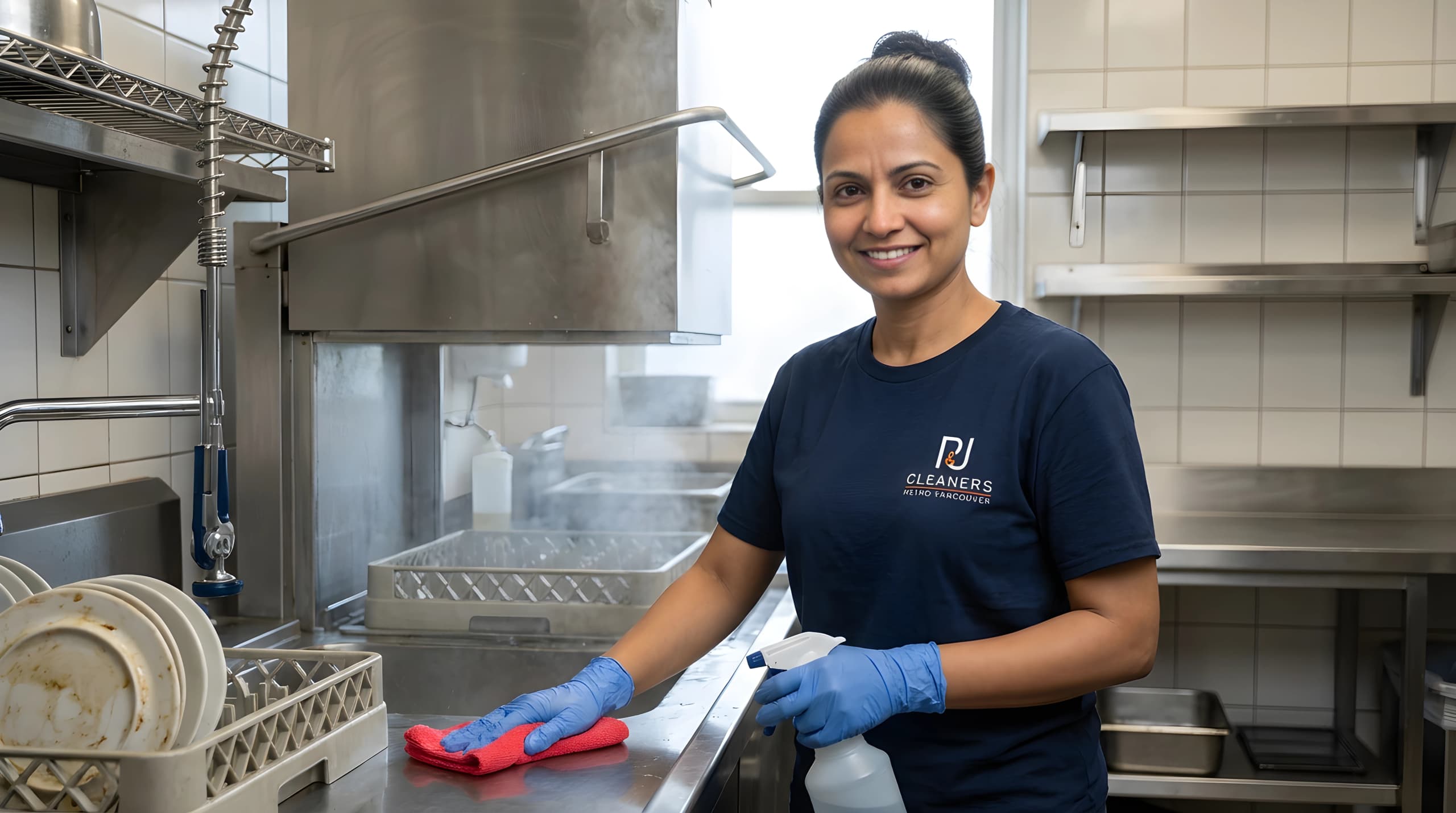
Restroom facilities demand the most stringent cleaning protocols in office environments, balancing hygiene requirements with environmental responsibility. LEED certification permits the use of EPA-registered disinfectants when necessary for health protection, though products must meet Green Seal GS-40 standards for institutional cleaners. Modern green disinfectants utilize hydrogen peroxide or citric acid formulations rather than quaternary ammonium compounds, reducing environmental impact while maintaining antimicrobial effectiveness. The CDC recommends cleaning restrooms minimum twice daily in office settings, with high-traffic facilities requiring hourly attention. Proper restroom hygiene prevents disease transmission while supporting overall building health. WorkSafeBC regulations require adequate ventilation during cleaning operations to protect staff from chemical exposure.
Water conservation represents a critical component of green restroom cleaning programs. Traditional mopping techniques consume 15-20 litres of water per restroom, while modern microfibre systems reduce usage to 2-3 litres with superior cleaning results. LEED protocols encourage the adoption of controlled-flow dispensing systems that eliminate chemical waste through precise dilution. Restroom cleaning staff require specialized training in bloodborne pathogen protection, chemical handling, and cross-contamination prevention. Colour-coded equipment systems ensure that restroom cleaning tools never contact other building areas, preventing bacterial transfer. Green cleaning programs demonstrate that environmental stewardship and rigorous hygiene standards are mutually reinforcing rather than conflicting objectives when proper protocols guide implementation.
- Use EPA-registered disinfectants meeting Green Seal GS-40 standards with hydrogen peroxide or citric acid formulations
- Implement colour-coded equipment systems ensuring restroom cleaning tools never contact other building areas
- Clean high-traffic restrooms minimum twice daily with hourly touchpoint sanitation during peak occupancy periods
- Adopt microfibre mopping systems reducing water consumption from 15-20 litres to 2-3 litres per restroom
- Provide staff training in bloodborne pathogen protection, chemical handling, and cross-contamination prevention protocols
- Maintain adequate ventilation during cleaning operations to protect staff from chemical exposure per WorkSafeBC requirements
Recommended Frequency
Twice daily minimum
Meeting and Conference Rooms
Meeting spaces require flexible cleaning schedules based on usage patterns, with emphasis on surface sanitation and air quality management between bookings.
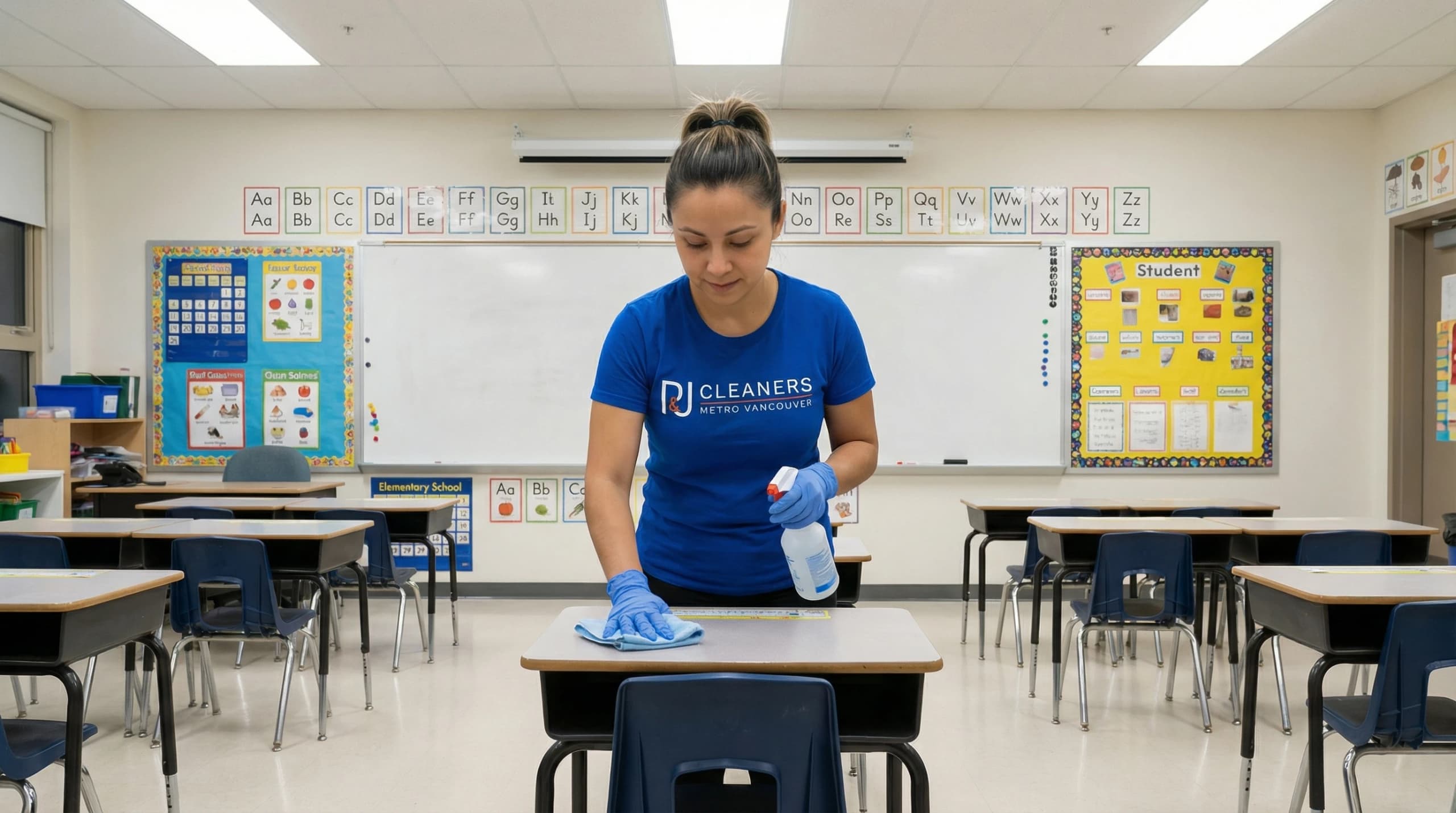
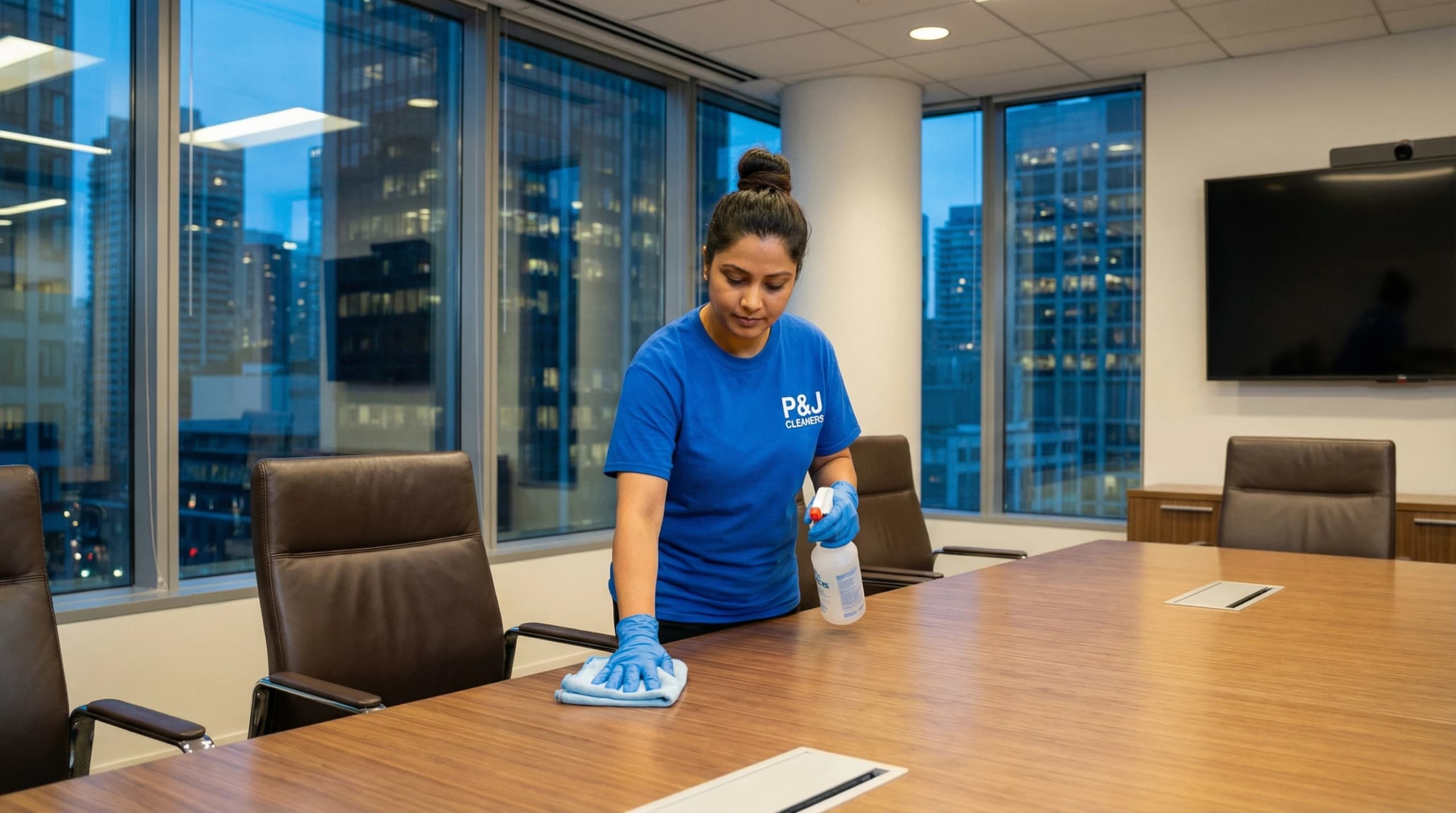
Meeting and conference rooms experience variable usage patterns requiring adaptive cleaning protocols. LEED standards encourage the implementation of room booking systems that trigger cleaning notifications, ensuring spaces receive attention between meetings rather than on fixed schedules. This approach optimizes resource allocation while maintaining hygiene standards. Conference tables, chairs, whiteboards, and presentation equipment require thorough cleaning after each use to prevent cross-contamination between user groups. The average meeting room accommodates 8-12 people generating significant surface contact and airborne particulates. Green cleaning protocols emphasize rapid turnover cleaning using microfibre technology and certified products that dry quickly without leaving residues or odours.
Indoor air quality management in meeting rooms presents unique challenges due to occupancy density and limited ventilation during extended sessions. LEED certification requires buildings to maintain CO2 levels below 1,000 parts per million, necessitating adequate air exchange between meetings. Green cleaning programs support air quality objectives by eliminating volatile organic compound emissions from cleaning products. Microfibre dusting of ventilation grilles and diffusers prevents particulate recirculation while HEPA vacuum systems capture allergens and contaminants. Meeting room cleaning should occur immediately after use when possible, preventing bacterial growth and odour development. Organizations implementing sensor-based cleaning protocols report 30% efficiency improvements compared to fixed-schedule approaches while maintaining superior hygiene standards.
- Implement room booking system integration triggering cleaning notifications to optimize resource allocation and hygiene
- Clean conference tables, chairs, and presentation equipment immediately after each meeting to prevent cross-contamination
- Use fast-drying Green Seal certified products that leave no residues or odours affecting subsequent meeting participants
- Dust ventilation grilles and diffusers weekly using microfibre technology to prevent particulate recirculation
- Maintain CO2 levels below 1,000 parts per million through adequate air exchange between meetings per LEED requirements
- Deploy HEPA vacuum systems for upholstered furniture capturing allergens and contaminants without air quality impact
Recommended Frequency
After each use
Kitchen and Break Room Areas
Food preparation areas require food-safe cleaning products and rigorous sanitation protocols to prevent contamination while maintaining environmental standards.
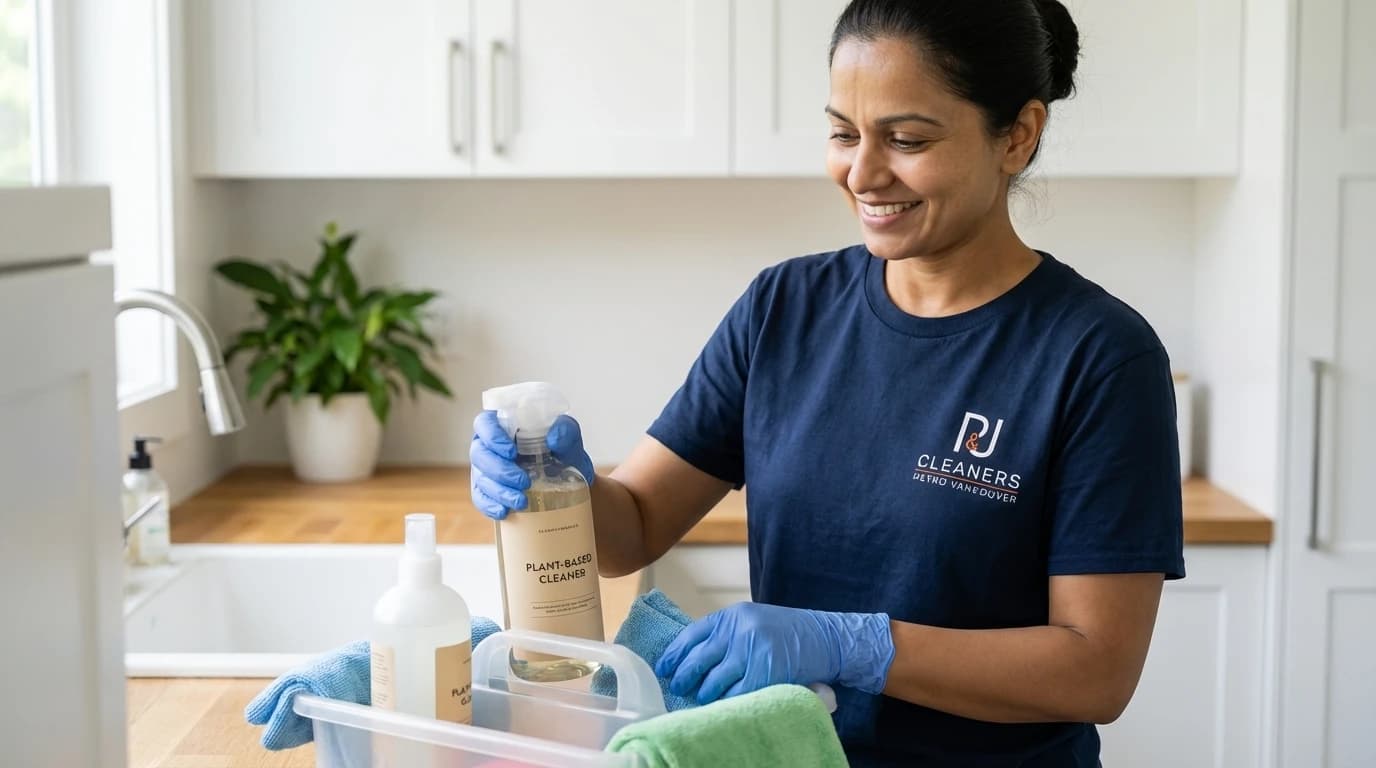
Kitchen and break room facilities present elevated contamination risks requiring specialized green cleaning approaches. LEED certification permits the use of food-safe sanitizers meeting NSF/ANSI Standard 184 for food contact surfaces. Modern green sanitizers utilize lactic acid or hydrogen peroxide formulations providing antimicrobial effectiveness without toxic residues. The BC Centre for Disease Control reports that 60% of foodborne illness outbreaks in commercial settings originate from contaminated surfaces rather than food products themselves. Refrigerator interiors, microwave ovens, coffee makers, and countertops require daily deep cleaning to prevent bacterial growth. Proper kitchen hygiene protects employee health while demonstrating organizational commitment to workplace safety and environmental responsibility.
Waste management in kitchen areas directly impacts LEED certification scores and environmental performance. Green cleaning programs implement comprehensive waste diversion systems separating organics, recyclables, and landfill materials. Metro Vancouver's organic waste ban requires commercial buildings to divert food scraps from garbage, making proper kitchen waste handling essential for regulatory compliance. Cleaning staff play critical roles in waste system success through proper sorting and contamination prevention. Kitchen cleaning schedules should align with usage patterns, with deep cleaning occurring during off-hours and touchpoint sanitation throughout the day. Organizations implementing green kitchen cleaning protocols report 40% reductions in waste disposal costs while improving hygiene standards and environmental outcomes.
- Use NSF/ANSI Standard 184 certified food-safe sanitizers with lactic acid or hydrogen peroxide formulations
- Clean refrigerator interiors, microwave ovens, and coffee makers daily to prevent bacterial growth and odour development
- Implement comprehensive waste diversion systems separating organics, recyclables, and landfill materials per Metro Vancouver requirements
- Sanitize food contact surfaces including countertops and tables after each use to prevent cross-contamination
- Empty and clean waste receptacles daily with focus on organic waste containers to prevent odour and pest attraction
- Provide staff training in food safety principles, proper sanitizer contact times, and waste sorting protocols
Recommended Frequency
Daily with touchpoint cleaning
Return on Investment for Green Office Cleaning
Green office cleaning programs deliver measurable financial returns through reduced costs, improved productivity, and enhanced property values while supporting LEED certification objectives.
The financial case for green office cleaning strengthens as organizations recognize the total cost of ownership extends beyond product pricing. While certified green cleaning products may carry 10-15% price premiums compared to conventional alternatives, reduced consumption rates and improved efficiency offset initial costs. Microfibre technology reduces chemical usage by 95%, generating immediate savings on product purchases and disposal fees. HEPA filtration vacuum systems reduce maintenance costs by 30% through improved dust capture and equipment longevity. The ISSA 612 Cleaning Industry Management Standard demonstrates that green cleaning programs reduce overall operational costs by 18-25% when properly implemented. These savings accumulate over time, creating compelling financial returns that justify initial investments in equipment and training.
Productivity improvements from green cleaning programs generate substantial indirect financial benefits. Research from Harvard's T.H. Chan School of Public Health demonstrates that improved indoor air quality increases cognitive function scores by 61% compared to conventional building environments. The WELL Building Standard reports that green cleaning programs reduce workplace absenteeism by 23% through improved health outcomes. For a 100-employee office with average salaries of $65,000, a 23% absenteeism reduction generates $149,500 in annual productivity gains. These benefits far exceed green cleaning program costs, which typically range from $2,500-4,500 annually for similar-sized offices. Property managers report that LEED-certified buildings with documented green cleaning programs achieve 7-17% rental premiums and 20% higher occupancy rates, directly impacting asset values and investment returns.
Long-term financial benefits of green cleaning programs include reduced liability exposure, improved regulatory compliance, and enhanced corporate reputation. Environmental regulations continue tightening across Canada, with provinces implementing extended producer responsibility programs and chemical restrictions. Organizations maintaining green cleaning programs position themselves ahead of regulatory requirements, avoiding costly retrofits and compliance penalties. The reputational benefits of environmental leadership attract quality tenants, employees, and customers who prioritize sustainability. ESG (Environmental, Social, Governance) investing now represents $30.7 trillion globally, with institutional investors scrutinizing corporate environmental performance. Green cleaning programs provide tangible evidence of environmental commitment, supporting positive ESG ratings and access to sustainable financing. The total return on investment for green office cleaning programs typically ranges from 200-350% over five-year periods when all direct and indirect benefits are considered.
Conventional Cleaning
- Product costs: $0.15-0.25 per square foot annually
- Equipment maintenance: $1,200-1,800 per year
- Staff training: $200-400 per employee annually
- Waste disposal: $800-1,200 per year
- Health-related absenteeism: 5.2 days per employee
- Indoor air quality complaints: 12-18 per year
- Regulatory compliance costs: $2,000-3,500 annually
- Total annual cost (10,000 sq ft): $28,000-35,000
Green Cleaning Program
- Product costs: $0.18-0.28 per square foot annually
- Equipment maintenance: $800-1,200 per year
- Staff training: $400-600 per employee annually
- Waste disposal: $300-500 per year
- Health-related absenteeism: 4.0 days per employee
- Indoor air quality complaints: 2-4 per year
- Regulatory compliance costs: $500-1,000 annually
- Total annual cost (10,000 sq ft): $24,000-29,000
$4,000-6,000
Annual Cost Savings
23% reduction in absenteeism
Productivity Improvement
95% decrease
Chemical Usage Reduction
30% longer lifespan
Equipment Longevity Increase
61% cognitive function increase
Indoor Air Quality Improvement
200-350%
Five-Year ROI
- Reduced chemical consumption through microfibre technology and controlled dispensing systems lowering product costs by 40-60%
- Improved equipment longevity with HEPA vacuum systems and automatic scrubbers lasting 30% longer than conventional alternatives
- Decreased workplace absenteeism by 23% through improved indoor air quality and reduced chemical exposure
- Enhanced cognitive function with 61% improvement in decision-making and productivity metrics per Harvard research
- Lower waste disposal costs achieving 75-85% landfill diversion through comprehensive recycling and composting programs
- Reduced liability exposure from chemical incidents and occupational health claims through safer product formulations
- Improved LEED certification scores supporting 7-17% rental premiums and 20% higher occupancy rates
- Enhanced corporate reputation attracting quality tenants, employees, and customers who prioritize environmental responsibility
LEED Green Cleaning Compliance Checklist
Maintain LEED certification and environmental performance through systematic compliance monitoring across all green cleaning program components. This checklist addresses LEED v4.1 Operations and Maintenance requirements.
Services mentioned in this article
Ready for help?
4.9 · 800+ Google reviewsReady for LEED-Compliant Office Cleaning?
P&J Cleaners delivers certified green cleaning programs that meet LEED standards while protecting employee health. Our eco-friendly protocols reduce environmental impact without compromising cleanliness.
778-720-2224Green Office Cleaning Questions
What are office cleaning standards?
Office cleaning standards include ISSA Clean Standard guidelines requiring high-touch surface disinfection every 24 hours, restroom sanitization twice daily, and floor maintenance weekly. LEED-certified buildings must use Green Seal or EcoLogo products, implement waste diversion programs achieving 75% recycling rates, and maintain indoor air quality below 50 µg/m³ particulate levels. WorkSafeBC mandates proper chemical handling, ventilation during cleaning, and staff training on hazardous materials.
How often should office areas be cleaned?
High-traffic zones require daily cleaning including lobbies, elevators, and shared kitchens. Workstations need weekly dusting and monthly deep cleaning. Restrooms require twice-daily sanitization in offices with 50+ occupants. LEED buildings follow enhanced schedules with daily microfiber mopping, weekly HEPA vacuuming, and quarterly deep extraction cleaning. Conference rooms need same-day cleaning after meetings. Statistics Canada reports offices with daily cleaning protocols see 32% fewer sick days annually.
What compliance rules apply to office cleaning?
BC WorkSafeBC requires WHMIS training for all cleaning staff, proper chemical storage, and Safety Data Sheets accessible on-site. LEED certification mandates third-party verified green products, waste tracking documentation, and annual indoor air quality testing. City of Vancouver bylaws require commercial waste separation with contamination rates below 5%. Federal accessibility standards under the Accessible Canada Act require barrier-free cleaning schedules that don't disrupt workplace accommodation needs.
How much does office cleaning cost?
Office cleaning costs range from $40-$65 per hour in Metro Vancouver depending on building size and service frequency. Standard contracts average $0.15-$0.25 per square foot for daily service, while LEED-compliant green cleaning adds 15-20% premium for certified products and specialized training. A typical 5,000 sq ft office pays $750-$1,250 monthly for thrice-weekly service. Deep cleaning projects cost $0.40-$0.60 per square foot quarterly.
Meet the Author
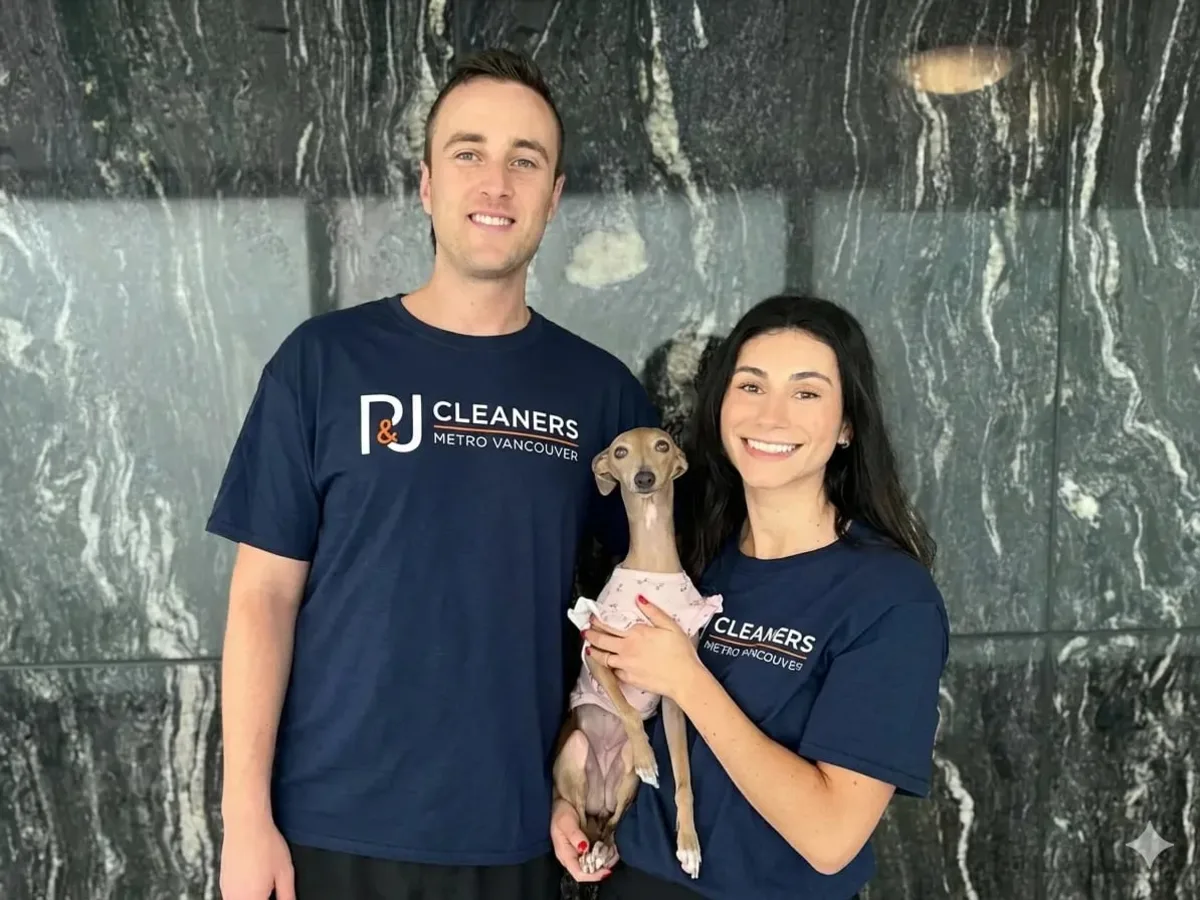
Jason
Co-Founder
Jason oversees commercial operations, workflow design, and quality control for office, restaurant, and specialty cleaning programs across Metro Vancouver.
Keep Exploring