

Industry Overview
Food Safety Standards in Canadian Restaurant Kitchens
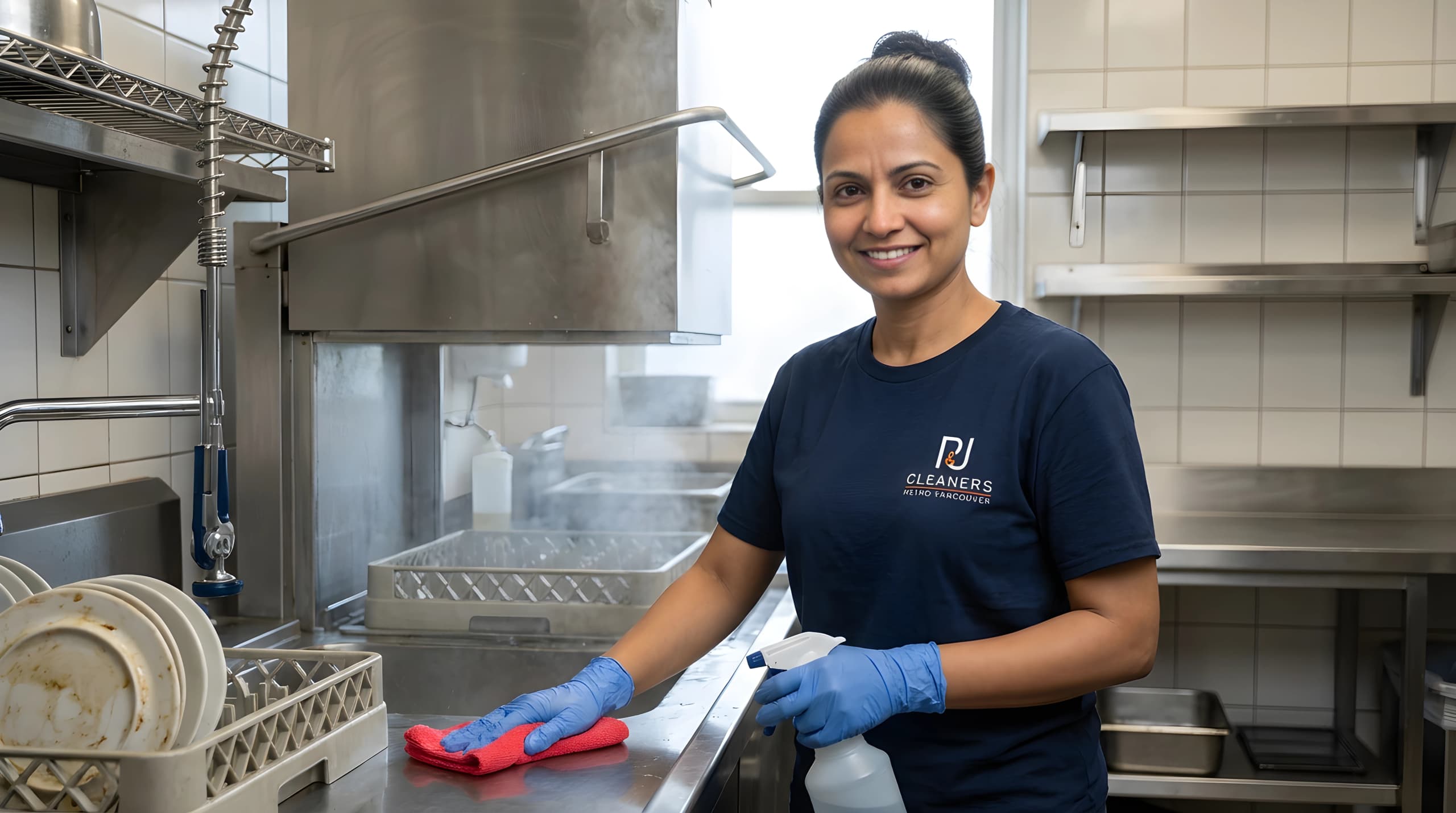
Canadian restaurant kitchens operate under strict food safety regulations enforced by provincial health authorities and guided by Health Canada's Food Premises Regulation. These standards mandate specific cleaning protocols, approved sanitizer formulations, and documented hygiene procedures to prevent foodborne illness outbreaks. The BC Centre for Disease Control reports that improper cleaning and sanitization contribute to 62% of restaurant-related food safety violations during health inspections. Vancouver Coastal Health conducts unannounced inspections at food establishments, with critical infractions resulting in immediate closure orders until compliance is restored.
Food-safe cleaning products differ fundamentally from general-purpose cleaners through their formulation chemistry, regulatory approval process, and performance validation. Products approved for food-contact surfaces must demonstrate efficacy against specific pathogens including Salmonella, E. coli, Listeria monocytogenes, and norovirus while leaving no harmful residues that could contaminate food. Health Canada's Natural and Non-prescription Health Products Directorate issues Drug Identification Numbers (DIN) only after rigorous testing confirms both antimicrobial performance and human safety profiles. Restaurant operators face legal liability for foodborne illness outbreaks traced to inadequate cleaning practices or unapproved chemical use.
The Canadian restaurant industry generates $93 billion in annual revenue while employing over 1.2 million workers, according to Restaurants Canada. Food safety incidents carry severe financial consequences beyond immediate health risks: the average foodborne illness outbreak costs restaurants $75,000 in lost revenue, legal fees, and reputation damage. WorkSafeBC data shows that proper cleaning protocols reduce workplace injuries by 34% through elimination of slip hazards and chemical exposure incidents. Metro Vancouver's 13,000 food service establishments must maintain cleaning documentation for health inspector review, with non-compliance resulting in fines ranging from $500 to $50,000 depending on violation severity.
62%
Food Safety Violations from Poor Cleaning
Source: BC Centre for Disease Control
$75,000
Average Outbreak Cost to Restaurants
Source: Canadian Food Inspection Agency
34%
Workplace Injury Reduction with Proper Protocols
Source: WorkSafeBC
13,000+
Metro Vancouver Food Service Establishments
Source: City of Vancouver Business Licensing
$93B
Canadian Restaurant Industry Annual Revenue
Source: Restaurants Canada
Compliance priorities
All sanitizers must display valid Health Canada DIN numbers proving antimicrobial efficacy against specified pathogens • Food-contact surfaces require sanitization after cleaning, achieving 99.9% pathogen reduction within manufacturer-specified contact time • Cleaning chemical Safety Data Sheets (SDS) must be accessible to all staff, with WHMIS training documented annually • Colour-coded cleaning tools prevent cross-contamination between raw, cooked, produce, and dry storage areas • Three-compartment sink procedures mandate 15-second minimum contact time for chemical sanitizers at proper concentrations • Daily cleaning logs document surface sanitization, equipment maintenance, and chemical concentration testing results
Essential Food-Safe Cleaning Products by Kitchen Zone
Restaurant kitchens require zone-specific cleaning protocols using approved products matched to surface types, contamination risks, and regulatory requirements. Each zone demands distinct chemical formulations, application methods, and contact times to achieve Health Canada compliance.
Food-Contact Surface Sanitizers
Cutting boards, prep tables, and utensils require sanitizers that eliminate pathogens without leaving toxic residues that could contaminate food during subsequent use.
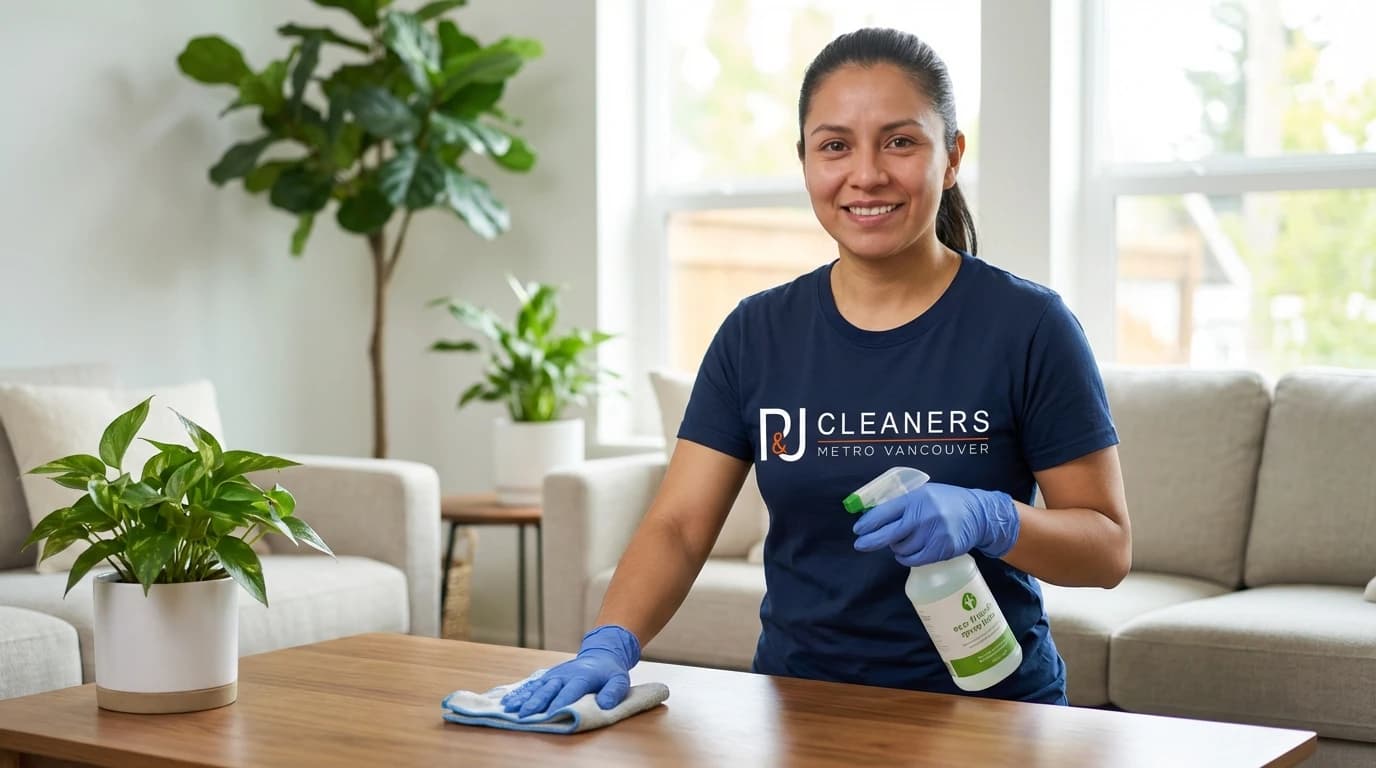
Quaternary ammonium compounds (quats) represent the most widely used food-contact sanitizers in Canadian restaurants due to their broad-spectrum antimicrobial activity, stability in hard water, and non-corrosive properties. Health Canada-approved quat sanitizers at 200-400 parts per million (ppm) concentration achieve 99.9% reduction of Salmonella, E. coli, and Listeria within 30 seconds of contact time. These products remain effective across pH ranges of 6-10 and maintain antimicrobial activity in the presence of organic soil, unlike chlorine-based alternatives that degrade rapidly when contaminated with food residues. Test strips verify proper concentration before each use, with solutions replaced when readings fall below minimum effective levels.
Chlorine bleach solutions provide cost-effective sanitization for non-porous food-contact surfaces when mixed to 50-200 ppm concentration, though their effectiveness diminishes in the presence of organic matter and hard water minerals. Vancouver's municipal water hardness averages 35 parts per million calcium carbonate, requiring concentration adjustments to maintain efficacy. Chlorine sanitizers must be prepared fresh every four hours as antimicrobial potency degrades through exposure to light, heat, and air. Food service operators prefer quats for general use while reserving chlorine solutions for specific applications like produce washing and emergency sanitization after contamination incidents.
Peroxyacetic acid (PAA) sanitizers offer advantages for automated cleaning systems and cold-water applications, maintaining effectiveness at temperatures as low as 4°C where quat and chlorine performance declines. PAA products approved by Health Canada decompose into acetic acid, oxygen, and water, leaving no harmful residues on food-contact surfaces. These sanitizers work effectively against biofilms that harbour persistent pathogens in hard-to-reach equipment crevices. Professional restaurant cleaning services use PAA formulations for deep cleaning of ice machines, beverage dispensers, and refrigeration units where traditional sanitizers prove less effective.
- Test sanitizer concentration before each use with appropriate test strips, replacing solutions that fall below minimum effective levels
- Allow 30-second minimum contact time for quat sanitizers, 7 seconds for chlorine at 50-200 ppm, 15 seconds for PAA formulations
- Air-dry sanitized surfaces rather than wiping with towels that could reintroduce contamination from improper storage
- Store concentrated sanitizers in original containers away from food storage areas, following WHMIS labelling requirements
- Replace quat sanitizer solutions every 4 hours or when visibly soiled, chlorine solutions every 2 hours due to degradation
- Maintain water temperature between 24-49°C for optimal quat performance, avoiding hot water that accelerates chemical breakdown
Recommended Frequency
After each use, minimum every 4 hours during continuous operation
Heavy-Duty Degreasers for Cooking Equipment
Grills, fryers, ovens, and exhaust hoods accumulate carbonized grease that requires alkaline degreasers strong enough to break down polymerized fats without damaging equipment surfaces.
Alkaline degreasers with pH levels between 11-14 dissolve protein-based soils and saponify fats through chemical reaction, converting greasy residues into water-soluble compounds that rinse away cleanly. Food-safe formulations approved for kitchen use contain sodium hydroxide or potassium hydroxide as active ingredients, with surfactants that enhance penetration into carbonized deposits. These products require careful handling due to their caustic nature: staff must wear chemical-resistant gloves, eye protection, and aprons during application. Vancouver Coastal Health mandates that all degreasing chemicals used in food preparation areas carry Health Canada approval and display proper hazard warnings.
Enzymatic degreasers offer a safer alternative for routine maintenance cleaning, using biological catalysts that break down fats, proteins, and starches without harsh alkaline chemistry. These products work more slowly than caustic degreasers but provide effective cleaning for daily equipment maintenance between deep cleaning sessions. Enzyme formulations remain active for 10-15 minutes after application, requiring adequate dwell time before rinsing. Restaurant operators use enzymatic products for overnight soaking of removable equipment parts, allowing biological action to dissolve baked-on residues that would otherwise require aggressive scrubbing.
Solvent-based degreasers containing d-limonene or other citrus-derived compounds cut through heavy grease deposits while offering pleasant scent profiles that improve kitchen air quality. These products work particularly well on stainless steel surfaces, leaving streak-free finishes without the dulling effects of alkaline cleaners. Food-safe solvent degreasers must be rinsed thoroughly before surfaces contact food, as residual solvents can impart off-flavours. Professional cleaning services apply solvent degreasers to exhaust hood interiors, where grease accumulation creates fire hazards that contribute to 61% of restaurant fires according to the National Fire Protection Association.
- Apply alkaline degreasers to cool equipment surfaces to prevent rapid evaporation that reduces contact time and effectiveness
- Allow 5-10 minute dwell time for heavy grease deposits, using scrub brushes to agitate stubborn carbonized areas
- Rinse degreased surfaces thoroughly with potable water, followed by sanitizer application before food contact resumes
- Ventilate kitchen areas during degreaser application to prevent vapour accumulation that could irritate respiratory systems
- Use enzymatic degreasers for daily maintenance, reserving caustic alkaline products for weekly deep cleaning sessions
- Neutralize alkaline degreaser residues with acidic rinse agents before sanitization to optimize antimicrobial effectiveness
Recommended Frequency
Daily for cooking surfaces, weekly deep cleaning for ovens and fryers, monthly for exhaust systems
Non-Slip Floor Cleaners and Degreasers
Restaurant kitchen floors require specialized cleaning products that remove grease and food soils while maintaining slip-resistant surface textures that prevent workplace injuries.
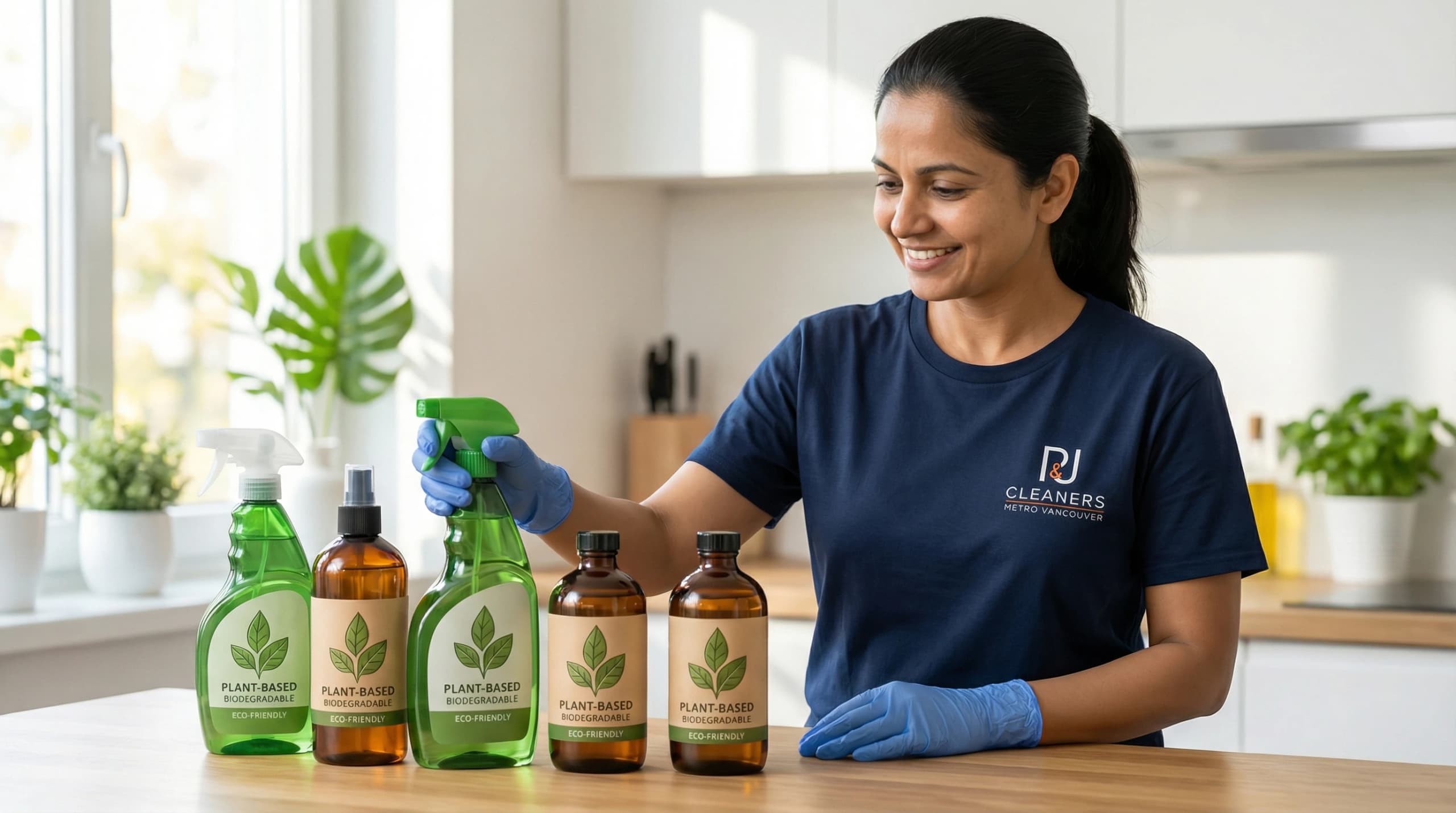
Neutral pH floor cleaners formulated for food service environments balance effective soil removal with surface safety, avoiding the slippery residues left by improper product selection. These cleaners contain surfactants that emulsify grease without creating the soap film that increases slip hazards on quarry tile and sealed concrete floors. WorkSafeBC regulations require restaurants to maintain coefficient of friction (COF) values above 0.5 on kitchen floors, with regular testing to verify slip resistance. Floor cleaning products must be rinsed thoroughly, as residual cleaner films reduce traction and accumulate soil more rapidly than properly maintained surfaces.
Enzymatic floor cleaners target the organic soils that accumulate in grout lines and textured floor surfaces, using biological action to break down proteins and fats that traditional mopping cannot remove. These products work particularly well for overnight floor treatment, allowing extended contact time for enzymes to penetrate porous surfaces. Restaurant operators apply enzymatic cleaners after closing, allowing 30-60 minute dwell time before scrubbing with automatic floor machines. This approach reduces the frequency of intensive stripping and resealing procedures that disrupt operations and expose staff to harsh chemical vapours.
Degreasing floor cleaners with alkaline formulations remove heavy grease accumulation from high-traffic cooking areas, though they require careful rinsing to prevent residue buildup. These products work best when applied through automatic scrubbers that agitate soil while simultaneously extracting dirty solution, leaving floors cleaner and drier than traditional mop-and-bucket methods. Professional restaurant cleaning services use truck-mounted extraction equipment for quarterly deep cleaning, removing embedded soils that daily maintenance cannot address. This intensive cleaning restores slip resistance and eliminates odour-causing bacteria that colonize porous floor surfaces.
- Sweep and remove loose debris before wet cleaning to prevent soil redistribution and drain clogging
- Use automatic scrubbers with appropriate pad selection: red pads for heavy soil, blue for routine cleaning, white for polishing
- Maintain mop water temperature between 43-49°C for optimal cleaning performance without creating excessive steam
- Change mop water every 200-300 square feet to prevent redepositing soil onto cleaned areas
- Apply 'wet floor' signage during and after cleaning until surfaces dry completely, typically 15-20 minutes with proper ventilation
- Test floor slip resistance quarterly using tribometer measurements, addressing any areas below 0.5 COF threshold
Recommended Frequency
Multiple times daily in cooking areas, end-of-shift complete floor cleaning, weekly machine scrubbing
Restroom Disinfectants and Odour Control
Restaurant restrooms require hospital-grade disinfectants that eliminate pathogens while controlling odours, protecting both customer experience and staff health.
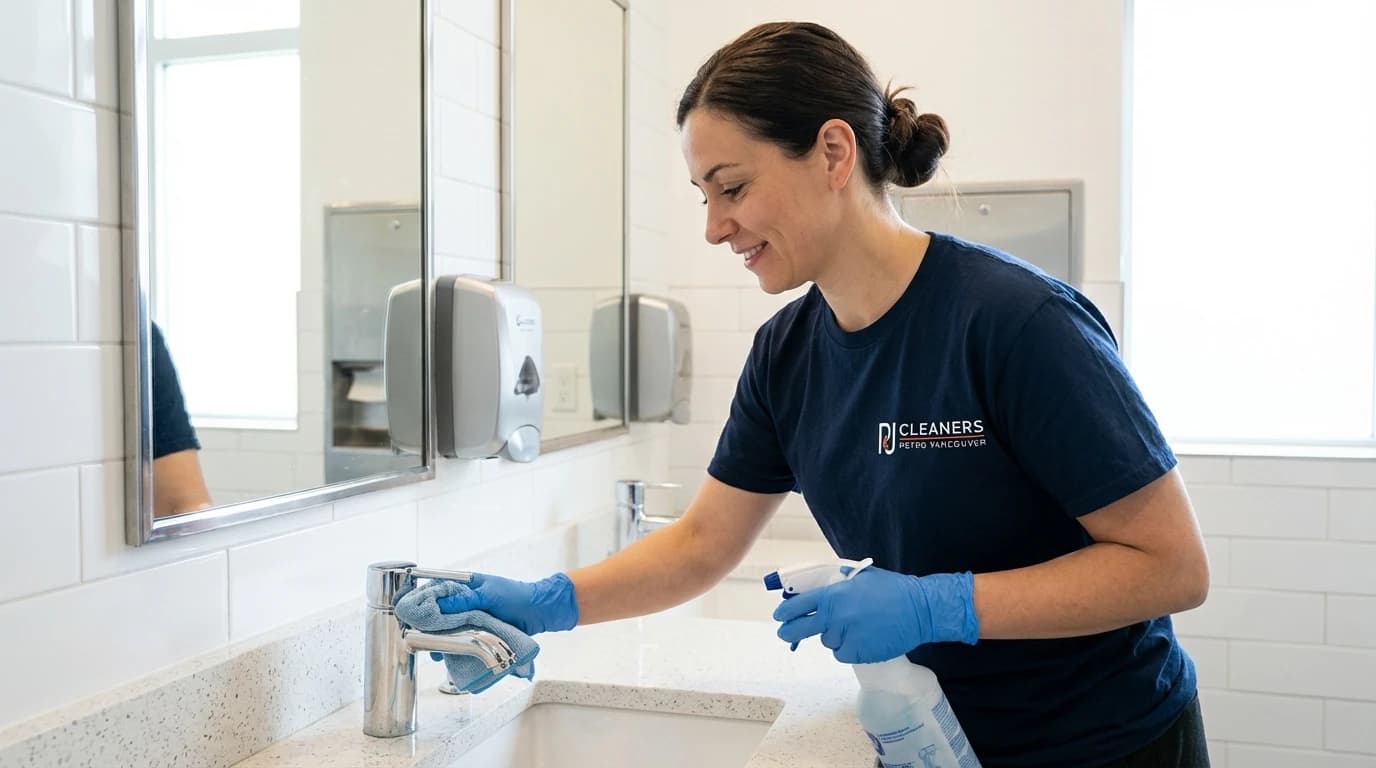
Broad-spectrum disinfectants approved by Health Canada for use in food establishments must demonstrate efficacy against bacteria, viruses, and fungi that thrive in restroom environments. Products displaying DIN numbers with specific pathogen kill claims provide legal protection for restaurant operators facing liability from disease transmission. Quaternary ammonium disinfectants at higher concentrations (400-800 ppm) than food-contact sanitizers eliminate norovirus, influenza, and other pathogens that spread through restroom surfaces. These products require 10-minute contact time for full disinfection, though many formulations achieve bacterial reduction within 30 seconds for routine cleaning between deep disinfection cycles.
Hydrogen peroxide-based disinfectants offer advantages for restroom cleaning through their oxidizing action that destroys organic soils while eliminating odours at the molecular level. These products break down into water and oxygen, leaving no harmful residues that could affect indoor air quality in poorly ventilated restroom spaces. Accelerated hydrogen peroxide (AHP) formulations achieve broad-spectrum disinfection in 1-5 minutes, significantly faster than traditional quat products. Restaurant operators appreciate AHP's safety profile, which reduces chemical exposure risks for cleaning staff while maintaining the antimicrobial performance required by health regulations.
Enzymatic restroom cleaners address the organic soils that cause persistent odours in grout, drains, and porous surfaces where bacteria colonize and produce malodorous compounds. These products contain bacterial cultures that consume uric acid deposits, eliminating odour sources rather than masking them with fragrances. Professional cleaning services apply enzymatic treatments to restroom floors and drains during overnight deep cleaning, allowing biological action to break down accumulated soils. This approach reduces the frequency of harsh acid cleaner use that can damage grout and fixture finishes over time.
- Apply disinfectants to pre-cleaned surfaces, as organic soil interferes with antimicrobial activity and reduces effectiveness
- Maintain required contact time before wiping surfaces, using wall-mounted timers to ensure compliance with product specifications
- Clean high-touch surfaces (door handles, faucets, toilet flush handles) every 2 hours during peak service periods
- Use separate cleaning tools for restrooms versus food preparation areas, storing them in designated locations to prevent cross-contamination
- Ventilate restrooms during and after chemical application, running exhaust fans continuously to remove vapours
- Document restroom cleaning frequency and disinfectant contact times in daily logs for health inspector review
Recommended Frequency
Every 2 hours during service, complete disinfection after closing, deep cleaning weekly
Streak-Free Glass and Surface Cleaners
Dining area windows, mirrors, and glass partitions require cleaners that remove fingerprints and smudges without leaving residues that attract soil or create visual distractions.
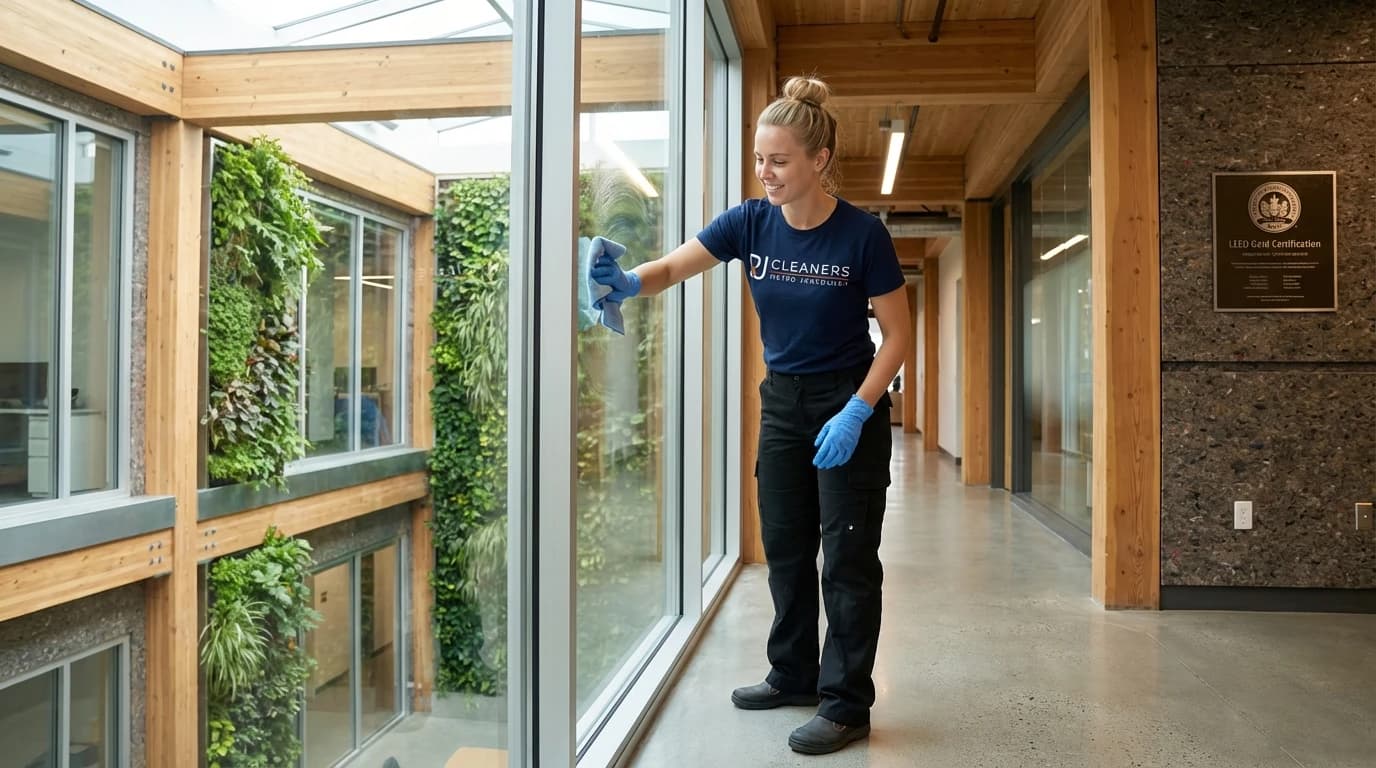
Alcohol-based glass cleaners provide rapid evaporation that prevents streaking while cutting through oily fingerprints and atmospheric soils that accumulate on windows and mirrors. Food-safe formulations use isopropyl alcohol or ethanol as solvents, avoiding ammonia compounds that can contaminate food if overspray reaches preparation areas. These products work effectively in cold temperatures, making them suitable for cleaning refrigerated display cases and walk-in cooler windows. Restaurant operators prefer alcohol-based cleaners for front-of-house applications where appearance directly impacts customer perception of cleanliness and food safety standards.
Microfibre cleaning systems reduce chemical usage while achieving superior glass cleaning results through mechanical soil removal rather than chemical dissolution. These reusable cloths contain fibres 1/100th the diameter of human hair, creating millions of tiny hooks that capture and hold soil particles. Professional cleaning services use colour-coded microfibre cloths to prevent cross-contamination: blue for glass and mirrors, green for food service areas, yellow for restrooms. Proper laundering maintains microfibre effectiveness: hot water washing without fabric softener, which coats fibres and reduces their soil-capturing ability.
Vinegar-based glass cleaners offer eco-friendly alternatives that appeal to restaurants promoting sustainability initiatives, though their performance on heavy soils may require additional effort compared to alcohol formulations. These products use acetic acid to dissolve mineral deposits and cut through light grease, leaving surfaces streak-free when applied with proper technique. Restaurant operators combine vinegar cleaners with microfibre cloths for daily maintenance, reserving stronger alcohol-based products for deep cleaning sessions. This approach reduces chemical costs while maintaining the visual standards customers expect in dining environments.
- Apply glass cleaner in thin, even coats to prevent excess solution that causes streaking and dripping
- Wipe in overlapping horizontal strokes followed by vertical passes to ensure complete coverage without missed spots
- Clean glass surfaces during cooler parts of the day to prevent rapid evaporation that leaves residue streaks
- Replace microfibre cloths when they become saturated with soil, using clean sections for each window or mirror
- Avoid cleaning windows in direct sunlight, which accelerates drying and increases likelihood of visible streaking
- Launder microfibre cloths separately from cotton towels to prevent lint transfer that reduces cleaning effectiveness
Recommended Frequency
Multiple times daily for high-touch glass surfaces, complete window cleaning weekly or as needed
Cost Analysis: Professional vs. In-House Restaurant Cleaning
Restaurant operators must evaluate the total cost of ownership for cleaning programs, considering labour, products, equipment, training, and compliance risks when comparing professional services to in-house staff.
Professional restaurant cleaning services charge $45-$85 per hour depending on kitchen size, service frequency, and specialized requirements like hood cleaning or equipment maintenance. A typical 2,500 square foot restaurant kitchen requires 3-4 hours for daily cleaning, 6-8 hours for weekly deep cleaning, and 12-16 hours for monthly comprehensive sanitization. Annual professional cleaning costs range from $18,000-$45,000 depending on service level, with additional charges for specialized services like grease trap maintenance ($200-$400 per service) and exhaust system cleaning ($800-$2,500 quarterly). These costs include all labour, products, equipment, and liability insurance, providing predictable budgeting without capital equipment investment.
In-house cleaning programs require dedicated staff earning $17-$22 per hour plus benefits, typically adding 25-35% to base wages for payroll taxes, workers compensation, and health coverage. A restaurant employing two cleaning staff for 4 hours daily incurs annual labour costs of $35,000-$50,000 before considering product purchases, equipment maintenance, and training expenses. Chemical costs average $200-$400 monthly for approved food-safe products, while equipment purchases (floor machines, extractors, pressure washers) require $5,000-$15,000 initial investment plus ongoing maintenance. BC's Food Premises Regulation also requires the operator to hold a FOODSAFE certificate or its equivalent and, when the operator is absent, at least one employee on site to hold one, so staffing changes need to be planned around certified coverage.
Hidden costs of inadequate cleaning programs include health inspection failures ($500-$50,000 fines), temporary closure orders (average $8,000 daily revenue loss), and foodborne illness liability claims averaging $75,000 per incident. WorkSafeBC penalties for chemical safety violations range from $500-$10,000, while slip-and-fall injuries cost restaurants an average of $28,000 in medical expenses and lost productivity. Professional cleaning services transfer these liability risks through comprehensive insurance coverage, while providing documented compliance that satisfies health inspector requirements. The Canadian Restaurant and Foodservices Association reports that establishments using professional cleaning services experience 47% fewer health code violations compared to those relying solely on in-house staff.
Professional Cleaning Service
- $45-$85 per hour all-inclusive rate
- No equipment purchase required
- Products and supplies included
- Liability insurance coverage provided
- Consistent quality and compliance
- Flexible scheduling around operations
- Specialized equipment and expertise
- Documented cleaning protocols
- Annual cost: $18,000-$45,000
In-House Cleaning Staff
- $17-$22 per hour plus 25-35% benefits
- $5,000-$15,000 equipment investment
- $200-$400 monthly product costs
- Restaurant assumes all liability
- Quality varies with staff turnover
- Limited by staff availability
- Training required for proper techniques
- Manual documentation burden
- Annual cost: $40,000-$65,000
47%
Health Code Violation Reduction
$75,000
Average Foodborne Illness Claim Cost
$8,000
Daily Revenue Loss During Closure
About 4 million (1 in 8)
Canadians Affected by Food-Borne Illness Each Year
$28,000
Average Slip-Fall Injury Cost
$18K-$45K
Professional Service Annual Cost Range
- Eliminate capital equipment purchases and ongoing maintenance costs for specialized cleaning machinery
- Transfer liability risks for chemical safety, slip-fall incidents, and foodborne illness prevention to insured professionals
- Access specialized expertise for hood cleaning, grease trap maintenance, and equipment sanitization
- Reduce management time spent on cleaning staff scheduling, training, and performance monitoring
- Maintain consistent cleaning quality despite high staff turnover rates typical in food service industry
- Ensure compliance with evolving health regulations through professional knowledge of current standards
- Improve health inspection scores through documented cleaning protocols and proper product selection
- Extend equipment lifespan through proper maintenance cleaning that prevents corrosion and buildup damage
Restaurant Cleaning Compliance Checklist
Use this comprehensive checklist to verify that your restaurant cleaning program meets Health Canada standards, provincial health authority requirements, and WorkSafeBC safety regulations. Regular compliance audits prevent violations and protect your business from closure orders.
Services mentioned in this article
Ready for help?
4.9 · 800+ Google reviewsKeep Your Kitchen Health Canada Compliant
P&J Cleaners uses only approved food-safe products and follows BC Health Authority protocols. Our restaurant cleaning programs maintain inspection-ready standards daily.
778-720-2224Common Questions About Food-Safe Cleaning Products
What are restaurant cleaning standards?
Restaurant cleaning standards in BC require food contact surfaces sanitized every 4 hours during operation, non-food surfaces cleaned daily, and deep cleaning weekly. Health Canada mandates sanitizers with 200 ppm chlorine or 25 ppm quaternary ammonium compounds. Vancouver Coastal Health conducts unannounced inspections using a 100-point system where scores below 70 trigger immediate closure. All cleaning products must carry DIN numbers proving Health Canada approval for food service use.
How often should restaurant areas be cleaned?
Food prep surfaces require sanitizing every 4 hours and between different food types to prevent cross-contamination. Floors need sweeping hourly during service and mopping at closing. Cooking equipment gets daily degreasing while exhaust hoods require monthly deep cleaning per WorkSafeBC fire safety regulations. Washrooms need checking every 2 hours during peak service. Walk-in coolers and freezers require weekly sanitizing. BC Health Authority guidelines specify these minimum frequencies to maintain food safety certification.
What compliance rules apply to restaurant cleaning?
BC Food Premises Regulation requires written cleaning schedules, staff training documentation, and chemical safety data sheets accessible to all employees. Sanitizers must achieve 99.999% bacterial reduction within 30 seconds on food contact surfaces. Temperature logs prove dishwashers reach 82°C for sanitizing. WorkSafeBC mandates proper ventilation when using chemical cleaners and requires gloves rated for food service chemicals. Vancouver business licences depend on passing health inspections that verify compliance with these cleaning protocols.
How much does restaurant cleaning cost?
Professional restaurant cleaning in Metro Vancouver costs $45-$85 per hour depending on kitchen size and service frequency. Daily light cleaning for a 2,000 sq ft restaurant runs $200-$350 monthly. Deep cleaning including hood systems costs $800-$1,500 quarterly. Food-safe cleaning products add $150-$300 monthly for supplies. Many restaurants save 30% by scheduling regular professional service versus emergency deep cleans before health inspections. P&J Cleaners offers customized programs with transparent pricing and Health Canada-approved products included.
Meet the Author
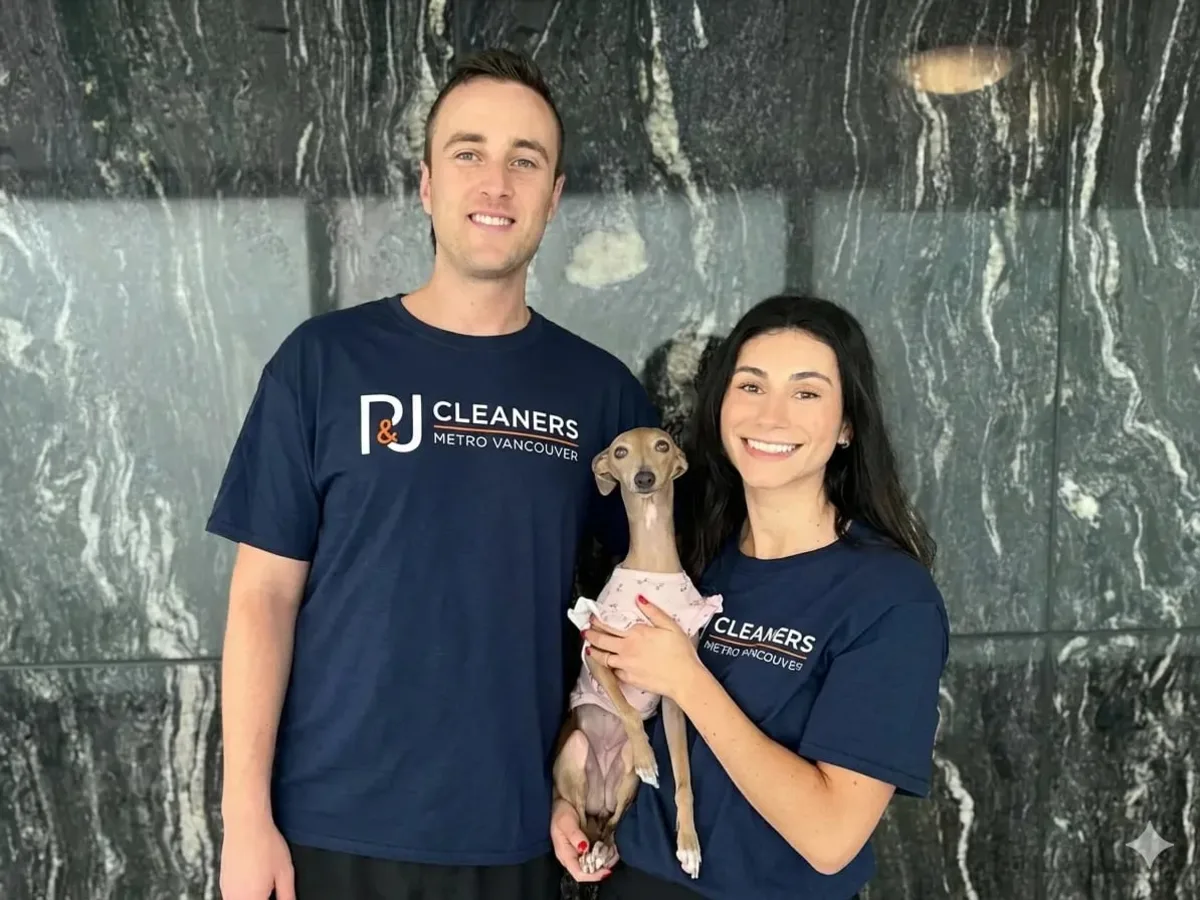
Jason
Co-Founder
Jason oversees commercial operations, workflow design, and quality control for office, restaurant, and specialty cleaning programs across Metro Vancouver.
Keep Exploring