

Industry Overview
Retail Hygiene Standards in British Columbia
Retail cleaning in British Columbia operates under strict provincial health regulations that govern both customer-facing spaces and back-of-house areas. The BC Health Authority requires retailers to maintain documented cleaning schedules, use approved disinfectants, and ensure proper ventilation in all enclosed spaces including fitting rooms and restrooms. These standards apply to all retail establishments regardless of size, from boutique shops to large department stores. Compliance inspections can occur without notice, and violations result in public health orders that must be posted visibly in-store. Statistics Canada reports that Metro Vancouver hosts over 12,000 retail establishments, with clothing and accessory stores representing 28% of this total. The competitive retail landscape means hygiene standards directly influence customer retention and brand perception.
Fitting rooms and restrooms present unique cleaning challenges due to high traffic volumes, confined spaces, and frequent surface contact. Research from the International Sanitary Supply Association shows that retail restrooms experience an average of 150-300 visits per day in medium-traffic stores, with peak periods seeing visits every 2-3 minutes. Fitting rooms in clothing stores average 40-80 uses daily, with each session lasting 5-8 minutes and involving contact with mirrors, hooks, benches, walls, and door hardware. The enclosed nature of these spaces accelerates odour accumulation and requires enhanced ventilation protocols. WorkSafeBC mandates that retail employers provide clean, sanitary facilities for both customers and staff, with specific requirements for soap dispensers, paper towel availability, and waste receptacle placement.
The financial impact of poor retail hygiene extends beyond regulatory compliance. A 2024 study by the Retail Council of Canada found that 67% of shoppers would avoid returning to a store with visibly dirty restrooms, while 43% reported leaving stores immediately upon encountering unclean fitting rooms. Customer reviews mentioning cleanliness issues reduce foot traffic by an average of 18% within three months of posting. Conversely, retailers maintaining exceptional hygiene standards see 12-15% higher customer satisfaction scores and 8% longer average shopping durations. Professional cleaning programs cost $800-$2,400 monthly for typical retail spaces but generate returns through reduced product damage, lower return rates, and improved brand reputation. Insurance providers also offer premium reductions of 5-10% for retailers with documented professional cleaning contracts.
150-300 visits
Daily Restroom Visits (Medium-Traffic Store)
Source: ISSA
67%
Shoppers Avoiding Stores with Dirty Restrooms
Source: Retail Council of Canada
12,000+
Metro Vancouver Retail Establishments
Source: Statistics Canada
23%
Product Return Reduction with Proper Fitting Room Hygiene
Source: ISSA
15 CFM
Required Ventilation Rate per Person
Source: BC Health Authority
Compliance priorities
Maintain visible cleaning logs with timestamps for all public restrooms and fitting rooms as required by BC Health Authority • Use only EPA-registered disinfectants with minimum 30-second contact time for high-touch surfaces in customer areas • Ensure ventilation systems provide minimum 15 cubic feet per minute (CFM) of fresh air per person in enclosed spaces • Post multilingual hygiene signage in restrooms reminding customers of proper handwashing procedures per WorkSafeBC guidelines • Conduct documented deep cleaning of all retail spaces weekly, including grout lines, baseboards, and ventilation grilles • Provide adequate handwashing facilities with hot and cold running water, liquid soap dispensers, and single-use towels or air dryers
Zone-Specific Cleaning Protocols for Retail Spaces
Effective retail cleaning requires zone-based protocols that address the unique contamination risks and traffic patterns of each area. Fitting rooms and restrooms demand the most frequent attention due to high touch-point density and enclosed environments that trap odours and moisture.
Fitting Room Sanitization Standards
Fitting rooms require after-each-use sanitization of all touch points, with deep cleaning protocols applied every 4-6 hours during operating hours to maintain hygiene standards and protect merchandise.
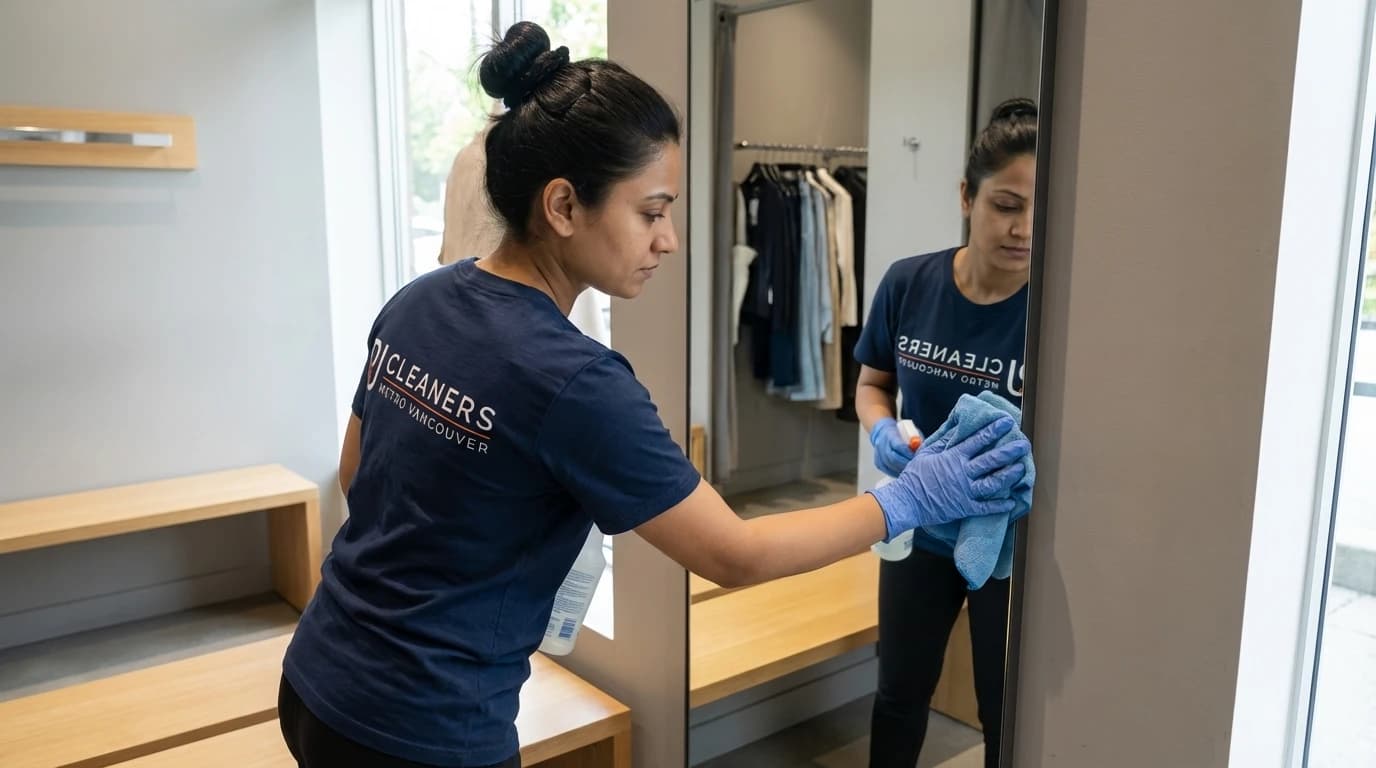
Fitting room cleaning begins immediately after each customer exits, focusing on high-touch surfaces that contact skin, clothing, and personal items. Mirrors require streak-free glass cleaner applied with microfibre cloths to remove fingerprints, makeup smudges, and hair product residue. Door handles, hooks, and benches need EPA-registered disinfectant with minimum 30-second contact time to eliminate bacteria and viruses transferred from hands and clothing. Wall surfaces within arm's reach should be spot-cleaned for scuffs, stains, and marks left by bags, shoes, or accessories. Floors require immediate attention for any debris, hair, or spills that could transfer to merchandise or create slip hazards. The entire process takes 3-5 minutes per room when performed correctly.
Deep cleaning protocols apply every 4-6 hours and address areas missed during quick turnovers. This includes baseboard wiping, corner vacuuming, ventilation grate dusting, and full-height mirror polishing from top to bottom. Curtain tracks and rods accumulate dust and require weekly attention, while fabric curtains need monthly laundering or steam cleaning to remove odour absorption. Lighting fixtures and ceiling corners collect cobwebs and dust that become visible in customer photos, damaging online reputation. Bench upholstery requires weekly vacuuming and monthly deep cleaning with upholstery-safe products to prevent odour buildup and staining. Professional cleaning teams complete deep protocols in 15-20 minutes per room, ensuring consistent standards across all fitting areas.
- Sanitize mirrors, hooks, benches, and door handles after each customer use with EPA-registered disinfectant
- Vacuum or sweep floors immediately after each use to remove hair, debris, and potential merchandise damage risks
- Perform deep cleaning every 4-6 hours including baseboards, corners, ventilation grates, and full-height surfaces
- Launder or steam clean fabric curtains monthly to eliminate odour absorption and maintain fresh appearance
- Check and refill hand sanitizer dispensers hourly during peak shopping periods to encourage customer hygiene
- Document all cleaning activities with timestamps to demonstrate compliance during health inspections
Recommended Frequency
After each use + deep clean every 4-6 hours
Retail Restroom Cleaning Schedules
Public restrooms in retail environments require hourly checks during peak hours and full disinfection every 2-4 hours to meet BC Health Authority standards and maintain customer satisfaction.
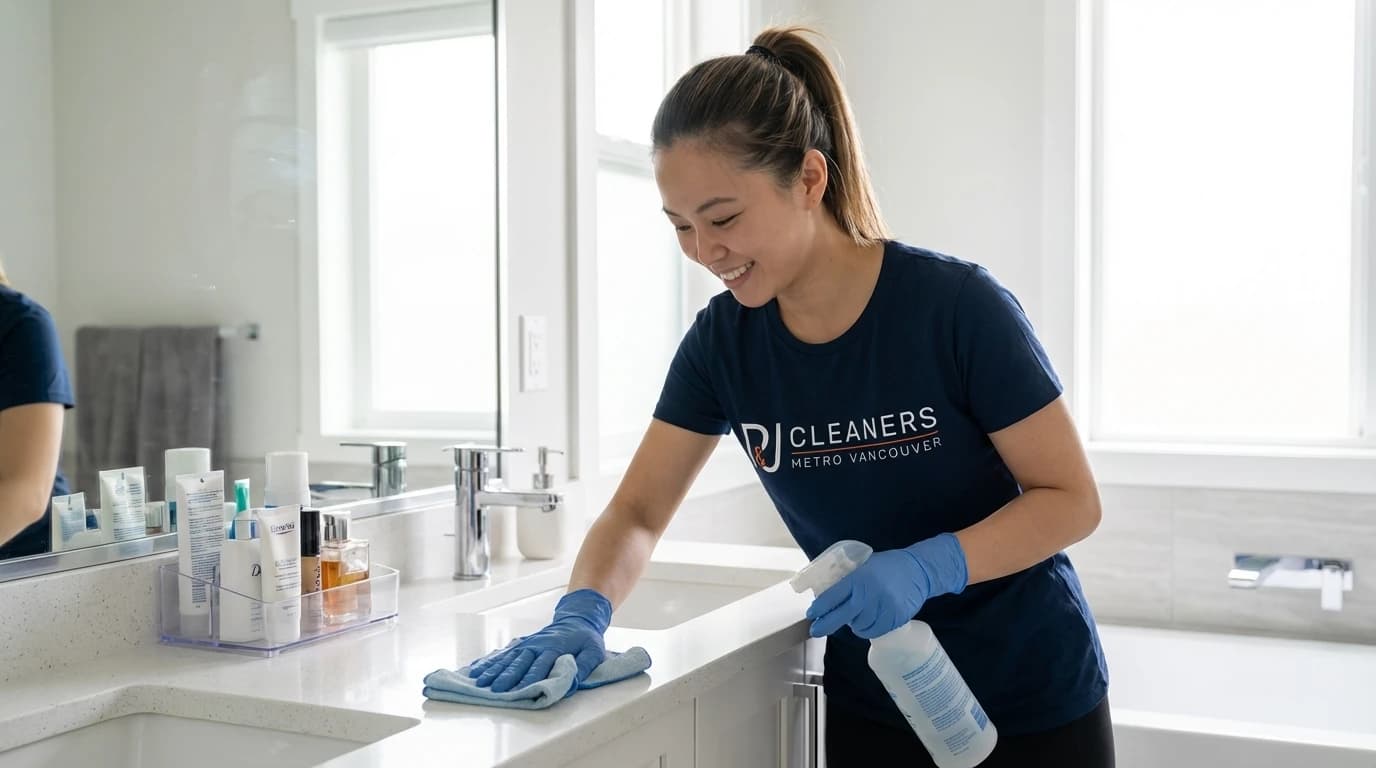
Hourly restroom checks during peak shopping periods prevent the accumulation of visible dirt, odours, and supply shortages that drive customers away. Each check includes toilet and urinal flushing to ensure proper function, sink and counter wiping to remove water spots and soap residue, floor spot-mopping for spills and tracked-in debris, waste receptacle emptying when 70% full, and supply replenishment for toilet paper, paper towels, and hand soap. Mirrors receive quick wipe-downs to remove splashes and fingerprints. The entire check takes 5-8 minutes per restroom and should be documented on visible cleaning logs posted inside each facility. These logs demonstrate compliance during health inspections and reassure customers about hygiene standards.
Full disinfection protocols occur every 2-4 hours depending on traffic volume and involve systematic cleaning of all surfaces from top to bottom. Toilets and urinals receive bowl cleaner with brush scrubbing, followed by exterior disinfection of seats, lids, handles, and bases. Sinks and counters get disinfectant application with attention to faucet handles, soap dispensers, and backsplash areas. Floors require wet mopping with disinfectant solution, starting from the farthest corner and working toward the exit to avoid tracking. Partition walls, door handles, and stall locks need disinfectant wipes to eliminate hand-transferred bacteria. Ventilation grates, light switches, and door frames receive weekly attention during deep cleaning sessions. Professional teams complete full protocols in 20-30 minutes per restroom, maintaining consistent standards throughout operating hours.
- Conduct hourly checks during peak hours including supply replenishment, spot cleaning, and waste removal
- Perform full disinfection every 2-4 hours covering toilets, sinks, floors, partitions, and all touch points
- Use colour-coded microfibre cloths and mops to prevent cross-contamination between restroom zones and other areas
- Maintain visible cleaning logs with staff initials and timestamps posted inside each restroom facility
- Ensure adequate ventilation by checking exhaust fans weekly and reporting any mechanical issues immediately
- Stock restrooms with minimum 2-day supply buffer of toilet paper, paper towels, soap, and sanitary products
Recommended Frequency
Hourly checks + full disinfection every 2-4 hours
Sales Floor and Display Cleaning
Sales floors require daily maintenance focusing on high-touch merchandise displays, checkout counters, and customer pathways to prevent dust accumulation and maintain product presentation quality.
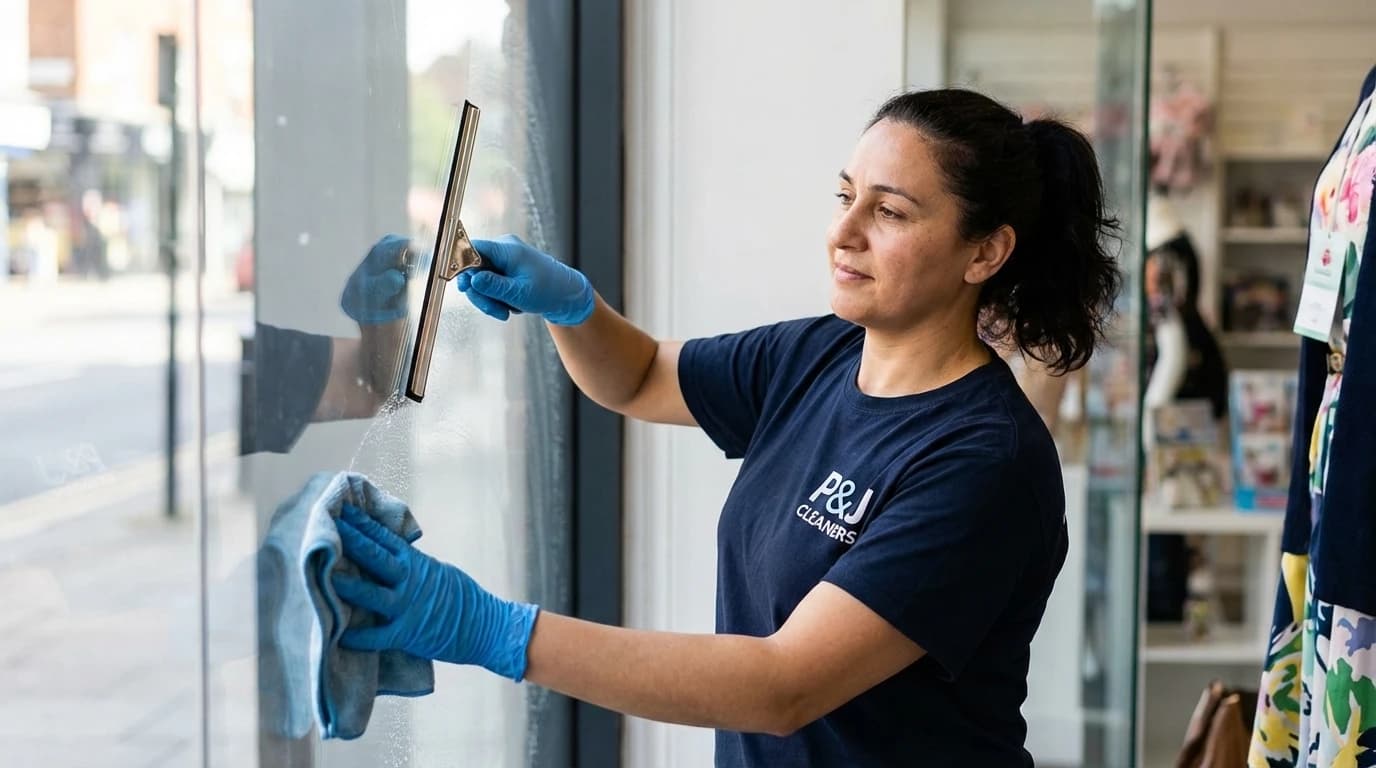
Sales floor cleaning begins before store opening with systematic dusting of all display surfaces, shelving units, and merchandise fixtures from top to bottom. Glass display cases require streak-free cleaning to showcase products without visual obstruction from fingerprints or smudges. Checkout counters need disinfection of payment terminals, signature pads, and counter surfaces that customers touch during transactions. Floor maintenance includes vacuuming carpeted areas and damp mopping hard surfaces to remove overnight dust accumulation and maintain slip-resistant surfaces. Product displays should be straightened and dusted, with particular attention to items at eye level and within easy customer reach. Opening cleaning takes 45-90 minutes depending on store size and layout.
Throughout operating hours, sales floor maintenance continues with spot cleaning as needed and scheduled touch-point disinfection every 4 hours. Shopping cart and basket handles require hourly sanitization during peak periods, as these items transfer bacteria between multiple customers. Door handles, handrails, and elevator buttons need disinfection every 2 hours in high-traffic stores. Display merchandise should be inspected and dusted mid-day to maintain presentation standards, especially in clothing stores where items are frequently handled and tried on. Floor maintenance includes immediate spill response and periodic sweeping of high-traffic pathways. End-of-day cleaning involves thorough floor care, display reset, and preparation for the next business day. Professional cleaning teams maintain sales floor standards without disrupting customer shopping experiences.
- Dust all display surfaces, shelving, and fixtures from top to bottom before store opening each day
- Disinfect checkout counters, payment terminals, and signature pads every 4 hours during operating hours
- Sanitize shopping cart and basket handles hourly during peak periods to prevent cross-contamination
- Vacuum carpeted areas and damp mop hard floors daily, with spot cleaning for spills occurring immediately
- Clean glass display cases and mirrors with streak-free products to maintain clear product visibility
- Inspect and dust merchandise displays mid-day, focusing on eye-level items and frequently handled products
Recommended Frequency
Daily opening + spot cleaning + 4-hour touch-point cycles
Staff Areas and Storage Cleaning
Back-of-house areas including staff rooms, storage areas, and receiving docks require weekly deep cleaning to maintain WorkSafeBC compliance and prevent pest attraction from accumulated debris.
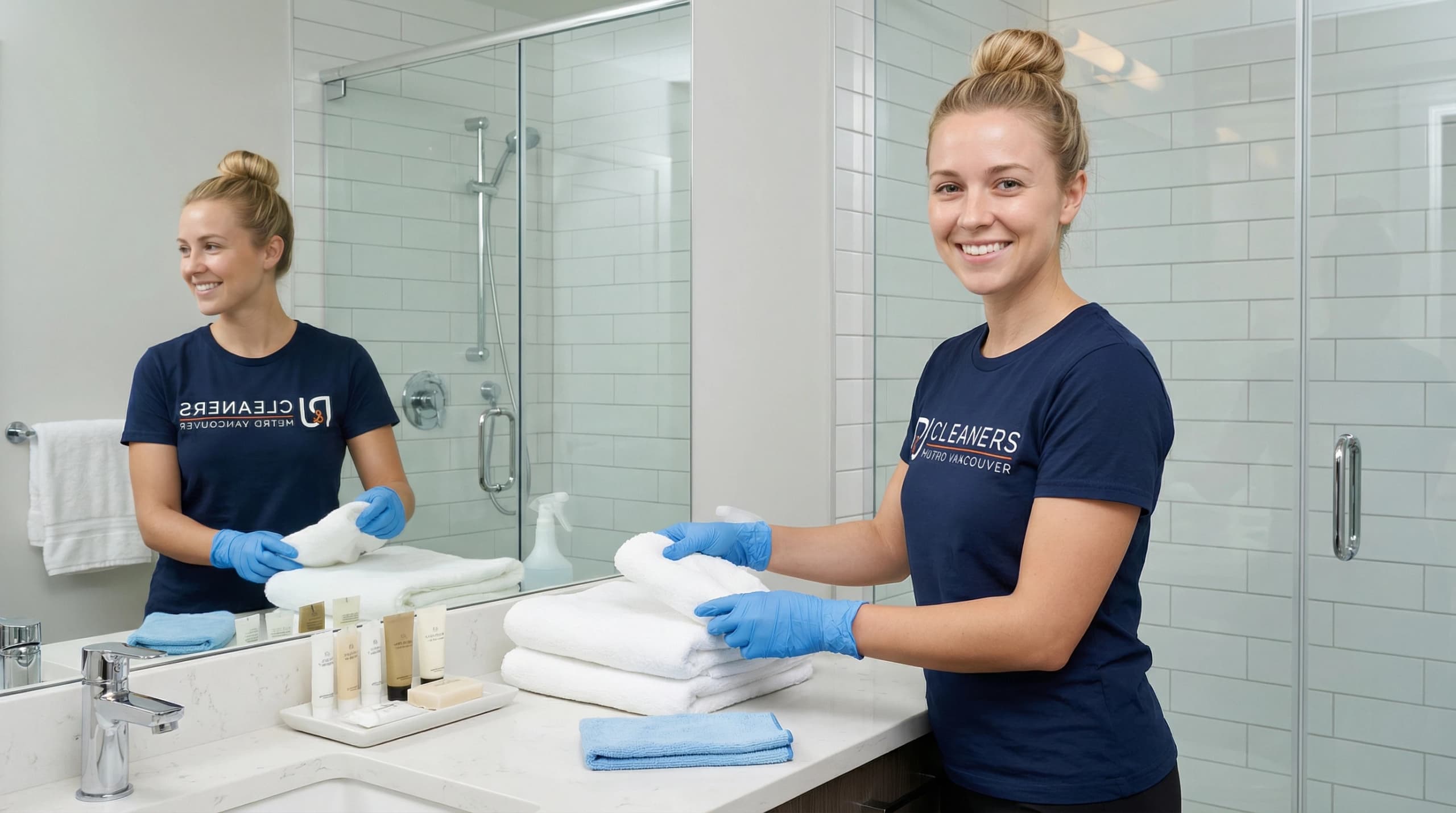
Staff break rooms and washrooms require the same hygiene standards as customer facilities, with daily cleaning protocols for all surfaces, appliances, and fixtures. Refrigerators need weekly cleaning with expired food removal, while microwaves require daily interior wiping after each shift. Tables and chairs should be disinfected daily, and floors mopped with attention to corners and under furniture. Staff washrooms follow the same 2-4 hour disinfection schedule as customer restrooms during operating hours. Lockers and personal storage areas need monthly exterior cleaning, though staff maintain responsibility for interior organization. Proper staff area hygiene prevents cross-contamination to customer spaces and demonstrates employer commitment to worker health and safety.
Storage areas and receiving docks accumulate dust, cardboard debris, and packaging materials that attract pests if not managed properly. Weekly sweeping and monthly deep cleaning prevent buildup that compromises inventory quality and creates fire hazards. Shelving units require quarterly dusting and reorganization to maintain accessibility and prevent product damage from fallen items. Receiving areas need daily debris removal and weekly pressure washing to eliminate tracked-in dirt and loading dock residue. Waste management areas require daily attention with proper bin cleaning and pest monitoring. Professional cleaning teams coordinate with inventory schedules to access storage areas without disrupting operations, typically performing deep cleaning during closed hours or low-activity periods.
- Clean staff break rooms daily including appliances, tables, chairs, and floors using same standards as customer areas
- Disinfect staff washrooms every 2-4 hours during operating hours following BC Health Authority protocols
- Sweep storage areas weekly and perform monthly deep cleaning to prevent dust accumulation and pest attraction
- Pressure wash receiving docks weekly to remove tracked debris and maintain clean loading areas
- Clean and organize waste management areas daily with proper bin sanitization and pest monitoring
- Coordinate storage area cleaning with inventory schedules to avoid operational disruption
Recommended Frequency
Daily staff areas + weekly storage + monthly deep clean
Cost Analysis and Return on Investment
Professional retail cleaning generates measurable returns through reduced product damage, lower return rates, improved customer retention, and enhanced brand reputation that directly impacts sales performance.
Retail cleaning costs in Metro Vancouver range from $40-$60 per hour for professional services, with total monthly expenses varying based on store size, traffic volume, and service frequency. A typical 2,000 square foot clothing boutique requires 15-20 hours of weekly cleaning including daily maintenance, restroom protocols, and fitting room sanitization. Monthly costs range from $2,400-$4,800 for comprehensive programs, though many retailers reduce expenses by 15-25% through annual contracts with guaranteed service schedules. Larger stores exceeding 5,000 square feet may require dedicated daily cleaning staff, shifting the cost structure to $3,200-$5,600 monthly for part-time employees plus supplies and equipment. The choice between contract services and in-house staff depends on store hours, traffic patterns, and management capacity to supervise cleaning operations.
Return on investment manifests through multiple channels that compound over time. Product damage reduction represents the most immediate benefit, with proper fitting room hygiene preventing makeup stains, deodorant marks, and odour transfer that render merchandise unsellable. ISSA research shows retailers implementing professional fitting room protocols reduce damaged inventory by 18-23%, translating to $1,200-$3,000 monthly savings for stores with $50,000 in monthly clothing sales. Customer retention improves measurably when hygiene standards exceed expectations, with clean restrooms and fitting rooms generating positive reviews that drive foot traffic. The Retail Council of Canada reports that stores maintaining exceptional cleanliness see 12-15% higher customer satisfaction scores and 8% longer shopping durations, directly increasing transaction values and conversion rates.
Long-term financial benefits include reduced insurance premiums, lower liability exposure, and enhanced brand value that supports premium pricing strategies. Insurance providers offer 5-10% premium reductions for retailers with documented professional cleaning contracts, recognizing the reduced slip-and-fall risk and improved safety compliance. Liability claims from customer injuries in dirty restrooms or fitting rooms can exceed $50,000 in legal costs and settlements, making prevention through proper cleaning protocols financially prudent. Brand reputation built on cleanliness allows retailers to command 8-12% price premiums compared to competitors with inferior hygiene standards, as customers associate cleanliness with product quality and business professionalism. Over a three-year period, retailers investing in professional cleaning programs see average ROI of 240-320% when accounting for all direct and indirect financial benefits.
In-House Cleaning
- Part-time staff wages: $3,200-$5,600/month
- Cleaning supplies and equipment: $400-$600/month
- Training and supervision time: $200-$400/month
- Workers compensation insurance: $150-$300/month
- Equipment maintenance and replacement: $100-$200/month
- Total monthly cost: $4,050-$7,100
- Flexibility: Limited to staff availability
- Quality consistency: Variable based on training
Professional Contract Service
- Service fees (15-20 hrs/week): $2,400-$4,800/month
- Supplies included in service fee: $0
- No training or supervision required: $0
- Insurance included in service: $0
- Professional equipment provided: $0
- Total monthly cost: $2,400-$4,800
- Flexibility: Customizable schedules and frequency
- Quality consistency: Guaranteed through SLAs
Hybrid Approach
- Daily maintenance by in-house staff: $1,600-$2,800/month
- Weekly deep cleaning by professionals: $800-$1,200/month
- Basic supplies for daily tasks: $200-$300/month
- Reduced supervision requirements: $100-$200/month
- Shared equipment costs: $50-$100/month
- Total monthly cost: $2,750-$4,600
- Flexibility: Balanced control and expertise
- Quality consistency: Professional oversight with daily attention
$1,200-$3,000/month
Product Damage Reduction
12-15%
Customer Retention Increase
8%
Average Shopping Duration Increase
5-10%
Insurance Premium Reduction
240-320%
Three-Year ROI
8-12%
Price Premium Capability
- Reduced product damage from makeup stains, deodorant marks, and odour transfer in fitting rooms saves $1,200-$3,000 monthly
- Improved customer satisfaction scores by 12-15% through consistently clean restrooms and fitting areas
- Extended shopping durations by average of 8% when customers feel comfortable in clean retail environments
- Lower insurance premiums by 5-10% with documented professional cleaning contracts reducing liability exposure
- Decreased employee sick days by 15-20% through proper sanitization protocols preventing illness transmission
- Enhanced online reputation with positive cleanliness reviews driving 18% increase in foot traffic over three months
- Reduced return rates by 23% when fitting room hygiene prevents product contamination before purchase
- Ability to command 8-12% price premiums as customers associate cleanliness with product quality and professionalism
BC Health Authority Compliance Checklist
This comprehensive checklist ensures retail cleaning programs meet all BC Health Authority requirements, WorkSafeBC standards, and municipal bylaws governing public health and safety in commercial spaces.
Services mentioned in this article
Ready for help?
4.9 · 800+ Google reviewsElevate Your Retail Hygiene Standards
P&J Cleaners delivers retail-specific cleaning protocols that protect your brand reputation. Our teams understand fitting room turnover speed and restroom compliance requirements across Metro Vancouver.
778-720-2224Fitting Room and Restroom Cleaning FAQs
What are retail cleaning standards?
Retail cleaning standards in BC require daily disinfection of high-touch surfaces, restroom sanitation every 2-4 hours during operating hours, and fitting room turnover cleaning between each customer use. BC Health Authority mandates EPA-registered disinfectants with minimum 30-second contact time. WorkSafeBC requires documented cleaning logs and staff training records. Standards also include proper ventilation (minimum 6 air changes per hour in restrooms) and accessible hand hygiene stations within 6 metres of fitting areas.
How often should retail areas be cleaned?
High-traffic retail restrooms require cleaning every 2-4 hours during business hours, with deep cleaning nightly. Fitting rooms need surface disinfection after each customer use, taking 3-5 minutes per room. Sales floors require spot cleaning hourly and full cleaning after close. According to ISSA research, stores with 200+ daily visitors should implement continuous cleaning rotations. Peak shopping periods (weekends, holidays) may require dedicated cleaning staff on-site throughout operating hours to maintain standards.
What compliance rules apply to retail cleaning?
BC retail cleaning compliance includes WorkSafeBC sanitation requirements, City of Vancouver business licence hygiene standards, and BC Health Authority public washroom regulations. Retailers must maintain cleaning logs for minimum 90 days, use Health Canada-approved disinfectants, and provide staff training documentation. Accessibility standards require barrier-free restroom access and appropriate signage. Food retailers face additional requirements under BC Food Premises Regulation. Non-compliance can result in fines from $500-$5,000 and potential business licence suspension.
How much does retail cleaning cost?
Retail cleaning in Metro Vancouver costs $40-$60 per hour for standard service, with fitting room specialists charging $50-$75 per hour. Small boutiques (under 2,000 sq ft) typically spend $800-$1,200 monthly for daily service. Mid-size stores (2,000-5,000 sq ft) average $1,500-$2,800 monthly. Large retailers often negotiate contracts at $0.08-$0.15 per square foot per cleaning. Restroom-only service runs $200-$400 monthly for single-unit spaces. Emergency cleaning (spills, incidents) costs $100-$150 minimum call-out fee plus hourly rates.
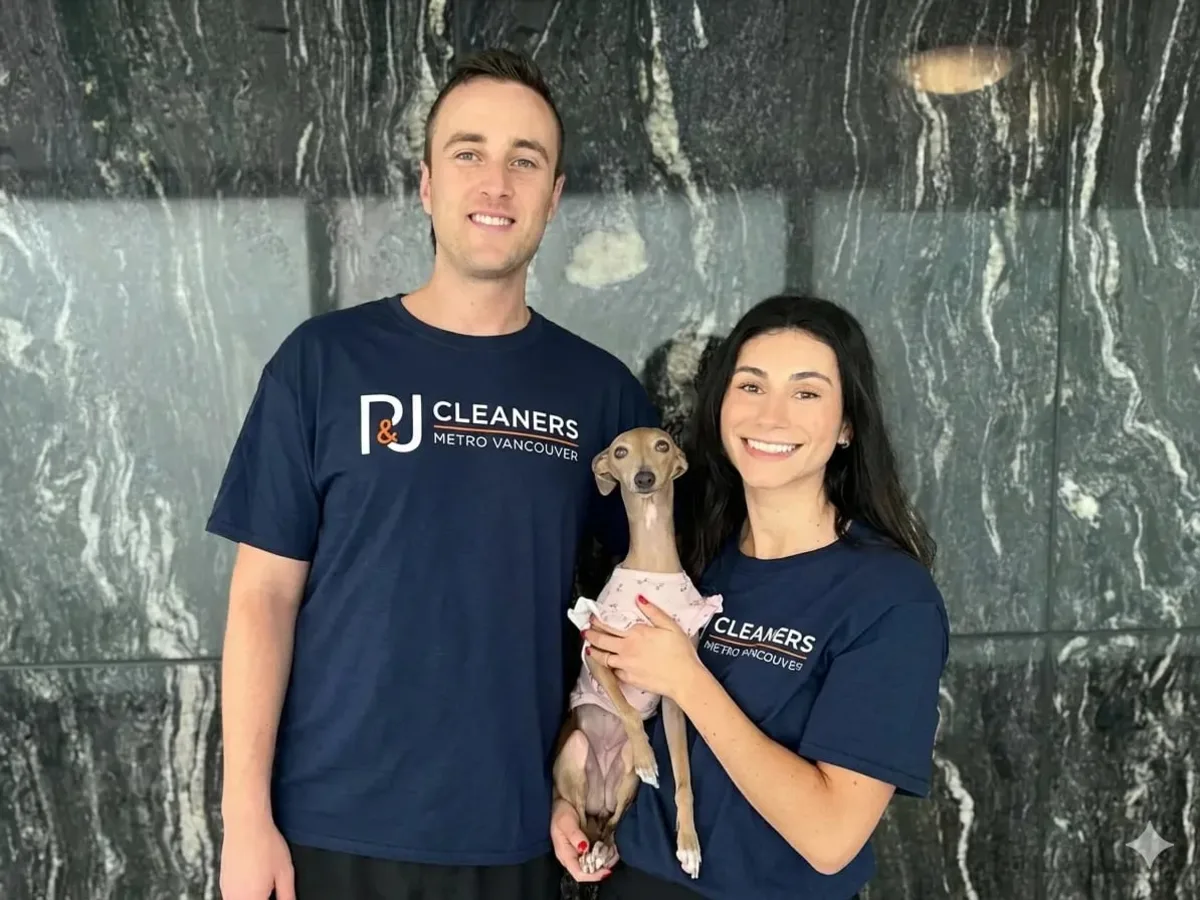
Meet the Author
Jason
Co-Founder
Jason oversees commercial operations, workflow design, and quality control for office, restaurant, and specialty cleaning programs across Metro Vancouver.
Keep Exploring