

Industry Overview
The Critical Role of Cleaning in Equipment Longevity
Industrial equipment represents substantial capital investment for Canadian businesses, with manufacturing facilities averaging $4.2 million in machinery assets according to Statistics Canada 2025 data. Proper maintenance cleaning directly impacts return on investment, operational efficiency, and workplace safety. Dust accumulation, chemical residue, and particulate contamination accelerate wear on moving parts, compromise precision tolerances, and create fire hazards in electrical components. WorkSafeBC reports that inadequate equipment maintenance contributes to 23% of workplace incidents in manufacturing environments across British Columbia.
Professional cleaning protocols address contamination at three levels: surface debris removal, precision component care, and environmental control. Surface cleaning prevents abrasive particle damage to seals, bearings, and sliding surfaces. Precision cleaning maintains calibration accuracy and prevents cross-contamination in sensitive processes. Environmental control manages airborne particulates that settle on equipment during idle periods. The BC Manufacturing Safety Alliance identifies cleaning as a primary prevention strategy for equipment-related injuries and production disruptions.
Metro Vancouver's industrial sector encompasses food processing, pharmaceutical manufacturing, electronics assembly, and heavy machinery operations. Each industry faces unique contamination challenges requiring specialized cleaning approaches. Food processing equipment demands sanitation protocols meeting Canadian Food Inspection Agency standards. Electronics manufacturing requires electrostatic discharge protection and particulate-free environments. Heavy machinery needs aggressive degreasing and corrosion prevention. Understanding industry-specific requirements ensures cleaning programs deliver measurable protection and compliance.
$2.8 billion
Annual Equipment Downtime Cost
Source: Statistics Canada Manufacturing Survey 2025
23%
Maintenance-Related Workplace Incidents
Source: WorkSafeBC Annual Report 2025
30-50%
Equipment Life Extension Through Proper Cleaning
Source: ISSA Industrial Facilities Study
3:1
ROI on Professional Maintenance Cleaning
Source: Canadian Manufacturing Association
Compliance priorities
WorkSafeBC Occupational Health and Safety Regulation Part 12 requires documented equipment maintenance programs including cleaning schedules and procedures. • Canadian Food Inspection Agency Safe Food for Canadians Regulations mandate sanitation protocols for food processing equipment with verification records. • CSA Z462 Workplace Electrical Safety Standard requires de-energization and cleaning procedures for electrical equipment maintenance activities. • ISO 14644 Cleanroom Standards specify particulate limits and cleaning validation for controlled manufacturing environments in pharmaceutical and electronics facilities. • WHMIS 2015 regulations require proper handling and disposal of cleaning chemicals used in equipment maintenance with safety data sheet accessibility. • BC Fire Code Section 2.4 mandates removal of combustible dust and residue from equipment to prevent fire and explosion hazards in industrial settings.
Equipment-Specific Cleaning Protocols
Effective maintenance cleaning requires tailored approaches based on equipment type, operating environment, and contamination risks. Generic cleaning methods often miss critical areas or use inappropriate products that damage sensitive components. The following protocols address common industrial equipment categories with specific techniques, frequencies, and compliance considerations for Metro Vancouver facilities.
Production Machinery and Assembly Equipment
CNC machines, injection moulding equipment, and assembly line components require precision cleaning to maintain tolerances and prevent quality defects.
Production machinery cleaning focuses on removing metal chips, coolant residue, and hydraulic fluid contamination without disturbing calibration or damaging precision surfaces. CNC machines accumulate swarf in chip conveyors, coolant sumps, and way covers that accelerate wear on linear guides and ball screws. Daily removal of chips and weekly flushing of coolant systems prevents bacterial growth and maintains cutting performance. Injection moulding equipment requires mould surface cleaning, barrel purging, and hydraulic system filtration to prevent defects and maintain cycle times.
Assembly line equipment faces contamination from packaging materials, adhesive overspray, and product residue. Conveyor systems need regular cleaning of belts, rollers, and drive components to prevent jamming and maintain speed accuracy. Robotic assembly equipment requires careful cleaning of grippers, sensors, and articulation points using lint-free materials and approved solvents. Vision systems and quality control equipment demand optical surface cleaning with specialized products that prevent coating damage and maintain inspection accuracy.
Cleaning frequency depends on production volume and material characteristics. High-volume operations running abrasive materials need daily attention to critical wear points. Lower-volume precision work may require less frequent but more thorough cleaning cycles. The key is establishing baseline cleanliness standards through visual inspection criteria and contamination monitoring. Document cleaning activities in maintenance logs to track patterns and optimize schedules based on actual contamination rates rather than arbitrary intervals.
- Remove metal chips and swarf daily from CNC machines using vacuum systems and chip brushes, avoiding compressed air that spreads contamination.
- Flush coolant systems weekly and replace fluids monthly to prevent bacterial growth and maintain cutting performance in metalworking operations.
- Clean conveyor belts and rollers daily in assembly operations, inspecting for wear and adjusting tension to prevent tracking issues.
- Wipe robotic gripper surfaces and sensors weekly using lint-free cloths and isopropyl alcohol to maintain precision and prevent false readings.
- Clean optical surfaces on vision systems and quality control equipment using approved lens cleaners and microfibre cloths without circular motions.
- Document all cleaning activities in equipment maintenance logs with date, operator, and any abnormal conditions observed during the process.
Recommended Frequency
Daily surface cleaning, weekly system flushing, monthly deep cleaning
HVAC and Environmental Control Systems
Heating, ventilation, and air conditioning equipment requires regular cleaning to maintain air quality, energy efficiency, and prevent system failures.

HVAC system contamination affects both equipment performance and facility air quality. Dust accumulation on heat exchanger coils reduces thermal transfer efficiency by up to 40%, increasing energy consumption and operating costs. Dirty air filters restrict airflow, forcing fans to work harder and shortening motor life. Microbial growth in condensate pans and ductwork creates health hazards and odour problems. The BC Centre for Disease Control identifies HVAC maintenance as critical for preventing airborne disease transmission in commercial and industrial facilities.
Coil cleaning requires careful technique to avoid fin damage while removing accumulated debris. Soft brushes and low-pressure water application work from the clean side toward the dirty side, preventing debris from embedding deeper into the coil matrix. Chemical coil cleaners dissolve grease and biological films but must be thoroughly rinsed to prevent corrosion. Condensate pans need disinfection with approved biocides to prevent algae and bacteria growth. Drain lines require flushing to prevent clogs that cause water damage and system shutdowns.
Ductwork cleaning addresses accumulated dust, construction debris, and biological contamination. The National Air Duct Cleaners Association recommends inspection every two years with cleaning as needed based on contamination levels. High-efficiency particulate air filters in cleanroom applications need replacement on manufacturer schedules, with housing cleaning during filter changes. Variable air volume boxes and dampers require cleaning of actuators and linkages to maintain control accuracy. Fan housings and blades need balancing after cleaning to prevent vibration and bearing damage.
- Inspect and replace air filters monthly in standard applications, every 2 weeks in high-dust environments, following manufacturer pressure drop specifications.
- Clean heat exchanger coils annually using soft brushes and approved coil cleaners, rinsing thoroughly to prevent corrosion from chemical residue.
- Disinfect condensate pans quarterly with approved biocides, flushing drain lines to prevent clogs and water damage from overflow conditions.
- Inspect ductwork every two years for dust accumulation, biological growth, and debris, cleaning when contamination exceeds NADCA standards.
- Clean fan blades and housings during annual maintenance, rebalancing after cleaning to prevent vibration and premature bearing failure.
- Document HVAC cleaning activities with before and after photos, pressure readings, and airflow measurements to verify performance improvement.
Recommended Frequency
Monthly filter service, quarterly pan cleaning, annual coil maintenance
Food Processing and Packaging Equipment
Food industry equipment demands rigorous sanitation protocols meeting CFIA standards to prevent contamination and ensure product safety.
Food processing equipment cleaning follows a structured approach: pre-rinse to remove gross soil, detergent wash to dissolve organic matter, rinse to remove detergent residue, sanitize to kill remaining microorganisms, and final rinse if required by sanitizer type. Each step requires specific temperatures, contact times, and chemical concentrations documented in sanitation standard operating procedures. The Canadian Food Inspection Agency requires validation that cleaning procedures achieve acceptable microbial levels through environmental monitoring and product testing.
Equipment design significantly impacts cleaning effectiveness. Sanitary design principles minimize soil accumulation points, eliminate dead legs in piping, and ensure complete drainage. Stainless steel surfaces resist corrosion and facilitate cleaning, but require proper passivation to maintain protective oxide layer. Gaskets, seals, and flexible hoses need regular inspection and replacement as they harbour bacteria in cracks and crevices. Clean-in-place systems automate cleaning of tanks and piping but require careful programming and validation to ensure all surfaces receive adequate coverage.
Allergen control adds complexity to food equipment cleaning. Cross-contact prevention requires dedicated equipment or validated cleaning procedures that remove allergenic residues to undetectable levels. Colour-coded tools and separate storage prevent cross-contamination during cleaning activities. Protein-based allergens like milk, egg, and soy require alkaline detergents and hot water for effective removal. Gluten requires mechanical action and extended contact times. ATP testing and allergen swabs verify cleaning effectiveness before resuming production of allergen-free products.
- Follow five-step sanitation protocol: pre-rinse, detergent wash, rinse, sanitize, final rinse with documented temperatures and contact times.
- Validate cleaning procedures through ATP testing and microbial swabs, maintaining records for CFIA inspection and internal quality audits.
- Inspect and replace gaskets, seals, and flexible hoses quarterly or when damage observed to eliminate bacterial harborage points.
- Use colour-coded cleaning tools and separate storage to prevent cross-contamination between raw and ready-to-eat processing areas.
- Implement allergen control procedures with validated cleaning between product runs, verifying residue removal through swab testing.
- Train cleaning staff on sanitation principles, chemical safety, and documentation requirements with annual competency verification.
Recommended Frequency
Daily sanitation after production, weekly deep cleaning, monthly validation testing
Electrical Panels and Control Systems
Electrical equipment requires specialized cleaning procedures following lockout-tagout protocols to prevent shock hazards and equipment damage.
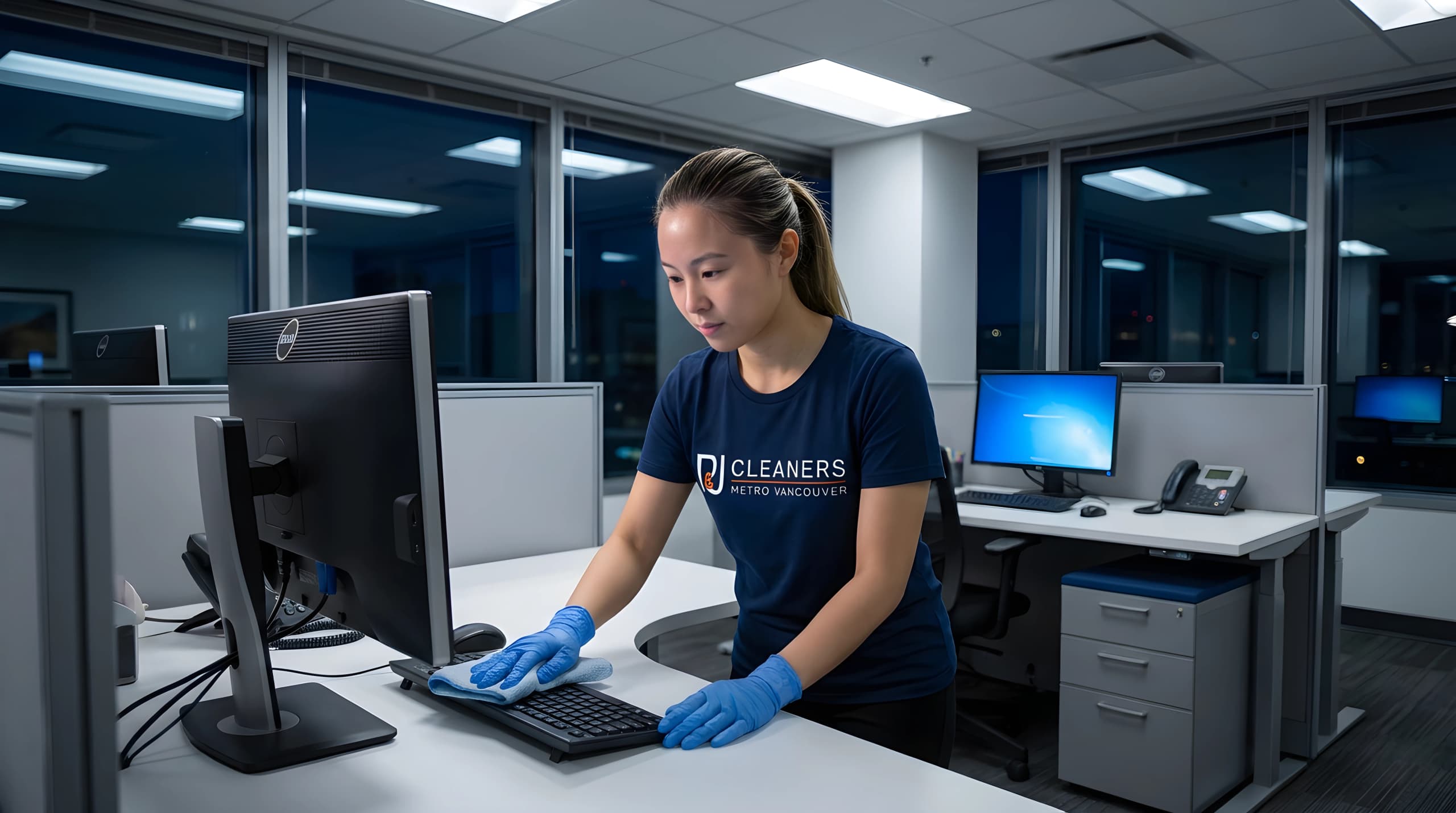
Electrical equipment accumulation of dust, oil mist, and conductive particles creates fire hazards and causes component failures. Dust on circuit breakers and contactors acts as insulation, causing overheating and premature failure. Conductive contamination on printed circuit boards creates leakage paths that cause erratic operation and component damage. The CSA Z462 Workplace Electrical Safety Standard requires qualified personnel and proper de-energization procedures before cleaning electrical equipment. WorkSafeBC regulations mandate lockout-tagout procedures with verification of zero energy state.
Cleaning methods depend on equipment type and contamination level. Control panels and motor control centres use HEPA-filtered vacuums to remove loose dust without spreading contamination. Compressed air is prohibited as it drives particles into inaccessible areas and creates shock hazards from static discharge. Contact cleaners dissolve oil and flux residues on circuit boards and connectors. Thermal imaging before and after cleaning verifies removal of insulating contamination and identifies hot spots requiring further attention. Enclosure gaskets need inspection and replacement to maintain NEMA ratings and prevent future contamination.
Preventive measures reduce cleaning frequency and extend equipment life. Positive pressure enclosures with filtered air supply prevent dust ingress in dirty environments. Regular filter replacement maintains protection effectiveness. Sealed connectors and conformal coating on circuit boards provide additional contamination resistance. Environmental monitoring identifies contamination sources allowing corrective action. Quarterly inspections catch problems early before contamination causes failures. Annual professional cleaning by qualified electrical technicians ensures thorough attention to critical components and proper documentation for insurance and regulatory compliance.
- De-energize electrical equipment following lockout-tagout procedures with voltage verification before beginning any cleaning activities.
- Use HEPA-filtered vacuums for dust removal from electrical enclosures, never compressed air which spreads contamination and creates hazards.
- Apply contact cleaner to circuit boards and connectors using lint-free applicators, allowing complete evaporation before re-energization.
- Inspect and replace enclosure gaskets during cleaning to maintain NEMA ratings and prevent contamination ingress between service intervals.
- Perform thermal imaging before and after cleaning to verify contamination removal and identify components requiring additional attention.
- Document electrical equipment cleaning with photos, thermal images, and any abnormal conditions in maintenance management systems.
Recommended Frequency
Quarterly inspection and light cleaning, annual professional deep cleaning
Hydraulic and Pneumatic Systems
Fluid power systems require contamination control through filtration, reservoir cleaning, and component maintenance to prevent costly failures.
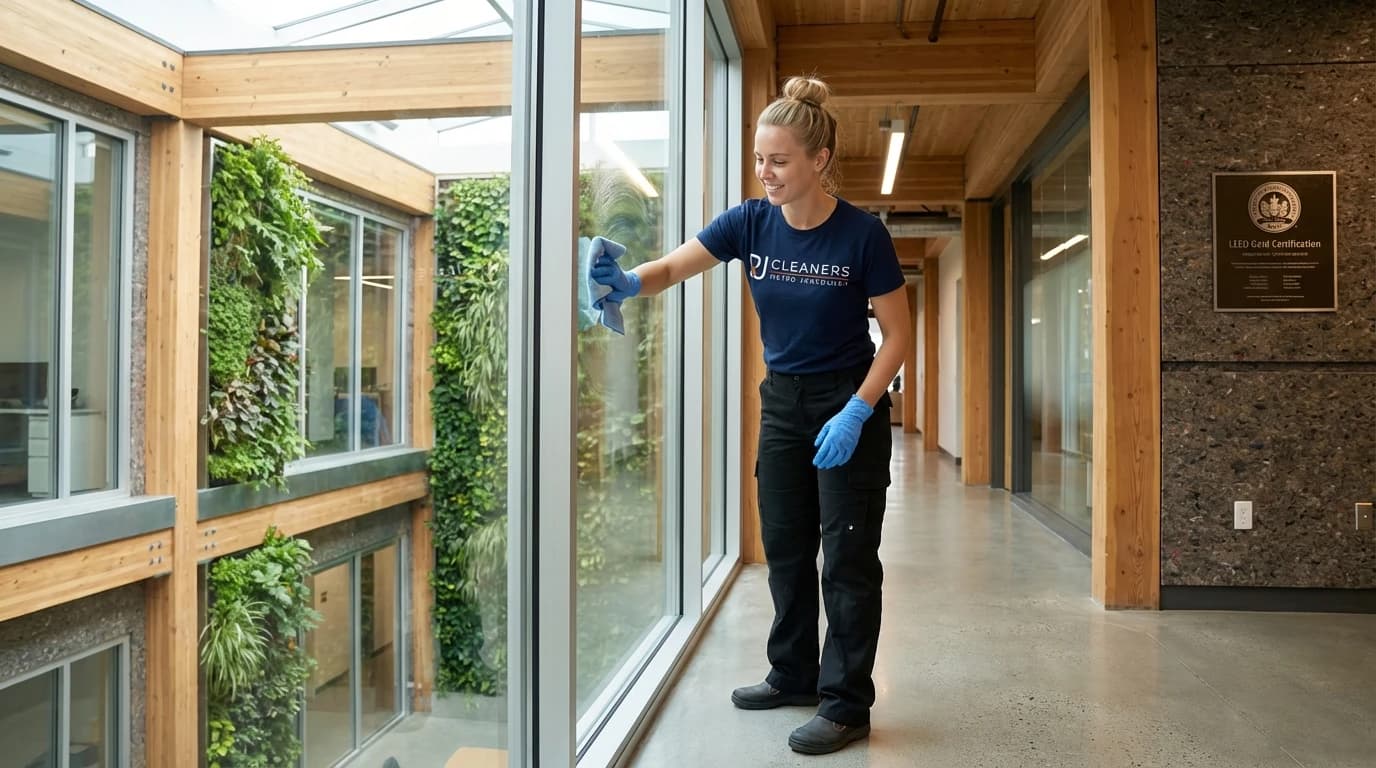
Hydraulic system contamination causes 75% of component failures according to fluid power industry studies. Particles as small as 5 microns damage precision valve spools, pump pistons, and cylinder seals. Water contamination accelerates corrosion, promotes bacterial growth, and reduces lubricating properties. Oxidation products form varnish deposits that stick valves and clog orifices. Systematic contamination control through filtration, fluid analysis, and reservoir maintenance prevents these problems and extends component life by 300% compared to reactive maintenance approaches.
Reservoir cleaning removes accumulated sludge, water, and particulate contamination. Drain fluid completely and remove access covers for interior inspection. Wipe surfaces with lint-free cloths dampened with clean hydraulic fluid, avoiding solvents that leave residue. Inspect breather caps and replace desiccant if colour indicates saturation. Clean or replace suction strainers and return line filters. Flush the system with clean fluid before refilling to remove loosened contamination. Install high-efficiency filters during refilling to achieve target cleanliness levels. ISO 4406 cleanliness codes specify acceptable particle counts for different system types and operating pressures.
Pneumatic systems face different contamination challenges. Compressed air contains water vapour that condenses in distribution lines and equipment. Compressor oil carryover contaminates air tools and process equipment. Particulate from pipe scale and atmospheric dust damages seals and precision regulators. Air preparation equipment including aftercoolers, dryers, and filters requires regular maintenance. Drain moisture separators daily in humid environments. Replace desiccant in dryers per manufacturer schedules. Change filter elements when pressure drop exceeds specifications. Clean or replace lubricators and adjust oil feed rates. Proper air preparation extends pneumatic component life and maintains process quality in applications sensitive to contamination.
- Drain hydraulic reservoirs annually for interior cleaning, removing sludge and water accumulation that accelerates component wear.
- Achieve ISO 4406 16/14/11 cleanliness or better through high-efficiency filtration during fluid changes and system operation.
- Drain pneumatic moisture separators daily in humid environments, weekly minimum in dry conditions to prevent water carryover.
- Replace compressed air dryer desiccant per manufacturer schedules, typically annually, verifying dewpoint performance after service.
- Change hydraulic and pneumatic filter elements when pressure drop reaches manufacturer limits or on calendar schedule, whichever comes first.
- Perform fluid analysis quarterly on critical hydraulic systems, testing for particle count, water content, viscosity, and oxidation products.
Recommended Frequency
Daily moisture drainage, quarterly fluid analysis, annual reservoir cleaning
Financial Impact of Professional Equipment Maintenance
Professional equipment cleaning delivers measurable return on investment through reduced downtime, extended asset life, and improved operational efficiency.
Equipment maintenance cleaning costs represent 2-4% of total maintenance budgets but prevent failures costing 10-20 times more in emergency repairs and lost production. A Metro Vancouver food processor spending $45,000 annually on professional equipment sanitation avoided an estimated $380,000 in potential contamination incidents, product recalls, and regulatory penalties. The investment paid for itself through reduced downtime, extended equipment life, and maintained production capacity. Quantifying these benefits requires tracking key performance indicators including mean time between failures, maintenance costs per operating hour, and overall equipment effectiveness.
Comparing in-house cleaning to professional services reveals hidden costs in the former approach. Internal staff lack specialized training, proper equipment, and dedicated time for thorough cleaning. Production personnel performing cleaning as secondary duties rush through procedures, missing critical areas and creating safety risks. Professional services bring expertise, specialized tools, and systematic approaches that deliver superior results in less time. They also provide documentation meeting regulatory requirements and insurance conditions. The cost differential narrows significantly when accounting for training, equipment, supplies, and opportunity cost of production staff time.
Long-term financial benefits extend beyond immediate maintenance savings. Well-maintained equipment commands higher resale values when upgrading or downsizing operations. Clean facilities attract quality employees and impress customers during site visits. Reduced insurance premiums reflect lower risk profiles from documented maintenance programs. Avoided regulatory penalties and legal liability from contamination incidents provide substantial but difficult to quantify protection. Energy efficiency improvements from clean HVAC systems and properly maintained equipment reduce utility costs by 15-25% according to Natural Resources Canada industrial energy studies.
In-House Cleaning
- Staff time: $35-50/hour including benefits and overhead costs
- Training: $2,000-5,000 annually per person for safety and procedures
- Equipment: $15,000-30,000 initial investment in specialized tools
- Supplies: $500-1,500 monthly for chemicals, consumables, and PPE
- Supervision: 10-15% of maintenance manager time for oversight
- Documentation: Manual record-keeping prone to gaps and errors
- Inconsistent results from varying skill levels and time pressure
- Limited access to specialized equipment for deep cleaning needs
Professional Services
- Service rates: $45-75/hour for trained technicians with insurance
- No training costs: Provider maintains staff certifications and skills
- No equipment investment: Provider supplies all specialized tools
- Supplies included: Chemicals and consumables in service pricing
- Minimal supervision: Provider manages quality and scheduling
- Complete documentation: Digital records meeting compliance requirements
- Consistent quality from specialized expertise and proven procedures
- Access to advanced equipment including pressure washers and extractors
30-50% longer service life
Equipment Life Extension
40% fewer unplanned outages
Downtime Reduction
15-25% lower utility costs
Energy Savings
25-35% lower repair expenses
Maintenance Cost Reduction
3:1 within first year
Return on Investment
$50,000-500,000 in penalties
Compliance Cost Avoidance
- Extended equipment lifespan reduces capital expenditure requirements and improves return on asset investments over multi-year planning horizons.
- Reduced emergency repairs lower maintenance costs and eliminate premium pricing for rush parts and after-hours service calls.
- Improved equipment reliability increases production capacity and on-time delivery performance, enhancing customer satisfaction and revenue.
- Enhanced workplace safety reduces WorkSafeBC claims, insurance premiums, and legal liability from equipment-related incidents.
- Regulatory compliance avoids penalties, production shutdowns, and reputational damage from health and safety violations.
- Energy efficiency improvements reduce utility costs and support corporate sustainability goals with measurable environmental benefits.
- Higher resale values when upgrading equipment provide better trade-in allowances and faster sales in secondary markets.
- Improved facility appearance attracts quality employees, impresses customers, and supports premium pricing for products and services.
Equipment Maintenance Compliance Requirements
Metro Vancouver industrial facilities must meet multiple regulatory requirements for equipment maintenance and cleaning. This checklist covers WorkSafeBC, CFIA, and municipal regulations applicable to different facility types. Maintain documentation of all activities for inspection and audit purposes.
Services mentioned in this article
Ready for help?
4.9 · 800+ Google reviewsProfessional Equipment Maintenance Cleaning
Protect your investment with systematic cleaning protocols. Our certified technicians extend equipment life and reduce downtime across Metro Vancouver facilities.
778-720-2224Equipment Maintenance Cleaning Questions
What are office cleaning standards?
Office cleaning standards include ISSA Clean Standard protocols requiring daily high-touch surface disinfection, weekly deep cleaning of workstations, and monthly equipment maintenance. WorkSafeBC mandates proper ventilation during cleaning and use of approved disinfectants. Standards specify contact times for sanitizers, proper dilution ratios, and documentation requirements. Compliance reduces workplace illness by 35% according to CDC data.
How often should office areas be cleaned?
High-traffic office areas require daily cleaning including desks, keyboards, phones, and door handles. Shared equipment needs disinfection after each use or minimum twice daily. Floors and restrooms require daily attention while carpets need weekly vacuuming and quarterly deep cleaning. Conference rooms need cleaning after each meeting. ISSA recommends monthly deep cleans for all equipment and quarterly professional maintenance for optimal performance and hygiene.
What compliance rules apply to office cleaning?
BC Health Authority requires documented cleaning schedules, proper chemical storage, and staff training records. WorkSafeBC mandates WHMIS certification for cleaning staff and Safety Data Sheets for all products. City of Vancouver bylaws govern waste disposal and recycling protocols. ISSA standards require colour-coded cleaning tools to prevent cross-contamination. Insurance policies often mandate professional cleaning for liability coverage. Non-compliance risks fines up to $50,000.
How much does office cleaning cost?
Office cleaning costs range from $40-$60 per hour in Metro Vancouver depending on facility size and service frequency. Basic daily cleaning averages $0.15-$0.25 per square foot monthly. Deep cleaning runs $0.35-$0.50 per square foot quarterly. Equipment-specific maintenance adds $25-$45 per unit monthly. Annual contracts typically offer 15-20% savings versus one-time services. Costs increase 10-15% for after-hours service or specialized equipment cleaning requirements.

Meet the Author
Jason
Co-Founder
Jason oversees commercial operations, workflow design, and quality control for office, restaurant, and specialty cleaning programs across Metro Vancouver.
Keep Exploring