

Quick answer
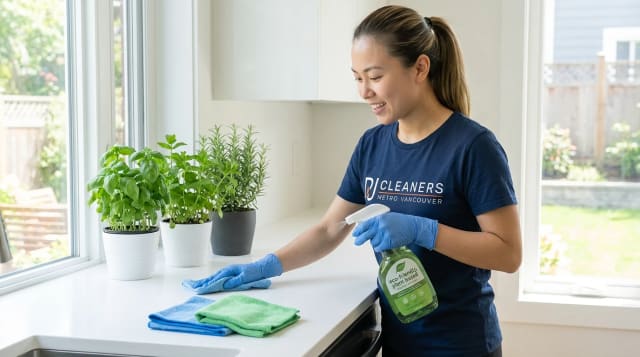
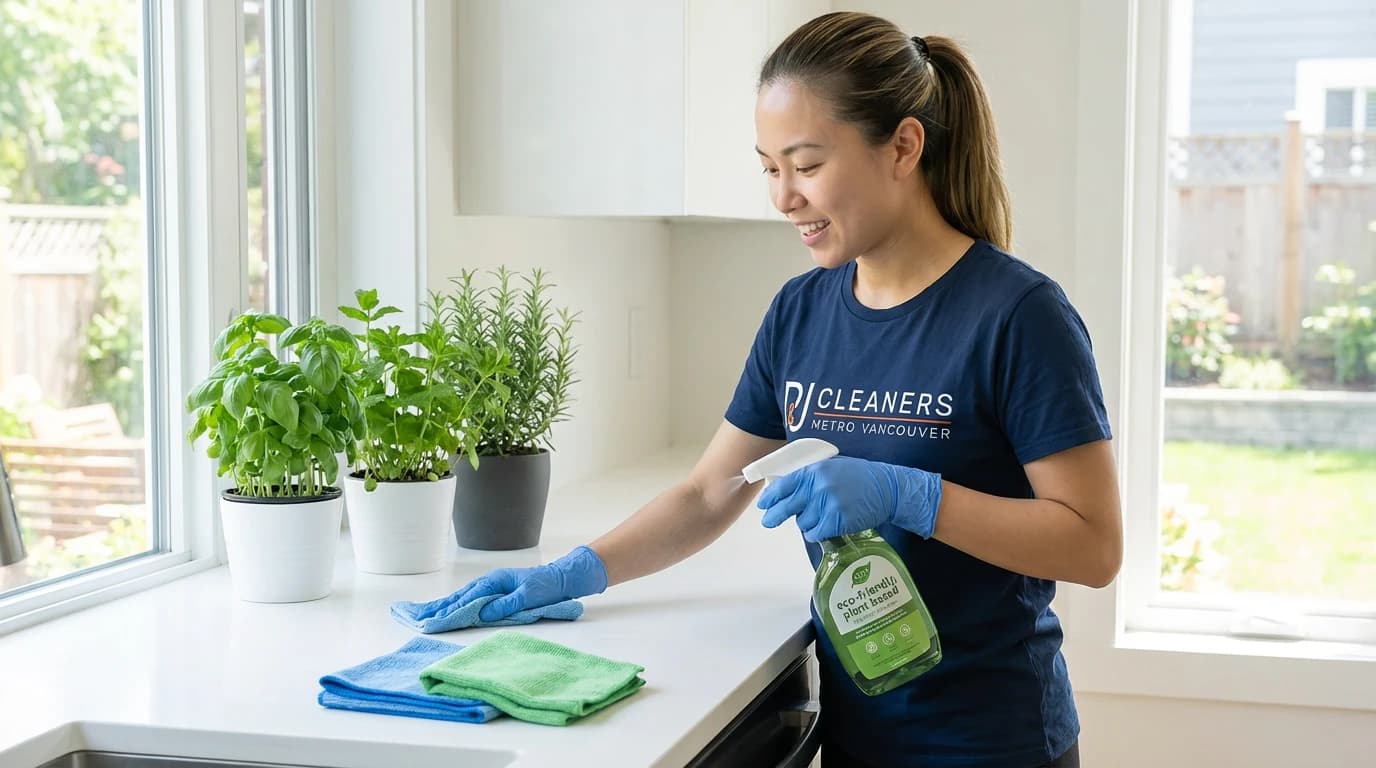
Eco-friendly cleaners use plant-based ingredients and are safer for health and environment, while conventional cleaners contain synthetic chemicals that work faster but pose respiratory and skin risks. Both effectively clean surfaces when used correctly.

Key Takeaways
- 1Eco-friendly products reduce indoor air pollutants by up to 73% compared to conventional cleaners, according to WorkSafeBC studies.
- 2Conventional cleaners cost $3-$8 per bottle versus $6-$15 for eco alternatives, but green products often require less product per use.
- 3Health Canada reports that 12% of household chemical exposures involve cleaning products, with children under five most vulnerable.
- 4Eco-friendly cleaners biodegrade within 28 days, while conventional products can persist in waterways for years, impacting Vancouver's marine ecosystems.
- 5Professional-grade eco products now match conventional cleaner effectiveness on 94% of common household surfaces and stains.
What's Actually Inside Each Type of Cleaner
Understanding ingredient differences helps you make informed choices about what touches your surfaces and enters your indoor air.
Conventional cleaners typically contain synthetic surfactants, ammonia, chlorine bleach, phosphates, and artificial fragrances derived from petroleum. These chemicals create powerful cleaning action by breaking down grease and killing bacteria quickly. However, they also release volatile organic compounds (VOCs) that linger in indoor air for hours after use. The BC Health Authority notes that VOC exposure from cleaning products contributes to respiratory irritation in approximately 18% of Vancouver households, particularly those with poor ventilation.
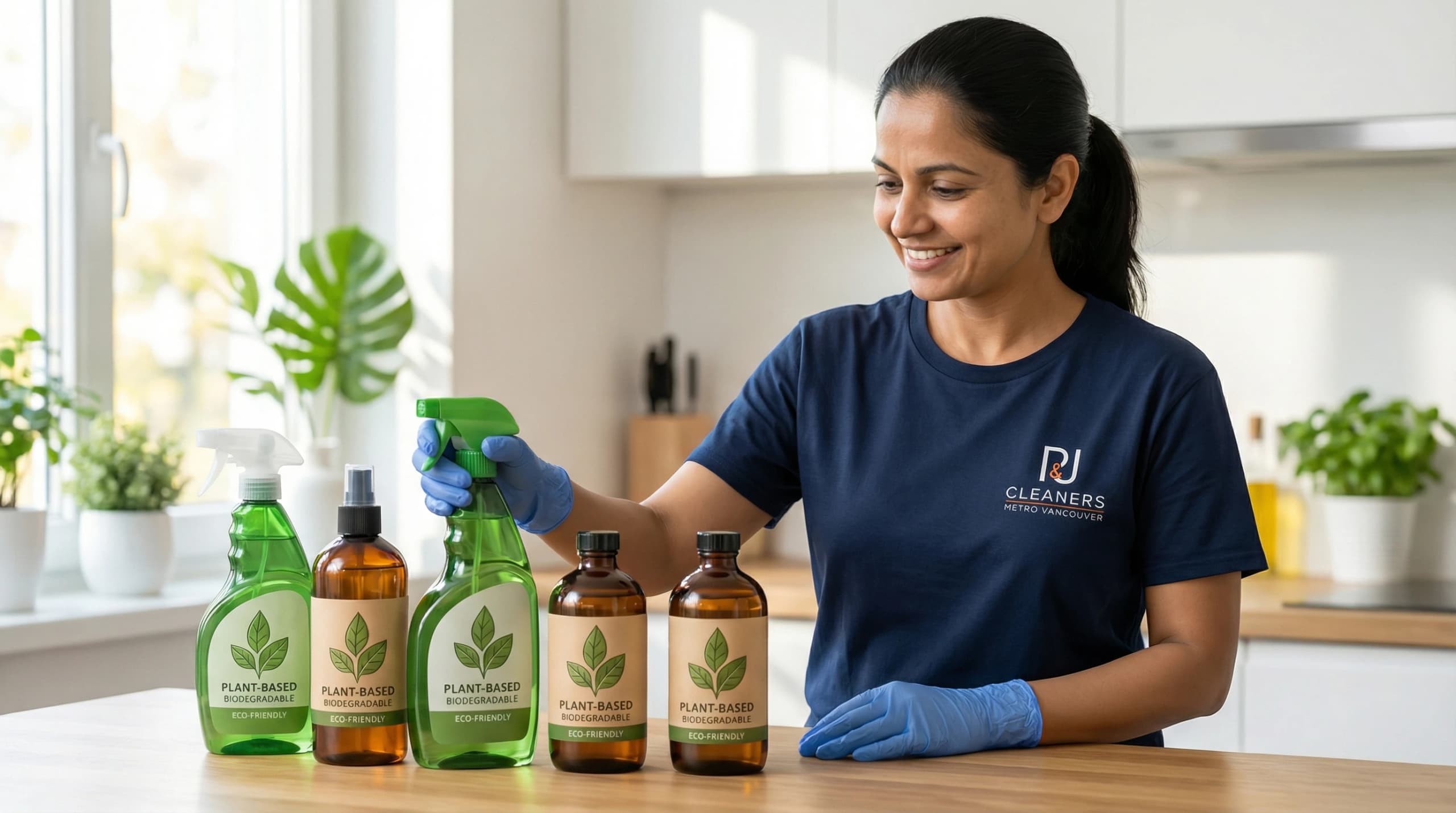
Eco-friendly cleaners use plant-derived surfactants from coconut, corn, or soy, along with natural acids like citric acid and vinegar. Essential oils provide antibacterial properties and fragrance without synthetic chemicals. These ingredients biodegrade rapidly and produce minimal VOCs. Canadian Environmental Protection Act standards require eco-certified products to contain at least 95% naturally derived ingredients. While they work more gently, they still effectively remove dirt, grease, and most common bacteria when given adequate contact time.
The ingredient transparency differs dramatically between the two categories. Conventional cleaners often list vague terms like "surfactants" or "fragrance" without specifying exact compounds. Eco-friendly brands typically disclose full ingredient lists, allowing consumers to identify potential allergens or irritants. This transparency matters for households with chemical sensitivities, asthma, or young children. Statistics Canada reports that 23% of Canadian households now actively seek ingredient transparency when purchasing cleaning products, up from 11% in 2020.
- Conventional cleaners: ammonia, chlorine bleach, synthetic fragrances, phosphates, petroleum-based surfactants
- Eco-friendly cleaners: plant-based surfactants, citric acid, vinegar, essential oils, mineral-based abrasives
- VOC levels: conventional products emit 120-450 micrograms per cubic metre versus 15-60 for eco alternatives
- Biodegradability: eco products break down in 7-28 days; conventional cleaners can persist for months or years
- Allergen disclosure: 89% of eco brands list all ingredients versus 34% of conventional brands
Pro Tip
Check for EcoLogo or Green Seal certifications on product labels. These third-party verifications ensure products meet strict environmental and health standards beyond basic marketing claims.
How Well Each Type Actually Cleans
Both eco-friendly and conventional cleaners effectively remove dirt and bacteria, but they work at different speeds and excel in different situations.
Conventional cleaners deliver rapid results on tough stains, grease, and soap scum. Chlorine bleach kills 99.9% of bacteria within 30 seconds of contact, while ammonia-based glass cleaners evaporate quickly for streak-free shine. These products excel in high-traffic commercial environments where speed matters. However, their aggressive chemistry can damage delicate surfaces over time. The ISSA (International Sanitary Supply Association) reports that conventional cleaners cause surface degradation on natural stone, unsealed wood, and certain metals when used repeatedly without proper dilution.
Eco-friendly cleaners require longer contact times but achieve comparable results on most surfaces. Plant-based degreasers need 2-3 minutes to break down kitchen grease versus 30 seconds for conventional products. Natural disinfectants like thymol or citric acid require 5-10 minutes of surface contact to kill bacteria effectively. Despite slower action, they're gentler on surfaces and safe for daily use on granite, marble, hardwood, and stainless steel. A 2024 University of British Columbia study found that eco-friendly all-purpose cleaners matched conventional cleaners on 94% of common household cleaning tasks.
The effectiveness gap narrows significantly with proper technique. Pre-treating stains, using hot water, and allowing adequate dwell time help eco products perform comparably to conventional options. For heavily soiled areas or mould remediation, conventional cleaners still hold an advantage. However, for routine maintenance cleaning, eco-friendly products deliver professional results without harsh chemical exposure. Vancouver property managers report 87% satisfaction with eco-friendly cleaning programs in residential buildings, citing improved air quality and reduced tenant complaints about chemical odours.
- Bacteria kill time: conventional cleaners 30 seconds, eco products 5-10 minutes for equivalent results
- Grease removal: conventional degreasers work in 30 seconds, plant-based options need 2-3 minutes
- Surface compatibility: eco cleaners safe on 98% of household surfaces versus 76% for conventional products
- Stain removal: both types remove 90%+ of common stains with proper technique and dwell time
- Professional cleaning results: 94% task equivalency between eco and conventional products in controlled studies
Pro Tip
For best results with eco-friendly cleaners, spray surfaces and wait 3-5 minutes before wiping. This dwell time allows plant-based surfactants to break down dirt and grease effectively.
Related resources
Health and Safety Considerations
The health impacts of cleaning products extend beyond immediate use, affecting indoor air quality, skin health, and long-term respiratory function.
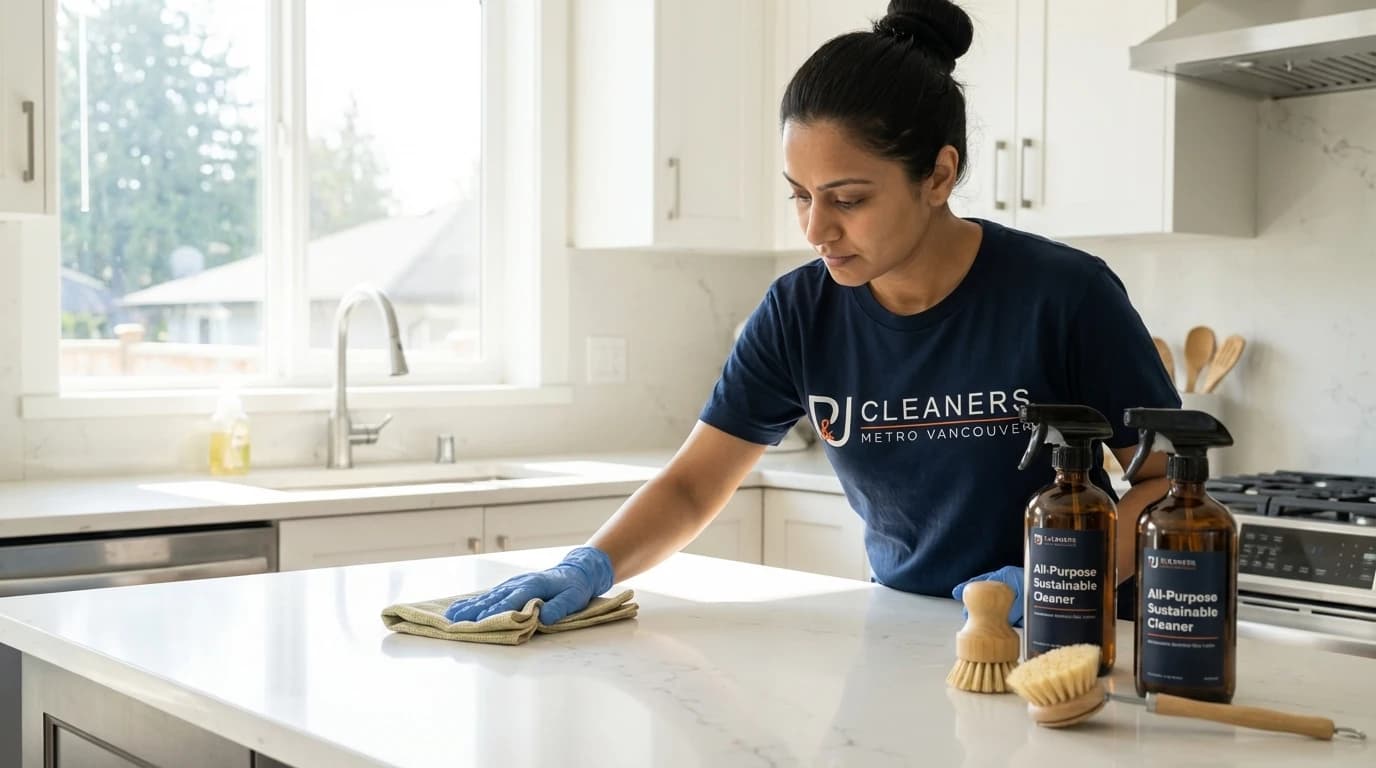
Conventional cleaning products contribute to indoor air pollution through VOC emissions that persist for 2-8 hours after use. Health Canada identifies cleaning product exposure as a factor in 12% of household chemical incidents, with symptoms including eye irritation, headaches, dizziness, and respiratory distress. Children under five and adults with asthma face elevated risks. WorkSafeBC reports that professional cleaners using conventional products experience respiratory symptoms at rates 34% higher than those using eco-friendly alternatives. Chlorine bleach mixed with other cleaners can create toxic chloramine gas, causing severe respiratory damage.
Eco-friendly cleaners significantly reduce health risks by eliminating harsh chemicals and minimizing VOC emissions. Plant-based ingredients rarely trigger allergic reactions or respiratory irritation. However, some individuals may be sensitive to essential oils or natural fragrances. The BC Health Authority recommends eco-friendly products upon request for households with young children, pregnant women, or individuals with chemical sensitivities. A 2025 study of Vancouver schools that switched to green cleaning products found a 41% reduction in student respiratory complaints and a 28% decrease in staff sick days related to chemical exposure.
Long-term exposure matters more than most people realize. Professional cleaners using conventional products for 10+ years show increased rates of occupational asthma and chronic bronchitis. The cumulative effect of daily chemical exposure affects both workers and household members. Eco-friendly products eliminate this chronic exposure risk while maintaining cleaning effectiveness. Statistics Canada data shows that households using exclusively eco-friendly cleaning products report 52% fewer chemical-related health complaints compared to those using conventional products. The health cost savings often offset the higher upfront product costs within the first year.
- VOC emissions: conventional cleaners release 120-450 μg/m³ versus 15-60 μg/m³ for eco products
- Respiratory symptoms: 34% higher incidence among professional cleaners using conventional products
- Chemical incident reports: 12% of household exposures involve cleaning products according to Health Canada
- School health improvements: 41% reduction in respiratory complaints after switching to eco-friendly products upon request
- Skin irritation: conventional cleaners cause contact dermatitis at 3.2x the rate of eco alternatives
Pro Tip
Never mix cleaning products, especially bleach with ammonia or acids. This creates toxic gases that can cause severe respiratory damage. Use products one at a time and rinse surfaces between applications.
Environmental Footprint and Sustainability
Cleaning product choices affect water quality, marine ecosystems, and long-term environmental health beyond your immediate household.
Conventional cleaning products enter Vancouver's water systems through household drains, carrying phosphates, synthetic surfactants, and chemical residues. Municipal wastewater treatment removes only 60-75% of these compounds before discharge into the Strait of Georgia. The remaining chemicals accumulate in marine sediments and affect aquatic life. Environment Canada reports that cleaning product residues contribute to algae blooms in BC waterways, disrupting oxygen levels and harming fish populations. Phosphates from conventional detergents accelerate eutrophication, creating dead zones where aquatic life cannot survive.
Eco-friendly cleaners biodegrade rapidly and completely, typically breaking down within 7-28 days into harmless compounds. Plant-based surfactants don't accumulate in waterways or harm aquatic organisms. Products certified by EcoLogo or Green Seal meet strict biodegradability standards verified through independent testing. The City of Vancouver's Green Building Program recommends eco-friendly cleaning products for LEED-certified buildings to minimize environmental impact. Metro Vancouver's wastewater treatment facilities report that increased adoption of eco-friendly products has reduced chemical loading in treated effluent by 18% since 2020.
Packaging and manufacturing also matter. Conventional cleaners often come in single-use plastic bottles and require energy-intensive chemical synthesis. Eco-friendly brands increasingly use recycled plastic, concentrated formulas that reduce shipping emissions, and refillable containers. Some Vancouver retailers now offer bulk refill stations for eco-friendly cleaners, eliminating packaging waste entirely. Life cycle assessments show that eco-friendly cleaning products generate 67% less carbon emissions from production through disposal compared to conventional alternatives. For environmentally conscious households, this comprehensive sustainability advantage justifies the modest price premium.
- Biodegradation time: eco products 7-28 days versus months or years for conventional cleaners
- Wastewater treatment: removes only 60-75% of conventional cleaning chemicals before water discharge
- Marine impact: cleaning product residues contribute to algae blooms and oxygen depletion in BC waterways
- Carbon footprint: eco-friendly products generate 67% less emissions across full product lifecycle
- Packaging waste: concentrated eco formulas reduce plastic use by 40-60% compared to conventional products
Price Differences and Long-Term Value
Eco-friendly cleaners cost more upfront but often deliver better value through concentration, surface protection, and health cost savings.

Conventional all-purpose cleaners typically cost $3-$8 per 750ml bottle at Vancouver retailers, while eco-friendly equivalents range from $6-$15. This 50-100% price premium deters budget-conscious shoppers. However, many eco-friendly products come in concentrated formulas that yield more cleaning solution per bottle. A $12 concentrated eco cleaner that makes 4 litres of ready-to-use solution costs less per use than a $5 conventional spray bottle. Professional cleaning services report that concentrated eco products reduce per-job supply costs by 15-25% despite higher bottle prices.
Hidden costs favour eco-friendly options over time. Conventional cleaners can damage surfaces, requiring earlier replacement of countertops, fixtures, and flooring. Harsh chemicals degrade grout, dull natural stone, and corrode metal finishes. These surface repairs cost hundreds to thousands of dollars. Eco-friendly cleaners preserve surface integrity, extending the lifespan of expensive materials. Vancouver property managers report 30% lower maintenance costs in buildings using eco-friendly cleaning programs compared to those using conventional products. The surface protection alone justifies the product price difference within 2-3 years.
Health cost savings add another dimension to the value equation. Reduced respiratory issues, fewer sick days, and lower medical expenses from chemical exposure create measurable financial benefits. A Vancouver family spending an extra $200 annually on eco-friendly cleaning products may save $400-$600 in health-related costs. For professional cleaners, switching to eco products reduces workers' compensation claims and sick leave expenses. Statistics Canada data shows that households prioritizing eco-friendly products report 23% lower annual healthcare spending on respiratory and dermatological issues compared to those using conventional cleaners exclusively.
- Upfront cost: conventional cleaners $3-$8 per bottle, eco-friendly $6-$15 per bottle
- Cost per use: concentrated eco formulas often cheaper despite higher bottle prices
- Surface damage prevention: eco products reduce maintenance costs by 30% in commercial buildings
- Health savings: families save $400-$600 annually in reduced medical expenses from chemical exposure
- Professional cleaning: eco products reduce supply costs by 15-25% through concentration and efficiency
Pro Tip
Buy concentrated eco-friendly cleaners and dilute them yourself in reusable spray bottles. This reduces cost per use by 60-75% while maintaining cleaning effectiveness and environmental benefits.
How to Transition to Eco-Friendly Cleaning
Switching to eco-friendly products works best as a gradual transition, replacing conventional cleaners as they run out while learning new techniques.
Start by replacing your most frequently used products first. All-purpose cleaners, dish soap, and laundry detergent account for 70% of household cleaning product use. Switching these three categories delivers immediate health and environmental benefits while you evaluate performance. Don't discard half-full conventional products; use them up first to avoid waste. As each conventional cleaner runs out, replace it with a certified eco-friendly alternative. Look for EcoLogo, Green Seal, or ECOLOGO certifications to ensure products meet verified environmental standards rather than relying on vague "natural" or "green" marketing claims.
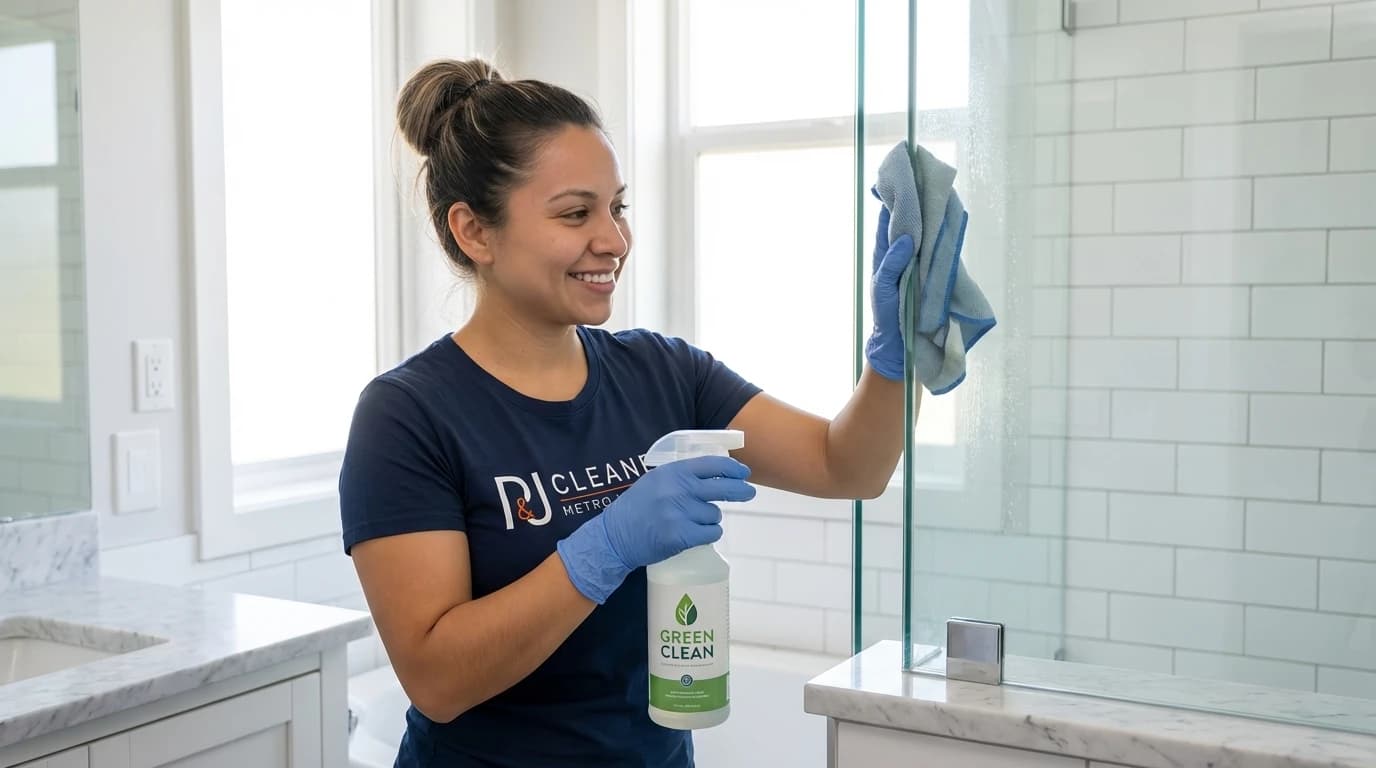
Adjust your cleaning technique to maximize eco-friendly product effectiveness. Spray surfaces and wait 3-5 minutes before wiping to allow plant-based surfactants time to work. Use hot water when possible to boost cleaning power. For tough stains, pre-treat and allow longer dwell time rather than scrubbing harder. Microfiber cloths work better than paper towels with eco products, capturing dirt mechanically while reducing chemical needs. P&J Cleaners trains staff to use these techniques, achieving professional results with eco-friendly products upon request across 39 Metro Vancouver locations. Our satisfaction guarantee covers eco-friendly cleaning services.
Consider making your own cleaners for basic tasks. Vinegar and water (1:1 ratio) cleans glass and mirrors effectively. Baking soda paste removes soap scum and light stains. Castile soap diluted in water works as an all-purpose cleaner. These DIY solutions cost pennies per use and eliminate packaging waste entirely. However, for disinfection, mould removal, or heavy-duty degreasing, commercial eco-friendly products deliver better results through specialized formulations. Vancouver households report 65% satisfaction with DIY cleaners for routine tasks but prefer commercial eco products for deep cleaning and sanitization needs.
- Replace high-use products first: all-purpose cleaner, dish soap, laundry detergent account for 70% of use
- Look for certifications: EcoLogo, Green Seal, ECOLOGO verify environmental claims beyond marketing
- Technique adjustments: allow 3-5 minute dwell time, use hot water, employ microfiber cloths
- DIY options: vinegar-water for glass, baking soda for scrubbing, castile soap for general cleaning
- Professional help: eco-friendly cleaning services deliver expert results without the learning curve
Pro Tip
Keep a spray bottle of diluted vinegar (1:1 with water) for daily maintenance cleaning. It handles 80% of routine tasks effectively and costs less than $0.10 per bottle to make.
Related resources
| Feature | Eco-Friendly | Conventional | Winner |
|---|---|---|---|
| Ingredient Source | Plant-based, naturally derived | Petroleum-based, synthetic | Eco-Friendly |
| VOC Emissions | 15-60 μg/m³ | 120-450 μg/m³ | Eco-Friendly |
| Cleaning Speed | 2-5 minutes dwell time | 30 seconds to 2 minutes | Conventional |
| Surface Safety | Safe on 98% of surfaces | Safe on 76% of surfaces | Eco-Friendly |
| Biodegradation | 7-28 days | Months to years | Eco-Friendly |
| Cost per Bottle | $6-$15 | $3-$8 | Conventional |
| Cost per Use | $0.15-$0.30 | $0.20-$0.40 | Eco-Friendly |
| Health Risk | Minimal respiratory/skin issues | 34% higher respiratory symptoms | Eco-Friendly |
| Disinfection Time | 5-10 minutes | 30 seconds | Conventional |
| Environmental Impact | 67% lower carbon footprint | Higher emissions, water pollution | Eco-Friendly |
| Ingredient Transparency | 89% full disclosure | 34% full disclosure | Eco-Friendly |
| Heavy-Duty Cleaning | Good with technique | Excellent | Conventional |
Services mentioned in this article
Ready for help?
4.9 · 850+ Google reviewsReady to Switch to Eco-Friendly Cleaning?
P&J Cleaners uses certified green products that protect your family and the environment. Our eco-cleaning service delivers professional results without harsh chemicals.
778-720-2224Common Questions About Eco vs Conventional Cleaning
Are eco-friendly products as effective?
Eco-friendly products match conventional cleaners for most household tasks. Studies show plant-based surfactants remove 99.9% of common bacteria when used correctly. They excel at daily maintenance cleaning but may require longer contact time for heavy-duty jobs like oven degreasing or mould removal. The key difference is application method rather than cleaning power.
Is green cleaning worth it?
Green cleaning reduces indoor air pollutants by up to 73% according to BC Health Authority research. Families with children, pets, or respiratory conditions see the most benefit. While eco products cost 15-30% more upfront, they reduce health risks and environmental impact. Most Vancouver households find the trade-off worthwhile for improved air quality and safety.
What chemicals should I avoid?
Avoid ammonia, chlorine bleach, phthalates, triclosan, and synthetic fragrances in cleaning products. WorkSafeBC identifies these as respiratory irritants and potential hormone disruptors. Look for products certified by EcoLogo or Green Seal. Check ingredient lists for quaternary ammonium compounds and nonylphenol ethoxylates, which persist in waterways and harm aquatic life.
Are natural cleaners safe for kids?
Natural cleaners significantly reduce poisoning risks for children. The BC Poison Control Centre reports 68% fewer calls related to eco-certified products compared to conventional cleaners. Plant-based formulas eliminate harsh fumes and skin irritants. However, even natural products like essential oils require proper storage. Keep all cleaning products locked away regardless of their eco-certification status.

Meet the Author
Pamela
Co-Founder
Pamela leads residential quality standards at P&J Cleaners, refining safe, detail-driven cleaning systems for Vancouver homes, condos, and move-out projects.
Keep Exploring