

Quick answer
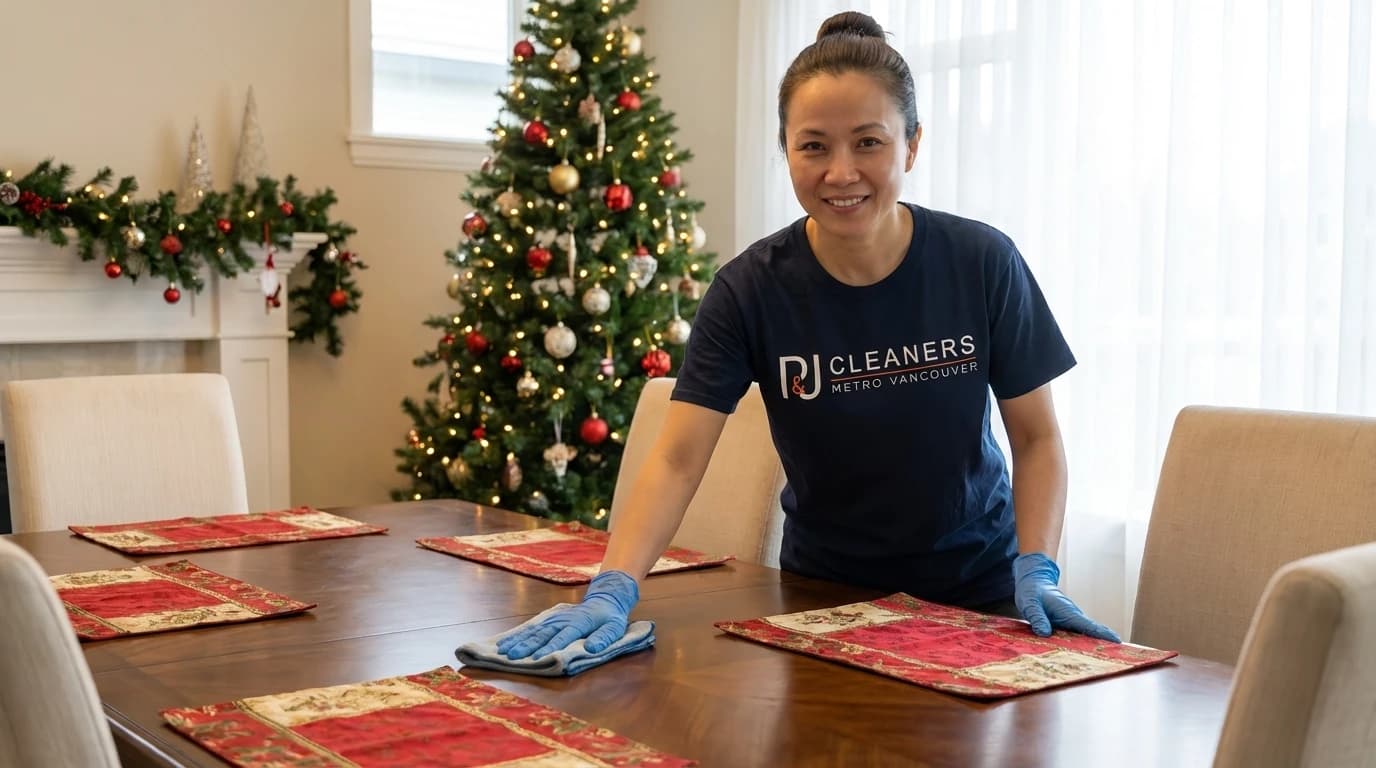
Deep clean your dining room by dusting fixtures, wiping table surfaces with appropriate cleaners, vacuuming upholstery, sanitizing high-touch areas, polishing wood or glass, and mopping floors with suitable products.

Key Takeaways
- 1Dining tables harbour 400 times more bacteria than toilet seats according to NSF International studies, making regular sanitization essential for family health.
- 2Wood tables require pH-neutral cleaners and immediate spill cleanup to prevent water rings and finish damage that can cost $200-$500 to repair professionally.
- 3Vacuum upholstered chairs weekly and deep clean quarterly to remove allergens and extend fabric life by 3-5 years compared to neglected furniture.
- 4Clean chandeliers and light fixtures every 2-3 months to maintain brightness and prevent dust buildup that reduces light output by up to 30 percent.
Why Regular Dining Room Cleaning Matters
Your dining room serves as a gathering space for meals and celebrations, making cleanliness essential for health and aesthetics.
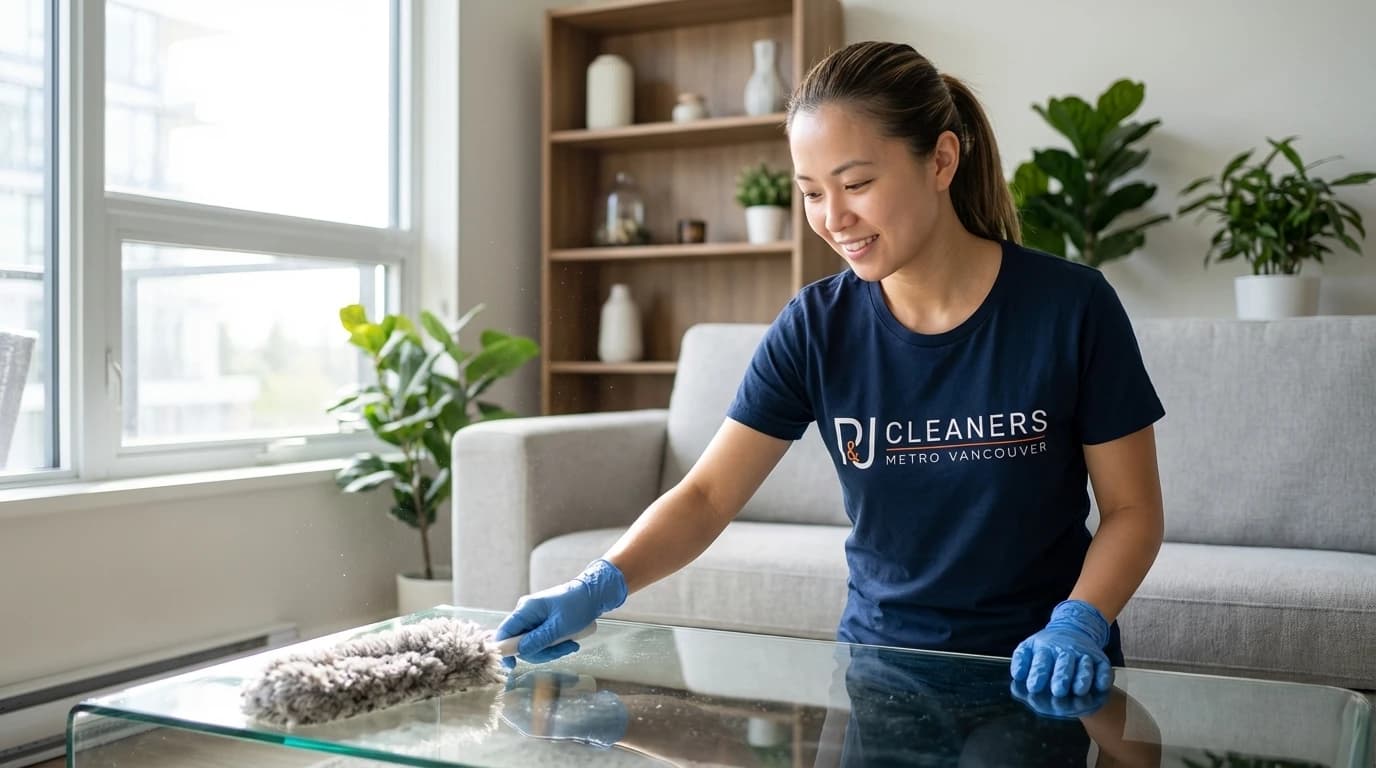
The dining room experiences constant use during meals, homework sessions, and family gatherings. Food particles, dust, and bacteria accumulate on surfaces daily. Research from the University of Arizona shows dining tables can harbour more germs than bathroom surfaces when not cleaned properly. Regular maintenance prevents buildup and protects your family's health while preserving furniture investments that often cost thousands of dollars. Vancouver's coastal climate adds moisture concerns that accelerate mould growth on fabrics and wood finishes without proper care.
Professional cleaning standards recommend weekly surface cleaning and monthly deep cleaning for dining spaces. High-traffic households with children or pets require more frequent attention. Statistics Canada reports the average Canadian family eats at home 5.2 times per week, creating consistent cleaning demands. Neglected dining rooms develop stubborn stains, odours, and permanent damage to furniture finishes. Establishing a routine saves time and money compared to emergency deep cleans or furniture replacement. Our 12 years serving Metro Vancouver homes proves consistent care extends furniture life significantly.
- Bacteria multiply rapidly on dining surfaces, doubling every 20 minutes in optimal conditions according to CDC guidelines
- Food residue attracts pests including ants, fruit flies, and pantry moths that infest nearby kitchen areas
- Dust and allergens settle on fabric chairs, triggering respiratory issues for sensitive family members
- Sticky spills penetrate wood grain and upholstery fibres, becoming permanent without prompt treatment
- Chandelier dust reduces light output and creates fire hazards near bulbs generating heat
Pro Tip
Schedule dining room deep cleans the day after hosting dinner parties or holiday meals when messes are fresh and easier to remove.
Essential Supplies for Dining Room Cleaning
Gather the right tools and products before starting to ensure efficient, damage-free cleaning of all dining room surfaces.
Quality cleaning supplies make the difference between mediocre results and professional-grade cleanliness. Microfibre cloths outperform cotton rags by trapping 99 percent of bacteria according to ISSA research studies. Invest in separate cloths for different tasks to prevent cross-contamination between surfaces. Wood furniture requires pH-neutral cleaners that won't strip protective finishes or leave residue. Glass tables need ammonia-free solutions to avoid streaking and film buildup. Upholstery demands fabric-specific products that lift stains without saturating padding underneath. Vancouver's eco-conscious residents appreciate plant-based formulas that clean effectively without harsh chemical odours or environmental impact.
Your cleaning caddy should include extension dusters for reaching chandeliers and crown moulding without ladders. Vacuum attachments with upholstery brushes remove embedded dirt from chair fabric and crevices. Spray bottles allow controlled application of cleaning solutions to prevent oversaturation. Soft-bristle brushes tackle carved wood details and chair spindles where cloths can't reach. Keep separate supplies for food-contact surfaces versus decorative items. Our teams use colour-coded systems to maintain hygiene standards across 39 Metro Vancouver locations. Professional-grade equipment costs more initially but lasts years longer than discount store alternatives while delivering superior results.
- Microfibre cloths in multiple colours for designated surface types and cleaning stages
- pH-neutral wood cleaner, glass cleaner, and upholstery shampoo appropriate for your furniture materials
- Vacuum with crevice tool and upholstery brush attachments for thorough debris removal
- Extension duster with washable head for light fixtures and high surfaces
- Soft-bristle detailing brush for carved wood and tight spaces between chair slats
- Spray bottles for controlled application and bucket for rinse water changes
Pro Tip
Test all cleaning products on hidden furniture areas first to ensure they won't damage finishes or discolour fabrics before applying to visible surfaces.
Related resources
How to Clean Different Dining Table Materials
Each table material requires specific cleaning methods to maintain appearance and prevent damage from improper products or techniques.
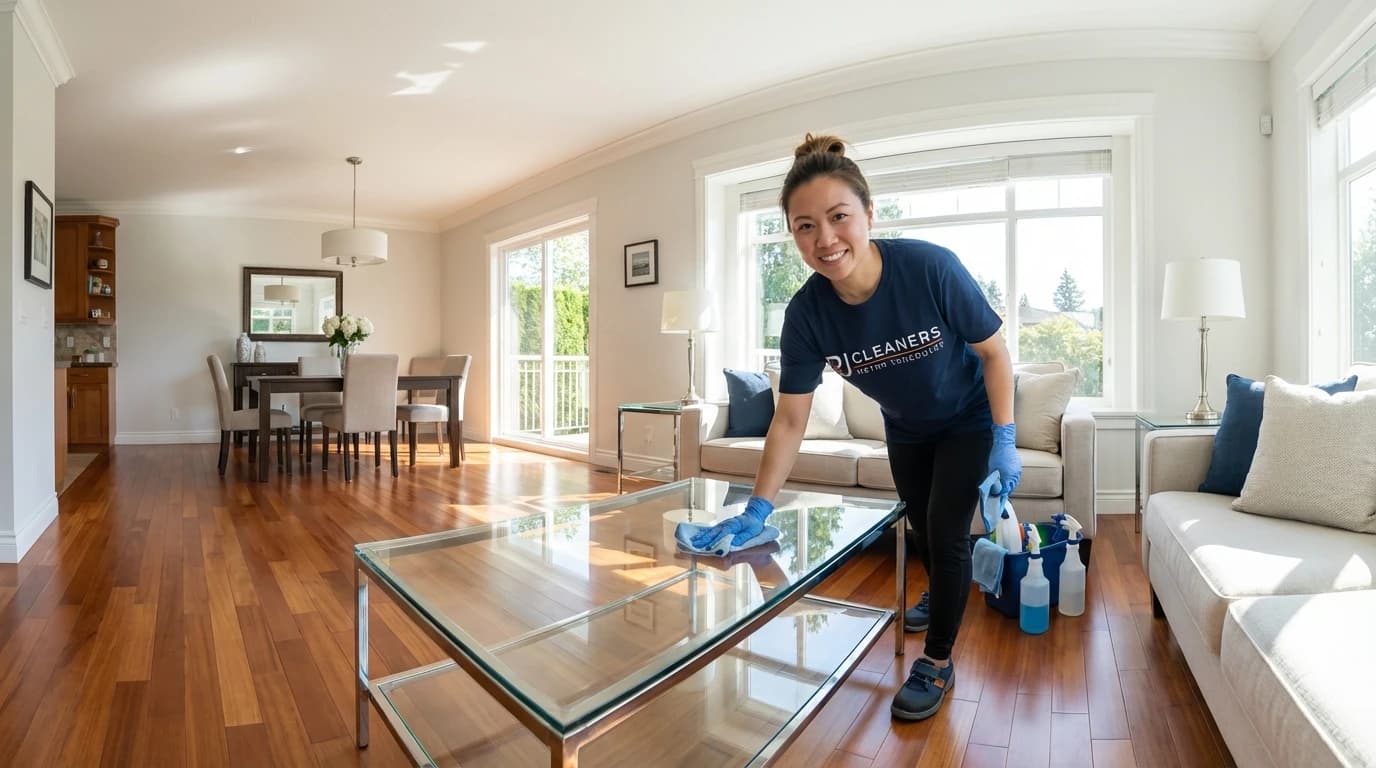
Wood tables dominate Vancouver dining rooms for their warmth and durability when properly maintained. Remove all items from the surface before cleaning to access the entire area. Dust with a dry microfibre cloth following the wood grain direction to capture particles without scratching. Mix two drops of dish soap in warm water for routine cleaning, wringing cloths nearly dry before wiping. Excess moisture causes water rings and finish damage that require professional refinishing costing $300-$600 for standard tables. Dry immediately with a clean cloth, again following grain patterns. Apply furniture polish monthly to nourish wood and restore lustre, using products containing natural oils rather than silicone-based formulas that build up over time.
Glass tables showcase modern aesthetics but show every fingerprint and smudge without proper care. Spray glass cleaner directly onto microfibre cloths rather than the surface to prevent drips into table base mechanisms. Wipe in circular motions, then buff with a dry section of cloth for streak-free shine. Stubborn spots respond to white vinegar diluted 50-50 with water. Avoid abrasive scrubbers that scratch glass permanently. Marble and stone tables require pH-neutral cleaners specifically formulated for natural stone. Acidic products including vinegar and lemon juice etch marble surfaces, creating dull spots that need professional restoration. Seal stone tables annually to prevent staining from food and beverage spills that penetrate porous surfaces.
- Wood tables need immediate spill cleanup and coasters under all beverages to prevent permanent rings
- Glass surfaces require lint-free cloths and ammonia-free cleaners to avoid streaking and film
- Marble and granite demand stone-specific products and annual sealing to maintain stain resistance
- Laminate tables tolerate most cleaners but avoid excessive water that seeps into seams and causes swelling
- Metal bases and legs need appropriate cleaners for their finish type, whether painted, powder-coated, or chrome
Pro Tip
Place felt pads under decorative items and table runners to prevent scratches and allow air circulation that prevents moisture damage to wood finishes.
Deep Cleaning Dining Chair Upholstery
Fabric chairs accumulate body oils, food particles, and allergens that require regular vacuuming and periodic deep cleaning for hygiene.
Upholstered dining chairs trap more dirt than hard surfaces because fabric fibres catch and hold particles. Vacuum chairs weekly using the upholstery attachment with gentle suction to avoid damaging delicate fabrics. Pay special attention to seams, tufting, and crevices where crumbs accumulate. Remove cushions if possible to vacuum both sides and the chair frame underneath. The Asthma Society of Canada reports regular vacuuming reduces allergen levels by 85 percent in upholstered furniture. Check manufacturer tags for cleaning codes before applying any liquid products. W indicates water-based cleaners are safe, S means solvent-only, WS allows either, and X requires professional cleaning only.
Deep clean fabric chairs every three to six months depending on use frequency and household factors like pets or young children. Mix upholstery shampoo according to label directions, testing on hidden areas first. Apply foam rather than liquid to prevent oversaturation that causes mould growth in padding. Work in small sections, scrubbing gently with a soft brush in circular motions. Blot with clean towels to remove moisture and loosened soil. Allow chairs to dry completely before use, typically 6-12 hours with good air circulation. Speed drying with fans but never heat sources that can shrink fabrics or damage foam padding. Leather chairs need different care with specialized leather cleaners and conditioners applied every 6-12 months to prevent cracking and maintain suppleness.
- Vacuum upholstery weekly to remove surface dirt before it embeds deep into fabric fibres
- Treat stains immediately by blotting rather than rubbing to prevent spreading and setting
- Use appropriate cleaning codes from manufacturer tags to avoid damaging fabrics with wrong products
- Allow complete drying before use to prevent mildew growth in foam padding and fabric layers
- Consider professional cleaning for delicate fabrics, antique chairs, or stubborn stains beyond DIY methods
- Rotate chair positions periodically to distribute wear evenly across your dining set
Pro Tip
Keep a small handheld vacuum in your dining area for quick cleanup after meals, preventing food particles from attracting pests or staining fabrics permanently.
Safely Cleaning Chandeliers and Light Fixtures
Light fixtures accumulate dust that reduces brightness and creates fire hazards, requiring careful cleaning every 2-3 months.
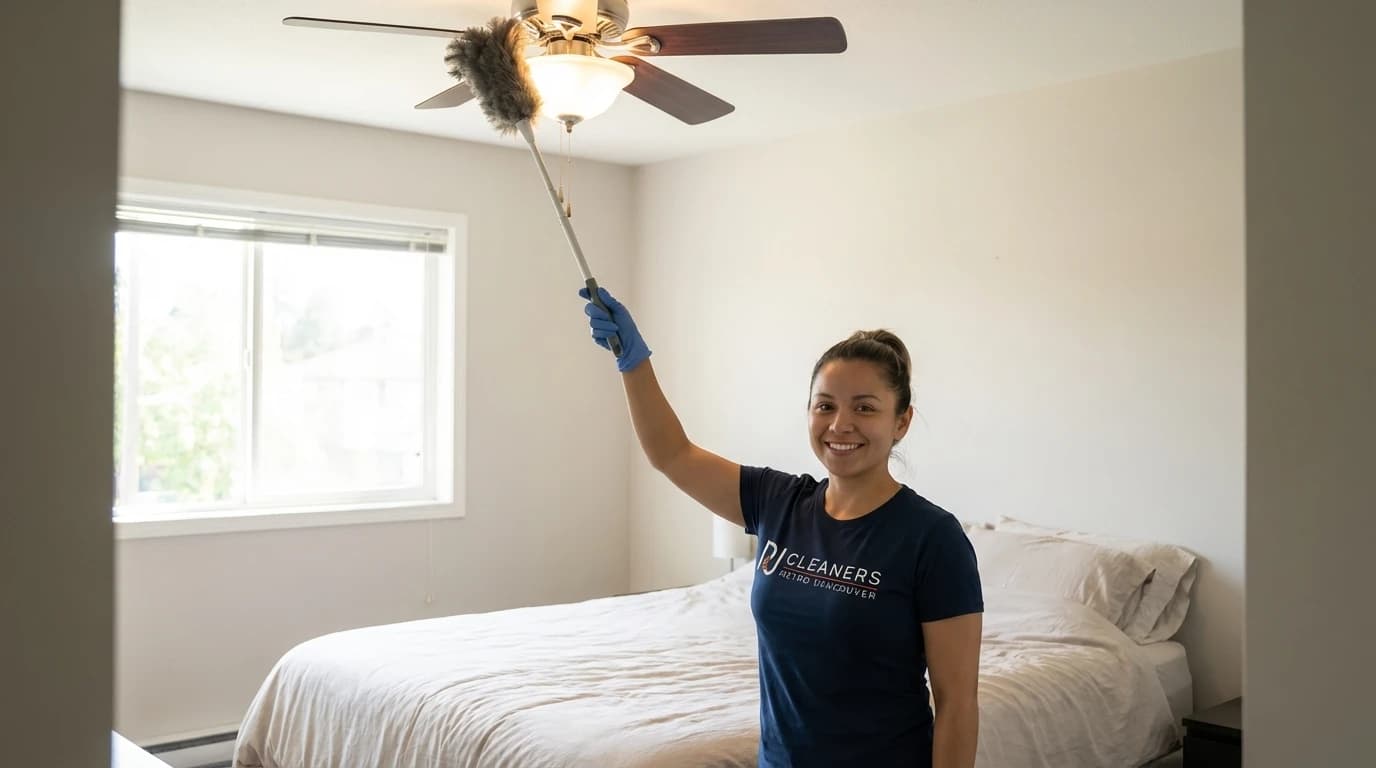
Chandeliers and pendant lights serve as dining room focal points but collect dust that dims light output significantly. Turn off power at the circuit breaker before cleaning any light fixture to prevent electrical shock. Allow bulbs to cool completely, typically 30-60 minutes after use. Lay a drop cloth or old sheet beneath the fixture to catch falling debris and protect flooring. For crystal chandeliers, mix one part isopropyl alcohol with three parts distilled water in a spray bottle. Spray solution onto a microfibre cloth rather than directly on crystals to control moisture. Wipe each crystal individually, supporting it with one hand while cleaning with the other to prevent breakage.
Metal fixtures need appropriate cleaners for their finish type. Brass and copper develop tarnish that requires metal polish and soft cloths. Chrome and nickel finishes clean with mild soap and water, dried immediately to prevent water spots. Painted fixtures tolerate gentle all-purpose cleaners but avoid abrasives that scratch finishes. Glass shades and globes can be removed and washed in warm soapy water, rinsed thoroughly, and dried completely before reinstalling. WorkSafeBC recommends using stable step stools or ladders with someone spotting you for safety. Consider hiring professionals for high or complex chandeliers where fall risks outweigh DIY savings. Our teams clean fixtures safely across Metro Vancouver homes weekly.
- Turn off power at the breaker and allow bulbs to cool before touching any light fixture components
- Use extension dusters for routine maintenance between deep cleans to prevent heavy buildup
- Clean crystals individually with alcohol-water solution to restore sparkle without leaving residue
- Remove and wash glass shades separately in sink with warm soapy water for thorough cleaning
- Inspect wiring and connections during cleaning, calling electricians for any damage or concerns
- Schedule professional cleaning for chandeliers over 8 feet high or with complex crystal arrangements
Pro Tip
Clean light fixtures on overcast days when you can see dust clearly without glare, making the job faster and more thorough than bright sunny conditions.
Dining Room Floor Cleaning by Surface Type
Floors beneath dining tables collect food debris and require appropriate cleaning methods based on material to prevent damage.
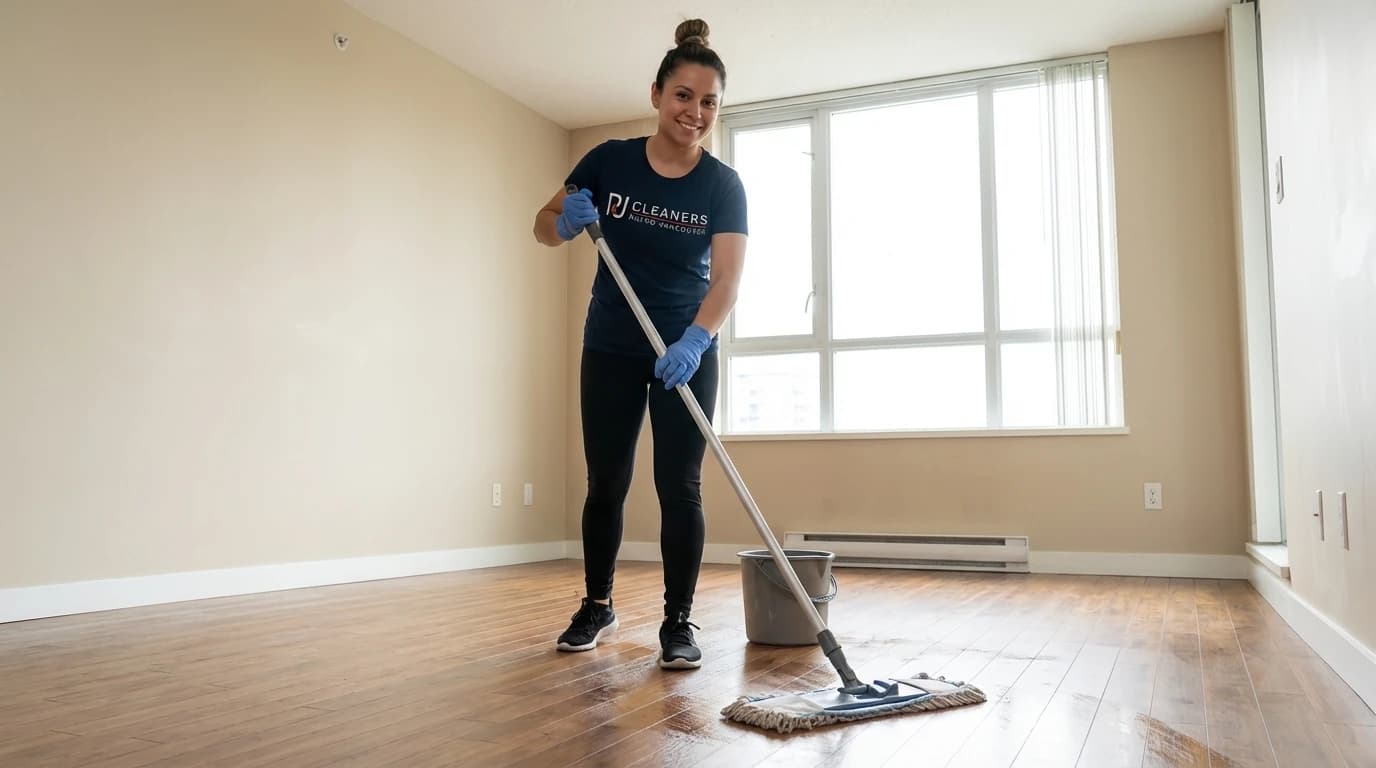
Hardwood floors dominate Vancouver dining rooms but demand careful cleaning to preserve finishes. Sweep or vacuum daily to remove grit that scratches wood surfaces when walked on. Use vacuum hard floor settings without beater bars that can dent softwood species. Mop weekly with cleaners specifically formulated for hardwood, avoiding excessive water that seeps between boards and causes cupping. Wring mops nearly dry before use, working in small sections and drying immediately with towels. Never use steam mops on hardwood despite marketing claims, as heat and moisture damage finishes and wood fibres. Refinish hardwood every 7-10 years depending on traffic and wear patterns to maintain protection and appearance.
Tile floors tolerate more moisture and aggressive cleaning than wood but still require appropriate methods. Sweep or vacuum first to remove loose debris that turns into muddy paste when wet. Mop with pH-neutral tile cleaner and hot water, changing water frequently as it becomes dirty. Scrub grout lines with a stiff brush and grout cleaner every few months to prevent discolouration and mildew growth. Seal grout annually to maintain stain resistance and easier cleaning. Carpet under dining tables traps food particles and spills, requiring weekly vacuuming and immediate spot treatment. Professional carpet cleaning every 12-18 months removes embedded soil and restores appearance. Area rugs need similar care with regular rotation to distribute wear evenly across the surface.
- Sweep or vacuum floors before mopping to prevent spreading dirt and creating muddy streaks
- Use appropriate cleaners for your specific floor type to avoid damage from incompatible products
- Place mats under dining tables to catch spills and crumbs, protecting floors from stains and wear
- Clean spills immediately before they penetrate floor finishes or carpet fibres permanently
- Avoid excessive water on wood and laminate floors that causes swelling, warping, and finish damage
- Schedule professional refinishing or deep cleaning based on manufacturer recommendations and wear patterns
Pro Tip
Keep a small broom and dustpan in your dining room for quick cleanup after meals, preventing tracked debris throughout your home and reducing deep cleaning frequency.
Related resources
Creating Your Dining Room Cleaning Schedule
Establish a routine maintenance schedule to keep your dining room consistently clean without overwhelming time commitments.
Consistent maintenance prevents overwhelming cleaning sessions and extends furniture life significantly. Daily tasks take 5-10 minutes and include wiping the table after meals, sweeping floors, and spot-cleaning spills immediately. Weekly cleaning requires 30-45 minutes for thorough surface wiping, chair vacuuming, and floor mopping. Monthly deep cleaning takes 1-2 hours covering light fixtures, detailed wood polishing, and baseboard wiping. Quarterly tasks include upholstery shampooing, window washing, and moving furniture to clean underneath. Annual maintenance involves professional services for carpet deep cleaning, chandelier detailing, and furniture refinishing as needed. Adjust frequency based on household size and dining room use patterns.
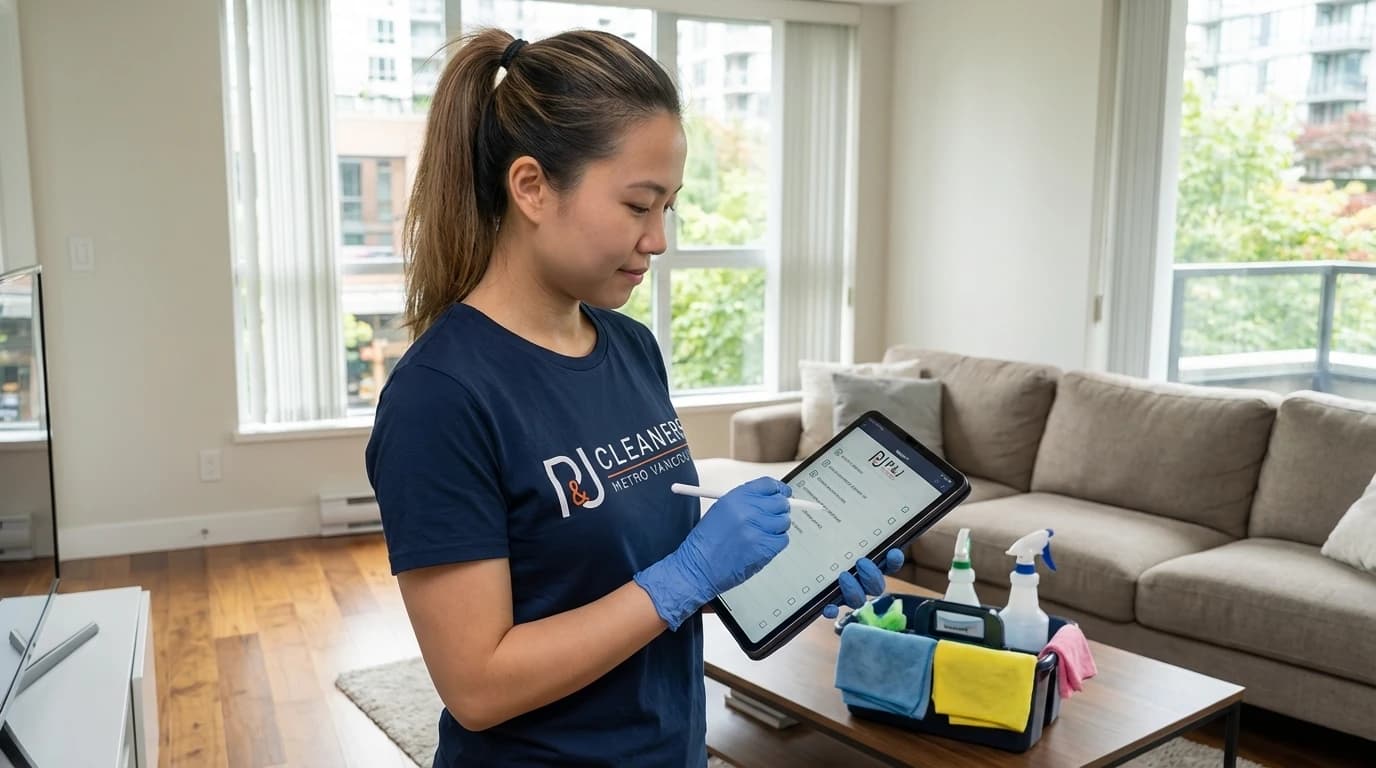
Track cleaning tasks with a simple checklist or smartphone app to maintain consistency. Assign specific days for different tasks rather than trying to complete everything at once. Many Vancouver families clean dining rooms on Sunday evenings after weekend gatherings or Wednesday midweek for fresh spaces before weekend entertaining. Involve family members in age-appropriate tasks to distribute workload and teach responsibility. Children can wipe tables, adults handle chemicals and ladders. Consider professional cleaning services for deep cleaning sessions if time or physical limitations prevent thorough DIY work. Our 200 percent satisfaction guarantee ensures your dining room meets the highest standards when you need expert help maintaining your home investment.
- Daily: Wipe table after meals, sweep floors, spot-clean spills within 5-10 minutes
- Weekly: Vacuum chairs, mop floors, dust surfaces thoroughly in 30-45 minutes
- Monthly: Clean light fixtures, polish wood, wipe baseboards in 1-2 hours
- Quarterly: Shampoo upholstery, wash windows, deep clean carpets in 2-3 hours
- Annually: Professional services for refinishing, chandelier detailing, and carpet extraction
- Adjust frequency based on household size, pets, children, and entertaining patterns
Pro Tip
Set phone reminders for monthly and quarterly tasks that are easy to forget, ensuring consistent maintenance that prevents expensive repairs or replacements.
Step-by-Step
7-Step Deep Cleaning Process
Follow this systematic approach to achieve professional results in your dining room. Each step builds on the previous one for maximum efficiency and thoroughness.
Clear and Prepare the Space
Remove all items from your dining table including centrepieces, placemats, and decorative objects. Take chairs away from the table to access all surfaces easily. Protect flooring with drop cloths if using liquid cleaners. Open windows for ventilation when using cleaning products. Gather all supplies in your cleaning caddy before starting to avoid interruptions. Turn off power to light fixtures at the circuit breaker for safety. This preparation phase takes 10-15 minutes but makes actual cleaning much faster and more thorough by eliminating obstacles and organizing your workflow efficiently.
- Remove all decorative items, placemats, and tableware from the dining table surface
- Pull chairs away from table to access all sides and underneath areas
- Lay drop cloths or old towels under the table if using liquid cleaning products
- Open windows or turn on ventilation fans to circulate fresh air during cleaning
- Gather all cleaning supplies in a caddy or bucket for easy access throughout the process
Dust All Surfaces Top to Bottom
Start with the highest surfaces including chandeliers, crown moulding, and wall art to let dust fall downward. Use extension dusters with washable heads to reach without ladders. Dust light fixtures, window treatments, and wall decorations thoroughly. Move to table surfaces, wiping with dry microfibre cloths to capture particles. Dust chair backs, legs, and rungs carefully. Clean baseboards and floor edges last. This top-to-bottom approach prevents re-contaminating cleaned areas. Dusting takes 15-20 minutes for average dining rooms and removes the loose debris that would turn into muddy streaks during wet cleaning phases.
- Dust chandelier and ceiling fixtures with extension duster, working carefully around crystals
- Wipe crown moulding, picture frames, and wall decorations with microfibre cloths
- Dust table surface following wood grain direction to prevent scratching finishes
- Clean chair backs, legs, spindles, and all carved details with dry cloths or soft brushes
- Wipe baseboards and floor edges to remove accumulated dust and cobwebs
Vacuum Upholstery and Floors
Attach the upholstery tool to your vacuum and clean all fabric chair surfaces using gentle suction. Work methodically across seat cushions, backs, and arms if present. Use the crevice tool for seams, tufting, and tight spaces between cushions and frames. Remove cushions to vacuum both sides and the chair frame underneath. Switch to appropriate floor attachments and vacuum the entire dining room floor, moving systematically to avoid missing spots. Pay extra attention under the table where crumbs accumulate. Vacuuming takes 20-25 minutes and removes embedded dirt that wiping alone cannot address effectively.
- Vacuum chair seats, backs, and arms with upholstery attachment using gentle suction settings
- Use crevice tool to clean seams, tufting, and spaces between cushions and chair frames
- Remove seat cushions if possible and vacuum both sides plus the chair frame underneath
- Vacuum entire floor area with appropriate attachment for your surface type
- Move table and chairs to vacuum underneath where food debris accumulates heavily
Clean and Sanitize the Table
Apply appropriate cleaner for your table material using the methods described earlier. For wood, use barely damp cloths with pH-neutral cleaner, wiping with the grain. Glass tables need glass cleaner applied to cloths, not surfaces. Stone requires stone-specific products. Work in sections, cleaning and drying immediately to prevent water damage. Sanitize high-touch areas including table edges where hands rest. Polish wood tables with furniture polish after cleaning and drying completely. This step takes 15-20 minutes and restores your table's appearance while eliminating bacteria that accumulate from daily use and food preparation activities.
- Apply appropriate cleaner for your table material using correct technique and products
- Wipe entire surface systematically, working in sections to ensure complete coverage
- Dry immediately with clean cloths to prevent water rings and finish damage
- Sanitize high-touch areas including edges and corners where hands frequently rest
- Apply furniture polish or protectant appropriate for your table material and finish type
Detail Clean Chairs and Fixtures
Wipe chair frames with appropriate cleaners for their material, whether wood, metal, or plastic. Clean carved details and spindles with soft brushes. Treat any upholstery stains with appropriate spot cleaners, blotting rather than rubbing. Clean light fixtures following the safety procedures outlined earlier, wiping each component carefully. Polish metal hardware and decorative elements. This detailed work takes 25-30 minutes but addresses the areas that distinguish thorough cleaning from basic maintenance. These details significantly impact your dining room's overall appearance and cleanliness impression when guests visit your home.
- Wipe all chair frames with appropriate cleaners for wood, metal, or plastic materials
- Clean carved details, spindles, and decorative elements with soft brushes and cloths
- Treat upholstery stains with appropriate spot cleaners, blotting gently to lift soil
- Clean light fixtures following safety procedures, wiping each crystal or component individually
- Polish metal hardware, decorative elements, and any chrome or brass accents
Mop Floors Thoroughly
Fill your mop bucket with hot water and appropriate floor cleaner for your surface type. Wring the mop nearly dry before applying to floors, especially wood and laminate. Work in small sections, mopping and drying as you go. Change water when it becomes dirty to avoid spreading soil. Pay special attention to areas under the table where spills concentrate. Mop baseboards if they're painted or tile. Allow floors to dry completely before replacing furniture, typically 30-60 minutes depending on ventilation and humidity. This final step takes 20-25 minutes and completes your dining room transformation with clean, fresh-smelling floors.
- Fill bucket with hot water and appropriate floor cleaner for your specific surface type
- Wring mop nearly dry and work in small sections, mopping and drying as you progress
- Change water frequently when it becomes dirty to avoid spreading soil across floors
- Clean under table area thoroughly where food debris and spills concentrate heavily
- Allow floors to dry completely before replacing furniture to prevent slipping and water marks
Final Touches and Inspection
Walk through your dining room with fresh eyes, checking for missed spots or streaks. Wipe any remaining smudges on glass or mirrors. Fluff chair cushions and straighten upholstery. Replace decorative items, arranging them attractively. Turn power back on at the breaker and test light fixtures. Open windows briefly for final air circulation. Take before and after photos to track your progress and maintain motivation for future cleaning sessions. This final inspection takes 10-15 minutes and ensures professional-quality results. Your dining room is now ready for family meals or entertaining guests with confidence in your clean, welcoming space.
- Inspect all surfaces for missed spots, streaks, or areas needing additional attention
- Wipe any remaining smudges on glass, mirrors, or polished surfaces for perfect shine
- Fluff cushions, straighten upholstery, and ensure chairs are evenly positioned around table
- Replace decorative items and centrepieces, arranging them attractively on clean surfaces
- Turn power back on and test light fixtures to ensure everything functions properly after cleaning
Services mentioned in this article
Ready for help?
4.9 · 850+ Google reviewsLet Us Handle Your Dining Room Deep Clean
Our Vancouver team brings professional-grade equipment and eco-friendly products upon request to every job. Book same-day service and experience our satisfaction guarantee.
778-720-2224Dining Room Cleaning Questions
How to clean a wood dining table?
Dust the table with a microfiber cloth, then mix 2 tablespoons of white vinegar in 1 litre of warm water. Dampen a cloth in the solution, wring it thoroughly, and wipe along the wood grain. Dry immediately with a clean towel to prevent water damage. For stubborn spots, use a wood-specific cleaner. Polish quarterly with furniture oil to maintain the finish and prevent cracking.
How to clean dining chair upholstery?
Vacuum upholstered chairs weekly using the brush attachment to remove crumbs and dust. For fabric chairs, spot-clean stains with a mixture of 1 teaspoon dish soap in 2 cups warm water, blotting gently without saturating the fabric. Test in an inconspicuous area first. For leather chairs, wipe with a damp cloth and apply leather conditioner every 3-6 months to prevent cracking and maintain suppleness.
How to clean a chandelier?
Turn off power at the breaker and let bulbs cool completely. Lay a towel beneath the fixture. For crystal chandeliers, spray a 1:1 mixture of water and isopropyl alcohol onto a microfiber cloth and wipe each crystal individually. For metal fixtures, use a damp cloth with mild dish soap. According to the Illuminating Engineering Society, cleaning chandeliers every 3-4 months maintains 90% of their light output compared to 60% when neglected.
How often should you clean your dining room?
Wipe the dining table after each meal and vacuum or sweep floors twice weekly. Deep clean the entire dining room monthly, including chair upholstery, baseboards, light fixtures, and window treatments. Statistics Canada reports that Canadian households spend an average of 3.2 hours weekly on cleaning tasks. High-traffic dining rooms in homes with children or pets benefit from weekly deep cleaning to maintain hygiene and appearance.

Meet the Author
Pamela
Co-Founder
Pamela leads residential quality standards at P&J Cleaners, refining safe, detail-driven cleaning systems for Vancouver homes, condos, and move-out projects.
Keep Exploring