

Industry Overview
Why Daycare Cleaning Standards Matter
Daycare facilities face unique cleaning challenges due to high child density, frequent surface contact, and developing immune systems. Children under five touch surfaces 300-400 times per hour and transfer germs to their mouths, eyes, and noses repeatedly throughout the day. BC's Community Care and Assisted Living Act mandates specific sanitation protocols for licensed childcare facilities, with Fraser Health Authority conducting regular inspections to verify compliance. Facilities that fail to meet standards face licensing penalties, temporary closures, or permanent revocation of operating permits.
The financial impact of inadequate cleaning extends beyond regulatory fines. A single illness outbreak can force facility closures lasting 3-7 days, resulting in lost revenue averaging $8,000-$15,000 for small daycares. Parent trust erodes quickly when children contract preventable illnesses, leading to enrollment drops of 15-30% following documented outbreaks. WorkSafeBC reports that childcare workers experience 40% higher rates of respiratory infections compared to other indoor occupations, directly correlating with inadequate cleaning protocols and insufficient sanitization frequency in educational environments.
Professional cleaning programs designed for childcare settings address these challenges through systematic protocols, child-safe products, and documented compliance tracking. Facilities implementing structured cleaning checklists report 35-50% reductions in illness-related absences among both children and staff. The investment in proper cleaning infrastructure pays dividends through improved health outcomes, maintained licensing status, enhanced parent satisfaction, and reduced operational disruptions. Understanding industry-specific requirements forms the foundation for effective daycare sanitation programs that protect children while supporting business continuity and regulatory compliance.
40%
Illness Reduction
Source: CDC - Childcare Hygiene Studies
300-400
Surface Touches Per Hour
Source: BC Centre for Disease Control
3-7 days
Outbreak Closure Duration
Source: Fraser Health Authority
40%
Staff Infection Rate Increase
Source: WorkSafeBC Occupational Health Data
35-50%
Absence Reduction
Source: ISSA Childcare Cleaning Research
Compliance priorities
Daily sanitization of all toys, play equipment, and high-touch surfaces using Health Canada approved disinfectants with proper contact times • Bathroom deep-cleaning and disinfection minimum three times daily including toilets, sinks, changing tables, and floor surfaces • Food preparation and eating areas must be cleaned before and after each meal service with separate colour-coded cleaning tools • Documented cleaning logs maintained for minimum 12 months showing task completion, product usage, and staff signatures for inspection • Child-safe cleaning products with low VOC emissions, fragrance-free formulations, and Health Canada DIN registration numbers required • Staff training documentation showing proper dilution ratios, contact times, personal protective equipment usage, and emergency procedures
Zone-Based Cleaning Protocols for Daycare Facilities
Effective daycare cleaning requires zone-based approaches that address specific contamination risks in different facility areas. Each zone demands unique protocols, frequencies, and product selections based on child activity patterns, surface types, and regulatory requirements. Implementing systematic zone cleaning ensures comprehensive coverage while optimizing staff time and resource allocation.
Play Areas and Toy Sanitization
Play zones require the most frequent attention due to constant child contact, mouthing behaviours, and cross-contamination risks between children sharing toys and equipment.
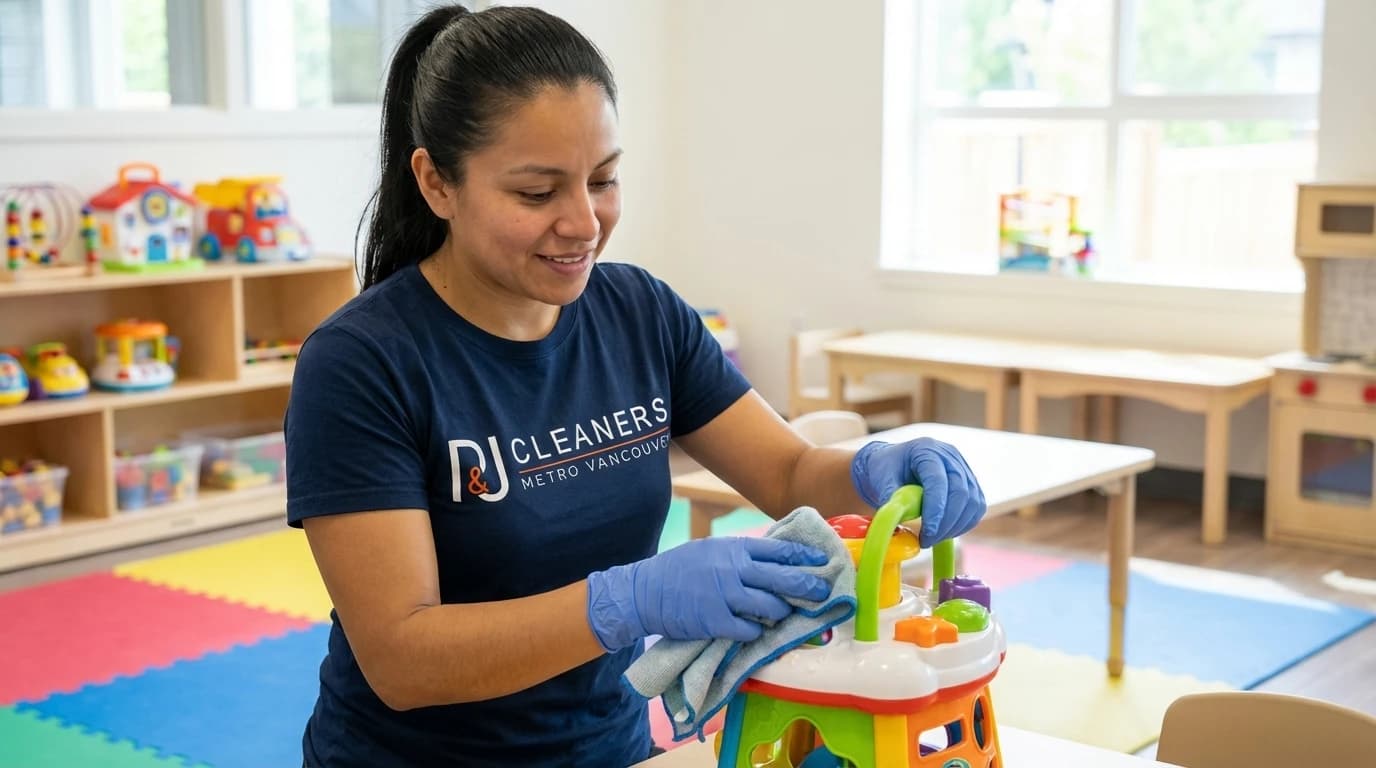
Toy sanitization protocols must differentiate between hard surface toys, soft fabric items, and electronic equipment. Hard plastic toys require daily washing in hot soapy water followed by immersion in approved sanitizing solution for minimum 2-minute contact time. The BC Centre for Disease Control recommends three-compartment sink systems: wash basin with detergent, rinse basin with clean water, and sanitize basin with diluted bleach solution at 50-100 ppm concentration. Toys must air-dry completely before returning to circulation, as moisture promotes bacterial growth and reduces sanitizer effectiveness.
Soft toys and fabric items present additional challenges requiring weekly machine washing in hot water cycles above 60°C with fragrance-free detergent. Items that cannot withstand hot water washing should be removed from infant and toddler rooms where mouthing behaviours are most prevalent. Electronic toys need surface wiping with pre-moistened disinfectant wipes, avoiding liquid spray that could damage internal components. Rotation systems where toys are removed for cleaning while backup sets remain in use prevent service disruptions and ensure continuous sanitization cycles.
Play area floors require multiple daily cleanings due to dropped food, spills, and tracked-in contaminants. Vacuum or sweep floors before each meal service and nap time, followed by damp mopping with neutral pH cleaner. High-traffic zones near entrances, sinks, and bathroom doorways need spot-cleaning every 2-3 hours to address visible soiling. Weekly deep-cleaning includes moving furniture, cleaning baseboards, and addressing corners where dust and debris accumulate beyond daily maintenance reach.
- Sanitize hard toys daily using three-compartment sink method with 2-minute contact time in approved disinfectant solution
- Machine wash soft toys weekly in hot water above 60°C, removing items that cannot tolerate high temperatures from infant rooms
- Wipe electronic toys with pre-moistened disinfectant wipes avoiding liquid spray that could damage internal components
- Vacuum and damp mop play area floors before meals and naps, with spot-cleaning every 2-3 hours in high-traffic zones
- Implement toy rotation systems allowing continuous play while backup sets undergo thorough cleaning and sanitization cycles
- Deep-clean play areas weekly including furniture moving, baseboard cleaning, and corner debris removal beyond daily maintenance
Recommended Frequency
Multiple times daily
Bathroom and Diaper Changing Stations
Bathrooms and diaper areas pose the highest contamination risks requiring intensive cleaning protocols, specialized disinfectants, and strict cross-contamination prevention measures.
Diaper changing stations demand cleaning and disinfection after every single use without exception. The protocol involves removing visible soiling with disposable paper towels, washing the surface with detergent and water, rinsing thoroughly, then applying approved disinfectant for required contact time before air-drying. Fraser Health Authority mandates non-porous changing surfaces that can withstand repeated disinfection without degradation. Staff must wear disposable gloves during changes and perform hand hygiene immediately after glove removal to prevent pathogen transmission.
Toilet and sink areas require minimum three daily deep-cleanings: morning before children arrive, midday during peak usage, and evening after departure. Each cleaning cycle includes toilet bowl scrubbing with disinfectant, exterior surface wiping, sink basin cleaning, faucet sanitization, and floor mopping with separate designated equipment. Child-height fixtures accumulate more contamination than adult facilities due to improper hand-washing techniques and exploratory touching behaviours. Toilet training areas need additional attention with potty chairs requiring individual sanitization after each use following the same protocol as changing tables.
Bathroom floors present unique challenges due to urine splashing, water pooling, and high foot traffic. Mop bathroom floors separately from other facility areas using dedicated equipment stored in designated locations. Replace mop heads daily and launder in hot water with bleach to prevent bacterial colonization. Address spills and accidents immediately using absorbent materials followed by disinfection to prevent slip hazards and odour development. Weekly deep-cleaning includes grout scrubbing, drain sanitization, and partition panel disinfection that extends beyond daily maintenance protocols.
- Clean and disinfect changing tables after every single diaper change using three-step protocol: clean, rinse, sanitize with proper contact time
- Deep-clean bathrooms minimum three times daily including toilets, sinks, faucets, and floors using separate designated cleaning equipment
- Sanitize potty chairs individually after each use following same protocol as changing tables with disposable glove usage
- Mop bathroom floors with dedicated equipment stored separately, replacing mop heads daily and laundering in hot water with bleach
- Address spills and accidents immediately using absorbent materials followed by disinfection to prevent hazards and odour issues
- Perform weekly deep-cleaning including grout scrubbing, drain sanitization, and partition panel disinfection beyond daily protocols
Recommended Frequency
After each use / 3x daily minimum
Kitchen and Eating Areas
Food preparation and consumption zones require strict protocols preventing foodborne illness while addressing allergen cross-contamination risks that affect children with dietary restrictions.
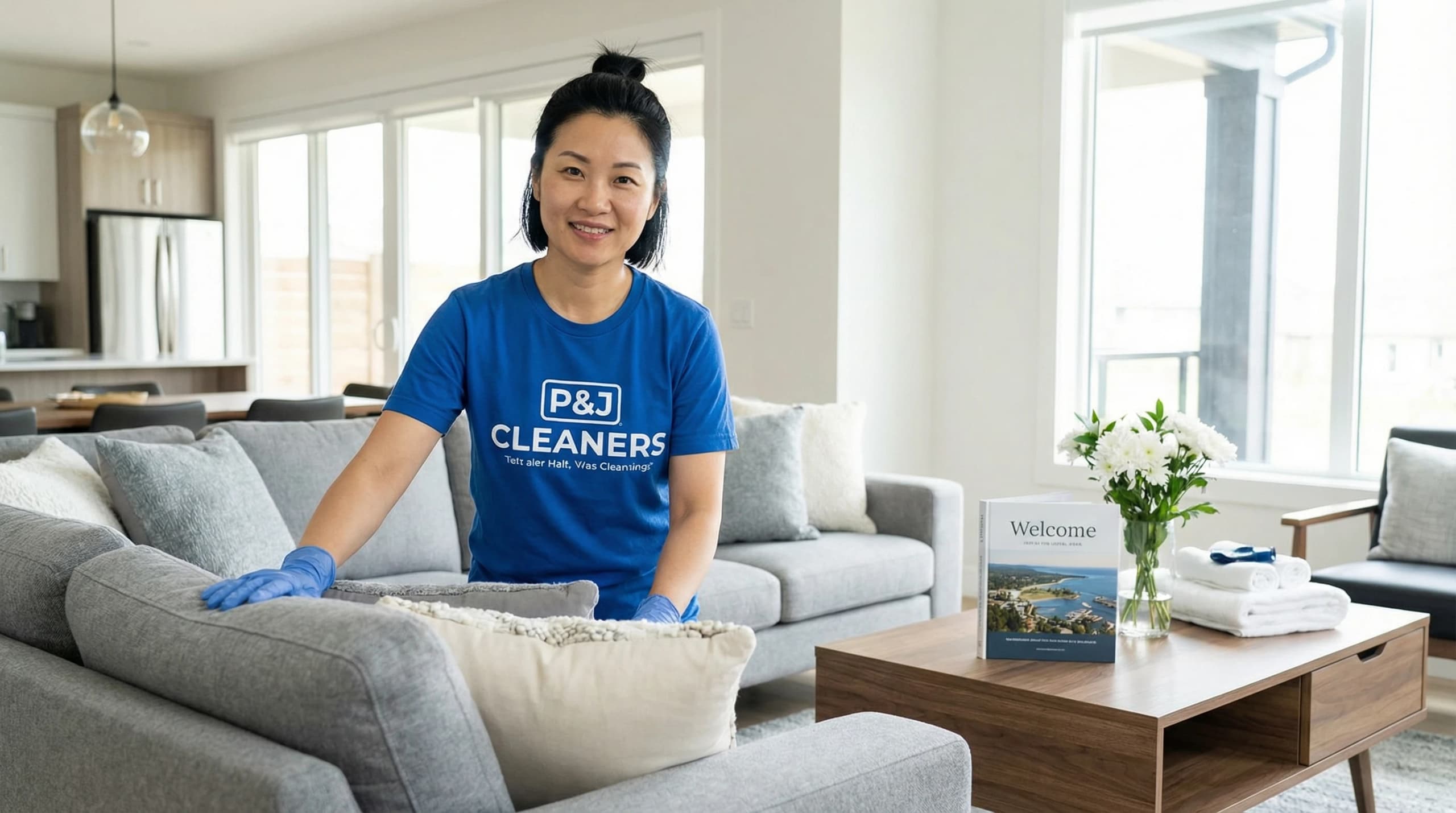
Kitchen surfaces must be cleaned and sanitized before and after each meal preparation session using food-safe sanitizers approved for childcare settings. WorkSafeBC requires separate cutting boards for different food types with colour-coding systems preventing cross-contamination between raw proteins, produce, and allergen-containing ingredients. Refrigerator temperatures need daily monitoring with documented logs showing consistent maintenance between 0-4°C. Weekly deep-cleaning includes refrigerator interior sanitization, range hood degreasing, and floor corner cleaning where food particles accumulate beyond daily sweeping reach.
Eating tables require pre-meal sanitization even when appearing clean, as invisible contamination from previous activities poses illness risks. Spray tables with approved food-contact sanitizer, wipe thoroughly, and allow proper contact time before setting up meal service. Post-meal cleaning involves removing food debris, washing with detergent solution, rinsing, and final sanitization before tables return to play use. High chairs and booster seats need individual attention with tray removal, crevice cleaning, and strap sanitization addressing areas where food becomes trapped and bacterial growth occurs.
Allergen management requires dedicated protocols preventing cross-contact that could trigger severe reactions in sensitive children. Facilities serving children with documented allergies must implement separate preparation areas, dedicated utensils, and enhanced cleaning verification. Staff training must cover allergen recognition, cross-contamination prevention, and emergency response procedures. Cleaning logs should document allergen-specific protocols with supervisor verification ensuring consistent implementation across all meal services and staff shifts.
- Clean and sanitize all food preparation surfaces before and after each meal using food-safe sanitizers with proper contact times
- Implement colour-coded cutting board systems preventing cross-contamination between raw proteins, produce, and allergen ingredients
- Monitor and document refrigerator temperatures daily maintaining consistent 0-4°C range with weekly interior deep-cleaning
- Sanitize eating tables before each meal service even when appearing clean, addressing invisible contamination from previous activities
- Clean high chairs and booster seats individually including tray removal, crevice cleaning, and strap sanitization after each use
- Implement dedicated allergen protocols with separate preparation areas, utensils, and enhanced verification for children with restrictions
Recommended Frequency
Before and after each meal
High-Touch Surface Sanitization
Door handles, light switches, railings, and shared equipment require frequent sanitization throughout operating hours as primary pathogen transmission points between children and staff.
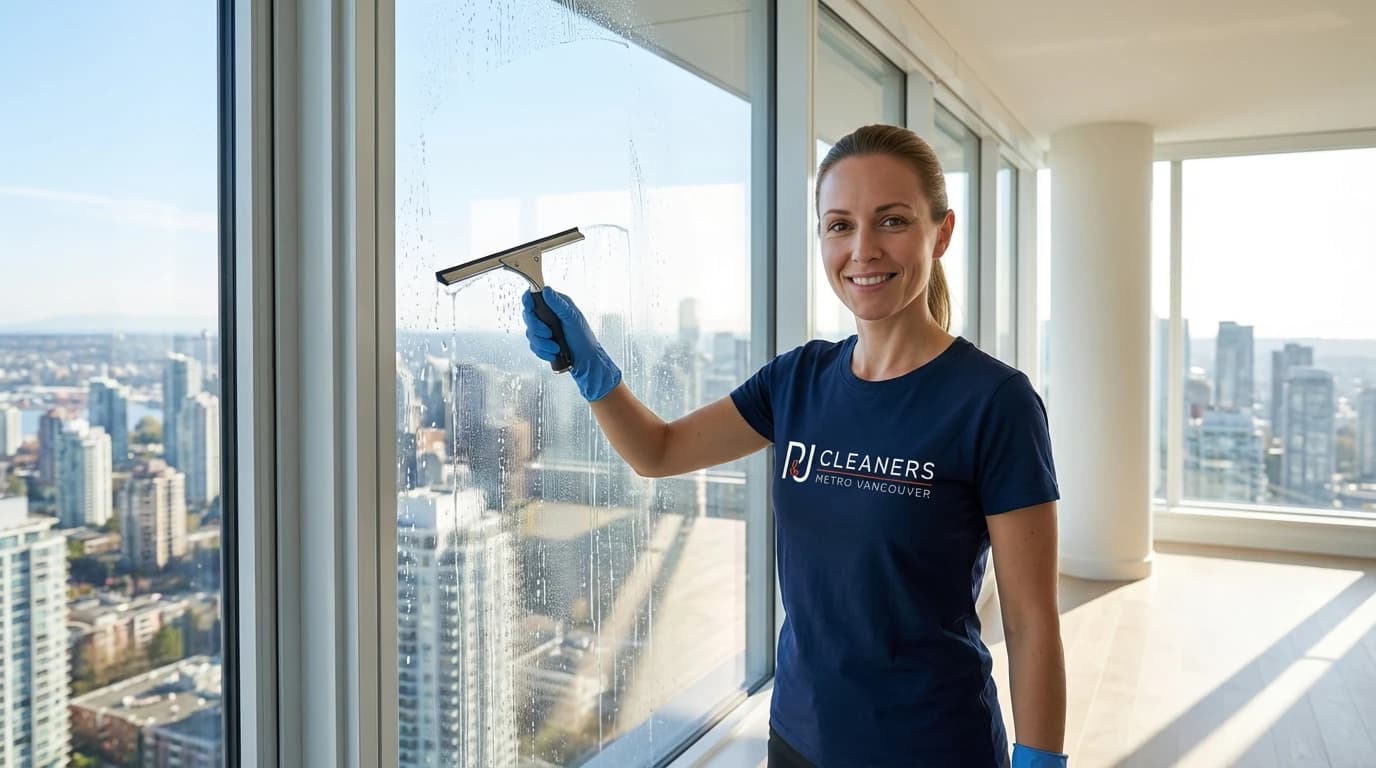
High-touch surface protocols demand sanitization every 2-4 hours during facility operation, with increased frequency during illness outbreaks or seasonal respiratory infection peaks. The BC Centre for Disease Control identifies door handles, light switches, stair railings, cabinet knobs, and shared equipment as priority surfaces requiring systematic attention. Staff should follow consistent routes ensuring no surfaces are missed during sanitization rounds. Pre-moistened disinfectant wipes offer convenience for quick surface treatment, though spray-and-wipe methods provide better coverage for larger surface areas.
Electronic devices including tablets, keyboards, and interactive learning equipment need specialized cleaning avoiding liquid damage while achieving proper disinfection. Use electronics-safe wipes or lightly dampened microfibre cloths with approved disinfectant, never spraying liquid directly onto devices. Power down equipment before cleaning and ensure complete drying before reactivation. Protective cases and screen covers simplify cleaning while extending device lifespan, though covers themselves require regular sanitization as they accumulate the same contamination as unprotected surfaces.
Shared equipment like push toys, ride-on vehicles, and outdoor play structures require daily sanitization focusing on handles, seats, and steering components where hand contact occurs. Outdoor equipment faces additional contamination from environmental sources including bird droppings, insects, and weather-related debris. Weekly power-washing of outdoor structures removes accumulated grime while monthly inspections identify maintenance needs affecting both safety and cleanability. Document equipment sanitization in daily logs demonstrating systematic coverage and regulatory compliance during health authority inspections.
- Sanitize high-touch surfaces every 2-4 hours during operation including door handles, light switches, railings, and cabinet knobs
- Follow consistent sanitization routes ensuring comprehensive coverage without missed surfaces during each cleaning round
- Clean electronic devices with electronics-safe wipes or dampened cloths, never spraying liquid directly onto equipment surfaces
- Sanitize shared equipment daily focusing on handles, seats, and steering components where direct hand contact occurs most frequently
- Power-wash outdoor play structures weekly removing environmental contamination with monthly maintenance inspections
- Document all high-touch surface sanitization in daily logs demonstrating systematic coverage for regulatory compliance verification
Recommended Frequency
Every 2-4 hours
Nap Rooms and Sleep Equipment
Sleep areas require specialized protocols addressing bedding hygiene, individual storage, and cross-contamination prevention between children using shared nap spaces throughout the week.
Individual bedding systems prevent cross-contamination between children while simplifying laundry management and parent communication. Each child should have dedicated sheets, blankets, and comfort items stored in labeled bins or cubbies separate from other children's belongings. Launder all bedding weekly minimum, with immediate washing following illness, accidents, or visible soiling. Hot water cycles above 60°C combined with fragrance-free detergent provide effective sanitization without chemical residues that could irritate sensitive skin or trigger respiratory reactions in young children.
Cots, mats, and cribs require daily sanitization even when bedding appears clean, as body contact transfers oils, sweat, and potential pathogens to underlying surfaces. Spray sleeping surfaces with approved disinfectant, wipe thoroughly, and allow complete air-drying before replacing clean bedding. Stack cleaned cots vertically or store with surfaces facing outward preventing re-contamination from wall contact or adjacent equipment. Monthly deep-cleaning includes cot frame washing, hinge lubrication, and structural inspection identifying wear requiring repair or replacement.
Nap room environmental factors affect both sleep quality and health outcomes. Vacuum carpeted nap areas daily removing dust, allergens, and debris that accumulate in textile flooring. HEPA filtration vacuums capture fine particles that standard equipment recirculates into room air. Maintain room temperature between 18-21°C with humidity levels of 30-50% preventing both mold growth and respiratory irritation. Weekly air vent cleaning and monthly HVAC filter replacement ensure proper air circulation and contaminant removal supporting healthy sleep environments for young children.
- Implement individual bedding systems with labeled storage preventing cross-contamination between children sharing nap spaces
- Launder all bedding weekly minimum in hot water above 60°C using fragrance-free detergent, with immediate washing after illness
- Sanitize cots, mats, and cribs daily even when bedding appears clean, allowing complete air-drying before replacing bedding
- Stack cleaned cots vertically or store with surfaces facing outward preventing re-contamination from walls or adjacent equipment
- Vacuum nap areas daily using HEPA filtration equipment capturing fine particles that standard vacuums recirculate into air
- Maintain room temperature 18-21°C with 30-50% humidity, performing weekly vent cleaning and monthly HVAC filter replacement
Recommended Frequency
Daily sanitization / Weekly bedding laundry
Entrance Areas and Transition Zones
Entry points and transition spaces require intensive cleaning as primary contamination sources where outdoor debris, seasonal illness, and environmental pollutants enter the facility.
Entrance matting systems capture 80% of tracked-in contaminants when properly sized and maintained, requiring minimum 12-15 feet of total mat coverage across exterior and interior zones. Vacuum entrance mats twice daily during peak drop-off and pick-up periods when foot traffic concentrates contamination in small areas. Weekly mat extraction cleaning removes embedded soil that daily vacuuming cannot address, while monthly professional cleaning restores mat effectiveness and extends replacement intervals. Replace worn mats immediately as damaged matting loses soil-trapping capacity and creates trip hazards.
Cubbies and storage areas accumulate contamination from outdoor clothing, bags, and personal items children bring from home. Wipe cubby surfaces daily with disinfectant addressing dust, spills, and contact contamination from stored belongings. Implement policies requiring families to launder extra clothing stored in cubbies monthly, as unused items collect dust and lose freshness during extended storage. Seasonal deep-cleaning includes emptying all cubbies, washing interior surfaces, and organizing lost items for parent retrieval before returning current belongings to cleaned spaces.
Transition zones between outdoor and indoor spaces need specialized attention during weather changes when mud, snow, and rain increase contamination tracking. Place absorbent mats in vestibules capturing moisture before it reaches interior flooring. Mop transition areas multiple times daily during wet weather, replacing mop water frequently as contamination levels exceed normal cleaning capacity. Install boot trays or designated areas for wet footwear removal, cleaning these zones after each use period to prevent water pooling and slip hazards affecting both children and staff safety.
- Install minimum 12-15 feet of entrance matting across exterior and interior zones capturing 80% of tracked contaminants
- Vacuum entrance mats twice daily during peak traffic periods with weekly extraction cleaning removing embedded soil
- Wipe cubby surfaces daily with disinfectant, implementing monthly policies for families to launder stored extra clothing
- Perform seasonal cubby deep-cleaning including emptying, interior washing, and lost item organization before restocking
- Place absorbent mats in vestibules during wet weather, mopping transition areas multiple times daily with frequent water changes
- Install boot trays for wet footwear removal, cleaning these zones after each use period preventing water pooling and slip hazards
Recommended Frequency
Multiple times daily
Investment Analysis: Professional vs. In-House Cleaning
Understanding the true cost of daycare cleaning requires comparing professional service investments against in-house program expenses, factoring in labour, supplies, training, compliance risk, and operational disruption costs.
In-house cleaning programs appear cost-effective on surface analysis but carry hidden expenses that erode apparent savings. Staff wages represent only 40-50% of total cleaning costs, with supplies, equipment, training, and supervision adding substantial overhead. Facilities paying staff $18-$22 per hour for cleaning duties must factor in benefits, payroll taxes, workers compensation premiums, and management time spent on scheduling, quality control, and compliance verification. When fully loaded costs are calculated, in-house cleaning typically costs $35-$45 per hour compared to $45-$75 for professional services offering superior expertise and accountability.
Professional cleaning services provide specialized knowledge, commercial-grade equipment, and systematic protocols that in-house staff rarely match without extensive training investment. Companies serving childcare facilities understand regulatory requirements, product selection criteria, and contamination control methods specific to early learning environments. They carry liability insurance protecting facilities from claims related to cleaning failures, chemical exposure, or slip-and-fall incidents. Professional services also provide coverage continuity when staff are absent, eliminating the scrambling that occurs when in-house cleaners call in sick during critical operating periods.
The compliance risk differential between professional and in-house cleaning significantly impacts long-term facility costs. Professional services maintain documented protocols, training records, and quality verification systems that satisfy health authority inspection requirements. They stay current on regulatory changes, product approvals, and industry best practices without requiring facility management to monitor evolving standards. Facilities using professional services report 60% fewer compliance violations during inspections compared to those relying on in-house staff. The cost of a single licensing violation, temporary closure, or outbreak-related enrollment drop far exceeds annual professional cleaning investments for most childcare operations.
In-House Cleaning Program
- Staff wages: $18-$22/hour base rate
- Benefits and payroll taxes: +30-40% of wages
- Cleaning supplies: $200-$400/month
- Equipment purchase and maintenance: $1,500-$3,000/year
- Training and certification: $500-$1,000/year per staff
- Management supervision time: 5-10 hours/week
- Compliance documentation systems: $800-$1,500/year
- Coverage gaps during staff absence: Variable costs
- Liability insurance increases: $500-$1,200/year
- True hourly cost: $35-$45/hour fully loaded
Professional Cleaning Service
- Service rate: $45-$75/hour all-inclusive
- Supplies included in service rate: $0 additional
- Commercial equipment included: $0 additional
- Staff training included: $0 additional
- Management time minimal: 1-2 hours/month
- Compliance documentation provided: $0 additional
- Guaranteed coverage continuity: $0 additional
- Liability coverage included: $0 additional
- Quality verification systems: $0 additional
- Predictable monthly costs: Fixed contract pricing
Hybrid Approach
- Daily maintenance by in-house staff: $18-$22/hour
- Weekly deep-cleaning by professionals: $45-$75/hour
- Reduced supply costs: $100-$200/month
- Minimal equipment investment: $500-$1,000/year
- Basic training for daily tasks: $200-$400/year
- Professional training for deep-cleaning: Included in service
- Shared compliance documentation: Reduced management time
- Professional backup during staff absence: Coverage guaranteed
- Balanced cost structure: $30-$40/hour blended rate
- Optimized resource allocation: Best of both approaches
35-50%
Illness-Related Absence Reduction
60%
Compliance Violation Reduction
25-40%
Parent Satisfaction Increase
20-30%
Staff Retention Improvement
$8,000-$15,000 per avoided incident
Outbreak Prevention Value
95%+ inspection pass rate
Licensing Compliance Confidence
- Reduced illness transmission protecting children, staff, and families from preventable infections and associated medical costs
- Maintained licensing compliance avoiding penalties, temporary closures, and permanent operating permit revocation risks
- Enhanced parent confidence and satisfaction leading to improved enrollment stability and positive word-of-mouth referrals
- Improved staff health and morale reducing turnover costs and maintaining experienced team continuity
- Predictable operating costs through fixed service contracts eliminating budget surprises from supply price fluctuations
- Professional liability protection through service provider insurance covering claims related to cleaning failures
- Time savings for management and staff allowing focus on educational programming rather than cleaning supervision
- Access to specialized expertise and commercial equipment without capital investment or maintenance responsibilities
Daily, Weekly, and Monthly Compliance Tasks
Systematic compliance tracking ensures regulatory requirements are met consistently while providing documentation for health authority inspections. This checklist organizes tasks by frequency and responsibility area, supporting both in-house and professional cleaning programs.
Services mentioned in this article
Ready for help?
4.9 · 800+ Google reviewsProfessional Daycare Cleaning Services
P&J Cleaners provides certified educational facility cleaning that meets all BC licensing requirements. Our trained teams use child-safe products and follow strict sanitization protocols.
778-720-2224Daycare Cleaning Questions
What are educational cleaning standards?
Educational cleaning standards are protocols established by BC health authorities and licensing bodies to maintain safe, hygienic environments for children. These standards require daily disinfection of high-touch surfaces, weekly deep cleaning of floors and carpets, monthly sanitization of toys and equipment, and quarterly deep cleaning of all facility areas. Standards also mandate use of Health Canada-approved, child-safe disinfectants and documented cleaning logs for licensing inspections.
How often should educational areas be cleaned?
High-touch surfaces like door handles, light switches, and toys require disinfection 2-3 times daily in active daycare settings. Bathrooms need cleaning after each use and deep sanitization twice daily. Eating areas require cleaning after each meal service. Floors need daily vacuuming and mopping, with carpets deep-cleaned monthly. Play equipment requires weekly sanitization, while nap mats and bedding need weekly laundering according to BC childcare licensing requirements.
What compliance rules apply to educational cleaning?
BC childcare facilities must follow Community Care and Assisted Living Act regulations, which mandate documented cleaning schedules, use of approved disinfectants, proper chemical storage, staff training records, and regular health inspections. Facilities must maintain cleaning logs for licensing reviews, use products from Health Canada's approved list, follow proper dilution ratios, ensure adequate ventilation during cleaning, and implement infection control protocols during illness outbreaks as directed by local health authorities.
How much does educational cleaning cost?
Professional daycare cleaning in Metro Vancouver typically costs $45-$75 per hour depending on facility size and service frequency. Small daycares under 2,000 square feet average $300-$500 monthly for daily cleaning. Medium facilities of 3,000-5,000 square feet range from $600-$1,200 monthly. Large centres over 5,000 square feet cost $1,500-$3,000 monthly. Deep cleaning services add $200-$400 quarterly. Costs decrease 15-25% with contracted weekly or bi-weekly service agreements versus one-time bookings.
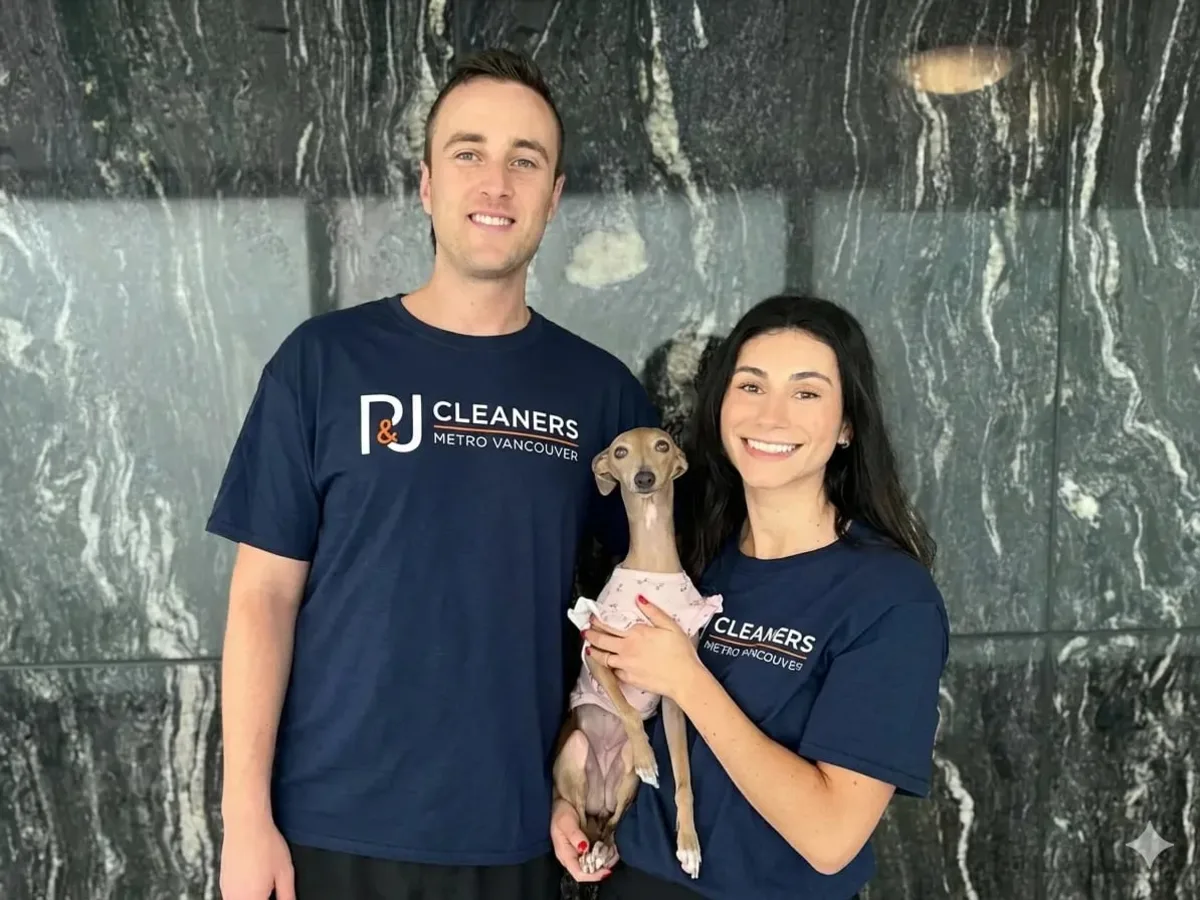
Meet the Author
Jason
Co-Founder
Jason oversees commercial operations, workflow design, and quality control for office, restaurant, and specialty cleaning programs across Metro Vancouver.
Keep Exploring