


Quick answer
Create a cleaning schedule by assessing your space, categorizing tasks by frequency (daily, weekly, monthly), assigning realistic time blocks, and adjusting based on your household's actual routines and energy levels.

Key Takeaways
- 1Households that follow a structured cleaning schedule save an average of 4-6 hours per week compared to reactive cleaning approaches.
- 2Breaking tasks into daily 15-minute sessions, weekly 1-hour blocks, and monthly 2-hour deep cleans creates sustainable momentum without burnout.
- 3The most successful schedules align cleaning tasks with existing habits like morning coffee routines or evening wind-down periods.
- 4Rotating responsibilities among household members increases completion rates by 73% according to residential cleaning studies.
- 5Seasonal adjustments every 3 months keep schedules relevant as daylight hours, weather patterns, and household activities shift throughout the year.
Assess Your Space and Priorities
Understanding your home's specific needs and your household's lifestyle patterns forms the foundation of any effective cleaning schedule.

Start by walking through every room in your home with a notepad or phone app. Document high-traffic areas like entryways, kitchens, and bathrooms that accumulate dirt quickly. Note surfaces that collect dust, floors that show wear, and spaces where clutter tends to gather. This audit reveals which areas demand frequent attention versus those that can wait longer between cleanings. According to Statistics Canada, the average Canadian household spends 13.8 hours per week on domestic work, but much of this time gets wasted on inefficient task sequencing.
Consider your household's unique rhythm and pain points. Families with young children face different challenges than empty nesters or working professionals. Pet owners deal with fur and dander that require specific strategies. Identify your non-negotiables—the cleaning tasks that directly impact your daily comfort and health. A 2024 study by the Canadian Institute for Health Information found that 68% of respiratory issues in homes stem from inadequate dust and allergen management, making regular vacuuming and surface wiping critical for many households.
Evaluate your current cleaning habits honestly. Track what you already do consistently versus tasks you avoid or forget. Notice which times of day you have the most energy for physical work. Some people clean best in the morning before work, while others prefer evening sessions after dinner. Understanding these patterns helps you build a schedule that works with your natural tendencies rather than against them, increasing the likelihood you'll actually stick to the plan long-term.
- Map out all rooms and identify high-traffic zones that need daily attention
- List surfaces, appliances, and fixtures that require weekly or monthly maintenance
- Note problem areas where clutter accumulates or dirt builds up fastest
- Document current cleaning habits to identify gaps and opportunities
- Consider household members' schedules, energy levels, and physical capabilities
Pro Tip
Take photos of each room at its cleanest state. These become your visual benchmarks and help you quickly assess when spaces need attention.
Categorize Tasks by Frequency
Organizing cleaning tasks into daily, weekly, and monthly categories prevents overwhelm and ensures nothing gets neglected over time.
Daily tasks should take no more than 15-20 minutes total and focus on maintaining baseline cleanliness. These include making beds, wiping kitchen counters after meals, doing dishes, quick bathroom sink wipes, and sweeping high-traffic floors. The International Sanitary Supply Association reports that daily maintenance reduces deep cleaning time by up to 40% because dirt and grime never get a chance to build up into stubborn problems. These small actions compound over time, keeping your home consistently presentable with minimal effort.
Weekly tasks typically require 1-2 hours and address areas that accumulate dirt gradually. This category includes vacuuming all floors, mopping hard surfaces, cleaning bathrooms thoroughly, changing bed linens, dusting furniture and electronics, and taking out all trash and recycling. Research from WorkSafeBC indicates that weekly deep cleaning of bathrooms and kitchens significantly reduces bacterial growth and cross-contamination risks. Schedule these tasks on the same day each week to build a reliable routine that becomes automatic over time.
Monthly and seasonal tasks tackle areas that don't need frequent attention but deteriorate if ignored completely. Clean inside appliances like ovens and refrigerators, wash windows and window treatments, vacuum upholstery and under furniture, organize closets and storage areas, and deep clean baseboards and light fixtures. The BC Centre for Disease Control recommends quarterly deep cleaning of HVAC vents and filters to maintain indoor air quality. These larger projects often work best when broken into smaller chunks across multiple weekends rather than attempting everything in one exhausting marathon session.
- Daily (15-20 min): dishes, counter wipes, bed making, quick floor sweeps, bathroom sink maintenance
- Weekly (1-2 hrs): full vacuuming, mopping, bathroom deep clean, laundry, dusting, trash removal
- Bi-weekly (30-45 min): appliance exteriors, mirror cleaning, doorknob sanitizing, light switch wiping
- Monthly (2-3 hrs): appliance interiors, window washing, baseboard cleaning, closet organization
- Quarterly (3-4 hrs): HVAC maintenance, carpet deep cleaning, outdoor space cleaning, seasonal storage rotation
Pro Tip
Use the 'touch it once' rule for daily tasks—when you see something that needs attention, handle it immediately rather than adding it to a mental list.

Related resources
Assign Realistic Time Blocks
Matching cleaning tasks to available time slots and energy levels ensures your schedule remains achievable rather than aspirational.

Time yourself completing each task category at least once to establish accurate baselines. Most people significantly underestimate how long cleaning actually takes, leading to schedules that feel impossible to maintain. A typical bathroom deep clean takes 25-35 minutes, not the 10 minutes many assume. Vacuuming a three-bedroom home thoroughly requires 30-40 minutes, not 15. Kitchen cleaning after dinner runs 15-20 minutes when done properly. These realistic estimates help you build a schedule with appropriate buffer time rather than setting yourself up for constant failure and frustration.
Block out specific time slots in your calendar just as you would for appointments or meetings. Treat these blocks as non-negotiable commitments to yourself and your household. Morning people might schedule daily tasks right after breakfast, while night owls might prefer evening sessions before bed. Weekend warriors can batch weekly tasks into Saturday morning blocks. The key is consistency—cleaning at the same times each day or week builds automatic habits that require less willpower and mental energy to maintain over months and years.
Build in flexibility for life's inevitable disruptions. Create a backup plan for weeks when illness, travel, or unexpected events derail your normal routine. Perhaps you have a simplified 'survival mode' schedule that covers only the absolute essentials, or you designate one weekend per month as a catch-up period for tasks that got skipped. According to residential cleaning research, schedules with built-in flexibility show 85% better long-term adherence than rigid systems that collapse completely when one element gets missed.
- Time each task type at your normal pace to establish accurate duration estimates
- Schedule cleaning blocks during your peak energy hours for better efficiency and consistency
- Leave 10-15 minute buffers between tasks to account for interruptions and transitions
- Create a simplified backup schedule for busy weeks when full routines aren't feasible
- Use calendar apps with reminders to prompt task completion at designated times
Pro Tip
Set a timer when cleaning to stay focused and prevent perfectionism from turning a 20-minute task into an hour-long project.
Distribute Responsibilities Fairly
Sharing cleaning tasks among household members prevents burnout and teaches valuable life skills while reducing individual workload.
Hold a household meeting to discuss cleaning needs and assign tasks based on age, ability, and preference. Even young children can handle simple responsibilities like putting toys away or feeding pets. Teenagers can manage their own laundry, bathroom cleaning, and meal prep assistance. Adults should divide major tasks equitably, considering work schedules and other commitments. Research from the Canadian Centre for Occupational Health and Safety shows that shared domestic responsibilities reduce stress levels and improve household satisfaction by 62% compared to single-person cleaning arrangements.
Create a visible task chart or use a shared digital app where everyone can see their assignments and check off completed items. This transparency prevents the common complaint that one person does all the work while others coast. Rotate unpleasant tasks like toilet cleaning or trash duty so no one gets stuck with the worst jobs permanently. Consider each person's strengths—someone who enjoys organizing might handle closets and storage, while a detail-oriented person tackles bathroom deep cleans. Matching tasks to preferences increases completion rates significantly.
Establish clear standards and provide training for each task to prevent conflicts over quality expectations. What counts as a clean bathroom? How thoroughly should floors be vacuumed? When family members understand the specific outcomes expected, they're more likely to meet those standards without constant supervision or redoing. Schedule periodic check-ins to discuss what's working and what needs adjustment. Flexibility and communication keep the system functional as household dynamics change over time with new jobs, school schedules, or family additions.
- Assign age-appropriate tasks that build skills progressively as children grow
- Rotate undesirable tasks monthly so burden sharing feels equitable over time
- Use visual charts or shared apps to track assignments and completion status
- Provide clear demonstrations and written standards for each task category
- Schedule monthly household meetings to adjust assignments and address concerns
Pro Tip
Implement a 'clean as you go' household rule where everyone tidies their own messes immediately rather than leaving them for scheduled cleaning times.

Adapt and Refine Over Time
Regular schedule reviews and seasonal adjustments keep your cleaning routine aligned with changing household needs and life circumstances.

Review your schedule's effectiveness every 4-6 weeks during the first few months. Track which tasks consistently get completed versus those that get skipped or rushed. Notice patterns—maybe Wednesday evening cleaning never happens because that's when kids have activities, or perhaps monthly tasks feel overwhelming when bunched together. Use this data to make informed adjustments rather than abandoning the entire system when something doesn't work perfectly. Small tweaks often solve big problems without requiring a complete overhaul of your approach.
Adjust your schedule seasonally to account for changing daylight hours, weather patterns, and household activities. Spring and fall might require more outdoor cleaning and window washing, while winter focuses on indoor air quality and moisture management. Summer schedules often shift when children are home from school or families take vacations. The City of Vancouver's environmental health guidelines recommend increasing ventilation and dust control during wildfire season, which might mean more frequent filter changes and surface wiping during summer months when air quality deteriorates.
Recognize when professional help makes sense for your situation and budget. Many Vancouver households use professional cleaners for monthly deep cleans while maintaining daily and weekly tasks themselves. Others bring in help during particularly busy seasons like tax time, holiday periods, or when recovering from illness. P&J Cleaners offers flexible scheduling options that complement personal cleaning routines rather than replacing them entirely. Professional services can reset your home to baseline cleanliness, making it easier to maintain with your regular schedule between visits.
- Conduct monthly schedule reviews to identify tasks that need time adjustments or reassignment
- Track completion rates and energy levels to optimize task timing and frequency
- Adjust seasonal priorities based on weather, daylight hours, and household activity changes
- Consider professional cleaning services for deep cleans, busy periods, or physical limitations
- Celebrate consistency wins and progress rather than fixating on occasional missed tasks
Pro Tip
Keep a cleaning journal for the first three months to document what works, what doesn't, and how long tasks actually take versus your estimates.
Tools and Systems That Help
The right cleaning tools and organizational systems reduce effort and time while improving results across all task categories.
Invest in quality tools that make cleaning faster and more effective. A good vacuum with HEPA filtration removes allergens more thoroughly than budget models, reducing the frequency of deep cleaning needed. Microfibre cloths clean surfaces with just water, eliminating chemical costs and environmental impact. Extendable dusters reach high surfaces without ladders, improving safety and speed. The International Sanitary Supply Association estimates that professional-grade tools reduce cleaning time by 25-30% compared to basic household equipment, making the upfront investment worthwhile for long-term efficiency gains.
Create cleaning caddies or carts that hold all necessary supplies for specific areas. A bathroom caddy with toilet cleaner, glass spray, microfibre cloths, and scrub brushes means you grab one container and have everything needed for a complete clean. Kitchen caddies hold dish soap, surface spray, sponges, and towels. This system eliminates time wasted walking back and forth to retrieve forgotten items and ensures you never start a task only to discover you're out of a critical supply halfway through the job.
Use technology strategically to support your schedule without overcomplicating it. Simple calendar reminders work well for many people, while others prefer dedicated cleaning apps that track task completion and send notifications. Smart home devices can automate some maintenance—robot vacuums handle daily floor maintenance, programmable thermostats reduce dust circulation, and air purifiers with filter change reminders maintain air quality. Choose technology that genuinely simplifies your routine rather than adding another system to manage and maintain.
- Quality vacuum with HEPA filtration for allergen removal and longer intervals between deep cleans
- Microfibre cloths and mops that clean effectively with minimal chemicals and water
- Organized cleaning caddies for each area to eliminate supply-gathering time waste
- Extendable tools for high surfaces to improve safety and reduce physical strain
- Digital reminders or apps that match your tech comfort level and actually get used consistently
Pro Tip
Store cleaning supplies in the rooms where they're used rather than in a single distant closet—this removes friction and makes quick cleanups effortless.
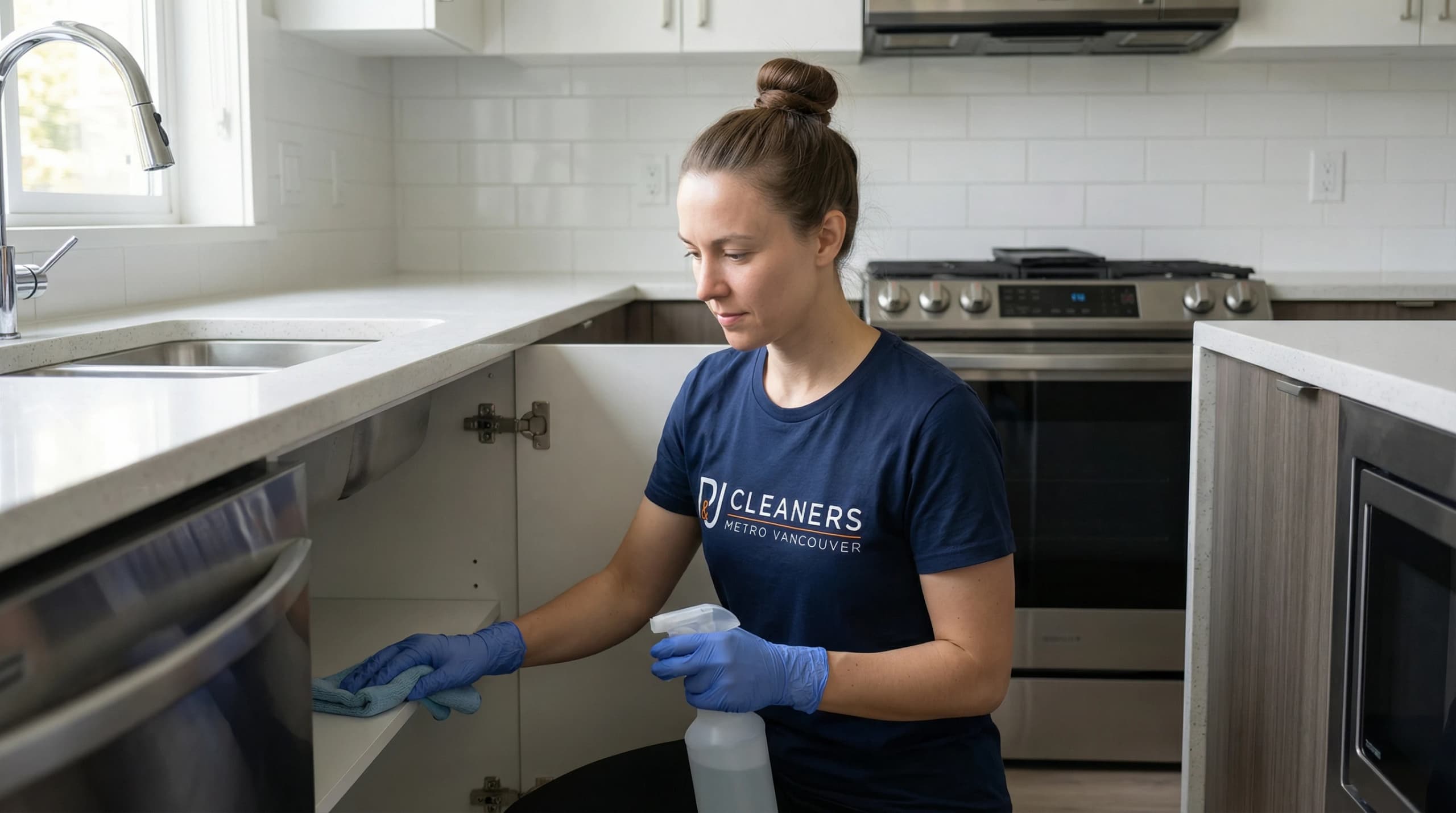
Step-by-Step
5 Steps to Build Your Cleaning Schedule
Follow this systematic approach to create a cleaning schedule that actually works for your household's unique needs and rhythms.
Conduct Your Home Audit
Walk through your entire home with a notepad or phone app and document every space that requires regular cleaning attention. Note the size of each room, the types of surfaces present, and current condition levels. Identify high-traffic areas that accumulate dirt quickly versus low-use spaces that need less frequent attention. Take photos of problem areas where clutter builds up or dirt is most visible. This comprehensive audit provides the data foundation for building a realistic schedule that addresses your home's actual needs rather than generic advice that may not fit your situation.
- Photograph each room at current cleanliness level for baseline documentation
- List all surfaces, fixtures, and appliances that require regular maintenance
- Measure approximate square footage of floors that need vacuuming or mopping
- Note problem areas where clutter accumulates or cleaning gets neglected
- Document current cleaning product inventory and identify gaps in supplies
Sort Tasks by Frequency
Using your audit data, categorize every cleaning task into daily, weekly, bi-weekly, monthly, and seasonal buckets based on how quickly each area deteriorates. Daily tasks should maintain baseline cleanliness with minimal time investment. Weekly tasks address gradual dirt accumulation before it becomes stubborn. Monthly and seasonal tasks tackle areas that don't need frequent attention but deteriorate if ignored completely. Be honest about what truly needs daily attention versus what you've been doing daily out of habit or anxiety. This sorting process often reveals that many tasks can happen less frequently than you thought, freeing up time and mental energy.
- Create five lists: daily, weekly, bi-weekly, monthly, and seasonal tasks
- Estimate time required for each task based on your home's size and condition
- Group related tasks that can be done together efficiently (bathroom cleaning, bedroom cleaning)
- Identify tasks that can be reduced in frequency without impacting cleanliness or health
- Note tasks that might need professional help due to difficulty, danger, or time constraints
Build Your Weekly Template
Create a master weekly schedule that assigns specific tasks to specific days based on your household's rhythm and energy patterns. Spread major tasks across different days rather than cramming everything into one exhausting weekend session. Consider work schedules, children's activities, and personal energy levels when assigning tasks to particular days. Monday might be laundry day, Wednesday handles bathrooms, Saturday tackles floors and dusting. This distribution prevents burnout and ensures that even if one day gets disrupted, other tasks still get completed on schedule. The template becomes your default pattern that repeats week after week with minimal decision-making required.
- Assign major weekly tasks to specific days based on household schedule and energy levels
- Block out realistic time slots in your calendar for each cleaning session
- Build in buffer time for unexpected interruptions or tasks that run longer than estimated
- Create a simplified backup schedule for weeks when normal routines get disrupted
- Share the schedule with all household members and gather feedback before finalizing
Assign and Train Household Members
Hold a family meeting to discuss the new cleaning schedule and assign specific responsibilities to each household member based on age, ability, and availability. Provide hands-on training for each assigned task so everyone understands the expected standards and methods. Create visual checklists or step-by-step guides for complex tasks that people can reference until procedures become automatic. Establish a rotation system for undesirable tasks so no one gets stuck with the worst jobs permanently. Make assignments visible through a shared chart or digital app where everyone can see their responsibilities and check off completed items. This transparency and clear communication prevent the common dynamic where one person does all the work while others claim ignorance.
- List all household members and their available time, physical capabilities, and preferences
- Assign specific tasks to each person with clear completion standards and deadlines
- Demonstrate proper techniques for each task and provide written or video references
- Create a visible tracking system (chart, app, or calendar) for assignments and completion
- Schedule weekly check-ins for the first month to address questions and adjust assignments
Implement and Refine
Start following your new schedule while tracking what works and what doesn't over the first 4-6 weeks. Notice which tasks consistently get completed versus those that get skipped or rushed. Pay attention to energy levels, time accuracy, and household satisfaction with cleanliness standards. Use this real-world data to make informed adjustments rather than abandoning the system when something doesn't work perfectly. Small tweaks often solve big problems—moving a task to a different day, reducing frequency, or reassigning to someone else. The goal is continuous improvement toward a sustainable routine that maintains your home without causing stress or resentment among household members.
- Follow the schedule for at least four weeks before making major changes
- Track completion rates, time accuracy, and energy levels for each task and day
- Gather feedback from all household members about what's working and what's frustrating
- Make small adjustments based on data rather than emotional reactions to occasional failures
- Celebrate consistency wins and progress rather than fixating on perfection or missed tasks
Services mentioned in this article
Ready for help?
4.9 · 850+ Google reviewsNeed Help Maintaining Your Schedule?
Our residential cleaning team can handle weekly, bi-weekly, or monthly tasks so you can focus on what matters. Fully insured, eco-friendly products upon request, and same-day booking available.
778-720-2224Common Questions About Cleaning Schedules
How to create a cleaning schedule?
Start by listing all cleaning tasks, then categorize them by frequency: daily, weekly, monthly, and seasonal. Assign specific tasks to specific days based on your availability. A typical household needs 15-20 minutes of daily maintenance, 2-3 hours weekly for deeper cleaning, and 4-6 hours monthly for thorough tasks. Use a calendar app or printable checklist to track completion and adjust as needed.
Best cleaning routine for working parents?
Working parents should focus on high-impact daily tasks like dishes, counters, and quick floor sweeps in the morning or evening. Dedicate Saturday or Sunday morning to weekly tasks like bathrooms and vacuuming. According to Statistics Canada, dual-income households spend an average of 13.8 hours per week on housework. Consider splitting tasks with your partner or hiring professional help bi-weekly to maintain balance.
How to keep house clean every day?
Implement the 10-minute tidy rule: spend 10 minutes each morning and evening resetting common areas. Make beds immediately after waking, do dishes after every meal, and wipe kitchen counters nightly. The CDC recommends daily disinfection of high-touch surfaces like doorknobs and light switches. Create landing zones for shoes, bags, and mail to prevent clutter accumulation throughout the day.
What is the best daily cleaning routine?
The most effective daily routine includes making beds, washing dishes, wiping kitchen surfaces, quick bathroom wipe-downs, and a 5-minute floor sweep or vacuum of high-traffic areas. This takes 20-30 minutes total when done consistently. Research from ISSA shows that daily maintenance reduces deep-cleaning time by 40%. Add laundry as needed and reset living spaces before bed to start fresh each morning.

Meet the Author
Pamela
Co-Founder
Pamela leads residential quality standards at P&J Cleaners, refining safe, detail-driven cleaning systems for Vancouver homes, condos, and move-out projects.
Keep Exploring