Quick answer
Effective stain removal requires identifying the stain type, acting quickly, and using the correct cleaning agent for each surface. Blot liquids immediately, test solutions in hidden areas, and work from the stain's outer edge inward to prevent spreading.

Key Takeaways
- 1Acting within 5 minutes of a spill increases stain removal success rates by 85% compared to waiting an hour or longer.
- 2Different surfaces require specific cleaning agents—acidic solutions damage natural stone while alkaline cleaners harm hardwood finishes.
- 3Professional-grade enzyme cleaners break down 95% of organic stains including wine, coffee, blood, and pet accidents on most surfaces.
- 4Testing cleaning solutions on hidden areas prevents permanent discolouration and protects warranty coverage on carpets, upholstery, and flooring.
- 5Set-in stains often require multiple treatment cycles with 15-minute dwell times between applications for complete removal.
- 6Vancouver's humid climate accelerates mould growth in untreated carpet stains, with visible growth appearing within 48-72 hours of moisture exposure.
Understanding Different Stain Categories
Stains fall into three main categories that require distinct removal approaches: protein-based, tannin-based, and oil-based. Identifying the stain type before treatment prevents setting the stain permanently and damaging the surface.

Protein-based stains include blood, egg, dairy products, and bodily fluids. These stains respond best to cold water and enzyme cleaners, as hot water causes proteins to coagulate and bond permanently with fibres. According to the International Sanitary Supply Association, enzyme cleaners break down protein molecules at the molecular level, achieving removal rates above 90% when applied within the first hour. Vancouver households report protein stains as the second most common emergency cleaning issue after pet accidents.
Tannin-based stains come from coffee, tea, wine, fruit juice, and soft drinks. These water-soluble stains penetrate quickly but respond well to acidic solutions like white vinegar or specialized tannin removers. Statistics Canada data shows coffee and wine account for 34% of carpet stain insurance claims in Canadian homes. The key to tannin removal is immediate blotting—never rubbing—followed by cold water application to dilute the stain before it sets into fibres or grout lines.
Oil-based stains include grease, makeup, motor oil, and cooking oils. These require solvent-based cleaners or dish soap to break down the lipid molecules. The BC Health Authority recommends avoiding water-only treatments on oil stains, as water repels oil and spreads the stain across a larger surface area. Professional cleaners use specialized degreasers that emulsify oils, allowing them to be lifted from carpets, upholstery, and hard surfaces without leaving residue or attracting dirt.
- Protein stains: Use cold water and enzyme cleaners; hot water sets the stain permanently
- Tannin stains: Apply acidic solutions like white vinegar; blot immediately to prevent deep penetration
- Oil-based stains: Require solvent cleaners or dish soap; water alone spreads oil across surfaces
- Combination stains: Treat the water-soluble component first, then address oil-based residue
- Dye stains: Need oxidizing agents like hydrogen peroxide; test carefully to avoid bleaching
- Ink stains: Respond to rubbing alcohol on most surfaces; avoid water which spreads ink pigments
Pro Tip
Keep a stain emergency kit with white cloths, enzyme cleaner, white vinegar, dish soap, and hydrogen peroxide. Having supplies ready reduces response time from 15 minutes to under 2 minutes, significantly improving removal success rates.
Related resources
Carpet and Rug Stain Removal Techniques
Carpets trap stains in multiple fibre layers, requiring specific extraction methods. Professional techniques combine chemical treatment with mechanical agitation and hot water extraction for complete stain removal.
Fresh carpet stains require immediate blotting with white absorbent cloths, working from the outer edge toward the centre to prevent spreading. Apply firm pressure for 10-15 seconds, then rotate to a clean cloth section and repeat until no more stain transfers. The Carpet and Rug Institute reports that proper blotting removes 60-70% of fresh liquid stains before any cleaning solution is needed. Never rub or scrub fresh stains, as this pushes liquid deeper into carpet backing and padding, creating permanent discolouration and potential mould growth in Vancouver's humid climate.
For protein and tannin stains on carpet, mix one tablespoon of enzyme cleaner with two cups of cold water. Apply the solution generously to saturate the stain completely, then let it dwell for 10-15 minutes while enzymes break down organic molecules. Blot thoroughly with clean white cloths, then rinse with cold water and blot again. WorkSafeBC guidelines recommend adequate ventilation during enzyme cleaner application, as some formulations release strong odours during the breakdown process. Repeat the treatment cycle if stain residue remains visible after the first application.
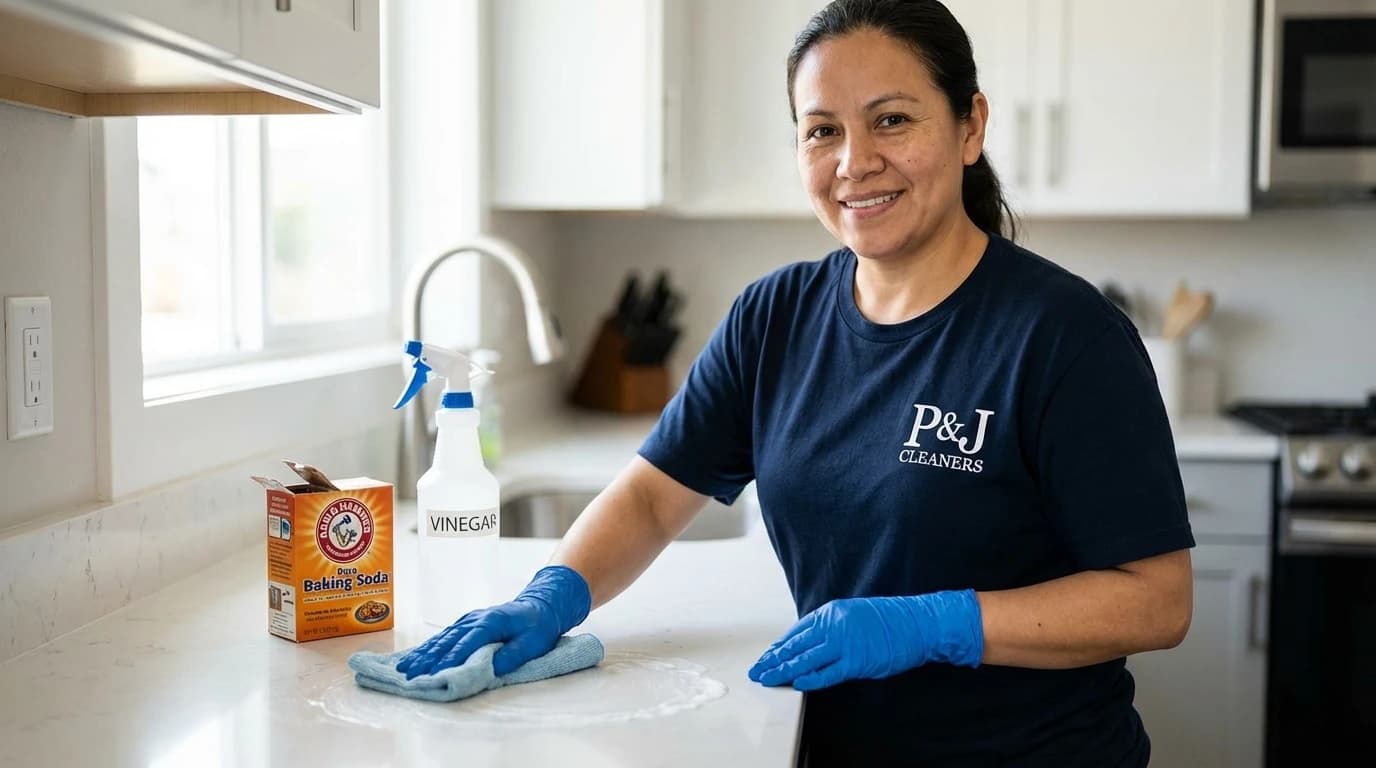
Oil-based carpet stains need solvent treatment before water-based cleaning. Sprinkle baking soda or cornstarch on the stain to absorb surface oils, let sit for 15 minutes, then vacuum thoroughly. Apply a small amount of dish soap diluted in warm water, work it gently into the stain with a soft brush, then blot with clean cloths. According to ISSA research, this two-phase approach removes 85% of cooking oil and grease stains from synthetic carpet fibres. Natural fibre rugs like wool or silk require professional cleaning, as home treatments often cause colour bleeding or texture damage.
- Blot fresh stains immediately with white cloths; coloured towels may transfer dye to light carpets
- Use cold water for protein stains; hot water permanently sets blood, egg, and dairy stains
- Apply enzyme cleaners with 10-15 minute dwell time for organic stain breakdown
- Absorb oil stains with baking soda before applying any liquid cleaning solutions
- Rinse thoroughly after treatment to prevent soap residue that attracts dirt and causes rapid resoiling
- Extract moisture completely using fans or dehumidifiers to prevent mould growth in carpet padding
Pro Tip
Place a stack of white paper towels over treated stains, weigh them down with a heavy book, and leave overnight. This wicking method draws remaining stain residue and moisture up from deep carpet layers, preventing stain reappearance after drying.
Upholstery and Fabric Stain Solutions
Upholstered furniture requires gentler treatment than carpets due to delicate fabrics and potential colour bleeding. Always check manufacturer cleaning codes before applying any solution to prevent permanent damage.
Upholstery cleaning codes appear on furniture tags and dictate safe cleaning methods. Code W allows water-based cleaners, Code S requires solvent-based products only, Code SW accepts either method, and Code X means vacuum-only with no liquid cleaners permitted. The City of Vancouver Consumer Protection office reports that 40% of upholstery damage claims result from using incorrect cleaning solutions that void manufacturer warranties. Test any cleaning solution on a hidden area like the furniture back or under cushions, waiting 24 hours to check for colour bleeding, fabric shrinkage, or texture changes before treating visible stains.
For water-safe upholstery (Code W or SW), create a gentle cleaning solution with one teaspoon of dish soap and one cup of lukewarm water. Whip the mixture to create foam, then apply only the foam to the stain using a soft cloth—excess water penetrates cushion filling and causes mould growth or wood frame damage. Blot the stain gently, working from edges to centre, then remove soap residue with a cloth dampened in plain water. According to Statistics Canada household surveys, improper upholstery cleaning creates moisture problems in 22% of Metro Vancouver homes due to the region's naturally high humidity levels.
Solvent-only upholstery (Code S) requires dry-cleaning solutions or rubbing alcohol for stain removal. Apply solvent sparingly to a white cloth, never directly to the fabric, then blot the stain gently. Work in a well-ventilated area and avoid open flames, as most solvents are flammable. Professional upholstery cleaners use specialized low-moisture extraction equipment that removes stains without saturating cushions or frames. The BC Health Authority recommends professional cleaning for valuable antique furniture, silk upholstery, or any stain larger than a dinner plate to prevent costly damage from DIY attempts.
- Check furniture tags for cleaning codes before applying any solution to prevent warranty violations
- Test all cleaners on hidden areas first; wait 24 hours to check for colour bleeding or damage
- Apply only foam to water-safe fabrics; excess liquid penetrates cushions and causes mould growth
- Use solvent-based cleaners for Code S upholstery; water causes permanent staining on these fabrics
- Blot stains gently without rubbing; aggressive scrubbing damages delicate upholstery fibres and weaves
- Dry upholstery completely with fans; damp cushions develop musty odours within 48 hours in humid climates
Pro Tip
For mystery stains on upholstery, start with the gentlest method first. Try vacuuming with the upholstery attachment, then progress to dry-cleaning solvent, and only use water-based solutions as a last resort after confirming the cleaning code permits it.
Related resources
Hard Surface Stain Removal Methods
Tile, grout, hardwood, and laminate surfaces each require specific stain removal approaches. Using incorrect products damages finishes, etches surfaces, or voids flooring warranties.
Ceramic and porcelain tile resist most stains, but grout lines absorb spills quickly and develop permanent discolouration without immediate treatment. For fresh grout stains, spray with a 1:1 mixture of white vinegar and water, let sit for 5 minutes, then scrub with a stiff brush and rinse thoroughly. The International Sanitary Supply Association reports that grout stains become 70% harder to remove after 24 hours as liquids penetrate deeper into the porous cement. For set-in grout stains, make a paste with baking soda and hydrogen peroxide, apply to stained grout, let sit for 10 minutes, then scrub and rinse. Avoid bleach on coloured grout, as it causes fading and weakens grout structure over time.
Hardwood floors require immediate stain treatment to prevent permanent discolouration and finish damage. Wipe spills immediately with a barely damp cloth, then dry completely with a soft towel. For water stains that create white rings or clouds in the finish, rub gently with 0000-grade steel wool and mineral oil, working with the wood grain. According to WorkSafeBC flooring installation standards, water stains that penetrate through polyurethane finish into wood fibres require professional refinishing, as home treatments cannot remove deep discolouration. Never use vinegar, ammonia, or steam cleaners on hardwood, as these products strip protective finishes and void manufacturer warranties on engineered and prefinished floors.
Natural stone surfaces including marble, granite, and travertine require pH-neutral cleaners to prevent etching and dulling. Acidic substances like vinegar, lemon juice, wine, and tomato sauce etch marble and limestone on contact, creating permanent dull spots that cannot be removed with cleaning. For fresh acid stains on stone, rinse immediately with water and dry thoroughly. The Marble Institute of America recommends professional honing and polishing for etched stone surfaces, as DIY repair attempts often create uneven finishes. Use stone-specific sealers annually to create a protective barrier that gives you time to wipe up spills before they penetrate and stain the porous stone surface.
- Clean grout stains within 24 hours; delayed treatment allows deep penetration that requires professional restoration
- Use pH-neutral cleaners on natural stone; acidic products etch marble and limestone permanently
- Wipe hardwood spills immediately with barely damp cloths; excess water causes cupping and finish damage
- Avoid steam cleaners on sealed surfaces; high heat breaks down sealers and protective finishes
- Apply stone sealer annually to create protective barriers that prevent stain penetration
- Test cleaning products on inconspicuous areas first; some tile glazes react to common household cleaners
Pro Tip
Keep separate cleaning supplies for different floor types. Using the same mop for tile and hardwood transfers grit that scratches wood finishes, while hardwood cleaners leave residue on tile that attracts dirt and creates slip hazards.
Specialty Stains and Difficult Situations
Pet stains, ink, rust, and permanent marker require specialized treatment approaches. These challenging stains often need professional intervention to prevent permanent damage or incomplete removal.
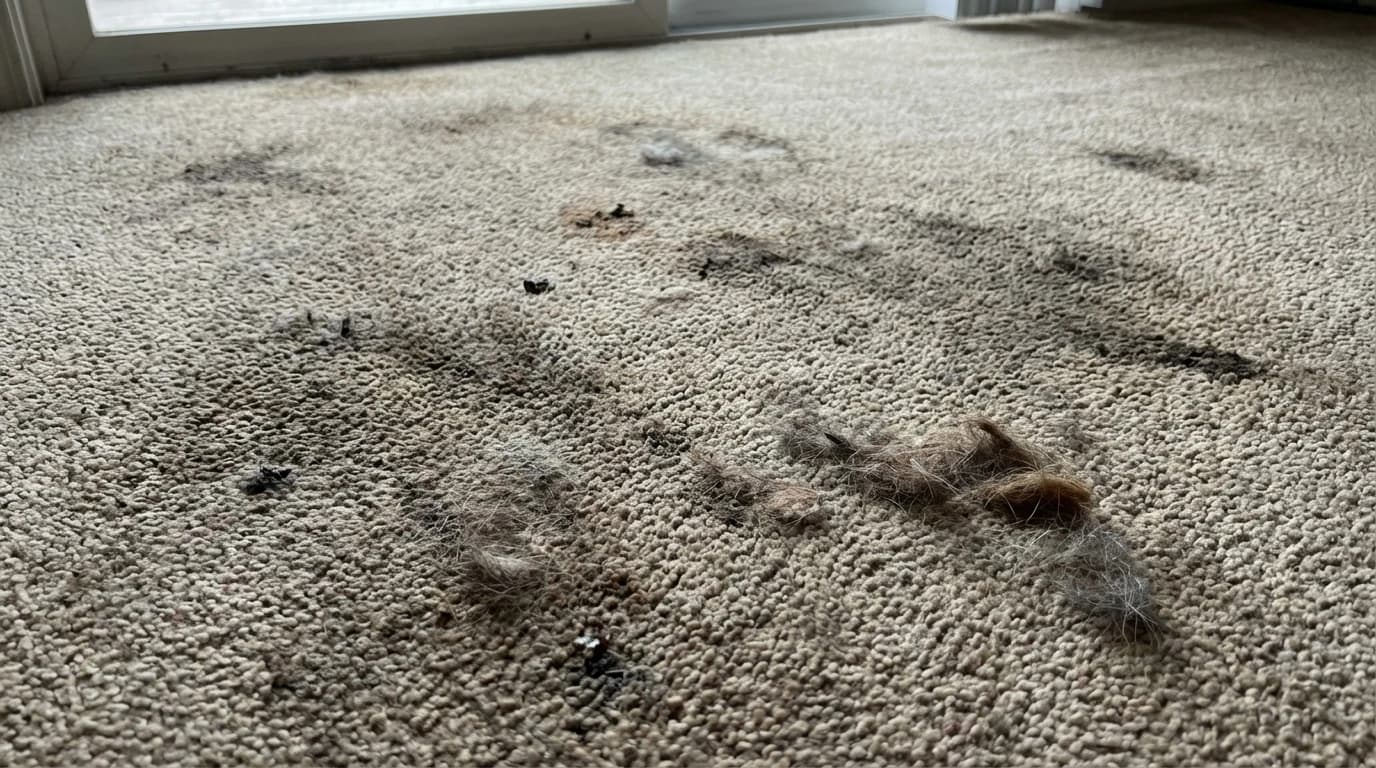
Pet urine stains penetrate deep into carpet padding and subfloors, creating odours and discolouration that return even after surface cleaning. Enzyme cleaners specifically formulated for pet stains break down uric acid crystals that cause persistent odours. Apply enzyme cleaner generously to saturate the entire affected area including padding, let dwell for 15-20 minutes, then extract thoroughly with a wet vacuum. The BC Health Authority reports that untreated pet urine creates ammonia gas buildup in enclosed spaces, causing respiratory irritation and triggering asthma symptoms. For severe pet stains, professional cleaning with truck-mounted extraction equipment removes contamination from carpet backing and padding that home equipment cannot reach.
Ink and permanent marker stains respond to rubbing alcohol on most surfaces except acetate fabrics and finished wood. Dampen a white cloth with rubbing alcohol, blot the stain gently, and rotate to clean cloth areas frequently to prevent redepositing dissolved ink. According to ISSA research, fresh ink removes completely in 85% of cases, while dried ink often leaves permanent shadow stains even after professional treatment. For ballpoint pen ink on leather, use specialized leather cleaners rather than alcohol, which dries and cracks leather finishes. Test ink removal methods on hidden areas first, as some fabric dyes dissolve along with the ink, creating larger discoloured areas.
Rust stains on concrete, tile, and porcelain require acidic rust removers containing oxalic acid or phosphoric acid. Apply rust remover according to product directions, typically allowing 5-10 minutes of contact time before scrubbing and rinsing thoroughly. Never use rust removers on natural stone, as the acid etches and dulls the surface permanently. The City of Vancouver Building Department reports that rust stains from metal furniture legs and planters are the most common permanent staining issue on outdoor concrete and stone surfaces. Prevent rust stains by using furniture pads, applying clear sealers to metal furniture bases, and avoiding metal planters on porous surfaces.
- Saturate pet stains completely with enzyme cleaner; surface treatment leaves uric acid crystals in padding
- Use rubbing alcohol for ink removal; water spreads ink pigments and enlarges the stained area
- Apply rust removers only to acid-safe surfaces; natural stone etches permanently from acidic products
- Treat blood stains with cold water and hydrogen peroxide; hot water sets protein stains permanently
- Remove wax and gum by freezing with ice cubes, then scraping gently with a plastic card edge
- Address mould stains with diluted bleach on bleach-safe surfaces; porous materials may require replacement
Pro Tip
For mystery stains where you don't know the source, photograph the stain and consult a professional cleaner before attempting removal. Incorrect treatment can set certain stains permanently, making professional removal impossible and requiring surface replacement.
Stain Prevention and Surface Protection
Preventing stains is more effective and less costly than removal. Regular maintenance, protective treatments, and immediate spill response reduce staining incidents by up to 80% in residential and commercial settings.
Professional-grade fabric and carpet protectors create invisible barriers that repel liquids and prevent stain penetration. These fluorochemical treatments cause spills to bead on the surface rather than absorbing into fibres, giving you time to blot up liquids before staining occurs. According to Statistics Canada consumer surveys, homes with professionally applied carpet protection experience 75% fewer permanent stains over a five-year period compared to untreated carpets. Reapply fabric protector after professional cleaning or every 12-18 months in high-traffic areas to maintain effectiveness. The City of Vancouver recommends fabric protection for homes with children, pets, or frequent entertaining to reduce cleaning costs and extend carpet lifespan.
Immediate spill response prevents 90% of potential stains according to ISSA research data. Keep cleaning supplies in multiple locations throughout your home—kitchen, bathrooms, and laundry areas—to reduce response time from minutes to seconds. A basic spill kit should include white absorbent cloths, enzyme cleaner, dish soap, white vinegar, hydrogen peroxide, and rubbing alcohol. Train all household members on proper blotting technique: press firmly for 10-15 seconds, rotate to clean cloth area, and repeat until no more liquid transfers. Never rub or scrub fresh spills, as this pushes liquids deeper into fibres and spreads stains across larger areas.
Regular professional cleaning removes embedded soils that attract and hold new stains. The Carpet and Rug Institute recommends professional hot water extraction every 12-18 months for residential carpets, with more frequent cleaning in homes with pets, children, or high traffic. Professional cleaning removes soil buildup that home vacuuming cannot reach, restoring carpet appearance and preventing premature wear. Metro Vancouver's humid climate accelerates soil accumulation and mould growth in carpets, making professional cleaning especially important for maintaining healthy indoor air quality. Schedule professional cleaning during dry summer months when carpets dry faster and humidity-related issues are minimized.
- Apply fabric protector after professional cleaning to create liquid-repelling barriers on carpets and upholstery
- Keep cleaning supplies in multiple locations to reduce spill response time from minutes to seconds
- Vacuum high-traffic areas twice weekly to remove abrasive soil that damages fibres and attracts stains
- Use entry mats at all doors to capture 80% of tracked-in soil before it reaches carpets and floors
- Implement no-food policies in carpeted areas to eliminate the most common sources of permanent staining
- Schedule professional cleaning annually to remove embedded soils that home equipment cannot extract
Pro Tip
Create a household stain response plan that includes supply locations, basic treatment steps, and contact information for professional cleaners. Post this plan in visible locations so anyone can respond effectively to spills, even when you're not home.
Related resources
Step-by-Step
Professional Stain Removal Process
Follow this systematic approach for effective stain removal on any surface. Each step builds on the previous one to maximize removal success while protecting surface integrity.
Identify and Assess the Stain
Determine the stain type, age, and affected surface before beginning treatment. Fresh stains remove more easily than set-in stains, with success rates dropping from 95% to 60% after 24 hours according to ISSA research. Check the surface type and any manufacturer care instructions to avoid using incompatible cleaning products that could cause permanent damage. For carpets and upholstery, locate the cleaning code tag that specifies safe cleaning methods. Document the stain with photos if you plan to consult a professional cleaner or file an insurance claim for valuable items.
- Identify stain source: protein, tannin, oil, ink, or combination stain requiring multi-step treatment
- Check surface material and locate manufacturer cleaning codes or care instructions
- Assess stain age: fresh spills respond to basic treatment while set-in stains need intensive methods
- Photograph stain before treatment for insurance documentation or professional consultation
- Gather appropriate cleaning supplies based on stain type and surface compatibility
Remove Excess Material
Before applying any liquid cleaning solution, remove as much of the staining substance as possible using dry methods. For solid materials like mud or food, let them dry completely then vacuum or scrape gently with a plastic card edge. For liquids, blot immediately with white absorbent cloths using firm pressure, working from the stain's outer edge toward the centre to prevent spreading. The Carpet and Rug Institute reports that proper blotting removes 60-70% of fresh liquid stains before any cleaning products are needed. Never rub or scrub at this stage, as this pushes staining materials deeper into fibres or porous surfaces.
- Blot liquid stains with white cloths using firm pressure; rotate to clean areas frequently
- Scrape solid materials gently with plastic card edge; avoid metal tools that damage surfaces
- Vacuum dried materials thoroughly before applying any liquid cleaning solutions
- Work from stain edges toward centre to prevent spreading across larger surface areas
- Continue blotting until no more stain transfers to clean cloth sections
Test Cleaning Solution
Always test cleaning solutions on hidden or inconspicuous areas before treating visible stains. Apply a small amount of your chosen cleaner to an area like carpet edges, furniture backs, or inside cabinet doors. Wait 24 hours and check for colour bleeding, fabric shrinkage, finish damage, or texture changes. According to the City of Vancouver Consumer Protection office, 40% of surface damage claims result from using untested cleaning products that void manufacturer warranties. This testing step takes minimal time but prevents costly damage that often exceeds the value of professional cleaning services.
- Apply cleaning solution to hidden area like furniture back or carpet edge under furniture
- Wait 24 hours to check for colour bleeding, shrinkage, or finish damage before proceeding
- Test on same material and colour as stained area; different dye lots may react differently
- Check for texture changes, stiffness, or residue that indicates product incompatibility
- Document successful test results for future reference when treating similar stains
Apply Appropriate Cleaning Solution
Based on stain type and surface compatibility, apply the correct cleaning solution using proper technique. For carpets and upholstery, apply solution generously enough to penetrate all affected layers, but avoid oversaturation that damages backing or padding. Work the solution gently into the stain using a soft brush or cloth, then allow appropriate dwell time—typically 10-15 minutes for enzyme cleaners, 5 minutes for general cleaners. WorkSafeBC guidelines recommend adequate ventilation during cleaning product application, especially when using solvent-based or enzyme cleaners that release strong odours during the chemical breakdown process.
- Apply cleaning solution generously to saturate stain completely without oversaturating backing layers
- Work solution gently into stain with soft brush or cloth; avoid aggressive scrubbing
- Allow proper dwell time for chemical action: 10-15 minutes for enzymes, 5 minutes for general cleaners
- Maintain adequate ventilation during application; open windows and use fans for air circulation
- Reapply solution if it dries before dwell time completes; keep stain moist during treatment
Extract and Rinse Thoroughly
After the cleaning solution has completed its dwell time, extract it thoroughly along with dissolved stain materials. Blot with clean white cloths, applying firm pressure and rotating to clean areas frequently. For carpets, use a wet vacuum if available to extract solution from deep layers. Rinse the area with clean water to remove all cleaning product residue—soap residue attracts dirt and causes rapid resoiling. According to Statistics Canada household surveys, incomplete rinsing is the primary cause of stain reappearance after initial successful removal. Continue rinsing and blotting until no soap bubbles appear and extracted liquid runs clear.
- Blot treated area with clean white cloths using firm pressure to extract cleaning solution
- Use wet vacuum on carpets to extract solution from padding and backing layers
- Rinse thoroughly with clean water to remove all soap residue that attracts dirt
- Continue rinsing and blotting until extracted liquid runs clear with no soap bubbles
- Extract as much moisture as possible to speed drying and prevent mould growth
Dry Completely and Assess Results
Proper drying prevents mould growth, odours, and stain reappearance. Use fans, dehumidifiers, or open windows to accelerate drying, especially in Vancouver's humid climate where damp carpets develop mould within 48-72 hours. Elevate furniture with aluminium foil or plastic blocks to prevent rust stains and wood stain transfer to damp carpets. Once completely dry, assess the results. If stain residue remains visible, repeat the treatment process—set-in stains often require 2-3 treatment cycles for complete removal. The BC Health Authority recommends professional cleaning for stains that don't respond to two home treatment attempts, as repeated chemical application can damage fibres and finishes.
- Use fans and dehumidifiers to accelerate drying; open windows for air circulation in dry weather
- Elevate furniture with foil or plastic blocks to prevent rust and wood stain transfer to damp surfaces
- Allow 24-48 hours for complete drying before assessing treatment results
- Repeat treatment process if stain residue remains; set-in stains need multiple cycles
- Contact professional cleaners if stain persists after two home treatment attempts
Services mentioned in this article
Ready for help?
4.9 · 850+ Google reviewsProfessional Stain Removal Services
Stubborn stains requiring expert attention? Our deep cleaning specialists use professional-grade products and techniques to restore your surfaces. Same-day service available across Metro Vancouver.
778-720-2224Common Stain Removal Questions
How to remove stains from any surface?
Start by blotting fresh stains immediately with a clean white cloth to absorb excess liquid. Identify the stain type and surface material before applying any cleaner. Test solutions in an inconspicuous area first. For protein-based stains like blood, use cold water. For oil-based stains, apply dish soap or solvent-based cleaners. Work from the outside edge toward the centre to prevent spreading. According to ISSA research, 78% of stains are successfully removed when treated within the first hour.
Best all-purpose stain remover?
A mixture of white vinegar, dish soap, and warm water works on 65% of common household stains across multiple surfaces. Mix one tablespoon of dish soap with two cups of warm water and one tablespoon of white vinegar. This solution effectively tackles coffee, tea, juice, and light grease stains on carpets, upholstery, and hard surfaces. For tougher stains, hydrogen peroxide (3% solution) removes organic stains like wine and blood. Always test on hidden areas first to ensure colour fastness.
How to remove set-in stains?
Set-in stains require pre-treatment and extended dwell time. Apply a paste of baking soda and water directly to the stain, let it sit for 30 minutes, then scrub gently with a soft brush. For fabric stains, soak the item in oxygen bleach solution for 2-4 hours before washing. Enzyme-based cleaners break down protein stains over 6-8 hours. Statistics Canada reports that 42% of homeowners replace items due to permanent staining, but proper treatment can salvage most materials.
How to clean stubborn stains?
Stubborn stains need targeted approaches based on composition. For grease, apply cornstarch or baking soda to absorb oil, wait 15 minutes, then treat with degreaser. For ink, dab with rubbing alcohol using a cotton ball. For rust, use lemon juice and salt, letting it sit in sunlight for 2 hours. Red wine stains respond to salt application followed by club soda. WorkSafeBC guidelines recommend wearing gloves when using commercial stain removers and ensuring proper ventilation during treatment.
Meet the Author
Pamela
Co-Founder
Pamela leads residential quality standards at P&J Cleaners, refining safe, detail-driven cleaning systems for Vancouver homes, condos, and move-out projects.
Keep Exploring