

Industry Overview
Understanding Commercial Post-Construction Standards
Commercial post-construction cleaning transforms construction sites into occupancy-ready spaces through systematic debris removal, dust elimination, and surface restoration. This specialized service addresses construction residue that standard cleaning cannot handle, including drywall dust, adhesive residue, protective film removal, and fine particulate matter. Professional teams use industrial equipment, HEPA filtration systems, and multi-phase protocols to meet building code requirements and health standards. The process typically spans 3-7 days depending on square footage and construction intensity.
Metro Vancouver's construction sector completed over 2,400 commercial projects in 2025, creating substantial demand for certified post-construction cleaning services. The BC Building Code requires thorough cleaning before occupancy permits are issued, with specific standards for air quality, surface cleanliness, and hazardous material removal. Professional cleaning teams must understand HVAC system protection, window film removal techniques, and proper disposal protocols for construction waste. Insurance requirements mandate bonded and insured contractors with WorkSafeBC coverage.
Industry standards have evolved significantly with stricter environmental regulations and indoor air quality requirements. Modern post-construction cleaning incorporates green cleaning products, low-VOC solutions, and sustainable waste management practices. The US EPA lists paints, solvents, glues and adhesives, and building materials among indoor sources of volatile organic compounds, and advises more ventilation when using products that emit them. Professional services also protect building warranties by preventing construction residue from damaging finishes, fixtures, and mechanical systems.
$0.10-$0.30
Average Cost Per Square Foot
Source: ISSA Commercial Cleaning Standards 2025
99.97%
Dust Particle Removal Rate
Source: HEPA Filtration Industry Standards
2,400+
Metro Vancouver Projects (2025)
Source: City of Vancouver Building Permits
Can reach 1,000x
Indoor VOCs during paint stripping vs outdoors
Source: US EPA
5-8 days
Occupancy Timeline Acceleration
Source: BC Building Industry Report 2025
Compliance priorities
WorkSafeBC certification for all cleaning personnel with current safety training documentation • HEPA-filtered vacuum systems meeting 99.97% particle capture standards for dust control • Proper disposal protocols for construction waste including hazardous materials and recyclables • Indoor air quality testing verification before occupancy permit approval • Bonded contractors should carry at least $2 million in liability insurance • Green cleaning product certification meeting EcoLogo or Green Seal standards
Phase-by-Phase Cleaning Standards
Professional post-construction cleaning follows a systematic five-phase approach that addresses debris removal, dust elimination, surface restoration, detail work, and final verification. Each phase has specific protocols, equipment requirements, and quality checkpoints.
Phase 1: Debris Removal and Rough Cleaning
Initial debris removal clears construction waste, packaging materials, and large particulate matter before detailed cleaning begins.
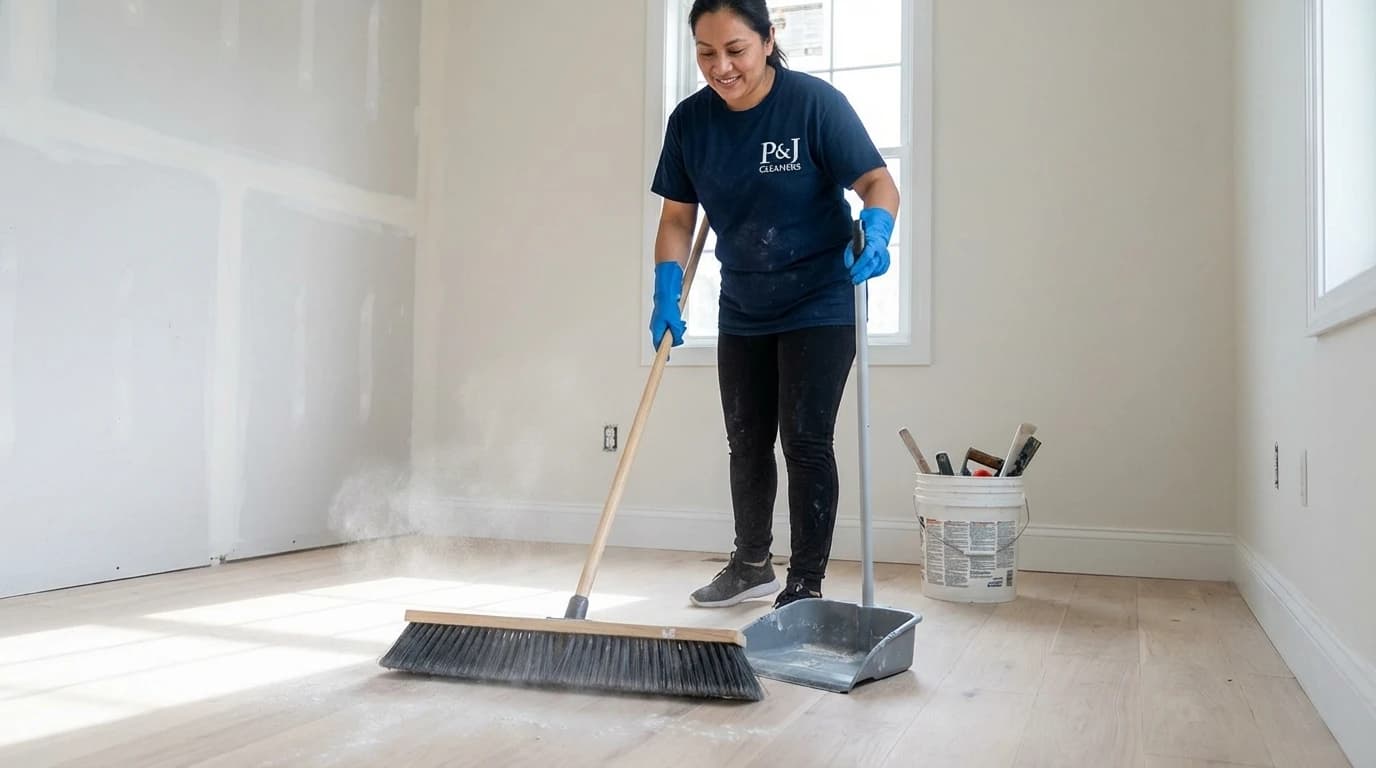
The first phase focuses on removing all visible construction debris including wood scraps, drywall pieces, packaging materials, protective coverings, and large dust accumulations. Teams use industrial vacuums, push brooms, and debris containers to clear floors, surfaces, and corners. This phase typically takes 1-2 days for a 10,000 square foot space and generates 15-25 cubic yards of waste requiring proper disposal. Contractors must separate recyclable materials from general waste according to Metro Vancouver recycling regulations.
Rough cleaning includes removing stickers, labels, and temporary protective films from windows, fixtures, and appliances. Teams scrape adhesive residue, clean construction equipment marks, and remove tape from surfaces. HVAC vents receive temporary covers to prevent dust infiltration during subsequent cleaning phases. All electrical outlets, light fixtures, and mechanical systems are inspected for construction debris that could cause operational issues or fire hazards.
Safety protocols during debris removal include wearing steel-toed boots, cut-resistant gloves, and safety glasses. Teams identify and flag any hazardous materials like asbestos-containing debris, lead paint chips, or chemical spills for specialized removal. WorkSafeBC requires proper ventilation during this phase with windows open and exhaust fans operating. Debris containers must be covered when not in use to prevent dust dispersion.
- Remove all visible construction debris, packaging, and protective coverings from floors and surfaces
- Separate recyclable materials (cardboard, metal, wood) from general waste per Metro Vancouver guidelines
- Scrape and remove adhesive residue, stickers, and temporary protective films from all surfaces
- Cover HVAC vents and returns to prevent dust infiltration during subsequent cleaning phases
- Inspect electrical outlets and fixtures for debris that could cause operational or safety issues
- Flag hazardous materials for specialized removal following WorkSafeBC protocols
Recommended Frequency
One-time at project start
Phase 2: Dust Elimination and HEPA Filtration
Comprehensive dust removal using HEPA-filtered equipment eliminates fine particulate matter from all surfaces, fixtures, and building systems.
Phase two addresses the most critical aspect of post-construction cleaning: eliminating fine dust particles that settle on every surface during construction. Professional teams use HEPA-filtered vacuums that capture 99.97% of particles as small as 0.3 microns, preventing respiratory issues and equipment damage. This phase starts from ceiling level and works downward, vacuuming light fixtures, ceiling tiles, ductwork, window frames, and wall surfaces before addressing furniture and floors. The systematic top-to-bottom approach prevents re-contamination of cleaned areas.
Drywall dust presents the greatest challenge in post-construction cleaning due to its fine consistency and electrostatic properties that cause it to cling to surfaces. Teams use microfiber cloths dampened with anti-static solution to wipe down walls, baseboards, door frames, and window sills. HVAC systems receive special attention with vent covers removed, ducts vacuumed, and filters replaced. Studies show that 68% of post-construction air quality complaints stem from inadequate dust removal in ventilation systems.
Window cleaning during this phase removes construction film, paint overspray, and dust accumulation using specialized scrapers and cleaning solutions. Teams inspect window tracks, sills, and frames for hidden dust pockets that standard cleaning misses. All horizontal surfaces including shelving, countertops, and equipment receive thorough vacuuming followed by damp wiping. The dust elimination phase typically requires 2-3 days for a 10,000 square foot commercial space with proper equipment and trained personnel.
- Use HEPA-filtered vacuums meeting 99.97% particle capture standards for all dust removal
- Follow top-to-bottom cleaning sequence: ceilings, walls, fixtures, furniture, then floors
- Remove and clean all HVAC vent covers, vacuum ductwork, and install new filters
- Wipe surfaces with microfiber cloths and anti-static solution to prevent dust re-settlement
- Clean window tracks, sills, and frames where construction dust accumulates heavily
- Replace vacuum bags and filters frequently to maintain suction power and filtration efficiency
Recommended Frequency
One-time after debris removal
Phase 3: Surface Cleaning and Restoration
Deep cleaning of all surfaces removes construction residue, restores finishes, and prepares spaces for detail work and final inspection.
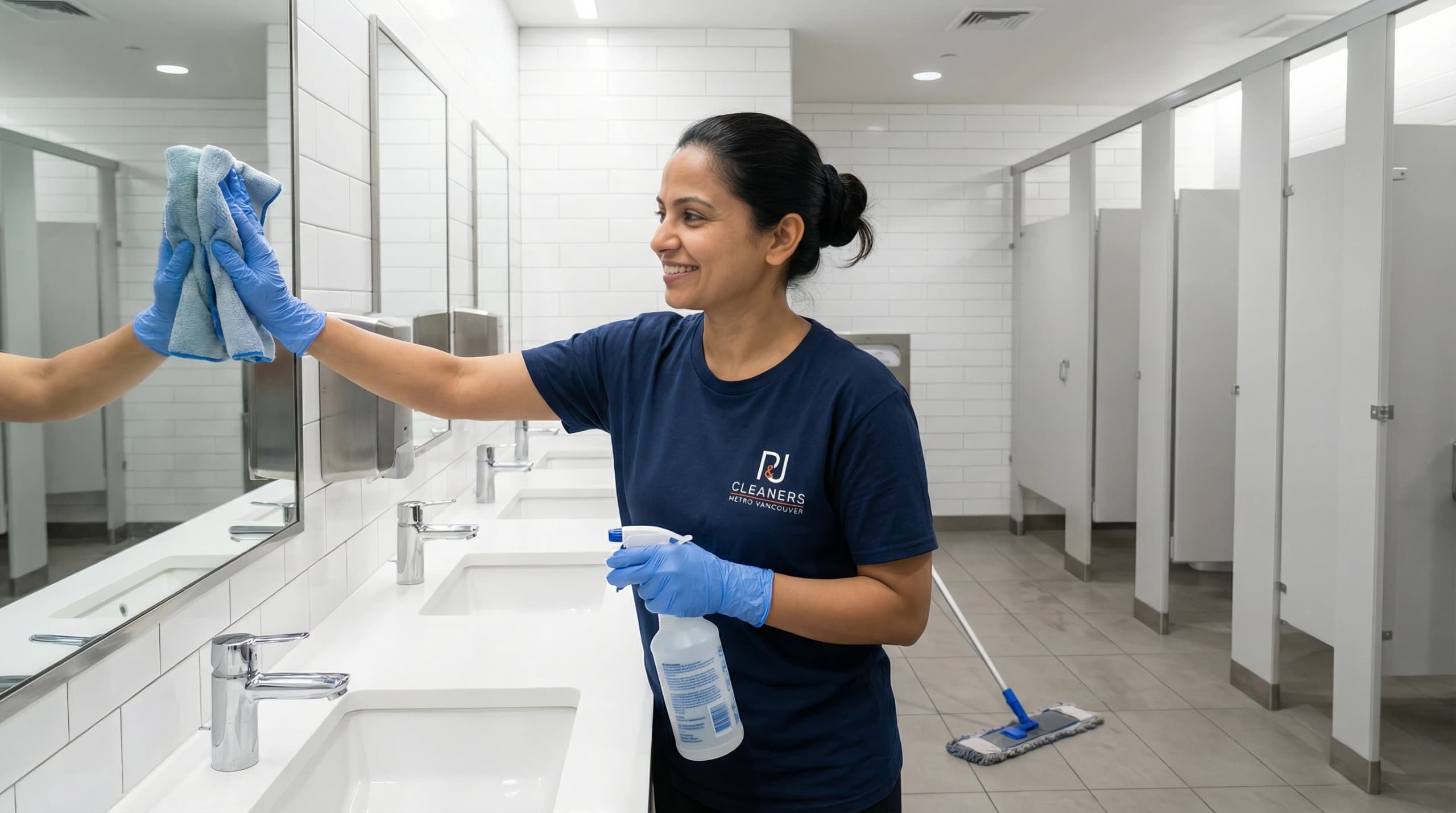
Surface cleaning addresses construction residue that vacuuming and dusting cannot remove, including adhesive marks, paint splatters, grout haze, and protective coating residue. Professional teams use specialized cleaning solutions matched to surface types: pH-neutral cleaners for natural stone, solvent-based products for adhesive removal, and acid-based solutions for grout haze on tile. This phase requires knowledge of material compatibility to prevent damage to expensive finishes. Improper cleaning products can etch marble, discolour wood, or damage protective coatings on metal fixtures.
Floor cleaning varies significantly by surface type and construction intensity. Hardwood floors receive gentle cleaning with wood-safe products followed by inspection for scratches requiring touch-up. Tile and grout cleaning removes construction dust, grout haze, and mortar residue using rotary scrubbers and appropriate chemical solutions. Carpet cleaning in commercial spaces typically requires hot water extraction to remove ground-in construction dust that vacuuming cannot address. The Building Owners and Managers Association reports that proper post-construction floor cleaning extends surface life by 40%.
Fixture cleaning includes polishing stainless steel, removing protective films from appliances, cleaning light fixtures and switch plates, and restoring shine to chrome and brass hardware. Teams clean inside cabinets, drawers, and closets where construction dust accumulates. Glass surfaces receive streak-free cleaning using professional-grade solutions and techniques. All cleaned surfaces are inspected under proper lighting to identify missed spots or areas requiring additional attention before moving to the detail phase.
- Match cleaning solutions to surface types: pH-neutral for stone, solvent-based for adhesives
- Remove grout haze from tile using acid-based cleaners following manufacturer specifications
- Clean hardwood floors with wood-safe products and inspect for scratches requiring touch-up
- Extract ground-in dust from carpets using hot water extraction equipment
- Polish fixtures and hardware to restore shine and remove protective films from appliances
- Clean inside cabinets, drawers, and closets where construction dust settles heavily
Recommended Frequency
One-time after dust elimination
Phase 4: Detail Work and Touch-Up Cleaning
Meticulous detail cleaning addresses overlooked areas, performs touch-up work, and ensures every surface meets quality standards.
Detail work separates professional post-construction cleaning from basic janitorial services through attention to areas that standard cleaning overlooks. Teams clean door hinges, light switch mechanisms, outlet covers, thermostat housings, and other small fixtures that accumulate construction dust. Window blinds receive individual slat cleaning, ceiling fan blades are wiped, and air return grilles are detailed. This phase typically requires 1-2 days and accounts for 20-25% of total cleaning time but addresses 60% of quality complaints when skipped.
Touch-up cleaning revisits areas that failed initial inspection or show signs of dust re-settlement. Teams re-clean surfaces near HVAC vents where air circulation may have redistributed dust particles. High-touch surfaces including door handles, handrails, and light switches receive additional sanitizing. Glass surfaces are re-inspected for streaks, smudges, or missed spots. The detail phase includes cleaning areas revealed after furniture installation or equipment placement that were inaccessible during earlier phases.
Specialized detail work includes cleaning inside electrical panels (by licensed electricians only), wiping down exposed pipes and conduit, detailing around plumbing fixtures, and cleaning behind appliances. Teams use cotton swabs, detailing brushes, and compressed air to clean tight spaces and intricate fixtures. All hardware receives final polishing, and protective films are removed from any remaining surfaces. Quality control inspectors verify that detail work meets the 47-point checklist before authorizing final inspection.
- Clean small fixtures including door hinges, outlet covers, and thermostat housings
- Detail window blinds with individual slat cleaning and ceiling fan blade wiping
- Re-clean areas near HVAC vents where air circulation may redistribute dust particles
- Sanitize high-touch surfaces including door handles, handrails, and light switches
- Use detailing tools (cotton swabs, brushes, compressed air) for tight spaces and intricate fixtures
- Remove any remaining protective films and perform final hardware polishing
Recommended Frequency
One-time after surface cleaning
Phase 5: Final Inspection and Quality Verification
Comprehensive inspection verifies all cleaning standards are met, documents completion, and ensures spaces are occupancy-ready.
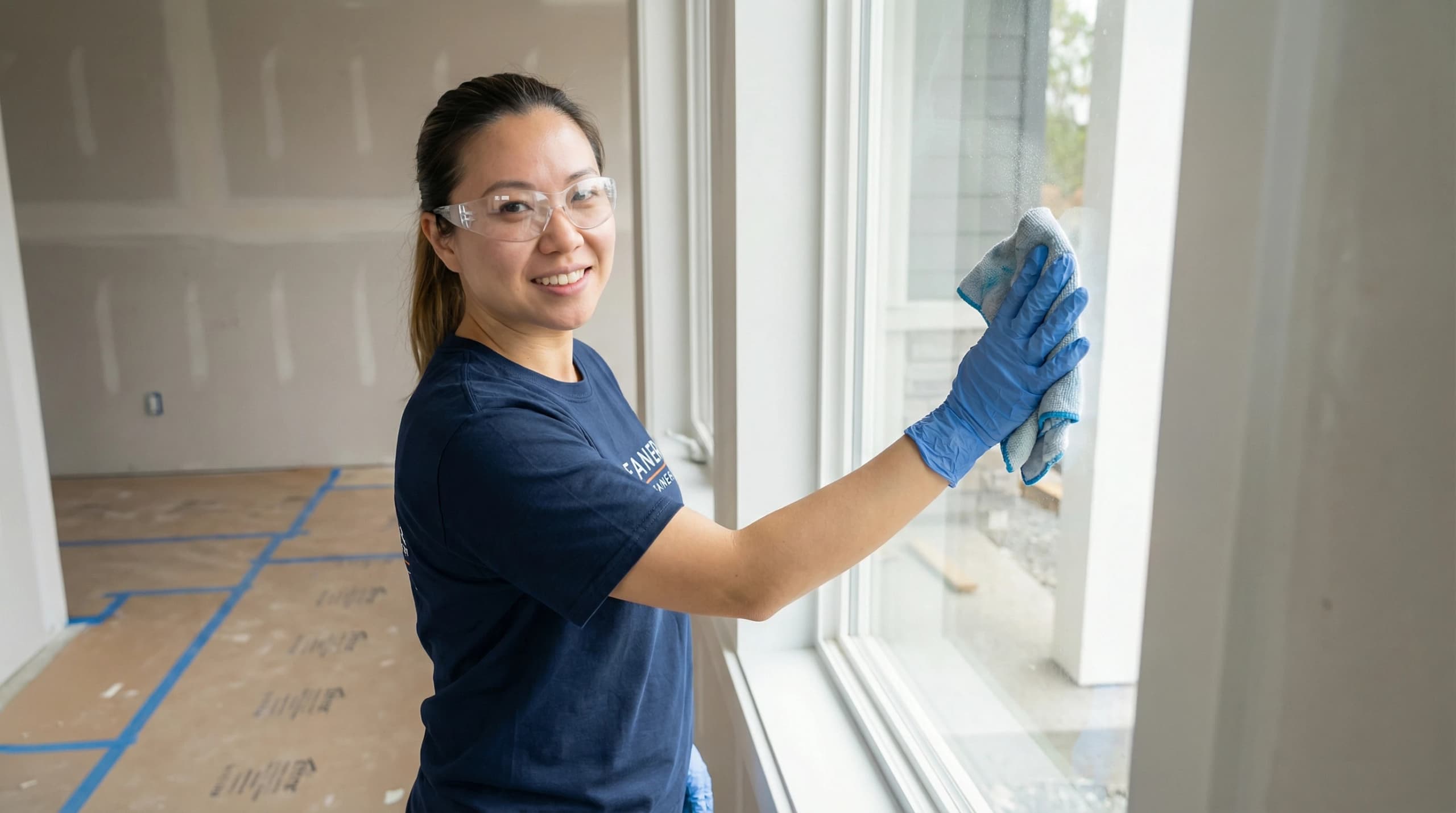
Final inspection follows a 47-point checklist covering all surfaces, systems, and safety requirements before declaring a space occupancy-ready. Quality control inspectors use white glove testing on horizontal surfaces, inspect corners and edges for missed dust, and verify that all fixtures are clean and functional. Lighting inspection ensures all bulbs work and fixtures are dust-free. HVAC systems are tested to confirm proper airflow and filter installation. The inspection process takes 2-4 hours for a 10,000 square foot space and identifies any areas requiring additional attention.
Air quality testing measures particulate levels to ensure they meet BC Building Code standards for occupancy. Professional services use particle counters that measure PM2.5 and PM10 levels, comparing results against baseline standards. Indoor air quality must show less than 35 micrograms per cubic metre of PM2.5 for occupancy approval. Teams also verify proper ventilation rates and check for any chemical odours from cleaning products or construction materials. Documentation includes before-and-after photos, air quality test results, and signed completion certificates.
The final walkthrough includes the property manager, general contractor, and cleaning supervisor to verify all work meets specifications. Any deficiencies are documented with photos and addressed immediately through touch-up cleaning. Teams provide maintenance recommendations for keeping spaces clean during the move-in period. Final documentation includes waste disposal receipts, cleaning product safety data sheets, and warranty information for any protective coatings applied. Professional services guarantee their work for 7-14 days, returning to address any issues that arise during initial occupancy.
- Complete 47-point inspection checklist covering surfaces, systems, and safety requirements
- Perform white glove testing on horizontal surfaces and inspect corners for missed dust
- Test air quality to verify PM2.5 levels below 35 micrograms per cubic metre
- Verify HVAC system operation, proper airflow, and new filter installation
- Document completion with before-and-after photos and signed certificates
- Conduct final walkthrough with property manager and contractor to verify specifications
Recommended Frequency
One-time at project completion
Cost Analysis and Return on Investment
Understanding post-construction cleaning costs and ROI helps property managers and contractors budget effectively while maximizing value from professional services.
Commercial post-construction cleaning costs vary based on project scope, square footage, construction intensity, and timeline requirements. Standard pricing ranges from $0.10-$0.30 per square foot, with rough cleaning at the lower end and detailed final cleaning at the higher end. A 10,000 square foot office renovation typically costs $1,500-$3,000 for complete post-construction cleaning including all five phases. Rush projects requiring weekend or after-hours work command 25-40% premium pricing. Metro Vancouver rates align with these industry standards, though downtown locations may see slightly higher costs due to parking and access challenges.
The return on investment for professional post-construction cleaning extends beyond immediate cost savings to include faster occupancy, reduced tenant complaints, and protection of building warranties. Property managers report that professional cleaning accelerates occupancy timelines by 5-8 days compared to using standard janitorial services, translating to $2,000-$5,000 in additional rental income for typical commercial spaces. Proper cleaning also prevents damage to finishes and mechanical systems that could cost $5,000-$15,000 to repair. A thorough final clean means tenants move into a space without drywall dust on ledges or protective film left on the glass.
Long-term value includes extended surface life, improved indoor air quality, and enhanced tenant satisfaction that supports lease renewals and premium rental rates. Proper floor cleaning extends surface life by 40%, delaying costly replacement projects. Clean HVAC systems operate 15-20% more efficiently, reducing energy costs by $500-$1,200 annually for typical commercial spaces. Professional cleaning also protects manufacturer warranties that may be voided by construction residue damage. When evaluating cleaning bids, property managers should consider total value rather than lowest price, as inadequate cleaning creates costly problems that exceed initial savings.
DIY / In-House Cleaning
- Equipment rental: $200-$400
- Cleaning supplies: $150-$300
- Staff time: $800-$1,500
- Waste disposal: $100-$200
- Total: $1,250-$2,400
- Timeline: 5-7 days
- Risk: High (missed areas, damage)
- Warranty: None
Professional Service
- Labour and equipment: $1,500-$3,000
- Supplies included: $0
- Waste disposal included: $0
- Insurance coverage: Included
- Total: $1,500-$3,000
- Timeline: 3-5 days
- Risk: Low (guaranteed work)
- Warranty: 7-14 days
Value Comparison
- Time savings: 2-4 days faster
- Quality assurance: Professional standards
- Liability protection: $2M coverage
- Occupancy acceleration: 5-8 days
- Rental income gain: $2,000-$5,000
- Damage prevention: $5,000-$15,000
- Tenant handover: Move-in ready, dust removed
- Net ROI: 300-500%
5-8 days faster
Occupancy Timeline Acceleration
$2,000-$5,000
Additional Rental Income
$5,000-$15,000
Damage Prevention Savings
2 to 5x higher
Indoor vs outdoor levels of several organics
40% longer lifespan
Surface Life Extension
$500-$1,200 annually
Energy Cost Reduction
- Faster occupancy timelines generate additional rental income during critical lease-up periods
- Professional cleaning protects expensive finishes and prevents warranty-voiding damage
- Reduced tenant complaints during initial occupancy improve satisfaction and lease renewals
- Extended surface life delays costly replacement projects for flooring and fixtures
- Clean HVAC systems operate more efficiently, reducing energy costs by 15-20%
- Proper dust removal prevents respiratory complaints and potential liability issues
- Documentation and warranties provide protection against quality disputes
- Professional services include proper waste disposal and environmental compliance
Post-Construction Compliance Checklist
This comprehensive checklist ensures all regulatory requirements, safety standards, and quality benchmarks are met before occupancy approval. Property managers and contractors should verify each item during final inspection.
Services mentioned in this article
Ready for help?
4.9 · 800+ Google reviewsReady for Professional Post-Construction Cleaning?
P&J Cleaners delivers compliant, inspection-ready commercial cleaning across Metro Vancouver. Our team handles all three cleaning phases with eco-friendly products upon request and a satisfaction guarantee. Our employed cleaners are bonded.
778-720-2224Commercial Post-Construction Cleaning Questions
What are post-construction cleaning standards?
Post-construction cleaning standards include three phases: rough clean (debris removal), detail clean (dust and residue elimination), and final clean (touch-up and inspection). WorkSafeBC requires removal of all construction materials, proper ventilation system cleaning, and hazardous material disposal. Standards also mandate HEPA filtration for dust control and compliance with BC Building Code Section 3.2.6 for indoor air quality before occupancy.
How often should post-construction areas be cleaned?
Post-construction cleaning follows a three-stage schedule: rough clean during final construction week, detail clean 3-5 days before occupancy, and final clean 24-48 hours before move-in. High-traffic commercial spaces require daily maintenance cleaning for the first two weeks after occupancy. HVAC systems need filter replacement within 30 days of completion, and ductwork inspection within 90 days per ASHRAE Standard 62.1 guidelines.
What compliance rules apply to post-construction cleaning?
BC commercial properties must comply with WorkSafeBC Occupational Health and Safety Regulation Part 4 (general conditions), City of Vancouver Building By-law for final inspections, and LEED certification requirements if applicable. Cleaning must address silica dust per WorkSafeBC guidelines, proper disposal of construction waste under Metro Vancouver solid waste regulations, and indoor air quality testing meeting Health Canada's Residential Indoor Air Quality Guidelines adapted for commercial use.
How much does post-construction cleaning cost?
Commercial post-construction cleaning costs $0.10-$0.30 per square foot depending on project scope. A 10,000 sq ft office space averages $1,500-$3,000 for complete three-phase cleaning. Rough clean costs $0.05-$0.10/sq ft, detail clean $0.08-$0.15/sq ft, and final clean $0.05-$0.10/sq ft. Additional services like HVAC cleaning add $500-$2,000, window cleaning $2-$5 per window, and floor sealing $0.50-$1.50/sq ft.
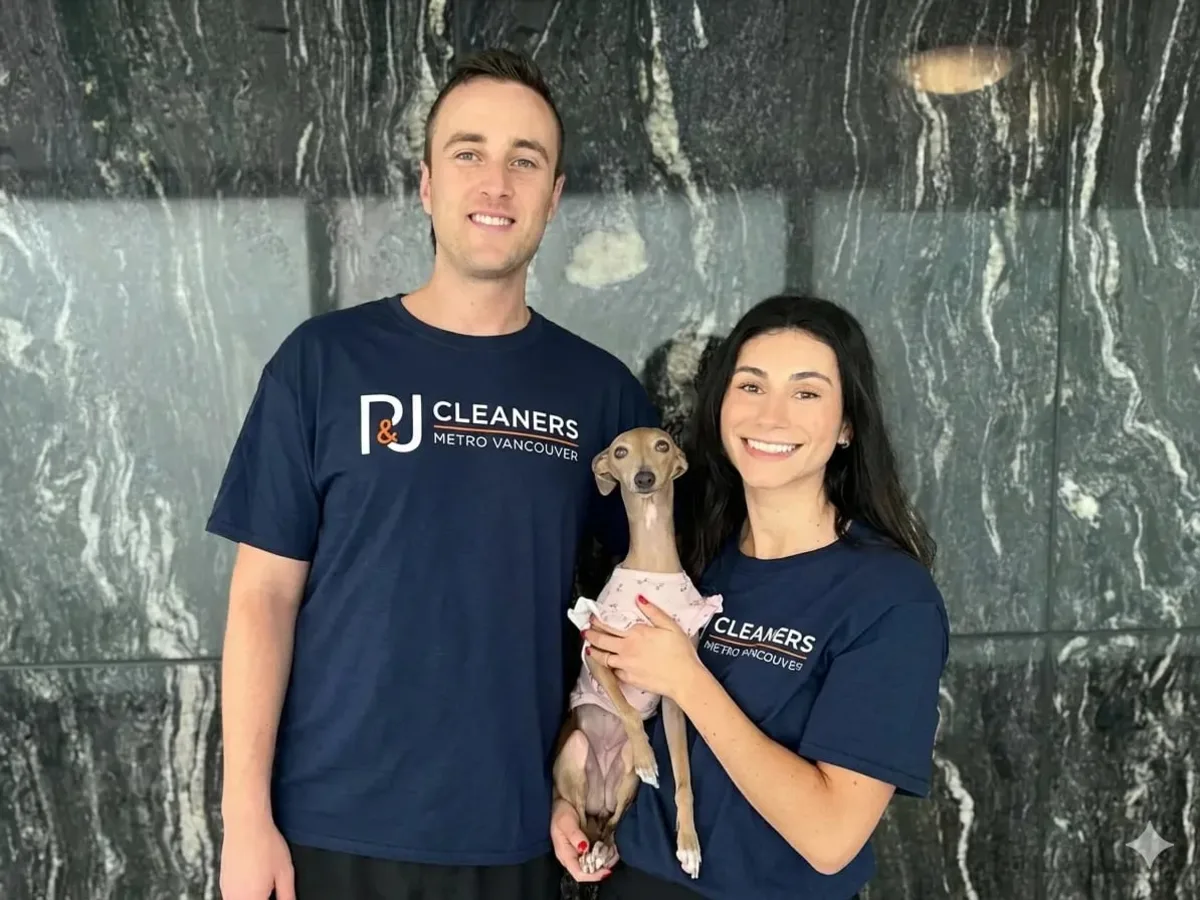
Meet the Author
Jason
Co-Founder
Jason oversees commercial operations, workflow design, and quality control for office, restaurant, and specialty cleaning programs across Metro Vancouver.
Keep Exploring