


Industry Overview
Why Kitchen Hood Cleaning Matters for Restaurant Operations
Commercial kitchen exhaust systems accumulate grease, smoke residue, and carbon deposits during daily cooking operations. These contaminants create serious fire hazards when left unchecked. The National Fire Protection Association reports that 61% of restaurant fires originate in cooking equipment and exhaust systems. Grease-laden vapours condense inside hoods, ducts, and fans, forming highly flammable deposits that ignite at temperatures as low as 370°C. Regular professional cleaning eliminates these risks while maintaining compliance with fire codes and health regulations.
British Columbia health authorities enforce strict cleanliness standards for commercial kitchens under the Food Premises Regulation. Inspectors assess exhaust system condition during routine visits, checking for visible grease accumulation, proper ventilation function, and maintenance documentation. Facilities failing inspection face corrective orders, fines, or temporary closure until violations are resolved. Vancouver Coastal Health conducted 12,847 food premise inspections in 2025, with exhaust system deficiencies cited in 23% of violation notices. Proper hood cleaning protects both public safety and business continuity.
Beyond compliance requirements, clean exhaust systems deliver measurable operational benefits. Grease buildup restricts airflow, forcing ventilation fans to work harder and consume more electricity. Restaurants with neglected hoods report 15-30% higher HVAC costs compared to facilities maintaining quarterly cleaning schedules. Clean systems also reduce kitchen heat and odours, improving working conditions for staff. Equipment longevity increases when motors and ductwork remain free from corrosive grease deposits. The initial investment in professional cleaning generates returns through lower utility bills, fewer repairs, and extended equipment replacement cycles.
61%
Restaurant fires caused by cooking equipment
Source: National Fire Protection Association
23%
BC health inspections citing exhaust violations
Source: Vancouver Coastal Health 2025 Report
15-30%
Energy cost increase from grease buildup
Source: ISSA Commercial Kitchen Study
400%
Fire risk increase with 3mm+ grease thickness
Source: NFPA 96 Fire Code Standards
Compliance priorities
NFPA 96 cleaning frequency standards based on cooking volume and fuel type • WorkSafeBC documentation requirements with dated service stickers on all cleaned components • BC Food Premises Regulation exhaust system maintenance and inspection protocols • Vancouver Fire Services access requirements for duct inspection and cleaning verification • Health authority grease thickness limits and ventilation performance standards • Insurance policy compliance clauses requiring documented professional cleaning schedules
Professional Hood Cleaning Methods and Standards
Effective commercial kitchen exhaust cleaning requires systematic approaches that address all system components. Professional technicians follow NFPA 96 protocols to ensure complete grease removal from hoods, filters, ducts, and fans. The process combines chemical degreasers, high-pressure washing, and manual scraping techniques tailored to each surface type and contamination level.
Hood Canopy and Filter Cleaning
The visible hood canopy and baffle filters require thorough degreasing to remove surface contamination and restore proper grease capture efficiency.
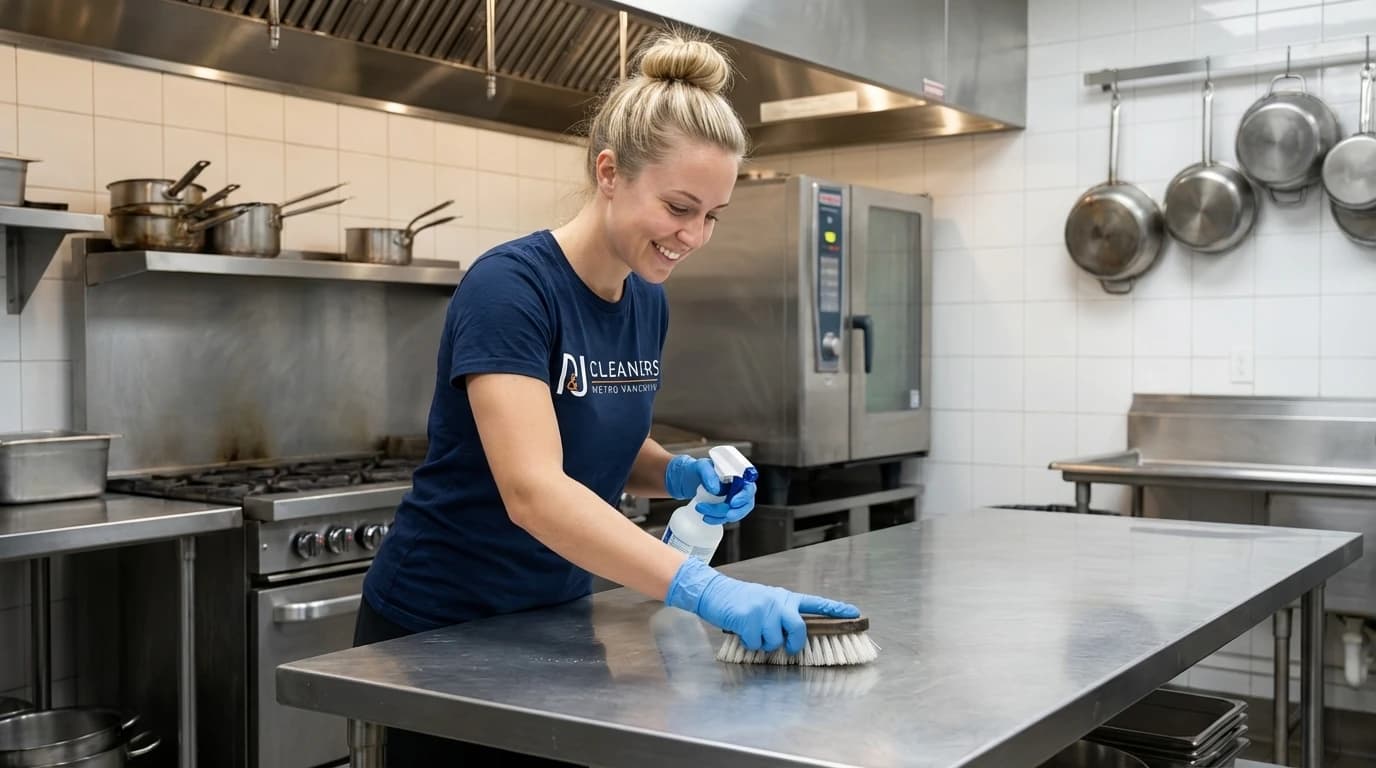
Hood canopy cleaning begins with removing all baffle filters and applying commercial-grade alkaline degreasers to interior and exterior surfaces. These chemical solutions break down polymerized grease that accumulates from cooking vapours. Technicians allow 10-15 minutes dwell time for the degreaser to penetrate stubborn deposits before scrubbing with non-abrasive pads. Stainless steel surfaces require careful attention to grain direction to prevent scratching. Corners, seams, and grease troughs receive extra focus as these areas trap the heaviest buildup. Proper canopy cleaning restores the hood's professional appearance while eliminating fire fuel sources.
Baffle filters undergo separate cleaning using hot water pressure washing or immersion tank methods. These stainless steel or aluminum filters capture grease particles through directional airflow changes. When filters become clogged, ventilation efficiency drops significantly and grease bypasses into ductwork. Professional cleaning removes 95-98% of accumulated grease, restoring proper capture rates. Filters are inspected for damage, warping, or deterioration that compromises performance. Heavily damaged filters require replacement rather than cleaning. Clean filters are reinstalled with proper spacing and secure mounting to ensure optimal grease extraction during cooking operations.
- Apply alkaline degreaser with 10-15 minute dwell time for effective grease breakdown
- Scrub all surfaces following stainless steel grain direction to prevent scratching
- Focus on corners, seams, and grease collection troughs where buildup concentrates
- Pressure wash baffle filters at 1500-2000 PSI with 70-80°C water temperature
- Inspect filters for warping, holes, or deterioration requiring replacement
- Reinstall filters with proper spacing and secure mounting for optimal capture efficiency
Recommended Frequency
Monthly for high-volume kitchens, quarterly for moderate use
Exhaust Duct and Plenum Cleaning
Ductwork cleaning addresses hidden grease accumulation in vertical and horizontal exhaust passages where the majority of fire hazards develop.
Exhaust duct cleaning requires access panel installation at strategic intervals along the duct run. Technicians inspect the entire system using flashlights and mirrors to assess grease thickness and distribution. NFPA 96 mandates cleaning when grease deposits exceed 3mm thickness anywhere in the system. Professional crews use rotating brush systems, pressure washers, and hand scraping tools to remove deposits from duct walls. Vertical ducts receive top-down cleaning to prevent contaminated water from dripping onto kitchen equipment. Horizontal duct sections require careful attention as grease pools in low points and corners.
The plenum chamber connecting the hood to main ductwork accumulates the heaviest grease concentrations. This transition area experiences turbulent airflow that deposits grease rapidly. Technicians disassemble plenum sections when possible for thorough cleaning access. Confined space entry procedures apply when workers must enter large duct systems. All removed grease is collected in containers for proper disposal according to municipal waste regulations. After cleaning, ducts are inspected to verify complete grease removal and structural integrity. Access panels are sealed and dated service stickers applied documenting the cleaning date and company information.
- Install access panels every 3-4 metres along duct runs for inspection and cleaning entry
- Clean when grease thickness exceeds 3mm anywhere in the exhaust system
- Use rotating brush systems for vertical ducts and hand scraping for horizontal sections
- Apply top-down cleaning methods to prevent contaminated water dripping on equipment
- Follow confined space entry protocols when accessing large duct interiors
- Collect and dispose of grease waste according to municipal regulations
Recommended Frequency
Quarterly for high-volume operations, semi-annually for moderate use
Exhaust Fan and Motor Maintenance
Rooftop exhaust fans require specialized cleaning to remove grease from blades, housings, and motor assemblies while protecting electrical components.
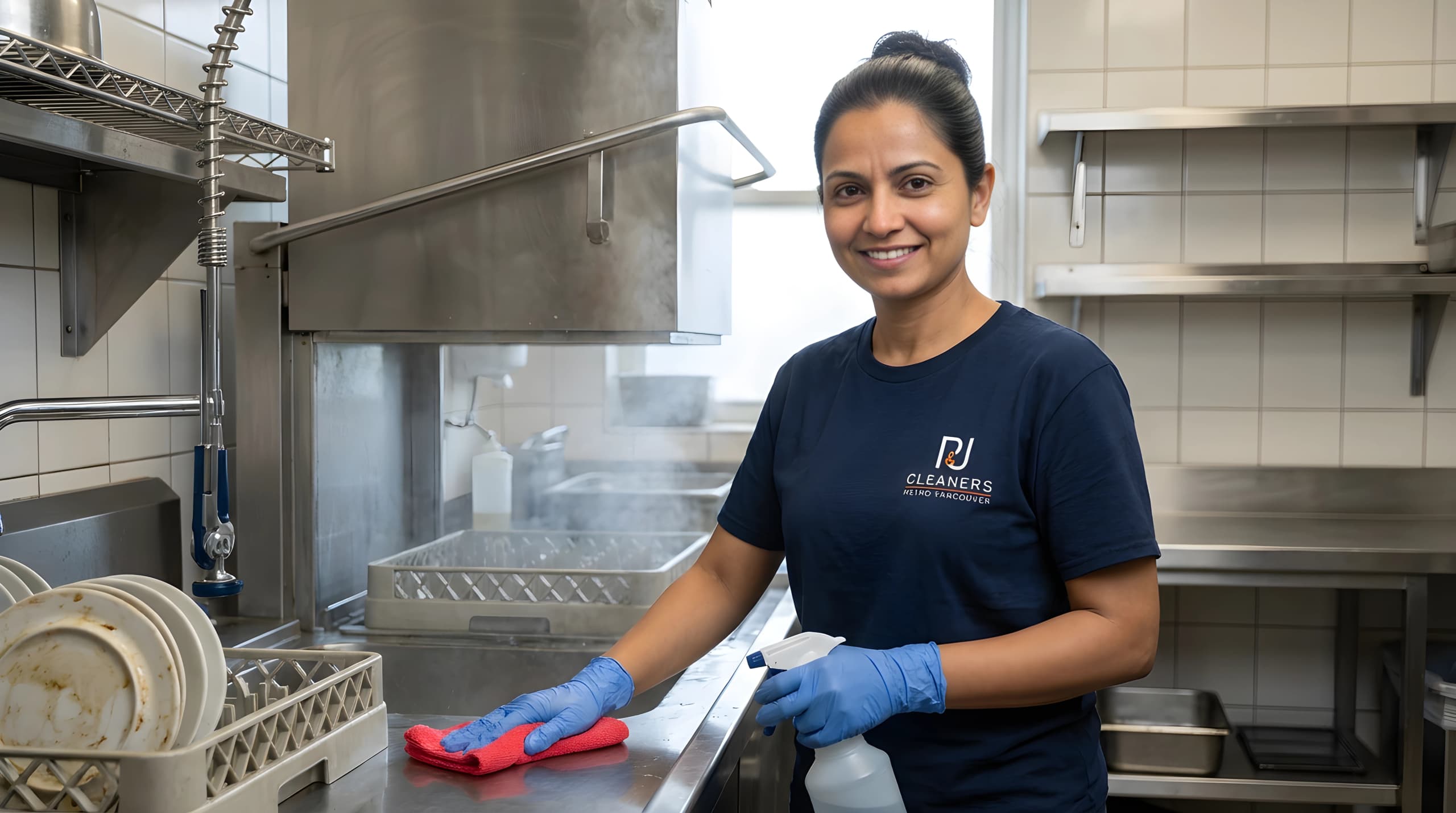
Exhaust fan cleaning begins with complete electrical disconnection and lockout-tagout procedures to ensure worker safety. Technicians remove fan blade assemblies when possible for ground-level cleaning access. Grease accumulation on fan blades creates imbalance that strains motors and bearings, reducing equipment lifespan by 40-50%. High-pressure washing removes deposits from blade surfaces, housings, and protective screens. Motor assemblies require careful protection from water intrusion using plastic sheeting and tape. Belt-driven fans need belt inspection and tension adjustment after cleaning. Direct-drive motors are checked for bearing noise and vibration indicating wear.
Fan housing interiors accumulate grease that restricts airflow and reduces ventilation capacity. Technicians clean housing walls, drain ports, and mounting brackets to restore proper function. Grease buildup in drain lines causes overflow and roof damage during rain events. All drain paths are cleared and tested for proper flow. After cleaning, fan blades are balanced and reinstalled with secure fasteners. Motors are reconnected and tested for proper rotation direction and amperage draw. Excessive amperage indicates remaining restrictions or mechanical problems requiring correction. Clean fans operate 20-30% more efficiently, reducing electricity costs while improving kitchen ventilation performance.
- Disconnect power and apply lockout-tagout procedures before fan maintenance
- Remove fan blades for ground-level cleaning when assembly design permits
- Protect motor housings from water intrusion using plastic sheeting
- Clean and test all drain lines to prevent overflow and roof damage
- Balance fan blades and verify secure mounting after reassembly
- Test motor amperage draw to confirm proper operation and efficiency
Recommended Frequency
Quarterly cleaning synchronized with duct system maintenance
Fire Suppression System Coordination
Hood cleaning must coordinate with fire suppression system maintenance to ensure nozzles, piping, and activation mechanisms remain functional and properly positioned.
Commercial kitchen fire suppression systems integrate with exhaust hoods through strategically positioned nozzles that discharge chemical suppressant when activated. Hood cleaning requires careful work around these components to avoid damage or misalignment. Technicians document nozzle positions before cleaning and verify proper placement afterward. Suppression system piping runs through ductwork in many installations, requiring coordination between cleaning crews and fire system contractors. Any accidental damage to suppression components must be reported immediately and repaired by certified technicians before the kitchen returns to operation.
Fire suppression systems require separate inspection and maintenance by licensed contractors every six months under NFPA 17A standards. Hood cleaning schedules should align with suppression system service dates when possible to minimize kitchen downtime. Some jurisdictions require suppression system contractors to verify proper hood cleanliness before certifying system functionality. Restaurant operators must maintain documentation showing both hood cleaning and fire system service records. Insurance companies review these records during policy renewals and claim investigations. Coordinated maintenance ensures both fire prevention and suppression capabilities remain fully operational, protecting property and occupants from cooking fire hazards.
- Document fire suppression nozzle positions before cleaning and verify after completion
- Avoid contact with suppression system piping, nozzles, and activation mechanisms
- Report any accidental damage to suppression components immediately
- Coordinate hood cleaning with semi-annual fire suppression system inspections
- Maintain combined documentation of hood cleaning and suppression system service
- Ensure suppression system contractors verify hood cleanliness during inspections
Recommended Frequency
Coordinate with semi-annual fire suppression system maintenance
Cost Analysis and Return on Investment
Professional hood cleaning represents a significant operational expense for restaurants, but the investment delivers measurable returns through reduced fire risk, lower energy costs, and extended equipment lifespan.
Commercial kitchen hood cleaning costs vary based on system size, grease accumulation level, and service frequency. Single hood cleaning ranges from $150-$500 in Metro Vancouver, with multi-hood facilities paying $800-$2,500 for complete system service. High-volume restaurants operating 12+ hours daily require monthly cleaning at $1,800-$6,000 annually. Moderate-use facilities with quarterly schedules spend $600-$2,000 per year. Low-volume operations cleaning semi-annually invest $300-$1,000 annually. These costs include hood canopy, filters, ductwork, and exhaust fan cleaning with proper documentation and service stickers.
Annual service contracts reduce per-cleaning costs by 15-25% compared to one-time service rates. Contractors offer volume discounts for multi-location restaurant groups and priority scheduling for contract clients. Emergency cleaning services for failed health inspections cost 50-100% more than scheduled maintenance. Facilities neglecting regular cleaning face additional expenses from equipment repairs, increased insurance premiums, and potential closure orders. The total cost of ownership for properly maintained exhaust systems is 30-40% lower than reactive maintenance approaches over a five-year period.
Return on investment from professional hood cleaning comes through multiple channels. Fire risk reduction protects property assets worth hundreds of thousands of dollars while preventing business interruption losses. Insurance companies offer 5-10% premium reductions for documented maintenance programs. Energy savings from clean exhaust systems reduce monthly utility bills by $100-$300 for typical restaurants. Extended equipment lifespan delays $15,000-$40,000 exhaust system replacement costs by 3-5 years. Health inspection compliance avoids closure orders that cost restaurants $2,000-$5,000 per day in lost revenue. The combined benefits typically exceed annual cleaning costs by 300-500%, making professional maintenance a sound financial decision.
In-House Cleaning Attempts
- Staff labour costs $25-$35/hour for 4-6 hours
- Consumer-grade cleaning products $50-$100
- Incomplete duct and fan access
- No compliance documentation
- Continued fire and health risks
- Equipment damage from improper methods
- Total cost: $150-$300 with poor results
Professional Service
- Complete system cleaning $150-$500 per hood
- Commercial degreasers and equipment included
- Full duct and fan access with proper tools
- Compliance documentation and service stickers
- Fire risk elimination and health approval
- Equipment protection and warranty preservation
- Total cost: $150-$500 with guaranteed results
$1,200-$3,600
Annual energy savings from clean systems
5-10%
Insurance premium reduction with documentation
3-5 years
Equipment lifespan extension
$2,000-$5,000
Avoided daily revenue loss from closure
$200,000+
Fire damage prevention value
300-500%
Total ROI vs annual cleaning cost
- Eliminates grease fire hazards that cause 61% of restaurant fires
- Ensures health inspection compliance and avoids closure orders
- Reduces monthly energy costs by 15-30% through improved airflow
- Extends exhaust fan and motor lifespan by 3-5 years
- Qualifies for 5-10% insurance premium reductions
- Improves kitchen air quality and working conditions for staff
- Protects property value and business continuity
- Maintains equipment warranties requiring professional maintenance
Restaurant Hood Cleaning Compliance Checklist
Use this comprehensive checklist to ensure your commercial kitchen exhaust system meets all regulatory requirements and industry standards. Regular verification prevents violations and maintains safe operations.
Services mentioned in this article
Ready for help?
4.9 · 800+ Google reviewsProfessional Kitchen Hood Cleaning in Metro Vancouver
P&J Cleaners provides certified commercial kitchen hood and exhaust cleaning with full compliance documentation. Our technicians follow NFPA 96 standards and work around your schedule to minimize disruption.
778-720-2224Common Questions About Kitchen Hood Cleaning
How often should restaurant areas be cleaned?
Kitchen hoods require professional cleaning every 3-6 months depending on cooking volume. High-volume restaurants using solid fuel should clean monthly, while moderate-volume operations can extend to quarterly. Daily wipe-downs of accessible surfaces prevent buildup between deep cleans. WorkSafeBC mandates documented cleaning schedules, and insurance policies often require proof of regular maintenance to remain valid.
What are restaurant cleaning standards?
BC Health Authority requires commercial kitchens to maintain grease-free exhaust systems with documented cleaning records. NFPA 96 standards mandate hood cleaning to bare metal, removing all grease deposits from filters, ducts, and fans. Vancouver Coastal Health inspectors verify compliance during routine inspections, and violations can result in closure orders. Professional cleaners must follow manufacturer specifications and use approved degreasers that meet environmental regulations.
How much does restaurant cleaning cost?
Commercial kitchen hood cleaning costs $150-$500 per hood depending on size and grease accumulation. Small single-hood systems average $200-$300, while multi-hood operations with extensive ductwork range $800-$2,000 per service. Monthly contracts reduce per-visit costs by 15-25% compared to one-time cleanings. Emergency cleanings after health violations cost 40-60% more due to expedited scheduling and intensive degreasing requirements.
What compliance rules apply to restaurant cleaning?
Vancouver requires commercial kitchens to maintain cleaning logs accessible during health inspections. WorkSafeBC mandates proper ventilation system maintenance to protect worker safety from grease fires and poor air quality. NFPA 96 compliance requires certified technicians to clean exhaust systems, with stickers documenting service dates. Insurance policies typically require quarterly professional cleaning as a condition of coverage, and failure to comply can void fire damage claims.
Meet the Author
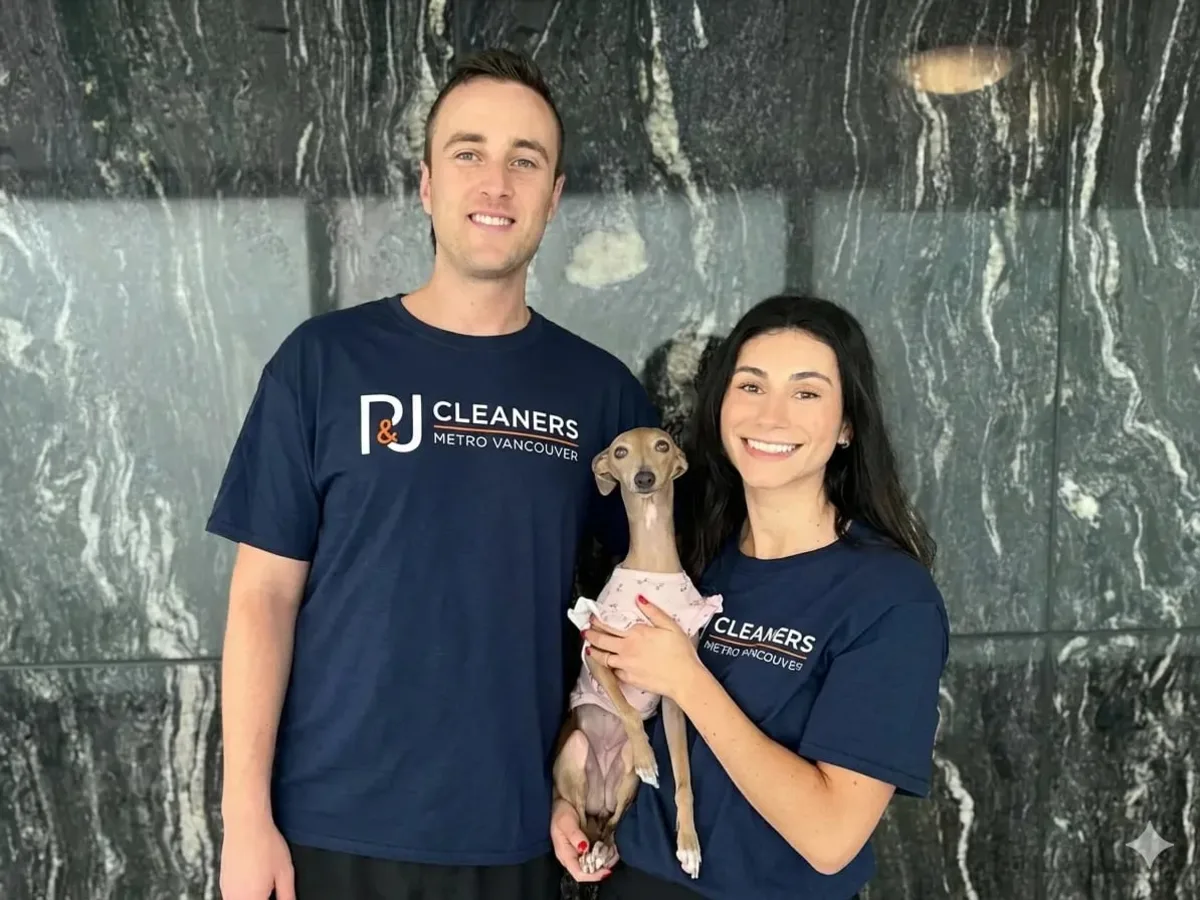
Jason
Co-Founder
Jason oversees commercial operations, workflow design, and quality control for office, restaurant, and specialty cleaning programs across Metro Vancouver.
Keep Exploring