Quick answer
Office managers need 11 essential commercial cleaning supplies: microfibre cloths, all-purpose cleaner, disinfectant spray, glass cleaner, vacuum with HEPA filter, mop system, trash bags, paper towels, toilet bowl cleaner, hand soap, and air freshener.

Key Takeaways
- 1A complete commercial cleaning supply kit costs between $150-$400 monthly for a typical 5,000 sq ft office space.
- 2HEPA-filter vacuums remove 99.97% of airborne particles, reducing employee sick days by up to 46% according to ISSA research.
- 3Microfibre cloths eliminate 99% of bacteria without chemicals, lasting 500+ washes compared to 50 for cotton alternatives.
- 4Switching to concentrated cleaning products reduces packaging waste by 80% and cuts storage space requirements in half.
- 5Professional-grade disinfectants with Health Canada DIN numbers ensure compliance with WorkSafeBC sanitation standards.
Microfibre Cleaning Cloths
Professional microfibre cloths are the foundation of any commercial cleaning programme, capturing 99% of bacteria and dirt particles without harsh chemicals.
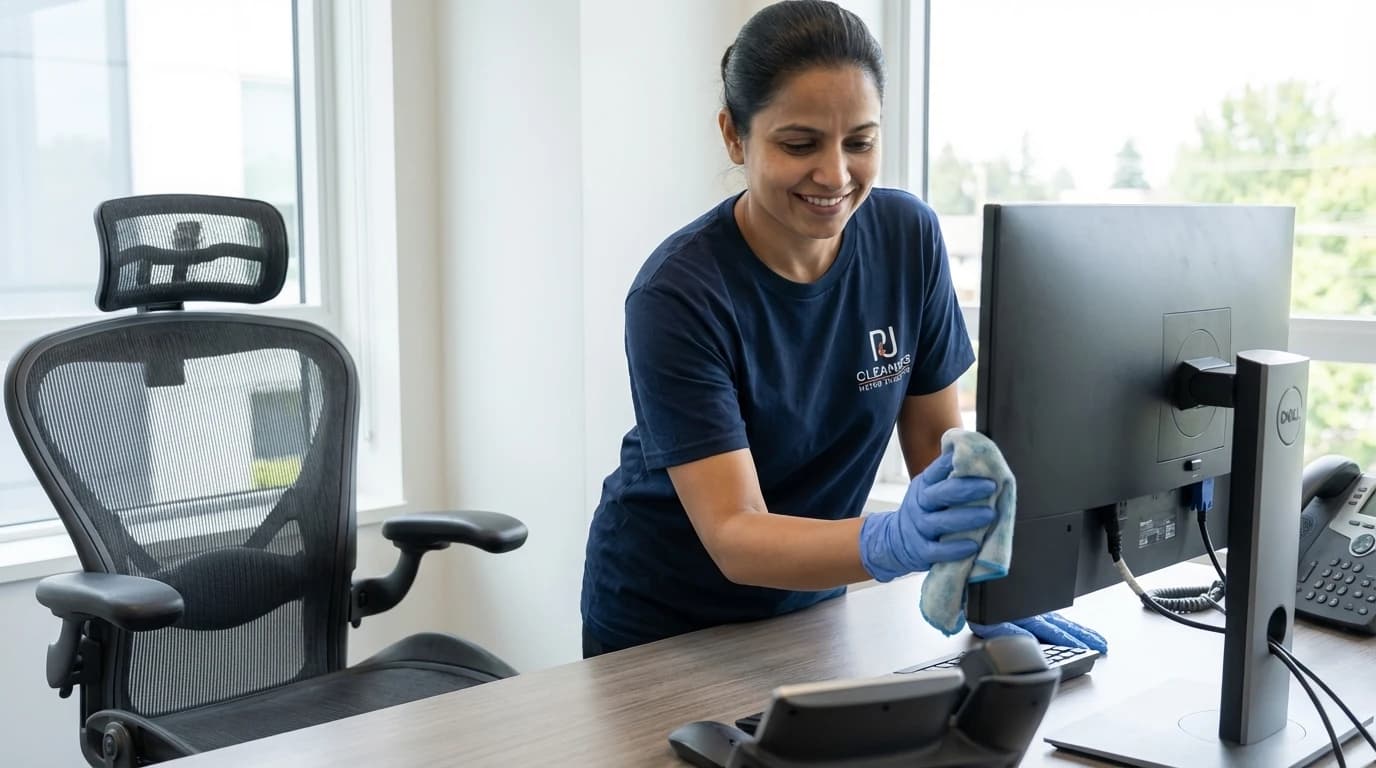
- Microfibre technology uses split fibres thinner than human hair to trap dust, bacteria, and allergens at the microscopic level. Unlike traditional cotton cloths that push dirt around, microfibre's electrostatic charge attracts and holds particles until washed. A single quality microfibre cloth replaces dozens of paper towels, reducing waste and ongoing supply costs. The Canadian Environmental Protection Agency reports that switching to reusable microfibre systems cuts cleaning-related waste by 72% in commercial facilities.
- Colour-coded microfibre systems prevent cross-contamination between office zones. Use blue cloths for general surfaces, green for food preparation areas, yellow for washrooms, and red for high-risk sanitation zones. This system aligns with WorkSafeBC guidelines for infection control in commercial spaces. Quality microfibre cloths withstand 500+ industrial wash cycles while maintaining their cleaning effectiveness, making them a cost-efficient long-term investment.
- Purchase commercial-grade microfibre with a GSM (grams per square metre) rating of 300-400 for optimal durability and absorption. Budget $2-4 per cloth for professional quality, with a typical office requiring 24-36 cloths for rotation. Store clean cloths in sealed containers and establish a daily washing protocol using fragrance-free detergent. Never use fabric softener, which clogs microfibre and reduces effectiveness by up to 60%.
Quick Win
Replace microfibre cloths every 12-18 months or after 500 washes, whichever comes first, to maintain optimal bacteria removal rates.
All-Purpose Neutral Cleaner
A pH-neutral all-purpose cleaner handles 80% of daily office cleaning tasks while protecting surfaces and meeting environmental standards.
- Professional all-purpose cleaners with neutral pH levels (6.5-7.5) safely clean most office surfaces without damaging finishes or leaving residue. These versatile solutions work on desks, countertops, door handles, light switches, and non-porous surfaces throughout your facility. Look for products certified by EcoLogo or Green Seal, which verify reduced environmental impact and safer ingredient profiles. Statistics Canada reports that 68% of Canadian offices now prioritize eco-certified cleaning products in their procurement policies.
- Concentrated formulas offer superior value and reduce plastic waste. A single 4-litre concentrate typically yields 200 litres of ready-to-use solution, costing $0.15-0.30 per litre versus $2-4 for pre-mixed products. Dilution ratios matter: use 1:64 (30ml per 2 litres) for general cleaning and 1:32 for heavier soil. Install wall-mounted dilution stations to ensure consistent mixing and prevent product waste from improper ratios.
- Store concentrates in cool, dry locations away from direct sunlight to maintain chemical stability. Label all diluted solutions with contents, dilution ratio, and preparation date. Replace diluted solutions every 7-10 days to prevent bacterial growth in spray bottles. Train staff on proper dilution procedures and provide measuring tools to maintain consistency across cleaning teams.
Quick Win
Purchase concentrates in 4-litre containers rather than single-use bottles to reduce costs by 60% and cut plastic waste by 85%.
Hospital-Grade Disinfectant
Health Canada-approved disinfectants eliminate 99.9% of pathogens on high-touch surfaces, essential for maintaining workplace health standards.
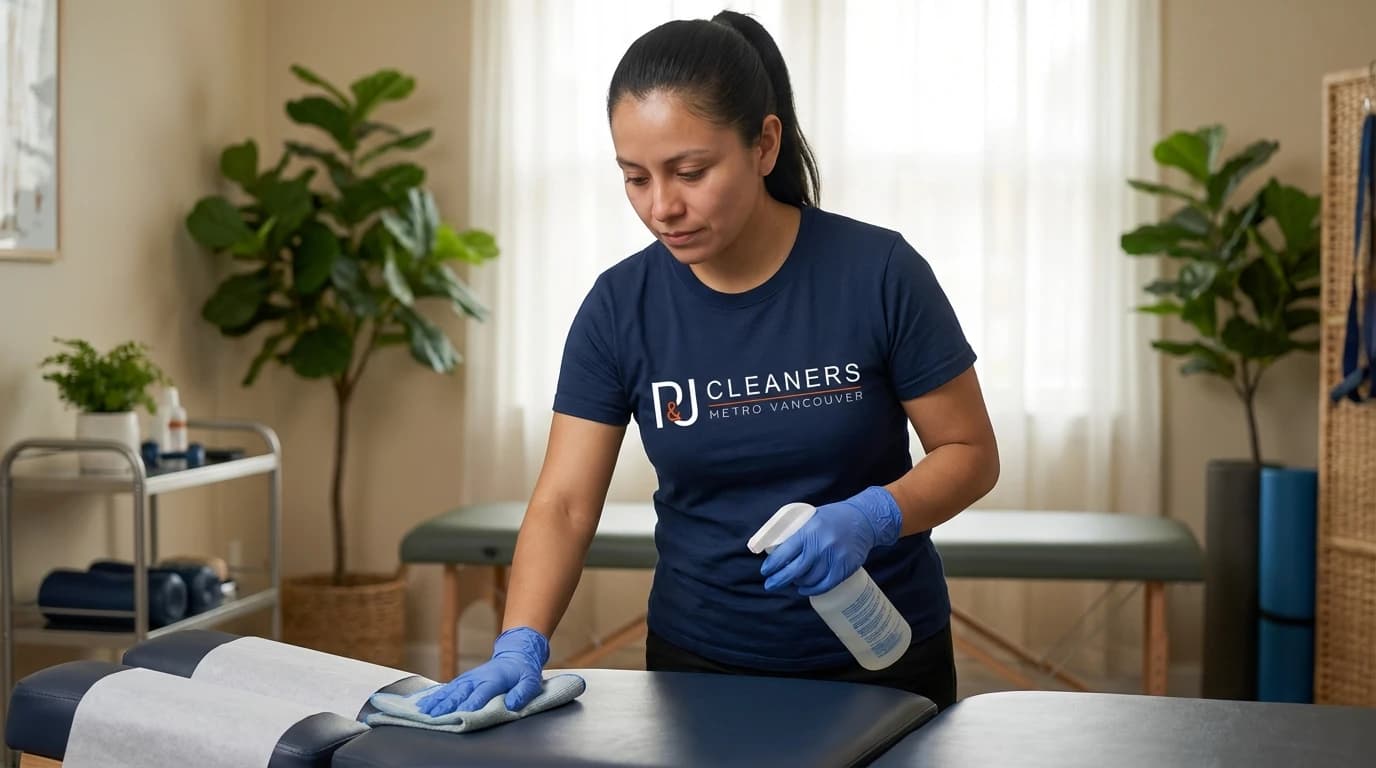
- Hospital-grade disinfectants with Drug Identification Numbers (DIN) from Health Canada meet stringent efficacy standards for pathogen elimination. These products kill bacteria, viruses, and fungi within specified contact times, typically 30 seconds to 10 minutes depending on the target organism. The BC Centre for Disease Control recommends disinfecting high-touch surfaces like door handles, elevator buttons, and shared equipment at least twice daily in commercial settings.
- Quaternary ammonium compounds (quats) and hydrogen peroxide-based disinfectants dominate professional markets. Quat-based products offer longer residual protection and work well on porous surfaces, while hydrogen peroxide solutions break down into water and oxygen, leaving no chemical residue. Choose products with broad-spectrum efficacy against enveloped viruses, which include influenza and coronaviruses. ISSA research shows proper disinfection protocols reduce workplace illness transmission by 46%.
- Follow manufacturer contact times precisely for effective pathogen elimination. Surfaces must remain visibly wet for the entire contact period, requiring adequate product application. Pre-clean heavily soiled surfaces before disinfecting, as organic matter reduces disinfectant effectiveness by up to 70%. Rotate between different disinfectant classes quarterly to prevent bacterial resistance development in your facility.
Quick Win
Apply disinfectant to pre-cleaned surfaces and allow full contact time before wiping to ensure 99.9% pathogen elimination rates.
Streak-Free Glass Cleaner
Professional glass cleaners deliver crystal-clear results on windows, mirrors, and glass partitions without leaving residue or streaks.
- Ammonia-free glass cleaners provide streak-free shine while protecting window films and tinted glass common in modern offices. These formulas use surfactants and solvents that cut through fingerprints, dust, and atmospheric film without harsh fumes. Vancouver's coastal climate creates unique challenges with salt spray and moisture, requiring more frequent glass cleaning than interior locations. The City of Vancouver Building Code requires maintaining clear sight lines through glass partitions for safety compliance.
- Spray-and-wipe techniques work for light soiling, but heavily soiled glass requires a two-step process. First, clean with soapy water to remove bulk contamination, then follow with glass cleaner for final polishing. Use vertical strokes on one side and horizontal on the other to identify which side has streaks. Professional squeegees eliminate 95% of cleaning time on large glass surfaces while delivering superior results.
- Budget $8-15 per litre for commercial glass cleaner, with typical monthly consumption of 2-4 litres per 5,000 sq ft office. Purchase products in concentrate form when available to reduce costs by 40%. Store glass cleaner away from heat sources, as alcohol-based formulas are flammable. Replace spray bottles every 6 months to prevent clogging and maintain consistent spray patterns.
HEPA-Filter Vacuum System
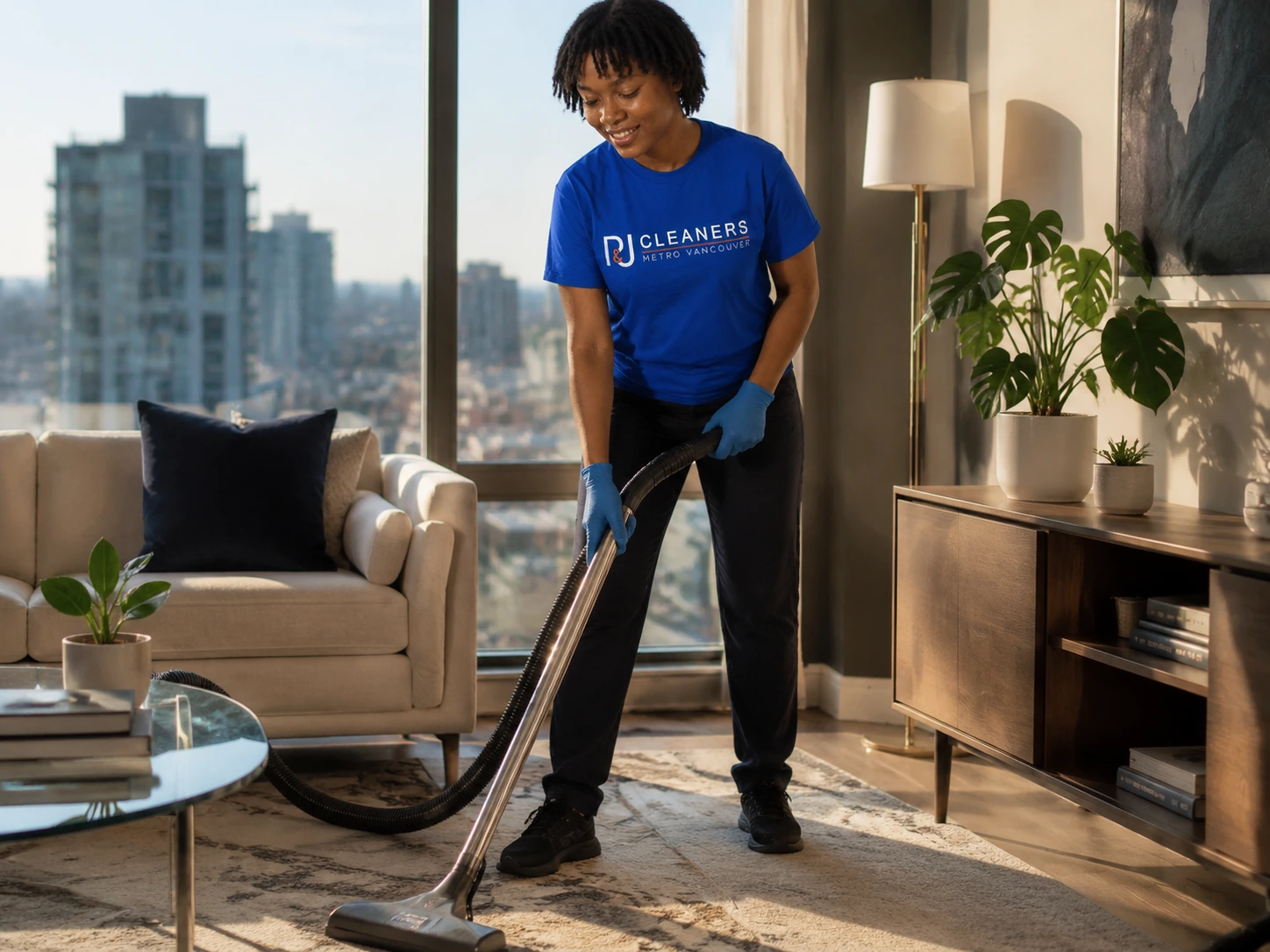
Commercial vacuums with HEPA filtration capture 99.97% of particles as small as 0.3 microns, dramatically improving indoor air quality.
- True HEPA filters meet strict standards set by the US Department of Energy, capturing microscopic allergens, dust mites, and airborne bacteria that standard vacuums recirculate. This filtration level is critical for offices with employees who have allergies or respiratory sensitivities. WorkSafeBC guidelines recommend HEPA-filtered vacuums for all commercial facilities to minimize airborne contaminant exposure. Research from the Canadian Lung Association shows HEPA vacuuming reduces airborne particulates by 85% compared to standard filtration.
- Commercial-grade vacuums feature larger motors (1,200-1,500 watts), reinforced components, and extended warranties covering 1,000+ operating hours. Upright models work best for large carpeted areas, while canister vacuums excel in offices with mixed flooring and tight spaces. Look for adjustable height settings, on-board tool storage, and cord lengths of 12+ metres to minimize outlet changes. Bagged systems contain allergens better than bagless, though bagless models reduce ongoing supply costs.
- Establish a vacuum maintenance schedule including weekly filter checks, monthly brush roll cleaning, and quarterly belt replacements. Empty vacuum bags or canisters when 50-70% full to maintain suction power. Replace HEPA filters annually or per manufacturer specifications, as clogged filters reduce efficiency by 40%. Budget $400-800 for a quality commercial vacuum with HEPA filtration, plus $80-120 annually for replacement filters and bags.
Quick Win
Vacuum high-traffic areas daily and entire office spaces 2-3 times weekly to maintain air quality and extend carpet life by 50%.
Flat Mop System with Microfibre Pads
Modern flat mop systems with washable microfibre pads clean hard floors 3x faster than traditional string mops while using 75% less water.
- Flat mop systems revolutionize hard floor maintenance with ergonomic designs that reduce worker fatigue and improve cleaning efficiency. These systems use rectangular microfibre pads that cover more surface area per stroke than circular string mops. The low-profile design reaches under furniture and equipment that traditional mops miss. ISSA time-motion studies show flat mop systems clean 5,000 sq ft in 18 minutes versus 45 minutes for conventional mopping methods.
- Dual-bucket systems separate clean solution from dirty water, preventing cross-contamination that spreads soil across floors. Fill one bucket with cleaning solution and reserve the second for rinsing mop heads between sections. This approach maintains solution effectiveness throughout the cleaning process and delivers consistently clean results. Use colour-coded mop heads matching your microfibre cloth system to prevent cross-contamination between office zones and washroom areas.
- Purchase 6-8 microfibre mop pads per mop handle to ensure adequate rotation during daily cleaning. Wash pads after each use in hot water (60°C minimum) with commercial laundry detergent. Avoid fabric softeners and bleach, which damage microfibre structure and reduce cleaning effectiveness. Replace mop pads every 6-8 months or after 200 washes. Budget $80-150 for a complete flat mop system plus $12-18 per replacement pad.
Quick Win
Pre-sweep or vacuum floors before mopping to remove loose debris and extend mop pad life by 40%.
Heavy-Duty Trash Bags
Commercial-grade trash bags with proper thickness ratings prevent tears, leaks, and workplace accidents while supporting waste diversion programmes.
- Trash bag thickness measured in mils (thousandths of an inch) determines durability and appropriate applications. Use 0.7-1.0 mil bags for office paper waste, 1.2-1.5 mil for general refuse, and 2.0+ mil for heavy or sharp materials. Metro Vancouver's waste management regulations require clear bags for recycling streams and specific colours for different waste categories. Proper bag selection prevents tears that create safety hazards and increase labour costs from double-handling.
- Size bags appropriately for container volumes to minimize waste and prevent overfilling. Standard office desk bins use 8-10 gallon bags, while central collection points require 32-44 gallon capacity. Purchase bags slightly larger than container volume to allow proper overhang and secure tying. Overfilled bags tear 3x more frequently and create workplace hazards from sharp edges and leaking liquids.
- Implement a colour-coded bag system supporting your waste diversion programme: blue for recycling, green for compost, and black for landfill waste. This visual system increases proper sorting compliance by 65% according to Statistics Canada waste diversion studies. Purchase bags in bulk cases of 200-500 to reduce per-unit costs by 30-40%. Store bags in dry locations to prevent moisture absorption that weakens plastic and causes premature tearing.
Quick Win
Match bag capacity to container size and empty bins when 70% full to prevent tears and reduce workplace accidents by 55%.
Commercial Paper Towels
High-capacity paper towel dispensers with quality towels reduce waste, lower costs, and ensure consistent hand-drying availability throughout your facility.
- Commercial paper towels come in various grades measured by ply count and sheet size. Single-ply economy towels cost less upfront but require 2-3 sheets per use, while premium 2-ply towels provide adequate drying with one sheet. Calculate cost-per-dry rather than cost-per-case to identify true value. Controlled dispensers reduce consumption by 25-40% compared to folded towel stacks by limiting sheets per pull.
- Choose between roll towels, multifold, and single-fold formats based on your dispenser infrastructure and traffic patterns. Roll towel systems work best in high-traffic washrooms, dispensing consistent sheet lengths and reducing refill frequency. Multifold towels suit moderate-traffic areas and provide backup when dispensers malfunction. The BC Health Authority recommends paper towels over air dryers in healthcare and food service environments due to superior bacteria removal during hand drying.
- Monitor consumption rates to optimize ordering and prevent stockouts. A typical office employee uses 3-4 paper towels daily, translating to 1-2 cases monthly per 50 employees. Purchase towels with minimum 50% recycled content to meet municipal green procurement standards. Store paper products in climate-controlled areas, as humidity reduces absorbency and promotes mould growth. Rotate stock using first-in-first-out principles to prevent degradation.
Quick Win
Install controlled dispensers that limit sheets per pull to reduce paper towel consumption by 30% without compromising hand-drying effectiveness.
Acid-Based Toilet Bowl Cleaner
Professional toilet bowl cleaners with proper acid formulations remove mineral deposits, stains, and bacteria while protecting porcelain surfaces.
- Toilet bowl cleaners use acids (hydrochloric, phosphoric, or citric) to dissolve mineral deposits and organic stains that alkaline cleaners cannot remove. Vancouver's moderately hard water (80-120 mg/L calcium carbonate) creates mineral buildup requiring regular acid treatment. Choose products with 9-10% acid concentration for effective cleaning without excessive fumes or surface damage. Health Canada requires proper DIN registration for all toilet bowl cleaners sold commercially.
- Apply toilet bowl cleaner under the rim and allow 5-10 minutes contact time before scrubbing with a dedicated toilet brush. Never mix toilet bowl cleaners with other chemicals, especially bleach, which creates toxic chlorine gas. Use separate brushes for each washroom zone and replace brushes every 3 months to prevent bacterial cross-contamination. WorkSafeBC requires proper ventilation when using acid-based cleaners in enclosed washroom spaces.
- Budget $4-8 per litre for commercial toilet bowl cleaner, with monthly consumption of 1-2 litres per washroom. Purchase products in squeeze bottles with angled necks for easy under-rim application. Store acid cleaners separately from alkaline products and ensure proper labeling per WHMIS requirements. Provide appropriate personal protective equipment including gloves and eye protection for staff handling concentrated toilet bowl cleaners.
Quick Win
Clean toilet bowls daily in high-traffic washrooms and 2-3 times weekly in low-traffic facilities to prevent mineral buildup and staining.
Antibacterial Hand Soap
Quality hand soap in high-capacity dispensers ensures consistent hand hygiene compliance while reducing refill labour and preventing contamination.
- Antibacterial hand soaps contain antimicrobial agents that reduce bacterial counts on hands beyond mechanical removal from washing. Look for products with 0.1-0.3% triclosan or benzalkonium chloride that meet Health Canada standards for antimicrobial efficacy. Foam soap dispensers reduce consumption by 36% compared to liquid soap while providing equivalent cleaning effectiveness. The Public Health Agency of Canada reports proper hand hygiene reduces workplace illness transmission by 21%.
- Install high-capacity dispensers (1,000-1,200ml) to reduce refill frequency and labour costs. Sealed cartridge systems prevent contamination from refilling and eliminate bacterial growth in partially empty dispensers. Choose fragrance-free or lightly scented formulas to accommodate employees with sensitivities. Budget $12-18 per litre for quality commercial hand soap, with typical consumption of 0.5-0.8ml per hand wash.
- Monitor soap levels weekly and establish refill protocols before dispensers empty completely. Empty dispensers reduce hand-washing compliance by 45% according to WorkSafeBC hygiene studies. Clean dispenser exteriors daily to remove soap residue and fingerprints. Replace disposable cartridges rather than refilling bulk dispensers to maintain hygiene standards and prevent bacterial contamination. Position dispensers 100-120cm above floor level for optimal accessibility and ADA compliance.
Quick Win
Install foam soap dispensers to reduce consumption by 36% while maintaining hand hygiene effectiveness and user satisfaction.
Automatic Air Freshener System
Programmable air freshener systems maintain pleasant environments while neutralizing odours and supporting positive workplace impressions.
- Modern air freshener systems use programmable dispensers that release fragrance at timed intervals, ensuring consistent scent levels throughout the day. Choose systems with adjustable spray frequency (15, 30, or 60-minute intervals) to match your facility's needs and traffic patterns. Automatic systems reduce product waste by 40% compared to manual spraying while delivering more consistent results. Select light, neutral fragrances that complement rather than overwhelm office environments.
- Position air fresheners strategically in washrooms, break rooms, and reception areas where odour control matters most. Mount dispensers 2-2.5 metres above floor level for optimal fragrance dispersion. Avoid placing units near HVAC returns, which pull fragrance into ductwork before it disperses properly. The Canadian Centre for Occupational Health and Safety recommends fragrance-free environments for workplaces with employees who have chemical sensitivities or respiratory conditions.
- Budget $25-40 per dispenser unit plus $6-10 per refill cartridge lasting 30-60 days depending on spray frequency settings. Purchase refills in bulk packs of 6-12 to reduce per-unit costs by 25%. Replace batteries every 6-8 months or switch to AC-powered units in locations with accessible outlets. Clean dispenser nozzles monthly to prevent clogging and ensure consistent spray patterns throughout the cartridge life.
Quick Win
Set automatic air fresheners to 30-minute intervals during business hours and 60-minute intervals overnight to optimize fragrance levels and extend refill life.
Fast Reset
Quick Implementation Tips
Start improving your office cleaning programme today with these actionable steps that deliver immediate results.
Services mentioned in this article
Ready for help?
4.9 · 850+ Google reviewsProfessional Office Cleaning with Premium Supplies
P&J Cleaners uses commercial-grade, eco-friendly products upon request across Metro Vancouver. Our bonded teams deliver consistent results with satisfaction guarantees. Same-day booking available.
778-720-2224Commercial Cleaning Supplies FAQs
What is the best way to commercial cleaning supplies list for office managers?
Start with the 11 core categories: disinfectants, all-purpose cleaners, glass cleaners, microfiber cloths, mops, vacuum cleaners, trash bags, hand soap, paper products, floor care solutions, and safety equipment. Budget $150-$400 monthly for a 5,000 sq ft office. Source from commercial suppliers like Uline, Staples Business, or local janitorial distributors in Metro Vancouver. Prioritize Health Canada-approved disinfectants and eco-certified products to meet WorkSafeBC standards while reducing environmental impact.
How often should you commercial cleaning supplies?
Restock high-use items like disinfectants, paper towels, and trash bags weekly. Replace microfiber cloths every 3-6 months or after 500 washes. Vacuum filters need changing every 1-3 months depending on office traffic. Mop heads should be replaced monthly in high-traffic areas. According to ISSA research, offices using a structured inventory system reduce supply costs by 23% and prevent cleaning disruptions. Set up automatic reordering for consumables to maintain consistent hygiene standards.
What products work best for office cleaning?
Hospital-grade disinfectants with DIN numbers from Health Canada kill 99.9% of pathogens in 30-60 seconds. Microfiber cloths remove 99% of bacteria without chemicals, outperforming cotton by 400%. HEPA-filter vacuums capture 99.97% of particles, crucial for Vancouver's allergy season. Neutral pH floor cleaners protect finishes while meeting LEED standards. The CDC recommends quaternary ammonium or hydrogen peroxide-based disinfectants for high-touch surfaces. Choose concentrated formulas to reduce packaging waste and shipping costs by up to 60%.
Is professional help worth it for office cleaning?
Professional janitorial services cost $25-$45 per hour in Metro Vancouver but deliver 3-4x faster results than untrained staff. Offices using professional cleaners report 32% fewer sick days according to ISSA data. Professionals bring commercial-grade equipment, proper training, and liability insurance. For offices over 3,000 sq ft, outsourcing typically costs less than managing in-house staff when factoring in supplies, training, and labour overhead. P&J Cleaners provides bonded, insured teams with eco-friendly products upon request and satisfaction guarantees across 39 Metro Vancouver locations.
Meet the Author
Jason Morales
Co-Founder
Jason oversees commercial operations, workflow design, and quality control for office, restaurant, and specialty cleaning programs across Metro Vancouver.
Keep Exploring